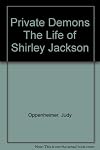
Private Demons: The Life of Shirley Jackson
by Judy Oppenheimer
On This Page
Description
She wrote one of the most memorable American short stories of the century, "The Lottery", a chilling tale that shocked the world when it was first published in 1948. To many, this haunting allegory epitomizes the short story form. A deceptively simple, but ultimately tragic tale, the life of its author, Shirley Jackson, echoes in every phrase. A brilliant writer, she was a woman of extreme contradictions. Her extraordinarily complex life is revealed in this compelling biography of a creative show more genius who left her indelible mark on the literature of our time. -- From publisher's description. show lessTags
Recommendations












Member Reviews
"To her, wicked and stupid were the same."
-- Said of Shirley Jackson by her daughter Joanne, quoted in "Private Demons: The Life of Shirley Jackson" by Judy Oppenheimer
Shirley Jackson herself said the recurring theme in her stories, which include the classic short story "The Lottery" and the classic horror novel "The Haunting of Hill House," was "an insistence on the uncontrolled, unobserved wickedness of human behavior." Jackson's stories were also very personal. They were about her town of North Bennington, Vt., about her family and about the dual nature of her own personality. She was, as Judy Oppenheimer portrays her in the excellent 1988 biography "Private Demons: The Life of Shirley Jackson," both stupid and wicked and both keenly show more intelligent and an admirable human being, devoted wife, good mother and great American writer.
The demons of Oppenheimer's title refer primarily to the wounds to her psyche left by a disapproving mother who thought her daughter should focus on, to her, important things like popularity and good looks rather than unimportant things like writing stories. She even told her daughter that she was born after an unsuccessful abortion attempt. Jackson tried to be a much better mother to her four children, yet following her premature death at the age of 48, she left most of them with deep psychological wounds that excessive alcohol and drugs failed to cure.
Jackson herself, and here is where she was stupid, ate too much, drank too much and took too many drugs for too long. Those drugs, mostly tranquilizers, were prescribed by her doctor and were thought harmless at the time, but after years of daily use, especially in combination with large quantities of alcohol, they helped bring her to a point where she was afraid to leave her own home. She was happiest when she was writing, but her mistreatment of her body left her unable to write for a long period near the end of her life.
She married her college sweetheart, Stanley Hyman, who later became an influential literary critic. Two odd people, they were ideal for each other. Although he was not a faithful husband and Jackson was constantly jealous of his interest in more attractive women, she never doubted his love for her. She may have been fat and phobic, but Hyman was devoted to her, and her early death left him helpless. He, too, died young, not long after she did.
For a time their home was a gathering place for some of the most important writers of their time, including Ralph Ellison, J.D. Salinger, Peter DeVries and Dylan Thomas. Shirley Jackson could be fun to be around, or she could be a terror if she didn't like you or feared you, as she did most of the residents of her own community, those whose stupidity and wickedness she wrote about in her books. show less
-- Said of Shirley Jackson by her daughter Joanne, quoted in "Private Demons: The Life of Shirley Jackson" by Judy Oppenheimer
Shirley Jackson herself said the recurring theme in her stories, which include the classic short story "The Lottery" and the classic horror novel "The Haunting of Hill House," was "an insistence on the uncontrolled, unobserved wickedness of human behavior." Jackson's stories were also very personal. They were about her town of North Bennington, Vt., about her family and about the dual nature of her own personality. She was, as Judy Oppenheimer portrays her in the excellent 1988 biography "Private Demons: The Life of Shirley Jackson," both stupid and wicked and both keenly show more intelligent and an admirable human being, devoted wife, good mother and great American writer.
The demons of Oppenheimer's title refer primarily to the wounds to her psyche left by a disapproving mother who thought her daughter should focus on, to her, important things like popularity and good looks rather than unimportant things like writing stories. She even told her daughter that she was born after an unsuccessful abortion attempt. Jackson tried to be a much better mother to her four children, yet following her premature death at the age of 48, she left most of them with deep psychological wounds that excessive alcohol and drugs failed to cure.
Jackson herself, and here is where she was stupid, ate too much, drank too much and took too many drugs for too long. Those drugs, mostly tranquilizers, were prescribed by her doctor and were thought harmless at the time, but after years of daily use, especially in combination with large quantities of alcohol, they helped bring her to a point where she was afraid to leave her own home. She was happiest when she was writing, but her mistreatment of her body left her unable to write for a long period near the end of her life.
She married her college sweetheart, Stanley Hyman, who later became an influential literary critic. Two odd people, they were ideal for each other. Although he was not a faithful husband and Jackson was constantly jealous of his interest in more attractive women, she never doubted his love for her. She may have been fat and phobic, but Hyman was devoted to her, and her early death left him helpless. He, too, died young, not long after she did.
For a time their home was a gathering place for some of the most important writers of their time, including Ralph Ellison, J.D. Salinger, Peter DeVries and Dylan Thomas. Shirley Jackson could be fun to be around, or she could be a terror if she didn't like you or feared you, as she did most of the residents of her own community, those whose stupidity and wickedness she wrote about in her books. show less
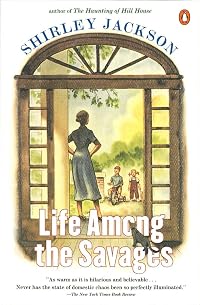
For some reason as I read Private Demons: The Life of Shirley Jackson by Judy Oppenheimer I found myself thinking again and again of Persephone who as wife of Hades half the year was wise and removed and occult and strange and the other half the cheerful sunny daughter of Demeter, bringing spring and joy in her wake. -- Oppenheimer makes the point again and again that Shirley Jackson was BOTH. While one could argue or speculate that Shirley had more than two sides, these extremes are most prevalent in her written work: the cheerful and capable mother of Life Among the Savages a slightly darker version of Please Don’t Eat the Daisies and, of course, the writer of scary chilling stories like ‘The Lottery’. I am always leery of the show more wounded artist archetype, certainly it is not a requirement to be tormented and odd and different, and Oppenheimer was careful not to fall into that trap, but it is evident that from her earliest days Shirley was different. While her mother certainly wins no prizes for being able to understand, accept or approve of her daughter..... Shirley was an unusual person from the start. Shirley's adult life really begins when she meets Stanley Hyman at Syracuse when she is around twenty. He immediately saw the genius in her writing talent and despite being limited in his views about women in general, he encouraged her writing ambitions wholeheartedly. I’ve always thought that Hades must have had something to offer Persephone, and the marriage of Shirley and Stanley illustrates that vividly. He rescued her from her overbearing mother, and while he is himself overbearing he also gives her freedom to explore her creative and individual self, once she has made the morning coffee, of course.
By the end of her life, Jackson is obese, addicted to amphetamines and tranquilizers, has developed severe writer’s block and become agoraphobic but valiantly worked at overcoming the last two afflictions. She died at 48, probably of heart failure.
Oppenheimer succeeds in portraying Jackson with dignity and respect at all times and avoids sensationalizing her quirks (such as a deep interest in witchcraft).
A lovely funny Shirley on adolescents: “You can drive them out of the room with any kind of cross word or personal remark - like why don’t you pick up your room? - and get a little peace to write in.” show less
By the end of her life, Jackson is obese, addicted to amphetamines and tranquilizers, has developed severe writer’s block and become agoraphobic but valiantly worked at overcoming the last two afflictions. She died at 48, probably of heart failure.
Oppenheimer succeeds in portraying Jackson with dignity and respect at all times and avoids sensationalizing her quirks (such as a deep interest in witchcraft).
A lovely funny Shirley on adolescents: “You can drive them out of the room with any kind of cross word or personal remark - like why don’t you pick up your room? - and get a little peace to write in.” show less
oof. Because this is anecdotal, it ends up feeling gossipy and often relies on blatant speculation to make what then become skewed points about Jackson. Oppenheimer often contradicts herself, and she often claims that Jackson "must have" felt one way or "certainly" this or that is true with no evidence to back these statements up. Her speculation that because Jackson's childhood friend felt creeped out by Jackson's uncle he must have molested his niece is deeply problematic, especially since so many critics quote this "fact" when discussing certain Jackson stories. I believe Dorothy was creeped out (believe women and girls!) but Oppenheimer doesn't prove the wild speculations she bases on Dorothy's experience. Her own fat-shaming bias show more often makes it difficult to get through some of her discussions of Jackson's physicality, but Oppenheimer is not alone in pointing that bias at Jackson; there's a long tradition of (usually male) critics who do just that.
This gets an extra star for taking the view (that I happen to somewhat agree with) that madness in Jackson's work is often coded as liberating, though there have been some critical responses to this idea that I also agree with (the point is I'm working it out).
For a long time, this was the only biography of Shirley Jackson. That is no longer the case. Read the superior Ruth Franklin biography instead. show less
This gets an extra star for taking the view (that I happen to somewhat agree with) that madness in Jackson's work is often coded as liberating, though there have been some critical responses to this idea that I also agree with (the point is I'm working it out).
For a long time, this was the only biography of Shirley Jackson. That is no longer the case. Read the superior Ruth Franklin biography instead. show less
I didn't know anything about Shirley Jackson except that she wrote "The Lottery" before I read this biography. I love good biographies, and I loved this book. I also loved Shirley by the time I was finished. What an over-the-top crazywoman she was. You definitely wouldn't want her for a mother, but you'd want her as a friend--one of those people I would love to friend (what would you think of that word, Shirley?) on facebook.
She died so young (1919-1965). Pills and booze did her in: Dexedrine (she took it nearly every day), Thorazine, Miltown, phenobarb, bourbon. At the time she was taking all of this, it never occurred to her or anyone else that the pills were harmful--prescription drugs, after all. She was brazen and I think liked show more shocking people, and she definitely had a biting wit. One request to be on a panel to discuss the tragedy of alcoholism she turned down at once--"I am rather more in favor of alcoholism than against it."
Her mother, Geraldine Jackson, didn't help--she was an outrageous b(rhymes with "witch) where Shirley was concerned. When Shirley was an adolescent, her mother told her she was a "failed abortion." Oppenheimer: The worried, disapproving, unrelenting specter of Geraldine Jackson.
If you're a literary junkie like I am, you have to love this little factoid: In 1996, a crate of unpublished stories was found in the barn behind Jackson's house in Vermont. Her youngest son has said that Shirley's letters were her revenge. Her papers are at the Library of Congress, given to them by her husband, Stanley Hyman. If her letters are part of that collection, please, please somebody edit them and publish a collection.
Judy Oppenheimer's biography is excellent because she's willing to write a warts-and-all biography of this interesting woman. I think Jackson herself would have been pleased with this work. show less
She died so young (1919-1965). Pills and booze did her in: Dexedrine (she took it nearly every day), Thorazine, Miltown, phenobarb, bourbon. At the time she was taking all of this, it never occurred to her or anyone else that the pills were harmful--prescription drugs, after all. She was brazen and I think liked show more shocking people, and she definitely had a biting wit. One request to be on a panel to discuss the tragedy of alcoholism she turned down at once--"I am rather more in favor of alcoholism than against it."
Her mother, Geraldine Jackson, didn't help--she was an outrageous b(rhymes with "witch) where Shirley was concerned. When Shirley was an adolescent, her mother told her she was a "failed abortion." Oppenheimer: The worried, disapproving, unrelenting specter of Geraldine Jackson.
If you're a literary junkie like I am, you have to love this little factoid: In 1996, a crate of unpublished stories was found in the barn behind Jackson's house in Vermont. Her youngest son has said that Shirley's letters were her revenge. Her papers are at the Library of Congress, given to them by her husband, Stanley Hyman. If her letters are part of that collection, please, please somebody edit them and publish a collection.
Judy Oppenheimer's biography is excellent because she's willing to write a warts-and-all biography of this interesting woman. I think Jackson herself would have been pleased with this work. show less
Ratings
Members
- Recently Added By
Lists

Best Biographies
216 works; 26 members
Author Information
2 Works 203 Members
Common Knowledge
- Canonical title
- Private Demons: The Life of Shirley Jackson
- People/Characters
- Shirley Jackson
- Important places
- Vermont, USA
- Dedication
- For my parents, Ralph and Jeanne Altman: in love, in gratitude, and in awe
- First words
- She was not the daughter her mother wanted; that much was clear from the start.
- Last words
- (Click to show. Warning: May contain spoilers.)Laughter is possible laughter is possible laughter is possible.
- Canonical DDC/MDS
- 818.5409
- Canonical LCC
- PS3519.A392
Classifications
- Genres
- Biography & Memoir, Literature Studies and Criticism
- DDC/MDS
- 818.5409 — Literature & rhetoric American literature in English American miscellaneous writings in English 20th Century 1945-1999
- LCC
- PS3519 .A392 — Language and Literature American literature American literature Individual authors 1900-1960
Statistics
- Members
- 201
- Popularity
- 162,402
- Reviews
- 5
- Rating
- (3.99)
- Languages
- English
- Media
- Paper
- ISBNs
- 2
- ASINs
- 1