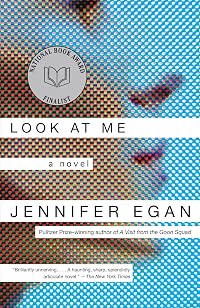
Look at Me
by Jennifer Egan
On This Page
Description
At the start of this edgy and ambitiously multilayered novel, a fashion model named Charlotte Swenson emerges from a car accident in her Illinois hometown with her face so badly shattered that it takes eighty titanium screws to reassemble it. She returns to New York still beautiful but oddly unrecognizable, a virtual stranger in the world she once effortlessly occupied.With the surreal authority of a David Lynch, Jennifer Egan threads Charlotte's narrative with those of other casualties of show more our infatuation with the image. There's a deceptively plain teenage girl embarking on a dangerous secret life, an alcoholic private eye, and an enigmatic stranger who changes names and accents as he prepares an apocalyptic blow against American society. As these narratives inexorably converge, Look at Me becomes a coolly mesmerizing intellectual thriller of identity and imposture.
. show less
Tags
Recommendations
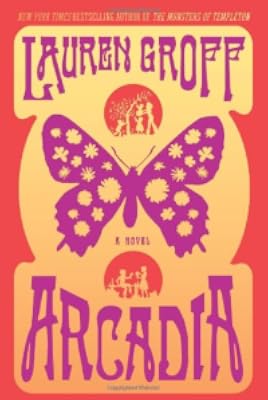
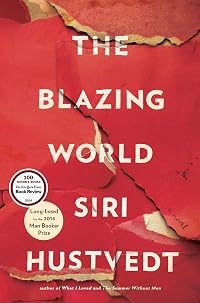
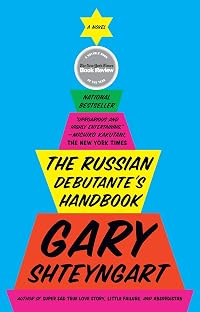
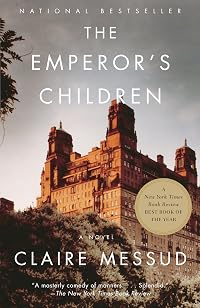
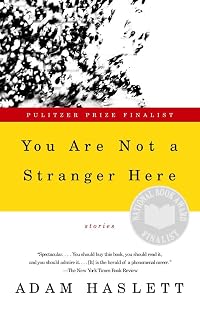
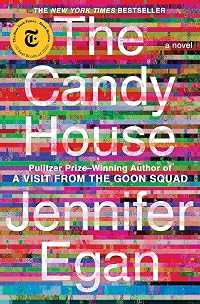
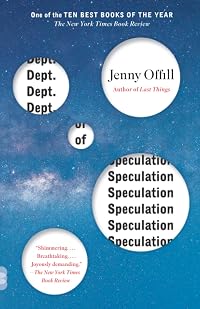
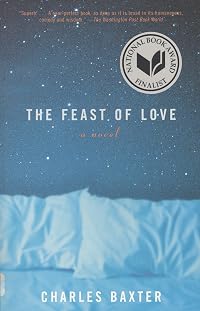
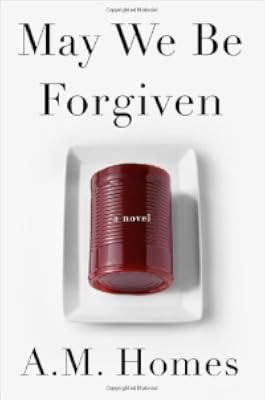
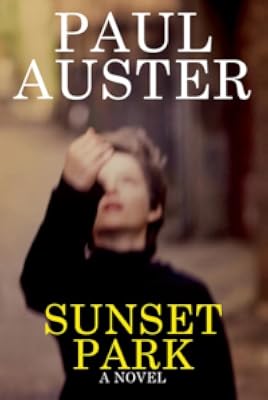
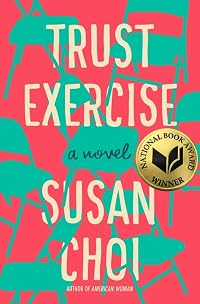
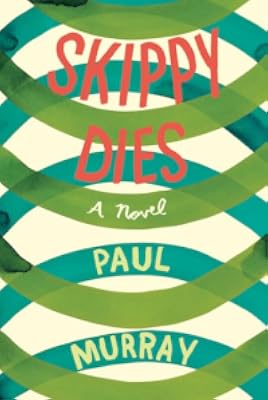

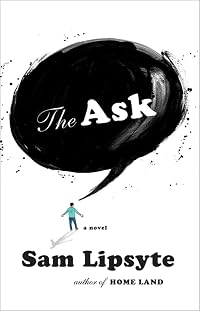
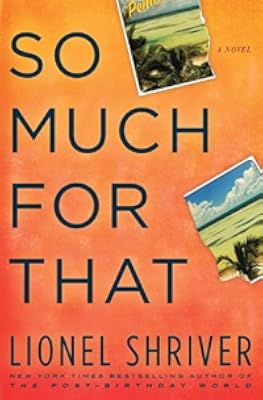
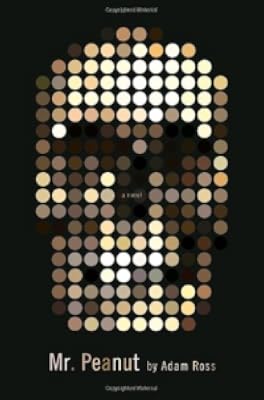
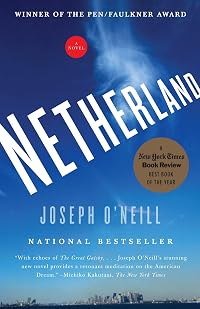
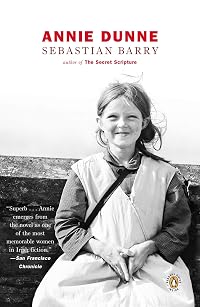
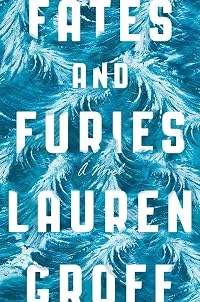
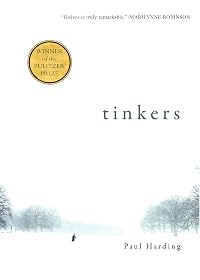
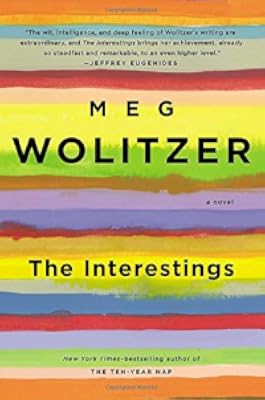
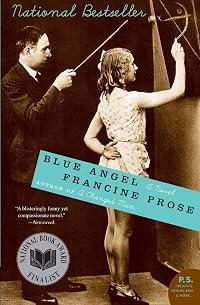
Member Recommendations

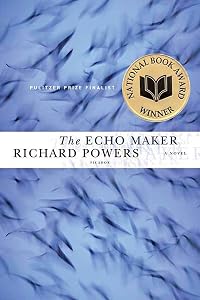
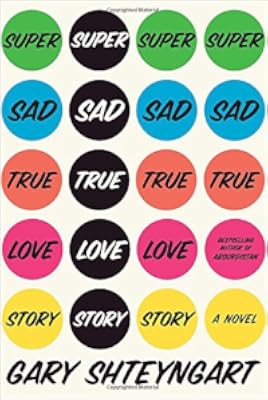
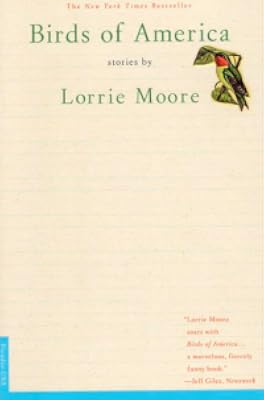
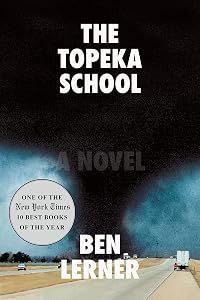
kseniyat Remainder has the same tone of surreality that Look at Me takes on. The plots are very different, but there is a similar meditation on appearance vs. substance, and its sometimes surreal consequences, that drive much of Look at Me. The sense of humor of these two others also have something in common.
Member Reviews
I struggled a little to get into this book, but once I did I was wholly immersed. It's fascinating to see that Egan is already, in the 1990's, thinking about the themes that will make Goon Squad and Candy House so compelling. Look At Me makes me appreciate Egan's brilliance even more; she essentially anticipates so many elements of our modern culture, the fascinations and the traumas. I found the epigraph especially illuminating, and kept the idea that whoever we are looking at, we always see ourselves in mind as I was reading. It added a meditative layer to my reading, a purpose that I relished. That layer, on top of the compelling stories and mysteries of Egan's characters, made this a deeply satisfying and somewhat unsettling read.
I loved the beginning of this book, but once she started getting into the "Ordinary People" reality TV/social networking thing, I started to find it boring.
Egan's style reminds me of Ann Packer to a degree, but this might be just because I read Look at Me immediately after two of Packer's books. The difference I see with Egan is in the action of the story. Her plots seem to follow a more fanciful direction. The second half of this book actually kind of reminded me of P.K. Dick (not sure if anyone else would see the similarity and I'm not sure I can explain it adequately, or if there's really much overlap between Egan and P.K. Dick readers, but that's what "Ordinary People" put me in mind of).
The characters in this story all go through show more or have gone through a "before and after" kind of experience, several of them more than one. Egan seems to be questioning the very nature of personal identity. What does it mean to each of us to be "me"? Am I identified by how I look, by what I do or have done, by what I own? If one or more of these things changes, am I still "me"?
I found the public persona/private persona question she raises fascinating. If we reveal all of ourselves in a reality TV/blogging/social networking realm (note that this book was published in 2001, before most of that, except reality TV. I agree with other reviewers and am impressed with Egan's prescience), when do we stop being "me"? On the flip side, if we keep everything about ourselves a secret and jump to another identity as soon as we begin to make a connection with others, do we have any more control of our identities? In the case of both extremes, we can lose ourselves, in one case belonging to everyone else and in the other belonging to no one because we are invisible.
It's caused me to wonder if I might want to change the nature of the information I share on my blog and social media. When I share personal feelings and details about my life, am I sharing myself? And if so, am I losing myself in the process?
The other question this book left me with: Do people really have that much sex? show less
Egan's style reminds me of Ann Packer to a degree, but this might be just because I read Look at Me immediately after two of Packer's books. The difference I see with Egan is in the action of the story. Her plots seem to follow a more fanciful direction. The second half of this book actually kind of reminded me of P.K. Dick (not sure if anyone else would see the similarity and I'm not sure I can explain it adequately, or if there's really much overlap between Egan and P.K. Dick readers, but that's what "Ordinary People" put me in mind of).
The characters in this story all go through show more or have gone through a "before and after" kind of experience, several of them more than one. Egan seems to be questioning the very nature of personal identity. What does it mean to each of us to be "me"? Am I identified by how I look, by what I do or have done, by what I own? If one or more of these things changes, am I still "me"?
I found the public persona/private persona question she raises fascinating. If we reveal all of ourselves in a reality TV/blogging/social networking realm (note that this book was published in 2001, before most of that, except reality TV. I agree with other reviewers and am impressed with Egan's prescience), when do we stop being "me"? On the flip side, if we keep everything about ourselves a secret and jump to another identity as soon as we begin to make a connection with others, do we have any more control of our identities? In the case of both extremes, we can lose ourselves, in one case belonging to everyone else and in the other belonging to no one because we are invisible.
It's caused me to wonder if I might want to change the nature of the information I share on my blog and social media. When I share personal feelings and details about my life, am I sharing myself? And if so, am I losing myself in the process?
The other question this book left me with: Do people really have that much sex? show less
Overall I liked this tale of identity and seeing clearly, but it was a little frustrating. Particularly with model Charlotte and her endless self-destruction. Everything from her drinking to her free-fall career plans. She really seemed to hate herself, her life and everything she’d done. She also seemed to act out with that hatred, too. The booze trick with the detective was pretty low. As was wishing he would take up the bottle again, which he does, much to my disappointment. Egan seemed to give more agency to young Charlotte than to old. Some characterize her seduction of Michael West as orchestrating her own sexual abuse, but it didn’t come off that way to me, and having been a teenage girl, I don’t see it that way either. show more Sure, some girls are abused and manipulated, but Charlotte wasn’t one of them.
West, Z or Aziz as he is known by turns, is a strange character. He lived in New York and still snow is new? Huh? I wasn’t sure what to make of him. At first he seemed just another thug trying to get away with a scam, but then he got a little religious, but it didn’t stick and when he just vanished at the end, I wondered if he’d been totally seduced by “the West” as he had been by Charlotte. Did he finally see himself clearly? We’ll never know and I’m ok with that. Not everything should be tied up in a bow.
The other character to mystify me was Moose. I couldn’t see his connection to anyone else and have no idea what purpose he served. After a while I skimmed a lot of his anguish and male twisting in the wind. I couldn’t understand his obscure obsessions or why he resorted to torturing his students with a bomb. It was bizarre. I did like the way his ramblings brought glass and its history into things; how it has affected the way humanity functions and sees itself, both literally and figuratively. His book about it, or maybe it was someone elses’, is something I would willingly read.
Young Charlotte on the other hand was real and I thought her writing and inner monologues rang quite true for an adolescent. That horrible division between wanting to be unique and wanting to fit in. No protective coloration. She had it in spades.
In the end, Egan splices all the narratives together without distinction - you were taken from one aspect to another in adjoining sentences and I’m not sure this was necessary. I didn’t see what it did that a more traditional spacing wouldn’t have done, other than make me read things over again. And all of the musings on terrorism and especially the failed attack on the world trade center must have freaked Egan out a little since this was published just after the successful attacks. Also the whole thing with the “Personal Space” project. Jeez. It reeked of My Space, but had none of the prescience of Facebook. Of course, none of us knew that then. Except a few. Kind of creepy in a way. show less
West, Z or Aziz as he is known by turns, is a strange character. He lived in New York and still snow is new? Huh? I wasn’t sure what to make of him. At first he seemed just another thug trying to get away with a scam, but then he got a little religious, but it didn’t stick and when he just vanished at the end, I wondered if he’d been totally seduced by “the West” as he had been by Charlotte. Did he finally see himself clearly? We’ll never know and I’m ok with that. Not everything should be tied up in a bow.
The other character to mystify me was Moose. I couldn’t see his connection to anyone else and have no idea what purpose he served. After a while I skimmed a lot of his anguish and male twisting in the wind. I couldn’t understand his obscure obsessions or why he resorted to torturing his students with a bomb. It was bizarre. I did like the way his ramblings brought glass and its history into things; how it has affected the way humanity functions and sees itself, both literally and figuratively. His book about it, or maybe it was someone elses’, is something I would willingly read.
Young Charlotte on the other hand was real and I thought her writing and inner monologues rang quite true for an adolescent. That horrible division between wanting to be unique and wanting to fit in. No protective coloration. She had it in spades.
In the end, Egan splices all the narratives together without distinction - you were taken from one aspect to another in adjoining sentences and I’m not sure this was necessary. I didn’t see what it did that a more traditional spacing wouldn’t have done, other than make me read things over again. And all of the musings on terrorism and especially the failed attack on the world trade center must have freaked Egan out a little since this was published just after the successful attacks. Also the whole thing with the “Personal Space” project. Jeez. It reeked of My Space, but had none of the prescience of Facebook. Of course, none of us knew that then. Except a few. Kind of creepy in a way. show less
Content warning: This review has tons of spoilers, and mentions rape and underage relationships.
This is going to be a pretty unstructured and ranty sort of review, sorry about that, but I just wanted to blab my thoughts on this book.
First, I thought the writing style was really the only great thing about this book. Egan has a very sharp yet descriptive way of writing and I truly enjoyed that. The only other thing I liked about this book was the snappy, snarky bits of dialogue, mostly from Charlotte Swenson. (The 2 stars I'm giving to this book are purely for the writing) But that was later ruined for me because Charlotte is a god-awful human and I went from really liking her to basically despising her. And it's not because of her show more "lying" personality that she brags about; it's because she's written as getting a happy ending after doing all kinds of awful things, including but not limited to raping Detective Holladay. That was seriously a f-ed up scene and I'm pissed that Charlotte got to have her happy ending after all that. I know there are people who will argue that her ending wasn't happy because she had to "sell" her identity, but listen: she sold her name willingly and eagerly, gots a TON of money from it, and got to start her life over, which is something she really wanted. She got to escape all the celebrity of her life, and for Charlotte, that was a happy ending.
Additionally, the awful relationship between the other young Charlotte and Michael West is never condemned or taken care of. I understand that Charlotte was the one who pursued the relationship and wanted to have sex, but that still doesn't excuse the fact that West never has to face the consequences of his actions. He literally gets to skip off to LA and go make movies or whatever, and there are no repercussions for him.
Okay and lastly, wtf was up with Moose? At first, I kind of felt for him, but as his narrative went on it just seemed to spiral out of control and made less and less sense. I read "Look at Me" in a college class of mine and lots of people were going on about how "deep" and "thought-provoking" Moose was, but I'm like ???? No ??? He's a pretentious dipwad who thinks he's smarter than everyone else? I'm also super over his whole "oooohh, I don't use technology so ClEArLY I'm Smarter and more Wise than all you dummies". lol give me a break.
The only character I ended up caring even a little about what Ellen, and she didn't even get a proper ending to her narrative! -_-
okay, that's the end of my rambling review. I originally just passively gave this book 3-stars but thought about it again and realized how annoying and problematic it was. Would not recommend this book. show less
This is going to be a pretty unstructured and ranty sort of review, sorry about that, but I just wanted to blab my thoughts on this book.
First, I thought the writing style was really the only great thing about this book. Egan has a very sharp yet descriptive way of writing and I truly enjoyed that. The only other thing I liked about this book was the snappy, snarky bits of dialogue, mostly from Charlotte Swenson. (The 2 stars I'm giving to this book are purely for the writing) But that was later ruined for me because Charlotte is a god-awful human and I went from really liking her to basically despising her. And it's not because of her show more "lying" personality that she brags about; it's because she's written as getting a happy ending after doing all kinds of awful things, including but not limited to raping Detective Holladay. That was seriously a f-ed up scene and I'm pissed that Charlotte got to have her happy ending after all that. I know there are people who will argue that her ending wasn't happy because she had to "sell" her identity, but listen: she sold her name willingly and eagerly, gots a TON of money from it, and got to start her life over, which is something she really wanted. She got to escape all the celebrity of her life, and for Charlotte, that was a happy ending.
Additionally, the awful relationship between the other young Charlotte and Michael West is never condemned or taken care of. I understand that Charlotte was the one who pursued the relationship and wanted to have sex, but that still doesn't excuse the fact that West never has to face the consequences of his actions. He literally gets to skip off to LA and go make movies or whatever, and there are no repercussions for him.
Okay and lastly, wtf was up with Moose? At first, I kind of felt for him, but as his narrative went on it just seemed to spiral out of control and made less and less sense. I read "Look at Me" in a college class of mine and lots of people were going on about how "deep" and "thought-provoking" Moose was, but I'm like ???? No ??? He's a pretentious dipwad who thinks he's smarter than everyone else? I'm also super over his whole "oooohh, I don't use technology so ClEArLY I'm Smarter and more Wise than all you dummies". lol give me a break.
The only character I ended up caring even a little about what Ellen, and she didn't even get a proper ending to her narrative! -_-
okay, that's the end of my rambling review. I originally just passively gave this book 3-stars but thought about it again and realized how annoying and problematic it was. Would not recommend this book. show less
I bought this just after finishing 'A visit from the goon squad' and I was just as impressed. Basically three individual stories are tangentially connected, nevertheless each one gripped me in different ways. Older Charlotte is an ex-model who has reconstructive facial surgery after an accident and becomes desperate when none of her old acquaintances recognise her - desperate enough to sign up to a truly invasive Internet scheme. This was my favourite strand even though Charlotte herself isn't very likeable. Younger Charlotte is restless in her teenage life and has an affair with an older man to try and quell her restlessness - I thought that this Charlotte was drawn really well and was an entirely believable, if unusual, teenager. show more Finally there's the middle eastern terrorist who plans to bring down America from the inside, but ends up being sucked further and further in.
This book was written in 2001, before 9/11 and before so much of our lives began to be lived online. As a result it feels alternately naive and prescient. The character of the terrorist is less believable now in a post 9/11 world but he is sympathetically drawn and his journey is comically bleak at the end. Similarly the 'real-life' Internet experiment that Charlotte takes part in is all too familiar now - the only detail strange to us is how much money she gets paid for sharing her life online.
Not only is Jennifer Egan a brilliant writer who manages that rare combination of readable and well-crafted prose, she seems to have predicted the future. 10 years on, this still feels like a book that is of our time and well worth a read today. show less
This book was written in 2001, before 9/11 and before so much of our lives began to be lived online. As a result it feels alternately naive and prescient. The character of the terrorist is less believable now in a post 9/11 world but he is sympathetically drawn and his journey is comically bleak at the end. Similarly the 'real-life' Internet experiment that Charlotte takes part in is all too familiar now - the only detail strange to us is how much money she gets paid for sharing her life online.
Not only is Jennifer Egan a brilliant writer who manages that rare combination of readable and well-crafted prose, she seems to have predicted the future. 10 years on, this still feels like a book that is of our time and well worth a read today. show less
Ever wanted to read a philosophical novel with all the philosophy taken out? Here's your beast. I'd thought, since she's been in the news for a recent novel, that Egan was alive and well, but this novel makes it quite obvious that she died sometime around 1914, and is in fact a Victorian novelist disguised as our contemporary. Why is it obvious?
* slightly poetic but otherwise totally banal prose style.
* huge numbers of plots that never actually get joined together.
* fascination with characters, but no way of actually distinguishing them other than altering their ages and genders (i.e., they all sound exactly the same).
* at least twice as long as it should have been.
* obsession with social and intellectual issues, but in a purely show more personal manner that, ironically, never does much more than skim the surface of said issues.
* silly ideas about seeing people's 'true selves.'
Yes: this is a Victorian novel, written about what we think of as a uniquely twentieth century problem, the obsession with images and appearances.
More specifically, for the first 100 pages, the first-person narrative of Charlotte the model is really boring, and the third person narrative of Charlotte the young girl is great. For the next 300 pages, this is so completely inverted that I almost skipped whole chapters to get back to the actual story, as young Charlotte's plot blossomed out into a whole bunch of useless, shit flowers (her brother has cancer! her uncle is crazy! her friends are teenagers!). Yes, there's all sorts of neat, foreheadsmackingly obvious parallels between the Charlottes (they both relate to people only through sex! they both live/d in Rockford! they know some of the same people! they both alter their appearance! they're both involved with a man who might be a terrorist but actually appears to have decided to direct movies instead!), but otherwise there's no connection between them. In other words: one story, told twice. Not fun.
The breathless praise this book received suggests that people really like reading about things that are just about to happen, and that's fair. But I was deeply disappointed: this could have been a monster. As it is, it's period piece, but one that makes me think I ought to keep reading her novels, because she clearly *could* write the monster. show less
* slightly poetic but otherwise totally banal prose style.
* huge numbers of plots that never actually get joined together.
* fascination with characters, but no way of actually distinguishing them other than altering their ages and genders (i.e., they all sound exactly the same).
* at least twice as long as it should have been.
* obsession with social and intellectual issues, but in a purely show more personal manner that, ironically, never does much more than skim the surface of said issues.
* silly ideas about seeing people's 'true selves.'
Yes: this is a Victorian novel, written about what we think of as a uniquely twentieth century problem, the obsession with images and appearances.
More specifically, for the first 100 pages, the first-person narrative of Charlotte the model is really boring, and the third person narrative of Charlotte the young girl is great. For the next 300 pages, this is so completely inverted that I almost skipped whole chapters to get back to the actual story, as young Charlotte's plot blossomed out into a whole bunch of useless, shit flowers (her brother has cancer! her uncle is crazy! her friends are teenagers!). Yes, there's all sorts of neat, foreheadsmackingly obvious parallels between the Charlottes (they both relate to people only through sex! they both live/d in Rockford! they know some of the same people! they both alter their appearance! they're both involved with a man who might be a terrorist but actually appears to have decided to direct movies instead!), but otherwise there's no connection between them. In other words: one story, told twice. Not fun.
The breathless praise this book received suggests that people really like reading about things that are just about to happen, and that's fair. But I was deeply disappointed: this could have been a monster. As it is, it's period piece, but one that makes me think I ought to keep reading her novels, because she clearly *could* write the monster. show less
It's almost impossible to read this book with any sort of objective eye in the year 2013. It was written in the six years leading up to 2001 and released a week after 9/11. To've read it in, say, August 2001 - that would be the ideal. Because it isn't just the 9/11 thing that is prescient but rather the entire novel. Imagine a world without Facebook, without Twitter, without iPhones, without any of it. Then, imagine an author feeling those inevitable realities, maybe not in those forms but in their most basic thought-stages, and trying to express what creeping rot-of-the-soul lay underneath the feel-good 90s.
This is the sort of novel that should make you want to write a paper (or several) just to parse all of the thoughts that it show more inspires. The only thing? It's a bit rocky at times, a bit too long, a bit... dare I say unfinished? It still feels like it never quite got where it wanted to go, although that aspired position was hands and heads above where just about anyone else can reach. You can see the seeds of Ms. Egan's later, more daring works here - and for that alone, it's well worth reading.
More at RB: http://wp.me/pGVzJ-GG show less
This is the sort of novel that should make you want to write a paper (or several) just to parse all of the thoughts that it show more inspires. The only thing? It's a bit rocky at times, a bit too long, a bit... dare I say unfinished? It still feels like it never quite got where it wanted to go, although that aspired position was hands and heads above where just about anyone else can reach. You can see the seeds of Ms. Egan's later, more daring works here - and for that alone, it's well worth reading.
More at RB: http://wp.me/pGVzJ-GG show less
Members
- Recently Added By
Published Reviews
ThingScore 94
A critic could write a long essay on the novel's sophisticated treatment of perception, image, media and identity. Luckily for you, I won't. What more people have found exciting here is the uncanny way in which many of Egan's futuristic visions have come true.
added by Nickelini
Less pedantic than its message would indicate, the book reads like both a mystery and a romance novel, like a Raymond Chandler detective story and, at times, a Judy Blume teenage-problem book. Propelled by plot, peppered with insights, enlivened by quirkily astute characterizations, and displaying an impressive prescience about our newly altered world, “Look at Me” is more nuanced than it show more first appears. Ultimately, it takes us beyond what we see and hints at truths we have only just begun to understand. show less
added by Nickelini
Given the sorry state of so much current fiction, the appearance of a novel with a narrative style that seems fresh, accurate, clear and inventive-especially when combined with a gift for observation and the delineation of character-is truly an occasion for calling up one's friends to announce that the novel has once again survived the latest dire predictions of its demise.
added by Shortride
Lists

Books Read in 2017
4,249 works; 129 members

National Book Award Finalists - Fiction
377 works; 12 members

Books Read in 2012
816 works; 34 members

Gen X Library
245 works; 4 members
Author Information

14+ Works 20,233 Members
Jennifer Egan was born in Chicago, Illinois on September 6, 1962. She attended the University of Pennsylvania and St. John's College, Cambridge. She is the author of The Invisible Circus, Look at Me, Emerald City and Other Stories, The Keep, and Manhattan Beach, which won the Andrew Carnegie Medal for Excellence in Fiction in 2018. Her title, A show more Visit from the Goon Squad, won both the 2011 Pulitzer Prize and the 2011 National Book Critics Circle Award for fiction. Her short stories have appeared in numerous publications including The New Yorker, Harpers, and Granta. She is a recipient of a Guggenheim Fellowship, a National Endowment for the Arts Fellowship, and a Dorothy and Lewis B. Cullman Fellowship. Her non-fiction articles appear frequently in the New York Times Magazine and have won a number of awards. (Bowker Author Biography) show less
Some Editions
Awards and Honors
Awards
Distinctions
Notable Lists
Common Knowledge
- Canonical title
- Look at Me
- Original title
- Look at me
- Original publication date
- 2001
- Important places
- New York, New York, USA; Illinois, USA
- Epigraph
- We walk through ourselves, meeting robbers, ghosts, giants, old men, young men, wives, widows, brothers-in-love. But always meeting ourselves.
--Ulysses, James Joyce - Dedication
- In Memory
D.E.E.
W.D.K. - First words
- After the accident, I became less visible.
- Last words
- (Click to show. Warning: May contain spoilers.)"Hello," I say. "It's me."
- Blurbers
- Corrigan, Maureen; Prose, Francine
- Original language
- English
Classifications
Statistics
- Members
- 1,545
- Popularity
- 14,874
- Reviews
- 44
- Rating
- (3.53)
- Languages
- 8 — Danish, Dutch, English, French, German, Italian, Polish, Portuguese
- Media
- Paper, Audiobook, Ebook
- ISBNs
- 23
- ASINs
- 11