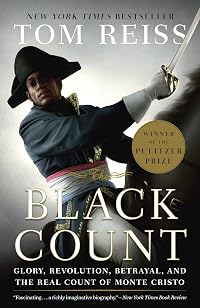
The Black Count: Napoleon's Rival and the Real Count of Monte Cristo, Alexandre Dumas
by Tom Reiss
On This Page
Description
WINNER OF THE 2013 PULITZER PRIZE FOR BIOGRAPHYGeneral Alex Dumas is a man almost unknown today, yet his story is strikingly familiar—because his son, the novelist Alexandre Dumas, used his larger-than-life feats as inspiration for such classics as The Count of Monte Cristo and The Three Musketeers.
But, hidden behind General Dumas's swashbuckling adventures was an even more incredible secret: he was the son of a black slave—who rose higher in the white world than any man of his show more race would before our own time. Born in Saint-Domingue (now Haiti), Alex Dumas made his way to Paris, where he rose to command armies at the height of the Revolution—until he met an implacable enemy he could not defeat.
The Black Count is simultaneously a riveting adventure story, a lushly textured evocation of 18th-century France, and a window into the modern world’s first multi-racial society. TIME magazine called The Black Count "one of those quintessentially human stories of strength and courage that sheds light on the historical moment that made it possible." But it is also a heartbreaking story of the enduring bonds of love between a father and son.
. show less
Tags
Recommendations

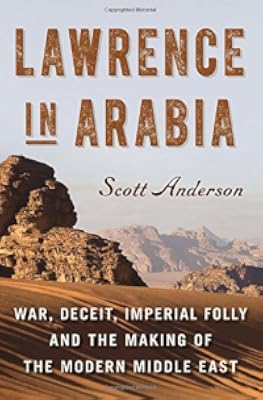
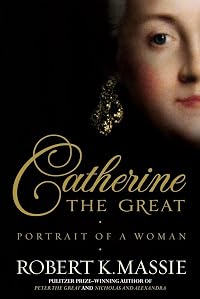

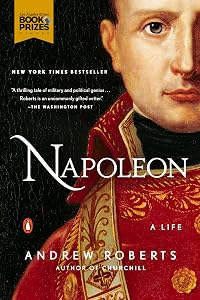

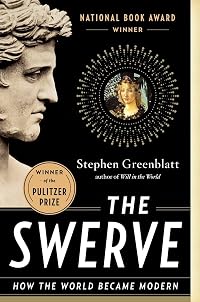










Member Recommendations

Artymedon A novel over race relations by Alexandre Dumas who was inspired by Alex Dumas General of the French Revolution and former slave to create his fictional character Georges as narrated by Tom Reiss.
40
Artymedon The three revolutions that created our modern world are the American the Haitian and the French Revolution. The story of the Black Count is the point of intersection between the three in that they tried and did for a short time create a society based on the principle of equality for man regardless of race, birth or religion. It is also the key for the lecture of Alexandre Dumas' important works [[The Count of Monte-Cristo]] and [[Georges]], the later treating the question of race.
That the real father of Dumas, a general of the French revolution be less known that his illustrious son author of the "Three Musketeers" is explained by how the reaction to the French revolution and the counter coup of the Thermidorians followed by that of the strong man of the sugar lobby, Napoleon, reestablished slavery in the Antilles. It is also the story of how and how it failed to do so in St Domingue, where the Black Count was born a slave, prompting the independence of this nation as black and mulatto only Haiti followed by its economic blocade by the rest of the world.
Tom Reiss not only writes wonderfully be he also researched his subject in the Castle of Vincennes France and in the Dumas archives in Villers-Cotteret because this extraordinary Black Count, unlike Edmond Dantes, Athos, Porthos, and Aramis, really existed.
20

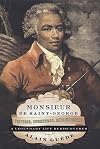
The Light of Days: The Untold Story of Women Resistance Fighters in Hitler's Ghettos by Judy Batalion
Vulco1 Both non fiction. Both follow (mostly) one person through hugely important and historical time periods as they make a mark on history. Both focus on "minority" people. Lots of action and very educational
Member Reviews
There are certain figures throughout history who have had a significant impact on key periods in history but remain relatively obscure. General Alex Dumas is one such figure. Not only was he one of the top generals in the post-revolution French Army, ranking even higher than Napoleon Bonaparte at one point in time, his influence on certain pre-revolutionary politics regarding slavery and the status of former slaves is remarkable. That he was forgotten by history is due more to the adage to that history is written by the victors than to any of his own failings. His story is as inspiring as it is frustrating that he was subject to the whims and jealousies of a megalomaniac.
With a subject matter as interesting as General Dumas, it would be show more easy to dismiss the author’s contribution to the novel. After all, Dumas’ story practically writes itself with his participation in some of the key moments in European history. However, to do so would be to ignore Mr. Reiss’ significant skill as a researcher and writer. His use of primary sources within the narrative provides an authentic note while the layout of each chapter is meticulous in its detail and organization. The flow of the story is exceptional, and a reader has no problems following the multiple historical characters that appear throughout the story.
To call Alex Dumas’ story stranger than fiction is an understatement. His prolific talents and accomplishments, his unique situation as a successful son of a black slave in an increasingly white world, as well as the conspiracies and jealousies directed towards him all create a story that is better than most fictional novels. Combined with Mr. Reiss’ exquisite writing and careful research, there is no confusion as to why The Black Count has won countless awards, including the Pulitzer Prize for Biography or Autobiography. show less
With a subject matter as interesting as General Dumas, it would be show more easy to dismiss the author’s contribution to the novel. After all, Dumas’ story practically writes itself with his participation in some of the key moments in European history. However, to do so would be to ignore Mr. Reiss’ significant skill as a researcher and writer. His use of primary sources within the narrative provides an authentic note while the layout of each chapter is meticulous in its detail and organization. The flow of the story is exceptional, and a reader has no problems following the multiple historical characters that appear throughout the story.
To call Alex Dumas’ story stranger than fiction is an understatement. His prolific talents and accomplishments, his unique situation as a successful son of a black slave in an increasingly white world, as well as the conspiracies and jealousies directed towards him all create a story that is better than most fictional novels. Combined with Mr. Reiss’ exquisite writing and careful research, there is no confusion as to why The Black Count has won countless awards, including the Pulitzer Prize for Biography or Autobiography. show less
I did not know that The Count of Monte Cristo got its base from the author's father. I loved Monte Cristo so to learn about the connection to Dumas' father was fascinating. His experiences were truly astonishing and, ultimately, sad -- that his "value" to the French military, even after strong proof of his abilities, were limited ultimately by the color of his skin. And this limitation, he being the only general of the Revolution who was not given France's highest honor, impacts his legacy even into this century.
I was also interested in Reiss' descriptions of the challenges he faced in finding information about General Dumas. To track with him, locating the different primary resources and the challenges he faced in getting access, was show more a story in itself. To Reiss' credit, that tale occupied only a small part of the book, but it was important to identify how such a truly great general of the Revolution has fallen to virtual anonymity even in France. show less
I was also interested in Reiss' descriptions of the challenges he faced in finding information about General Dumas. To track with him, locating the different primary resources and the challenges he faced in getting access, was show more a story in itself. To Reiss' credit, that tale occupied only a small part of the book, but it was important to identify how such a truly great general of the Revolution has fallen to virtual anonymity even in France. show less
Tom Reiss’s The Black Count is an extraordinary biography of an extraordinary man: father to the novelist Alexandre Dumas and grandfather to the renowned playwright of the same name. Alex Dumas, however, was born a slave in what is now Haiti, but rose to become a general in the army of revolutionary France. As the illegitimate but recognized son of a marquis in France, Alex Dumas entered pre-revolutionary Parisian society as one of the elite. Trained in fencing and riding, he cut a considerable figure, given his imposing physical stature. When the revolution came, he joined it whole-heartedly, rising in the ranks from private to general of a division.
Reiss uses Alex Dumas also to explore the racial politics of the revolution, which show more pursued surprisingly enlightened policies. The favor with which society welcomed blacks and mulattos, all popularly called “Americans”, the removal of racial laws, the spirit of the revolution itself all helped Alex Dumas make the most of his abilities, which were considerable. No wonder he was devoted to the Republic. But when Napoleon rose to power, he re-instituted many racial laws. The fact that this damaged Dumas, a prisoner of war at the time and a general Napoleon detested, was just gravy.
Along the way, Reiss shows how various incidences in Alex Dumas’s life play out in his son’s fiction, how Dumas’s heroic exploits and impressive physical traits translate into such familiar literary figures as the Count of Monte Crisco.
Highly recommended. show less
Reiss uses Alex Dumas also to explore the racial politics of the revolution, which show more pursued surprisingly enlightened policies. The favor with which society welcomed blacks and mulattos, all popularly called “Americans”, the removal of racial laws, the spirit of the revolution itself all helped Alex Dumas make the most of his abilities, which were considerable. No wonder he was devoted to the Republic. But when Napoleon rose to power, he re-instituted many racial laws. The fact that this damaged Dumas, a prisoner of war at the time and a general Napoleon detested, was just gravy.
Along the way, Reiss shows how various incidences in Alex Dumas’s life play out in his son’s fiction, how Dumas’s heroic exploits and impressive physical traits translate into such familiar literary figures as the Count of Monte Crisco.
Highly recommended. show less
Most people recognize the name “Alexandre Dumas” thanks to the enduring popularity of The Three Musketeers. Many people are aware that the novelist Alexandre Dumas had a son Alexandre who was a playwright as well as a novelist. Far fewer are familiar with the original Alexandre Dumas. He was born in what is now Haiti to a French father (a marquis, no less) and a slave mother. He had the great fortune to live in France during a period of great freedom for Africans and people of mixed race. He had the great misfortune to be a contemporary of Napoleon, who took away those liberties when he rose to power.
The first person intrudes at several points in the narrative. This wouldn't be remarkable in an autobiography, but it's unexpected in show more a biography. The first person passages reveal Reiss's extraordinary efforts to access primary sources that had lain untouched in archives and repositories for two centuries. (Some of the richest sources were stored in a safe whose combination had been lost at the death of the only person who knew it. Thanks to Reiss's persistence, the safe was blown open and Reiss was permitted to view its contents.) The newly discovered primary sources will interest scholars, while Reiss's vivid narrative will appeal to general readers and fans of The Count of Monte Cristo and other action and adventure novels inspired by the life of General Dumas. show less
The first person intrudes at several points in the narrative. This wouldn't be remarkable in an autobiography, but it's unexpected in show more a biography. The first person passages reveal Reiss's extraordinary efforts to access primary sources that had lain untouched in archives and repositories for two centuries. (Some of the richest sources were stored in a safe whose combination had been lost at the death of the only person who knew it. Thanks to Reiss's persistence, the safe was blown open and Reiss was permitted to view its contents.) The newly discovered primary sources will interest scholars, while Reiss's vivid narrative will appeal to general readers and fans of The Count of Monte Cristo and other action and adventure novels inspired by the life of General Dumas. show less
Having just finished The Count of Monte Cristo, I really wanted to like this book. But I just couldn't. The author has some very thin material as sources for his main subject, so fills out the rest of the book with information about the time in which Alex Dumas lived. Unfortunately, I can't trust the author due to a combination of inaccuracies, unsupported opinions expressed as facts, and incomplete readings of contemporary authors.
One example: he states without any supporting evidence that, "France had long been known as the first Christian country in Europe." I can only ask, by whom? By people who don't consider Armenia, the first officially Christian country in the world in 301CE, a European country? (Geographically, this is an show more arguable point.) Or maybe by people who don't consider the Roman Empire, which converted to Christianity shortly after Constantine converted in 312 CE, a European country? If he's referring to the Merovingians in Gaul, they didn't appear as a major factor until the 5th century CE, and weren't Christian until after the conversion of Clovis I in 496 CE, over 150 years after the Roman Empire was officially Christian.
He also tries to support his thesis that post-Revolutionary France was widely anti-slavery by quoting the first line from Rousseau's The Social Contract: “Man is born free but is everywhere in chains.” I think perhaps he didn't read much past the first sentence, as this quote has nothing whatsoever to do with literal racial slavery. Rousseau was talking about all people, who are born as free individuals in a natural state of freedom, but become subject to laws they had no part in creating or agreeing to. It speaks to the condition of all humanity, not just literally enslaved people.
There are many more of these examples, but I won't go on. Between historical inaccuracies and incomplete readings of the material he quotes, this just isn't a history that should be trusted. show less
One example: he states without any supporting evidence that, "France had long been known as the first Christian country in Europe." I can only ask, by whom? By people who don't consider Armenia, the first officially Christian country in the world in 301CE, a European country? (Geographically, this is an show more arguable point.) Or maybe by people who don't consider the Roman Empire, which converted to Christianity shortly after Constantine converted in 312 CE, a European country? If he's referring to the Merovingians in Gaul, they didn't appear as a major factor until the 5th century CE, and weren't Christian until after the conversion of Clovis I in 496 CE, over 150 years after the Roman Empire was officially Christian.
He also tries to support his thesis that post-Revolutionary France was widely anti-slavery by quoting the first line from Rousseau's The Social Contract: “Man is born free but is everywhere in chains.” I think perhaps he didn't read much past the first sentence, as this quote has nothing whatsoever to do with literal racial slavery. Rousseau was talking about all people, who are born as free individuals in a natural state of freedom, but become subject to laws they had no part in creating or agreeing to. It speaks to the condition of all humanity, not just literally enslaved people.
There are many more of these examples, but I won't go on. Between historical inaccuracies and incomplete readings of the material he quotes, this just isn't a history that should be trusted. show less
I am not one to pick up a book solely because it has won a Pulitzer Prize. Sometimes I happen on such books by accident. With The Black Count, it was not until I heard the description that I thought: I must read this book!
In The Black Count, author Tom Reiss discusses the life of General Alexandre "Alex" Dumas, a mixed race military man who believed in France's Revolutionary cause for freedom. Little was known about him except for the fact that he was novelist Alexandre Dumas', the author of The Three Musketeers and The Count of Monte Cristo, father. The novelist was heavily influenced by his father's exploits and were incorporated into his two aforementioned works.
Reiss went on a tireless campaign to discover more about General Dumas show more and found out about his true patrimony. Dumas was the son of a white miserly nobleman named Alexandre Antoine Davy, the Marquis de la Pailleterie and an unknown black slave woman named Cessette. When Dumas went into the French army under a lowly rank, he changed his name to Alex Dumas, citing his parents as Cessette and Antoine Dumas.
General Dumas rose through the ranks, winning battle after battle. In the midst, he found time to marry Mary-Louise Labouret and had three children: Alexandrine-Aimée, Louise, and Alexandre. Louise had died at age 3 from causes unknown while her father was abroad. Dumas rose through it all until he found a formidable enemy in fellow General Napoleon Bonaparte, who was able to manipulate the French government until he got it back to the pre-reveloutionary ways, most importantly, before France abolished slavery.
Unfortunately, after General Dumas was wrongfully imprionsed and unsuccessfully poisoned for two years, this was the France he returned to; this help to break his spirit. But he would not be long for this world because he was diagnosed with stomach cancer. He would die when little Alexandre was 4 years old. The remaining Dumas' would live in poverty until Alexandre reached fame with books.
There are no words to explain how much I love The Black Count! It's ridiculous how much I enjoyed it. Tom Reiss took his time and did his due dilligence to recount to the story of a remarkable man and Dumas was a remarkable man.
He had such honor, integrity, and heart. Considering how unsavory his father was, it was amazing how well General Dumas turned out! I loved how much the novelist Dumas loved his father. He was always in total awe. At least it was true and not just a product of child's imagination. General Dumas was a hero who got a very raw deal in the end. show less
In The Black Count, author Tom Reiss discusses the life of General Alexandre "Alex" Dumas, a mixed race military man who believed in France's Revolutionary cause for freedom. Little was known about him except for the fact that he was novelist Alexandre Dumas', the author of The Three Musketeers and The Count of Monte Cristo, father. The novelist was heavily influenced by his father's exploits and were incorporated into his two aforementioned works.
Reiss went on a tireless campaign to discover more about General Dumas show more and found out about his true patrimony. Dumas was the son of a white miserly nobleman named Alexandre Antoine Davy, the Marquis de la Pailleterie and an unknown black slave woman named Cessette. When Dumas went into the French army under a lowly rank, he changed his name to Alex Dumas, citing his parents as Cessette and Antoine Dumas.
General Dumas rose through the ranks, winning battle after battle. In the midst, he found time to marry Mary-Louise Labouret and had three children: Alexandrine-Aimée, Louise, and Alexandre. Louise had died at age 3 from causes unknown while her father was abroad. Dumas rose through it all until he found a formidable enemy in fellow General Napoleon Bonaparte, who was able to manipulate the French government until he got it back to the pre-reveloutionary ways, most importantly, before France abolished slavery.
Unfortunately, after General Dumas was wrongfully imprionsed and unsuccessfully poisoned for two years, this was the France he returned to; this help to break his spirit. But he would not be long for this world because he was diagnosed with stomach cancer. He would die when little Alexandre was 4 years old. The remaining Dumas' would live in poverty until Alexandre reached fame with books.
There are no words to explain how much I love The Black Count! It's ridiculous how much I enjoyed it. Tom Reiss took his time and did his due dilligence to recount to the story of a remarkable man and Dumas was a remarkable man.
He had such honor, integrity, and heart. Considering how unsavory his father was, it was amazing how well General Dumas turned out! I loved how much the novelist Dumas loved his father. He was always in total awe. At least it was true and not just a product of child's imagination. General Dumas was a hero who got a very raw deal in the end. show less
‘The Black Count’ tells the epic life story of the novelist Alexandre Dumas’ father, an incredibly successful general of the same name who was figuratively and literally larger than life. Reiss argues, with copious support from a memoir Dumas wrote of his father, that the son’s fictional heroes were heavily inspired by his father’s actual exploits. His life story is very exciting; full of duels, battles, peril, narrow escapes, captivity, and success against the odds. However Alexandre Dumas is not just interesting as an exceptional individual. His life also charts the evolution in laws and social attitudes around race in France. Britain likes to think we took an unprecedented moral stand against slavery in the 19th century, show more but France had already banned it in the 18th century during the revolution. In fact, the association between the revolution and abolition proved a setback for British abolitionists, given hostility to the revolution! Reiss recounts how Alexandre Dumas, son of a dissolute white Count and an enslaved black woman, rose from slavery in Saint-Domingue (now Haiti) to command armies in France. Then he incurred the rancour of Napoleon, who effectively pushed him out of the army. Under the Empire, slavery was reinstated and the law changed from racial equality to explicit anti-black racism. (Reiss also notes that the revolution outlawed antisemitism, which likewise returned under the Empire.) Dumas married a white woman, to the joy of both families, yet under Napoleon such unions became illegal.
I enjoyed this book a great deal, however I am always sensitive to the treatment of the French Revolution in histories that do not focus on it. In particular, I find it interesting how the Terror is often treated as an atrocity unprecedented in history, somehow vastly more shocking than anything ever perpetrated by a monarch or emperor during the same period. This asymmetry is glimpsed in ‘The Black Count’ as Reiss recounts the pressure put on commanders in the French army during the 1793-4 wars. They were at risk of being deposed, even lynched, by their soldiers. The paranoia caused by conflict on so many fronts undoubtedly made the effective organisational functioning of the army difficult. For one thing, it had transformed completely in a few short years. However, why is the risk of soldiers attacking their commander so much more serious than the prior of centuries of commanders buying their ranks then abusing their soldiers with impunity? I appreciated that Reiss showed the viciousness of reactionary micro-kingdoms in Italy as a contrast to France. He also demonstrates the gradual loss of freedoms gained under the revolution, as Napoleon consolidated his power and rewrote the law.
In the late 18th century Dumas fought with spectacular success in an amazing variety of places, from the peaks of the Alps to the sands of the Sahara. I know much less about the Directory and early Napoleonic period than that of the revolution, so found the account of Napoleon’s rather futile invasion of Egypt particularly interesting. It seems like a bizarre choice now; an invasion of Britain was the most obvious option at the time. Reiss recounts such military exploits by drawing on a pleasing array of primary evidence, including copious letters. I smiled at his comparison between the constant letters between army commanders in the field and the eternal circulation of emails in an office. The minutiae of resource management may not have been so very different. Reiss does not mythologise his subject, nor treat him as an unalloyed hero. He certainly killed a lot of people in battle, although he also exhibited a strong sense of justice and lack of venality. He was undoubtedly highly skilled at war and much liked by his peers (except Napoleon) and subordinates. His son absolutely idolised him and, Reiss suggests sought to memorialise him through fiction. As history is so frequently white-washed, I hadn’t come across him before hearing about this book. Apparently there was a statue of him in Paris, until the Nazis melted it down during the occupation. 'The Black Count' reads well with [b:The Black Jacobins: Toussaint L'Ouverture and the San Domingo Revolution|775985|The Black Jacobins Toussaint L'Ouverture and the San Domingo Revolution|C.L.R. James|https://i.gr-assets.com/images/S/compressed.photo.goodreads.com/books/1348230897l/775985._SY75_.jpg|826133], which recounts in much greater detail how France turned from abolishing slavery to trying and failing to brutally suppress the Haitian Revolution. show less
I enjoyed this book a great deal, however I am always sensitive to the treatment of the French Revolution in histories that do not focus on it. In particular, I find it interesting how the Terror is often treated as an atrocity unprecedented in history, somehow vastly more shocking than anything ever perpetrated by a monarch or emperor during the same period. This asymmetry is glimpsed in ‘The Black Count’ as Reiss recounts the pressure put on commanders in the French army during the 1793-4 wars. They were at risk of being deposed, even lynched, by their soldiers. The paranoia caused by conflict on so many fronts undoubtedly made the effective organisational functioning of the army difficult. For one thing, it had transformed completely in a few short years. However, why is the risk of soldiers attacking their commander so much more serious than the prior of centuries of commanders buying their ranks then abusing their soldiers with impunity? I appreciated that Reiss showed the viciousness of reactionary micro-kingdoms in Italy as a contrast to France. He also demonstrates the gradual loss of freedoms gained under the revolution, as Napoleon consolidated his power and rewrote the law.
In the late 18th century Dumas fought with spectacular success in an amazing variety of places, from the peaks of the Alps to the sands of the Sahara. I know much less about the Directory and early Napoleonic period than that of the revolution, so found the account of Napoleon’s rather futile invasion of Egypt particularly interesting. It seems like a bizarre choice now; an invasion of Britain was the most obvious option at the time. Reiss recounts such military exploits by drawing on a pleasing array of primary evidence, including copious letters. I smiled at his comparison between the constant letters between army commanders in the field and the eternal circulation of emails in an office. The minutiae of resource management may not have been so very different. Reiss does not mythologise his subject, nor treat him as an unalloyed hero. He certainly killed a lot of people in battle, although he also exhibited a strong sense of justice and lack of venality. He was undoubtedly highly skilled at war and much liked by his peers (except Napoleon) and subordinates. His son absolutely idolised him and, Reiss suggests sought to memorialise him through fiction. As history is so frequently white-washed, I hadn’t come across him before hearing about this book. Apparently there was a statue of him in Paris, until the Nazis melted it down during the occupation. 'The Black Count' reads well with [b:The Black Jacobins: Toussaint L'Ouverture and the San Domingo Revolution|775985|The Black Jacobins Toussaint L'Ouverture and the San Domingo Revolution|C.L.R. James|https://i.gr-assets.com/images/S/compressed.photo.goodreads.com/books/1348230897l/775985._SY75_.jpg|826133], which recounts in much greater detail how France turned from abolishing slavery to trying and failing to brutally suppress the Haitian Revolution. show less
Members
- Recently Added By
Lists

Best Biographies, Autobiographies and Memoirs
465 works; 160 members

Non-Fiction Worth Reading
1,015 works; 261 members

Recommend the 20 best books you've read in the last five years
2,168 works; 601 members

Top Five Books of 2014
1,064 works; 398 members

al.vick-wishlist-history
70 works; 2 members

Books We Discovered On LibraryThing
530 works; 130 members

Books Read in 2025
4,091 works; 97 members

Top Five Books of 2024
795 works; 264 members

Reading Glasses Podcast
410 works; 3 members

THE WAR ROOM
813 works; 24 members

Vote - Bookmarque's Teetering TBR Tower
33 works; 8 members

Books Read in 2023
5,547 works; 145 members

SHOULD Read Books!
354 works; 9 members

Books Read in 2020
4,379 works; 124 members

Revolutions
72 works; 5 members

A Rainbow of Books: Colors in the Title
570 works; 24 members

KayStJ's to-read list
1,616 works; 11 members

Unhinged History
14 works; 1 member
Talk Discussions
Past Discussions
Bio group read, 3rd quarter: The Black Count - Book Discussion in 2015 Category Challenge (September 2015)
Biography Group read, 3rd quarter: The Black Count by Tom Reiss - General thread, no spoilers in 2015 Category Challenge (August 2015)
Author Information

5+ Works 3,139 Members
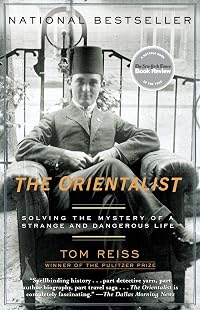
Tom Reiss (born May 5, 1964) is an American author, historian, and journalist. He grew up in New York City and graduated from Harvard University in 1987. Reiss is the author of three nonfiction books, the latest of which is The Black Count: Glory, Revolution, Betrayal, and the Real Count of Monte Cristo (2012), which received the 2013 Pulitzer show more Prize for Biography or Autobiography. His previous books are Führer-Ex: Memoirs of a Former Neo-Nazi (1996), the first inside exposé of the European neo-Nazi movement; and The Orientalist: Solving the Mystery of a Strange and Dangerous Life (2005), which became an international bestseller. As a journalist, Reiss has written for The New Yorker, The Wall Street Journal, and The New York Times. (Bowker Author Biography) show less
Some Editions
Awards and Honors
Awards
Distinctions
Work Relationships
Was inspired by
Common Knowledge
- Canonical title
- The Black Count: Napoleon's Rival and the Real Count of Monte Cristo, Alexandre Dumas
- Original title
- The Black Count. Glory, revolution, betrayal, and the real Count of Monte Christo
- Alternate titles
- The Black Count: Glory, Revolution, Betrayal, and the Real Count of Monte Cristo
- Original publication date
- 2012 (1e édition originale américaine, Crown ublishing, New York) (1e édition originale américaine, Crown ublishing, New York); 2013-10-16 (1e traduction et édition française, Flammarion) (1e traduction et édition française, Flammarion)
- People/Characters
- Thomas-Alexandre Dumas (né Alexandre Davy); Alexandre Dumas; Alexandre Dumas père; Napoleon Bonaparte; Alexandre Antoine Davy de la Pailleterie (aka Antoine de l'Isle); Charles Anne Edouard Davy de la Pailleterie (show all 279); Joseph Boulogne (Chevalier de Saint-Georges); Marie-Louise Dumas (née Labouret); Claude Labouret; General Jean-Baptiste Manscourt; Edmond Dantès (main character in "The Count of Monte Cristo" by Alexandre Dumas | père); Fabrice Dufour; Marie-Cessette Dumas; Philippe II, Duke of Orléans; Louis XV, King of France; Louis XVI, King of France; Marie Antoinette; D'Artagnan; Tom Reiss; Horatius Cocles; George Washington; Georges (title character of the book by Alexandre Dumas | père); Louis François Thérèse Davy de la Pailleterie; Antonio Gramsci; Friedrich Nietzsche; Honoré de Balzac; Alexandre Dumas, fils; Alain Goldie; François Angot; Ernest Roch; Louise Boivin; Louis François I, Prince de Conti; Karl von Clausewitz; Voltaire; Jacques Henri de Lorraine (Prince de Lixen); Cardinal Richelieu; Louis-François-Armand de Vignerot du Plessis, 3rd Duke of Richelieu; Louis XIII, King of France; Marie-Anne Tuffé; Christopher Columbus; Thomas Jefferson; Alexandre-Stanislas de Wimpffen; Rodrigue; Cupidon; Catin; Louis XI, King of France (mentioned); Léon de Maulde (Comte); Sir Granfont; Médéric-Louis-Elie Moreau de Saint-Méry; Minette Ferrand (opera singer); Lise Ferrand (opera singer); Scaramouche; Ogu (loa); Ezili (loa); Harlequin; Guède (loa); Pantaloon; Papa Legba (loa); Julien Raimond; Jeannette (Thomas-Alexandre's sister); Marie Rose (Thomas-Alexandre's sister); Marie-Anne de Moulde (née de la Pailleterie); Victor de Riqueti, Marquis de Mirabeau; Stanislas Foäche; Martin Foäche; Abbé Bourgeois; Marie Retou; Chauvinault; Carron; Captain Langlois; Jacques Louis Roussel; Nicolas Texier de La Boëssière; Jeanne Davy de la Pailleterie; Alexandre Davy de la Pailleterie (Thomas-Alexandre's grandfather); Monjal (administrator); Papillon (administrator); Nanon (mother of Le Chevalier de Saint-Georges); John Adams; Jean-Jacques Rousseau; Jean Boucaux; Bernard Verdelin; Dred Scott; John Archibald Campbell (Justice); Pierre Paul Nicolas Henrion de Pansey; Guillaume Poncet de la Grave; Benjamin Franklin; Gilbert du Motier, Marquis de Lafayette; Jean-Baptiste Belley; Henri I, King of Haiti (Henri Christophe); George III, King of the United Kingdom; Louis-Marie, vicomte de Noailles; Jules Michelet; Jean-Baptiste Donatien de Vimeur, Comte de Rochambeau; Catherine the Great; Louis-Sébastien Mercier; Jean-Baptiste Colbert; Louis XIV, King of France; Philippe Curtius; Madame Marie Tussaud; Louis Philippe II, Duke of Orléans, "Philippe Égalité"; Karl Marx; Friedrich Engels; Pierre Beaumarchais; Louis XVII of France; Jean-Baptiste Nicolet (M. Nicolet); Jean-Pierre Titon de Saint-Lamain; Maximilien de Robespierre; Donatien Alphonse-François, Marquis de Sade; Louis Philippe, comte de Ségur; Hossein Rezazadeh (champion weightlifter); Louis Philippe I, Duke of Orléans; Julie Fortin; Louis Alexandre de La Rochefoucauld d'Enville; Jacques Pierre Brissot; Marie Jean Antoine Nicolas de Caritat, Marquis de Condorcet; Abbé Henri Grégoire; Honoré Gabriel Riqueti, Count of Mirabeau; Guillaume Thomas François Raynal; Constantin François de Chassebœuf, comte de Volney; Charles Elie Marsay, Marquis de Ferrières; Tom Paine; Charles Malo François Lameth; Charles Maurice de Talleyrand-Périgord (Bishop Talleyrand); John Paul Jones; Charles X, King of France; Edmund Burke; Leopold II, Holy Roman Emperor; Anacharsis Cloots; Maurice de Saxe; Jacques Antoine Hippolyte, Comte de Guibert; Armand Louis de Gontaut, Duc de Lauzun (Duke de Biron); Théobald Dillon; Joseph (Dumas' horse); Pierre de Ruel (General Beurnonville); Charles William Ferdinand, Duke of Brunswick-Wolfenbüttel; Johann Wolfgang von Goethe; John Oswald; Joseph Boyer; Pierre Henri Hélène Marie Lebrun-Tondu (Minister of War); Marie-Joseph Labouret (née Prevot); Jean-Louis-Brigitte Espagne; Hugh Capet, King of France; Charles François Dumouriez; Paul Ferdinand Stanislas Dermoncourt; Nicolas-Joseph Beaurepaire; Alexandrine Aimée Dumas; Louis Antoine de Saint-Just; Lazare Carnot; Louis Antoine Fauvelet de Bourrienne; Pierre Chépy; Joseph Piston; Charles François Lazowski (Lazowsky); Nicolas-Denis de Basdelaune; Jean-Baptiste Mills; Louis-Pierre Dufay; Léger-Félicité Sonthonax; Raymond Gaston (People's Representative); Henri Amable Alexandre de Sarret; Jean-Jacques Rougier; Victor Hugo; Thomas Carlyle; Charlotte Corday; Jean-Paul Marat; Joseph-Ignace Guillotin (Dr. Guillotine); Joseph Bonaparte, King of Spain; Jean-Baptiste Kléber; Louise-Alexandrine Dumas; Paul Barras; Jean Littée; Joseph Boisson; Jean-Louis Boisson; Louis-François Boisrond; Jean-Baptiste Deville; Jean-François Petitniaud; Pierre Thomany; Jacques Tonnelier; Étienne Mentor; Jean-Louis d'Annecy; Toussaint L'Ouverture; André Rigaud; Dante Alighieri; Niccolò Machiavelli; Titian (artwork looted); Raphael (artwork looted); Peter Paul Rubens (artwork looted); Leonardo da Vinci (artwork looted); André Masséna; Francis II, Holy Roman Emperor; Julius Caesar (influence); Jean-Mathieu-Philibert Sérurier; Massimo Zonca; Louis-Alexandre Berthier; Barthélemy Catherine Joubert; Jacques Blondeau; Augustin-Daniel Belliard; Déodat de Dolomieu; Horatio Nelson, 1st Viscount Nelson; H. G. Wells; Napoleon III; Alexander the Great; Percy Bysshe Shelley; Tipu Sultan (Tippoo Sahib); Arthur Wellesley, 1st Duke of Wellington; William Congreve; Josephine de Beauharnais; William Tell (Swiss folk hero); Caravaggio; Suleiman the Magnificent; Sam Spade (mentioned); Ferdinand von Hompesch zu Bolheim (Grand Master of the Knights of Malta); Franklin Roosevelt; Nicolas (Dumas' servant); Louis IX, King of France; René-Nicolas Dufriche Desgenettes; François-Paul Brueys d'Aigalliers; Vivant Denon; Étienne François Mireur; Jean Lannes; Louis Charles Antoine Desaix; Joachim Murat; Charles Dugua; Géroret; Abd al-Rahman al-Jabarti; Jean-Lambert Tallien; Nicolas-Jacques Conté; Antoine-Vincent Arnault; Louis Cordier; Maria Carolina, Queen of Naples and the Two Sicilies; Ferdinand I, King of the Two Sicilies; Charles III, King of Spain; Sir John Acton, 6th Baronet; Sir William Hamilton; Emma, Lady Hamilton; Frederick II, Holy Roman Emperor; Fabrizio Ruffo; Vincenzo Maria Mastrilli (Marquis de la Schiava); Francesco Boccheciampe; Francesco I, King of the Two Sicilies (as Francis); Joseph Banks; Abbé Faria (character in "The Count of Monte Cristo" by Alexandre Dumas | père); Sir Giambattista Teroni; Francesco Ricci; Jean-Baptiste Jourdan; Jean-Baptiste Bernadotte, King of Sweden; Louis XVIII, King of France; Lucien Bonaparte; Jean-Pierre Collot; Jean-François-Auguste Moulin; Joseph Fouché; Joseph 'Hercule' Domingue; Louis-Chrétien Carrière, Baron de Beaumont (Murat's aide-de-camp); Charles Godefroy Redon de Belleville; Berthelin (French ambassador in Rome); Caroline Bonaparte; Molière; Samarrou; Samuel-Auguste Tissot; Bonaventura Certezza; Giovanni Bianchi (Neapolitan prison commander); Germaine de Staël (Madame de Staël); Guillaume Marie-Anne Brune; Isaac L'Ouverture; Placide L'Ouverture; Denis Decrès; Charles Leclerc; Louis Delgrès; Louis-Blaise Lechat; François-Ferdinand Christophe; Pauline Bonaparte; Monsieur Doumet; Pierre Nougaret; Alfred de Moncel; Anatole France; Sarah Bernhardt; Francisque Poulbot; Léona Ondernard (Madame Poulbot); Jean Cocteau; Pierre Jahan; Claude Ribbe
- Important places
- Villers-Cotterêts, Hauts-de-France, France; Saint-Domingue (now Haiti); Paris, France; Malta; Mantua, Lombardy, Italy (as Mantua | Milan); Alexandria, Egypt (show all 15); Cairo, Egypt; Taranto, Apulia, Italy (as Taranto | Kingdom of Naples); Brindisi, Apulia, Italy (as Brindisi | Kingdom of Naples); Kingdom of Naples; Haiti; Jérémie, Haïti; Château de Bielleville, Bielleville, Normandy, France; Mont Cenis, Savoie, France; The Alps
- Important events
- French Revolution (1789 | 1799); Napoleonic Wars (1793 | 1815); Battle of the Pyramids ( [1798]); Battle of the Nile ( [1798] | [1798]); Battle of Alexandria ( [1801]); Battle of Mont Cenis (1794) (show all 10); Siege of Mantua; Battle of Rivoli; French Revolutionary Wars; French capture of the bridge in Clausen (1797)
- Epigraph*
- /
- Dedication
- For Diana and Lucy,
who know what it means to wait and hope,
and Melanie,
who knows why they blew up the bridge. - First words
- It was nearly midnight on the night of February 26, 1806, and Alexandre Dumas, the future author of The Count of Monte Cristo and The Three Musketeers, was asleep at his uncle's house. He was not yet four years... (show all) old.
- Last words
- (Click to show. Warning: May contain spoilers.)There is still no monument in France commemorating the life of General Alexandre Dumas.
- Blurbers
- Millard, Candice; Bradley, James; Foreman, Amanda; Meacham, Jon; Gates, Henry Louis, Jr.; Bergreen, Laurence (show all 18); Gordon-Reed, Annette; Dubois, Laurent; Widmer, Ted; McMahon, Darrin M.; Strauss, Darin; Sante, Luc; Lewis-Kraus, Gideon; Montefiore, Simon Sebag; Burleigh, Nina; Snyder, Timothy; Weatherford, Jack; Dietrich, William
- Original language
- English
- Canonical DDC/MDS
- 944.0409
*Some information comes from Common Knowledge in other languages. Click "Edit" for more information.
Classifications
- Genres
- History, Biography & Memoir, General Nonfiction, Nonfiction
- DDC/MDS
- 944.0409 — History & geography History of Europe France and Monaco France Revolution 1789-1804
- LCC
- DC146 .D83 .R46 — History of Europe, Asia, Africa and Oceania France – Andorra – Monaco History of France Modern, 1515- Revolutionary and Napoleonic period, 1789-1815
- BISAC
Statistics
- Members
- 2,003
- Popularity
- 10,489
- Reviews
- 124
- Rating
- (4.06)
- Languages
- 10 — Danish, English, French, German, Italian, Norwegian (Bokmål), Polish, Romanian, Spanish, Portuguese (Portugal)
- Media
- Paper, Audiobook, Ebook
- ISBNs
- 30
- ASINs
- 17
