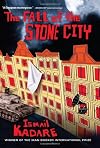
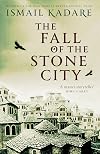
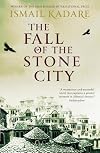
The Fall of the Stone City
by Ismaïl Kadaré
On This Page
Description
Townsfolk assume a prominent citizen betrayed them during the 1943 Nazi invasion of Albania. Years later he will be forced to reveal the secret behind his actions.Tags
Recommendations




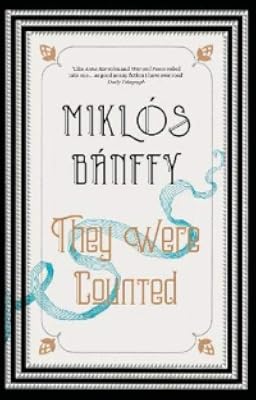
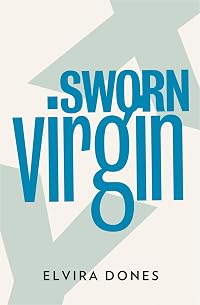
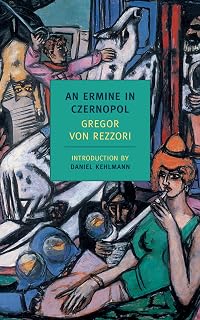


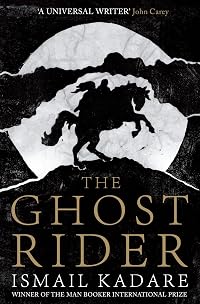









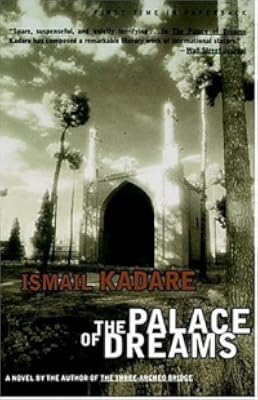
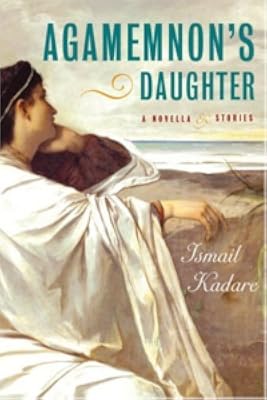
Member Recommendations
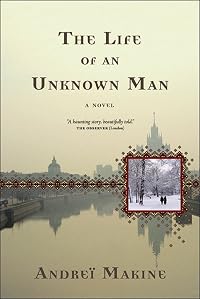
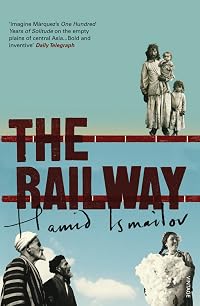
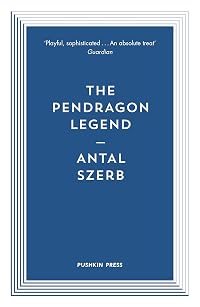
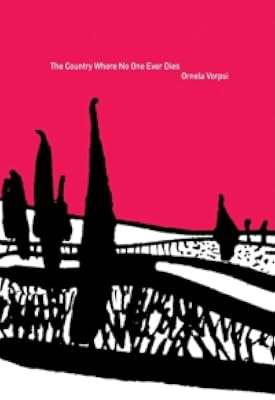
CGlanovsky Involving the reactions of communities under German occupation
Member Reviews
An allegoric novel, like many of Kadare's work. A main role for his hometown Gjirokastër in Albania, that is so prominent that it looks like the protagonist. Of course Kadare is again joking with the communist regime that dominated for so long his country and this time it's so hilarious that you can only wonder why so many people saw for such a long time a realistic alternative in these oppressive, even stupid, regimes.
Not all ends well, and some mysterious people pass by, die, get mad or simply survive. And this is, maybe, how life was in Albania under that regime: you were lucky, or not, or you didn't want to know anymore
Not all ends well, and some mysterious people pass by, die, get mad or simply survive. And this is, maybe, how life was in Albania under that regime: you were lucky, or not, or you didn't want to know anymore
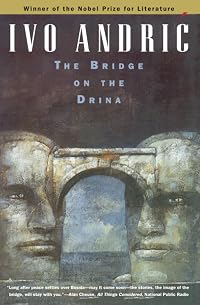
I initially found this novel, the latest from Kadare, to be a Bridge on the Drina for the 1940s. The tics and hisses of History occur just off-camera. Barely audible. Life in the provinces continues. There is considerable traction made at the expense of the various groups within the titular town of Gjirokastër, which serves as stand-in for the Balkans as a disjointed whole. The story progresses from the Italian capitulation through the Nazi Occupation and ultimately into the postwar period where Stalin's death and the Doctor's Plot surface with the sinister air of some ancient curse.
The concluding third of the novel is an interrogation, not just of the suspected reactionaries, but of the region's foundational myths and traditions. The show more charges are repeated like incantations and the culpability of all those involved remains as muted as the stone of the city they inhabit. show less
The concluding third of the novel is an interrogation, not just of the suspected reactionaries, but of the region's foundational myths and traditions. The show more charges are repeated like incantations and the culpability of all those involved remains as muted as the stone of the city they inhabit. show less
Albania, 1943.
I found this an interesting, yet strange read. I'm not sure if this was down to the translation, or the style of the original text. It is set in 1943, at the time when Mussolini and the Nazis parted ways and Albania found itself abandoned by the Italians, leaving the country wide open for Nazi invasion.
The Stone City of the title is Gjirokastër, an ancient Albanian stronghold and the first city the Nazis reach when they enter Albania. The city is beautifully described in the narrative, which prompted me to Google images of the city.
This is very much a fact driven book and the only characters we get to discover much about are Big and Little Drs. Gurameto, both surgeons in the local hospital. The competition that exists show more between them seems to be generated by gossip in the local community rather than being actual rivalry.
Then, to the dismay of the townspeople, Big Gurameto appears to welcome the Nazi commander and hosts a lavish banquet in his honour. While this turns out to be beneficial to the town in the short term, it causes huge problems for Big Gurameto when the communists arrive.
The latter parts of the book confused me, with the women being called 'comrade' on the streets and consequently fainting and even dying. I found on-line reference to women who were hanged for partisan activities, but nothing to explain the events narrated. There is also reference to a Jewish conspiracy called 'the Joint', but I also failed to discover any reference to this, leaving me feeling that the second half of the book was more fable than fact.
I guess I learned something of Albania's history but I seem to be left with as many questions as answers. show less
I found this an interesting, yet strange read. I'm not sure if this was down to the translation, or the style of the original text. It is set in 1943, at the time when Mussolini and the Nazis parted ways and Albania found itself abandoned by the Italians, leaving the country wide open for Nazi invasion.
The Stone City of the title is Gjirokastër, an ancient Albanian stronghold and the first city the Nazis reach when they enter Albania. The city is beautifully described in the narrative, which prompted me to Google images of the city.
This is very much a fact driven book and the only characters we get to discover much about are Big and Little Drs. Gurameto, both surgeons in the local hospital. The competition that exists show more between them seems to be generated by gossip in the local community rather than being actual rivalry.
Then, to the dismay of the townspeople, Big Gurameto appears to welcome the Nazi commander and hosts a lavish banquet in his honour. While this turns out to be beneficial to the town in the short term, it causes huge problems for Big Gurameto when the communists arrive.
The latter parts of the book confused me, with the women being called 'comrade' on the streets and consequently fainting and even dying. I found on-line reference to women who were hanged for partisan activities, but nothing to explain the events narrated. There is also reference to a Jewish conspiracy called 'the Joint', but I also failed to discover any reference to this, leaving me feeling that the second half of the book was more fable than fact.
I guess I learned something of Albania's history but I seem to be left with as many questions as answers. show less
There is a place where the literary world and the gaming industry intersect. It's the Nobel Prizes. Once again this year you can place bets on who is going to win the Literature Prize.
Once again, Albanian author Ismail Kadare is considered a contender. As of this review, he's one of three authors listed at 14-1 odds with four authors ahead of them. Last year, he wasn't in the top 10. That has no bearing on whether Kadare will win this year but I am fairly certain he ultimately will be a Nobel laureate.
Kadare's books reflect his country and are imbued with Albanian myths and metaphors. It's a country that has seemed to struggle, not always of its own doing, in moving from legend and history to modernity and from Communism to an open show more market. Albania is not only the setting, it is a major part of the context. His latest work to be translated into English, The Fall of the Stone City, continues the pattern.
The book is set in his native town of Gjirokastër in southern Albania, coincidentally the birthplace of Enver Hoxha, the committed Marxist-Leninist dictator of the country from 1944 until his death in 1985. The medieval city, which Kadare describes as having "a reputation for arrogance," is populated with large stone houses, although its skyline, as it is, is dominated by a prison built on top of a medieval castle at the highest point in the city. These features also play a role in The Fall of the Stone City.
Kadare, the winner of the inaugural Man Booker International Prize in 2005, breaks this tale into essentially three parts. In the first, the Nazis occupy the city following Italy's surrender in 1943. The leader of the Nazi tank division is Colonel von Schwabe, a friend of Dr. Gurameto, one of the city's leading physicians, who attended school in Munich. The physician is known locally as "Big Dr. Gurameto" because another physician in town also is named Gurameto. There seems to be an longstanding and ongoing fascination among city residents with assessing whether "Big" or "Little" Dr. Gurameto has the most prestige at any particular time. Because a small group of partisans attacks the vanguard of the tank division before it enters the city, the Germans seize 80 hostages upon assuming control of the city. Still, Big Dr. Gurameto hosts a dinner party that night for von Schwabe and other German officers. Shrouded in mystery and couched in myth, over the course of the long night all the hostages are released.
The second part of the story is transitional, addressing the transformation of life in the city as the Communist partisans take charge of the country following the German withdrawal in 1944. It traces the changes in and effect on the city of the Hoxha regime until both Big and Little Dr. Gurameto are arrested in 1953. Kadare's account of the impact of Communism on the town is more subtle and somewhat indirect. For example, it illustrates the contrast between past and present by looking at the effect of party programs and discipline, and even being called "Comrade", on the "ladies" of the city, with the term being used in the medieval sense of superior social rank.
The final part focuses on the arrest and interrogation of the two physicians. They are taken to the worst part of the prison, known for torture. They are caught up in the reverberations of the so-called Doctors' Plot against Stalin. Here, though, Kadare presents an unexpected twist, one which leads Big Dr. Guerameto to being interrogated not only by two members of the Albanian secret police but also investigators from East Germany and Moscow. All of them are intent on learning what really happened at the dinner party in 1943. And even though he wasn't involved with the events of that night, Little Dr. Guerameto is dragged along, perhaps representing an Albania that is caught up in a Nazi occupation succeeded by an extremely repressive native totalitarian regime.
Translated by John Hodgson, the book reflects the plight of Albania during these times. First, it is the Nazis who are prepared to shoot hostages. Ten years later, Albanian officials stand ready and willing to torture their own countrymen in pursuit of plots that likely never existed. The book gives both the sense and essence of a totalitarian state in language that, while straightforward, is literary and often allegorical. The Fall of the Stone City is a strong addition to Kadare's body of translated work and which further demonstrates that he is deserving of wider acclaim and readership.
(Originally posted at A Progressive on the Prairie.) show less
Once again, Albanian author Ismail Kadare is considered a contender. As of this review, he's one of three authors listed at 14-1 odds with four authors ahead of them. Last year, he wasn't in the top 10. That has no bearing on whether Kadare will win this year but I am fairly certain he ultimately will be a Nobel laureate.
Kadare's books reflect his country and are imbued with Albanian myths and metaphors. It's a country that has seemed to struggle, not always of its own doing, in moving from legend and history to modernity and from Communism to an open show more market. Albania is not only the setting, it is a major part of the context. His latest work to be translated into English, The Fall of the Stone City, continues the pattern.
The book is set in his native town of Gjirokastër in southern Albania, coincidentally the birthplace of Enver Hoxha, the committed Marxist-Leninist dictator of the country from 1944 until his death in 1985. The medieval city, which Kadare describes as having "a reputation for arrogance," is populated with large stone houses, although its skyline, as it is, is dominated by a prison built on top of a medieval castle at the highest point in the city. These features also play a role in The Fall of the Stone City.
Kadare, the winner of the inaugural Man Booker International Prize in 2005, breaks this tale into essentially three parts. In the first, the Nazis occupy the city following Italy's surrender in 1943. The leader of the Nazi tank division is Colonel von Schwabe, a friend of Dr. Gurameto, one of the city's leading physicians, who attended school in Munich. The physician is known locally as "Big Dr. Gurameto" because another physician in town also is named Gurameto. There seems to be an longstanding and ongoing fascination among city residents with assessing whether "Big" or "Little" Dr. Gurameto has the most prestige at any particular time. Because a small group of partisans attacks the vanguard of the tank division before it enters the city, the Germans seize 80 hostages upon assuming control of the city. Still, Big Dr. Gurameto hosts a dinner party that night for von Schwabe and other German officers. Shrouded in mystery and couched in myth, over the course of the long night all the hostages are released.
The second part of the story is transitional, addressing the transformation of life in the city as the Communist partisans take charge of the country following the German withdrawal in 1944. It traces the changes in and effect on the city of the Hoxha regime until both Big and Little Dr. Gurameto are arrested in 1953. Kadare's account of the impact of Communism on the town is more subtle and somewhat indirect. For example, it illustrates the contrast between past and present by looking at the effect of party programs and discipline, and even being called "Comrade", on the "ladies" of the city, with the term being used in the medieval sense of superior social rank.
The final part focuses on the arrest and interrogation of the two physicians. They are taken to the worst part of the prison, known for torture. They are caught up in the reverberations of the so-called Doctors' Plot against Stalin. Here, though, Kadare presents an unexpected twist, one which leads Big Dr. Guerameto to being interrogated not only by two members of the Albanian secret police but also investigators from East Germany and Moscow. All of them are intent on learning what really happened at the dinner party in 1943. And even though he wasn't involved with the events of that night, Little Dr. Guerameto is dragged along, perhaps representing an Albania that is caught up in a Nazi occupation succeeded by an extremely repressive native totalitarian regime.
Translated by John Hodgson, the book reflects the plight of Albania during these times. First, it is the Nazis who are prepared to shoot hostages. Ten years later, Albanian officials stand ready and willing to torture their own countrymen in pursuit of plots that likely never existed. The book gives both the sense and essence of a totalitarian state in language that, while straightforward, is literary and often allegorical. The Fall of the Stone City is a strong addition to Kadare's body of translated work and which further demonstrates that he is deserving of wider acclaim and readership.
(Originally posted at A Progressive on the Prairie.) show less
This is my fourth Kadare novel. He is a writer I find easier to admire than to love, and I have to admit that I only read it because is has been chosen for a group discussion in the 21st Century Literature group that starts later this week.
This fable loosely based on real historical events is set in the Southern Albanian city of Gjirokastër between 1943 and 1953. The Germans invaded Albania in 1943 and Kadare imagines his hero Dr Gurameto inviting a German general who appears to be his old college friend to dinner. During this dinner the Germans are persuaded to release the hostages they have taken in retaliation for being fired on as they approached the town.
In the last third of the book, Gurameto is arrested and tortured, facing a show more Kafkaesque investigation by the Communist authorities of his part in an alleged grand Jewish conspiracy to kill Stalin, of which his dealings with the Germans are the only evidence.
Kadare's vision is a bleak but powerful one with some slightly magic realist elements, and this is a book that could only have been published after the fall of Albania's Communist regime. show less
This fable loosely based on real historical events is set in the Southern Albanian city of Gjirokastër between 1943 and 1953. The Germans invaded Albania in 1943 and Kadare imagines his hero Dr Gurameto inviting a German general who appears to be his old college friend to dinner. During this dinner the Germans are persuaded to release the hostages they have taken in retaliation for being fired on as they approached the town.
In the last third of the book, Gurameto is arrested and tortured, facing a show more Kafkaesque investigation by the Communist authorities of his part in an alleged grand Jewish conspiracy to kill Stalin, of which his dealings with the Germans are the only evidence.
Kadare's vision is a bleak but powerful one with some slightly magic realist elements, and this is a book that could only have been published after the fall of Albania's Communist regime. show less
Kadare's ironic take on human folly and hypocrisy and the uncertainties of history combined with strong story telling makes a good read. In a strange way, makes something of the horrors of totalitarianism into dark comedy; in that, reminiscent of the Italian film 'Life is beautiful'
When Albania is occupied by the Germans during WWII doctor Guremento holds a dinner for the head of the German army. This dinner haunts him and leads to trouble when communists take over the country.
Members
- Recently Added By
Author Information

179+ Works 7,871 Members
Ismail Kadare is the most prominent of contemporary Albanian writers. He has written poetry, short stories, literary criticism, and seven novels. His works have been translated and published in more than two dozen countries. An internationally known figure, he has visited and lectured in many countries. He was also a representative to Albania's show more People's Assembly. In 1990 Kadare left Albania for Paris where he became openly dissident. (Bowker Author Biography) show less
Awards and Honors
Series
Belongs to Publisher Series
Common Knowledge
- Canonical title*
- Un invito a cena di troppo
- Original title
- Darka e gabuar
- Original publication date
- 2009
- People/Characters
- Il dottor Gurameto il grande; Il dottor Gurameto il piccolo
- Important places
- Argirocastro, Albania
- Important events
- World War II; Stalin's death
- First words*
- Fra il dottor Gurameto il grande e il dottor Gurameto il piccolo non c'era mai stata la minima traccia d'invidia. Benché portassero lo stesso cognome, non avevano nessun legame di parentela e di certo, se non fosse stato per... (show all) la professione medica, i loro destini non si sarebbero mai incrociati, e nemmeno si sarebbero visti affibbiare quei due soprannomi, il grande e il piccolo, che sin da principio li avevano costretti a un confronto probabilmente indesiderato.
- Quotations*
- La giornata non era ancora finita, ma dopo quella lunga paralisi sembrava fosse passato molto più tempo. Neppure la parola pareva adatta al momento: pomeriggio. La seconda parte della giornata. Il suo didietro. Forse la sua ... (show all)faccia più infida, quella che per secoli era riuscita a dissimulare il suo antico astio verso la prima parte del giorno, la parte che va sotto il nome di mattino. Per non parlare dell'alba. Ed ecco che improvvisamento tutto quel rancore si era accumulato per scoppiare a sorpresa quel giorno di settembre.
Allo stesso tempo prendeva il sopravvento una relativa riconoscenza verso il destino che li aveva preservati da altri flagelli dimenticati da tempo immemorabile, come la Bisnotte, una specie di mostro del calendario che sfuggiva a ogni immaginazione, lasso di tempo privo di senso, scaturito da chissà dove, dalle viscere dell'universo, amalgama di due notti che forse si erano unite per sempre dopo aver strangolato il giorno, come nelle antiche dimore di Argirocastro si stangolavano le donne che erano state disonorate.
Proprio in una di queste case isolate qualcuno si ricordò di una cena di tanto tempo prima, una storia tramandata di generazione in generazione, sotto forma di favola o di ninna nanna, in cui si raccontava di un padre di fam... (show all)iglia che, per rispettare un patto, doveva invitare uno sconosciuto a cena e ne aveva dato l'incarico a suo figlio, consegnandogli il cartoncino con l'invito. Ma il ragazzo, mentre camminava alla ricerca di un passante sconosciuto, si ritrovò in un sentiero isolato che costeggiava il cimitero e, in preda al terrore, gettò l'invito al di là del muro di cinta e si allontanò rapidamente nell'oscurità, senza immaginare che il cartoncino fesse caduto su una tomba. Tornato a casa, disse al genitore : Ho eseguito la tua richiesta, padre. E intanto sulla soglia apparve il morto, con l'invito in mano, terrorizzando i commensali e il padrone di casa: Mi hai invitato? Eccomi qui! non fare quella faccia, adesso!
In una visione folgorante, come non gli era mai capitato prima, gli balenò in mente la scena in cui, steso sul tavolo operatorio, si rendeva conto tutt'a un tratto che il chirurgo che lo stava operando altri non era che lui ... (show all)stesso. La cosa lo stupiva, per quel poco che ci si può stupire nei sogni, ma ciò che lo impressionava di più era l'espressione che vedeva sul volto dell'altro. Non si riusciva a capire se lo avesse riconosciuto oppure no, aveva voglia di dirgli: Non vedi che sono io, non te ne sei accorto? Nel frattempo il chirurgo, con il bisturi in mano, sembrò riconoscerlo, ma non lo diede a vedere più di tanto, come se avesse visto per strada un importuno, e Gurameto ebbe nuovamente voglia di dirgli: Attento, per pietà, non vedi che sono io, cioè te stesso? Ma intanto il medico si era risistemato la mascherina, e adesso per Gurameto era più difficile riuscire a decifrare la sua espressione. Inoltre quest'ultima cambiava di continuo. In certi momenti sembrava voler dire che naturalmente avrebbe avuto pietà di lui come di un suo familiare, in altri l'esatto contrario, e cioè che chiunque avrebbe meritato la sua compassione tranne lui.
Gurameto avrebbe voluto chiedergli: Perché? Ma l'anestesia non glielo consentiva più. L'espressione del chirurgo diventava sempre più severa. Ora che ti ho in pugno, vedrai cosa ti faccio.
E il supplizio continuava: Scherzavi, tu sei me, come potrei farti del male? Poi, all'improvviso: Imbecille, non lo sai che i nostri peggiori nemici siamo noi stessi? Non hai ancora imparato che, se c'è uno da cui non puoi sperare in nessun modo di sfuggire, quello sei proprio tu? E a quel punto, nell'istante esatto in cui la mascherina si era chinata su di lui per praticare il primo taglio con i bisturi, era stato svegliato dalle sue stesse grida.
Libera gli ostaggi, Fritz! ripeté. Libera obsides! [...]
Mi hai dato un ordine in una lingua morta. Perché lo hai fatto, amico mio? [...]
La spiegazione di Gurameto fu piuttosto confusa. Non c'entrava niente i... (show all)l tedesco. Il latino era una lingua che aveva amato e che avrebbe continuato ad amare. Per quanto riguardava quella frase, l'aveva pronunciata istintivamente, senza pensare. Forse era la nostalgia degli anni dell'università. Dell'epoca in cui usavano il latino per confidarsi i segreti. E poi era una lingua neutra... al di sopra di quelle tempeste... al di sopra di noi... Una lingua in cui da secoli non si davano più ordini.
L'oscurità atterrisce gli inquirenti. Non noi. Anzi: in mezzo a quell'oscurità, in quel vuoto, introdurremo un altro enigma. Il loro enigma, come la loro verità, non ci interessa. Al suo posto ci metteremo il nostro.
Da quando l'aveva avvistato nella piazza del municipio, appoggiato all'autoblindo, avevano cominciato ad affollarglisi nella mente pensieri contraddittori: era lui o no? Era lui e al tempo stesso non lo era: assomigliava al s... (show all)uo compagno di università e tuttavia era diverso. Senza volerlo, aveva pensato al momento in cui videro Gesù uscire dal sepolcro: il corpo che avevano davanti agli occhi assomigliava a quello di Gesù e allo stesso tempo era diverso. Nelle Sacre Scritture era definito: soma pneumatikon, corpo etereo, carne spiritualizzata.
Dall'espressione dei giudici Gurameto capì che l'accenno a Gesù aveva suscitato in loro una certa irritazione, ma soprattutto paura. Il che spiegava come mai non l'avessero interrotto.
Non pochi, sebbene evitassero di affermarlo ad alta voce, ritenevano che il dottor Gurameto il piccolo fosse solo una specie di escrescenza o di proiezione dell'inconscio di Gurameto il grande, proiezione che, per qualc... (show all)he oscuro motivo, le persone che lo circondavano avevano fatto propria.
Esaminando le innumerevoli pagine del fascicolo, ogni tanto gli inquirenti avevano l'impressione che qua e la filtrasse qualche esile raggio di luce. Succedeva soprattutto nei momenti di stanchezza. Ma bastava che si concentr... (show all)assero perché quelfugace chiarore, come intimidito dalla troppa luminosità, scomparisse di nuovo nella nebbia da cui era emerso.
Col tempo finirono per capire che, oltre ad avere qualcosa di soprannaturale, la spiegazione che cercava di venire in luce non era coerente con i fascicoli dell'istruttoria. Sarebbe sempre stata respinta dall'uno o dall'altro, come si respinge un corpo estraneo, e non per qualche ragione misteriosa, ma semplicemente perché per spiegazioni del genere non c'era ancora il modello nel procedimento istruttorio, e forse nemmeno nel linguaggio. - Last words*
- (Click to show. Warning: May contain spoilers.)Sente di dover obbedire a quel richiamo. Alzarsi e andare dove è stato invitato a cena. Dove? Non si sa. Da quella donna che conosce senza conoscerla oppure in via Varosh, al numero 22? Chissà, forse alla sua stessa cena, quella che un tempo era stata la causa della sua rovina!
Quello è l'ordine, ma lui si rifiuta di obbedire. con più forza di prima freme di rabbia, grida, cerca di liberarsi, al punto che i giudici, spaventati, sfoderando le pistole. Ma lui non si ferma lo stesso. Come prima cerca di tornare indietro, sulla tomba, per riprendere l'invito e cambiare così il corso del destino. Ma è impossibile.
*Some information comes from Common Knowledge in other languages. Click "Edit" for more information.
Classifications
- Genres
- Fiction and Literature, General Fiction, Historical Fiction
- DDC/MDS
- 891.9913 — Literature & rhetoric Literatures of other languages East Indo-European and Celtic literatures Baltic and other Indo-European languages Other Indo-European languages Albanian Albanian fiction
- LCC
- PG9621 .K3 .D2913 — Language and Literature Slavic languages and literatures. Baltic languages. Albanian language Slavic. Baltic. Albanian Albanian
- BISAC
Statistics
- Members
- 180
- Popularity
- 179,057
- Reviews
- 10
- Rating
- (3.40)
- Languages
- 10 — Albanian, Dutch, English, French, German, Italian, Norwegian (Bokmål), Portuguese, Romanian, Spanish
- Media
- Paper, Ebook
- ISBNs
- 23
- ASINs
- 3