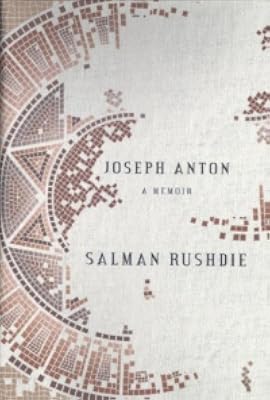
Joseph Anton
by Salman Rushdie
On This Page
Description
On February 14, 1989, Salman Rushdie received a call from a journalist informing him that he had been "sentenced to death" by the Ayatollah Khomeini. It was the first time Rushdie heard the word fatwa. His crime? Writing a novel, The Satanic Verses, which was accused of being "against Islam, the Prophet, and the Quran." So begins the extraordinary story of how a writer was forced underground for more than nine years, moving from house to house, with the constant presence of an armed police show more protection team. Asked to choose an alias that the police could use, he thought of combinations of the names of writers he loved: Conrad and Chekhov: Joseph Anton. How do a writer and his family live with the threat of murder for over nine years? How does he go on working? How does despair shape his thoughts and actions, and how does he learn to fight back? In this memoir, Rushdie tells for the first time the story of his crucial battle for freedom of speech. He shares the sometimes grim, sometimes comic realities of living with armed policemen, and the close bonds he formed with his protectors; of his struggle for support and understanding from governments, intelligence chiefs, publishers, journalists, and fellow writers; and of how he regained his freedom. What happened to Salman Rushdie was the first act of a drama that is still unfolding.--From publisher description. show lessTags
Recommendations


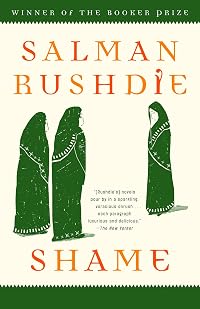
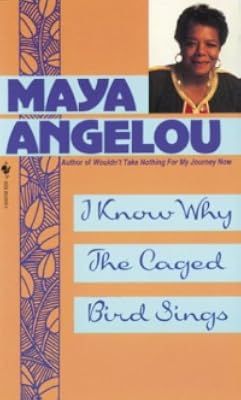
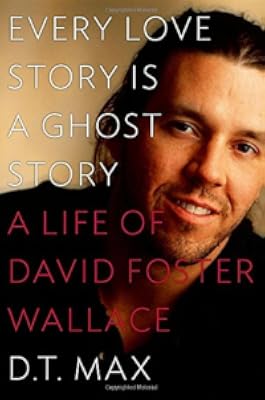
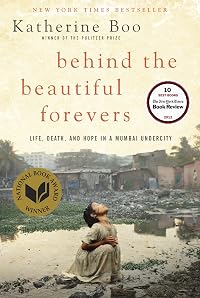
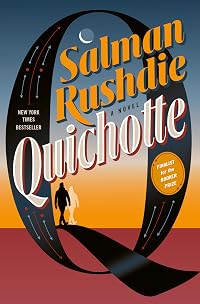
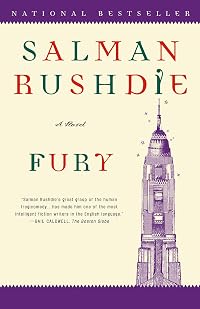
Member Recommendations

Member Reviews
Joseph Anton is Rushdie's memoir of the years he spent, mostly in hiding, under the Ayatollah Khomeini's fatwa. The fatwa, which was announced on Valentine's Day, 1989, has never been officially revoked; in 1998, the Iranian government proclaimed that it would neither support nor hinder attempts to assassinate the author, but there is still a $3 million-plus bounty on his head. The title of the book is the name Rushdie assumed while in Scotland Yard's protection and is taken from two of his favorite writers: "Joseph" from Conrad and "Anton" from Chekhov. In a recent interview, Rushdie claimed that during this time he felt as if he was watching another person's life from a distance, a person separate from himself--hence the book is show more written in third person.
It's hard to imagine what life would be like if you were forced to move at a moment's notice--dozens of times. To live with a squad of armed policemen (one of whom accidentally blew a hole through a wall). To be unable to visit a dying parent, have dinner with friends, attend a memorial or an activity at your child's school, or, as a writer, give public readings of your work. Rushdie details all of this, as well as his efforts to live as normal a life as possible. For this, he credits a cadre of trusted friends, including Christopher Hitchens, Paul Auster, Bill Buford, Martin Amis, Ian McEwan, and Bono, among others. Rushdie also engaged in a constant legal battle to get The Satanic Verses distributed worldwide in paperback format.
Of course, Rushdie's personal life suffered during this time. His greatest regret is the difficulty the fatwa caused for his son Zafar, who was 10 at the time it all began. Although divorced from his first wife, Clarissa Luard, the two remained friendly and strove to maintain as normal a relationship as possible for father and son. Marianne Wiggins, his second wife, to whom he was married when the fatwa was pronounced, does not come off so well; in fact, the American writer is depicted as a selfish, self-promoting wacko. Rushdie met his third wife, Elizabeth West, the mother of his second son, while under protection. Initially, West seems almost saint-like in her patience and devotion, but this image falls apart as the marriage falters due to her depression over not bearing more children and Rushdie's desire to move to the US, where he felt he could live a more open, normal life. Wife Number Four, model, would-be actress, and reality show host Padma Lakshmi,is referred to as "The Illusion," and Rushdie rather shamefacedly admits to falling into a fairly typical mid-life crisis (homely older man, beautiful younger woman), as well as pursuing a somewhat elusive American dream that she came to represent. Lakshmi, like Wiggins, comes off as self-absorbed and ambitious (when he attempts to visit her in LA after a new threat has been announced, she says she is going on a lingerie shoot), and Rushdie makes short shrift of her.
On the whole, Rushdie's memoir is insightful and engaging. If one thing is made clear, it is that he wouldn't have endured, had it not been for the love, help, and encouragement of his close friends, family, and associates. And it is this humanization of Salman Rushdie, more than his literary achievements or politicized position, that allows readers to relate to his plight.
Note: I listened to this book on audio. The reader, Sam Dastoor, was brilliant, with one caveat: his American accent, which never varied. Whether he was impersonating Bill Clinton, Kurt Vonnegut, George Stephanopoulos, or Susan Sontag, they all sounded like sarcastic cowboys. show less
It's hard to imagine what life would be like if you were forced to move at a moment's notice--dozens of times. To live with a squad of armed policemen (one of whom accidentally blew a hole through a wall). To be unable to visit a dying parent, have dinner with friends, attend a memorial or an activity at your child's school, or, as a writer, give public readings of your work. Rushdie details all of this, as well as his efforts to live as normal a life as possible. For this, he credits a cadre of trusted friends, including Christopher Hitchens, Paul Auster, Bill Buford, Martin Amis, Ian McEwan, and Bono, among others. Rushdie also engaged in a constant legal battle to get The Satanic Verses distributed worldwide in paperback format.
Of course, Rushdie's personal life suffered during this time. His greatest regret is the difficulty the fatwa caused for his son Zafar, who was 10 at the time it all began. Although divorced from his first wife, Clarissa Luard, the two remained friendly and strove to maintain as normal a relationship as possible for father and son. Marianne Wiggins, his second wife, to whom he was married when the fatwa was pronounced, does not come off so well; in fact, the American writer is depicted as a selfish, self-promoting wacko. Rushdie met his third wife, Elizabeth West, the mother of his second son, while under protection. Initially, West seems almost saint-like in her patience and devotion, but this image falls apart as the marriage falters due to her depression over not bearing more children and Rushdie's desire to move to the US, where he felt he could live a more open, normal life. Wife Number Four, model, would-be actress, and reality show host Padma Lakshmi,is referred to as "The Illusion," and Rushdie rather shamefacedly admits to falling into a fairly typical mid-life crisis (homely older man, beautiful younger woman), as well as pursuing a somewhat elusive American dream that she came to represent. Lakshmi, like Wiggins, comes off as self-absorbed and ambitious (when he attempts to visit her in LA after a new threat has been announced, she says she is going on a lingerie shoot), and Rushdie makes short shrift of her.
On the whole, Rushdie's memoir is insightful and engaging. If one thing is made clear, it is that he wouldn't have endured, had it not been for the love, help, and encouragement of his close friends, family, and associates. And it is this humanization of Salman Rushdie, more than his literary achievements or politicized position, that allows readers to relate to his plight.
Note: I listened to this book on audio. The reader, Sam Dastoor, was brilliant, with one caveat: his American accent, which never varied. Whether he was impersonating Bill Clinton, Kurt Vonnegut, George Stephanopoulos, or Susan Sontag, they all sounded like sarcastic cowboys. show less
Most people have the freedom to live pragmatic lives without being challenged to defend their principles. Salman Rushdie lost this privilege. Not to be facetious, but this book might have been called "How I Survived the Worst Book Launch Ever." Has any single work of art caused more international turmoil or cost more lives than Rushdie's 1988 novel "The Satanic Verses"? This memoir which he published in 2012 describes how the Booker Prize winning author lived with a price on his head (and still does today) since before the Soviet Union fell and the internet became a thing. For convenience he was forced to assume a new identity as Joseph Anton, selected to honour Joseph Conrad and Anton Chekov.
It is very clear that he never anticipated show more the reaction his novel would receive. He agonized over transliterating his father's death into fiction, searching his soul to determine whether using so many of its actual details in his description of a character death was respectful or appropriate. The idea that there were other elements of his novel which he might better spend his time worrying over didn't occur to him. What follows is a detailed, exhaustive listing of what unfolded, drawn from what Rushdie recorded happening day by day. While the early reception met with protests and book banning, the worst did not come until a few months later when Iran's Ayatollah Khomeini issued his fatwa calling for Rushdie's murder. Salman was forced into hiding, tormented with concern for his extended family who didn't receive the same protection. Ramifications spilled over into international politics and diplomatic relations were broken off. Books were burned, bombs exploded, and innocent people were killed over nothing more than literature.
Rushdie knows a lot of people in the literary world who pass in and out of his pages. Norman Mailer, Nadine Gordimer, Kurt Vonnegut, John Irving, Susan Sontag, William Golding, Roald Dahl, Naguib Mahfouz, John le Carré, Saul Bellow, Gunter Grass, Martin Amis, Ian McEwan, Angela Carter, Kazuo Ishiguro ... the full list of names is immense. My personal favourites were his encounters with Umberto Eco and Maria Kodama. Rushdie divides these people into his "for him" and "against him" camps while providing some illustrative personal impressions. There's astonishing quotes captured from a number of famous names who said outrageous things on the record, and Rushdie does not want any of those to be forgotten. Cat Stevens, aka Yusuf Islam, known for the song "Peace Train", said on television he hoped for Rushdie's death and would direct the hit squads to the author's location if he ever determined it. This memoir effectively threatens more damage to the image of Islam by simply cataloging a litany of incidents like this than any number of trifling scenes from the novel in question, because none of this is made up fiction. Of course it is essential to remember that an entire religion's population cannot be painted with one brush. Rushdie makes this allowance. Islam, the religion of his forefathers and one he continues to respect from a secular standpoint, is not his enemy. Fundamentalist extremists and their apologists are (of any stripe), by their threat to what should be universal freedoms. They aim to make the world a smaller place, at the same time as literature seeks to expand it.
I'm made to question the judgmental attitudes he adapts, his attitude towards women in particular, and some of his waffling on whether he did or didn't intentionally make an anti-religious statement in the Verses. But if there is a theme here, it is the story of Rushdie's becoming a man of firm principal, beyond idle opinion. He took life as it came, until what came was so great a threat that he was forced to make a stand and assume a strong, unwavering position on something he might literally die defending. Ten years after publishing this memoir, more than thirty years after publishing the Verses, Salman Rushdie was attacked on stage at a reading in New York. It cost him an eye and the use of one hand, but by all accounts he lost none of his stance on literary freedom against religious oppression. I can imagine a sequel to this memoir, but never a recant. show less
It is very clear that he never anticipated show more the reaction his novel would receive. He agonized over transliterating his father's death into fiction, searching his soul to determine whether using so many of its actual details in his description of a character death was respectful or appropriate. The idea that there were other elements of his novel which he might better spend his time worrying over didn't occur to him. What follows is a detailed, exhaustive listing of what unfolded, drawn from what Rushdie recorded happening day by day. While the early reception met with protests and book banning, the worst did not come until a few months later when Iran's Ayatollah Khomeini issued his fatwa calling for Rushdie's murder. Salman was forced into hiding, tormented with concern for his extended family who didn't receive the same protection. Ramifications spilled over into international politics and diplomatic relations were broken off. Books were burned, bombs exploded, and innocent people were killed over nothing more than literature.
Rushdie knows a lot of people in the literary world who pass in and out of his pages. Norman Mailer, Nadine Gordimer, Kurt Vonnegut, John Irving, Susan Sontag, William Golding, Roald Dahl, Naguib Mahfouz, John le Carré, Saul Bellow, Gunter Grass, Martin Amis, Ian McEwan, Angela Carter, Kazuo Ishiguro ... the full list of names is immense. My personal favourites were his encounters with Umberto Eco and Maria Kodama. Rushdie divides these people into his "for him" and "against him" camps while providing some illustrative personal impressions. There's astonishing quotes captured from a number of famous names who said outrageous things on the record, and Rushdie does not want any of those to be forgotten. Cat Stevens, aka Yusuf Islam, known for the song "Peace Train", said on television he hoped for Rushdie's death and would direct the hit squads to the author's location if he ever determined it. This memoir effectively threatens more damage to the image of Islam by simply cataloging a litany of incidents like this than any number of trifling scenes from the novel in question, because none of this is made up fiction. Of course it is essential to remember that an entire religion's population cannot be painted with one brush. Rushdie makes this allowance. Islam, the religion of his forefathers and one he continues to respect from a secular standpoint, is not his enemy. Fundamentalist extremists and their apologists are (of any stripe), by their threat to what should be universal freedoms. They aim to make the world a smaller place, at the same time as literature seeks to expand it.
I'm made to question the judgmental attitudes he adapts, his attitude towards women in particular, and some of his waffling on whether he did or didn't intentionally make an anti-religious statement in the Verses. But if there is a theme here, it is the story of Rushdie's becoming a man of firm principal, beyond idle opinion. He took life as it came, until what came was so great a threat that he was forced to make a stand and assume a strong, unwavering position on something he might literally die defending. Ten years after publishing this memoir, more than thirty years after publishing the Verses, Salman Rushdie was attacked on stage at a reading in New York. It cost him an eye and the use of one hand, but by all accounts he lost none of his stance on literary freedom against religious oppression. I can imagine a sequel to this memoir, but never a recant. show less
Joseph Anton is, without doubt, one of the more powerful and far-reaching memoirs I've read, and it's also amazing how many of the cultural and political conversations feel especially timely now in this moment. "Joseph Anton" was the pseudonym Rushdie adopted when he was essentially forced into hiding by the Fatwa that was issued in response to the publication of his novel, The Satanic Verses. This memoir begins, essentially, with the issuing of that Fatwa, and follows Rushdie through the decade (and slightly more) that followed while he was under protection and considered under serious threat.
Alongside his adventures while in custody, from the amusing to the terrifying, Rushdie chronicles endless (in a good way) communications and show more visits with other writers and artists, as well as politicians and others, along with the turmoil he and his family went through in relation to everything from direct threats, logistical headaches, and airports refusing to carry him on to conversations that border on the absurd about just how safe he could be. There's an incredible amount of thought and smart writing here that revolves around censorship, identity, religion, the intersections of politics, religion, and extremism, as well as exile and community--not to mention writing/authorship. It's a book well worth taking the time to delve into and really think about, and reads surprisingly quickly, considering its length--Rushdie's artistry on direct exhibit, of course.
I'd absolutely recommend it to everyone as an important read that's both entertaining and thought-provoking. show less
Alongside his adventures while in custody, from the amusing to the terrifying, Rushdie chronicles endless (in a good way) communications and show more visits with other writers and artists, as well as politicians and others, along with the turmoil he and his family went through in relation to everything from direct threats, logistical headaches, and airports refusing to carry him on to conversations that border on the absurd about just how safe he could be. There's an incredible amount of thought and smart writing here that revolves around censorship, identity, religion, the intersections of politics, religion, and extremism, as well as exile and community--not to mention writing/authorship. It's a book well worth taking the time to delve into and really think about, and reads surprisingly quickly, considering its length--Rushdie's artistry on direct exhibit, of course.
I'd absolutely recommend it to everyone as an important read that's both entertaining and thought-provoking. show less
An extremely detailed and intimate account of an author's experience as the subject of a sentence of death from a fatwa. Taken into protective custody in Britain, he will spend more than a decade in hiding.
This is essentially the contents of his diary from that time, obviously somewhat edited and likely with additional commentary. It is an intimate look into a drastically changed life and the sense he made of his impossible situation.
This book is hard to review for me because the writing is very good and the account is quite a unique one. That being said, I'm not sure that I enjoyed it particularly much. It's very long, and gives a good impression of the experience.
The author chose to write his memoir in the third person, which seems show more to create a sense of distance and significance to the narrative. However, the longer you live in the author's mind the more it feels a bit self-aggrandizing.
The way he speaks about the women in his life is also pretty unsavory. He recounts his casual infidelities as more or less inevitable and seems annoyed that the women he betrays are so upset about it.
And the way he recounts his frankly embarrassing dalliance with a woman the same age as his son suggests very little in the way of self reflection and absolutely no responsibility. Once again, he cannot resist! He's just a little baby who is helpless to honor his promises or be moved by the devastation he will visit upon those he is closest to. If the third person perspective was supposed to make these hateful behaviors more palatable, it failed. show less
This is essentially the contents of his diary from that time, obviously somewhat edited and likely with additional commentary. It is an intimate look into a drastically changed life and the sense he made of his impossible situation.
This book is hard to review for me because the writing is very good and the account is quite a unique one. That being said, I'm not sure that I enjoyed it particularly much. It's very long, and gives a good impression of the experience.
The author chose to write his memoir in the third person, which seems show more to create a sense of distance and significance to the narrative. However, the longer you live in the author's mind the more it feels a bit self-aggrandizing.
The way he speaks about the women in his life is also pretty unsavory. He recounts his casual infidelities as more or less inevitable and seems annoyed that the women he betrays are so upset about it.
And the way he recounts his frankly embarrassing dalliance with a woman the same age as his son suggests very little in the way of self reflection and absolutely no responsibility. Once again, he cannot resist! He's just a little baby who is helpless to honor his promises or be moved by the devastation he will visit upon those he is closest to. If the third person perspective was supposed to make these hateful behaviors more palatable, it failed. show less
[[Salman Rushdie]]'s chose the first name of one of his favorite authors and the last name of another to use as a security pseudonym while he was protected by the British security services during the fatwa against him. This is a memoir of that time. It covers the initial fallout over the publication of [Satanic Verses], the unbelievable struggle to publish his next book, and all the trials and tribulations until his reemergence. if all you know about him is what was written by the British press, and subsequently picked up globally, you don't know this man or his work. Sadly, that's the case for most people, happy to take the negative as pronounced at arm's length rather than let the man himself make his case. He does so with an often show more excoriating honesty about himself, which is refreshing and helps this narrative to stay on track as a truthful and balanced memoir rather than an ego-piece. It's also important that he doesn't focus universally on the censorship surrounding him, but highlights similar struggles for other authors. The book ends before the most recent brutal attack that left him without sight in one eye and on a long road to recover.
In the modern age of censorship and book-banning and fundamentalism and 'religious' intolerance, this should be mandatory reading.
Highly recommended!!!!!
5 bones!!!!! show less
In the modern age of censorship and book-banning and fundamentalism and 'religious' intolerance, this should be mandatory reading.
Highly recommended!!!!!
5 bones!!!!! show less
I was immediately drawn into this fascinating account of Rushdie's life during the fatwa years, and it helped a great deal that he described the process of writing "The Satanic Verses," and especially the meaning, both historically and to him personally, of the passages which infuriated the fundamentalist Muslims.
One of the reasons I enjoyed the book so much was the multiple aspects Rushdie included: his own relationship with religion, his creativity and process as a writer, his personal life (warts and all -- he reveals himself to be a flawed and sometimes selfish man), what it's like to live with 24 hour protection (not at all glamorous), what it's like to be vilified by nations and individuals he thought would champion his right to show more free speech and to stand up to terrorist bullies, his friendships with an extrordinary range of people, and his struggle to regain a normal life again. He doesn't spare his persecutors and critics, but he also doesn't spare himself.
And because he doesn't spare himself in revealing his flaws, I do not agree with the people who think that his persistent efforts to continue to publish and to appear in public despite ongoing death threats was motivated by greed or selfishness. All through the book he insists on the importance of defending free speech, of defending the artist's right to criticise any institution, idea, culture, or religion. And I believe he is absolutely right in that.
Although I have not been able to get into either of his novels which I've picked up (including, years ago, "The Satanic Verses") his style here is straightforward and accessible.
I think this is a valuable, important look at the creative process, the battle between fundamentalism (of any stripe) and freedom, and what it was like to live through an extrordinary, public ordeal. show less
One of the reasons I enjoyed the book so much was the multiple aspects Rushdie included: his own relationship with religion, his creativity and process as a writer, his personal life (warts and all -- he reveals himself to be a flawed and sometimes selfish man), what it's like to live with 24 hour protection (not at all glamorous), what it's like to be vilified by nations and individuals he thought would champion his right to show more free speech and to stand up to terrorist bullies, his friendships with an extrordinary range of people, and his struggle to regain a normal life again. He doesn't spare his persecutors and critics, but he also doesn't spare himself.
And because he doesn't spare himself in revealing his flaws, I do not agree with the people who think that his persistent efforts to continue to publish and to appear in public despite ongoing death threats was motivated by greed or selfishness. All through the book he insists on the importance of defending free speech, of defending the artist's right to criticise any institution, idea, culture, or religion. And I believe he is absolutely right in that.
Although I have not been able to get into either of his novels which I've picked up (including, years ago, "The Satanic Verses") his style here is straightforward and accessible.
I think this is a valuable, important look at the creative process, the battle between fundamentalism (of any stripe) and freedom, and what it was like to live through an extrordinary, public ordeal. show less
Salman Rushdie's memoir reflects the man himself: great attention to language, engaging, an interesting interplay between big ideas and daily life. A mix of petty and kind, brave and fearful, arrogant and humble. Rushie shows himself to be self centered with the unnecessary name dropping and catty comments about others which neither move the story forward nor paints a clearer picture of the authors essence. Yet Salman Rushdie took a courageous and principled stance that everyone should be able to express themselves and against all censorship. I found the book strangely compelling. Several times I thought about not finishing the book because I felt I had a sense of who Rushdie is and wasn't gaining any particularly new insights, yet I show more continue to read until I finished the book.
In an era of "cancel culture" I truly appreciate the call for open and free dialog. People should be free to criticize and even say things that may offend others. Are there limits to this free expression? Of course, when calling for violence or to harm others, otherwise no. Rushdie was often blamed for people injured in protests against his book, for stirring up conflicts, and driving Islamic groups to extreme positions. I would suggest that this is blaming the victim for the crimes of their attacker, and failing to recognize that his book didn't produce the radical nature of many Islamic individuals and organizations, but rather revealed what was hiding under the veneer of polite language and poorly implemented "tolerance".
I greatly appreciated Rushdie observation that
In an era of "cancel culture" I truly appreciate the call for open and free dialog. People should be free to criticize and even say things that may offend others. Are there limits to this free expression? Of course, when calling for violence or to harm others, otherwise no. Rushdie was often blamed for people injured in protests against his book, for stirring up conflicts, and driving Islamic groups to extreme positions. I would suggest that this is blaming the victim for the crimes of their attacker, and failing to recognize that his book didn't produce the radical nature of many Islamic individuals and organizations, but rather revealed what was hiding under the veneer of polite language and poorly implemented "tolerance".
I greatly appreciated Rushdie observation that
ideas stood (or fell) because they were strong enough (or too weak) to withstand criticism, not because they were shielded from it. Strong ideas welcomed dissent. “He that wrestles with us strengthens our nerves and sharpens our skill,” wrote Edmund Burke. “Our antagonist is our helper.” Only the weak and the authoritarian turned away from their opponents and called them names and sometimes wished to do them harm.show less
Members
- Recently Added By
Published Reviews
ThingScore 75
Mr. Rushdie has written a memoir that chronicles those years in hiding — a memoir, coming after several disappointing novels, that reminds us of his fecund gift for language and his talent for explicating the psychological complexities of family and identity. Although this volume can be long-winded and self-important at times, it is also a harrowing, deeply felt and revealing document: an show more autobiographical mirror of the big, philosophical preoccupations that have animated Mr. Rushdie’s work throughout his career, from the collision of the private and the political in today’s interconnected world to the permeable boundaries between life and art, reality and the imagination. show less
added by melmore
Lists

Best Autobiographies and Memoirs
370 works; 67 members

Writers at Risk
106 works; 17 members

Fiction with Men's Given Names in the Title
302 works; 11 members
Author Information

85+ Works 70,005 Members
Salman Rushdie was born in India on June 19, 1947. He was raised in Pakistan and educated in England. His novels include Grimus, Shame, The Satanic Verses, Haroun and the Sea of Stories, The Moor's Last Sigh, The Ground Beneath Her Feet, Fury, Shalimar the Clown, The Enchantress of Florence, Luka and the Fire of Life, and The Golden House. His show more non-fiction works include Joseph Anton, Imaginary Homelands, The Jaguar Smile, and Step across This Line. He also wrote a collection of short stories entitled East, West. He has received numerous awards including the Whitbread Prize for Best Novel twice, the James Tait Black Prize, the French Prix du Meilleur Livre Étranger, the Booker Prize in 1981 for Midnight's Children, and the 2014 PEN/Pinter Prize. (Bowker Author Biography) show less
Some Editions
Awards and Honors
Awards
Distinctions
Series
Belongs to Publisher Series
Gallimard, Folio (5654)
Work Relationships
Contains
Common Knowledge
- Canonical title
- Joseph Anton
- Original title
- Joseph Anton: A Memoir
- Original publication date
- 2012-09-18
- People/Characters
- Salman Rushdie; Padma Lakshmi; Christopher Hitchens
- Important places
- India
- Epigraph
- And by that destiny to perform an act / Whereof what's past is prologue, what to come / In yours and my discharge. - William Shakespeare, The Tempest
- Dedication
- To my children Zafar and Milan and their mothers Clarissa and Elizabeth and to everyone who helped
- First words
- Afterwards, when the world was exploding around him and the lethal blackbirds were massing on the climbing frame in the school playground, he felt annoyed with himself for forgetting the name of the BBC reporter, a woman, who... (show all) had told him that his old life was over and a new, darker existence was about to begin.
- Quotations
- In an open society no ideas or beliefs could be ring-fenced and given immunity from challenges of all sorts, philosophical, satirical, profound, superficial, gleeful, irreverent, or smart. All liberty required was that the sp... (show all)ace for discourse itself be protected. Liberty lay in the argument itself, not the resolution of that argument, in the ability to quarrel, even with the most cherished beliefs of others; a free society was not placid but turbulent. The bazaar of conflicting views was where freedom rang.
- Last words
- (Click to show. Warning: May contain spoilers.)He walked out of the Halcyon Hotel onto Holland Park Avenue and stuck out an arm to hail a passing cab.
- Publisher's editor
- Dennys, Louise; Franklin, Dan; Murphy, Will; Kamil, Susan
- Blurbers
- Gordimer, Nadine
Classifications
Statistics
- Members
- 1,501
- Popularity
- 15,470
- Reviews
- 40
- Rating
- (3.80)
- Languages
- 15 — Czech, Danish, Dutch, English, Finnish, French, German, Greek, Hungarian, Italian, Polish, Portuguese, Slovenian, Spanish, Swedish
- Media
- Paper, Audiobook, Ebook
- ISBNs
- 46
- UPCs
- 1
- ASINs
- 16