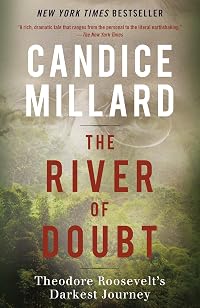
The River of Doubt: Theodore Roosevelt's Darkest Journey
by Candice Millard
On This Page
Description
At once an incredible adventure narrative and a penetrating biographical portrait, The River of Doubt is the true story of Theodore Roosevelt's harrowing exploration of one of the most dangerous rivers on earth. The River of Doubt--it is a black, uncharted tributary of the Amazon that snakes through one of the most treacherous jungles in the world. Indians armed with poison-tipped arrows haunt its shadows; piranhas glide through its waters; boulder-strewn rapids turn the river into a roiling show more cauldron. After his humiliating election defeat in 1912, Roosevelt set his sights on the most punishing physical challenge he could find, the first descent of an unmapped, rapids-choked tributary of the Amazon. Together with his son Kermit and Brazil's most famous explorer, Cândido Mariano da Silva Rondon, Roosevelt accomplished a feat so great that many at the time refused to believe it. In the process, he changed the map of the western hemisphere forever. Along the way, Roosevelt and his men faced an unbelievable series of hardships, losing their canoes and supplies to punishing whitewater rapids, and enduring starvation, Indian attack, disease, drowning, and a murder within their own ranks. Three men died, and Roosevelt was brought to the brink of suicide. The River of Doubt brings alive these extraordinary events in a powerful nonfiction narrative thriller that happens to feature one of the most famous Americans who ever lived. From the soaring beauty of the Amazon rain forest to the darkest night of Theodore Roosevelt's life, here is Candice Millard's dazzling debut. show lessTags
Recommendations
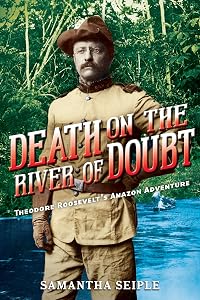
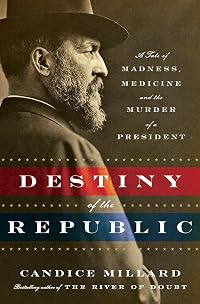
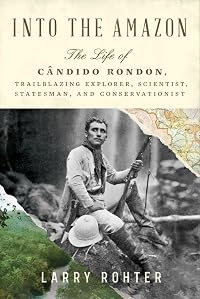
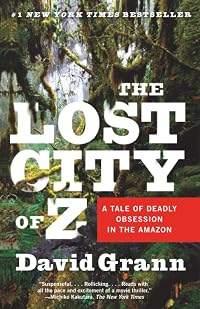

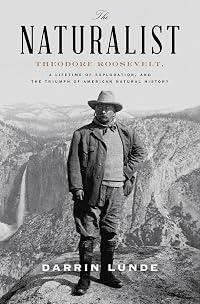
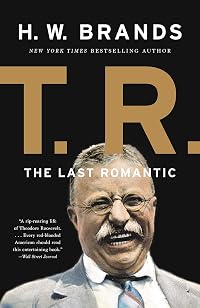
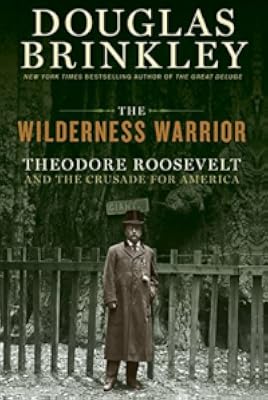
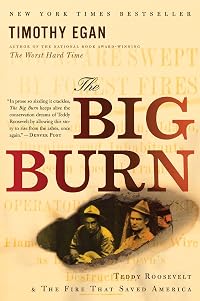
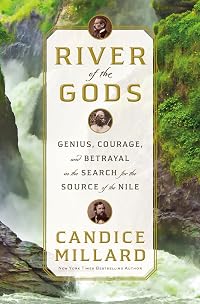
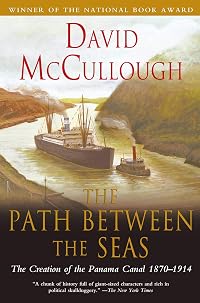
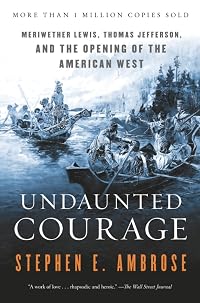
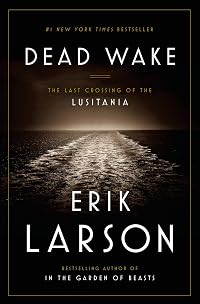

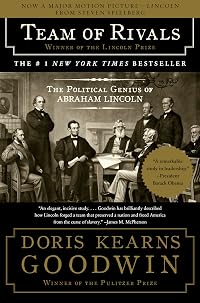
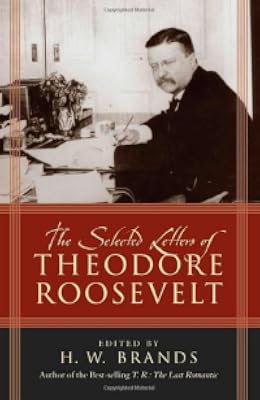

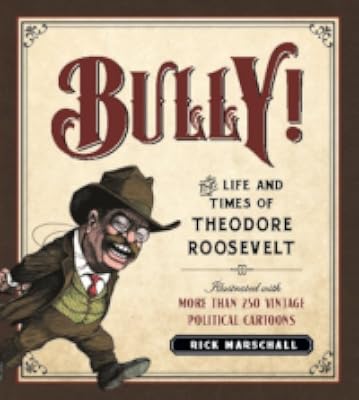
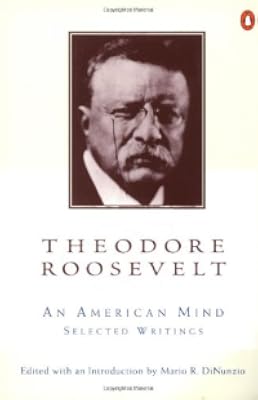

Member Recommendations
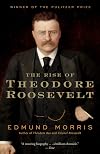
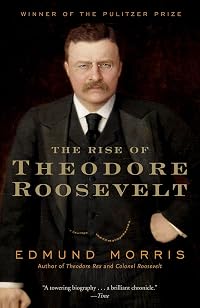
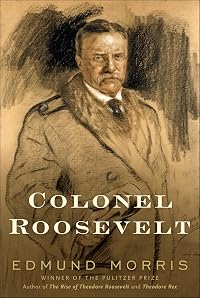
CSL Those looking for more about the most remarkable Theodore Roosevelt couldn't do better than to consult this first volume of Edmund Morris' (hopefully) three volume biography of the 26th President.
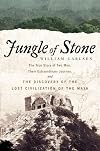
Jungle of Stone: The Extraordinary Journey of John L. Stephens and Frederick Catherwood, and the Discovery of the Lost Civilization of the Maya by William Carlsen
rakerman River of Doubt tells the tale of a difficult exploration of an Amazonian river. Jungle of Stone tells the story of challenging explorations of Mayan sites.
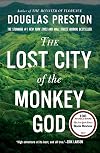
rakerman The River of Doubt is a dangerous jungle expedition to explore a river in 1913–14. The Lost City of the Monkey God is a dangerous jungle expedition to explore a lost city in 2015. Although separated by a century, some similar challenges are encountered.
Morryman84 Goes into ore detail Roosevelts exploration in Brazil and part of the reason he never really physically recovered
Member Reviews
“Less than eighteen months after Roosevelt’s dramatic, failed campaign for an unprecedented third term in the White House, the sweat-soaked figure before [ornithologist] Cherrie in the jungle darkness could not have been further removed from the power and privilege of his former office. Hundreds of miles from help or even any outside awareness of his ordeal, Roosevelt hovered agonizingly on the brink of death. Suffering from disease and near-starvation, and shuddering uncontrollably from fever, the man who had been the youngest and most energetic president in his nation’s history drifted in and out of delirium, too weak to sit up or even to lift his head.”
Dramatic account of the Roosevelt-Rondon Scientific Expedition into the show more dark reaches of the Brazilian Amazon Rainforest to explore an uncharted river in 1913-1914. After losing the presidential election in 1912, Theodore Roosevelt and his son, Kermit, embarked on a trip to South America. The above quote appears in the opening chapter, and the author then provides a riveting story of how the former president reached such an imperiled state.
Roosevelt was known for his adventurous spirit and willingness to risk his life, though this particular journey was originally not planned to be so arduous. The route was changed after the planning and supplying had already been completed. It occurred before the advent of antibiotics and any method to communicate with the outside world. The result is a harrowing experience, brilliantly described by the author and pieced together from the participants’ journals and related research.
“Even more disturbing than what they knew was what they did not know. The obvious riddle of the river’s course was only one of a thousand potentially lethal mysteries that now surrounded them. As they plunged deeper and deeper into the jungle, the riot of nature that enveloped them—from the crowded canopy overhead to the buzzing, insect-laden air around their faces to the unseen depths of the black river—became increasingly strange, unfamiliar, and threatening, to say nothing of the constant threat of Indian attack, which transformed every shadow into a potential enemy.”
Not only do we follow the details of a grueling journey, but we also get a feeling for what Roosevelt was like as a person. In addition, we learn about one of Brazil’s most renowned explorers, Colonel Cândido Mariano da Silva Rondon, co-leader of the expedition, who never wavered in his dedication to the indigenous Brazilians. I became completely absorbed in the narrative, turning the pages long into the night. Highly recommended to anyone who enjoys tales of exploration, adventure, and survival. show less
Dramatic account of the Roosevelt-Rondon Scientific Expedition into the show more dark reaches of the Brazilian Amazon Rainforest to explore an uncharted river in 1913-1914. After losing the presidential election in 1912, Theodore Roosevelt and his son, Kermit, embarked on a trip to South America. The above quote appears in the opening chapter, and the author then provides a riveting story of how the former president reached such an imperiled state.
Roosevelt was known for his adventurous spirit and willingness to risk his life, though this particular journey was originally not planned to be so arduous. The route was changed after the planning and supplying had already been completed. It occurred before the advent of antibiotics and any method to communicate with the outside world. The result is a harrowing experience, brilliantly described by the author and pieced together from the participants’ journals and related research.
“Even more disturbing than what they knew was what they did not know. The obvious riddle of the river’s course was only one of a thousand potentially lethal mysteries that now surrounded them. As they plunged deeper and deeper into the jungle, the riot of nature that enveloped them—from the crowded canopy overhead to the buzzing, insect-laden air around their faces to the unseen depths of the black river—became increasingly strange, unfamiliar, and threatening, to say nothing of the constant threat of Indian attack, which transformed every shadow into a potential enemy.”
Not only do we follow the details of a grueling journey, but we also get a feeling for what Roosevelt was like as a person. In addition, we learn about one of Brazil’s most renowned explorers, Colonel Cândido Mariano da Silva Rondon, co-leader of the expedition, who never wavered in his dedication to the indigenous Brazilians. I became completely absorbed in the narrative, turning the pages long into the night. Highly recommended to anyone who enjoys tales of exploration, adventure, and survival. show less
“Less than eighteen months after Roosevelt’s dramatic, failed campaign for an unprecedented third term in the White House, the sweat-soaked figure before [ornithologist] Cherrie in the jungle darkness could not have been further removed from the power and privilege of his former office. Hundreds of miles from help or even any outside awareness of his ordeal, Roosevelt hovered agonizingly on the brink of death. Suffering from disease and near-starvation, and shuddering uncontrollably from fever, the man who had been the youngest and most energetic president in his nation’s history drifted in and out of delirium, too weak to sit up or even to lift his head.”
Dramatic account of the Roosevelt-Rondon Scientific Expedition into the show more dark reaches of the Brazilian Amazon Rainforest to explore an uncharted river in 1913-1914. After losing the presidential election in 1912, Theodore Roosevelt and his son, Kermit, embarked on a trip to South America. The above quote appears in the opening chapter, and the author then provides a riveting story of how the former president reached such an imperiled state.
Roosevelt was known for his adventurous spirit and willingness to risk his life, though this particular journey was originally not planned to be so arduous. The route was changed after the planning and supplying had already been completed. It occurred before the advent of antibiotics and any method to communicate with the outside world. The result is a harrowing experience, brilliantly described by the author and pieced together from the participants’ journals and related research.
“Even more disturbing than what they knew was what they did not know. The obvious riddle of the river’s course was only one of a thousand potentially lethal mysteries that now surrounded them. As they plunged deeper and deeper into the jungle, the riot of nature that enveloped them—from the crowded canopy overhead to the buzzing, insect-laden air around their faces to the unseen depths of the black river—became increasingly strange, unfamiliar, and threatening, to say nothing of the constant threat of Indian attack, which transformed every shadow into a potential enemy.”
Not only do we follow the details of a grueling journey, but we also get a feeling for what Roosevelt was like as a person. In addition, we learn about one of Brazil’s most renowned explorers, Colonel Cândido Mariano da Silva Rondon, co-leader of the expedition, who never wavered in his dedication to the indigenous Brazilians. I became completely absorbed in the narrative, turning the pages long into the night. Highly recommended to anyone who enjoys tales of exploration, adventure, and survival. show less
Dramatic account of the Roosevelt-Rondon Scientific Expedition into the show more dark reaches of the Brazilian Amazon Rainforest to explore an uncharted river in 1913-1914. After losing the presidential election in 1912, Theodore Roosevelt and his son, Kermit, embarked on a trip to South America. The above quote appears in the opening chapter, and the author then provides a riveting story of how the former president reached such an imperiled state.
Roosevelt was known for his adventurous spirit and willingness to risk his life, though this particular journey was originally not planned to be so arduous. The route was changed after the planning and supplying had already been completed. It occurred before the advent of antibiotics and any method to communicate with the outside world. The result is a harrowing experience, brilliantly described by the author and pieced together from the participants’ journals and related research.
“Even more disturbing than what they knew was what they did not know. The obvious riddle of the river’s course was only one of a thousand potentially lethal mysteries that now surrounded them. As they plunged deeper and deeper into the jungle, the riot of nature that enveloped them—from the crowded canopy overhead to the buzzing, insect-laden air around their faces to the unseen depths of the black river—became increasingly strange, unfamiliar, and threatening, to say nothing of the constant threat of Indian attack, which transformed every shadow into a potential enemy.”
Not only do we follow the details of a grueling journey, but we also get a feeling for what Roosevelt was like as a person. In addition, we learn about one of Brazil’s most renowned explorers, Colonel Cândido Mariano da Silva Rondon, co-leader of the expedition, who never wavered in his dedication to the indigenous Brazilians. I became completely absorbed in the narrative, turning the pages long into the night. Highly recommended to anyone who enjoys tales of exploration, adventure, and survival. show less
THE RIVER OF DOUBT: THEODORE ROOSEVELT'S DARKEST JOURNEY is a fascinating testament to the profound arrogance of white Western explorers and their efforts to colonize the world.
In the 19th and 20th centuries, many European countries and the United States were expanding their influence and power by annexing or otherwise controlling new territories, a movement known as colonialism. One such effort in 1913-14 was former President Theodore Roosevelt's participation in the Roosevelt-Rondon Scientific Expedition, which planned to survey the previously unmapped and extremely remote Rio da Dúvida (aka River of Doubt or Roosevelt River) in South America, that eventually flows into the Amazon River.
Teddy Roosevelt, who was depressed following show more his loss in the presidential election of 1912, invited his 24 year old, newly-engaged son Kermit, who had depression of his own. (Kermit went along chiefly because his mother thought Dad needed someone to protect him.)
The group leader (along with Roosevelt) was a local Brazilian explorer, Colonel Cândido Rondon, who had previous experience exploring the area. American naturalist George Kruck Cherrie was also part of the group. As was Father John Augustine Zahm, a priest, author, and friend of Roosevelt's. And, of course, there were 15 locals recruited to do most of the work (carrying, clearing, setting up, paddling, cooking, etc.).
You'd think that smart white men embarking on such a potentially dangerous journey -- in an unexplored area and surrounded by wild animals and unfriendly indigenous tribes -- would think strategically, be well-organized, and pack supplies adequate for any contingency. But you'd be wrong.
Supplying the expedition was haphazard and ill-considered from the start. Westerners overpacked personal items. Boats selected turned out to be too heavy and inadequate for navigating the rapids and waterfalls. Pack animals brought along to carry were incapable of managing the heavy loads in the overgrown rainforest environment. Food supplies were lost in many accidents. Disease was everywhere and medicine inadequate. And there's more.
THE RIVER OF DOUBT: THEODORE ROOSEVELT'S DARKEST JOURNEY is the detailed story of this excursion. And all the obstacles the group faced. It's a men vs. nature kind of adventure where you will read how unprepared (yet always self-assured) adult men struggled against every problem you can imagine. I cannot tell you how many times I paused and asked myself, How could they have been so stupid?
Author Candice Millard writes prose that reads like a novel. So there's plenty of drama and suspense. I found, in places, that she included more detail than I personally needed. But overall it's an extremely well researched and well-written piece of non-fiction. And, I promise - this is one adventure you will be glad you missed. show less
In the 19th and 20th centuries, many European countries and the United States were expanding their influence and power by annexing or otherwise controlling new territories, a movement known as colonialism. One such effort in 1913-14 was former President Theodore Roosevelt's participation in the Roosevelt-Rondon Scientific Expedition, which planned to survey the previously unmapped and extremely remote Rio da Dúvida (aka River of Doubt or Roosevelt River) in South America, that eventually flows into the Amazon River.
Teddy Roosevelt, who was depressed following show more his loss in the presidential election of 1912, invited his 24 year old, newly-engaged son Kermit, who had depression of his own. (Kermit went along chiefly because his mother thought Dad needed someone to protect him.)
The group leader (along with Roosevelt) was a local Brazilian explorer, Colonel Cândido Rondon, who had previous experience exploring the area. American naturalist George Kruck Cherrie was also part of the group. As was Father John Augustine Zahm, a priest, author, and friend of Roosevelt's. And, of course, there were 15 locals recruited to do most of the work (carrying, clearing, setting up, paddling, cooking, etc.).
You'd think that smart white men embarking on such a potentially dangerous journey -- in an unexplored area and surrounded by wild animals and unfriendly indigenous tribes -- would think strategically, be well-organized, and pack supplies adequate for any contingency. But you'd be wrong.
Supplying the expedition was haphazard and ill-considered from the start. Westerners overpacked personal items. Boats selected turned out to be too heavy and inadequate for navigating the rapids and waterfalls. Pack animals brought along to carry were incapable of managing the heavy loads in the overgrown rainforest environment. Food supplies were lost in many accidents. Disease was everywhere and medicine inadequate. And there's more.
THE RIVER OF DOUBT: THEODORE ROOSEVELT'S DARKEST JOURNEY is the detailed story of this excursion. And all the obstacles the group faced. It's a men vs. nature kind of adventure where you will read how unprepared (yet always self-assured) adult men struggled against every problem you can imagine. I cannot tell you how many times I paused and asked myself, How could they have been so stupid?
Author Candice Millard writes prose that reads like a novel. So there's plenty of drama and suspense. I found, in places, that she included more detail than I personally needed. But overall it's an extremely well researched and well-written piece of non-fiction. And, I promise - this is one adventure you will be glad you missed. show less
THE RIVER OF DOUBT: THEODORE ROOSEVELT'S DARKEST JOURNEY is a fascinating testament to the profound arrogance of white Western explorers and their efforts to colonize the world.
In the 19th and 20th centuries, many European countries and the United States were expanding their influence and power by annexing or otherwise controlling new territories, a movement known as colonialism. One such effort in 1913-14 was former President Theodore Roosevelt's participation in the Roosevelt-Rondon Scientific Expedition, which planned to survey the previously unmapped and extremely remote Rio da Dúvida (aka River of Doubt or Roosevelt River) in South America, that eventually flows into the Amazon River.
Teddy Roosevelt, who was depressed following show more his loss in the presidential election of 1912, invited his 24 year old, newly-engaged son Kermit, who had depression of his own. (Kermit went along chiefly because his mother thought Dad needed someone to protect him.)
The group leader (along with Roosevelt) was a local Brazilian explorer, Colonel Cândido Rondon, who had previous experience exploring the area. American naturalist George Kruck Cherrie was also part of the group. As was Father John Augustine Zahm, a priest, author, and friend of Roosevelt's. And, of course, there were 15 locals recruited to do most of the work (carrying, clearing, setting up, paddling, cooking, etc.).
You'd think that smart white men embarking on such a potentially dangerous journey -- in an unexplored area and surrounded by wild animals and unfriendly indigenous tribes -- would think strategically, be well-organized, and pack supplies adequate for any contingency. But you'd be wrong.
Supplying the expedition was haphazard and ill-considered from the start. Westerners overpacked personal items. Boats selected turned out to be too heavy and inadequate for navigating the rapids and waterfalls. Pack animals brought along to carry were incapable of managing the heavy loads in the overgrown rainforest environment. Food supplies were lost in many accidents. Disease was everywhere and medicine inadequate. And there's more.
THE RIVER OF DOUBT: THEODORE ROOSEVELT'S DARKEST JOURNEY is the detailed story of this excursion. And all the obstacles the group faced. It's a men vs. nature kind of adventure where you will read how unprepared (yet always self-assured) adult men struggled against every problem you can imagine. I cannot tell you how many times I paused and asked myself, How could they have been so stupid?
Author Candice Millard writes prose that reads like a novel. So there's plenty of drama and suspense. I found, in places, that she included more detail than I personally needed. But overall it's an extremely well researched and well-written piece of non-fiction. And, I promise - this is one adventure you will be glad you missed. show less
In the 19th and 20th centuries, many European countries and the United States were expanding their influence and power by annexing or otherwise controlling new territories, a movement known as colonialism. One such effort in 1913-14 was former President Theodore Roosevelt's participation in the Roosevelt-Rondon Scientific Expedition, which planned to survey the previously unmapped and extremely remote Rio da Dúvida (aka River of Doubt or Roosevelt River) in South America, that eventually flows into the Amazon River.
Teddy Roosevelt, who was depressed following show more his loss in the presidential election of 1912, invited his 24 year old, newly-engaged son Kermit, who had depression of his own. (Kermit went along chiefly because his mother thought Dad needed someone to protect him.)
The group leader (along with Roosevelt) was a local Brazilian explorer, Colonel Cândido Rondon, who had previous experience exploring the area. American naturalist George Kruck Cherrie was also part of the group. As was Father John Augustine Zahm, a priest, author, and friend of Roosevelt's. And, of course, there were 15 locals recruited to do most of the work (carrying, clearing, setting up, paddling, cooking, etc.).
You'd think that smart white men embarking on such a potentially dangerous journey -- in an unexplored area and surrounded by wild animals and unfriendly indigenous tribes -- would think strategically, be well-organized, and pack supplies adequate for any contingency. But you'd be wrong.
Supplying the expedition was haphazard and ill-considered from the start. Westerners overpacked personal items. Boats selected turned out to be too heavy and inadequate for navigating the rapids and waterfalls. Pack animals brought along to carry were incapable of managing the heavy loads in the overgrown rainforest environment. Food supplies were lost in many accidents. Disease was everywhere and medicine inadequate. And there's more.
THE RIVER OF DOUBT: THEODORE ROOSEVELT'S DARKEST JOURNEY is the detailed story of this excursion. And all the obstacles the group faced. It's a men vs. nature kind of adventure where you will read how unprepared (yet always self-assured) adult men struggled against every problem you can imagine. I cannot tell you how many times I paused and asked myself, How could they have been so stupid?
Author Candice Millard writes prose that reads like a novel. So there's plenty of drama and suspense. I found, in places, that she included more detail than I personally needed. But overall it's an extremely well researched and well-written piece of non-fiction. And, I promise - this is one adventure you will be glad you missed. show less
In 1914, Theodore Roosevelt traveled to South America and undertook an extremely dangerous expedition down an uncharted river in the Amazon river basin. This book tells the story of that journey. It is well told, with fascinating tidbits about politics, history, science, and nature sprinkled throughout the narrative. Little known aspects of history are discussed - such as the election of 1912 and Roosevelt's relationships with South American politicians. But the heart of the story is a tale of adventure as a group of scientists, adventurers and soldiers travel down a river with rapids so wild that they are forced to do more portaging than paddling for most of the way. Dangers such as malaria, snakes, and piranha's abound - but there are show more also human threats from both within and without the party.
I found this an enjoyable and fascinating read. There were several aspects of history that I was unaware of they made me think about the relationship between these historical events and the politics of today. Theodore Roosevelt is also a fascinating man to learn more with the way he lived out the principles he believed in. The relationships between him and his son Kermit comes to the forefront during the hardships of the journey and Theodore's illness that almost forced him to be left behind. The part that captured me the most was the basic story of survival and wondering how they would manage it (though I knew they would) when everything seemed so stacked against them.
I definitely recommend this book, especially for history buffs. And I would certainly read more books by this author. show less
I found this an enjoyable and fascinating read. There were several aspects of history that I was unaware of they made me think about the relationship between these historical events and the politics of today. Theodore Roosevelt is also a fascinating man to learn more with the way he lived out the principles he believed in. The relationships between him and his son Kermit comes to the forefront during the hardships of the journey and Theodore's illness that almost forced him to be left behind. The part that captured me the most was the basic story of survival and wondering how they would manage it (though I knew they would) when everything seemed so stacked against them.
I definitely recommend this book, especially for history buffs. And I would certainly read more books by this author. show less
Rio da Dúvida, Portuguese for River of Doubt, was stumbled onto by a Brazilian telegraph line-laying party in 1909 and so named because no one knew where it went. Bounded on both sides by near-impenetrable rain forest, coursing through rapids and over waterfalls, its murky water hiding man-eating fish, its shores haunted by natives with poison-tipped arrows, its atmosphere thick with disease-laden insects, the river existed hidden from maps until 1914 when a small party of ill-equipped men, including former U.S. President Theodore Roosevelt, seeking adventure after his humiliating election defeat in 1912, started down it in crude dugout canoes. Not everyone in the party survived to see the confluence of the Rio da Dúvida, later show more renamed Rio Roosevelt, with the Amazon, and Roosevelt as well as his son Kermit came close to death. One would suspect Candice Millard of inflating this tale of adventure, death, and even murder with more than a little hyperbole were the extensive notes and bibliography not so convincing. As it is, she has written the history of a brief slice of Roosevelt's life, and has written it in such an engrossing, compelling style that only debilitating late-night fatigue can induce the reader to put it down before turning the next page. show less
As anyone who is well acquainted with the life of Theodore Roosevelt knows, he was a man who craved adventure, especially pitting himself physically against the forces of nature. Candace Millard’s book THE RIVER OF DOUBT: THEODORE ROOSEVELT’S DARKEST JOURNEY is the story of one such adventure when the former President, fresh off of his defeat in the 1912 Presidential election, when he ran on the third party Bull Moose ticket, decided to explore a tributary of the Amazon as a way to work past the gloom of an electoral loss. The story of this expedition may be a footnote in history, but it is one that reveals much, not only about one of the most vivid and consequential figures in American history, but also about human nature and the show more will to survive when confronted by adversity and an unimaginably hostile environment.
Roosevelt had been a sickly youth who had built up his physical strength and stamina in early adulthood, he strove to live what he called “the strenuous life,” and believed that a strong will could overcome any obstacle. It was an attitude which served him well for much of his life, which included being a rancher on the plains of the Old West, a police commissioner in the rough and tumble New York City of the late 19th Century, the leader of the Rough Riders in the Spanish American War, and a political career that had seen him rise from Governor of New York to Vice President, and ultimately to the highest office in the land upon the assassination of William McKinley. All this accomplished before the age of 42. As many reviewers have noted, TR was probably not a man given to introspection, and one possessing a sense of self confidence that surely crossed the border into hubris. If so, then THE RIVER OF DOUBT, is the story of how he was humbled.
At a little more than 350 pages, Millard’s book is a tight read, filled with detail, not only about the personalities who accompanied the former President on his expedition, but also about the rain forest itself, which, as described, would have made Indiana Jones think twice. Exposition, a narrative killer if not handled right, is expertly woven into the story as we learn not only of the extraordinary symbiotic plants and trees, but also of the truly vicious animal life, which includes wild boars, Coral snakes, jaguars, piranha fish, and a tiny catfish called the candiru, capable of swimming up a man’s urethra—that made me wince for sure. Add water born diseases which flourished in the damp tropical climate, and malaria, which afflicted all who journeyed to the jungles with incessant fevers and chills. Top it all off with native tribes who had not had contact with the rest of humanity in over a thousand years, and who, if the notion took them, would deal in a most lethal manner with any interloper who invaded what they considered their territory. I was quick to feel apprehension as Millard shows how Roosevelt’s expedition was poorly planned from the beginning when he trusted the provisioning and supplying to individuals who had only a dim idea of what they were going up against. While Roosevelt is the central character, the book allows others to emerge from the pages and stand on their own, no more so than Colonel Candido Rondon, a Brazilian army officer and explorer, who was a hero in his own right. He was a co-leader of the expedition with Roosevelt, and though the two men had great respect for each other, they would not always see things the same way. Roosevelt’s oldest son, Kermit, who was working in South America at the time, accompanied his father down the river, and we get a portrait of a young man trapped in the shadow of an imposing father whom he loved, but could not escape.
All these characters would be put to the test when, as they made their way down the River of Doubt, they encountered rapids and waterfalls which required them to haul their dugouts through the jungle to get down river, slowing down the progress considerably. Soon, the poorly acquired rations were running low and the density of the jungle would not reveal enough fresh game to be hunted. The hardships took a toll on the dugouts and then on the men themselves, as nearly everyone became ill in the tropical climate and sustained injuries, including the mighty TR himself. The isolation and the oppressive nature of the rain forest inflicted a mental strain, that when combined with the physical hardships, slowed the expedition’s progress down to a crawl. More than once, despair threatened to overwhelm them all, even bringing Roosevelt to the brink of suicide.
How these men persevered in the face of such peril makes this a first rate adventure as well as a cautionary tale. I’ve always thought Theodore Roosevelt to be the epitome of what a great leader should be, he thrived on challenge and had no fear of confrontation. Yet at the age of 55, it is easy to conclude that his trip into the Amazon was biting off more than he could chew. Calling it “risky behavior” would be putting it mildly. But though TR is one of the essential figures in forging the America of the 20th Century, he was essentially a man of an earlier and very romantic time, one who considered combat on a battlefield to be the ultimate test of one’s manhood, and war to be something virtuous and sought after. That puts him at odds with the generations that followed to say the least. That’s what I liked the most about Candice Millard’s book, the story of an old lion out for adventure, and taking on whatever crosses his path, paying the price, and persevering to the end. It is a great story. show less
Roosevelt had been a sickly youth who had built up his physical strength and stamina in early adulthood, he strove to live what he called “the strenuous life,” and believed that a strong will could overcome any obstacle. It was an attitude which served him well for much of his life, which included being a rancher on the plains of the Old West, a police commissioner in the rough and tumble New York City of the late 19th Century, the leader of the Rough Riders in the Spanish American War, and a political career that had seen him rise from Governor of New York to Vice President, and ultimately to the highest office in the land upon the assassination of William McKinley. All this accomplished before the age of 42. As many reviewers have noted, TR was probably not a man given to introspection, and one possessing a sense of self confidence that surely crossed the border into hubris. If so, then THE RIVER OF DOUBT, is the story of how he was humbled.
At a little more than 350 pages, Millard’s book is a tight read, filled with detail, not only about the personalities who accompanied the former President on his expedition, but also about the rain forest itself, which, as described, would have made Indiana Jones think twice. Exposition, a narrative killer if not handled right, is expertly woven into the story as we learn not only of the extraordinary symbiotic plants and trees, but also of the truly vicious animal life, which includes wild boars, Coral snakes, jaguars, piranha fish, and a tiny catfish called the candiru, capable of swimming up a man’s urethra—that made me wince for sure. Add water born diseases which flourished in the damp tropical climate, and malaria, which afflicted all who journeyed to the jungles with incessant fevers and chills. Top it all off with native tribes who had not had contact with the rest of humanity in over a thousand years, and who, if the notion took them, would deal in a most lethal manner with any interloper who invaded what they considered their territory. I was quick to feel apprehension as Millard shows how Roosevelt’s expedition was poorly planned from the beginning when he trusted the provisioning and supplying to individuals who had only a dim idea of what they were going up against. While Roosevelt is the central character, the book allows others to emerge from the pages and stand on their own, no more so than Colonel Candido Rondon, a Brazilian army officer and explorer, who was a hero in his own right. He was a co-leader of the expedition with Roosevelt, and though the two men had great respect for each other, they would not always see things the same way. Roosevelt’s oldest son, Kermit, who was working in South America at the time, accompanied his father down the river, and we get a portrait of a young man trapped in the shadow of an imposing father whom he loved, but could not escape.
All these characters would be put to the test when, as they made their way down the River of Doubt, they encountered rapids and waterfalls which required them to haul their dugouts through the jungle to get down river, slowing down the progress considerably. Soon, the poorly acquired rations were running low and the density of the jungle would not reveal enough fresh game to be hunted. The hardships took a toll on the dugouts and then on the men themselves, as nearly everyone became ill in the tropical climate and sustained injuries, including the mighty TR himself. The isolation and the oppressive nature of the rain forest inflicted a mental strain, that when combined with the physical hardships, slowed the expedition’s progress down to a crawl. More than once, despair threatened to overwhelm them all, even bringing Roosevelt to the brink of suicide.
How these men persevered in the face of such peril makes this a first rate adventure as well as a cautionary tale. I’ve always thought Theodore Roosevelt to be the epitome of what a great leader should be, he thrived on challenge and had no fear of confrontation. Yet at the age of 55, it is easy to conclude that his trip into the Amazon was biting off more than he could chew. Calling it “risky behavior” would be putting it mildly. But though TR is one of the essential figures in forging the America of the 20th Century, he was essentially a man of an earlier and very romantic time, one who considered combat on a battlefield to be the ultimate test of one’s manhood, and war to be something virtuous and sought after. That puts him at odds with the generations that followed to say the least. That’s what I liked the most about Candice Millard’s book, the story of an old lion out for adventure, and taking on whatever crosses his path, paying the price, and persevering to the end. It is a great story. show less
Members
- Recently Added By
Published Reviews
ThingScore 75
"The River of Doubt" spins these events into a rich, dramatic tale that ranges from the personal to the literally earth-shaking... "Ms. Millard succeeds in taking a broad, humbling view of one man's place in the natural scheme of things. She juxtaposes Roosevelt's larger-than-life persona with the rules of the jungle."
added by danielx
Lists

Best Biographies, Autobiographies and Memoirs
465 works; 160 members

Top Five Books of 2013
1,562 works; 721 members

To Read - Non Fiction
46 works; 4 members

Non-Fiction Worth Reading
1,015 works; 261 members

Best of Travel Narratives (Rivers)
22 works; 1 member
Club Read's Recommended Nonfiction Written by Women
618 works; 30 members

Ryan Holiday's Books To Base Your Life On
97 works; 2 members

Top Five Books of 2024
795 works; 264 members
Author Information

8+ Works 9,834 Members
Candice Millard is a former writer and editor for National Geographic magazine. Millard's first book, The River of Doubt: Theodore Roosevelt's Darkest Journey, was a New York Times bestseller and was named one of the best books of the year by a number of publications including the New York Times, Washington Post, San Francisco Chronicle, and show more Christian Science Monitor. The River of Doubt was also a Barnes & Noble Discover Great New Writers selection and a Book Sense Pick, was a finalist for the Quill Awards, and won the William Rockhill Nelson Award. Millard's second book, The Destiny of the Republic: A Tale of Madness, Medicine & the Murder of a President, was released in September 2011. Millard's book, Hero of the Empire: The Boer War, a Daring Escape, and the Making of Winston Churchill, made the New York Times Bestseller list in 2016. (Bowker Author Biography) show less
Awards and Honors
Awards
Distinctions
Notable Lists
Work Relationships
Common Knowledge
- Original publication date
- 2005-10-18
- People/Characters
- Theodore Roosevelt; Kermit Roosevelt; Cândido Rondon; Woodrow Wilson; William Howard Taft; John Flammang Schrank (show all 11); John Augustine Zahm; Henry Fairfield Osborn; John James Audubon; Anthony Fiala; George Kruck Cherrie
- Important places
- Amazon Rainforest, Amazon Basin, South America; Brazil; South America
- Dedication
- For Mark
- First words
- The line outside Madison Square Garden started to form at 5:30 p.m., just as an orange autumn sun was setting in New York City on Halloween Eve, 1912.
- Last words
- (Click to show. Warning: May contain spoilers.)As they do now.
- Publisher's editor
- Thomas, Bill
- Original language
- English
Classifications
- Genres
- General Nonfiction, Travel, Biography & Memoir, History, Nonfiction
- DDC/MDS
- 918.113045 — History & geography Geography & travel Geography of and travel in South America Brazil
- LCC
- F2546 .M587 — Local History of the United States, Canada and Latin America Latin America. Spanish America South America Brazil
- BISAC
Statistics
- Members
- 4,134
- Popularity
- 3,723
- Reviews
- 151
- Rating
- (4.19)
- Languages
- English, French, Portuguese (Portugal)
- Media
- Paper, Audiobook, Ebook
- ISBNs
- 17
- ASINs
- 24