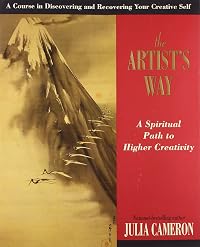
The Artist's Way: A Spiritual Path to Higher Creativity
by Julia Cameron
On This Page
Description
"Without The Artist's Way, there would have been no Eat, Pray, Love." --Elizabeth Gilbert The Artist's Way is the seminal book on the subject of creativity. An international bestseller, millions of readers have found it to be an invaluable guide to living the artist's life. Still as vital today--or perhaps even more so--than it was when it was first published one decade ago, it is a powerfully provocative and inspiring work. In a new introduction to the book, Julia Cameron reflects upon the show more impact of The Artist's Way and describes the work she has done during the last decade and the new insights into the creative process that she has gained. Updated and expanded, this anniversary edition reframes The Artist's Way for a new century. show lessTags
Recommendations
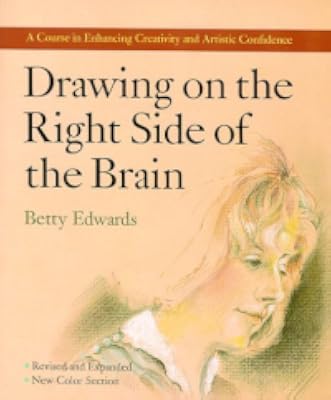
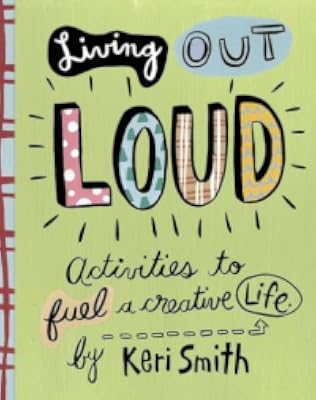
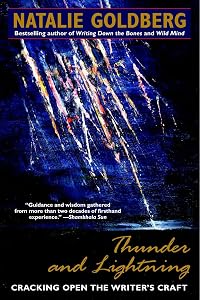
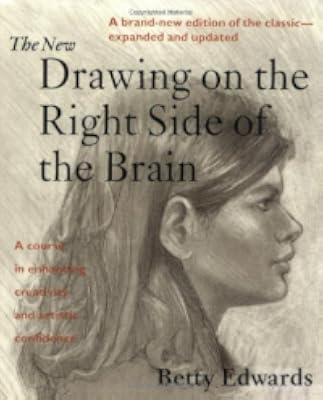
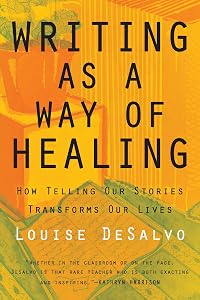
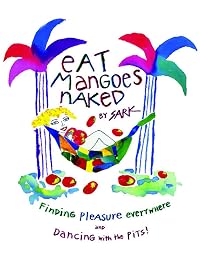
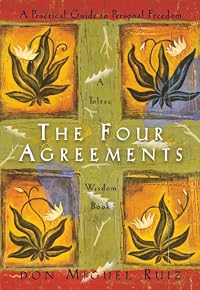
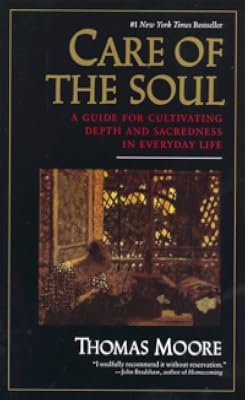
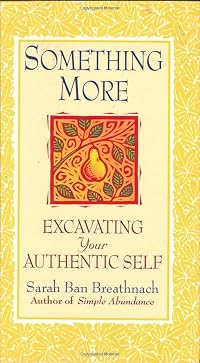
Member Recommendations
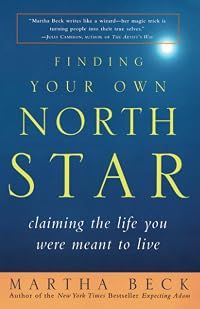
greggchadwick Phil Cousineau's "Stoking the Creative Fires" is a needed kick in the pants in the realm of books on the creative process. Phil's work with Joseph Campbell and Huston Smith links "Stoking the Creative Fires" to myth and history.
DetailMuse Readers wanting to practice Cameron's recommendation for Artist Dates will find dozens of ideas in the exercises and sources within Pink's book.
Member Reviews
About half useful, one-quarter unutterable fluff, and one-quarter actively hurtful Positive Thinking crap. The useful is seriously useful, though, and I have taken copious notes.
(I read this because I've been doing morning pages for years. I see now why this is the only element of her process that has really been mainstreamed.)
(I read this because I've been doing morning pages for years. I see now why this is the only element of her process that has really been mainstreamed.)
This is now one of my favorite books! Funny how when you first look at a book it is just a piece of wood or paper, and then after you read it, it becomes this representation of an immense thing of something wonderful.
When I first heard of this book, the reference to Spirituality in the subtitle, 'A Spiritual Path to Higher Creativity' put me off and I imagine may put some others off as well. To some 'Christians' the reference to spirituality makes them think of new-age stuff they don't like, and maybe some of the 'spiritual' people or people of other faiths may think it may be too 'Christian', and maybe atheist's will put off by all of it. I think it is written to not give offense to all the groups mentioned and that anyone who is show more dealing with creativity can recognize that inspiration needs to be allowed in and recognized from whatever source it is.
First I want to talk about how well written this book is. I collect quotes, the ones I enjoy and want to read over and over again. This book is so well written it makes me want to copy out almost all paragraphs to my list of favorite quotes. So much wisdom and deep thoughts. It is a book I want to read over and over.
Second, it is so so practical to help a person be creative. One main focus is to break through blocks, and a lot of chapters are written to help a person hunt down reasons for blocks and break through them. The author prescribes reading one chapter a week and gives some tasks to do. I was doing that, one chapter at a time, but when the end was getting closer I wanted more now and to get through all. If a person wanted to read it through, they could easily go back and do one chapter at a time, or cherry pick chapters and recommended tasks.
One of the first tasks is to write 'Morning Pages' every day, which are 3 pages of longhand writing, strictly stream-of-consciousness. I have been doing this and think it is sheer genius. For many, the missed step in the process is to start and bring something forth. Some part in us stops us from just letting the creativity flow. This process helps to get the flow going, to help analyze any things in our life that is blocking us, and to create writing which then helps us to keep the flow going to our other art or projects.
I think it is a must have book for someone in a creative line of work, and for the rest of us, some outlet of creativity makes our life better. For this reason I would recommend this to everyone.
Lastly, I see Julia Cameron wrote other books to follow this one. As this one is so full and seems so complete in covering everything, it makes me wonder if the others are rehashing what is in here. I will be interested in hearing others opinions and reviews on them. show less
When I first heard of this book, the reference to Spirituality in the subtitle, 'A Spiritual Path to Higher Creativity' put me off and I imagine may put some others off as well. To some 'Christians' the reference to spirituality makes them think of new-age stuff they don't like, and maybe some of the 'spiritual' people or people of other faiths may think it may be too 'Christian', and maybe atheist's will put off by all of it. I think it is written to not give offense to all the groups mentioned and that anyone who is show more dealing with creativity can recognize that inspiration needs to be allowed in and recognized from whatever source it is.
First I want to talk about how well written this book is. I collect quotes, the ones I enjoy and want to read over and over again. This book is so well written it makes me want to copy out almost all paragraphs to my list of favorite quotes. So much wisdom and deep thoughts. It is a book I want to read over and over.
Second, it is so so practical to help a person be creative. One main focus is to break through blocks, and a lot of chapters are written to help a person hunt down reasons for blocks and break through them. The author prescribes reading one chapter a week and gives some tasks to do. I was doing that, one chapter at a time, but when the end was getting closer I wanted more now and to get through all. If a person wanted to read it through, they could easily go back and do one chapter at a time, or cherry pick chapters and recommended tasks.
One of the first tasks is to write 'Morning Pages' every day, which are 3 pages of longhand writing, strictly stream-of-consciousness. I have been doing this and think it is sheer genius. For many, the missed step in the process is to start and bring something forth. Some part in us stops us from just letting the creativity flow. This process helps to get the flow going, to help analyze any things in our life that is blocking us, and to create writing which then helps us to keep the flow going to our other art or projects.
I think it is a must have book for someone in a creative line of work, and for the rest of us, some outlet of creativity makes our life better. For this reason I would recommend this to everyone.
Lastly, I see Julia Cameron wrote other books to follow this one. As this one is so full and seems so complete in covering everything, it makes me wonder if the others are rehashing what is in here. I will be interested in hearing others opinions and reviews on them. show less
Julia Cameron, autrice di questo fantastico libro, ha creato un capolavoro che spazia tra spiritualità, arte, creatività e lavoro su stessi.
Il testo si sviluppa su 12 capitoli principali, corrispondenti alle settimane di esercizi pratici che l' autrice consiglia ad ogni lettore. Ogni capito è strutturato con una parte teorica e motivazionale, seguita da una sezione di compiti e una di verifica sul lavoro svolto. Aforismi ai margini delle pagine, intercalano i vari argomenti, accompagnando il lettore nella riscoperta di Sé, della sua creatività, di ciò che potrebbe averlo bloccato e di come fare per superare tali ostacoli.
Sono elencati strumenti da utilizzare durante il percorso, tecniche e consigli pratici che ho ritenuto show more davvero fondamentali per la mia crescita sia artistica che spirituale. Vi sono persino dei contratti da stipulare prima e dopo determinati compiti/imprese che ci possono sembrare inizialmente "titaniche". Fondamentali, per chi come me non vuole rinunciare alla parola data. Aiutano durante i periodi "bui", privi di volontà e/o ispirazione ad andare avanti e fare il necessario per non mollare.
Molto più che un semplice libro sul come fare arte e far crescere l' artista interiore. L' autrice coglie subito il segno collegando l' aspetto artistico con un percorso spirituale e il Divino.
Un testo che consiglio a tutti coloro che non si sono mai condiderati degli artisti, o che non hanno mai pensato di poter apprezzare l' arte. Come è successo per me, avulso da sempre dal mondo artistico, ho riscoperto un mio lato creativo, una parte di me che avevo sempre trascurato e per la quale avevo sempre provato forti pregiudizi. Non fate gli esercizi pensando al giudizio degli altri. Fatelo per voi, divertitevi ed esprimetevi per come siete in quel momento. Prendete il lavoro come un gioco, un modo per evadere dalle preoccupazioni quotidiane, evadere dai pensieri. Una forma alternativa per meditare o essere presenti (in mindfulness, parola molto in voga).
Consiglio la lettura anche a chi si occupa di spiritualità, che sta facendo un percorso di consapevolezza o una Via iniziatica. Ci sono tanti spunti utili e l' autrice evidenzia come sia essenziale riconoscere la presenza di qualcosa che vada oltre la nostra normale comprensione delle cose.
Distruggete i condizionamenti verso lo stereotipo dell' artista, riscoprite un mondo ricco di cuore, creatività, passione e vita.
Un' esperienza a cui vale la pena dedicare del tempo.
Buon cammino. show less
Il testo si sviluppa su 12 capitoli principali, corrispondenti alle settimane di esercizi pratici che l' autrice consiglia ad ogni lettore. Ogni capito è strutturato con una parte teorica e motivazionale, seguita da una sezione di compiti e una di verifica sul lavoro svolto. Aforismi ai margini delle pagine, intercalano i vari argomenti, accompagnando il lettore nella riscoperta di Sé, della sua creatività, di ciò che potrebbe averlo bloccato e di come fare per superare tali ostacoli.
Sono elencati strumenti da utilizzare durante il percorso, tecniche e consigli pratici che ho ritenuto show more davvero fondamentali per la mia crescita sia artistica che spirituale. Vi sono persino dei contratti da stipulare prima e dopo determinati compiti/imprese che ci possono sembrare inizialmente "titaniche". Fondamentali, per chi come me non vuole rinunciare alla parola data. Aiutano durante i periodi "bui", privi di volontà e/o ispirazione ad andare avanti e fare il necessario per non mollare.
Molto più che un semplice libro sul come fare arte e far crescere l' artista interiore. L' autrice coglie subito il segno collegando l' aspetto artistico con un percorso spirituale e il Divino.
Un testo che consiglio a tutti coloro che non si sono mai condiderati degli artisti, o che non hanno mai pensato di poter apprezzare l' arte. Come è successo per me, avulso da sempre dal mondo artistico, ho riscoperto un mio lato creativo, una parte di me che avevo sempre trascurato e per la quale avevo sempre provato forti pregiudizi. Non fate gli esercizi pensando al giudizio degli altri. Fatelo per voi, divertitevi ed esprimetevi per come siete in quel momento. Prendete il lavoro come un gioco, un modo per evadere dalle preoccupazioni quotidiane, evadere dai pensieri. Una forma alternativa per meditare o essere presenti (in mindfulness, parola molto in voga).
Consiglio la lettura anche a chi si occupa di spiritualità, che sta facendo un percorso di consapevolezza o una Via iniziatica. Ci sono tanti spunti utili e l' autrice evidenzia come sia essenziale riconoscere la presenza di qualcosa che vada oltre la nostra normale comprensione delle cose.
Distruggete i condizionamenti verso lo stereotipo dell' artista, riscoprite un mondo ricco di cuore, creatività, passione e vita.
Un' esperienza a cui vale la pena dedicare del tempo.
Buon cammino. show less
This is now one of my favorite books! Funny how when you first look at a book it is just a piece of wood or paper, and then after you read it, it becomes this representation of an immense thing of something wonderful.
When I first heard of this book, the reference to Spirituality in the subtitle, 'A Spiritual Path to Higher Creativity' put me off and I imagine may put some others off as well. To some 'Christians' the reference to spirituality makes them think of new-age stuff they don't like, and maybe some of the 'spiritual' people or people of other faiths may think it may be too 'Christian', and maybe atheist's will put off by all of it. I think it is written to not give offense to all the groups mentioned and that anyone who is show more dealing with creativity can recognize that inspiration needs to be allowed in and recognized from whatever source it is.
First I want to talk about how well written this book is. I collect quotes, the ones I enjoy and want to read over and over again. This book is so well written it makes me want to copy out almost all paragraphs to my list of favorite quotes. So much wisdom and deep thoughts. It is a book I want to read over and over.
Second, it is so so practical to help a person be creative. One main focus is to break through blocks, and a lot of chapters are written to help a person hunt down reasons for blocks and break through them. The author prescribes reading one chapter a week and gives some tasks to do. I was doing that, one chapter at a time, but when the end was getting closer I wanted more now and to get through all. If a person wanted to read it through, they could easily go back and do one chapter at a time, or cherry pick chapters and recommended tasks.
One of the first tasks is to write 'Morning Pages' every day, which are 3 pages of longhand writing, strictly stream-of-consciousness. I have been doing this and think it is sheer genius. For many, the missed step in the process is to start and bring something forth. Some part in us stops us from just letting the creativity flow. This process helps to get the flow going, to help analyze any things in our life that is blocking us, and to create writing which then helps us to keep the flow going to our other art or projects.
I think it is a must have book for someone in a creative line of work, and for the rest of us, some outlet of creativity makes our life better. For this reason I would recommend this to everyone.
Lastly, I see Julia Cameron wrote other books to follow this one. As this one is so full and seems so complete in covering everything, it makes me wonder if the others are rehashing what is in here. I will be interested in hearing others opinions and reviews on them. show less
When I first heard of this book, the reference to Spirituality in the subtitle, 'A Spiritual Path to Higher Creativity' put me off and I imagine may put some others off as well. To some 'Christians' the reference to spirituality makes them think of new-age stuff they don't like, and maybe some of the 'spiritual' people or people of other faiths may think it may be too 'Christian', and maybe atheist's will put off by all of it. I think it is written to not give offense to all the groups mentioned and that anyone who is show more dealing with creativity can recognize that inspiration needs to be allowed in and recognized from whatever source it is.
First I want to talk about how well written this book is. I collect quotes, the ones I enjoy and want to read over and over again. This book is so well written it makes me want to copy out almost all paragraphs to my list of favorite quotes. So much wisdom and deep thoughts. It is a book I want to read over and over.
Second, it is so so practical to help a person be creative. One main focus is to break through blocks, and a lot of chapters are written to help a person hunt down reasons for blocks and break through them. The author prescribes reading one chapter a week and gives some tasks to do. I was doing that, one chapter at a time, but when the end was getting closer I wanted more now and to get through all. If a person wanted to read it through, they could easily go back and do one chapter at a time, or cherry pick chapters and recommended tasks.
One of the first tasks is to write 'Morning Pages' every day, which are 3 pages of longhand writing, strictly stream-of-consciousness. I have been doing this and think it is sheer genius. For many, the missed step in the process is to start and bring something forth. Some part in us stops us from just letting the creativity flow. This process helps to get the flow going, to help analyze any things in our life that is blocking us, and to create writing which then helps us to keep the flow going to our other art or projects.
I think it is a must have book for someone in a creative line of work, and for the rest of us, some outlet of creativity makes our life better. For this reason I would recommend this to everyone.
Lastly, I see Julia Cameron wrote other books to follow this one. As this one is so full and seems so complete in covering everything, it makes me wonder if the others are rehashing what is in here. I will be interested in hearing others opinions and reviews on them. show less
The Artist's Way has really changed me a lot, through my creativity, my spiritual growth, and finding confidence in my creative outlets. I did a lot of times fell off from the practical exercises many times, trying my hardest to get back on track, especially with the morning pages. Around the 3rd week, I rediscovered a passion for my other creative outlets that I hadn't delved into for a little over 2 years - thus firing a spark to create a book.
There were numerous references to God throughout the book, which might be challenging for those who aren't religious or spiritual (though it is mentioned on the cover "A spiritual path to higher creativity").
While there were a few concepts I didn't fully connect with or agree with, overall, the show more book provides numerous valuable exercises to help discover a creative path and boost creativity. It's definitely something I'll revisit from time to time. show less
There were numerous references to God throughout the book, which might be challenging for those who aren't religious or spiritual (though it is mentioned on the cover "A spiritual path to higher creativity").
While there were a few concepts I didn't fully connect with or agree with, overall, the show more book provides numerous valuable exercises to help discover a creative path and boost creativity. It's definitely something I'll revisit from time to time. show less
I started this in early October, determined to stick to the weekly habits and exercises. The reality was mixed levels of success in terms of my tenacity and appreciation for Cameron's methods.
Her two cornerstones are daily morning pages and a weekly artist's date. I did the morning pages in the morning for exactly one week, but couldn't sustain getting up at 5:30am to do them (she doesn't suggest a time, but this was my only window before getting ready for work). I was just too tired and it didn't seem the right time for me to get the best out of the exercise. So for a few weeks I stuck to it religiously in the evenings, but to be quite honest I wasn't really sure what I was supposed to be getting out of it. Whatever 'it' was, I wasn't show more feeling it. It also coincided with a very sad period for me, and I kept finding myself writing about that, which after a time wasn't what I wanted to be immersing myself in just before bedtime.
Probably up to around week 7 or 8 of the course I did many (but not all) of the exercises set for the week, and did find it particularly interesting to let my mind wander remembering things I used to enjoy doing but have stopped doing for no good reason, and things of interest which I've never tried. At times, though, particularly in the second half of the book, there seemed to be a bit of repetition around the theme of these, and some of them felt a bit 'cutesy' and not something I felt I'd benefit from doing. It was at this point that I felt the book was diverging from what I'd hoped to get out of it. Possibly more my issue than the book's, I hoped this book would help point me towards my real passion in life, but increasingly I got the sense that Cameron assumes you already know what your artistic talent is and that the point of the book is to help with creative blocks. My creative block is I can't get off the starting blocks and don't know if I even have any creative talent, not that a teacher when I was 7 critiqued me and negatively changed the path of my life forever.
But, I will give Cameron credit where it's due. Whilst I was religiously doing the exercises in the first few weeks of the course, I DID find myself becoming more interested in creative pursuits. I'd assumed that writing was the creative pursuit I wanted to develop when starting the book, but surprisingly (to me) I became less interested in writing and more interested in other artistic pursuits. I did some watercolour painting for the first time in decades, and a strange new interest in line drawing has emerged. I never knew it was something I was either interested in appreciating in others' work or that it was something I'd be interested in doing. So there must be something to Cameron's methods, as I don't think I'd have explored any of that without reading the book. I've also very quickly got out of the habit of doing these things in the last few weeks since stopping the evening pages and doing the exercises, so perhaps the key benefit of this book is that it's simply a habit that reminds you to take creative time out for yourself.
I'm not entirely sure why it has such a cult following. It's interesting at first, but I felt it goes over old ground after a time. Perhaps if you are already a fledgling film director / screenwriter / novelist / artist it gives you a kick up the backside, but I don't think it's necessarily the best book for someone who's actively trying to find their creativity.
3.5 stars - interesting, but a bit disappointing given the hype. show less
Her two cornerstones are daily morning pages and a weekly artist's date. I did the morning pages in the morning for exactly one week, but couldn't sustain getting up at 5:30am to do them (she doesn't suggest a time, but this was my only window before getting ready for work). I was just too tired and it didn't seem the right time for me to get the best out of the exercise. So for a few weeks I stuck to it religiously in the evenings, but to be quite honest I wasn't really sure what I was supposed to be getting out of it. Whatever 'it' was, I wasn't show more feeling it. It also coincided with a very sad period for me, and I kept finding myself writing about that, which after a time wasn't what I wanted to be immersing myself in just before bedtime.
Probably up to around week 7 or 8 of the course I did many (but not all) of the exercises set for the week, and did find it particularly interesting to let my mind wander remembering things I used to enjoy doing but have stopped doing for no good reason, and things of interest which I've never tried. At times, though, particularly in the second half of the book, there seemed to be a bit of repetition around the theme of these, and some of them felt a bit 'cutesy' and not something I felt I'd benefit from doing. It was at this point that I felt the book was diverging from what I'd hoped to get out of it. Possibly more my issue than the book's, I hoped this book would help point me towards my real passion in life, but increasingly I got the sense that Cameron assumes you already know what your artistic talent is and that the point of the book is to help with creative blocks. My creative block is I can't get off the starting blocks and don't know if I even have any creative talent, not that a teacher when I was 7 critiqued me and negatively changed the path of my life forever.
But, I will give Cameron credit where it's due. Whilst I was religiously doing the exercises in the first few weeks of the course, I DID find myself becoming more interested in creative pursuits. I'd assumed that writing was the creative pursuit I wanted to develop when starting the book, but surprisingly (to me) I became less interested in writing and more interested in other artistic pursuits. I did some watercolour painting for the first time in decades, and a strange new interest in line drawing has emerged. I never knew it was something I was either interested in appreciating in others' work or that it was something I'd be interested in doing. So there must be something to Cameron's methods, as I don't think I'd have explored any of that without reading the book. I've also very quickly got out of the habit of doing these things in the last few weeks since stopping the evening pages and doing the exercises, so perhaps the key benefit of this book is that it's simply a habit that reminds you to take creative time out for yourself.
I'm not entirely sure why it has such a cult following. It's interesting at first, but I felt it goes over old ground after a time. Perhaps if you are already a fledgling film director / screenwriter / novelist / artist it gives you a kick up the backside, but I don't think it's necessarily the best book for someone who's actively trying to find their creativity.
3.5 stars - interesting, but a bit disappointing given the hype. show less
Talent ain't a thing; anyone can be creative and it's just about having the courage to show up. What we call "talent" is merely the end result of practicing one's art, that is, actually doing something productive (e.g. write, paint, draw, sing, or, at least, bothering to spend time learning about writing, painting, drawing, singing etc.). Now, of course (duh!) this means that one must make time for such doing, that is, make it a life habit as deeply engrained as brushing one's teeth and eating. People claiming wanting to be artist, then, claiming that they would love to be artist, are aspiring to be creative but coming up with all sorts of excuses to explain their not doing so (e.g. don't have the time; don't have the money; don't have show more this-and-that...) are indeed indulging in just that: making evading excuses. There go: the key messages of this book.
Am I agreeing with its key ethos? Yes! So why, then, my appalling rating? Well, a few things.
First, it's unnecessarily pompous and wordy. 200+ pages just to say "you can be creative too!", "just do it and try!" is just over-babbling as far as I am concerned.
Then, because I can't care any less about New Age baloneys and this book is full of it. It's all about "creativity is a spiritual experience", let's connect to God (a Creator Himself!), and ain't the Universe full of creative energies? Sorry but not sorry, but I don't buy into this connecting energies surrounding us and merely awaiting to be released through artistic endeavours. This doesn't mean that it takes anything away from her key principles when it comes to how being more creative. It just means that I, a staunch materialist, don't want to be lectured about spirituality this-and-that when wanting to be motivated.
Last but not least, I found the author quite frankly annoying for blowing her own trumpets. Yes, your books sold millions of copies across the world; yes, you know many famous people some of which used your book as a template; and yes, your "method" inspired many. We know (I wouldn't have bought your book in the first place otherwise, duh!). But do I want to be told about it again and again, and again and again? No, thank you. I am here for advice on how to improve creativity (and I didn't get any as, as it turned out, I am already applying her methods and living by her principles).
Now, don't get me wrong. I certainly don't deny the impact that this book has had and keep having upon many people who, no doubt, found in it the key to unlock their creative self. It's just that, on the one hand, I believe that it could have been stripped down to a far shorter manual, limiting itself to the relevant advices without babbling about spirituality and personal pride; and, on the other hand, that I firmly believe that if you want to do something, then for Pete's sake just go for it and do it instead of making up excuses. This, then, wasn't for me -at all. show less
Am I agreeing with its key ethos? Yes! So why, then, my appalling rating? Well, a few things.
First, it's unnecessarily pompous and wordy. 200+ pages just to say "you can be creative too!", "just do it and try!" is just over-babbling as far as I am concerned.
Then, because I can't care any less about New Age baloneys and this book is full of it. It's all about "creativity is a spiritual experience", let's connect to God (a Creator Himself!), and ain't the Universe full of creative energies? Sorry but not sorry, but I don't buy into this connecting energies surrounding us and merely awaiting to be released through artistic endeavours. This doesn't mean that it takes anything away from her key principles when it comes to how being more creative. It just means that I, a staunch materialist, don't want to be lectured about spirituality this-and-that when wanting to be motivated.
Last but not least, I found the author quite frankly annoying for blowing her own trumpets. Yes, your books sold millions of copies across the world; yes, you know many famous people some of which used your book as a template; and yes, your "method" inspired many. We know (I wouldn't have bought your book in the first place otherwise, duh!). But do I want to be told about it again and again, and again and again? No, thank you. I am here for advice on how to improve creativity (and I didn't get any as, as it turned out, I am already applying her methods and living by her principles).
Now, don't get me wrong. I certainly don't deny the impact that this book has had and keep having upon many people who, no doubt, found in it the key to unlock their creative self. It's just that, on the one hand, I believe that it could have been stripped down to a far shorter manual, limiting itself to the relevant advices without babbling about spirituality and personal pride; and, on the other hand, that I firmly believe that if you want to do something, then for Pete's sake just go for it and do it instead of making up excuses. This, then, wasn't for me -at all. show less
Members
- Recently Added By
Lists

Top Five Books of 2013
1,562 works; 721 members

Best Self Help Books
87 works; 18 members

Healing Art Resources
67 works; 1 member

Spiritual Growth/Philosophy/Self-Help
15 works; 1 member

Mitski!
25 works; 1 member

Neuro Pride Book Club Book Shares
98 works; 1 member

Art & Spirituality Books
22 works; 1 member

Reading Glasses Podcast
410 works; 3 members

Books That Changed Our Perspective
423 works; 168 members

Creativity Books
4 works; 1 member

Healing resources for women
588 works; 1 member

el
1,139 works; 1 member
Author Information

81 Works 17,573 Members
All Editions
Some Editions
Awards and Honors
Notable Lists
Series
Belongs to Publisher Series
Like-pokkari (128)
Work Relationships
Common Knowledge
- Canonical title
- The Artist's Way: A Spiritual Path to Higher Creativity
- Original title
- The Artist's Way: A Spiritual Path to Higher Creativity
- Alternate titles
- The Artist's Way : A Course in Discovering and Recovering Your Creative Self
- Original publication date
- 1992
- Epigraph
- WORDS FOR IT
I wish I could take language
And fold it like cool, moist rags.
I would lay words on your forehead.
I would wrap words on your wrists.
"There, there," my words would say--
Or something be... (show all)tter.
I would ask them to murmur,
"Hush" and "Shh, shh, it's all right.
I would ask them to hold you all night.
I wish I could take language
And daub and soothe and cool
Where fever blisters and burns,
Where fever turns yourself against you.
I wish I could take language
And heal the words that were the wounds
You have no names for.
J. C. - Dedication
- This sourcebook is dedicated to Mark Bryan. Mark urged me to write it, helped shape it, and co-taught it. Without him it would not exist.
- First words
- [Introduction] When people ask me what I do, I usually answer, "I'm a writer-director and I teach these creativity workshops."
For most of us, the idea that the creator encourages creativity is a radical thought. - Last words
- (Click to show. Warning: May contain spoilers.)I have wondered, since then, if the mountain that I see when thinking of the Artist's Way isn't another mountain best climbed in the spirit of reparation—not to others, but to ourselves.
- Original language
- English
Classifications
- Genres
- Art & Design, General Nonfiction, Nonfiction, Religion & Spirituality
- DDC/MDS
- 153.35 — Philosophy & psychology Psychology Conscious mental processes and intelligence Creativity And Visualization Creativity
- LCC
- BF408 .C175 — Philosophy, Psychology and Religion Psychology Psychology Consciousness. Cognition
- BISAC
Statistics
- Members
- 8,618
- Popularity
- 1,274
- Reviews
- 93
- Rating
- (3.98)
- Languages
- 16 — Danish, Dutch, English, Finnish, French, German, Hungarian, Italian, Korean, Lithuanian, Norwegian (Bokmål), Portuguese, Russian, Spanish, Swedish, Turkish
- Media
- Paper, Audiobook, Ebook
- ISBNs
- 77
- UPCs
- 3
- ASINs
- 39