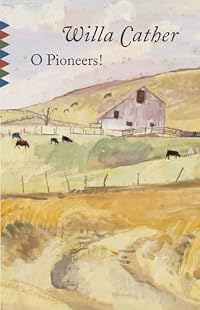
On This Page
Description
One of America's greatest women writers, Willa Cather established her talent and her reputation with this extraordinary novel -- the first of her books set on the Nebraska frontier. A tale of the prairie land encountered by America's Swedish, Czech, Bohemian, and French immigrants, as well as a story of how the land challenged them, changed them, and, in some cases, defeated them. Cather's novel is a uniquely American epic. Alexandra Bergson, a young Swedish immigrant girl who inherits her show more father's farm and must transform it from raw prairie into a prosperous enterprise, is the first of Cather's great heroines -- all of them women of strong will and an even stronger desire to overcome adversity and succeed. But the wild land itself is an equally important character in Cather's books, and her descriptions of it are so evocative, lush, and moving that they provoked writer Rebecca West to say of her: "The most sensuous of writers, Willa Cather builds her imagined world almost as solidly as our five senses build the universe around us." Willa Cather, perhaps more than any other American writer, was able to re-create the real drama of the pioneers, capturing for later generations a time, a place, and a spirit that has become part of our national heritage. show lessTags
Recommendations







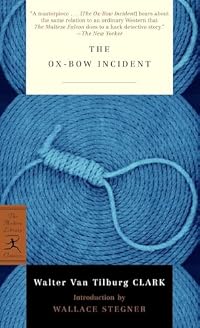
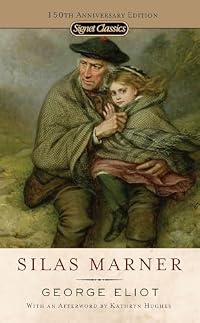
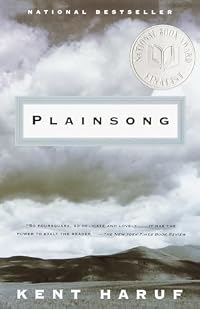
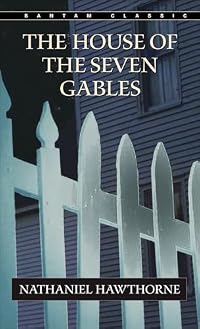









Member Recommendations
clif_hiker pioneer women facing hardship making a home and a life on the prairie...
41


DarthFisticuffs Both are explorations of the lives of people who have dedicated themselves to the land, and are generational sagas of the waves of events and emotions they have to navigate, and the morals that guide them through.
Member Reviews
Coming back to read this book for a second time reminded me that when I first read Willa Cather – many years ago – she took me to a time and place I had known nothing about and she made me realise that there were more sides to classic writing than I had realised.
Before I read her books the only American woman author I knew was Louisa May Alcott ….
Enthused by my new discovery I read every single book I could find in a short space of time, not really stopping to think about the arc of her storytelling life or how one book related to another.
Now that I have come back to her work, reading all of her books in chronological order and thinking about them a little more along the way, I can say that though she hadn’t reached the peak of show more her powers when she wrote this, her second book, it is a wonderful work and a very fine demonstration of what she could do.
Her writing is sparse and yet it says so much so clearly. It speaks profoundly of the consequences of travelling to a new life in America, of the harsh realities of pioneer life, and of particular lives lived.
Alexandra Bergson travelled from Sweden to Nebraska as a child with her parents and siblings. Her father knew little about farming, he was ill-equipped for the new life he had chosen, but was intelligent, he saw so many possibilities, and he was prepared to work hard to make a better future for his family.
Lou and Oscar, his first two sons, had no interest in farm work and could see no potential in the land. Alexandra could, she saw the same things, she had the same love for the land as her father. He appreciated that, and when he died he left her a controlling interest in the family estate. Her brother were appalled when she invested in more and more land as other farmers gave it up to return to the city or to safer, more fertile country.
She had faith in its future.
Her faith was justified.
Twenty years later Alexandra was the mistress of a prosperous and unencumbered empire, and head of her own household. She loved being part of the pioneer community and that community had loved and respected her; she appreciated the old ways, and she was always ready to give her time and to take trouble for her friends and neighbours.
Lou and Oscar were both married and established in new lives, enjoying the fruits of the family success without really appreciating what their sister had done. It was her younger brother, Emil, who was the apple of Alexandra’s eye, her hope for the future, and she was so pleased that she was able to send him to university.
She loved the land, but she understood that the life she had chosen might not be the life that her brother would want.
Alexandra was a strong, practical and intelligent woman who had a wonderful understanding of her world and who cared deeply for the people whose lives touched hers. She loved her life but there were times when she was lonely, when she wished that she had a husband and family of her own, and when she even wondered if the struggles she had made to tame the land that she loved had been worthwhile.
She was still close to Carl Linstrom, the best friend of her childhood, but his family had been one of those that gave up the pioneering life and returned to the city, and that had taken Carl into a very different world. He understood Alexandra better than anyone else though, and was his support Alexandra the courage to face the future after something devastating happened.
It happened because though there was much that was stable and certain in Alexandra’s world, but not everything. Her younger friend, Marie, who was young and bright, who had such hopes and dream, realised that her impulsive marriage had been a mistake and that she would have to live with the consequences. When Emil came home he had changed, and his own hopes and dreams were something that he could never share with his sister.
The telling of this story is so good. Willa Cather painted her characters and their world so beautifully and with such depth that it became utterly real. Everything in this book lived and breathed. Every emotion, every nuance was right. I lived this story with Alexandra, Emil, Marie, and their friends and neighbours.
I can’t judge them or evaluate them, because I feel too close to them. I’m still thinking of them not as characters but as people I have come to know well and have many, complex feelings about.
The story is beautifully balanced, with many moments of happiness – and even humour – coming from successes, from the observance of old traditions, and simply from the joy of being alive in the world.
It’s a simple story with a very conventional narrative. In some ways it’s a little simplistic, but it’s very well told.
Willa Cather had still to grow as a writer.
And yet it feels completely right …. show less
Before I read her books the only American woman author I knew was Louisa May Alcott ….
Enthused by my new discovery I read every single book I could find in a short space of time, not really stopping to think about the arc of her storytelling life or how one book related to another.
Now that I have come back to her work, reading all of her books in chronological order and thinking about them a little more along the way, I can say that though she hadn’t reached the peak of show more her powers when she wrote this, her second book, it is a wonderful work and a very fine demonstration of what she could do.
Her writing is sparse and yet it says so much so clearly. It speaks profoundly of the consequences of travelling to a new life in America, of the harsh realities of pioneer life, and of particular lives lived.
Alexandra Bergson travelled from Sweden to Nebraska as a child with her parents and siblings. Her father knew little about farming, he was ill-equipped for the new life he had chosen, but was intelligent, he saw so many possibilities, and he was prepared to work hard to make a better future for his family.
Lou and Oscar, his first two sons, had no interest in farm work and could see no potential in the land. Alexandra could, she saw the same things, she had the same love for the land as her father. He appreciated that, and when he died he left her a controlling interest in the family estate. Her brother were appalled when she invested in more and more land as other farmers gave it up to return to the city or to safer, more fertile country.
She had faith in its future.
Her faith was justified.
Twenty years later Alexandra was the mistress of a prosperous and unencumbered empire, and head of her own household. She loved being part of the pioneer community and that community had loved and respected her; she appreciated the old ways, and she was always ready to give her time and to take trouble for her friends and neighbours.
Lou and Oscar were both married and established in new lives, enjoying the fruits of the family success without really appreciating what their sister had done. It was her younger brother, Emil, who was the apple of Alexandra’s eye, her hope for the future, and she was so pleased that she was able to send him to university.
She loved the land, but she understood that the life she had chosen might not be the life that her brother would want.
Alexandra was a strong, practical and intelligent woman who had a wonderful understanding of her world and who cared deeply for the people whose lives touched hers. She loved her life but there were times when she was lonely, when she wished that she had a husband and family of her own, and when she even wondered if the struggles she had made to tame the land that she loved had been worthwhile.
She was still close to Carl Linstrom, the best friend of her childhood, but his family had been one of those that gave up the pioneering life and returned to the city, and that had taken Carl into a very different world. He understood Alexandra better than anyone else though, and was his support Alexandra the courage to face the future after something devastating happened.
It happened because though there was much that was stable and certain in Alexandra’s world, but not everything. Her younger friend, Marie, who was young and bright, who had such hopes and dream, realised that her impulsive marriage had been a mistake and that she would have to live with the consequences. When Emil came home he had changed, and his own hopes and dreams were something that he could never share with his sister.
The telling of this story is so good. Willa Cather painted her characters and their world so beautifully and with such depth that it became utterly real. Everything in this book lived and breathed. Every emotion, every nuance was right. I lived this story with Alexandra, Emil, Marie, and their friends and neighbours.
I can’t judge them or evaluate them, because I feel too close to them. I’m still thinking of them not as characters but as people I have come to know well and have many, complex feelings about.
The story is beautifully balanced, with many moments of happiness – and even humour – coming from successes, from the observance of old traditions, and simply from the joy of being alive in the world.
It’s a simple story with a very conventional narrative. In some ways it’s a little simplistic, but it’s very well told.
Willa Cather had still to grow as a writer.
And yet it feels completely right …. show less
This was part of a 100 best list I've been working through for ages, but [[Willa Cather]] is a favorite anyway.
Life on the prairie is rarely evoked as well as with Cather. The Bergson's, Swedish immigrants, grub at the landscape trying to establish a life. When the patriarch dies, the oldest, Alexandra, can see the land's potential and takes over running the farm. Through her educated risks, she makes the farm more successful than any other on the prairie, but it comes at a personal cost - endless petty disagreements with her brothers, loss of love, and the loneliness of her responsibilities. All of it, she bears in hopes that her youngest brother will have a different life. But a violent encounter in the community changes everything, show more some for good and some for bad. A beautifully rendered portrait of life and communities that are lost to history, but that Cather knew like the back of her hand.
5 bones!!!!!
Highly Recommended show less
Life on the prairie is rarely evoked as well as with Cather. The Bergson's, Swedish immigrants, grub at the landscape trying to establish a life. When the patriarch dies, the oldest, Alexandra, can see the land's potential and takes over running the farm. Through her educated risks, she makes the farm more successful than any other on the prairie, but it comes at a personal cost - endless petty disagreements with her brothers, loss of love, and the loneliness of her responsibilities. All of it, she bears in hopes that her youngest brother will have a different life. But a violent encounter in the community changes everything, show more some for good and some for bad. A beautifully rendered portrait of life and communities that are lost to history, but that Cather knew like the back of her hand.
5 bones!!!!!
Highly Recommended show less
Summary: The first of the Great Plains Trilogy, the story of Alexandra Bergson’s love of the Nebraska hills, the costly choices she made, and the ill-fated love of her brother Emil.
I’ve only recently discovered Willa Cather, and realized that I have missed reading one of America’s great writers. This work, the first volume in the Great Plains Trilogy centers around Alexandra Bergstrom, a strong, red-haired woman. As she helped her dying father, it became clear that she and not her two older brothers, truly understood how to make the farm succeed that he had labored so hard to establish in the hills of Nebraska. When he died, she took over its management. When her brothers wanted to sell the farm during the drought, she went to see show more the river land they wanted to move to, and returned to propose that they mortgage the farm to add to the lands, her faith being so strong. In one of the pivotal passages of the book, Cather writes of her:
"For the first time, perhaps, since that land emerged from the waters of geologic ages, a human face was set toward it with love and yearning. It seemed beautiful to her, rich and strong and glorious. Her eyes drank in the breadth of it, until her tears blinded her. Then the Genius of the Divide, the great, free spirit which breathes across it, must have bent lower than it ever bent to a human will before. The history of every country begins in the heart of a man or a woman" (Cather, p. 44).
Under her love, the expanded farm prospers, she buys out her brothers who acquire their own land. With old Ivar, who the brothers want to commit, and farmworkers and young girls to help, the fields, orchards, and stock flourish. But she is growing older, alone. Her one male friend from childhood, Carl Linstrum, his parents having sold the farm to Alexandra, has gone off to seek his fortune, and yet never finds it, secretly struggling to live up to Alexandra’s accomplishments, little realizing that this was not what she wanted.
Sadly, Alexandra also fails to recognize the yearnings drawing together her friend Marie, trapped in an unhappy marriage and her beloved youngest brother Emil, for whom she hoped so much. She sends Emil to help Marie in her troubles, little suspecting the attraction she is helping to fuel. One wonders if she fails to see the desires in others that she had suppressed in herself for so long.
One of the other things Cather captures is the ethnic diversity, each with their own settlements-the Norwegians, the French, the Bohemians, and the intersections between them at festivals, churches and daily life. Each has stereotypes of the others but also friendships, like that between Emil and Amedee, or Alexandra and Marie. Slowly, these different migrants are brought together but the challenges of Nebraska’s upland prairies.
I was also taken by the many descriptions of the land–the paths they walked, the pond where Emil shot the ducks with Marie by his side (a scene pregnant with foreshadowing), the rainstorm that clarified Alexandra’s grief and resolve, and the white mulberry tree. Amid all this, and dominating the whole is the strong character of Alexandra whose love of the land, shrewdness of character, generosity of friendship, and ultimately, a forgiveness that transcends grief makes her one of the great characters of American literature. show less
I’ve only recently discovered Willa Cather, and realized that I have missed reading one of America’s great writers. This work, the first volume in the Great Plains Trilogy centers around Alexandra Bergstrom, a strong, red-haired woman. As she helped her dying father, it became clear that she and not her two older brothers, truly understood how to make the farm succeed that he had labored so hard to establish in the hills of Nebraska. When he died, she took over its management. When her brothers wanted to sell the farm during the drought, she went to see show more the river land they wanted to move to, and returned to propose that they mortgage the farm to add to the lands, her faith being so strong. In one of the pivotal passages of the book, Cather writes of her:
"For the first time, perhaps, since that land emerged from the waters of geologic ages, a human face was set toward it with love and yearning. It seemed beautiful to her, rich and strong and glorious. Her eyes drank in the breadth of it, until her tears blinded her. Then the Genius of the Divide, the great, free spirit which breathes across it, must have bent lower than it ever bent to a human will before. The history of every country begins in the heart of a man or a woman" (Cather, p. 44).
Under her love, the expanded farm prospers, she buys out her brothers who acquire their own land. With old Ivar, who the brothers want to commit, and farmworkers and young girls to help, the fields, orchards, and stock flourish. But she is growing older, alone. Her one male friend from childhood, Carl Linstrum, his parents having sold the farm to Alexandra, has gone off to seek his fortune, and yet never finds it, secretly struggling to live up to Alexandra’s accomplishments, little realizing that this was not what she wanted.
Sadly, Alexandra also fails to recognize the yearnings drawing together her friend Marie, trapped in an unhappy marriage and her beloved youngest brother Emil, for whom she hoped so much. She sends Emil to help Marie in her troubles, little suspecting the attraction she is helping to fuel. One wonders if she fails to see the desires in others that she had suppressed in herself for so long.
One of the other things Cather captures is the ethnic diversity, each with their own settlements-the Norwegians, the French, the Bohemians, and the intersections between them at festivals, churches and daily life. Each has stereotypes of the others but also friendships, like that between Emil and Amedee, or Alexandra and Marie. Slowly, these different migrants are brought together but the challenges of Nebraska’s upland prairies.
I was also taken by the many descriptions of the land–the paths they walked, the pond where Emil shot the ducks with Marie by his side (a scene pregnant with foreshadowing), the rainstorm that clarified Alexandra’s grief and resolve, and the white mulberry tree. Amid all this, and dominating the whole is the strong character of Alexandra whose love of the land, shrewdness of character, generosity of friendship, and ultimately, a forgiveness that transcends grief makes her one of the great characters of American literature. show less
Willa Cather sets a scene like nobody else. How can you not be completely hooked after reading a passage like this:
Although it was only four o'clock, the winter day was fading. The road led southwest, toward the streak of pale, watery light that glimmered in the leaden sky. The light fell upon the two sad young faces that were turned mutely toward it: upon the eyes of the girl, who seemed to be looking with such anguished perplexity into the future; upon the sombre eyes of the boy, who seemed already to be looking into the past. The little town behind them had vanished as if it had never been, had fallen behind the swell of the prairie, and the stern frozen country received them into its bosom. The homesteads were few and far apart; show more here and there a windmill gaunt against the sky, a sod house crouching in a hollow. But the great fact was the land itself, which seemed to overwhelm the little beginnings of human society that struggled in its sombre wastes. It was from facing this fast hardness that the boy's mouth had become so bitter; because he felt that men were too weak to make any mark here, that the land wanted to be let alone, to preserve its own fierce strength, its peculiar, savage kind of beauty, its uninterrupted mournfulness.
Alexandra Bergson is the strong, independent daughter of Swedish immigrants settled in Nebraska. She is confident and knowledgeable, and despite having two older brothers, quickly assumes leadership of the farm. Alexandra builds it into a successful venture while also raising her youngest brother Emil, ensuring he has a level of education that gives him options as an adult. Alexandra cares for her family and neighbors, but her independent nature means she has few close friends. Her social needs are met through the chatter of young Swedish girls hired for cooking and other domestic services, and visits with Marie Shabata, a young farmer’s wife living nearby.
O Pioneers! paints a vivid picture of prairie life over about two decades in the late 19th century. I became fully vested in the lives of Alexandra, Emil, Marie, and others. The story ambles along gently through the seasons and the years. But don’t be fooled by these easy rhythms: there’s an emotional current underpinning this story, which Cather taps to deliver an emotional punch that I had not anticipated, and which vaulted this book from “just another farming story” to something much more meaningful. show less
Although it was only four o'clock, the winter day was fading. The road led southwest, toward the streak of pale, watery light that glimmered in the leaden sky. The light fell upon the two sad young faces that were turned mutely toward it: upon the eyes of the girl, who seemed to be looking with such anguished perplexity into the future; upon the sombre eyes of the boy, who seemed already to be looking into the past. The little town behind them had vanished as if it had never been, had fallen behind the swell of the prairie, and the stern frozen country received them into its bosom. The homesteads were few and far apart; show more here and there a windmill gaunt against the sky, a sod house crouching in a hollow. But the great fact was the land itself, which seemed to overwhelm the little beginnings of human society that struggled in its sombre wastes. It was from facing this fast hardness that the boy's mouth had become so bitter; because he felt that men were too weak to make any mark here, that the land wanted to be let alone, to preserve its own fierce strength, its peculiar, savage kind of beauty, its uninterrupted mournfulness.
Alexandra Bergson is the strong, independent daughter of Swedish immigrants settled in Nebraska. She is confident and knowledgeable, and despite having two older brothers, quickly assumes leadership of the farm. Alexandra builds it into a successful venture while also raising her youngest brother Emil, ensuring he has a level of education that gives him options as an adult. Alexandra cares for her family and neighbors, but her independent nature means she has few close friends. Her social needs are met through the chatter of young Swedish girls hired for cooking and other domestic services, and visits with Marie Shabata, a young farmer’s wife living nearby.
O Pioneers! paints a vivid picture of prairie life over about two decades in the late 19th century. I became fully vested in the lives of Alexandra, Emil, Marie, and others. The story ambles along gently through the seasons and the years. But don’t be fooled by these easy rhythms: there’s an emotional current underpinning this story, which Cather taps to deliver an emotional punch that I had not anticipated, and which vaulted this book from “just another farming story” to something much more meaningful. show less
It took me way too many years to discover this treasure! I am amazed by the author's liberal feminism in the early 1900s! She is also a master of description, imaginative plot, and intriguing character development. Then, with adding the difficult pioneer setting, Cather created a masterpiece.
The copy of Cather's book that I read had a detailed Foreward by Doris Grumbach, that, while probably very good, was a little too much for this beginner to wade through before beginning Cather's books; it nearly kept me from even starting the book.
The copy of Cather's book that I read had a detailed Foreward by Doris Grumbach, that, while probably very good, was a little too much for this beginner to wade through before beginning Cather's books; it nearly kept me from even starting the book.
I was entranced by the Nebraska prairie and a wonderful leading woman, living a century ago: a time and place I have never been, but which leaped from the pages, with simple craftsmanship, to sculpt the landscape of my mind’s eye, as Alexandra transformed both her fields and the lives of those around her.
The final thirteen pages felt written by or about a different person, not the author and protagonist I thought I knew.
Prairie Spring
The novel opens with a poem contrasting the harsh landscape with the power of youth to trigger change, including:
“Evening and the flat land…
The toiling horses, the tired men…
Sullen fires of sunset, fading,
The eternal, unresponsive sky.
Against all this, Youth,
Flaming like the wild roses…
Flashing show more like a star out of the twilight...”
Part I – The Wild Land
At barely twenty, Alexandra Bergson takes over her late father’s land, aided by hard-working but risk-averse brothers Lou and Oscar (aged 17 and 19). She has big plans to try new things, buy more land, employ farmhands, and get little Emil (aged 5) educated.
Alexandra is the leading person, but the landscape is the main character. Everyone in The Divide is an outsider, identified by their heritage (Swedish, French, Bohemian etc), as they strive to survive and conquer the harsh and unfamiliar soil and climate, while battling blizzards, prairie dogs, snakes, cholera, and debt. Many cling to “the Old-World belief that land, in itself, is desirable. But this land was an enigma” and there is the constant fear that “men were too weak to make a mark here”. But Alexandra is a woman.
First impressions are conjured by short plain words: gray, anchored, haphazard, howling wind, frozen, straying, straggled, open plain, impermanence, tough prairie sod.... The simple, but carefully chosen language of landscape reminds me of Kent Haruf’s Colorado high plains (see my reviews of Plainsong and Eventide).
The vast, bleak, and beautiful place, whose capricious moods both give and take life, reminds me of Jón Kalman Stefánsson’s Iceland (see my reviews HERE).
Part II – Neighboring Fields
Sixteen years later and the writing style is the same, but the landscape is transformed: checker-board fields, white roads at right angles, telephone cables, steel windmills, gaily painted farmhouses (rather than being made of sod), and gilded weather vanes.
“The brown earth, with such a strong, clean smell, and such a power of growth and fertility in it” now “It gives itself ungrudgingly to the moods of the season, holding nothing back.” Humans have won, Alexandra chief among them. “The land… had its little joke. It pretended to be poor because nobody knew how to work it right”.
Freed from the stress of basic survival, pleasure can sometimes be indulged: friendships and marriages formed, children born, the adventure of university. But it’s the tentative relationships that quietly dominate in the shadows, the ones that society can’t condone.Unhappily married Marie picks cherries, while Emil scythes the grass of her orchard.
The soil of success can also nourish discord, greed and jealousy.Lou and Oscar fear Alexandra will marry impoverished childhood friend Carl. They assert that “The property of a family really belongs to the men of the family”. She gently reminds them that they each had their share when they married, and lists the many things she did to build their wealth, which they belittle and dismiss. Shades of The Little Red Hen and The Prodigal Son.
“People have to snatch happiness when they can… It’s always easier to lose than to find.” The second half is undoubtedly true, but the first half ignores the possible price paid by others.
Part III – Winter Memories
“The season in which Nature recuperates, in which she sinks to sleep between the fruitfulness of autumn and the passion of spring.” Just as the frozen ground hides and protects, those mourning loss, absence, and what cannot be feel comfort that deep down, “the secret of life was still safe, warm as the blood in one’s heart; and the spring would come again!”
Part IV – The White Mulberry Tree
“The sun was hanging low over the wheatfield. Long fingers of light reached through the apple branches as though a net; the orchard was riddled and shot with gold; light was the reality, the trees were merely interferences that reflected and refracted light.”
There’s an idyllic veneer (white mulberries: how succulent, beautiful, and pure - but they’re next to the cherries). However, many of the characters are hurting, longing, trying to suppress things, and there is a sense of possible doom.
“Always the same yearning, the same pulling the chain - until the instinct to live had torn itself and bled and weakened for the last time, until the chain secured a dead woman.”
Part V – Alexandra
Thirteen pages of betrayal. Betrayal in the story, but I felt betrayed as a reader.
For the first four sections, I was in awe of Alexandra: intelligent, practical, principled, loyal, generous, and determined, but “armoured in calm” and with charm and persuasiveness. Somehow, Cather makes this admirable woman entirely believable and likeable.
Alexandra is never passive (nor even deferential), never aggressive, and not even passive-aggressive - except when a man makes an unwelcome compliment on her hair, to which “she stabbed him with a glance of Amazonian fierceness”. She just does the research, takes calculated risks, and firmly but gently demonstrates the best way to do things, getting her way, without pressuring anyone.
She is aspirational for her family, especially Emil and niece Molly, but loves her land more than any possessions. She is conventional enough to attend church regularly, and although “She liked plain things”, she bows to “the general conviction that the more useless and utterly unusable objects were, the greater their virtue as ornament.”. But she fiercely defends the rights of others to live, dress, and think differently, even to the detriment of her own relationships and reputation, most notably by taking in Ivar, a barefoot, Bible-loving, bird-loving, vegetarian, and amateur veterinarian who has visions.
In this final section, everything changes. I try not to judge an old book solely by my own times, but how Alexandra reacts, over several months, to the dramatic end of the previous section, doesn’t fit with how Cather had portrayed her thus far. To get to this ending, Alexandra should have been a different person all along; not radically different, but different.
BIG spoilers
We know early on that Frank “looked like a rash and violent man” and that Marie’s neighbours put up with him for her sake. He broods, feels wronged by his lack of closeness to his wife, but lacks the proof of why or who. “He knew that somewhere she must have a feeling to live upon.” And “His unhappy temper was like a cage”, not realising “that he made his own unhappiness.”
At the end of section IV, Frank finds Emil and Marie cuddled up under the white mulberry tree, shoots them, and flees. It wasn’t exactly pre-meditated, but it was clearly murder.
As she describes what happens, Cather seeks to excuse Frank to some extent, “When Frank took up his gun… he had not the faintest purpose of doing anything with it.” And “His blood was quicker than his brain”.
Frank blames his wife, “She knew he was like a crazy man when he was angry. She had more than once taken that gun away from him and held it, when he was angry with other people… When she knew him, why hadn’t she been more careful?” Ultimately, “Why had Marie made him do this thing?”
I don’t accept those excuses, but I can (just) believe that Cather and Frank do. What I could not believe was Alexandra’s reaction to the murder of her beloved brother, in whom all her hopes were invested. She not only blames herself and Marie, but goes further, and seeks to get Frank pardoned and released! “He had been less in the wrong than any of them, and he was paying the heaviest penalty.” “She could understand his [Frank’s] behaviour more easily than she could understand Marie’s… She blamed Marie bitterly.”
I know that shock and grief can lead to guilt where none belongs. Muddled thinking in the aftermath of trauma is common. But not to that extent and for so long. It wasn't as if religious faith had played an important part in her life (church community, yes, but that's a different matter), and even devout Christians would not necessarily think forgiveness involved petitioning for punishment to be rescinded.
And then, an excessively quick and easy happy-ever-after with Carl is bolted on.
I don't crave happy or even tidy endings. I've read books where I've been stunned in a positive way (Stoner, and Stefansson's Heaven and Hell triptych, and Toibin's Testament of Mary come to mind), and others where I've felt the last few pages unnecessary, and perhaps diluted the force of the main narrative (Kingsolver's The Poisonwood Bible). But this just jarred. It tainted the preceding sections. What would have been a 5* book only just scrapes 4*.
Quotes
No plot spoilers; they’re hidden for brevity.
• “The stern frozen country received them into its bosom… The great fact was the land itself, which seemed to overwhelm the little beginnings of human society that struggled in its sombre wastes.”
• “The rough land, the smiling sky, the curly grass white in the hot sunlight… the rapturous song of the lark.”
• “It seemed beautiful to her, rich and strong and glorious, Her eyes drank in the breadth of it, until her tears blinded her.”
• “A pioneer should have imagination.” And the dedication to research alternatives, as Alexandra does.
• “The right thing to do is usually just what everybody else don’t do.”
• “His love of routine amounted to a vice… he felt there was sovereign virtue in mere bodily toil.”
• “Down there they have a little certainty, but up with us there is a big chance.”
• “The highly varnished wood and colored class and useless pieces of china were conspicuous enough to satisfy the standards of the new prosperity.”
• “Freedom so often means that one isn’t needed anywhere.”
• “The dawn… looked like the light from some great fire that was burning under the edge of the world… Carl sat musing until the sun leaped above the prairie… The pasture was flooded with light… and the golden lighted seemed to be rippling through the curly grass like the tide racing in.”
• A forbidden kiss, “The veil that had hung uncertainly between them for so long was dissolved… It was like a sigh which they had breathed together; almost sorrowful, as if each were afraid of waking something in the other.”
• “She felt as the pond must feel when it held the moon… when it encircled and held that image of gold.”
• “The sullen grey twilight of the storm.”
• “I can’t pray to have the things I want… and I won’t pray not to have them.”
• “With the memory he left her, she could be as rash as she chose.”
Image of Nebraskan prairie:
https://thecalloftheland.files.wordpress.com/2011/08/panorana.jpg
The title of this novel is a nod to Walt Whitman’s poem, Pioneers! O Pioneers, published in Leaves of Grass in 1865 (Cather’s novel was published in 1913). show less
The final thirteen pages felt written by or about a different person, not the author and protagonist I thought I knew.
Prairie Spring
The novel opens with a poem contrasting the harsh landscape with the power of youth to trigger change, including:
“Evening and the flat land…
The toiling horses, the tired men…
Sullen fires of sunset, fading,
The eternal, unresponsive sky.
Against all this, Youth,
Flaming like the wild roses…
Flashing show more like a star out of the twilight...”
Part I – The Wild Land
At barely twenty, Alexandra Bergson takes over her late father’s land, aided by hard-working but risk-averse brothers Lou and Oscar (aged 17 and 19). She has big plans to try new things, buy more land, employ farmhands, and get little Emil (aged 5) educated.
Alexandra is the leading person, but the landscape is the main character. Everyone in The Divide is an outsider, identified by their heritage (Swedish, French, Bohemian etc), as they strive to survive and conquer the harsh and unfamiliar soil and climate, while battling blizzards, prairie dogs, snakes, cholera, and debt. Many cling to “the Old-World belief that land, in itself, is desirable. But this land was an enigma” and there is the constant fear that “men were too weak to make a mark here”. But Alexandra is a woman.
First impressions are conjured by short plain words: gray, anchored, haphazard, howling wind, frozen, straying, straggled, open plain, impermanence, tough prairie sod.... The simple, but carefully chosen language of landscape reminds me of Kent Haruf’s Colorado high plains (see my reviews of Plainsong and Eventide).
The vast, bleak, and beautiful place, whose capricious moods both give and take life, reminds me of Jón Kalman Stefánsson’s Iceland (see my reviews HERE).
Part II – Neighboring Fields
Sixteen years later and the writing style is the same, but the landscape is transformed: checker-board fields, white roads at right angles, telephone cables, steel windmills, gaily painted farmhouses (rather than being made of sod), and gilded weather vanes.
“The brown earth, with such a strong, clean smell, and such a power of growth and fertility in it” now “It gives itself ungrudgingly to the moods of the season, holding nothing back.” Humans have won, Alexandra chief among them. “The land… had its little joke. It pretended to be poor because nobody knew how to work it right”.
Freed from the stress of basic survival, pleasure can sometimes be indulged: friendships and marriages formed, children born, the adventure of university. But it’s the tentative relationships that quietly dominate in the shadows, the ones that society can’t condone.
The soil of success can also nourish discord, greed and jealousy.
“People have to snatch happiness when they can… It’s always easier to lose than to find.” The second half is undoubtedly true, but the first half ignores the possible price paid by others.
Part III – Winter Memories
“The season in which Nature recuperates, in which she sinks to sleep between the fruitfulness of autumn and the passion of spring.” Just as the frozen ground hides and protects, those mourning loss, absence, and what cannot be feel comfort that deep down, “the secret of life was still safe, warm as the blood in one’s heart; and the spring would come again!”
Part IV – The White Mulberry Tree
“The sun was hanging low over the wheatfield. Long fingers of light reached through the apple branches as though a net; the orchard was riddled and shot with gold; light was the reality, the trees were merely interferences that reflected and refracted light.”
There’s an idyllic veneer (white mulberries: how succulent, beautiful, and pure - but they’re next to the cherries). However, many of the characters are hurting, longing, trying to suppress things, and there is a sense of possible doom.
“Always the same yearning, the same pulling the chain - until the instinct to live had torn itself and bled and weakened for the last time, until the chain secured a dead woman.”
Part V – Alexandra
Thirteen pages of betrayal. Betrayal in the story, but I felt betrayed as a reader.
For the first four sections, I was in awe of Alexandra: intelligent, practical, principled, loyal, generous, and determined, but “armoured in calm” and with charm and persuasiveness. Somehow, Cather makes this admirable woman entirely believable and likeable.
Alexandra is never passive (nor even deferential), never aggressive, and not even passive-aggressive - except when a man makes an unwelcome compliment on her hair, to which “she stabbed him with a glance of Amazonian fierceness”. She just does the research, takes calculated risks, and firmly but gently demonstrates the best way to do things, getting her way, without pressuring anyone.
She is aspirational for her family, especially Emil and niece Molly, but loves her land more than any possessions. She is conventional enough to attend church regularly, and although “She liked plain things”, she bows to “the general conviction that the more useless and utterly unusable objects were, the greater their virtue as ornament.”. But she fiercely defends the rights of others to live, dress, and think differently, even to the detriment of her own relationships and reputation, most notably by taking in Ivar, a barefoot, Bible-loving, bird-loving, vegetarian, and amateur veterinarian who has visions.
In this final section, everything changes. I try not to judge an old book solely by my own times, but how Alexandra reacts, over several months, to the dramatic end of the previous section, doesn’t fit with how Cather had portrayed her thus far. To get to this ending, Alexandra should have been a different person all along; not radically different, but different.
BIG spoilers
We know early on that Frank “looked like a rash and violent man” and that Marie’s neighbours put up with him for her sake. He broods, feels wronged by his lack of closeness to his wife, but lacks the proof of why or who. “He knew that somewhere she must have a feeling to live upon.” And “His unhappy temper was like a cage”, not realising “that he made his own unhappiness.”
At the end of section IV, Frank finds Emil and Marie cuddled up under the white mulberry tree, shoots them, and flees. It wasn’t exactly pre-meditated, but it was clearly murder.
As she describes what happens, Cather seeks to excuse Frank to some extent, “When Frank took up his gun… he had not the faintest purpose of doing anything with it.” And “His blood was quicker than his brain”.
Frank blames his wife, “She knew he was like a crazy man when he was angry. She had more than once taken that gun away from him and held it, when he was angry with other people… When she knew him, why hadn’t she been more careful?” Ultimately, “Why had Marie made him do this thing?”
I don’t accept those excuses, but I can (just) believe that Cather and Frank do. What I could not believe was Alexandra’s reaction to the murder of her beloved brother, in whom all her hopes were invested. She not only blames herself and Marie, but goes further, and seeks to get Frank pardoned and released! “He had been less in the wrong than any of them, and he was paying the heaviest penalty.” “She could understand his [Frank’s] behaviour more easily than she could understand Marie’s… She blamed Marie bitterly.”
I know that shock and grief can lead to guilt where none belongs. Muddled thinking in the aftermath of trauma is common. But not to that extent and for so long. It wasn't as if religious faith had played an important part in her life (church community, yes, but that's a different matter), and even devout Christians would not necessarily think forgiveness involved petitioning for punishment to be rescinded.
And then, an excessively quick and easy happy-ever-after with Carl is bolted on.
I don't crave happy or even tidy endings. I've read books where I've been stunned in a positive way (Stoner, and Stefansson's Heaven and Hell triptych, and Toibin's Testament of Mary come to mind), and others where I've felt the last few pages unnecessary, and perhaps diluted the force of the main narrative (Kingsolver's The Poisonwood Bible). But this just jarred. It tainted the preceding sections. What would have been a 5* book only just scrapes 4*.
Quotes
No plot spoilers; they’re hidden for brevity.
• “The stern frozen country received them into its bosom… The great fact was the land itself, which seemed to overwhelm the little beginnings of human society that struggled in its sombre wastes.”
• “The rough land, the smiling sky, the curly grass white in the hot sunlight… the rapturous song of the lark.”
• “It seemed beautiful to her, rich and strong and glorious, Her eyes drank in the breadth of it, until her tears blinded her.”
• “A pioneer should have imagination.” And the dedication to research alternatives, as Alexandra does.
• “The right thing to do is usually just what everybody else don’t do.”
• “His love of routine amounted to a vice… he felt there was sovereign virtue in mere bodily toil.”
• “Down there they have a little certainty, but up with us there is a big chance.”
• “The highly varnished wood and colored class and useless pieces of china were conspicuous enough to satisfy the standards of the new prosperity.”
• “Freedom so often means that one isn’t needed anywhere.”
• “The dawn… looked like the light from some great fire that was burning under the edge of the world… Carl sat musing until the sun leaped above the prairie… The pasture was flooded with light… and the golden lighted seemed to be rippling through the curly grass like the tide racing in.”
• A forbidden kiss, “The veil that had hung uncertainly between them for so long was dissolved… It was like a sigh which they had breathed together; almost sorrowful, as if each were afraid of waking something in the other.”
• “She felt as the pond must feel when it held the moon… when it encircled and held that image of gold.”
• “The sullen grey twilight of the storm.”
• “I can’t pray to have the things I want… and I won’t pray not to have them.”
• “With the memory he left her, she could be as rash as she chose.”
Image of Nebraskan prairie:
https://thecalloftheland.files.wordpress.com/2011/08/panorana.jpg
The title of this novel is a nod to Walt Whitman’s poem, Pioneers! O Pioneers, published in Leaves of Grass in 1865 (Cather’s novel was published in 1913). show less
Days on the Divide / Spring, summer, autumn, winter, . . . / O Alexandra!
As the eyes are the windows on the soul, Cather allows us to look into her eyes to see the Nebraska plains as it has touched her soul. It is a land of beautiful sunrise and sunset, clear blue skies above, reflected below in a still duck pond. It is also, at times, a harsh land of freezing cold winter and drought-stricken summer. You can love the land without it giving back enough to sustain you. But if you understand the land, it yields a material wealth almost beyond measure.
Alexandra Bergson understood the land. She knew to plant alfalfa to fix the nitrogen in the soil, to plant wheat as well as corn, to build silos against the inconstancy of the land. She sought show more out ideas which fostered her understanding and worked the land hard to bear out the promise of the idea. She had to: of John Bergson's children, only she had the native ability, so she received his legacy to make the land provide for the family.
Her success served to drive a wedge between herself and others, so that she was estranged from her brothers, Lou and Oscar. Moreover, her pioneer struggles left her little time to think of her personal needs and desires. At times when she was not totally exhausted, on a Sunday morning, when such thoughts might creep into her consciousness, she would strike them down with cold ablutions in her bath. This left a blind spot in her through which two of those she loved, brother Emil and his married lover, Marie, fell to their deaths.
Alexandra still had the land and all that it meant to her, but had no one to share it with, not even anyone to pass it on to. There was only her childhood friend, Carl, but he was estranged from the land and making a life for himself in far away Alaska. So she dreams of a man in a white cloak who will carry her away. Like Don Fabrizio's woman in brown and Joe Gideon's woman in white, Alexandra's man in white was her guide, her pilot to crossing the bar. Carl returned to her in time to pull her back onto the quay.
In an earlier episode, when Carl tried and failed to re-enter her life, he said of Marie and her husband, "there are only two or three human stories, and they go on repeating themselves as fiercely as if they had never happened before..." It may have been Shaw who delineated these (two) stories as Jack and the Beanstalk (The Quest) and Cinderella (Boy Meets Girl). Alexandra and Carl were each on their separate quests to make their own life, hers more successful but still with a tragic flaw. Together now, it is time for their story, and, as Alexandra says, "it is we who write it, with the best we have." show less
As the eyes are the windows on the soul, Cather allows us to look into her eyes to see the Nebraska plains as it has touched her soul. It is a land of beautiful sunrise and sunset, clear blue skies above, reflected below in a still duck pond. It is also, at times, a harsh land of freezing cold winter and drought-stricken summer. You can love the land without it giving back enough to sustain you. But if you understand the land, it yields a material wealth almost beyond measure.
Alexandra Bergson understood the land. She knew to plant alfalfa to fix the nitrogen in the soil, to plant wheat as well as corn, to build silos against the inconstancy of the land. She sought show more out ideas which fostered her understanding and worked the land hard to bear out the promise of the idea. She had to: of John Bergson's children, only she had the native ability, so she received his legacy to make the land provide for the family.
Her success served to drive a wedge between herself and others, so that she was estranged from her brothers, Lou and Oscar. Moreover, her pioneer struggles left her little time to think of her personal needs and desires. At times when she was not totally exhausted, on a Sunday morning, when such thoughts might creep into her consciousness, she would strike them down with cold ablutions in her bath. This left a blind spot in her through which two of those she loved, brother Emil and his married lover, Marie, fell to their deaths.
Alexandra still had the land and all that it meant to her, but had no one to share it with, not even anyone to pass it on to. There was only her childhood friend, Carl, but he was estranged from the land and making a life for himself in far away Alaska. So she dreams of a man in a white cloak who will carry her away. Like Don Fabrizio's woman in brown and Joe Gideon's woman in white, Alexandra's man in white was her guide, her pilot to crossing the bar. Carl returned to her in time to pull her back onto the quay.
In an earlier episode, when Carl tried and failed to re-enter her life, he said of Marie and her husband, "there are only two or three human stories, and they go on repeating themselves as fiercely as if they had never happened before..." It may have been Shaw who delineated these (two) stories as Jack and the Beanstalk (The Quest) and Cinderella (Boy Meets Girl). Alexandra and Carl were each on their separate quests to make their own life, hers more successful but still with a tragic flaw. Together now, it is time for their story, and, as Alexandra says, "it is we who write it, with the best we have." show less
Members
- Recently Added By
Published Reviews
ThingScore 25
There isn't a vestige of 'style' as such: for page after page one is dazed at the ineptness of the medium and the triviality of the incidents...
added by danielx
Lists

Radcliffe's 100 Best Novel of the 20th Century
100 works; 32 members

Top Five Books of 2013
1,564 works; 722 members

Classics you know you should have read but probably haven't
421 works; 407 members

Unread books
1,063 works; 82 members

Recommend the 20 best books you've read in the last five years
2,167 works; 601 members

Historical Fiction
889 works; 91 members

20th Century Literature
1,161 works; 54 members

Read the book and saw the movie
1,170 works; 195 members

Female Author
1,235 works; 67 members

Favourite Virago Modern Classics
183 works; 38 members
Lithub: 50 Great Classic Novels Under 200 pages
50 works; 10 members

Top Five Books of 2018
802 works; 264 members

Hidden Classics
73 works; 15 members

Books Read in 2023
5,547 works; 144 members

Five star books
1,755 works; 108 members
Overdue Podcast
803 works; 9 members

Great Audiobooks
96 works; 10 members

Read This Next
120 works; 3 members

CCE 1000 Good Books List
1,033 works; 12 members

Llibres que he llegit el 2016
36 works; 1 member
American Lit for Eng 11 Research Project
368 works; 6 members

Books Read in 2025
4,090 works; 97 members

2025 Christmas Gifts
70 works; 19 members

Top Five Books of 2024
795 works; 264 members

Recommended Reading : 600 Classics Reviewed, Editors of Salem Press, 2015
634 works; 6 members

Books about Frontier Life and Pioneers
55 works; 7 members

Borrowed Books 2023 (Books We Have Read BUT do NOT Own)
41 works; 1 member
Books With Our Favorite First Lines
168 works; 104 members

Mustich's 1000 Books to Read Before You Die: A Life Changing List
1,001 works; 18 members

AP Lit
363 works; 6 members

Books Read in 2018
4,360 works; 110 members

Unmarried women
66 works; 6 members

Read
293 works; 4 members

The Playful Pioneers
166 works; 1 member
Talk Discussions
Past Discussions
September 2021 Group Read - O! Pioneers by Willa Cather in Geeks who love the Classics (October 2021)
Author Information

151+ Works 45,816 Members
Willa Siebert Cather was born in 1873 in the home of her maternal grandmother in western Virginia. Although she had been named Willela, her family always called her "Willa." Upon graduating from the University of Nebraska in 1895, Cather moved to Pittsburgh where she worked as a journalist and teacher while beginning her writing career. In 1906, show more Cather moved to New York to become a leading magazine editor at McClure's Magazine before turning to writing full-time. She continued her education, receiving her doctorate of letters from the University of Nebraska in 1917, and honorary degrees from the University of Michigan, the University of California, Columbia, Yale, and Princeton. Cather wrote poetry, short stories, essays, and novels, winning awards including the Pulitzer Prize for her novel, One of Ours, about a Nebraska farm boy during World War I. She also wrote The Professor's House, My Antonia, Death Comes for the Archbishop, and Lucy Gayheart. Some of Cather's novels were made into movies, the most well-known being A Lost Lady, starring Barbara Stanwyck. In 1961, Willa Cather was the first woman ever voted into the Nebraska Hall of Fame. She was also inducted into the Hall of Great Westerners in Oklahoma in 1974, and the National Women's Hall of Fame in Seneca, New York in 1988. Cather died on April 24, 1947, of a cerebral hemorrhage, in her Madison Avenue, New York home, where she had lived for many years. (Bowker Author Biography) show less

Willa Cather has a Legacy Library. Legacy libraries are the personal libraries of famous readers, entered by LibraryThing members from the Legacy Libraries group.
Some Editions
Awards and Honors
Awards
Notable Lists
Series

Belongs to Publisher Series
Sentry Editions (16)
Westvaco American Classics (2000)
Virago Modern Classics (127)
Signet Classics (CE2285)
Gallimard, Folio (2050)
Work Relationships
Is contained in
Early Novels and Stories: The Troll Garden / O Pioneers! / The Song of the Lark / My Antonia / One of Ours by Willa Cather
Willa Cather - The Library of America Set Complete in 3 Volumes (1. Early Novels & Stories; 2. Stories, Poems and Other Writings; and 3. Later Novels) by Willa Cather (indirect)
Willa Cather Collection (My Ántonia, The Song of the Lark, O Pioneers!, and One of Ours) by Willa Cather
60 Westerns: Cowboy Adventures, Yukon & Oregon Trail Tales, Famous Outlaws, Gold Rush Adventures & Much More by e-artnow
O Pioneers! by Willa Cather "The Annotated Classic Edition" Uniquely Epic American Novel by Willa Cather
Willa Cather's Collected Works: My Ántonia, Song of the Lark, One of Ours, O Pioneers, The Profile, And More! by Willa Cather
Willa Cather: The Complete Novels (My Ántonia, Death Comes for the Archbishop, O Pioneers!, One of Ours...) by Willa Cather
Has the adaptation
Has as a reference guide/companion
Common Knowledge
- Canonical title
- O Pioneers!
- Original title
- O Pioneers!
- Original publication date
- 1913
- People/Characters
- Alexandra Bergson; Carl Linstrum; Emil Bergson; Oscar Bergson; Lou Bergson; Annie Bergson (show all 12); Marie Tovesky; Frank Shabata; Albert Tovesky; Amedee; Ivar; Signa
- Important places
- Virginia, USA; Hanover, Nebraska, USA; Cherry Valley; Pittsburgh, Pennsylvania, USA
- Important events
- California Gold Rush (1848&ndash | 1855); Klondike Gold Rush (1896 | 1899)
- Related movies
- O Pioneers! (1991 | TV | IMDb); Hallmark Hall of Fame: O Pioneers! (1992 | TV | IMDb)
- Epigraph
- Prairie Spring
Evening and the flat land,
Rich and sombre and always silent;
The miles of fresh-plowed soil,
Heavy and black, full of strength and harshness;
The growing wheat, the growing weeds,
The to... (show all)iling horses, the tired men;
The long empty roads,
Sullen fires of sunset, fading,
The eternal, unresponsive sky.
Against all this, Youth,
Flaming like the wild roses,
Singing like the larks over the plowed fields,
Flashing like a star out of the twilight;
Youth with its insupportable sweetness,
Its fierce necessity,
Its sharp desire,
Singing and singing,
Out of the lips of silence,
Out of the earthy dusk. - Dedication
- To the memory of
Sarah Orne Jewett
in whose beautiful and delicate work
there is the perfection
that endures - First words
- One January day, thirty years ago, the little town of Hanover, anchored on a windy Nebraska tableland, was trying not to be blown away. A mist of fine snowflakes was curling and eddying about the cluster of low drab buildings... (show all) huddled on the gray prairie, under a gray sky. The dwelling-houses were set about haphazard on the tough prairie sod; some of them looked as if they had been moved in overnight, and others as if they were straying off by themselves, headed straight for the open plain. None of them had any appearance of permanence, and the howling wind blew under them as well as over them. The main street was a deeply rutted road, now frozen hard, which ran from the squat red railway station and the grain “elevator” at the north end of the town to the lumber yard and the horse pond at the south end. On either side of this road straggled two uneven rows of wooden buildings; the general merchandise stores, the two banks, the drug store, the feed store, the saloon, the post-office. The board sidewalks were gray with trampled snow, but at two o’clock in the afternoon the shopkeepers, having come back from dinner, were keeping well behind their frosty windows. The children were all in school, and there was nobody abroad in the streets but a few rough-looking countrymen in coarse overcoats, with their long caps pulled down to their noses. Some of them had brought their wives to town, and now and then a red or a plaid shawl flashed out of one store into the shelter of another. At the hitch-bars along the street a few heavy work-horses, harnessed to farm wagons, shivered under their blankets. About the station everything was quiet, for there would not be another train in until night.
- Quotations
- The history of every country begins in the heart of a man or a woman.
People have to snatch at happiness when they can, in this world. It is always easier to lose than to find.
Those fields, colored by various grain! - Mickiewicz
When the road began to climb the first long swells of the Divide, Alexandra hummed an old Swedish hymn, and Emil wondered why his sister looked so happy. Her face was so radiant that he felt shy about asking her. For the fi... (show all)rst time, perhaps, since that land emerged from the waters of geologic ages, a human face was set toward it with love and yearning. It seemed beautiful to her, rich and strong and glorious. Her eyes drank in the breadth of it, until her tears blinded her. Then the Genius of the Divide, the great, free spirit which breathes across it, must have bent lower than it ever bent to a human will before. The history of every country begins in the heart of a man or a woman.
But that, as Emil himself had more than once reflected, was Alexandra's blind side, and her life had not been of the kind to sharpen her vision. Her training had all been toward the end of making her proficient in what she h... (show all)ad undertaken to do. Her personal life, her own realization of herself, was almost a subconscious existence; like an underground river that came to the surface only here and there, at intervals months apart, and then sank again to flow on under her own fields. Nevertheless, the underground stream was there, and it was because she had so much personality to put into her enterprises and succeeded in putting it into them so completely, that her affairs prospered better than those of her neighbors.
Marie stole slowly, flutteringly, along the path, like a white night-moth out of the fields. The years seemed to stretch before her like the land; spring, summer, autumn, winter, spring; always the same patient fields, the pa... (show all)tient little trees, the patient lives; always the same yearnings, the same pulling at the chain - until the instinct to live had torn itself and bled and weakened for the last time, until the chain secured a dead woman,who might cautiously be released. - Last words
- (Click to show. Warning: May contain spoilers.)They went into the house together, leaving the Divide behind them, under the evening star. Fortunate country, that is one day to receive hearts like Alexandra’s into its bosom, to give them out again in the yellow wheat, in the rustling corn, in the shining eyes of youth!
- Original language
- English
Classifications
Statistics
- Members
- 7,159
- Popularity
- 1,626
- Reviews
- 181
- Rating
- (3.88)
- Languages
- 11 — Catalan, Czech, Dutch, English, French, German, Italian, Portuguese, Serbian, Spanish, Swedish
- Media
- Paper, Audiobook, Ebook
- ISBNs
- 280
- UPCs
- 8
- ASINs
- 98