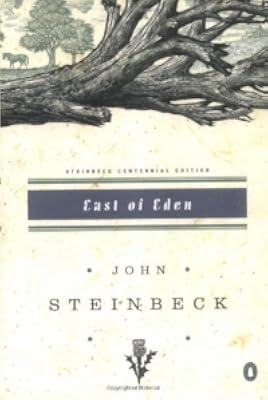
East of Eden
by John Steinbeck
On This Page
Description
A masterpiece of Biblical scope, and the magnum opus of one of America’s most enduring authors, in a commemorative hardcover editionIn his journal, Nobel Prize winner John Steinbeck called East of Eden "the first book," and indeed it has the primordial power and simplicity of myth. Set in the rich farmland of California's Salinas Valley, this sprawling and often brutal novel follows the intertwined destinies of two families—the Trasks and the Hamiltons—whose generations helplessly show more reenact the fall of Adam and Eve and the poisonous rivalry of Cain and Abel.
The masterpiece of Steinbeck’s later years, East of Eden is a work in which Steinbeck created his most mesmerizing characters and explored his most enduring themes: the mystery of identity, the inexplicability of love, and the murderous consequences of love's absence. Adapted for the 1955 film directed by Elia Kazan introducing James Dean, and read by thousands as the book that brought Oprah’s Book Club back, East of Eden has remained vitally present in American culture for over half a century. Classic Literature. Literature. Fiction. show less
Tags
Recommendations


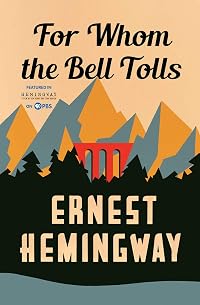
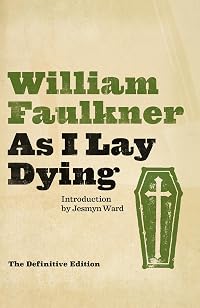
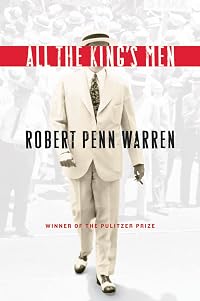
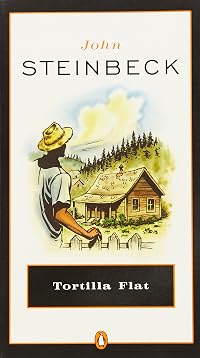
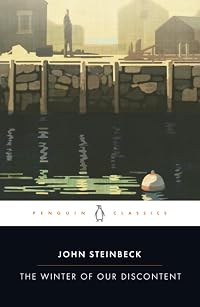
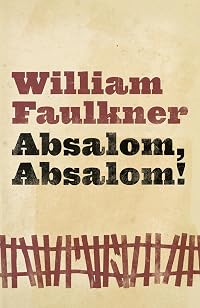


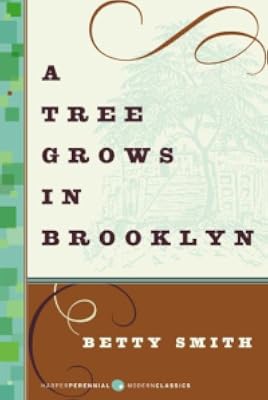
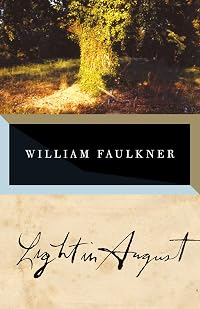
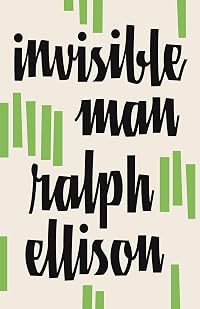
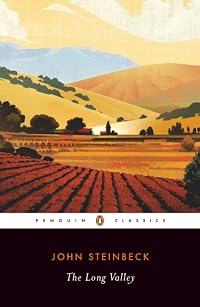
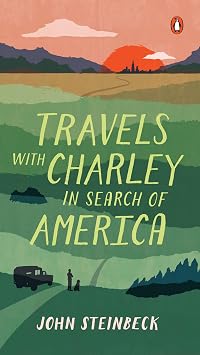
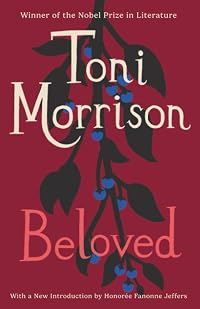
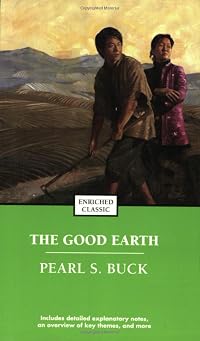
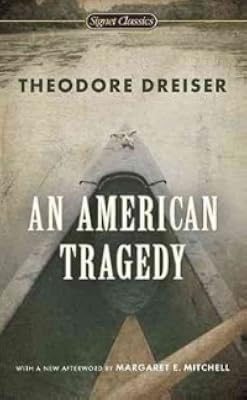
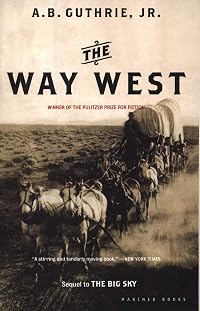
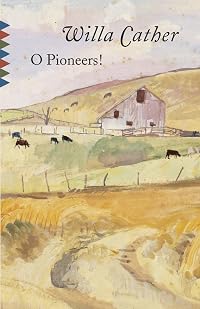
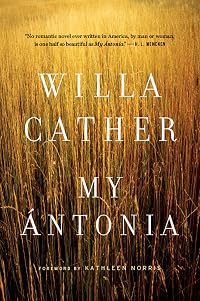

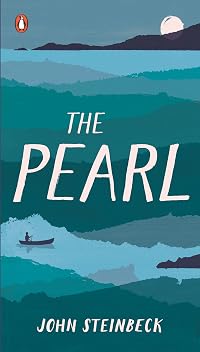
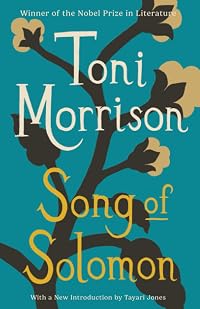
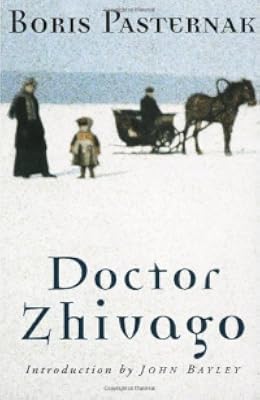
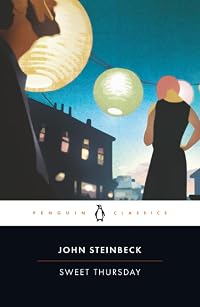
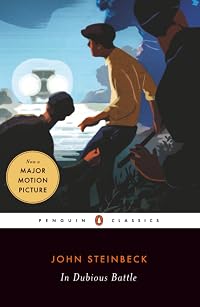
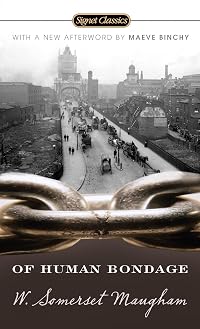
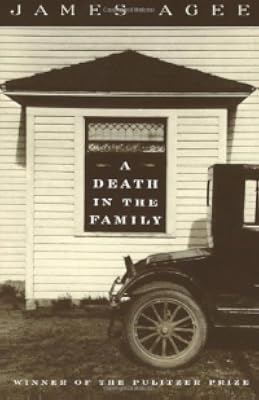
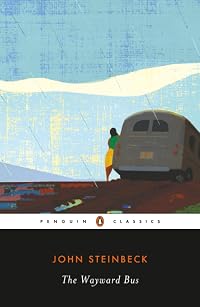
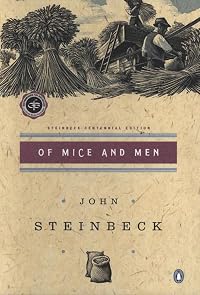

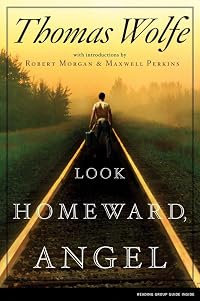
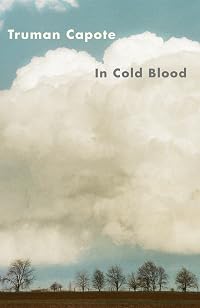
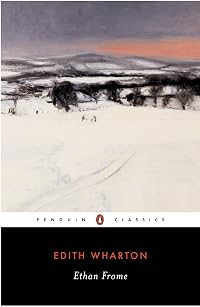
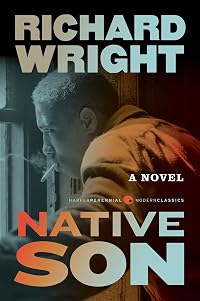
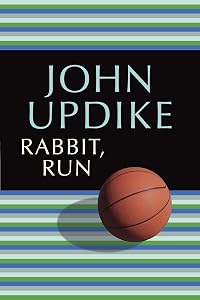
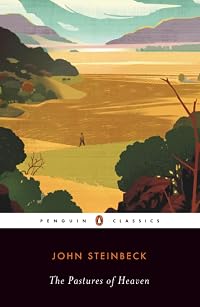
Member Recommendations


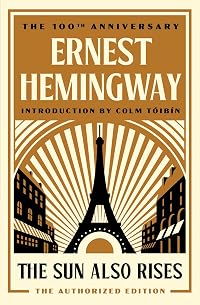
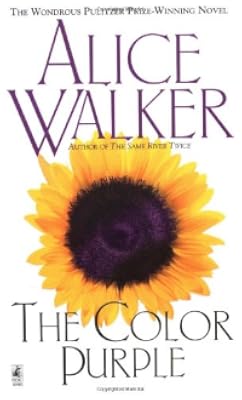
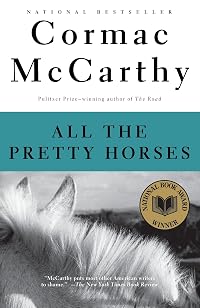
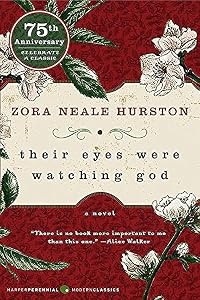
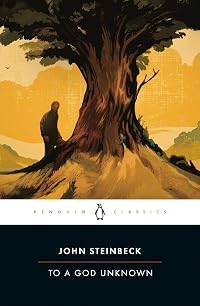
paulkid These books are fathers-and-sons family epics that are set around the turn of the (20th) century. They both have philosophical and coming-of-age themes as well.
10
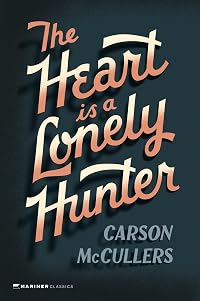
DarthFisticuffs Both are explorations of the lives of people who have dedicated themselves to the land, and are generational sagas of the waves of events and emotions they have to navigate, and the morals that guide them through.


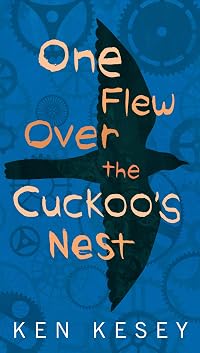
CGlanovsky The story of Cain and Abel reimagined in a more modern setting
02
anonymous user Fascinating coffee table book, lavishly illustrated with photos and maps, well-written too. Sort of Steinbeck's "Californian" biography, though it also covers his living in New York and travels to Mexico. Plenty of interesting real-life background of "East of Eden" and many of his other works. Compelling insight into Steinbeck's personality.
Member Reviews
I hate this book. Hate. Ponderous, pretentious, melodramatic, self-satisfied, patronizing to its readers, with ultimately nothing to say. Can be summarized thus: a bunch of people with no formal education whatsoever sit around discussing the time they read the Old Testament in Hebrew. They then tell us all how to live. Uh...right. I knew we were in trouble with the unbelievably lame introduction -- some forced, self-congratulatory metaphor about a box, if memory serves -- but it's hard to believe it actually got worse from there. In any event, with its smug aura of "Here you will find WISDOM," it's certainly no wonder that it's right up Oprah's alley.
The fact that people worship this misbegotten mess of a book as they might worship show more pieces of the True Cross is just plain depressing. Apparently the way to literary immortality is to give 'em a decent narrative, throw in some breathless nonsense about free will and the Bible, and don't forget to puff out your chest and tell everyone that you've written a masterpiece. Gack. For this they gave him the Nobel Prize?
********
After deleting I don't know how many comments calling me names and getting several pieces of hate email, I'm adding this addendum, because it will save both me and a bunch of other people from wasting time: I'll delete any comments that I consider abusive or that I think constitute ad hominem arguments, so do keep that in mind if you're considering posting a long screed. show less
The fact that people worship this misbegotten mess of a book as they might worship show more pieces of the True Cross is just plain depressing. Apparently the way to literary immortality is to give 'em a decent narrative, throw in some breathless nonsense about free will and the Bible, and don't forget to puff out your chest and tell everyone that you've written a masterpiece. Gack. For this they gave him the Nobel Prize?
********
After deleting I don't know how many comments calling me names and getting several pieces of hate email, I'm adding this addendum, because it will save both me and a bunch of other people from wasting time: I'll delete any comments that I consider abusive or that I think constitute ad hominem arguments, so do keep that in mind if you're considering posting a long screed. show less
Steinbeck's magnum opus
I plan to read everything by Steinbeck. Two of his novels, Cannery Row and The Red Pony, are stunning heartbreakers and sit on my permanent shelf.
The first adult book I ever read, age 11, was The Pearl. In college we read the short story The Chrysanthemums and all these decades later I think of it still, will get a hankering for it, will find a copy (online now) and, after many times reading it, I will read it again. It remains wholly satisfying in that Steinbeck nuanced brilliance. This year I read and then was blown away by the historical significance of The Moon Is Down, which had admirable power to inspire thousands fighting for freedom in WW II.
That is why it pains me to say I did not like nor admire East of show more Eden. The work pained me as I read it. It was not nuanced. It was bloated, missing that lean writing style, where Steinbeck leaves perfect unspoken empty spaces for a reader to feel, to recognize the complexities of human emotions and the strength it sometimes takes to just live. Here instead he tells, he explains every intake of breath, every flash in the eyes, every interminable angst. It reminded me of that quality of certain Victorian writing that we've moved beyond. He didn't "Show don't tell" that he normally understood and applied so well. I can't think of any moment in the novel that he didn't explain to us.
That made it alternatingly boring and insulting.
There were a few fascinating characters (Cyrus) but they were mixed in, then replaced by dull, uninteresting other ones (Adam). There were richly drawn ones who then became flat, then ennobled (Lee, Samuel). On the other hand, I did find Cathy believable. Psychopaths without conscience are real enough. But I could not believe that she--otherwise so clever and in perfect self-control--could be forced to drink alcohol with her prey on multiple occasions, then lay open her true disgust. That felt like a weak plot device.
Steinbeck wrote this novel as if he was a writer enslaved to an idea, not to good writing. Missing was his usual subtlety and the many indulgent explanations overshadowed his normal genius. Yet he was well pleased with it, considered it his magnum opus. That baffles me. How, at age 50, did he forget what made his previous works so good?
It was okay, which is to say, was not a good Steinbeck. show less
I plan to read everything by Steinbeck. Two of his novels, Cannery Row and The Red Pony, are stunning heartbreakers and sit on my permanent shelf.
The first adult book I ever read, age 11, was The Pearl. In college we read the short story The Chrysanthemums and all these decades later I think of it still, will get a hankering for it, will find a copy (online now) and, after many times reading it, I will read it again. It remains wholly satisfying in that Steinbeck nuanced brilliance. This year I read and then was blown away by the historical significance of The Moon Is Down, which had admirable power to inspire thousands fighting for freedom in WW II.
That is why it pains me to say I did not like nor admire East of show more Eden. The work pained me as I read it. It was not nuanced. It was bloated, missing that lean writing style, where Steinbeck leaves perfect unspoken empty spaces for a reader to feel, to recognize the complexities of human emotions and the strength it sometimes takes to just live. Here instead he tells, he explains every intake of breath, every flash in the eyes, every interminable angst. It reminded me of that quality of certain Victorian writing that we've moved beyond. He didn't "Show don't tell" that he normally understood and applied so well. I can't think of any moment in the novel that he didn't explain to us.
That made it alternatingly boring and insulting.
There were a few fascinating characters (Cyrus) but they were mixed in, then replaced by dull, uninteresting other ones (Adam). There were richly drawn ones who then became flat, then ennobled (Lee, Samuel). On the other hand, I did find Cathy believable. Psychopaths without conscience are real enough. But I could not believe that she--otherwise so clever and in perfect self-control--could be forced to drink alcohol with her prey on multiple occasions, then lay open her true disgust. That felt like a weak plot device.
Steinbeck wrote this novel as if he was a writer enslaved to an idea, not to good writing. Missing was his usual subtlety and the many indulgent explanations overshadowed his normal genius. Yet he was well pleased with it, considered it his magnum opus. That baffles me. How, at age 50, did he forget what made his previous works so good?
It was okay, which is to say, was not a good Steinbeck. show less
John Steinbeck's East of Eden, a work of great wisdom, rests comfortably among the finest works in American literature. This epic multi-generational saga of the Trask and Hamilton families is beautifully written and spellbinding throughout. Steinbeck, as evidenced therein, is a master of language, plot, pacing, dialogue, and character. The book is filled with insights into human nature: the events and emotions that shape one's character, and simple yet profound truths about humanity at large. Steinbeck has created deeply nuanced, flawed, and thoroughly human characters. But the heart of East of Eden lies in its exploration of family relationships, particularly those of father and son, and sibling rivalries, of course drawing heavily on show more the biblical story of Cain and Abel. It is the ancient tale of good versus evil, but Steinbeck takes it one step further, illuminating that that conflict that lies within each of us, and that we all have the freedom of choice. Timshel: thou mayest. show less
I was completely absorbed, mesmerized and fascinated by this book. Steinbeck has such a genius for realism. I was very impressed with Steinback's "Grapes of Wrath" when I read it for the first time last year. And "East of Eden" surpassed my expectations as well. It is tragic, moving, inspiring and philosophical. It is sincere without being sentimental. I would almost call it transcendent but the core of the book is so no-nonsense and so utterly American that I hesitate to use that term. Steinbeck imbues these characters with all of the contradictions and opposites found in life. The outcomes of the lives of some of the characters often surprised me. Whether they were good or evil--I was able to relate, identify and feel compassion for show more most of its carefully delineated characters. Steinbeck elucidated the gray area of their inner lives with meticulous detail. The people of this book are thinking people. They ponder, they wonder, they ruminate. They are always questioning. They struggle to maintain a balance between good and evil within themselves; they struggle with the torment of their souls. And most of them try to love each other as best as they can.
The saga starts in the era of the Civil War, continues through the time of the robber barons and the adventurous pioneers who have come out to the Wild West to make their fortunes, resolving itself in the era of World War I. Kate Trask (Cathy Ames) is the undeniable "villainesse" of the book--At first I viewed her character as an outright psychopath. She is completely amoral; definitely a hustler; a gangster from a film noir picture; a criminal genius who manages to commit atrocious deeds, all the while evading prison or punishment. Though ultimately she can't evade the conscience that she tries in vain to deny that she has. The corrupting influence of money is a major theme of this book. Kate Trask deserts her husband to become the madame of a whorehouse. Out of guilt, Kate leaves her fortune to her son Aron Trask. who is traumatized upon being introduced to her by his brother Caleb (Cal) for the first time as a seventeen year old [to escape it's ugliness, Aron Trask imagines the world as being very pure]. Cyrus Trask makes a fortune whose legality is questionable. Cyrus leaves this fortune to his son Adam who essentially becomes a "fine upstanding citizen". Cal Trask earns $15,000 selling beans, to make up for his father Adam's losing "lettuce venture", and then burns the money when his father won't accept it--He tries to buy his father's love and fails. However--Adam's refusal of Cal's generous offer is also a tragic mistake that leads to this novel's dénouement.
Samuel Hamilton and Trask family housekeeper / confidant Lee act as this novel's philosophers. They are both great thinkers; yet both are down to earth and lacking in ego. The supporting characters / minor players of the novel are compelling as well. Tom Hamilton has the capability for greatness and yet struggles with self-doubt over his intellectual and creative worth. Dessie Hamilton is a warm, laughing character who brings happiness to the lives of everyone around her. But after selling her business and moving back to the ranch that was her childhood home -- She is suddenly afflicted by sharp, shooting pains and shortly thereafter dies of an unnamed terminal illness. As happens in real life -- Fate determines how much time these characters will be allotted for their respective existences. In 'East of Eden" -- Too much good in life is usually followed by too much bad. In the same way that the drought years follow the wet years of the Salinas Valley ..... In closing -- The 1955 film version of "East of Eden" pales in comparison to this novel. In fact the film "East of Eden" only manages to cover about the last 200 pages of the novel. I would not recommend the film; it is pastel, cardboard stand-in, supremely abridged and modified version of this book. The film also makes major compromises to the conservative mores of the 1950s. It would probably take 3 films, lasting at least 2 hours each, to do justice to the brilliance of the novel. show less
The saga starts in the era of the Civil War, continues through the time of the robber barons and the adventurous pioneers who have come out to the Wild West to make their fortunes, resolving itself in the era of World War I. Kate Trask (Cathy Ames) is the undeniable "villainesse" of the book--At first I viewed her character as an outright psychopath. She is completely amoral; definitely a hustler; a gangster from a film noir picture; a criminal genius who manages to commit atrocious deeds, all the while evading prison or punishment. Though ultimately she can't evade the conscience that she tries in vain to deny that she has. The corrupting influence of money is a major theme of this book. Kate Trask deserts her husband to become the madame of a whorehouse. Out of guilt, Kate leaves her fortune to her son Aron Trask. who is traumatized upon being introduced to her by his brother Caleb (Cal) for the first time as a seventeen year old [to escape it's ugliness, Aron Trask imagines the world as being very pure]. Cyrus Trask makes a fortune whose legality is questionable. Cyrus leaves this fortune to his son Adam who essentially becomes a "fine upstanding citizen". Cal Trask earns $15,000 selling beans, to make up for his father Adam's losing "lettuce venture", and then burns the money when his father won't accept it--He tries to buy his father's love and fails. However--Adam's refusal of Cal's generous offer is also a tragic mistake that leads to this novel's dénouement.
Samuel Hamilton and Trask family housekeeper / confidant Lee act as this novel's philosophers. They are both great thinkers; yet both are down to earth and lacking in ego. The supporting characters / minor players of the novel are compelling as well. Tom Hamilton has the capability for greatness and yet struggles with self-doubt over his intellectual and creative worth. Dessie Hamilton is a warm, laughing character who brings happiness to the lives of everyone around her. But after selling her business and moving back to the ranch that was her childhood home -- She is suddenly afflicted by sharp, shooting pains and shortly thereafter dies of an unnamed terminal illness. As happens in real life -- Fate determines how much time these characters will be allotted for their respective existences. In 'East of Eden" -- Too much good in life is usually followed by too much bad. In the same way that the drought years follow the wet years of the Salinas Valley ..... In closing -- The 1955 film version of "East of Eden" pales in comparison to this novel. In fact the film "East of Eden" only manages to cover about the last 200 pages of the novel. I would not recommend the film; it is pastel, cardboard stand-in, supremely abridged and modified version of this book. The film also makes major compromises to the conservative mores of the 1950s. It would probably take 3 films, lasting at least 2 hours each, to do justice to the brilliance of the novel. show less
Standing at the plate, Steinbeck swung hard at this one. A crack and a soaring whoosh, the red-thread-and-leather moon enters the nighttime sky, soaring high over the crowd. Forget gravity; forget time. Look at it hang there, impossibly. That's this novel. I think of it as a mashup of Genesis and Grapes of Wrath. I loved it. I loved that at the end we are left with Cal and his whore mother, a fishwife with knives for eyes and an ophidian knot for a heart, and his father's mixed blessing: "Timshel," Hebrew for "Thou mayest." It's a sweet novel, well worth the eyestrain.
A powerful story, masterfully written, and the first 3 parts carried me along, but I had to fight my way through the last part. Lee, the magical other does not leave the Trasks, but returns to continue his care for them almost immediately and to beyond the end of the book. Also at that point the machinery of the Greek/biblical tragedy generated by refusal to see and accept people, including oneself, as who they or let them go, takes over and any semblance of choice is gone. It may be a classic, but not a classic I find I can cheerfully endorse.
"And now that you don't have to be perfect, you can be good." When I read this book I was SO moved on so many levels. If you want to read an expansive historical saga look no further. The character of Adam Trask has lived with me for years. Salinas Valley, CA exists in my mind as Steinbeck described in it such intricate detail. The character f Lee also made such an impression on me. Major themes: guilt, love, beneficence, acceptance, self destructive tendencies, depravity and freedom. Many parallels with the Bible: Genesis as well as Cain & Abel. And Timshel - man has the power to choose his path, neither good or evil. AMAZING.
Members
- Recently Added By
Published Reviews
“In this sweeping California epic, Steinbeck retells nothing less than a portion of the book of Genesis, reworking the story of Cain and Abel.”
added by Lemeritus
Lists

The Guardian's 1000 Novels Everyone Must Read
1,005 works; 549 members

1001 Books You Must Read Before You Die
1,448 works; 1,136 members

Classics you know you should have read but probably haven't
421 works; 407 members

Favourite Books
1,820 works; 310 members
Top-Rated Books on LibraryThing
272 works; 118 members
BBC Big Read
191 works; 46 members

Best Historical Fiction
620 works; 261 members

Read the book and saw the movie
1,170 works; 192 members

Recommend the 20 best books you've read in the last five years
2,168 works; 603 members

Great American Novels
158 works; 42 members

Novels from The Guardian's Great American Novelist Tournament
148 works; 24 members

Top Five Books of 2013
1,562 works; 721 members

The Top Ten: Writers Pick Their Favorite Books
240 works; 33 members
20th Century Literature
1,161 works; 55 members

Favorite Long Books
330 works; 42 members

Oprah's Book Club (original and 2.0)
91 works; 21 members

1950s
340 works; 22 members
Best Family Stories
241 works; 22 members

Best family sagas
244 works; 34 members

Books Set in California
112 works; 15 members
The American Experience
173 works; 18 members

Top Five Books of 2021
604 works; 180 members

Top Five Books of 2018
802 works; 264 members

Books I've Read More Than Once
602 works; 49 members

Canon de la narrativa universal del siglo XX
254 works; 6 members

Top Five Books of 2019
387 works; 111 members
National Book Award Finalists - Fiction
377 works; 12 members
Epic Fiction
42 works; 11 members

One Book, Many Authors
441 works; 40 members
Fiction For Men
142 works; 11 members
Readable Classics
110 works; 15 members

Books Read in 2023
5,638 works; 147 members
Best of American Literature
146 works; 9 members
Blue Pyramid 1,276 Best Books of All Time
1,248 works; 32 members
TML 200 Best Books 1950-1999
202 works; 10 members

Nobel Price Winners
222 works; 20 members
LibraryThingers' 1001 Books You Must Read Before You Die
442 works; 30 members

Unread books
1,063 works; 87 members
Five star books
1,767 works; 109 members

Modernism
140 works; 9 members

Novels featuring siblings
133 works; 8 members
Phi Beta Kappa reading list
260 works; 8 members

Books Read in 2005
185 works; 7 members

The American West
18 works; 2 members
Jordan B. Peterson's Recommended Books
104 works; 5 members
Elegant Prose
80 works; 4 members

Willoyd's Tour of the USA
25 works; 1 member
USA Road Trip
50 works; 3 members

Discontinued
19 works; 4 members

Publisher's Weekly Bestsellers - Part II - 1940 - 1979
355 works; 6 members
Novels featuring Fathers
56 works; 7 members

SHOULD Read Books!
354 works; 9 members

Books Read in 2020
4,379 works; 123 members

Llibres que he llegit el 2009
35 works; 1 member
Overdue Podcast
808 works; 9 members

Llibres que he llegit el 2016
36 works; 1 member
Nifty Fifties
129 works; 14 members
American Lit for Eng 11 Research Project
368 works; 6 members

Recommended Reading : 600 Classics Reviewed, Editors of Salem Press, 2015
634 works; 6 members
Books in Riverdale
123 works; 3 members

Top Five Books of 2024
795 works; 264 members

Retrospective of 20th- and 21st-century literature
154 works; 1 member
Goalhanger Book Club
22 works; 1 member

Just Kids by Patti Smith
43 works; 1 member

The Modern Library (The Two Hundred Best Novels....
202 works; 1 member

Books Read in 2026
2,133 works; 70 members
Books We Want To Read Again For The First Time
384 works; 160 members
Very Long Novels
15 works; 1 member

Books Read in 2024
4,727 works; 128 members

Authors' Favourites
18 works; 5 members

Books Read in 2000
121 works; 4 members

Books Read in 2026
1 work; 1 member
.
396 works; 1 member

Wish List
9 works; 1 member
great books by authors i otherwise can't stand
3 works; 1 member

Top Five Books of 2023
767 works; 317 members

Bookstore Deep Diving
10 works; 1 member

Is the book too misogynist to read/recommend?
40 works; 9 members

Books Read in 2018
4,360 works; 110 members

The Books I've Read 2018
143 works; 1 member

Books Read in 2019
4,052 works; 110 members
Best Books of the 20th Century
193 works; 5 members

Books worth rereading
21 works; 1 member

Books Read in 2021
5,361 works; 114 members

Works with inappropriate subject headings on LibraryThing
35 works; 5 members

Books Read in 2016
110 works; 1 member

AP Lit
363 works; 6 members

Genesis in literature
47 works; 7 members
Best Book and Movie Combos
70 works; 11 members

Books With the Most Memorable Titles
478 works; 158 members
jw1
1 work; 1 member

Books Read in 1991
7 works; 1 member
NPRs audience picks: 100 best beach reads
105 works; 12 members
Talk Discussions
Past Discussions
East of Eden in Folio Society Devotees (February 2024)
Steinbeckathon 2012: East of Eden in 75 Books Challenge for 2012 (September 2012)
Author Information

486+ Works 207,732 Members
In recent years Steinbeck has been elevated to a more prominent status among American writers of his generation. If not quite at the world-class artistic level of a Hemingway or a Faulkner, he is nonetheless read very widely throughout the world by readers of all ages who consider him one of the most "American" of writers. Born in Salinas County, show more California on February 27, 1902, Steinbeck was of German-Irish parentage. After four years as a special student at Stanford University, he went to New York, where he worked as a reporter and as a hod carrier. Returning to California, he devoted himself to writing, with little success; his first three books sold fewer than 3,000 copies. Tortilla Flat (1935), dealing with the paisanos, California Mexicans whose ancestors settled in the country 200 years ago, established his reputation. In Dubious Battle (1936), a labor novel of a strike and strike-breaking, won the gold medal of the Commonwealth Club of California. Of Mice and Men (1937), a long short story that turns upon a melodramatic incident in the tragic friendship of two farm hands, written almost entirely in dialogue, was an experiment and was dramatized in the year of its publication, winning the New York Drama Critics Circle Award. It brought him fame. Out of a series of articles that he wrote about the transient labor camps in California came the inspiration for his greatest book, The Grapes of Wrath (1939), the odyssey of the Joad family, dispossessed of their farm in the Dust Bowl and seeking a new home, only to be driven on from camp to camp. The fiction is punctuated at intervals by the author's voice explaining this new sociological problem of homelessness, unemployment, and displacement. As the American novel "of the season, probably the year, possibly the decade," it won the Pulitzer Prize in 1940. It roused America and won a broad readership by the unusual simplicity and tenderness with which Steinbeck treated social questions. Even today, The Grapes of Wrath remains alive as a vivid account of believable human characters seen in symbolic and universal terms as well as in geographically and historically specific ones. Ma Joad is one of the most memorable characters in twentieth-century American fiction. It is her courage that sustains the family. Steinbeck's best and most ambitious novel after The Grapes of Wrath is East of Eden (1952), a saga of two American families in California from before the Civil War through World War I. Cannery Row (1945), The Wayward Bus (1947), and Sweet Thursday (1955) are lighter works that find Steinbeck returning to the lighthearted tone of Tortilla Flat as he recounts picaresque adventures of modern-day picaros. The Winter of Our Discontent (1961) struck some reviewers as being appropriately titled because of its despairing treatment of humanity's fall from grace in a wasteland world where money is king. Steinbeck also wrote important nonfiction, including Russian Journal (1948) in collaboration with the photographer Robert Capa; Once There Was a War (1958) and America and Americans (1966), which features pictures by 55 leading photographers and a 70-page essay by Steinbeck. His interest in marine biology led to two books primarily about sea life, Sea of Cortez (1941) (with Edward F. Ricketts) and The Log from the Sea of Cortez (1951). Travels with Charley (1962) is an engaging account of his journey of rediscovery of America, which took him through approximately 40 states. Steinbeck was married three times and died in New York City on December 20, 1968 of heart disease and congestive heart failure. He was 66, and had been a life-long smoker. (Bowker Author Biography) show less
Some Editions
Awards and Honors
Series
Belongs to Publisher Series
Work Relationships
Is contained in
The Grapes of Wrath / The Moon is Down / Cannery Row / East of Eden / Of Mice and Men by John Steinbeck
Contains
Has the adaptation
Is abridged in
Inspired
Common Knowledge
- Canonical title*
- La valle dell'Eden
- Original title
- East of Eden
- Original publication date
- 1952
- People/Characters
- Samuel Hamilton; Adam Trask; Charles Trask; Catherine "Cathy" Ames-Trask; Aron Trask; Cal Trask (show all 22); Abra Bacon; Mr. Edwards; Ethel; Cotton Eye; Faye; Dessie Hamilton; Liza Hamilton; Olive Hamilton; Tom Hamilton; Una Hamilton; Will Hamilton; Lee; Horace Quinn; Alice Trask; Cyrus Trask; Joe Valery
- Important places
- California, USA; Monterey County, California, USA; Salinas, California, USA; USA; Salinas River Valley, California, USA; Connecticut, USA (show all 7); Massachusetts, USA
- Important events
- World War I (1914 | 1918); American Civil War (1861 | 1865)
- Related movies
- East of Eden (1955 | IMDb); East of Eden (1981 | IMDb)
- Dedication
- Pascal Covici
Dear Pat,
You came upon me carving some kind of little figure out of wood and you said, "Why don't you make something for me?" I asked you what you wanted, and you said, "A box." "What for?" "To p... (show all)ut things in." "What things?" "Whatever you have," you said. Well, here's your box. Nearly everything I have is in it, and it is not full. Pain and excitement are in it, and feeling good or bad and evil thoughts and good thoughts--the pleasure of design and some despair and the indescribable joy of creation.
And on top of these are all the graditude and love I have for you. And still the box is not full.
JOHN - First words
- The Salinas Valley is in Northern California.
- Quotations
- You must not forget that a monster is only a variation, and that to a monster the norm is monstrous.
I don't very much believe in blood. I think when a man finds good or bad in his children he is seeing only what he planted in them after they cleared the womb. - Samuel Hamilton
And this I believe: that the free, exploring mind of the individual human is the most valuable thing in the world. And this I would fight for: the freedom of the mind to take any direction it wishes, undirected. And this I mu... (show all)st fight against: any idea, religion, or government which limits or destroys the individual. - Last words
- (Click to show. Warning: May contain spoilers.)His eyes closed and he slept.
- Original language
- English
- Canonical DDC/MDS
- 813.52
- Canonical LCC
- PS3537.T3234
*Some information comes from Common Knowledge in other languages. Click "Edit" for more information.
Classifications
Statistics
- Members
- 27,604
- Popularity
- 145
- Reviews
- 483
- Rating
- (4.40)
- Languages
- 25 — Bulgarian, Catalan, Chinese, Czech, Danish, Dutch, English, Estonian, Finnish, French, German, Greek, Hungarian, Icelandic, Italian, Norwegian (Bokmål), Polish, Portuguese, Romanian, Russian, Serbian, Slovenian, Spanish, Swedish, Turkish
- Media
- Paper, Audiobook, Ebook
- ISBNs
- 172
- UPCs
- 1
- ASINs
- 188