On This Page
Description
Biography & Autobiography. African American Nonfiction. Nonfiction. HTML:Here is a book as joyous and painful, as mysterious and memorable, as childhood itself. I Know Why the Caged Bird Sings captures the longing of lonely children, the brute insult of bigotry, and the wonder of words that can make the world right. Maya Angelou’s debut memoir is a modern American classic beloved worldwide.Sent by their mother to live with their devout, self-sufficient grandmother in a small Southern show more town, Maya and her brother, Bailey, endure the ache of abandonment and the prejudice of the local “powhitetrash.” At eight years old and back at her mother’s side in St. Louis, Maya is attacked by a man many times her age—and has to live with the consequences for a lifetime. Years later, in San Francisco, Maya learns that love for herself, the kindness of others, her own strong spirit, and the ideas of great authors (“I met and fell in love with William Shakespeare”) will allow her to be free instead of imprisoned.
Poetic and powerful, I Know Why the Caged Bird Sings will touch hearts and change minds for as long as people read.
“I Know Why the Caged Bird Sings liberates the reader into life simply because Maya Angelou confronts her own life with such a moving wonder, such a luminous dignity.”—James Baldwin. show less
Tags
Recommendations
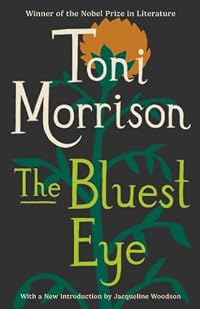
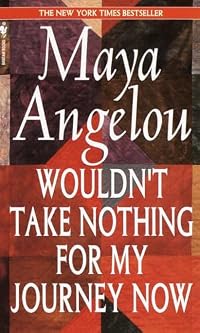
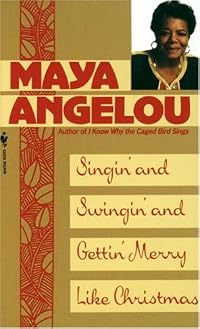
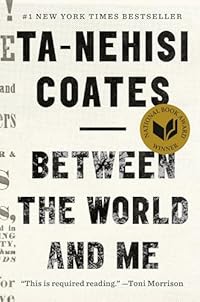
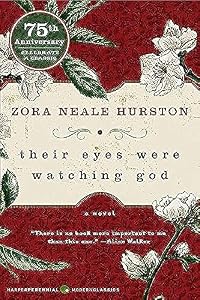
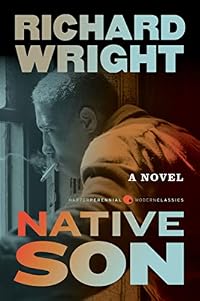
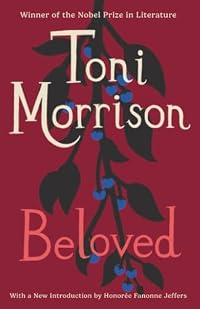

Member Recommendations
by caflores
Member Reviews
The author’s memoir of her childhood has long been revered as a classic, but I approached the book hesitantly. I was worried it would be one long, depressing look at her horrible upbringing. I was so wrong and I ended up enjoying every bit of this beautiful story.
Angelou has an incredible talent for painting poetic scenes of the simplest acts. She writes about everything from the deep connection between siblings to the loneliness that comes from abandonment. She describes the pure joy of uncontrollable laughter in the middle of a church sermon and the agonizing feeling of knowing you don’t belong. Each scene comes alive under the skilled pen and her poetic prowess is clear from the first pages.
The book starts with her early years show more when she and her brother Bailey are shipped to Arkansas to be raised by their Grandma after their parents split up. The family ran a local grocery store, but lived a cautious life. They were African American and the Klan was still in operation in the community.
Angelou was later moved between her mother’s home in St. Louis and her father’s home in California; each time having to adjust to a new environment and try and find some semblance of normality. As a teen she lived in San Francisco, an area that is now proud to claim her as one of its own.
**SPOILERS**
I think one of the main reasons I thought this book would be so dour is because I’d heard bits about the Angelou’s life. When she was only 8-years-old she was raped by her mother’s boyfriend. Later she lives in a junkyard after fighting with her father’s new wife. She went through some incredibly heartbreaking things, but she never lets them destroy her. She is so strong and she managed to survive everything life threw her way.
**SPOILERS OVER**
BOTTOM LINE: I expected to find a depressing story of persecution and bad luck; instead I found a coming-of-age tale with a powerful message of survival. She absolutely had bad things happen to her along the way, but her enduring strength and optimism and her ability to tell her story without lamenting all she’d been through was truly inspiring.
“Children’s talent to endure stems from their ignorance of alternatives.”
“He was away in a mystery, locked in the enigma that young Southern Black boys start to unravel, start to try to unravel, from seven years old to death. The humorless puzzle of inequality and hate. His experience raised the question of worth and values, of aggressive inferiority and aggressive arrogance.”
*** Rereading it a decade later makes me appreciate, even more, her gift for capturing the atmosphere in a story. show less
Angelou has an incredible talent for painting poetic scenes of the simplest acts. She writes about everything from the deep connection between siblings to the loneliness that comes from abandonment. She describes the pure joy of uncontrollable laughter in the middle of a church sermon and the agonizing feeling of knowing you don’t belong. Each scene comes alive under the skilled pen and her poetic prowess is clear from the first pages.
The book starts with her early years show more when she and her brother Bailey are shipped to Arkansas to be raised by their Grandma after their parents split up. The family ran a local grocery store, but lived a cautious life. They were African American and the Klan was still in operation in the community.
Angelou was later moved between her mother’s home in St. Louis and her father’s home in California; each time having to adjust to a new environment and try and find some semblance of normality. As a teen she lived in San Francisco, an area that is now proud to claim her as one of its own.
**SPOILERS**
I think one of the main reasons I thought this book would be so dour is because I’d heard bits about the Angelou’s life. When she was only 8-years-old she was raped by her mother’s boyfriend. Later she lives in a junkyard after fighting with her father’s new wife. She went through some incredibly heartbreaking things, but she never lets them destroy her. She is so strong and she managed to survive everything life threw her way.
**SPOILERS OVER**
BOTTOM LINE: I expected to find a depressing story of persecution and bad luck; instead I found a coming-of-age tale with a powerful message of survival. She absolutely had bad things happen to her along the way, but her enduring strength and optimism and her ability to tell her story without lamenting all she’d been through was truly inspiring.
“Children’s talent to endure stems from their ignorance of alternatives.”
“He was away in a mystery, locked in the enigma that young Southern Black boys start to unravel, start to try to unravel, from seven years old to death. The humorless puzzle of inequality and hate. His experience raised the question of worth and values, of aggressive inferiority and aggressive arrogance.”
*** Rereading it a decade later makes me appreciate, even more, her gift for capturing the atmosphere in a story. show less
It shocks me that anyone could read this book and put it down halfway through. Angelou had me wrapped around her finger with her lyrical tone and unbelievable childhood tales. I made the mistake of finishing the story right before bed, and took an extra hour recounting her most harrowing memories to my partner in the dark.
I thought a lot about how Angelou had no idea when she was a quiet and anxious Black girl from Arkansas that she would become one of the United States' most renowned speakers and writers, read by people of all ages and races as a Great of our time. It's easy to fall for a protagonist who is so hardworking and true to what she wants, who experiences the worst tragedies and comes out an empathetic and brilliant show more star.
“'You be a good girl now. You hear? Don't you make people think I didn't raise you right. You hear?' She would have been more surprised than I had she taken me in her arms and wept at losing me. Her world was bordered on all sides with work, duty, religion and “her place.” I don't think she ever knew that a deep-brooding love hung over everything she touched." show less
I thought a lot about how Angelou had no idea when she was a quiet and anxious Black girl from Arkansas that she would become one of the United States' most renowned speakers and writers, read by people of all ages and races as a Great of our time. It's easy to fall for a protagonist who is so hardworking and true to what she wants, who experiences the worst tragedies and comes out an empathetic and brilliant show more star.
“'You be a good girl now. You hear? Don't you make people think I didn't raise you right. You hear?' She would have been more surprised than I had she taken me in her arms and wept at losing me. Her world was bordered on all sides with work, duty, religion and “her place.” I don't think she ever knew that a deep-brooding love hung over everything she touched." show less
I borrowed this from my library. It's for a May book club, part of a year-long theme on banned books.
First of all, wow, Angelou can write. This memoir is blunt, poetic, and raw, detailing her earliest memories in rural Stamps, Arkansas, to St. Louis where she details a graphic rape at age 8, back to Stamps for more formative events, then onward to California, where she lived through her teens with World War II in the backdrop. I can see why people have tried to ban this book, and I 100% disagree with them. This is a hard read, yes, but it should be. I'm glad I finally had the chance to read it.
First of all, wow, Angelou can write. This memoir is blunt, poetic, and raw, detailing her earliest memories in rural Stamps, Arkansas, to St. Louis where she details a graphic rape at age 8, back to Stamps for more formative events, then onward to California, where she lived through her teens with World War II in the backdrop. I can see why people have tried to ban this book, and I 100% disagree with them. This is a hard read, yes, but it should be. I'm glad I finally had the chance to read it.
I understand why this book is beloved. Maya Angelou puts into words the disparity that so many people in America had accepted as a way of life. This was first published in 1969, so it's not hard to imagine how groundbreaking a memoir like this would have been.
So many oppressed groups in America can relate to Maya's words, and what exactly the phrase 'I know why the caged bird sings' means. Maya speaks on what it meant to be a woman, what it meant to be Black, what it meant to be different from those around you, even your peers. She also speaks on the importance of community and support. She doesn't plainly lay it out for us, but it's clear in her story what these things mean and how they effect people.
Every time Maya faced adversity in show more her early life, she found people who cared and showed her the way forward. Given the time period, this doesn't look how it might today with therapy and psychology verbiage being more common than ever. Instead, it came in the form of a mother who knew she could not care for her children properly, and sent them to someone she trusted who could. In the form of a grandmother who kept those kids on the straight and narrow, and the space to be 'tender-hearted'. In the form of a teacher who understood why someone might decide not to speak, and how to coax words back out of that person. In the form of a brother who would do near anything for his sister. In the form of a father in law who could replace the distant and abusive father figures Maya endured, who could help wipe that slate clean. Maya found community in every bumpy moment of her life, and this is what life is about I think.
This is the third memoir of sorts by Maya about her life, that I have read. Some stories overlap, as is expected, but in each iteration, she brings a brand new outlook into it, and details she hadn't shared elsewhere. Listening to these different sides of one person's life strikes me because it really portrays the sheer space a life takes up. Someone can tell you what happened, but you still won't ever get the full picture unless you were there with them. Truth be told, you still wouldn't get it exactly unless you were inside their shoes. Everyone has a different perspective on what happened, and it can make the moment feel completely opposite from what the other felt. It gives more meaning to 'there's three sides to every story- yours, mine, and the truth', and even shows how that saying falls short. There's more than three sides to a story, it's endless.
I stay amazed by the kind of person Maya was and how she came to be that way. Her strength and conviction is admirable, and I would be honored to even be half of who she is. I love how she tells a story, and I especially love when it's in her own voice. Her tone is so nice to listen to, so soothing. It's too bad this will be the last of Maya that I hear, at least for a while, since Libby doesn't have any of her other books on audio. I'll miss her. show less
So many oppressed groups in America can relate to Maya's words, and what exactly the phrase 'I know why the caged bird sings' means. Maya speaks on what it meant to be a woman, what it meant to be Black, what it meant to be different from those around you, even your peers. She also speaks on the importance of community and support. She doesn't plainly lay it out for us, but it's clear in her story what these things mean and how they effect people.
Every time Maya faced adversity in show more her early life, she found people who cared and showed her the way forward. Given the time period, this doesn't look how it might today with therapy and psychology verbiage being more common than ever. Instead, it came in the form of a mother who knew she could not care for her children properly, and sent them to someone she trusted who could. In the form of a grandmother who kept those kids on the straight and narrow, and the space to be 'tender-hearted'. In the form of a teacher who understood why someone might decide not to speak, and how to coax words back out of that person. In the form of a brother who would do near anything for his sister. In the form of a father in law who could replace the distant and abusive father figures Maya endured, who could help wipe that slate clean. Maya found community in every bumpy moment of her life, and this is what life is about I think.
This is the third memoir of sorts by Maya about her life, that I have read. Some stories overlap, as is expected, but in each iteration, she brings a brand new outlook into it, and details she hadn't shared elsewhere. Listening to these different sides of one person's life strikes me because it really portrays the sheer space a life takes up. Someone can tell you what happened, but you still won't ever get the full picture unless you were there with them. Truth be told, you still wouldn't get it exactly unless you were inside their shoes. Everyone has a different perspective on what happened, and it can make the moment feel completely opposite from what the other felt. It gives more meaning to 'there's three sides to every story- yours, mine, and the truth', and even shows how that saying falls short. There's more than three sides to a story, it's endless.
I stay amazed by the kind of person Maya was and how she came to be that way. Her strength and conviction is admirable, and I would be honored to even be half of who she is. I love how she tells a story, and I especially love when it's in her own voice. Her tone is so nice to listen to, so soothing. It's too bad this will be the last of Maya that I hear, at least for a while, since Libby doesn't have any of her other books on audio. I'll miss her. show less
Maya Angelou is a dancer. That was a fact that was not part of briefing on Angelou. Everyone knows her as a poet, as a feminist, as a loud and insistent voice in racial politics – but as a dancer. It makes so much more sense now that I know it, how I perceiver her. When I think of her, I think of a lioness, stretching her face up into the sun, her whole body poised and lithe and twitching with danger. Her lips are parted ever so slightly, just enough to see a hint of the sharp death that resides inside; beauty and blood all coexisting in perfect harmony.
Angelou brings that same dancer’s quality to her prose in [I Know Why the Caged Bird Sings]. The book is a memoir, written about her young life, split between the musty hills of show more Arkansas, the grimy streets of industrial St. Louis, and the gritty streets of Oakland and San Franciso. As a young girl of only three, she and her four-year-old brother were shipped off by their parents to live with a grandmother in Arkansas. The roads were red dirt, and the people scratched out a living in the cotton fields. Left with nothing much else to do, she and her brother sought out the world of books. She worked in the country store her grandmother ran, went to church every Sunday, and she learned the life of segregation in the South. Eventually, she reunited with her mother in St. Louis, a bourgeoning industrial mecca. Sadly she learned the life of a victim in that place, at the hands of her mother’s boyfriend. She learned the crazy, jumbled emotions – yearning for attention and love and affection, only to receive the vile attention of a predator. Angelou was shipped back to her grandmother, then to her father, then to her grandmother, and back to her mother again. Instability and chaos rendered her a survivor, and a deeply internal person – much to the benefit of us all.
Angelou’s account of her childhood is raw, but it is also tender and intuitive. In retelling the trials she faced, she provides a broad perspective on so many of the issues that are twisted up in the racial politics of our country. But she never indulges in any self-pity or blame. Through it all, she is that same lioness, twitching with danger and beauty.
Bottom Line: Maya Angelou’s childhood, told with a dancer’s grace.
4 ½ bones!!!!! show less
Angelou brings that same dancer’s quality to her prose in [I Know Why the Caged Bird Sings]. The book is a memoir, written about her young life, split between the musty hills of show more Arkansas, the grimy streets of industrial St. Louis, and the gritty streets of Oakland and San Franciso. As a young girl of only three, she and her four-year-old brother were shipped off by their parents to live with a grandmother in Arkansas. The roads were red dirt, and the people scratched out a living in the cotton fields. Left with nothing much else to do, she and her brother sought out the world of books. She worked in the country store her grandmother ran, went to church every Sunday, and she learned the life of segregation in the South. Eventually, she reunited with her mother in St. Louis, a bourgeoning industrial mecca. Sadly she learned the life of a victim in that place, at the hands of her mother’s boyfriend. She learned the crazy, jumbled emotions – yearning for attention and love and affection, only to receive the vile attention of a predator. Angelou was shipped back to her grandmother, then to her father, then to her grandmother, and back to her mother again. Instability and chaos rendered her a survivor, and a deeply internal person – much to the benefit of us all.
Angelou’s account of her childhood is raw, but it is also tender and intuitive. In retelling the trials she faced, she provides a broad perspective on so many of the issues that are twisted up in the racial politics of our country. But she never indulges in any self-pity or blame. Through it all, she is that same lioness, twitching with danger and beauty.
Bottom Line: Maya Angelou’s childhood, told with a dancer’s grace.
4 ½ bones!!!!! show less
Listening to this felt like traveling through layers of history, back to 2011 when the audiobook was released, 1969 when it was first published, and even further to the 1930s and ’40s when she lived it. Angelou lived through so much in such a short time (17 years!), and she narrated it with clarity, grace, and a captivating voice, she even sings. The detail of her reflections completely drew me in. Though focused on childhood, it tackles profoundly adult themes. My heart broke for her often, and I was consistently admiring her strength. It’s a coming-of-age story but also a discussion of race, gender, trauma, and resilience in 1940s America. It felt like a classic and certainly something I should have read sooner.
This is not an easy book to read. It does not describe an idyllic childhood. That being said, this is a great book. Maya Angelou's prose describes her childhood with deft lyricism, humor, and beauty. She took the sometimes awful circumstances of growing up as a black child in the south and made something lovely and real. This book doesn't shy away from injustice, hatred, or betrayal which makes it an often painful read. I can't say that I liked it. But it made me think, made me feel, it's going to haunt me for a long time, and I would definitely consider rereading it someday. For these reason, I'm giving it five stars.
Members
- Recently Added By
Lists

1001 Books You Must Read Before You Die
1,448 works; 1,132 members

Best Biographies, Autobiographies and Memoirs
464 works; 156 members

Best Autobiographies and Memoirs
370 works; 67 members

Must-Read Books by Black Authors
114 works; 92 members

100 Biographies & Memoirs to Read in a Lifetime
42 works; 18 members
100 Biographies and Memoirs to Read in a (Single) Lifetime
98 works; 12 members

Black Authors
381 works; 32 members

Banned Books Week 2014
268 works; 63 members

Memoirs - Mary Karr
14 works; 1 member

Top Five Books of 2020
982 works; 348 members

New York Public Library's Books of the Century
120 works; 19 members

Top Five Books of 2022
736 works; 272 members

New York Public Library's Books of the Century - All
170 works; 14 members

20th Century Literature
1,161 works; 55 members

Mustich's 1000 Books to Read Before You Die: A Life Changing List
1,001 works; 18 members

Books About Girls
219 works; 17 members

Blackwell's Five Foot Bookshelf
72 works; 4 members

Memoirs Heal the Soul
22 works; 1 member

100 books that changed the world
31 works; 2 members
USA Road Trip
50 works; 3 members

Florida's Book Bans and Challenges
311 works; 4 members
Books by Black Authors: Potential Reads
12 works; 1 member

Books Set in Arkansas
7 works; 4 members
Best African American Literature
53 works; 9 members

Books You Read During High School (For School)
301 works; 53 members

Books Read in 2023
5,547 works; 145 members
Florida
366 works; 3 members

SHOULD Read Books!
354 works; 9 members
Club Read's Recommended Nonfiction Written by Women
618 works; 30 members

BBC World Book Club
261 works; 5 members

Best Biographies of Notable Women
277 works; 101 members

BitLife
212 works; 4 members
Our Favorite Banned Books
138 works; 122 members
The Well-Educated Mind, Susan Wise Bauer, 2016
179 works; 3 members

Recommended Reading : 600 Classics Reviewed, Editors of Salem Press, 2015
634 works; 6 members

Books That Changed Our Perspective
423 works; 166 members
List of Removed Books from Nimitz Library
353 works; 1 member

.
194 works; 2 members
NPR Books You Love: Books That Shaped You in High School
26 works; 1 member

Schomburg Centennial Reading List
100 works; 4 members
Read These Too
458 works; 9 members
500 Great Books by Women
507 works; 60 members

BBC Radio 4 Bookclub
340 works; 13 members
Animals in the Title
498 works; 11 members

Published in 1970
58 works; 7 members

Female Protagonist
1,056 works; 56 members
Folio Society
831 works; 53 members
100 World Classics
99 works; 15 members

SantaThing 2014 Gifts
299 works; 17 members
American Lit for Eng 11 Research Project
368 works; 6 members
Banned or Challenged Books
400 works; 37 members

Blue Pyramid 1,276 Best Books of All Time
1,248 works; 32 members

My E-Book Collection - Opinions Welcome
92 works; 10 members
Female Author
1,235 works; 67 members

Books Featured on Readers' Review of the Diane Rehm Show
161 works; 8 members

Steph Laymon's 2016 Read
34 works; 1 member
Literary Travelogue of the United States Challenge
133 works; 6 members

Books Read in 2020
4,379 works; 124 members

50 Books from the Past 50 Years
50 works; 8 members
Literature About Women and Girls
391 works; 39 members

Best Feminist Literature
188 works; 26 members

Books Tagged Abuse
152 works; 4 members

Mensa for Kids Excellence in Reading Award Program (Grades 9-12)
116 works; 5 members

My TBR
371 works; 3 members

Unread books
1,063 works; 87 members
Mensa for Kids Excellence in Reading Award Program (Grades 9-12)
116 works; 3 members

Zora Canon
100 works; 6 members
The Zora Canon
98 works; 4 members

Women's History Month: Suggested Reads
63 works; 6 members
1,001 BYMRBYD Concensus
723 works; 27 members
Put a Bird On It
75 works; 12 members
Talk Discussions
Past Discussions
BioKIT Group Read: I Know Why the Caged Bird Sings (Book Specific - Spoilers Allowed) in 2015 Category Challenge (December 2015)
Author Information

127+ Works 40,553 Members
Maya Angelou was born Marguerite Annie Johnson on April 4, 1928 in Saint Louis, Missouri. At the age of 16, she became not only the first black streetcar conductor in San Francisco but the first woman conductor. In the mid-1950s, she toured Europe with a production of the opera Porgy and Bess. In 1957, she recorded her first album, Calypso Lady. show more In 1958, she became a part of the Harlem Writers Guild in New York and played a queen in The Blacks, an off-Broadway production by French dramatist Jean Genet. In 1960, she moved to Cairo, where she edited The Arab Observer, an English-language weekly newspaper. The following year, she went to Ghana where she was features editor of The African Review and taught music and drama at the University of Ghana. In 1964, she moved back to the U.S. to become a civil rights activist by helping Malcolm X build his new coalition, the Organization of African American Unity, and became the northern coordinator of the Southern Christian Leadership Conference. Even though she never went to college, she taught American studies for years at Wake Forest University in Winston-Salem. In 1993, she became only the second poet in United States history to write and recite an original poem at a Presidential Inauguration when she read On the Pulse of Morning at President Bill Clinton's Inauguration Ceremony. She wrote numerous books during her lifetime including: I Know Why the Caged Bird Sings, Just Give Me a Cool Drink of Water 'Fore I Die, All God's Children Need Traveling Shoes, Wouldn't Take Nothing for My Journey Now, and Mom and Me and Mom. In 2011, President Barack Obama gave her the Medal of Freedom, the country's highest civilian honor, for her collected works of poetry, fiction and nonfiction. She appeared in the movie Roots and was nominated for Best Supporting Actress in 1977 for her role in the movie. She also played a part in the movie, How to Make an American Quilt and wrote and produced Afro-Americans in the Arts, a PBS special for which she received a Golden Eagle Award. She was a three-time Grammy winner. She died on May 28, 2014 at the age of 86. (Bowker Author Biography) show less
Some Editions
Awards and Honors
Awards
Distinctions
Notable Lists
Series
Belongs to Publisher Series
Libros del Asteroide (162)
Virago Modern Classics (730)
Work Relationships
Is contained in
Has the adaptation
Is abridged in
Has as a study
Has as a commentary on the text
Has as a student's study guide
Has as a teacher's guide
Common Knowledge
- Canonical title*
- Io so perché canta l'uccello in gabbia
- Original title
- I Know Why the Caged Bird Sings
- Alternate titles*
- Il canto del silenzio
- Original publication date
- 1969
- People/Characters
- Maya Angelou; Bailey Johnson Jr.; Uncle Willie; Mr. Stewart; Mr. McElroy; Howard Thomas (Reverend) (show all 23); Sister Monroe; Momma Henderson; Bailey Johnson; Grandmother Baxter; Tommy Baxter; Mr. Freeman; Berth Flowers; Viola Cullinan; Miss Glory; Mrs. Duncan; Brother Bishop; Joe Louis; Louise Kendricks; Tommy Valdon; Miss Williams; Mrs Kirwin; Mr Edward Donleavy
- Important places
- Stamps, Arkansas, USA; Long Beach, California, USA; St. Louis, Missouri, USA; USA; Arkansas, USA; California, USA (show all 7); Missouri, USA
- Important events
- Great Depression
- Related movies
- I Know Why the Caged Bird Sings (1979 | IMDb)
- Dedication
- This book is dedicated to my son
Guy Johnson,
and all the strong black birds of promise who defy the odds and gods and sing their songs - First words
- What you looking at me for?
- Last words
- (Click to show. Warning: May contain spoilers.)She turned out the light and I patted my son's body lightly and went back to sleep.
- Blurbers
- Baldwin, James; Mayfield, Julian
- Original language
- English
- Canonical DDC/MDS
- 818.54092
- Canonical LCC
- PS3551.N464
*Some information comes from Common Knowledge in other languages. Click "Edit" for more information.
Classifications
Statistics
- Members
- 17,472
- Popularity
- 376
- Reviews
- 258
- Rating
- (4.04)
- Languages
- 10 — Dutch, English, French, German, Italian, Norwegian (Bokmål), Norwegian, Spanish, Swedish, Portuguese (Portugal)
- Media
- Paper, Audiobook, Ebook
- ISBNs
- 102
- UPCs
- 2
- ASINs
- 89