On This Page
Description
Through journal entries sixteen-year-old Miranda describes her family's struggle to survive after a meteor hits the moon, causing worldwide tsunamis, earthquakes, and volcanic eruptions.Tags
Recommendations
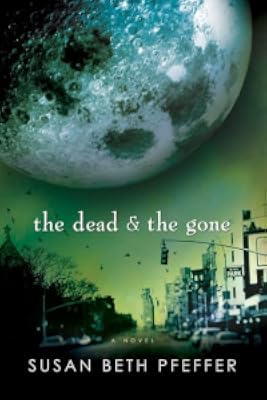
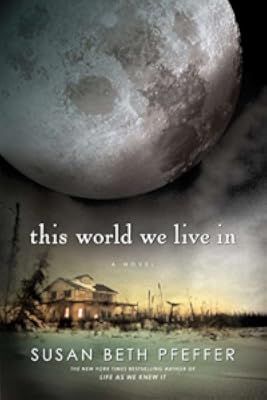
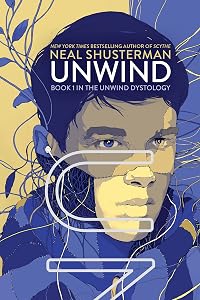
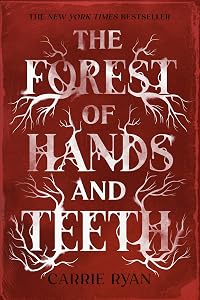
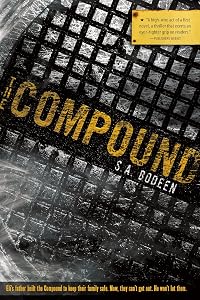
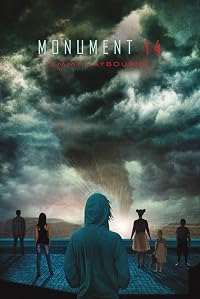




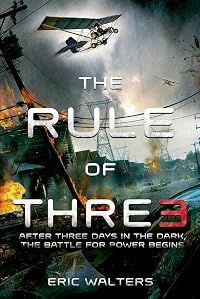
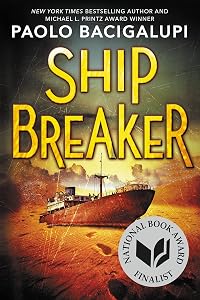
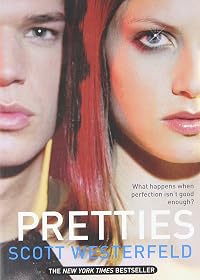
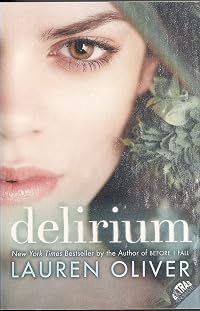
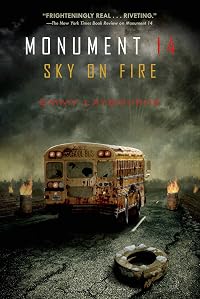
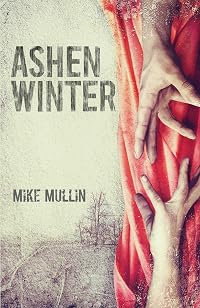
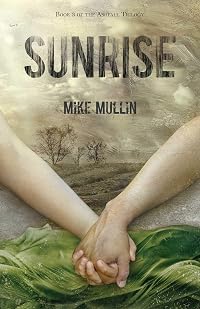
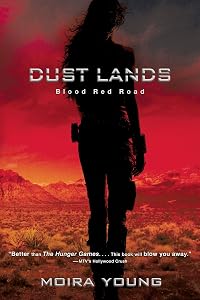
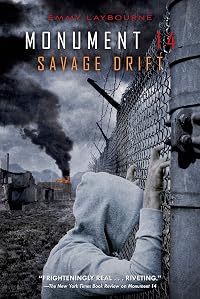
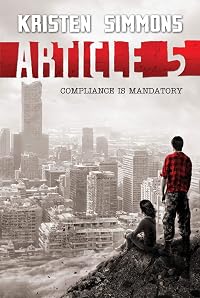
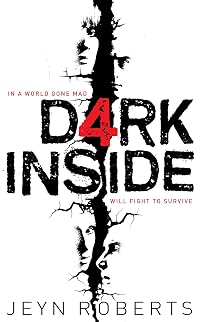
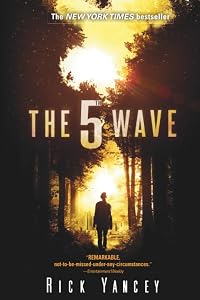
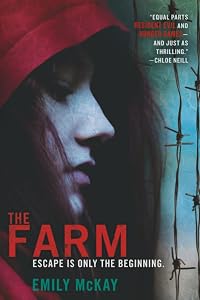
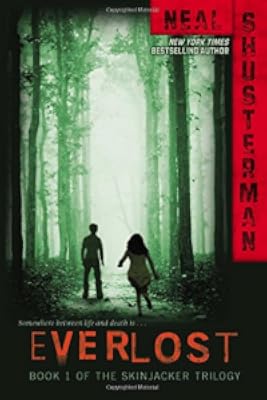
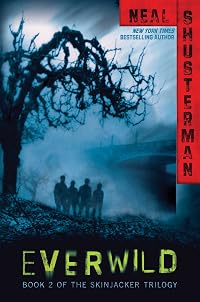
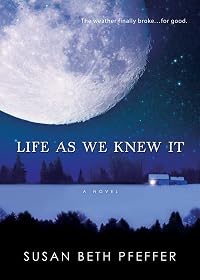
Member Recommendations
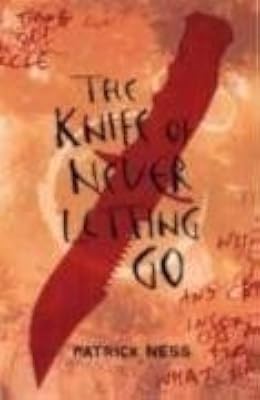
EmJay apocalyptic speculative fiction with teenage protagonists
Also recommended by kellyholmes
40
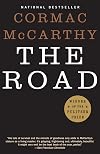
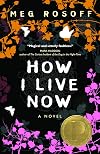
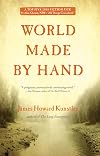
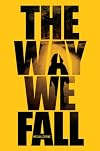
JRlibrary Both books deal with events that alter the way society works, and force people to either pitch in and help, or become selfish predators who care only for their own survival. Both are a bit slow to begin with, but build a very realistic portrayal of human behavior.
30
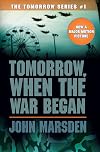
zimzimzoo John Marsden's YA classic of survival and growing up during WWIII is sure to please.
20
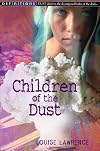
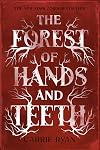
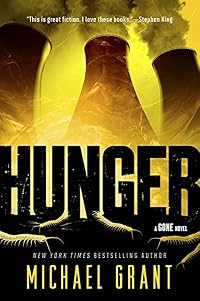
BrynDahlquis The apocalyptic/tragic plot is quite similar, though one has zombies and the other has a homicidal moon.
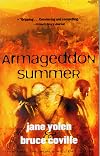
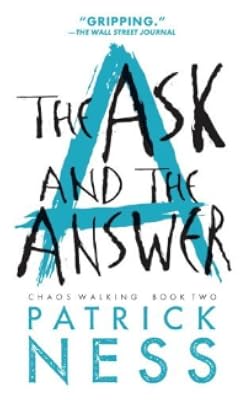
KMAnderson Another view of how people survive civilization-threatening (or -ending) disasters.


Found by June Oldham
by bookel
by kaledrina
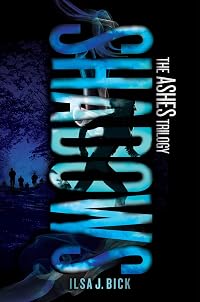
Aerrin99 A great book about a teen girl dealing with tragedy, with a strong first-person voice.
03
by bookel
Member Reviews
The reason I am giving this my highest rating is because I was fully invested in this book. I felt panic, dread, hopelessness; I smiled and became teary-eyed at the end. I was completely and totally IN this book, and that doesn't happen very often.
Miranda is 16 and has the usual teen angst that every girl does, but it wasn't off-putting, over done, and I didn't want to slap sense into her once. Matt was an excellent older brother character. I will admit that I wanted to slap the fire out of Jon sometimes, but he is probably a normal, self-absorbed 13-year-old boy.
Miranda's friends are very real people, too. One is a little loose with the boys and one is overly religious, which is just two sides to a coin that claims many teenagers.
The show more adult characters act like, surprise!, adults. They think of their children first, make hard decisions and sacrifices and still try to maintain some semblance of normalcy in extraordinary circumstances.
Bottom line: this may not be the stuff of science fiction, but a glimpse into our future. Nature and the universe hold together very carefully and specifically, and we all too often take for granted its constant presence. This book proved to be so intense for me that I will have to read a few in between before going to the next one in the series. But I will definitely read the others.
Highly recommended. show less
Miranda is 16 and has the usual teen angst that every girl does, but it wasn't off-putting, over done, and I didn't want to slap sense into her once. Matt was an excellent older brother character. I will admit that I wanted to slap the fire out of Jon sometimes, but he is probably a normal, self-absorbed 13-year-old boy.
Miranda's friends are very real people, too. One is a little loose with the boys and one is overly religious, which is just two sides to a coin that claims many teenagers.
The show more adult characters act like, surprise!, adults. They think of their children first, make hard decisions and sacrifices and still try to maintain some semblance of normalcy in extraordinary circumstances.
Bottom line: this may not be the stuff of science fiction, but a glimpse into our future. Nature and the universe hold together very carefully and specifically, and we all too often take for granted its constant presence. This book proved to be so intense for me that I will have to read a few in between before going to the next one in the series. But I will definitely read the others.
Highly recommended. show less
This book goes from zero to hell in only a few pages, and it gave me nightmares. It pushed every end-of-the-world anxiety button that I have: starvation, societal collapse, us-against-them, cults, the postapocalyptic role of women. It's a smart book, vicious with its characters, and it hits where it hurts. I devoured it in one sitting, afraid to keep reading but too compelled to stop. I ached to see the POV character go from a privileged teenager to a survivor. As a writer I found the ending kind of weak, a soft throw after pages of hardball, but as a reader I wanted it to end well. I wanted things to be okay for these characters, even if salvation came from the outside and felt a little like a cheat.
The Short of It:
After reading just a few pages, you won’t be able to put this one down. It’s scary at times but hopeful too.
The Rest of It:
I have read a lot of books about the end of the world. I’m not a morbid person but deep, deep down I do believe that something horrible could happen to the world as we know it. Fires, earthquakes, tsunamis (oh my!)…I had to toss that in there to lighten it up a bit. Anyway, with the weird weather patterns and the fear of a pandemic, Life As We Knew It is not all that farfetched. Really.
After the moon’s position is compromised by a meteor hit, Miranda and her family do their best to survive in a world that is completely different from what they’re used to. There are lots of things that I show more liked about this novel so I thought I’d stray from my usual format and make a list:
Miranda, at age 16, is very much a sixteen-year-old but emotionally strong when she needs to be.
Miranda’s mom is a sensible woman. I’ve read so many of these types of books where the mom is just the stereotypical “mom” and lacks any kind of common sense. Not the case here.
The family works together as a unit and it’s believable.
The other characters are actually important to the story and not just there to create conflict.
Pfeffer paints a realistic picture of what could happen given such a catastrophe. These characters are hungry and you feel it. As Miranda longs for a hot shower, you are reminded of how wonderful hot water can be. I mentioned above that it’s scary at times, scary as in “This could happen!”
Even though the subject matter is grim, there is a strong sense of hope throughout the story. This is incredibly hard to do but Pfeffer does it effortlessly.
Since this is a young adult book, I could easily see a teenager reading this and really thinking about how good they have it. As an adult, I know I spent many moments pondering what was on the page.
I was pleasantly surprised by this book. I expected it to be a page-turner, but I didn’t expect to care about the characters as much as I did and I didn’t expect to think about it days after reading it. show less
After reading just a few pages, you won’t be able to put this one down. It’s scary at times but hopeful too.
The Rest of It:
I have read a lot of books about the end of the world. I’m not a morbid person but deep, deep down I do believe that something horrible could happen to the world as we know it. Fires, earthquakes, tsunamis (oh my!)…I had to toss that in there to lighten it up a bit. Anyway, with the weird weather patterns and the fear of a pandemic, Life As We Knew It is not all that farfetched. Really.
After the moon’s position is compromised by a meteor hit, Miranda and her family do their best to survive in a world that is completely different from what they’re used to. There are lots of things that I show more liked about this novel so I thought I’d stray from my usual format and make a list:
Miranda, at age 16, is very much a sixteen-year-old but emotionally strong when she needs to be.
Miranda’s mom is a sensible woman. I’ve read so many of these types of books where the mom is just the stereotypical “mom” and lacks any kind of common sense. Not the case here.
The family works together as a unit and it’s believable.
The other characters are actually important to the story and not just there to create conflict.
Pfeffer paints a realistic picture of what could happen given such a catastrophe. These characters are hungry and you feel it. As Miranda longs for a hot shower, you are reminded of how wonderful hot water can be. I mentioned above that it’s scary at times, scary as in “This could happen!”
Even though the subject matter is grim, there is a strong sense of hope throughout the story. This is incredibly hard to do but Pfeffer does it effortlessly.
Since this is a young adult book, I could easily see a teenager reading this and really thinking about how good they have it. As an adult, I know I spent many moments pondering what was on the page.
I was pleasantly surprised by this book. I expected it to be a page-turner, but I didn’t expect to care about the characters as much as I did and I didn’t expect to think about it days after reading it. show less
When an asteroid is going to hit the moon, nobody took much notice because it wasn't supposed to do much - but, in fact, the asteroid was dense and knocked the moon off course, bringing it closer to earth. Within hours, the tides are wreaking havoc with tsunamis across the world, the electricity is starting to fail, and Miranda and her family find themselves in survival mode.
My reading tends more to the fantasy and teen dystopia side of science fiction, so this post-apocalyptic tale was a different sort of read for me and reminded me a bit of Alas, Babylon. Except, instead of a nuclear war that might have been preventable, we see the aftermath of a natural event that was absolutely no one's fault. I would have to read up on the science show more behind it, but I couldn't help but wonder if the fallout of one thing after another was an accurate "what could be" or a perfect storm of terrible events that have almost no chance of happening. While I liked Miranda for the most part and enjoyed her growth as she's forced to do things she never would have thought herself capable of, I questioned whether her family's complete isolation was necessary or even beneficial. In a way, the book raised more questions for me than it answered and it's hard to call such a bleak tale enjoyable, though there is some hope throughout, since it was such difficult reading. I'm not sorry I read it, but would only guardedly recommend it. show less
My reading tends more to the fantasy and teen dystopia side of science fiction, so this post-apocalyptic tale was a different sort of read for me and reminded me a bit of Alas, Babylon. Except, instead of a nuclear war that might have been preventable, we see the aftermath of a natural event that was absolutely no one's fault. I would have to read up on the science show more behind it, but I couldn't help but wonder if the fallout of one thing after another was an accurate "what could be" or a perfect storm of terrible events that have almost no chance of happening. While I liked Miranda for the most part and enjoyed her growth as she's forced to do things she never would have thought herself capable of, I questioned whether her family's complete isolation was necessary or even beneficial. In a way, the book raised more questions for me than it answered and it's hard to call such a bleak tale enjoyable, though there is some hope throughout, since it was such difficult reading. I'm not sorry I read it, but would only guardedly recommend it. show less
True confession time: I have a real jones for post-apocalyptic, survival, dystopian fiction. I eat it up! Part of the appeal for me is thinking through how I would react in a similar situation. I'm convinced I would be the last survivor, regardless of the situation. I think I would be very similar to Miranda's mom. Cool in a crisis, I would cash out everything and stockpile food and supplies to help my family survive. In Life As We Knew It, we view everything through Miranda's journal entries. She's immature, and scared, and doesn't always grasp the severity of the situation (naturally--she's 16). Suspend your disbelief as an asteroid hits the moon, moving it closer to the Earth. Chaos ensues. Nature is out of balance. And society as we show more know it collapses.
Now please excuse me as I go to the store to stockpile gallons of water and food for my pantry. 3 stars. show less
Now please excuse me as I go to the store to stockpile gallons of water and food for my pantry. 3 stars. show less
Let me begin by saying I'm a fan of the cheesy apocalypse movies. You meet some average guy who just happens to have all these crazy connections to the people who know what's actually going on, and through luck and circumstance, he ends up saving his entire family thanks to those connections.
Cheesy. Always Cheesy. But I love them... yet at the same time, other than the question of which characters are most expendible, you know the main guy will most likely make it through, and things will be fine in the end.
These books are NOT like that. Perhaps somewhat shockingly, these are young adult books... although the issues they deal with are very adult. Unlike the goofy movies about the end of the world, these books follow the lives of two show more different teenagers who *don't* have those magical connections that save their lives.
As I describe the plots of these books to friends and family, I keep getting the same reaction, "Wait... these books are meant for kids?"
This series deals heavily in the issues of Life, Death, Religion, Guilt, Sin, Pride, and on and on... and they do it well.
The books are meant to be read in the order of:
Life As We Knew It
The Dead And The Gone
This World We Live In
However, I read them in this order (at a friend's suggestion):
The Dead And The Gone
Life As We Knew It
This World We Live In
I think I kind of preferred them in the order I read them...
First off, the cataclysmic event that causes the Apocalypse is an asteroid crashing into the moon... it turns out that the object was more dense than scientists thought, and ends up pushing the moon closer to Earth. This sets off a chain reaction of tsunamis, earthquakes, floods, volcano erruptions, and on and on.
The main character in The Dead And The Gone, 17 year old Alex Morales, a Puerto Rican youth living in NYC with his family, really has no clue what's going on... he goes through the book and hears things by word of mouth... for me, his experience felt a little more realistic. He experiences true, heart-breaking loss and is forced to be a man much sooner than he expected. He is the one keeping his family alive, shouldering the responsibility, making what future he can.
In Life As We Knew It, the main character, Miranda (who is about Alex's age) is really a typical teenaged girl. She whines, fights with her mother, is greedy and thinks mostly of herself for quite a bit of the book. Miranda, unlike Alex, does not survive on her own skills, she lives because her Mother has an amazing survival instinct and does all of the right things the minute she *thinks* she might know what's happening. If Miranda had been in Alex's situation, she would have been dead... but that isn't to say Miranda is unlikable. She is an honest representation of a typical teenager, so for a reader such as myself, I could easily understand her motivations and the difficulty she had in grasping the seriousness of things... when "Mommy" was still there to take care of everything.
In the final book, the two characters and their families come together through random circumstance... and more apocalyptic revelries ensue... the author left it so that another book, if she wanted, could be written... but honestly, if she stays true to this premise, I'm ok with this being the last book, and I'm not sure I could bear to see what happens to these characters in another book.
These are not sugar coated apocalypse books. There is no magical ending where they find they know one of America's top climatologists, or the President of the United States or anything... these are people like you or I, regular people, and what happens to them when the world falls apart.
They are touching, heart breaking, heart warming, amazing books. I recommend them. show less
Cheesy. Always Cheesy. But I love them... yet at the same time, other than the question of which characters are most expendible, you know the main guy will most likely make it through, and things will be fine in the end.
These books are NOT like that. Perhaps somewhat shockingly, these are young adult books... although the issues they deal with are very adult. Unlike the goofy movies about the end of the world, these books follow the lives of two show more different teenagers who *don't* have those magical connections that save their lives.
As I describe the plots of these books to friends and family, I keep getting the same reaction, "Wait... these books are meant for kids?"
This series deals heavily in the issues of Life, Death, Religion, Guilt, Sin, Pride, and on and on... and they do it well.
The books are meant to be read in the order of:
Life As We Knew It
The Dead And The Gone
This World We Live In
However, I read them in this order (at a friend's suggestion):
The Dead And The Gone
Life As We Knew It
This World We Live In
I think I kind of preferred them in the order I read them...
First off, the cataclysmic event that causes the Apocalypse is an asteroid crashing into the moon... it turns out that the object was more dense than scientists thought, and ends up pushing the moon closer to Earth. This sets off a chain reaction of tsunamis, earthquakes, floods, volcano erruptions, and on and on.
The main character in The Dead And The Gone, 17 year old Alex Morales, a Puerto Rican youth living in NYC with his family, really has no clue what's going on... he goes through the book and hears things by word of mouth... for me, his experience felt a little more realistic. He experiences true, heart-breaking loss and is forced to be a man much sooner than he expected. He is the one keeping his family alive, shouldering the responsibility, making what future he can.
In Life As We Knew It, the main character, Miranda (who is about Alex's age) is really a typical teenaged girl. She whines, fights with her mother, is greedy and thinks mostly of herself for quite a bit of the book. Miranda, unlike Alex, does not survive on her own skills, she lives because her Mother has an amazing survival instinct and does all of the right things the minute she *thinks* she might know what's happening. If Miranda had been in Alex's situation, she would have been dead... but that isn't to say Miranda is unlikable. She is an honest representation of a typical teenager, so for a reader such as myself, I could easily understand her motivations and the difficulty she had in grasping the seriousness of things... when "Mommy" was still there to take care of everything.
In the final book, the two characters and their families come together through random circumstance... and more apocalyptic revelries ensue... the author left it so that another book, if she wanted, could be written... but honestly, if she stays true to this premise, I'm ok with this being the last book, and I'm not sure I could bear to see what happens to these characters in another book.
These are not sugar coated apocalypse books. There is no magical ending where they find they know one of America's top climatologists, or the President of the United States or anything... these are people like you or I, regular people, and what happens to them when the world falls apart.
They are touching, heart breaking, heart warming, amazing books. I recommend them. show less
Written as the journal of Miranda, a 16 year old girl living in the small town of Howell, PA, Life As I knew It starts ordinarily enough with Miranda's musing on school and friends and the lack of boyfriends, then almost casually she introduces a piece of news: a meteor is on a collision course to the moon.
Two days later the meteor hits the moon, and something goes terribly wrong: the impact sends the moon off its orbit and into a new one closer to Earth. The pull of this closer moon creates giant tides that wipe the coasts. Tsunamis, thunderstorms and volcanic eruptions ensues. And as the ashes hang over the earth blocking the sun, plants die and the world as we knew it is no more.
Because it is in journal form, what happens worldwide show more we learn sporadically as Miranda hears it on the radio, but mainly we learn what happens to Miranda, her mother, younger brother and their neighbor. And it is because their life was so normal before, so much like mine that I immersed myself so totally in their predicament and rooted for them as they struggled for food and warmth in their harsh, cold world.
The books are not perfect and the scientific explanations are somehow faulty, but the author has created characters so vivid that you can't but feel for them as if they were your own family.
A haunting story of survival I highly recommend. show less
Two days later the meteor hits the moon, and something goes terribly wrong: the impact sends the moon off its orbit and into a new one closer to Earth. The pull of this closer moon creates giant tides that wipe the coasts. Tsunamis, thunderstorms and volcanic eruptions ensues. And as the ashes hang over the earth blocking the sun, plants die and the world as we knew it is no more.
Because it is in journal form, what happens worldwide show more we learn sporadically as Miranda hears it on the radio, but mainly we learn what happens to Miranda, her mother, younger brother and their neighbor. And it is because their life was so normal before, so much like mine that I immersed myself so totally in their predicament and rooted for them as they struggled for food and warmth in their harsh, cold world.
The books are not perfect and the scientific explanations are somehow faulty, but the author has created characters so vivid that you can't but feel for them as if they were your own family.
A haunting story of survival I highly recommend. show less
Members
- Recently Added By
Lists

Recommended Apocalyptic Novels
53 works; 24 members

Best Dystopias
280 works; 277 members

Best Young Adult
399 works; 101 members

Best Post-Apocalyptic Stories
143 works; 88 members

Recommend the 20 best books you've read in the last five years
2,168 works; 601 members

Top Five Books of 2015
811 works; 240 members

Children's and YA Dystopias
123 works; 11 members

BingoDOG - Books With Natural Disasters: Fiction
39 works; 11 members

To Read
617 works; 7 members

Books Read in 2018
4,360 works; 110 members

6th Grade
68 works; 4 members

Favorite Science Fiction
456 works; 218 members
Talk Discussions
Past Discussions
Do I need to read Life as We Knew It before I read The Dead And The Gone? in Read YA Lit (June 2012)
Author Information

82+ Works 14,143 Members
Susan Beth Pfeffer was born in New York City in 1948, and grew up in the city and its nearby suburbs. At the age of six, when her father wrote and published a book, Pfeffer decided she, too, wanted to be a writer; that year, she wrote her first story. She didn't write her first published book, until much later. Just Morgan, a young adult novel, show more was written during her final semester at New York University, and published the following year. Since then, Pfeffer has been a full-time writer for young people. She has won numerous awards and citations for her work, which ranges from picture books to middle-grade and young-adult novels and includes both contemporary and historical fiction. Her young adult novel About David was awarded the South Carolina Young Adult Book Award. Her young adult novel The Year Without Michael, an ALA Best Book for Young Adults and winner of the South Carolina Young Adult Book Award, was named by the American Library Association as one of the hundred best books for teenagers written between 1968-1993. Pfeffer has also written a book for adults on writing for children. She has written over 60 books for children and young adults. (Bowker Author Biography) show less
Some Editions
Awards and Honors
Awards
Distinctions
Series

Work Relationships
Is contained in
Common Knowledge
- Canonical title
- Life as We Knew It
- Original publication date
- 2006-10-01
- People/Characters
- Miranda Evans; Matt Evans; Jonny Evans; Mom; Megan; Sammi (show all 15); Dan; Mrs. Nesbitt; Lisa; Dad; Peter; Brandon; Ms. Hammish; Michelle Webster; Sarah
- Important places
- Howell, Pennsylvania, USA
- Dedication
- For Marci Hanners and Carol Pierpoint
- First words
- May 7
Lisa is pregnant. - Quotations
- It was like one of those lists on the radio to let you know which schools were having snow days. Only instead of it being school districts in the area, it was whole cities, and it wasn't just snow. (24)
- Last words
- (Click to show. Warning: May contain spoilers.)But today, when I am 17 and warm and well fed, I'm keeping this journal for myself so I can always remember life as we knew it, life as we know it, for a time when I am no longer in the sunroom.
- Original language
- English
- Canonical DDC/MDS
- 823.92
- Canonical LCC
- PZ7.P44855
Classifications
- Genres
- Fiction and Literature, Teen, Young Adult, Science Fiction
- DDC/MDS
- 823.92 — Literature & rhetoric English & Old English literatures English fiction 1900- 2000-
- LCC
- PZ7 .P44855 — Language and Literature Fiction and juvenile belles lettres Fiction and juvenile belles lettres Juvenile belles lettres
- BISAC
Statistics
- Members
- 5,735
- Popularity
- 2,288
- Reviews
- 413
- Rating
- (3.97)
- Languages
- 5 — English, French, German, Polish, Portuguese
- Media
- Paper, Audiobook, Ebook
- ISBNs
- 29
- UPCs
- 1
- ASINs
- 9