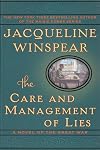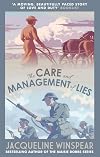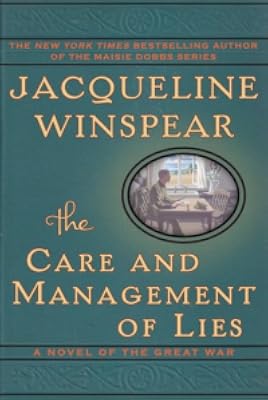
The Care and Management of Lies
by Jacqueline Winspear
On This Page
Description
The New York Times bestselling author of the Maisie Dobbs series turns her prodigious talents to this World War I standalone novel, a lyrical drama of love struggling to survive in a damaged, fractured world.By July 1914, the ties between Kezia Marchant and Thea Brissenden, friends since girlhood, have become strained—by Thea's passionate embrace of women's suffrage, and by the imminent marriage of Kezia to Thea's brother, Tom, who runs the family farm. When Kezia and Tom wed just a month show more before war is declared between Britain and Germany, Thea's gift to Kezia is a book on household management—a veiled criticism of the bride's prosaic life to come. Yet when Tom enlists to fight for his country and Thea is drawn reluctantly onto the battlefield, the farm becomes Kezia's responsibility. Each must find a way to endure the ensuing cataclysm and turmoil.
As Tom marches to the front lines, and Kezia battles to keep her ordered life from unraveling, they hide their despair in letters and cards filled with stories woven to bring comfort. Even Tom's fellow soldiers in the trenches enter and find solace in the dream world of Kezia's mouth-watering, albeit imaginary meals. But will well-intended lies and self-deception be of use when they come face to face with the enemy?
Published to coincide with the centennial of the Great War, The Care and Management of Lies paints a poignant picture of love and friendship strained by the pain of separation and the brutal chaos of battle. Ultimately, it raises profound questions about conflict, belief, and love that echo in our own time.
. show less
Tags
Recommendations



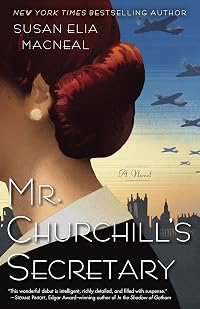
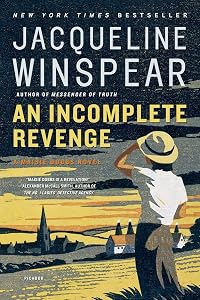
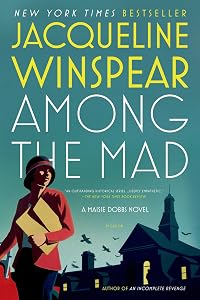
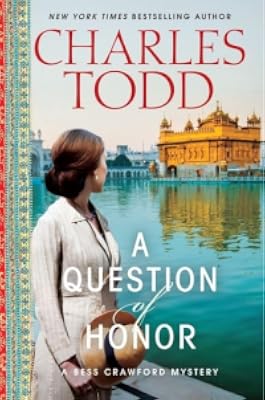

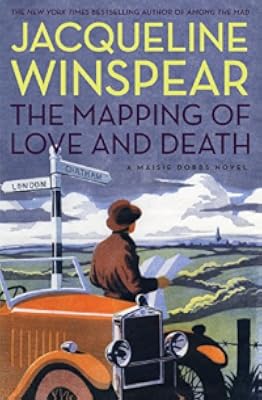
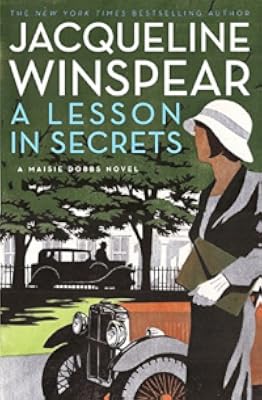

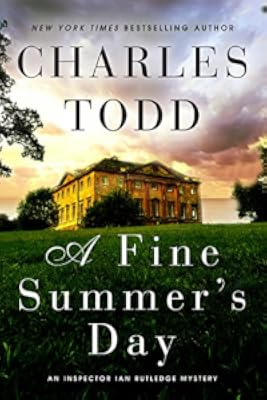
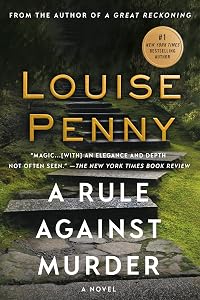



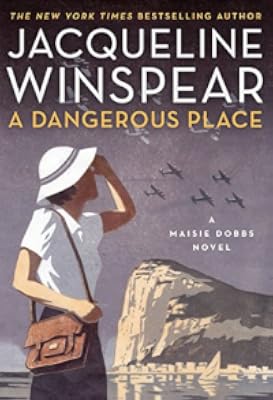
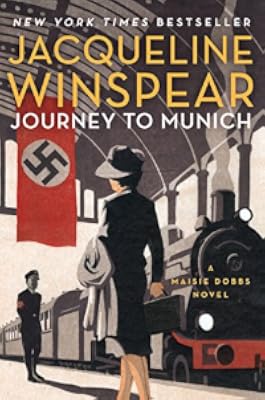

Member Recommendations
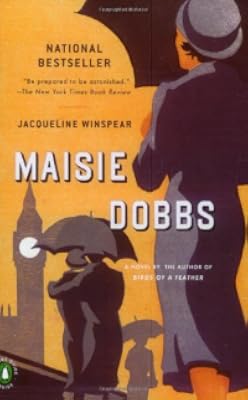
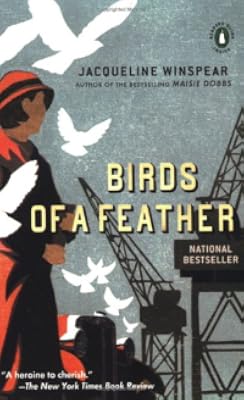
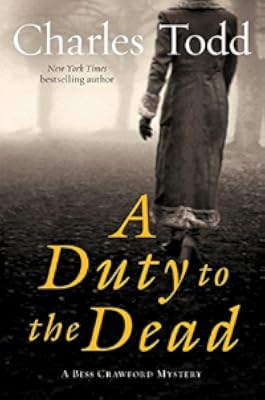
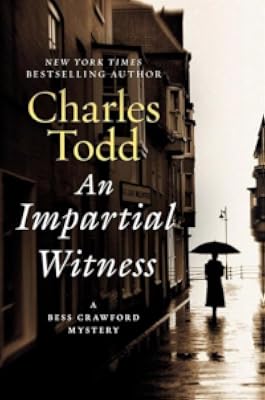
mysterymax Both books deal with both the men at war and the family at home.
Member Reviews
Jacqueline Winspear, author of the best-selling Maisie Dobbs series, steps into standalone territory with her latest book, set just before and during World War One.
Kezia and Dorrit (who now prefers to be known as Thea) have been best friends since they were schoolgirls, but their relationship isn’t as it once was. Kezia is to give up her teaching career to marry Thea’s brother and become a farmer’s wife. Thea, being a passionate supporter of women’s suffrage, is more than a little disappointed in her friend’s decision. And her wedding gift, a book on household management, reflects her very sentiment.
But Kezia actually puts it to good use, throwing herself wholeheartedly into her new role as wife and household management. She show more experiments with herbs and spices, rosemary being a favourite, surprising her husband Tom and the farm hands who are used to far simpler fare. Like pies. And who probably hadn’t seen a garnish (or even heard of the term) before.
But the war is soon upon them and Tom volunteers, along with most of the village men. Kezia’s letters – and her descriptions of the meals that she prepares for him in her imagination – serenade Tom and his fellow soldiers through the long and weary nights. Tom is having an especially hard time at the front, unfortunately scapegoated by a hardened career soldier who doesn’t like all these new recruits entering the war all fresh and unsavvy.
Thea too has volunteered as an ambulance driver, and even Kezia’s father, the Reverend Marchant, is ministering to the troops.
Such loyalty, such bravery as they soldier on in their own ways. Kezia pulling her own weight back home in England, whether it be by managing the farm and household, or keeping spirits up by sending her fruitcakes and letters to the warzone.
Kezia’s letters and meals are such a delight. Her adventures in householding may seem trivial to some but perhaps because I spend quite a bit of my time figuring out meals and reading about food and yes, daydreaming about meals, I am always thrilled to find descriptions of food in fiction.
The beginning cook starts out overcooking her meat, making too-doughy bread, ties up cauliflower with string for boiling. But goes on to impress everyone with her piquant meat pies, her spicy sweet walnut cakes. Her meals all made with love and devotion:
“It was as if Kezia had poured her heart into the cake, so that when Thea took a bite, which she did, later, with a cup of tea, she felt the old warmth of friendship return. She could taste companionship itself, and she longed for her beloved Kezzie to be there, in the room with her, crumbling the cake and counting out walnuts.”
One of the things that I really liked was how Winspear wrote in the various roles played in the war. Not just the soldiers, like Tom, in the trenches, but women like Thea driving the ambulances and being responsible for their maintenance and upkeep, and the Reverand Marchant, who crawls out onto no-man’s-land to offer last rites and lands a hand in the hospital tents. And those who remained in England, having to sacrifice their horses and their land to help with the war effort.
The story moves not only because of the pain and sadness of war, but also the way passage of time can alter friendships and change people. It may be a bit of a slow-moving narrative but it is heartfelt and poignant, especially on this 100th anniversary of the start of the First World War.
Originally posted at http://olduvaireads.wordpress.com/2014/06/03/tlc-book-tours-the-care-and-managem... show less
Kezia and Dorrit (who now prefers to be known as Thea) have been best friends since they were schoolgirls, but their relationship isn’t as it once was. Kezia is to give up her teaching career to marry Thea’s brother and become a farmer’s wife. Thea, being a passionate supporter of women’s suffrage, is more than a little disappointed in her friend’s decision. And her wedding gift, a book on household management, reflects her very sentiment.
But Kezia actually puts it to good use, throwing herself wholeheartedly into her new role as wife and household management. She show more experiments with herbs and spices, rosemary being a favourite, surprising her husband Tom and the farm hands who are used to far simpler fare. Like pies. And who probably hadn’t seen a garnish (or even heard of the term) before.
But the war is soon upon them and Tom volunteers, along with most of the village men. Kezia’s letters – and her descriptions of the meals that she prepares for him in her imagination – serenade Tom and his fellow soldiers through the long and weary nights. Tom is having an especially hard time at the front, unfortunately scapegoated by a hardened career soldier who doesn’t like all these new recruits entering the war all fresh and unsavvy.
Thea too has volunteered as an ambulance driver, and even Kezia’s father, the Reverend Marchant, is ministering to the troops.
Such loyalty, such bravery as they soldier on in their own ways. Kezia pulling her own weight back home in England, whether it be by managing the farm and household, or keeping spirits up by sending her fruitcakes and letters to the warzone.
Kezia’s letters and meals are such a delight. Her adventures in householding may seem trivial to some but perhaps because I spend quite a bit of my time figuring out meals and reading about food and yes, daydreaming about meals, I am always thrilled to find descriptions of food in fiction.
The beginning cook starts out overcooking her meat, making too-doughy bread, ties up cauliflower with string for boiling. But goes on to impress everyone with her piquant meat pies, her spicy sweet walnut cakes. Her meals all made with love and devotion:
“It was as if Kezia had poured her heart into the cake, so that when Thea took a bite, which she did, later, with a cup of tea, she felt the old warmth of friendship return. She could taste companionship itself, and she longed for her beloved Kezzie to be there, in the room with her, crumbling the cake and counting out walnuts.”
One of the things that I really liked was how Winspear wrote in the various roles played in the war. Not just the soldiers, like Tom, in the trenches, but women like Thea driving the ambulances and being responsible for their maintenance and upkeep, and the Reverand Marchant, who crawls out onto no-man’s-land to offer last rites and lands a hand in the hospital tents. And those who remained in England, having to sacrifice their horses and their land to help with the war effort.
The story moves not only because of the pain and sadness of war, but also the way passage of time can alter friendships and change people. It may be a bit of a slow-moving narrative but it is heartfelt and poignant, especially on this 100th anniversary of the start of the First World War.
Originally posted at http://olduvaireads.wordpress.com/2014/06/03/tlc-book-tours-the-care-and-managem... show less
When I first learned that this was not the latest book in Winspear's Maisie Dobbs series, I did feel a moment of disappointment. I've grown to love Maisie, and I look forward to seeing how her life changes; however, this book-- written to coincide with the centenary of World War I-- is about one of my favorite time periods, and I wasn't about to ignore it. I'm glad I didn't.
This elegiac and slow-moving narrative was inspired by a book Winspear found in a London book stall. The battered book on household management was inscribed to a bride on the occasion of her wedding in July 1914, and Winspear couldn't help but wonder about the changes that young woman's life underwent in the succeeding years. In The Care and Management of Lies, we show more see the hardworking, honorable and compassionate Tom enlisting after several of his farm workers do. (The war was going to be over by Christmas after all.) Kezia, a vicar's daughter totally unused to the workings of a prosperous farm, is left to carry on with the help of a couple of the old and disabled and a variety of workers brought in to make do. Thea reluctantly finds herself learning how to repair ambulances and driving them back and forth to the front lines. Each, in his or her own way, depends on letters and care packages from the others to help them cope with the seemingly overwhelming difficulties and horrors of what they must do.
Kezia, the only one of the three left behind, finds herself the primary caregiver to the other two. Her letters to Tom become eagerly awaited items by Tom's entire outfit. In them, she describes in detail the meals she has lovingly prepared for her husband, and while Tom reads them aloud to his mates, each one is comforted by the memories these words from home evoke. Kezia sends care packages containing food and small items that Tom and Thea need, and her words bring love and respite. None of the three tell the truth of what they are facing. All three want to shield the others with loving lies and omissions.
As I said at the beginning, this book is slow moving, and it's not about Maisie, but there's gold to be found in the pages. If you love food, you're going to love Kezia's descriptions of the meals she prepares-- they can make your mouth water. There's quite a bit about those meals, but I didn't find it repetitive. Kezia uses those descriptions to care for those she loves in the only way she can, and as you read about her life on the farm, it's easy to see that, in the writing of them, she's taking herself away from reality for a while, too.
Winspear brings the reality of war in the trenches and living with men from all levels of society to life in all its smells, pettiness, filth, horror, and heroism. The relationships between Tom and the other soldiers show so much of the human condition. By book's end I realized that I had just read about the trial by fire of a generation who would go on to "keep calm and carry on" twenty years down the road. This is a lyrical and sobering book indeed. show less
This elegiac and slow-moving narrative was inspired by a book Winspear found in a London book stall. The battered book on household management was inscribed to a bride on the occasion of her wedding in July 1914, and Winspear couldn't help but wonder about the changes that young woman's life underwent in the succeeding years. In The Care and Management of Lies, we show more see the hardworking, honorable and compassionate Tom enlisting after several of his farm workers do. (The war was going to be over by Christmas after all.) Kezia, a vicar's daughter totally unused to the workings of a prosperous farm, is left to carry on with the help of a couple of the old and disabled and a variety of workers brought in to make do. Thea reluctantly finds herself learning how to repair ambulances and driving them back and forth to the front lines. Each, in his or her own way, depends on letters and care packages from the others to help them cope with the seemingly overwhelming difficulties and horrors of what they must do.
Kezia, the only one of the three left behind, finds herself the primary caregiver to the other two. Her letters to Tom become eagerly awaited items by Tom's entire outfit. In them, she describes in detail the meals she has lovingly prepared for her husband, and while Tom reads them aloud to his mates, each one is comforted by the memories these words from home evoke. Kezia sends care packages containing food and small items that Tom and Thea need, and her words bring love and respite. None of the three tell the truth of what they are facing. All three want to shield the others with loving lies and omissions.
As I said at the beginning, this book is slow moving, and it's not about Maisie, but there's gold to be found in the pages. If you love food, you're going to love Kezia's descriptions of the meals she prepares-- they can make your mouth water. There's quite a bit about those meals, but I didn't find it repetitive. Kezia uses those descriptions to care for those she loves in the only way she can, and as you read about her life on the farm, it's easy to see that, in the writing of them, she's taking herself away from reality for a while, too.
Winspear brings the reality of war in the trenches and living with men from all levels of society to life in all its smells, pettiness, filth, horror, and heroism. The relationships between Tom and the other soldiers show so much of the human condition. By book's end I realized that I had just read about the trial by fire of a generation who would go on to "keep calm and carry on" twenty years down the road. This is a lyrical and sobering book indeed. show less
I had no idea until I turned the first few pages that Jacqueline Winspear's newest book, The Care and Management of Lies, was not an entry in the Maisie Dobbs series. Not that it mattered - I knew I would enjoy whatever story Winspear had written.
The author's notes at the beginning of the book piqued my interest right away.
"...on weekends I worked at a friend's stall on London's Portobello Road market. It was on one of my expeditions to find more stock for the stall that I came across a book on household management...More than anything it was the inscription that made me linger, for the book had been given to a young woman on the occasion of her wedding in July 1914 - just before the outbreak of what became known as the Great War."
show more Kezia has known Tom since coming home to visit from boarding school with his sister Thea. Their gentle friendship has blossomed over the years, growing into a love that is sure and steady. Thea gives Kezia 'The Woman's Book' as a wedding gift. There is more than a hint of a barb in her choice of gift. Thea thinks Kezia will be bored as a farmer's wife and is disappointed that she is giving up her career and life in the city.
But Kezia is sure of her choice and settles into life as a farmer's wife. Not without some bumps though - she has never cooked before. But Tom is happy no matter what she serves. Thea is pursuing her interests as well - she is part of the suffragette movement.
But their lives all change when Britain declares war on Germany. And Tom enlists.
Oh my, the letters between the two had me in tears. The love expressed between Kezia and Tom is heart wrenching. Winspear's choice to use food and meals as part of that expression is inspired.
Just as heart wrenching is the depiction of war and it's effects. Winspear is incredibly accomplished at bringing this time period to life. Her settings and descriptions of time and place create a vivid backdrop for her plot. The social customs, manners and mores of the times are all faithfully observed in Winspear's writing.
But it is the characters that bring the story to life. I became so invested in Kezia's life - her joy and sadness, her determination, her kindness and more. She seemed so real. Tom was just as well drawn. Thea was a prickly character, more difficult to like, but provided an alternate view on war.
Each chapter is prefaced with an excerpt from The Woman's Book, that relates directly to the chapter. I find historical views on women's roles fascinating.
From that inscription in an old book, Winspear has brilliantly imagined a war bride and groom and their love - and losses.....have an tissue box close by. Historical fiction fans, you'll want to add The Care and Management of Lies to your summer must read list. show less
The author's notes at the beginning of the book piqued my interest right away.
"...on weekends I worked at a friend's stall on London's Portobello Road market. It was on one of my expeditions to find more stock for the stall that I came across a book on household management...More than anything it was the inscription that made me linger, for the book had been given to a young woman on the occasion of her wedding in July 1914 - just before the outbreak of what became known as the Great War."
show more Kezia has known Tom since coming home to visit from boarding school with his sister Thea. Their gentle friendship has blossomed over the years, growing into a love that is sure and steady. Thea gives Kezia 'The Woman's Book' as a wedding gift. There is more than a hint of a barb in her choice of gift. Thea thinks Kezia will be bored as a farmer's wife and is disappointed that she is giving up her career and life in the city.
But Kezia is sure of her choice and settles into life as a farmer's wife. Not without some bumps though - she has never cooked before. But Tom is happy no matter what she serves. Thea is pursuing her interests as well - she is part of the suffragette movement.
But their lives all change when Britain declares war on Germany. And Tom enlists.
Oh my, the letters between the two had me in tears. The love expressed between Kezia and Tom is heart wrenching. Winspear's choice to use food and meals as part of that expression is inspired.
Just as heart wrenching is the depiction of war and it's effects. Winspear is incredibly accomplished at bringing this time period to life. Her settings and descriptions of time and place create a vivid backdrop for her plot. The social customs, manners and mores of the times are all faithfully observed in Winspear's writing.
But it is the characters that bring the story to life. I became so invested in Kezia's life - her joy and sadness, her determination, her kindness and more. She seemed so real. Tom was just as well drawn. Thea was a prickly character, more difficult to like, but provided an alternate view on war.
Each chapter is prefaced with an excerpt from The Woman's Book, that relates directly to the chapter. I find historical views on women's roles fascinating.
From that inscription in an old book, Winspear has brilliantly imagined a war bride and groom and their love - and losses.....have an tissue box close by. Historical fiction fans, you'll want to add The Care and Management of Lies to your summer must read list. show less
This is a very in-the-moment story of the First World War. As you might expect from Winspear, this isn't a big action story. Rather, it's about the relationships between the characters, old school friends Kezia Marchant and Thea Brissenden, and their maturation into adults as they face the trials that come with a nation entering war. It's quiet and poignant, heartbreaking but also uplifting. It's a reminder that no lives were left untouched but that many people rose to the occasion and became the best version of themselves that they could be during a dark time. Winspear is really an expert at bringing this period of history to life.
http://webereading.com/2014/07/new-release-care-and-management-of-lies.html
http://webereading.com/2014/07/new-release-care-and-management-of-lies.html
I can only write this review after my tears have stopped falling and I have recovered my composure. What a lovely, lovely book. Winspear, whose Maisie Dobbs series has captivated me, diverges to a stand alone novel set at the beginning of WWI. Two best friends, one of whom has married the other's brother, must face the monumental changes which accompany the advent of the war. One becomes an ambulance driver and the other manages her husband's family farm. Juxtaposed throughout the novel are the "words of wisdom" found in a wedding gift from one friend to the other, "A Woman's Book" , which is filled with the proper choices and paths for any woman of breeding and the reality in which these two young women are living. The events show more chronicled in this story create a fascinating context for the reading of those words of womanly wisdom, written before female wartime ambulance drivers and females running farms. Another highlight of this novel are the letters sent back and forth from the husband and wife, from the farm to the war front and back again. They are poignant, unusual, and I don't want to spoil them for potential readers. Suffice to say that they become beloved by the husband's regiment and even the aristocratic officer in charge who must act as censor. Just read it or even better, listen to it. Soon! show less
Jacqueline Winspear takes time off from her Maisie Dobbs mystery series (but not forever one hopes) to write a novel of World War I. Kezia Marchant and Thea Brissenden have been friends since they were both scholarship students at an ENglish girls' boarding school, but lately have been going apart. Thea has become in volved in social movements - specifically the militant suffragette movement - while Kezia is taking the more traditional route of marriage to Thea's brother, Tom. Thea's wedding "gift" to Kezia of a copy of The Woman's Book, a 1911 book on household management is her not so veiled criticism of Kezia's decision to abandon her independent life for one of what Thea regards as drudgery. Also unspoken is Thea's jealousyin show more Kezia's supplanting of herself in her brother's affections.
When war is declared a month after the marriage, Kezia and Tom initially ignore it, concentrating instead on keeping the farm going and providing food for both the army and the civilian population. Thea, true to form, finds herself gravitating towards the pacifist movement despite the danger of being arrested for sedition.
When Tom decides that he must enlist, it is mild-mannered Kezia who finds inner strength to keep the farm running on her own as well as writing letters to her husband to take his mind away from the horrors of war. She writes of all the delicious dinners she is cooking for him - letters that cher not only Tom, but also his mates in the regiment. Kezia does not write to Tom about the growing food shortages, her too the bone weariness at the unending farm work, not the fact that they have cut down their apple orchard under orders from the government. Neither does Tom write to Kezia about the horrors of the war or of the sadistic sargeant who has singled out Tom as the regimental scapegoat. Instead, each attempts to comfort the other. Similarly, when Thea has to enlist as an ambulance drover to avoid arrest for her pacifist activities, her letters to both Tome and Kezia reveal little of her true thoughts and feelings.
Beautifully written, The Care and Management of Lies is a bittersweet story of love and friendship that is strained by separation and the brutality of war. Highly recommended. show less
When war is declared a month after the marriage, Kezia and Tom initially ignore it, concentrating instead on keeping the farm going and providing food for both the army and the civilian population. Thea, true to form, finds herself gravitating towards the pacifist movement despite the danger of being arrested for sedition.
When Tom decides that he must enlist, it is mild-mannered Kezia who finds inner strength to keep the farm running on her own as well as writing letters to her husband to take his mind away from the horrors of war. She writes of all the delicious dinners she is cooking for him - letters that cher not only Tom, but also his mates in the regiment. Kezia does not write to Tom about the growing food shortages, her too the bone weariness at the unending farm work, not the fact that they have cut down their apple orchard under orders from the government. Neither does Tom write to Kezia about the horrors of the war or of the sadistic sargeant who has singled out Tom as the regimental scapegoat. Instead, each attempts to comfort the other. Similarly, when Thea has to enlist as an ambulance drover to avoid arrest for her pacifist activities, her letters to both Tome and Kezia reveal little of her true thoughts and feelings.
Beautifully written, The Care and Management of Lies is a bittersweet story of love and friendship that is strained by separation and the brutality of war. Highly recommended. show less
BOOKLIST describes this as "A moving, beautifully paced story of love and duty." Indeed it is. It is so slow as to almost be unassuming. Until suddenly you realize what it happening. Time is taking its time in the lives of these people. Through letters, interspersed with descriptions of the reality of daily living both in war-torn France and home-front Kent, the reader gets to know the importance of the care and management of lies. Once again, Jacqueline Winspear has brought home the tragedy and futility of the Great War on the home front and the war front. Throughout the Maisie Dobbs series, the word "honor" and "duty" are used in ways which I cannot grasp but have to accept as being the "mindset" of officials and public alike. In this show more book, those words are brought home into the lives of these characters and take on a deeper meaning. Honest, hard-working, upstanding and believing in duty and honor, these characters give credence to the meaning of the words. That being said, I had to read this book very slowly not wanting to read what I knew I would have to read, at the end. I am not sure about my conclusion but I think that perhaps Kezia will still have to be maintaining the care and management of lies for some time ahead. Kudos to Andrew Davidson for the cover illustration. show less
Members
- Recently Added By
Lists

Best War Stories
87 works; 16 members

World War I Fiction
94 works; 15 members

Books Read in 2015
3,299 works; 129 members

Favorite Books Published in 2014
27 works; 7 members
Author Information

33+ Works 32,574 Members
Jacqueline Winspear was born in the county of Kent, England. She was educated at the University of London's Institute of Education. After graduation, she worked in academic publishing, in higher education, and in marketing communications in the UK. In 1990, she emigrated to the United States. She was working in business and as a show more personal/professional coach when she decided to try writing. Her first novel, Maisie Dobbs, won the Agatha Award for Best First novel, the Macavity Award for Best First Novel, and the Alex Award. She is the author of the Maisie Dobbs Mystery series. She has also won the Agatha Award for Best Novel, the inaugural Sue Feder/Macavity Award for Best Historical Mystery, and the Bruce Alexander Award for Best Historical Mystery. Her title, A Dangerous Place, made The New York Times High Profile titles list. Journey to Munich, a book in the Maisie Dobbs Series, made the New York Times bestseller list in 2016. (Bowker Author Biography) show less
Awards and Honors
Awards
Common Knowledge
- Canonical title
- The Care and Management of Lies
- Original publication date
- 2014-07-01
- People/Characters
- Kezia Marchant Brissenden; Tom Brissenden; Thea Brissenden; Edmund Hawkes; Sergeant Knowles
- Important places
- Kent, England, UK
- Important events
- World War I (1914 | 1918)
- Epigraph
- What is certain, is that war will not leave us as it found us.
WOMAN AT HOME
February 1915 - Dedication
- To Amy
With love and gratitude always - First words
- The country was in the early weeks of a summer that would become memorable for its warmth and, despite worries farther afield, there was a sense of being cocooned in Englishness.
- Last words
- (Click to show. Warning: May contain spoilers.)"Eat, Frederick," said Kezia Brissenden. "Please. I want you to eat."
- Blurbers
- Wouk, Herman; Livesey, Margot; Smith, Martin Cruz; Hochschild, Adam
- Original language
- English
Classifications
Statistics
- Members
- 714
- Popularity
- 39,866
- Reviews
- 35
- Rating
- (3.72)
- Languages
- English
- Media
- Paper, Audiobook, Ebook
- ISBNs
- 24
- UPCs
- 1
- ASINs
- 8