

On This Page
Description
Well loved by readers in the Victorian era and today, Anthony Trollope's series of novels known as the Chronicles of Barsetshire have delighted and engaged audiences for over 150 years. Doctor Thorne is the third novel in the collection. Although the primary plot follows the romantic ups and downs of a country doctor, the novel also tackles tough social issues of the day, include the problem of illegitimacy and the difficult lives of children born out of wedlock during the period..
Tags
Recommendations
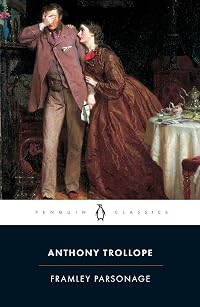
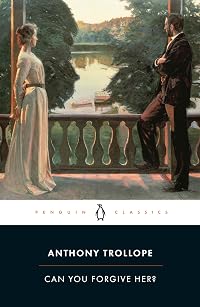
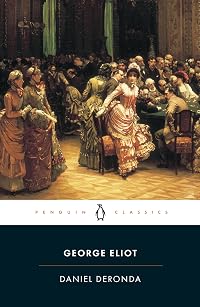
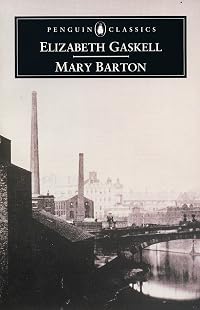















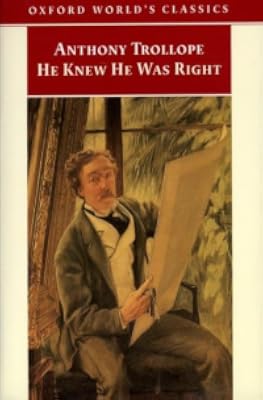

Member Recommendations
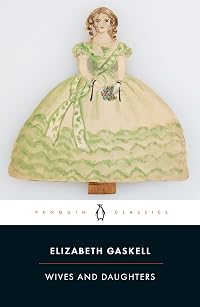
atimco Trollope has an Austenesque eye for his characters' motivations and inconsistencies, and his Mary Thorne and Austen's Elizabeth Bennett have much in common. Both are persecuted on the basis of low birth and lack of wealth by an older female relative of their love interest. Both novels are thoroughly enjoyable!
40
atimco Trollope's Mary Thorne and Gaskell's Molly Gibson have much in common: both their father-figures are country doctors with connections to the local nobility, both fall in love with a man above them in station and wealth, both face undeserved public shame in their social circles, and both are sensible, intelligent heroines.
20

morryb Both tell of the struggle of adopting a child and letting go later on.
morryb Both speak to the struggle of adopting a child and then letting them up later.
Member Reviews
In his introduction to this edition of Doctor Thorne, David Skilton quotes from the October, 1863, edition of Saturday Review: “Mr. Trollope has, in fact, established his novels as the novels of the day, and his is the picture of English life which, for a brief space at least, will be accepted as true by those who wish to see English life represented in fiction.” In Doctor Thorne Trollope focuses his picture on the small village of Greshamsbury and the estate of the Gresham family in fictitious Barsetshire.
Having moved westward from Barchester in this third novel in the Chronicles of Barsetshire, Trollope begins the story with a thorough description of Greshamsbury, its history and its inhabitants. Such an experience of being show more immersed in an unfamiliar setting, meeting its populace, learning about their economic and social situations and their relationships with one another is one of the greatest pleasures I have in reading novels. And Trollope does this “world building” so very well.
It is clear from the novel’s opening chapters that plot and action will be of less significance than character and theme. The story’s main conflict emerges from the love of Frank Gresham, son and heir of the local squire, for Mary Thorne, the portionless niece of the local doctor. In addition to her lack of wealth, Mary is also the child of a rape, and thus unsuited by by “blood,” as well as by financial status, to marry into the Squirearchy. Moreover, Frank’s father, because of poor management of his expenses (especially of his wife’s) has had to sell a favorite portion of his land and to mortgage the rest, so Frank must “marry money” if the property is to remain in Gresham hands. Frank loves his father devotedly and to follow his father’s wishes would mean giving up Mary Thorne. There might have been much suspense in the novel if Trollope, in his role of omniscient narrator, had not in the first chapter assured readers that “I am too old now to be a hard-hearted author and so it is probable that Frank will not die of a broken heart.” Confident in the novel’s happy ending, readers are free to pay attention to character and theme.
Dr. Thorne is filled with characters who caught my interest. Dr. Thorne himself, the novel’s hero, is fascinating and thoroughly sympathetic. He is very good at his profession, a dedicated and sensible physician. He is filled with integrity and is loyal to those he loves. However, there is a little streak of pride and stubbornness in him: though he himself earns his own bread and Mary’s by his profession, he is quite proud of his family connections with the Thornes of Ullathorne, and will not tolerate being patronised. I enjoyed watching the young lovers Mary and Frank mature over the course of the novel, each becoming more worthy of the other. I sympathized with Sir Roger Scatcherd, the extremely wealthy former stone mason, who was miserable in his elevated position. And perhaps my favorite character was Miss Dunstable, the “ointment of Lebanon” heiress, whose hand in marriage Frank is instructed by his mother and aunt to win. Miss Dunstable turns out to be a sensible, good humored, and good hearted woman, and she develops a real fondness for Frank. She is the only one who openly supports his love for Mary. The De Courcy family including Frank’s mother, the Lady Arabella, are treated satirically to show their misplaced priorities. They claim to value “good blood” and family over all else, especially in potential marriage partners, but it is made clear that in their world money and power are the real objects. The interactions between Augusta Gresham and her snooty cousin Lady Amelia de Courcy are entertaining until the true hypocrisy of the De Courcys is revealed: Lady Amelia marries the suitor she had persuaded Augusta to reject.
Two major themes of the novel stood out to me, one being that happiness is not bound up in wealth and position, the other that a person’s value is to be found in character, not in pedigree. I admired Doctor Thorne, Mary, and Frank for their refusal to consider money or lineage as all-important. And those who adhered to those false values, instead of being raised to the status of villains, seemed either laughable or pitiable.
I’d like to spend more time in Barsetshire and so will probably read the last three novels in the Chronicles. I give Doctor Thorne a rating of 4 stars. show less
Having moved westward from Barchester in this third novel in the Chronicles of Barsetshire, Trollope begins the story with a thorough description of Greshamsbury, its history and its inhabitants. Such an experience of being show more immersed in an unfamiliar setting, meeting its populace, learning about their economic and social situations and their relationships with one another is one of the greatest pleasures I have in reading novels. And Trollope does this “world building” so very well.
It is clear from the novel’s opening chapters that plot and action will be of less significance than character and theme. The story’s main conflict emerges from the love of Frank Gresham, son and heir of the local squire, for Mary Thorne, the portionless niece of the local doctor. In addition to her lack of wealth, Mary is also the child of a rape, and thus unsuited by by “blood,” as well as by financial status, to marry into the Squirearchy. Moreover, Frank’s father, because of poor management of his expenses (especially of his wife’s) has had to sell a favorite portion of his land and to mortgage the rest, so Frank must “marry money” if the property is to remain in Gresham hands. Frank loves his father devotedly and to follow his father’s wishes would mean giving up Mary Thorne. There might have been much suspense in the novel if Trollope, in his role of omniscient narrator, had not in the first chapter assured readers that “I am too old now to be a hard-hearted author and so it is probable that Frank will not die of a broken heart.” Confident in the novel’s happy ending, readers are free to pay attention to character and theme.
Dr. Thorne is filled with characters who caught my interest. Dr. Thorne himself, the novel’s hero, is fascinating and thoroughly sympathetic. He is very good at his profession, a dedicated and sensible physician. He is filled with integrity and is loyal to those he loves. However, there is a little streak of pride and stubbornness in him: though he himself earns his own bread and Mary’s by his profession, he is quite proud of his family connections with the Thornes of Ullathorne, and will not tolerate being patronised. I enjoyed watching the young lovers Mary and Frank mature over the course of the novel, each becoming more worthy of the other. I sympathized with Sir Roger Scatcherd, the extremely wealthy former stone mason, who was miserable in his elevated position. And perhaps my favorite character was Miss Dunstable, the “ointment of Lebanon” heiress, whose hand in marriage Frank is instructed by his mother and aunt to win. Miss Dunstable turns out to be a sensible, good humored, and good hearted woman, and she develops a real fondness for Frank. She is the only one who openly supports his love for Mary. The De Courcy family including Frank’s mother, the Lady Arabella, are treated satirically to show their misplaced priorities. They claim to value “good blood” and family over all else, especially in potential marriage partners, but it is made clear that in their world money and power are the real objects. The interactions between Augusta Gresham and her snooty cousin Lady Amelia de Courcy are entertaining until the true hypocrisy of the De Courcys is revealed: Lady Amelia marries the suitor she had persuaded Augusta to reject.
Two major themes of the novel stood out to me, one being that happiness is not bound up in wealth and position, the other that a person’s value is to be found in character, not in pedigree. I admired Doctor Thorne, Mary, and Frank for their refusal to consider money or lineage as all-important. And those who adhered to those false values, instead of being raised to the status of villains, seemed either laughable or pitiable.
I’d like to spend more time in Barsetshire and so will probably read the last three novels in the Chronicles. I give Doctor Thorne a rating of 4 stars. show less
Although romance is at the center of Doctor Thorne, the male protagonist, Doctor Thorne, is not the romantic lead. He's the uncle of Mary Thorne, who comes to live with him in her early adolescence. Unknown to almost everyone except Doctor Thorne and the reader, Mary is the illegitimate daughter of Thorne's brother and a working class girl. Mary is allowed to continue her education with the Gresham children, whose father, the squire, is the leading figure in local society. Inevitably, the squire's only son and heir, Frank, falls in love with Mary. However, Frank isn't free to marry whomever he chooses. Because of the squire's financial problems, the family insists that Frank must marry money, leaving Frank with an impossible choice. Why show more won't Doctor Thorne intervene? He and the reader know something that the other characters don't, something that might change everything...
There are similarities between Mary Thorne's situation and Harriet Smith's situation in Emma. Emma ignored Harriet's lack of family connection and wealth and encouraged Harriet to aspire to marry above her station, almost ensuring that Harriet wouldn't marry at all. Doctor Thorne was less impulsive than Emma, but no less at fault. Harriet was of marriageable age when Emma took her on as a matchmaking project. Mary was still a child when she came to live with her uncle. He failed to think about what would happen when Mary reached adulthood.
This was a tiny bit of a letdown after Barchester Towers. I missed the church politics and all of the wonderfully flawed characters in the ranks of the clergy. The de Courcy women, including Lady Arabella Gresham, could learn a thing or two from Mrs. Proudie. Still, it's Trollope so it's entertaining and at times laugh-out-loud funny. Even the names of the characters can bring a smile to your face – Miss Gushing, Dr. Fillgrave, Mr. Reddypalm, Mr. Nearthewinde. Readers who enjoy Victorian historical fiction should give Trollope a try. show less
There are similarities between Mary Thorne's situation and Harriet Smith's situation in Emma. Emma ignored Harriet's lack of family connection and wealth and encouraged Harriet to aspire to marry above her station, almost ensuring that Harriet wouldn't marry at all. Doctor Thorne was less impulsive than Emma, but no less at fault. Harriet was of marriageable age when Emma took her on as a matchmaking project. Mary was still a child when she came to live with her uncle. He failed to think about what would happen when Mary reached adulthood.
This was a tiny bit of a letdown after Barchester Towers. I missed the church politics and all of the wonderfully flawed characters in the ranks of the clergy. The de Courcy women, including Lady Arabella Gresham, could learn a thing or two from Mrs. Proudie. Still, it's Trollope so it's entertaining and at times laugh-out-loud funny. Even the names of the characters can bring a smile to your face – Miss Gushing, Dr. Fillgrave, Mr. Reddypalm, Mr. Nearthewinde. Readers who enjoy Victorian historical fiction should give Trollope a try. show less
Frank loves Mary. Mary loves Frank. Frank's father is broke and aristocratic. Frank needs to marry money, and lots of it. Mary is broke and illegitimate. Frank's mother refuses to have Mary in the house. Mary's uncle is rich and dying and holds the mortgage on Frank's father's estate. But no-one knows that he is Mary's uncle. Least of all Mary.
The plot is straightforward, but that doesn't matter. There are numerous tiny twists and turns wending sinuously through the book, keeping it moving along. The characters are wonderful, and the sub-plots are wonderful. (I was laughing aloud at the account of the Barchester election, the feud between Drs Thorne and Fillgrave, and at the unfortunate Miss Gushing turning Methodist.) The writing is show more wonderful. In fact, the whole book is wonderful and now I am gushing. show less
The plot is straightforward, but that doesn't matter. There are numerous tiny twists and turns wending sinuously through the book, keeping it moving along. The characters are wonderful, and the sub-plots are wonderful. (I was laughing aloud at the account of the Barchester election, the feud between Drs Thorne and Fillgrave, and at the unfortunate Miss Gushing turning Methodist.) The writing is show more wonderful. In fact, the whole book is wonderful and now I am gushing. show less
In this third volume of the Chronicles of Barsetshire, Anthony Trollope leaves behind familiar characters from the first two novels, and introduces his readers to an entirely new cast. The eponymous Doctor Thorne serves an area of Barsetshire that includes Greshamsbury and the Gresham family, which includes Frank, who has recently come of age. Thorne lives with his niece Mary, who is about Frank's age. Can you see where this is going? Of course, but that's not the point. It's the journey to the inevitable ending that makes reading Trollope so much fun.
In Doctor Thorne, Frank's father has fallen into debt, and the family's only hope is for Frank to marry money. Mary is of humble birth, or so everyone believes. But Doctor Thorne has a show more long-held a secret about her origins, and he is far too ethical to spill the beans. Besides, if he did there would be no novel! Frank loves Mary and cares nothing about her class, but Frank's mother, the haughty Lady Arabella, is constantly scheming to keep Frank and Mary apart and introduce Frank to wealthy women. Doctor Thorne stays out of it, trusting everyone to do the right thing but defending Mary when her honor is challenged:
"Why should I object? It is for you, Lady Arabella, to look after your lambs; for me to see that, if possible, no harm shall come to mine. If you think that Mary is an improper acquaintance for your children, it is for you to guide them; for you and their father. Say what you think fit to your own daughter; but pray understand, once for all, that I will allow no one to interfere with my niece."
Trollope infuses this novel with his trademark wit. For example, he lets us know early on just what sort of woman is Lady Arabella:
Of course Lady Arabella could not suckle the young heir herself. Ladies Arabella never can. They are gifted with the powers of being mothers, but not nursing-mothers. Nature gives them bosoms for show, but not for use. So Lady Arabella had a wet-nurse.
Trollope guides us through several twists and turns, over more than 500 pages sprinkled with quips like this, before Frank and Mary are finally united. It's all good fun making for a very pleasurable, satisfying read. show less
In Doctor Thorne, Frank's father has fallen into debt, and the family's only hope is for Frank to marry money. Mary is of humble birth, or so everyone believes. But Doctor Thorne has a show more long-held a secret about her origins, and he is far too ethical to spill the beans. Besides, if he did there would be no novel! Frank loves Mary and cares nothing about her class, but Frank's mother, the haughty Lady Arabella, is constantly scheming to keep Frank and Mary apart and introduce Frank to wealthy women. Doctor Thorne stays out of it, trusting everyone to do the right thing but defending Mary when her honor is challenged:
"Why should I object? It is for you, Lady Arabella, to look after your lambs; for me to see that, if possible, no harm shall come to mine. If you think that Mary is an improper acquaintance for your children, it is for you to guide them; for you and their father. Say what you think fit to your own daughter; but pray understand, once for all, that I will allow no one to interfere with my niece."
Trollope infuses this novel with his trademark wit. For example, he lets us know early on just what sort of woman is Lady Arabella:
Of course Lady Arabella could not suckle the young heir herself. Ladies Arabella never can. They are gifted with the powers of being mothers, but not nursing-mothers. Nature gives them bosoms for show, but not for use. So Lady Arabella had a wet-nurse.
Trollope guides us through several twists and turns, over more than 500 pages sprinkled with quips like this, before Frank and Mary are finally united. It's all good fun making for a very pleasurable, satisfying read. show less
I wonder whether any other readers have had the experience of watching Julian Fellowes's "adaptation" of 'Doctor Thorne' after reading the novel.
I was incredulous at the travesty Julian Fellowes made of what he said was one of his favorite novels. From beginning to end Fellowes's adaptation changes the plot, contrives scenes and dialogue that are not in the novel, alters characters, and turns the whole tale into a sort of burlesque that is very far indeed from the spirit of Trollope's novel. I also read half a dozen reviews of Fellowes's production. The New York Times review was worthless. Only one review noted that Fellowes made changes (but since the review was only of episode one and the alterations became more thoroughgoing as the show more story progressed, The Telegraph (I think it was) didn't comment on the extent of the changes. I don't think any of the people writing the reviews had read the novel. I'm very disappointed in Julian Fellowes, who claimed to admire Trollope. He makes several misstatements in his introductions, as when he says Trollope's description of Sir Louis Philippe Scatherd's death is extremely moving, while in the novel the character's death is not described directly.
As for this 1997 edition of the novel, James Kincaid's introduction is disappointing.
Kincaid is, or was, the Aerol Arnold Professor at the University of Southern California and author of The Novels of Anthony Trollope (1977), Child-Loving: The Erotic Child and Victorian Culture (1992), and Annoying the Victorians (1995).
Kincaid's introduction is dominated by the notion that there are dark “energies" that are "at work” in the novel (xix). Kincaid likes Sir Richard Scatcherd, “a fully sympathetic character of great power and ability, drawn against his will into a world that uses him ruthlessly and then leaves him with no prospect but death” (xix). "Fully sympathetic," a character who browbeats his wife? As for the happy ending, it “is a happiness rooted in sacrifice and darkness, originating in a rape and ending in an ambivalently tragic suicide, the blood sacrifice of the railroad king so that true ‘blood’ may be preserved” (xx). In fact, there was a seduction, not a “rape” (ch. 2).
Kincaid would have us believe that Trollope’s novel is “subversive” (xx). “Louis Philippe forces the Greshams and even Doctor Thorne to recognise what they are doing and what readers must do to reach the land of comic fulfillment” (xx). This is a considerable exaggeration.
At the beginning of the novel, Kincaid says, “placid, gracious, rural England” seems doomed to give way to “the tidal wave of new invention, new money, new power sweeping over the country like its major symbol, the railroad” (xx). In fact railroads are not much mentioned, and are only one source, and not even necessarily the main part, of the source of the fortune of Roger Scatcherd, who is mentioned building “a harbor” before railways are mentioned, and has even been chosen to build the Panama Canal.
Doctor Thorne and Mary manage “to preserve, at least for now, the old values and the old forms” (xxi). In fact, in Trollope's novel such a victory is made to seem the inevitable outcome produced by the inferior values of the upstarts. If for Kincaid, the novel shows with “almost brutal honesty . . . the cost of winning what finally is a class war” (xxi), this also is willfully and luridly overdrawn — readers certainly do not come to Trollope because of his brutal portrayals of class war! “[T]he reader is asked to regard as a hero the very figure whose steadfast ethical and social principles rest on quicksand” (xxi). Again, this is not at all Trollope’s view or the view that the novel is organized around; it is, rather, the opinion of Prof. Kincaid.
Kincaid continues for the rest of the introduction, hammering round pegs into square holes with alacrity. The character of Miss Dunstable doesn’t fit his interpretation, but the American professor brushes this off as “just one example of Trollope’s sly and disruptive way of playing with the reader’s conventional expectations” (xxii).
Kincaid has nothing at all to say about the bizarre social position of Doctor Thorne, except to say (inaccurately) that he is “outside of class” (xxiii) -- it is really of Mary that this might possibly be said. Mary’s situation, oddly enough, seems not to interest Kincaid at all.
Kincaid’s conclusion, in its desperation to make the novel attuned to contemporary sensibilities, is also utterly anti-Trollopean. If Kincaid were to be believed, Doctor Thorne “makes us wonder if [the nostalgic pastoral idyll that was England] is worth the trip. In order to get there it is necessary to play very rough, strew some corpses around. Trollope lets us know that this feudal England will not be along for long and maybe was not worth recalling in the first place” (xxiv). It offers us “the illusion, and that is all it may be, that something in this world can come to good” (xxiv).
What an undesirable introduction for this novel! Is there a single reader who is led to read the novel sympathetically and with more pleasure and insight as a result? I doubt it. The tendentiousness of Kincaid’s introduction is underscored by the fact that none of the themes he divines is mentioned in the various reviews and appreciations that are reviewed in the interesting supplement at the end of the volume, “Anthony Trollope and His Critics,” which focuses on the reception of the novel.
I should note, however, that Hugh Osborne's notes to this edition are excellent and are a sufficient reason to buy the Penguin edition. It's too bad, though, that there are so many misprints in the edition: "fortume" for "fortune" (xx), "neice" for "niece" (xxi), "of" for "or" (376), "lest" for "let" (379), "stool" for "stood" (382), to mention only a few. show less
I was incredulous at the travesty Julian Fellowes made of what he said was one of his favorite novels. From beginning to end Fellowes's adaptation changes the plot, contrives scenes and dialogue that are not in the novel, alters characters, and turns the whole tale into a sort of burlesque that is very far indeed from the spirit of Trollope's novel. I also read half a dozen reviews of Fellowes's production. The New York Times review was worthless. Only one review noted that Fellowes made changes (but since the review was only of episode one and the alterations became more thoroughgoing as the show more story progressed, The Telegraph (I think it was) didn't comment on the extent of the changes. I don't think any of the people writing the reviews had read the novel. I'm very disappointed in Julian Fellowes, who claimed to admire Trollope. He makes several misstatements in his introductions, as when he says Trollope's description of Sir Louis Philippe Scatherd's death is extremely moving, while in the novel the character's death is not described directly.
As for this 1997 edition of the novel, James Kincaid's introduction is disappointing.
Kincaid is, or was, the Aerol Arnold Professor at the University of Southern California and author of The Novels of Anthony Trollope (1977), Child-Loving: The Erotic Child and Victorian Culture (1992), and Annoying the Victorians (1995).
Kincaid's introduction is dominated by the notion that there are dark “energies" that are "at work” in the novel (xix). Kincaid likes Sir Richard Scatcherd, “a fully sympathetic character of great power and ability, drawn against his will into a world that uses him ruthlessly and then leaves him with no prospect but death” (xix). "Fully sympathetic," a character who browbeats his wife? As for the happy ending, it “is a happiness rooted in sacrifice and darkness, originating in a rape and ending in an ambivalently tragic suicide, the blood sacrifice of the railroad king so that true ‘blood’ may be preserved” (xx). In fact, there was a seduction, not a “rape” (ch. 2).
Kincaid would have us believe that Trollope’s novel is “subversive” (xx). “Louis Philippe forces the Greshams and even Doctor Thorne to recognise what they are doing and what readers must do to reach the land of comic fulfillment” (xx). This is a considerable exaggeration.
At the beginning of the novel, Kincaid says, “placid, gracious, rural England” seems doomed to give way to “the tidal wave of new invention, new money, new power sweeping over the country like its major symbol, the railroad” (xx). In fact railroads are not much mentioned, and are only one source, and not even necessarily the main part, of the source of the fortune of Roger Scatcherd, who is mentioned building “a harbor” before railways are mentioned, and has even been chosen to build the Panama Canal.
Doctor Thorne and Mary manage “to preserve, at least for now, the old values and the old forms” (xxi). In fact, in Trollope's novel such a victory is made to seem the inevitable outcome produced by the inferior values of the upstarts. If for Kincaid, the novel shows with “almost brutal honesty . . . the cost of winning what finally is a class war” (xxi), this also is willfully and luridly overdrawn — readers certainly do not come to Trollope because of his brutal portrayals of class war! “[T]he reader is asked to regard as a hero the very figure whose steadfast ethical and social principles rest on quicksand” (xxi). Again, this is not at all Trollope’s view or the view that the novel is organized around; it is, rather, the opinion of Prof. Kincaid.
Kincaid continues for the rest of the introduction, hammering round pegs into square holes with alacrity. The character of Miss Dunstable doesn’t fit his interpretation, but the American professor brushes this off as “just one example of Trollope’s sly and disruptive way of playing with the reader’s conventional expectations” (xxii).
Kincaid has nothing at all to say about the bizarre social position of Doctor Thorne, except to say (inaccurately) that he is “outside of class” (xxiii) -- it is really of Mary that this might possibly be said. Mary’s situation, oddly enough, seems not to interest Kincaid at all.
Kincaid’s conclusion, in its desperation to make the novel attuned to contemporary sensibilities, is also utterly anti-Trollopean. If Kincaid were to be believed, Doctor Thorne “makes us wonder if [the nostalgic pastoral idyll that was England] is worth the trip. In order to get there it is necessary to play very rough, strew some corpses around. Trollope lets us know that this feudal England will not be along for long and maybe was not worth recalling in the first place” (xxiv). It offers us “the illusion, and that is all it may be, that something in this world can come to good” (xxiv).
What an undesirable introduction for this novel! Is there a single reader who is led to read the novel sympathetically and with more pleasure and insight as a result? I doubt it. The tendentiousness of Kincaid’s introduction is underscored by the fact that none of the themes he divines is mentioned in the various reviews and appreciations that are reviewed in the interesting supplement at the end of the volume, “Anthony Trollope and His Critics,” which focuses on the reception of the novel.
I should note, however, that Hugh Osborne's notes to this edition are excellent and are a sufficient reason to buy the Penguin edition. It's too bad, though, that there are so many misprints in the edition: "fortume" for "fortune" (xx), "neice" for "niece" (xxi), "of" for "or" (376), "lest" for "let" (379), "stool" for "stood" (382), to mention only a few. show less
My wife and I watched the three-episode dramatisation of Doctor Thorne on ABC television recently, and we found it very unsatisfying, with a too-obvious plot-line, too easily resolved.
But as it’s the third book in Anthony Trollope’s Barchester Chronicles, and having enjoyed the first two volumes so much, I was curious to read the book and see how well or how poorly the television series had handled the story. I’m glad I did so, because the answer is “very badly”. The novel is far more nuanced and interesting and much less schmaltzy-romantic than the dramatisation.
The basic story, though, is the same: Thomas Thorne is an honest, hard-working doctor who has been entrusted with acting as a financial agent by the local squire and show more his once-wealthy family the Greshams, who have fallen on hard times —well, hard times for those used to living on the fat of the land. They are deeply in debt, primarily to Sir Richard Scatcherd, a self-made millionaire who started life as a humble stone mason.
The main interest in the story arises from Mary, Doctor Thorne’s niece—the illegitimate child of his elder brother. Mary is a quiet, decent young woman whom the doctor has raised as though she were his own daughter. She has been allowed to make friends and spend a good deal of time with the Gresham children as she grows up.
The squire’s heir, Francis (Frank) needs to marry a wealthy wife to save his family from the humiliation of losing all of their property and influence as their debts spiral out of control. But of course, Frank has fallen in love with
2 Mary Thorne, who is both penniless and illegitimate. A mighty battle thus ensues as the family strives to prevent Frank from making an injudicious liaison with Mary. They make every attempt to get him to ‘marry money’, and Mary is pressured from every side to reject Frank’s advances, which she has not encouraged.
The plot thickens as we discover more of Mary’s origins and her relationship to Sir Richard Scatcherd, who is dying of self-induced alcoholic poisoning. Ignorant of this relationship, he makes a will which will bequeath all of his enormous wealth to ‘my sister’s eldest child’ if his own son dies young.
Well, you can see where the story is going. It is told in far too facile a manner in the television series, reducing the plot to a caricature of ‘rich boy falls for poor girl, can’t marry her, poor girl becomes rich, everyone lives happily ever after’. But the book, as I say, is far more nuanced, and depicts the long struggles of conscience which both Mary and her uncle Doctor Thorne have to deal with.
There’s quite a bit of Trollope’s sly satirical humour in the novel, too, as he picks apart the pretensions of his era. Forget the television series, read the book. show less
But as it’s the third book in Anthony Trollope’s Barchester Chronicles, and having enjoyed the first two volumes so much, I was curious to read the book and see how well or how poorly the television series had handled the story. I’m glad I did so, because the answer is “very badly”. The novel is far more nuanced and interesting and much less schmaltzy-romantic than the dramatisation.
The basic story, though, is the same: Thomas Thorne is an honest, hard-working doctor who has been entrusted with acting as a financial agent by the local squire and show more his once-wealthy family the Greshams, who have fallen on hard times —well, hard times for those used to living on the fat of the land. They are deeply in debt, primarily to Sir Richard Scatcherd, a self-made millionaire who started life as a humble stone mason.
The main interest in the story arises from Mary, Doctor Thorne’s niece—the illegitimate child of his elder brother. Mary is a quiet, decent young woman whom the doctor has raised as though she were his own daughter. She has been allowed to make friends and spend a good deal of time with the Gresham children as she grows up.
The squire’s heir, Francis (Frank) needs to marry a wealthy wife to save his family from the humiliation of losing all of their property and influence as their debts spiral out of control. But of course, Frank has fallen in love with
2 Mary Thorne, who is both penniless and illegitimate. A mighty battle thus ensues as the family strives to prevent Frank from making an injudicious liaison with Mary. They make every attempt to get him to ‘marry money’, and Mary is pressured from every side to reject Frank’s advances, which she has not encouraged.
The plot thickens as we discover more of Mary’s origins and her relationship to Sir Richard Scatcherd, who is dying of self-induced alcoholic poisoning. Ignorant of this relationship, he makes a will which will bequeath all of his enormous wealth to ‘my sister’s eldest child’ if his own son dies young.
Well, you can see where the story is going. It is told in far too facile a manner in the television series, reducing the plot to a caricature of ‘rich boy falls for poor girl, can’t marry her, poor girl becomes rich, everyone lives happily ever after’. But the book, as I say, is far more nuanced, and depicts the long struggles of conscience which both Mary and her uncle Doctor Thorne have to deal with.
There’s quite a bit of Trollope’s sly satirical humour in the novel, too, as he picks apart the pretensions of his era. Forget the television series, read the book. show less
This series just keeps getting better and better and for me, this one was the best so far. As much as I enjoyed the social commentary in the first two, it was refreshing to step away from the debate over who would be the new town Warden.
In this novel Doctor Thorne’s brother leaves his illegitimate child in the Doctor’s care upon his death. The Doctor raises her as his own daughter. As Mary Thorne grows up she spends many of her days playing with the wealthy Gresham children. Years later Mary and Frank, the only Gresham son, fall in love but he is told by his controlling mother, Lady Arabella that he must marry for money to save the family estate.
Scatcherd is Mary’s uncle on the other side of her family (her mother’s brother). show more He starts off as a lowly stonemason, but rises to power as he becomes wealthy. As the Greshams sink farther and farther into debt, Scatcherd’s control of their property increases. Upon his death he plans to leave his vast wealth and the Gresham’s home to his son, but if his degenerate son passes away everything will go to his next closet relative, who happens to be Mary.
As a novel progressed I began to realize that it was an interesting combination of “Pride and Prejudice,” “Persuasion,” and “Great Expectations.” Mary and Frank’s relationship mirrors the first. Frank’s entire family reminded me of Darcy and Bingley’s extended clan. Even though they all love Mary, they discourage the match because she isn’t a suitable wife for Frank. There’s also Frank's sister who turns down a proposal because her cousin tells her it's unacceptable, which brought “Persuasion” to mind. The tidy full-circle plot which features an orphan reminded me of Dickens. This is not to say that Doctor Thorne is a recreation of any other novel. The book just reminded me of some of my favorites in a very positive way.
Dr. Thorne is such a moral man and he has such strong protective feelings for his niece. Even though he could secure her future by sharing her potential wealth as an heiress, he wants Frank and his family to love her for who she is, regardless of whether she is rich or poor. That’s why this is truly Doctor Thorne’s story and not Frank or Mary’s. Doctor Thorne is trapped in the midst of this impossible situation and every decision he makes is with Mary’s best interest at heart. He is the best kind of man.
BOTTOM LINE: Unlike the previous two books, this one was an unabashed love story. The exploration of social standing and class are so beautifully written you can't help but root for Frank and Mary throughout the book. This has definitely been my absolute favorite of the Barchester books so far.
“There is no road to wealth so easy and respectable as that of matrimony.” show less
In this novel Doctor Thorne’s brother leaves his illegitimate child in the Doctor’s care upon his death. The Doctor raises her as his own daughter. As Mary Thorne grows up she spends many of her days playing with the wealthy Gresham children. Years later Mary and Frank, the only Gresham son, fall in love but he is told by his controlling mother, Lady Arabella that he must marry for money to save the family estate.
Scatcherd is Mary’s uncle on the other side of her family (her mother’s brother). show more He starts off as a lowly stonemason, but rises to power as he becomes wealthy. As the Greshams sink farther and farther into debt, Scatcherd’s control of their property increases. Upon his death he plans to leave his vast wealth and the Gresham’s home to his son, but if his degenerate son passes away everything will go to his next closet relative, who happens to be Mary.
As a novel progressed I began to realize that it was an interesting combination of “Pride and Prejudice,” “Persuasion,” and “Great Expectations.” Mary and Frank’s relationship mirrors the first. Frank’s entire family reminded me of Darcy and Bingley’s extended clan. Even though they all love Mary, they discourage the match because she isn’t a suitable wife for Frank. There’s also Frank's sister who turns down a proposal because her cousin tells her it's unacceptable, which brought “Persuasion” to mind. The tidy full-circle plot which features an orphan reminded me of Dickens. This is not to say that Doctor Thorne is a recreation of any other novel. The book just reminded me of some of my favorites in a very positive way.
Dr. Thorne is such a moral man and he has such strong protective feelings for his niece. Even though he could secure her future by sharing her potential wealth as an heiress, he wants Frank and his family to love her for who she is, regardless of whether she is rich or poor. That’s why this is truly Doctor Thorne’s story and not Frank or Mary’s. Doctor Thorne is trapped in the midst of this impossible situation and every decision he makes is with Mary’s best interest at heart. He is the best kind of man.
BOTTOM LINE: Unlike the previous two books, this one was an unabashed love story. The exploration of social standing and class are so beautifully written you can't help but root for Frank and Mary throughout the book. This has definitely been my absolute favorite of the Barchester books so far.
“There is no road to wealth so easy and respectable as that of matrimony.” show less
Members
- Recently Added By
Lists

Favourite 19th century fiction
257 works; 62 members

Read the book and saw the movie
1,170 works; 195 members

Books Set in Great Britain
191 works; 13 members

Favourite Books
1,817 works; 316 members
Folio Society
831 works; 53 members

19th Century
190 works; 16 members

Newark Public Library's 1904 List of a Thousand of the Best Novels
95 works; 5 members

Global Reads: Books Set in the United Kingdom and Ireland
109 works; 5 members
Out of Copyright
244 works; 14 members

Victorian Period
113 works; 10 members

1850s
17 works; 2 members
Books Read in 2015
3,299 works; 129 members

Books Read in 2021
5,361 works; 114 members

Tagged 19th Century
104 works; 7 members
Talk Discussions
Past Discussions
Group read: Dr Thorne by Anthony Trollope (Chapters 33 - 47) in 75 Books Challenge for 2013 (May 2018)
Group read: Dr Thorne by Anthony Trollope (Chapters 17 - 32) in 75 Books Challenge for 2013 (May 2018)
Group read: Dr Thorne by Anthony Trollope in 75 Books Challenge for 2013 (May 2018)
1815: Anthony Trollope - Chronicles of Barsetshire III: Doctor Thorne in Literary Centennials (March 2016)
Doctor Thorne in Trollope lovers unite or fight (December 2012)
Chronicles of Barsetshire in Trollope lovers unite or fight (July 2009)
Author Information

344+ Works 50,540 Members
Anthony Trollope was born in London, England on April 24, 1815. In 1834, he became a junior clerk in the General Post Office, London. In 1841, he became a deputy postal surveyor in Banagher, Ireland. He was sent on many postal missions ending up as a surveyor general in the post office outside of London. His first novel, The Macdermots of show more Ballycloran, was published in 1847. His other works included Castle Richmond, The Last Chronicle of Barset, Lady Anna, The Two Heroines of Plumplington, and The Noble Jilt. He died after suffering from a paralytic stroke on December 6, 1882. (Bowker Author Biography) show less
Some Editions
Awards and Honors
Series

Belongs to Publisher Series
Work Relationships
Is contained in
Contains
Has the adaptation
Is abridged in
Common Knowledge
- Canonical title
- Doctor Thorne
- Original title
- Doctor Thorne
- Alternate titles
- Dr Thorne; Dr. Thorne
- Original publication date
- 1858
- People/Characters
- Dr Thomas Thorne; Mary Thorne; Francis Newbold Gresham (Frank); Francis Newbold Gresham (The Squire); Sir Roger Scatcherd; Lady Arabella (De Courcy) Gresham (De Courcy) (show all 16); Rev Caleb Oriel; Martha Dunstable; Lord Buckish; Mortimer Gazebee; Lady Scatcherd; Sir Louis Phillipe Scatcherd; Bishop Thomas Proudie; Mrs Proudie; Eleanor Arabin (né | e Harding); Sir Omicron Pie
- Important places
- Barsetshire, England, UK
- Related movies
- Doctor Thorne (2016 | IMDb)
- First words
- Before the reader is introduced to the modest country medical practitioner who is to be the chief personage of the following tale, it will be well that he should be made acquainted with some particulars as to the locality in ... (show all)which, and the neighbours among whom, our doctor followed his profession.
- Last words
- (Click to show. Warning: May contain spoilers.)He knows the way, however, to Boxall Hill as well as he ever did, and is willing to acknowledge, that the tea there is almost as good as it ever was at Greshamsbury.
- Original language
- English
Classifications
Statistics
- Members
- 2,358
- Popularity
- 8,296
- Reviews
- 67
- Rating
- (4.10)
- Languages
- 6 — Danish, English, French, German, Italian, Spanish
- Media
- Paper, Audiobook, Ebook
- ISBNs
- 150
- UPCs
- 1
- ASINs
- 76