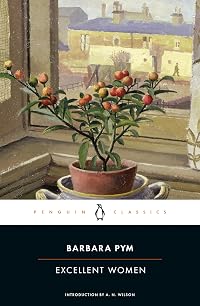
Excellent Women
by Barbara Pym 
On This Page
Description
Excellent Women is one of Barbara Pym's richest and most amusing high comedies. This is Barbara Pym's world at its funniest. Mildred Lathbury is a clergyman's daughter and a mild-mannered spinster in 1950s England. She is one of those excellent women, the smart, supportive, repressed women whom men take for granted. As Mildred gets embroiled in the lives of her new neighbors-anthropologist Helena Napier and her handsome, dashing husband, Rocky, and Julian Malory, the vicar next door-the show more novel presents a series of snapshots of human life as actually, and pluckily, lived in a vanishing world of manners and repressed desires. show lessTags
Recommendations




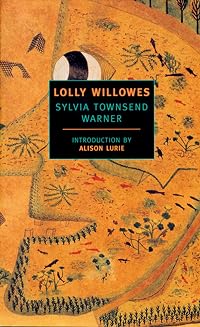

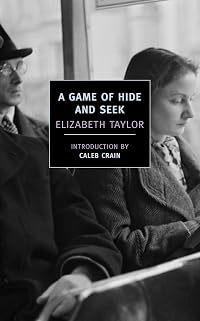


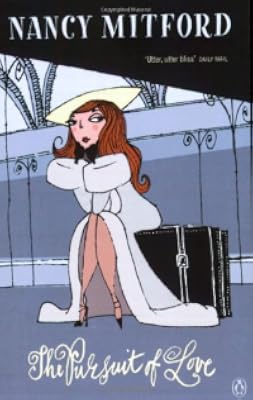
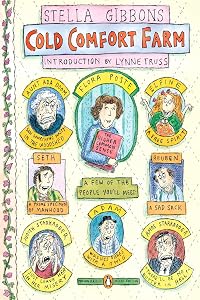













Member Recommendations
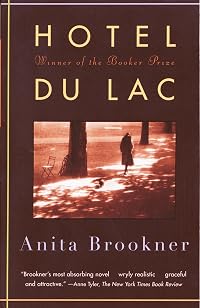
Miels Similar themes and a the same lovely but understated quality to the writing. Both stories are told with wry humor. Both stories have an underlying sadness. (Though Brookner's book tends more to the melancholy side.)
61



potenza Vastly different period and style, yet a similar thematic demographic
potenza As the the story progressed, I started to hear Barbara Pym. Something of similar sensibility on self and relationships and humor.
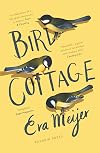
potenza Similarly independent protagonist, period, and setting. (Any Barbara Pym is a companion to Bird Cottage.)
Member Reviews
Mildred is a very naive, sheltered, closed-minded woman with no more than a high-school education. She works in an agency that takes care in some way of ageing upper-middleclass women who live alone. She is also very involved with her local Anglican church. When a more educated, experienced couple moves into the flat below hers, she is confronted with experiences she is not ready for. All of a sudden everyone she knows is trying to find her a husband or somehow broaden her horizons, or both. While their manner is generally insulting and patronizing, she is not exactly comfortable with her status either.
Women like Mildred in real life drive me nuts, but this was a well-written book. I hated Mildred for most of the book, and was annoyed show more that she is the narrator and tells the story from her very immature perspective. I just finished a Sayers book about Lord Peter Wimsey, and several Wodehouse books about Jeeves and Bertie Wooster, so the snooty classist society setting was familiar enough, but I found it interesting how much the women in this novel limit themselves and each other even when the men around them are hoping they might break some of the more old-fashioned and silly social rules. I am so glad I did not grow up in such a community. show less
Women like Mildred in real life drive me nuts, but this was a well-written book. I hated Mildred for most of the book, and was annoyed show more that she is the narrator and tells the story from her very immature perspective. I just finished a Sayers book about Lord Peter Wimsey, and several Wodehouse books about Jeeves and Bertie Wooster, so the snooty classist society setting was familiar enough, but I found it interesting how much the women in this novel limit themselves and each other even when the men around them are hoping they might break some of the more old-fashioned and silly social rules. I am so glad I did not grow up in such a community. show less
This was a reread for me and I loved it just as much the second time. Pym does such a great job of capturing the drama of ordinary life. She also has a subtle sense of humor that I love.
In this novel, Mildred, a 30 something woman living on her own, is drawn in to the marital drama of her neighbors. At the same time, the local clergyman is ensnared in an engagement with a woman who turns out to be unsuitable for his lifestyle. All assume that Mildred is the woman who would be suitable for him.
The plot sounds silly, and maybe it is a bit silly, but I love all the things that Pym makes me think about, even in a quiet novel. 1950s England sounds like such a harsh time, with little joy and much austerity. The food situation itself is show more funny and horrifying at the same time, with the rationing and sparse availability. And then there's all the single women with so few options after the war killed so many young men. Maybe they enjoy their independence more than they would have enjoyed a marriage? Is a life of quiet contentment and caring for ones neighbors enough? What constitutes a well-lived life?
Glad I took the time to reread this. show less
In this novel, Mildred, a 30 something woman living on her own, is drawn in to the marital drama of her neighbors. At the same time, the local clergyman is ensnared in an engagement with a woman who turns out to be unsuitable for his lifestyle. All assume that Mildred is the woman who would be suitable for him.
The plot sounds silly, and maybe it is a bit silly, but I love all the things that Pym makes me think about, even in a quiet novel. 1950s England sounds like such a harsh time, with little joy and much austerity. The food situation itself is show more funny and horrifying at the same time, with the rationing and sparse availability. And then there's all the single women with so few options after the war killed so many young men. Maybe they enjoy their independence more than they would have enjoyed a marriage? Is a life of quiet contentment and caring for ones neighbors enough? What constitutes a well-lived life?
Glad I took the time to reread this. show less
Excellent Women is probably the most famous of Barbara Pym's novels. The acclaim a few years ago for this early comic novel, which was hailed by Lord David Cecil as one of 'the finest examples of high comedy during the past seventy-five years,' helped launch the rediscovery of the author's entire work. Mildred Lathbury is a clergyman's daughter and a spinster in the England of the 1950s, one44 of those 'excellent women' who tend to get involved in other people's lives -- such as those of her new neighbor, Rockingham, and the vicar next door. This is Barbara Pym's world at its funniest.
~~back cover
My favorite by far of all the Pym books I've read. All the characters so true to life, and the situations so ordinary, amidst endless cups of show more tea. Such a realistic portrayal of the monotony and small pleasures of a spinster's life. Mildred's unacknowledged -- even to herself -- of her incipient feelings for Rocky, all the while understanding how unlikely and unrealistic, yet unable to resist quiet yearnings for the marriage state: Julian, or Everard, or possibly William, but certainly Rockingham has first place in her retiring dreams.
Social satire at its best because unstated: how many excellent women leading dreary circumscribed lives: the church, a respectable but quiet job, a being invisible -- leading lonely lives and carrying on with their small duties as they felt they ought to do. Eleanor Rigby in fact:
"Eleanor Rigby, died in the church
And was buried along with her name
Nobody came"
A funny, practical comedy that's poignant and heartbreaking at the same time. A work of sheer genius. show less
~~back cover
My favorite by far of all the Pym books I've read. All the characters so true to life, and the situations so ordinary, amidst endless cups of show more tea. Such a realistic portrayal of the monotony and small pleasures of a spinster's life. Mildred's unacknowledged -- even to herself -- of her incipient feelings for Rocky, all the while understanding how unlikely and unrealistic, yet unable to resist quiet yearnings for the marriage state: Julian, or Everard, or possibly William, but certainly Rockingham has first place in her retiring dreams.
Social satire at its best because unstated: how many excellent women leading dreary circumscribed lives: the church, a respectable but quiet job, a being invisible -- leading lonely lives and carrying on with their small duties as they felt they ought to do. Eleanor Rigby in fact:
"Eleanor Rigby, died in the church
And was buried along with her name
Nobody came"
A funny, practical comedy that's poignant and heartbreaking at the same time. A work of sheer genius. show less
Through Mildred Lathbury, Pym gives an incisive, compassionately humorous voice to the routinely overlooked "Excellent Women" of post-war England
A tale of gentlefolk in early 1950s London
In "Excellent Women" Barbara Pym lets us see London, immediately after World War Two, through the eyes of Mildred Lathbury, a clergyman's daughter of modest independent means, who works mornings in a charity for aiding impoverished gentlewomen, is active in her local High Anglican church and is, at a little over thirty, on the cusp of becoming a spinster.
Mildred is a bright, public school educated woman who spends large portions of her life doing things for other people. She has a well-developed sense of the absurd and a, mostly compassionate, insight show more into the peculiarities of expectation, habit, manners and introspections that shape her own behaviours and the behaviours of the people around her.
The plot is largely a series of opportunities to explore the lives and choices of the, often ignored or patronised, "Excellent Women", who make lives for themselves that aren't centred around marriage and children.
No man steps into the same book twice: two re-read surprises
I re-read "Excellent Women", after a gap of forty years, as part of a buddy read on BookLikes. Since my last read, the post-war years, with their rationing, their high levels of divorce and accelerating social change, have receded from being the years that my parents married in and have become History and in the process become a foreign country where taken for granted things, like living in bedsits with a shared bathroom, need to be explained. Over the same period, my age has nearly tripled and my experience has broadened. Consequently, my reactions to the text this time were very different from the last time. It confirmed to me that no man can step into the same book twice.
The first surprise I had was that Mildred Lathbury, was stronger and wittier than I remembered her. I suspect my twenty-something self mistook some of Mildred's politeness for acquiescence. Now I see that much of it was controlled anger.
The second surprise was how clearly I heard echoes of a slightly more acerbic and world-weary Jane Austen in Pym's writing. The novel opens with Mr Mallet ( a name to conjure with) rivalling Mr Collins in his ability to be simultaneously pompous and patronising. It prompts a self-assessment by the Mildred that is an inverse echo of "It is a fact universally acknowledged etc" in the opening of "Pride and Prejudice" but with Mildred declining to let go of her pride (self-respect) and bridling at Mallet's prejudice:
The relatable Miss Lathbury
One of the comments that was made most frequently during the buddy read of "Excellent Women" was how relatable Mildred Lathbury was. We see the world through Mildred's eyes and find that the view from there is honest and kind but also filled with rueful humour and questions about her own place in the world.
The first impression that Mildred makes is often of being a very conventional woman. As we get to know her better her wit, often expressed only inside her head, comes to the fore and we realise that acknowledging convention isn't the same as being conventional.
For example, in her first meeting with her new neighbour, the married but very independent, I'm-an-anthropologist-Darling-so-I-don't-have-time-to-cook Helena, Mildred sounds conventional when she asks herself:
and then shows her dry wit when she adds some thoughts about Rockingham, Helena's husband:
I think part of what makes Mildred relatable is that she's not always sure of how she sees herself or how others see her. Even with access to Mildred's inner voice, I was sometimes unsure of whether Mildred was a prisoner of her manners or simply has a deep acceptance of who she is.
For example, is she accepting or rejecting the label given to her when Helena says:
As I got to know Mildred better, it seemed to me that she was someone who sees too accurately to comfort herself with anything but the truth and who is instinctively kind but still sometimes feels the weight of duty and carries it anyway. When she considers her future, she most often sees herself living out her life as a spinster who is seen by others as an eccentric but excellent woman.
Here are a couple of quotes that illustrate the quiet economy with which Pym gets these ideas across
Perhaps Mildred is relatable because, although she likes herself, she recognises that she lives on the margins of a society that expects things of her that she isn't able to provide?
At one point, Mildred tells the story of her younger self attending a dance where she feels out of place and finds herself waiting in the toilets in the hope that the dance for which she didn't have a partner would be finished before she returned, but knowing that it wouldn't be.
That brought me back to the heart of all those times when I've found myself in when surrounded by people who expect certain social skills or talismans of competence from me that I can't provide
I think it's a mark of her strength of character that she describes the experience as "deep" rather than mortifying. It's not unexpected or unbearable merely bleakly familiar. She seems to use it to reflect on how own connection or lack of it to society.
Another thing that makes Mildred relatable is how clearly she sees life and yet how much compassion for those of us living it she sustains. I love this quote, giving Mildred's reaction to her best friend, Dora's battles at the school she teaches at:
She's perfectly right. Life is like that. But it's rare to find fiction that is honest enough to say so and still engaging enough not to be a chore.
Rehabilitating Spinterhood
It seems to me that one of the main themes of "Excellent Women" is spinsterhood. Not whether it's good or bad or whether it is a state that should be ended as swiftly as possible, but about what it means to live a full and valued life as a single woman.
Spinster has become pejorative and unfashionable. It is so unlike bachelor that we've had to invent bachelorette to capture the equivalent expectations of women.
But what if spinsters were not just referred to as "excellent women" by way of disguising the extent to which their services were taken for granted but in true acknowledgement of a way of life, either chosen or accepted, and lived well?
As an introvert living in a very extrovert world, I have found myself constantly having to explain, defend, or disguise my need for solitude, the volume and variety of noise in my head when I am alone and my lack of pleasure in so many of the things that are meant to signify having a good time.
It seems to me that creating a space to live a full life as an introvert in a society of extroverts has a lot of parallels to creating a space to live a full life as a spinster in a society built on the expectation of marriage/coupledom.
During the buddy read, we discussed a couple of articles that explore Pym's rehabilitation of spinsterhood. If it interest you, take a look at: "Barbara Pym and the New Spinster." and "Marvelous Spinster: Barbara Pym at 100"
Boy Men and whether or not to marry them
The women in this book may be excellent but I found all of the men to be irritating. None of them seem to have grown up. They manage an offensive combination of neediness, entitlement and disregard for others that I find staggering.
I'd write it off as Pym having a go except very similar, if somewhat more worldly, men appear in Lessing's writing of the same period.
It would be nice if there was at least one man who knew what he wanted and didn't need a woman to look after his poor helpless self.
Pym places a fine selection of men in Mildred's life. The charming, charismatic but facile Rocky (what a name) provides an example of complacent, lazy, selfish sex appeal. Everard Bone (another wicked name) with his often mentioned meat that he is willing to share but unable to cook, provides an example of a more reliable but equally self-absorbed and emotionally distant man. Then there is the tedious, pidgeon-feeding civil servant, Dora's brother, who Mildred meets out of habit once a year for a lunch where he is always more engaged with the wine waiter than with her. Finally, there is the nice but weak Vicar that everyone except Mildred assumes Mildred would like to marry one day.
With this set of men before her, Mildred reflects on what would be added to her life and what would be lost if she were to marry.
I think her most unguarded reaction, which speaks to her heart rather than her sense of duty, is the White Rabbit reaction that she'd already mentioned to Bone and raising again when discussing the love of a "good woman" with the Napiers. Rocky with the ungracious thoughtlessness that only the truly charming are forgiven for, compares the love of a good woman to an army blanket, dull but useful. Mildred, her tongue loosened by wine, offers:
I think that the possibility, however imaginary, of a relationship with Rocky, charmer of awkward WREN officers, was like a White Rabbit to Mildred.
Later, as we near the ambiguous close of the novel, Mildred considers the ways, dull and dutiful, in which a woman might be of use to a man and asks herself:
I can't decide if this is Mildred sense of duty or sense of humour talking. I suspect the latter. I believe her sense of self is so strong that neither being wife nor spinster would change her identity. Perhaps the power of the book and the charm of Mildred lie in the fact that I'm unsure of the answer but I care what choice she makes. show less
A tale of gentlefolk in early 1950s London
In "Excellent Women" Barbara Pym lets us see London, immediately after World War Two, through the eyes of Mildred Lathbury, a clergyman's daughter of modest independent means, who works mornings in a charity for aiding impoverished gentlewomen, is active in her local High Anglican church and is, at a little over thirty, on the cusp of becoming a spinster.
Mildred is a bright, public school educated woman who spends large portions of her life doing things for other people. She has a well-developed sense of the absurd and a, mostly compassionate, insight show more into the peculiarities of expectation, habit, manners and introspections that shape her own behaviours and the behaviours of the people around her.
The plot is largely a series of opportunities to explore the lives and choices of the, often ignored or patronised, "Excellent Women", who make lives for themselves that aren't centred around marriage and children.
No man steps into the same book twice: two re-read surprises
I re-read "Excellent Women", after a gap of forty years, as part of a buddy read on BookLikes. Since my last read, the post-war years, with their rationing, their high levels of divorce and accelerating social change, have receded from being the years that my parents married in and have become History and in the process become a foreign country where taken for granted things, like living in bedsits with a shared bathroom, need to be explained. Over the same period, my age has nearly tripled and my experience has broadened. Consequently, my reactions to the text this time were very different from the last time. It confirmed to me that no man can step into the same book twice.
The first surprise I had was that Mildred Lathbury, was stronger and wittier than I remembered her. I suspect my twenty-something self mistook some of Mildred's politeness for acquiescence. Now I see that much of it was controlled anger.
The second surprise was how clearly I heard echoes of a slightly more acerbic and world-weary Jane Austen in Pym's writing. The novel opens with Mr Mallet ( a name to conjure with) rivalling Mr Collins in his ability to be simultaneously pompous and patronising. It prompts a self-assessment by the Mildred that is an inverse echo of "It is a fact universally acknowledged etc" in the opening of "Pride and Prejudice" but with Mildred declining to let go of her pride (self-respect) and bridling at Mallet's prejudice:
"I suppose an unmarried woman just over thirty, who lives alone and has no apparent ties, must expect to find herself involved or interested in other people's business and if she is also a clergyman's daughter, then one might really say there is no hope for her."
The relatable Miss Lathbury
One of the comments that was made most frequently during the buddy read of "Excellent Women" was how relatable Mildred Lathbury was. We see the world through Mildred's eyes and find that the view from there is honest and kind but also filled with rueful humour and questions about her own place in the world.
The first impression that Mildred makes is often of being a very conventional woman. As we get to know her better her wit, often expressed only inside her head, comes to the fore and we realise that acknowledging convention isn't the same as being conventional.
For example, in her first meeting with her new neighbour, the married but very independent, I'm-an-anthropologist-Darling-so-I-don't-have-time-to-cook Helena, Mildred sounds conventional when she asks herself:
"Surely wives shouldn’t be too busy to cook for their husbands? I thought in astonishment, taking a thick piece of bread and jam from the plate offered to me."
and then shows her dry wit when she adds some thoughts about Rockingham, Helena's husband:
"But perhaps Rockingham with his love of Victoriana also enjoyed cooking, for I had observed that men did not usually do things unless they liked doing them."
I think part of what makes Mildred relatable is that she's not always sure of how she sees herself or how others see her. Even with access to Mildred's inner voice, I was sometimes unsure of whether Mildred was a prisoner of her manners or simply has a deep acceptance of who she is.
For example, is she accepting or rejecting the label given to her when Helena says:
" 'Of course you’ve never been married,’ she said, putting me in my place among the rows of excellent women."
As I got to know Mildred better, it seemed to me that she was someone who sees too accurately to comfort herself with anything but the truth and who is instinctively kind but still sometimes feels the weight of duty and carries it anyway. When she considers her future, she most often sees herself living out her life as a spinster who is seen by others as an eccentric but excellent woman.
Here are a couple of quotes that illustrate the quiet economy with which Pym gets these ideas across
“I forebore to remark that women like me really expectedvery little –nothing, almost.”
“Virtue is an excellent thing and we should all strive after it, but it can sometimes be a little depressing.”
Perhaps Mildred is relatable because, although she likes herself, she recognises that she lives on the margins of a society that expects things of her that she isn't able to provide?
At one point, Mildred tells the story of her younger self attending a dance where she feels out of place and finds herself waiting in the toilets in the hope that the dance for which she didn't have a partner would be finished before she returned, but knowing that it wouldn't be.
That brought me back to the heart of all those times when I've found myself in when surrounded by people who expect certain social skills or talismans of competence from me that I can't provide
I think it's a mark of her strength of character that she describes the experience as "deep" rather than mortifying. It's not unexpected or unbearable merely bleakly familiar. She seems to use it to reflect on how own connection or lack of it to society.
Another thing that makes Mildred relatable is how clearly she sees life and yet how much compassion for those of us living it she sustains. I love this quote, giving Mildred's reaction to her best friend, Dora's battles at the school she teaches at:
"I wondered that she should waste so much energy fighting over a little matter like wearing hats in chapel, but then I told myself that, after all, life was like that for most of us –the small unpleasantnesses rather than the great tragedies; the little useless longings rather than the great renunciations and dramatic love affairs of history or fiction."
She's perfectly right. Life is like that. But it's rare to find fiction that is honest enough to say so and still engaging enough not to be a chore.
Rehabilitating Spinterhood
It seems to me that one of the main themes of "Excellent Women" is spinsterhood. Not whether it's good or bad or whether it is a state that should be ended as swiftly as possible, but about what it means to live a full and valued life as a single woman.
Spinster has become pejorative and unfashionable. It is so unlike bachelor that we've had to invent bachelorette to capture the equivalent expectations of women.
But what if spinsters were not just referred to as "excellent women" by way of disguising the extent to which their services were taken for granted but in true acknowledgement of a way of life, either chosen or accepted, and lived well?
As an introvert living in a very extrovert world, I have found myself constantly having to explain, defend, or disguise my need for solitude, the volume and variety of noise in my head when I am alone and my lack of pleasure in so many of the things that are meant to signify having a good time.
It seems to me that creating a space to live a full life as an introvert in a society of extroverts has a lot of parallels to creating a space to live a full life as a spinster in a society built on the expectation of marriage/coupledom.
During the buddy read, we discussed a couple of articles that explore Pym's rehabilitation of spinsterhood. If it interest you, take a look at: "Barbara Pym and the New Spinster." and "Marvelous Spinster: Barbara Pym at 100"
Boy Men and whether or not to marry them
The women in this book may be excellent but I found all of the men to be irritating. None of them seem to have grown up. They manage an offensive combination of neediness, entitlement and disregard for others that I find staggering.
I'd write it off as Pym having a go except very similar, if somewhat more worldly, men appear in Lessing's writing of the same period.
It would be nice if there was at least one man who knew what he wanted and didn't need a woman to look after his poor helpless self.
Pym places a fine selection of men in Mildred's life. The charming, charismatic but facile Rocky (what a name) provides an example of complacent, lazy, selfish sex appeal. Everard Bone (another wicked name) with his often mentioned meat that he is willing to share but unable to cook, provides an example of a more reliable but equally self-absorbed and emotionally distant man. Then there is the tedious, pidgeon-feeding civil servant, Dora's brother, who Mildred meets out of habit once a year for a lunch where he is always more engaged with the wine waiter than with her. Finally, there is the nice but weak Vicar that everyone except Mildred assumes Mildred would like to marry one day.
With this set of men before her, Mildred reflects on what would be added to her life and what would be lost if she were to marry.
I think her most unguarded reaction, which speaks to her heart rather than her sense of duty, is the White Rabbit reaction that she'd already mentioned to Bone and raising again when discussing the love of a "good woman" with the Napiers. Rocky with the ungracious thoughtlessness that only the truly charming are forgiven for, compares the love of a good woman to an army blanket, dull but useful. Mildred, her tongue loosened by wine, offers:
"‘Or like a white rabbit thrust suddenly into your arms,’ I suggested, feeling the glow of wine in me. ‘ Oh, but a white rabbit might be rather charming.’ ‘Yes, at first. But after a while you wouldn’t know what to do with it.'"
I think that the possibility, however imaginary, of a relationship with Rocky, charmer of awkward WREN officers, was like a White Rabbit to Mildred.
Later, as we near the ambiguous close of the novel, Mildred considers the ways, dull and dutiful, in which a woman might be of use to a man and asks herself:
"Was any man worth this burden? Probably not, but one shouldered it bravely and cheerfully and in the end it might turn out to be not so heavy after all."
I can't decide if this is Mildred sense of duty or sense of humour talking. I suspect the latter. I believe her sense of self is so strong that neither being wife nor spinster would change her identity. Perhaps the power of the book and the charm of Mildred lie in the fact that I'm unsure of the answer but I care what choice she makes. show less
3.5 stars. This book is half cozy, half melancholy, British, and drenched in tea. You’ll spend the duration of your reading time getting tea, wanting more tea, and thinking about how nice it is that we live in a world where tea exists. I know it’s not just me, because the library copy I read had actual tea stains on it, evidence of its undeniable effect on other readers.
The main character of this 1952 novel is Mildred. Mildred is a spinster in her 30s, and is constantly accommodating everyone around her. The people in Mildred’s life think she has nothing better to do with her time than help them, because she isn’t married. She hears this so much that they almost have HER thinking it, too. Almost.
Barbara Pym doesn’t have a show more character growth arc for Mildred here, and I think that’s important to know going in. In L.M. Montgomery’s The Blue Castle, the main character decides to stick up for herself, so we get to see her take control of her destiny in a cathartic way. Not so for Mildred. But what Pym did do, that I appreciated while reading, is show us what it’s like to be in Mildred’s shoes. And what the odious characters who oppress her and treat her as inferior are really like on the inside. Pym is also very insightful about people in a Jane Austen sort of way, which makes her writing interesting to read and think about. Will definitely be reading more Pym in the future! show less
The main character of this 1952 novel is Mildred. Mildred is a spinster in her 30s, and is constantly accommodating everyone around her. The people in Mildred’s life think she has nothing better to do with her time than help them, because she isn’t married. She hears this so much that they almost have HER thinking it, too. Almost.
Barbara Pym doesn’t have a show more character growth arc for Mildred here, and I think that’s important to know going in. In L.M. Montgomery’s The Blue Castle, the main character decides to stick up for herself, so we get to see her take control of her destiny in a cathartic way. Not so for Mildred. But what Pym did do, that I appreciated while reading, is show us what it’s like to be in Mildred’s shoes. And what the odious characters who oppress her and treat her as inferior are really like on the inside. Pym is also very insightful about people in a Jane Austen sort of way, which makes her writing interesting to read and think about. Will definitely be reading more Pym in the future! show less
Extremely enjoyable book as the every practical Mildred capably makes her way through other peoples marital difficulties, church jumble sales, strange invitations and various meals. I especially liked the visit to Everard Bone's bird obsessed mother, a masterclass in comic writing. Nearly all the people in the book are dreadful one way or the other, but I enjoyed spending time with all of them. The humour is quite dry and well observed, but you also get a real sense of the deprivations of post-war Britain with terrible food and limited options for single women.
Excellent Women by Barbara Pym is an amusing slice of life story that directs our attention to that group of unmarried women that are considered smart, supportive, and slightly repressed. They are entitled ‘excellent women’ by the men who both rely and ignore them, these are the type of women who populate the committees, who volunteer for charities and, in fact, have much to do with the actual running of both church and community affairs. First published in 1952 this light satiric story about loneliness being bravely borne centres on Mildred Lathbury, a 35-ish spinster who, through her friendship with the vicar and his sister, involves herself in church affairs, as well as becoming engaged with her new neighbours and their show more friends.
While Mildred is virtuous and intelligent she is alone and quite content to be so, happily involving herself in churchgoing and part-time charity work. However as the story progresses, a number of potential suitors are presented, and the more Mildred tries to remove herself, the more tangled in the affairs of others she becomes. What does become apparent is that Mildred is an excellent social observer and her dry, witty comments bring a sense of playfulness to the book. In the long run Excellent Women could be considered a romantic comedy about a stereotype that perhaps might be happiest if she stays single.
I thoroughly enjoyed both the story and the postwar setting of London in the early 1950s. This was the first Barbara Pym novel that I have read, but I am looking forward to reading more in the future. show less
While Mildred is virtuous and intelligent she is alone and quite content to be so, happily involving herself in churchgoing and part-time charity work. However as the story progresses, a number of potential suitors are presented, and the more Mildred tries to remove herself, the more tangled in the affairs of others she becomes. What does become apparent is that Mildred is an excellent social observer and her dry, witty comments bring a sense of playfulness to the book. In the long run Excellent Women could be considered a romantic comedy about a stereotype that perhaps might be happiest if she stays single.
I thoroughly enjoyed both the story and the postwar setting of London in the early 1950s. This was the first Barbara Pym novel that I have read, but I am looking forward to reading more in the future. show less
Members
- Recently Added By
Lists

The Guardian's 1000 Novels Everyone Must Read
1,005 works; 552 members

1001 Books You Must Read Before You Die
1,448 works; 1,137 members

Favourite Virago Modern Classics
183 works; 38 members
Best of British Literature
226 works; 41 members

wilfully eccentric little england (cosy read novels, england)
45 works; 15 members
20th Century Literature
1,161 works; 55 members

1950s
340 works; 22 members

Female Author
1,234 works; 67 members

Top Five Books of 2018
802 works; 265 members

Folio Society
831 works; 53 members

Women's Stories
88 works; 13 members

Best Feminist Literature
188 works; 26 members

Classic British Humor
41 works; 8 members
500 Great Books by Women
507 works; 60 members

Backlisted
109 works; 9 members

Recommended books
6 works; 4 members
Best Books Read for TIOLI
49 works; 14 members

My E-Book Collection - Opinions Welcome
92 works; 10 members

Bibliography for How to be a Heroine
148 works; 12 members

SHOULD Read Books!
354 works; 9 members

Books Read in 2020
4,379 works; 124 members

A Good Read (Radio 4)
287 works; 1 member

Nifty Fifties
129 works; 14 members

20 books to cheer you up now.
20 works; 2 members

Books Read in 2018
4,360 works; 110 members

Books discovered on LibraryThing
256 works; 35 members

Mustich's 1000 Books to Read Before You Die: A Life Changing List
1,001 works; 20 members

Books Read in 2024
4,727 works; 128 members

Top Five Books of 2024
795 works; 264 members

Books Read in 2025
4,128 works; 98 members

Books We Discovered On LibraryThing
530 works; 130 members

To Read
13 works; 1 member

Unmarried women
66 works; 6 members
Talk Discussions
Past Discussions
Barbara Pym Centenary: Excellent Women in Virago Modern Classics (March 2013)
Author Information

27+ Works 14,792 Members
Novelist Barbara Pym was born in Shropshire and educated at Oxford University. An editor of Africa, an anthropological review, for many years, she published her first novel, Some Tame Gazelle, in 1950. Since then, a number of popular works have been published. Often compared with the works of Jane Austen in both manner and subject, Pym's novels show more are apparently guileless evocations of the foibles of aging and isolated characters. She has a sure, if understated, sense of her characters' psychology and of their unintentionally comic revelations about themselves and their futile lives. After the publication of No Fond Return of Love (1961), all her books were out of print until she was cited, coincidentally by both David Cecil and Philip Larkin, as among the most underestimated novelists of the 20th century. She subsequently completed two successful novels, The Sweet Dove Died (1978) and Quartet in Autumn (1978), the latter a comic-pathetic study of two men and two women in their sixties who work in the same office but lead separate, lonely lives outside. Many of her earlier books have since been reprinted, including Excellent Women (1952) and A Glass of Blessings (1958), both perceptive psychological studies of aging women taken advantage of by others. A posthumous novel, A Few Green Leaves (1980), is a superb comedy of provincial village life. (Bowker Author Biography) show less
Barbara Pym has a Legacy Library. Legacy libraries are the personal libraries of famous readers, entered by LibraryThing members from the Legacy Libraries group.
Some Editions
Awards and Honors
Notable Lists
Series
Belongs to Publisher Series
Work Relationships
Is contained in
Is abridged in
Has as a reference guide/companion
Has as a student's study guide
Common Knowledge
- Canonical title
- Excellent Women
- Original title
- Excellent Women
- Original publication date
- 1952
- People/Characters
- Mildred Lathbury; Rockingham Napier; Helena Napier; Julian Malory; Winifred Malory; Everard Bone (show all 11); Allegra Gray; Archdeacon Hoccleve; William Caldicote; Esther Clovis; Dora Caldicote
- Important places
- London, England, UK
- Dedication
- To My Sister
- First words
- "Ah, you ladies! Always on the spot when there's something happening!" The voice belonged to Mr Mallet, one of our churchwardens.
- Quotations
- 'Dear Mildred, you must learn to feel like drinking at any time. I shall make myself responsible for your education.' (Rocky Napier to Mildred Lathbury)
I suppose an unmarried woman just over thirty, who lives alone and has no apparent ties, must expect to find herself involved or interested in other people's business, and if she is also a clergyman's daughter then one might ... (show all)really say that there is no hope for her.
Let me hasten to add that I am not at all like Jane Eyre, who must have given hope to so many plain women who tell their stories in the first person, nor have I ever thought of myself as being like her.
I was helping Winifred to sort out things for the jumble sale. "Oh, I think it's DREADFUL when people send their relations to jumble sales," she said. "How CAN they do it?" She held up a tarnished silver frame from which the... (show all) head and shoulders of a woman dressed in Edwardian style looked out. "And here's another, a clergyman , too." ... "It might almost be somebody we know," lamented Winifred. "Imagine if it were and one saw it lying on the stall! What a shock it would be! I really think I must take the photographs out - it's the frames people will want to buy." "I don't suppose their own relatives send them," I said comfortingly. "I expect the photographs have been in the boxroom for years and nobody knows who they are now." "Yes, I suppose that's it. But it's the idea of being unwanted, it's like sending a PERSON to a jumble sale - do you see? You feel it more as you get older, of course. Young people would only laugh and think what a silly idea."
Virtue is an excellent thing and we should all strive after it, but it can sometimes be a little depressing.
'Would you know what to do with freedom and independence if it came so late in life?' - Last words
- (Click to show. Warning: May contain spoilers.)So, what with my duty there and the work I was going to do for Everard, it seemed as if I might be going to have what Helena called "a full life" after all.
- Blurbers
- Cecil, Lord David; Updike, John; Larkin, Philip
Classifications
Statistics
- Members
- 3,125
- Popularity
- 5,656
- Reviews
- 137
- Rating
- (3.99)
- Languages
- 10 — Dutch, English, Estonian, French, German, Italian, Japanese, Portuguese, Spanish, Turkish
- Media
- Paper, Audiobook, Ebook
- ISBNs
- 59
- UPCs
- 3
- ASINs
- 32