
Miss Pettigrew Lives for a Day
by Winifred Watson
On This Page
Description
Set in 1930s London, Winifred Watson's Miss Pettigrew Lives for a Day recounts twenty-four hours in the life of a governess who turns up for a very unexpected first day at work. Watson's comedic, light-hearted novel is read by Academy Award-winning actress Frances McDormand, who plays Miss Pettigrew in the 2008 film production. Middle-aged governess Guinevere Pettigrew visits her employment agency one morning and is mistakenly sent to the glitzy home of a nightclub singer. Miss Pettigrew show more meets the glamorous Miss Delysia LaFosse and embarks on a whirlwind adventure. These two very different women soon become friends, and Miss Pettigrew proves to be the perfect companion. Instead of having to look after unruly children, Miss Pettigrew spends her evening at a party. But what will happen when the day finally ends? show lessTags
Recommendations

































Member Recommendations



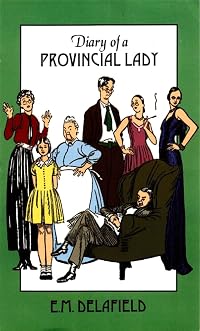
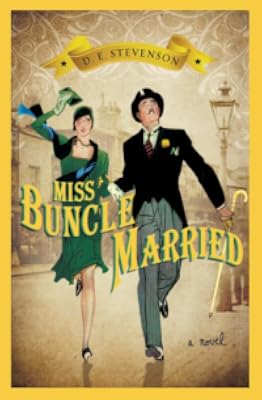
amanda4242 Both books are sure to cheer up anyone having a miserable day.
30


StarryNightElf Both have a fairy godmother figure.
SylviaC Miss Pettigrew and Elfrida have similar live-for-the-moment attitudes.


by anonymous user

by anonymous user

Member Reviews
Miss Pettigrew Lives for a Day is a book with two settings. It's either a charming, frothy Cinderella-esque fantasy where the eponymous character, teetering on the verge of destitution in 1930s London, sees her life transformed over the course of a single day following an accidental encounter with glamorous nightclub singer Delysia; or a brick-to-the-face of antisemitism, xenophobia, and that weird interwar insistence that what a woman really loves is a man who'll shake her, tell her they're an idiot, and insist that "obviously she needs a little physical correction." Oof. The ratio of froth:yuck was such that I was able to get through the book. But while I've heard so many people recommend this as a much-loved comfort read, I don't show more think I'll be coming back to it. show less
Winifred Watson's classic novel of 1938, 'Miss Pettigrew Lives for a Day', is a satire on the social scene of the 1930s, when the Bright Young Things held court. Miss Pettigrew is of indeterminate middle age, a spinster gentlewoman who has had to work to earn her keep, but isn't very good at it. We meet her in dire straits, unemployed and undernourished, on her way to an interview for a potential job.
When 'Miss Pettigrew' was first offered for publication, Watson was better known for the type of steamy, working class historical romance that Catherine Cookson later made her own. Her publisher Methuen was nervous about the change in direction that 'Miss Pettigrew' represented and so Watson wrote another pot boiler, while at the same time show more criticising their reluctance to publish the book she considered to be her best work. She was right. Both novels were published in 1938 and 'Miss Pettigrew' outstripped 'Upyonder', becoming an international success.
Bigoted views about Jewish people and Italians aside, it's a charming, clever and hilarious book. Its title character is a delightful blend of innocence and mischief, her thus-far sheltered existence belying her perception and ability to command all manner of tricky situations.
Over a period of less than 24 hours, she becomes indispensable in the life of the young woman whose bachelorette flat with its state of the art all-electric modcons she arrives at thinking she's going to be interviewed for a job. Delysia LaFosse (a stage name of monumental brilliance) has three men on the go, something that scandalises Miss Pettigrew initially. She soon accepts the modern ways of her hostess and is rapidly introduced to a social whirl of intrigues, alcohol and drugs. The scene in which Miss LaFosse thrusts a packet of powder onto Miss Pettigrew's lap and she misidentifies it as Beecham's made me laugh out loud. Quite a few things made me laugh out loud. It's a wonderful cheeky wink of a book.
The bravura with which Miss Pettigrew rises to the occasion of her new circumstance, finding inner strengths from her experiences as a governess of sorts in the houses of the wealthy, is stellar. Watson writes everything from Miss Pettigrew's perspective, so we get to hear her inner thoughts as well as witness the impact her forthrightness has on others and herself. The story is pacey, but never rushed. The characters are larger than life, but never unbelievable. The spearing of sexual politics, the appreciation of the change in social morals, and the sense that social boundaries are beginning to relax all add to the depth of what at first glance appears to be a frothy confection of a novel.
She so enjoys her foray into the world of the Bright Young Things, relishing the acceptance a change in clothing, hairstyle and makeup garners her, that she almost forgets she will have to return to real life. Her inner thoughts reveal to us the hardships she has suffered, from a restrictive childhood to the drudgery of needing to work and not being able to hold down a job, and in the way her dowdiness gives others silent permission to dismiss her or to bully her. It's no wonder she embraces her time in the social spotlight so readily. I liked the way Delysia and her friends treated Miss Pettigrew, too, with acceptance and genuine liking, something that is due to their approach to life but also to the freedom Miss Pettigrew begins to feel, permitting her to be herself.
There was something of 'The Making of a Marchioness' about this story, except with more realism. Watson doesn't overdo Miss Pettigrew's backstory, but the detail is enough to recognise it as the kind of life many women experienced in the interwar years. Miss Pettigrew would have come of age as the First World War ended, a time when young men were thin on the ground.
It was only 17 hours in terms of the story, but I will miss spending time with Miss Pettigrew and Miss LaFosse. show less
When 'Miss Pettigrew' was first offered for publication, Watson was better known for the type of steamy, working class historical romance that Catherine Cookson later made her own. Her publisher Methuen was nervous about the change in direction that 'Miss Pettigrew' represented and so Watson wrote another pot boiler, while at the same time show more criticising their reluctance to publish the book she considered to be her best work. She was right. Both novels were published in 1938 and 'Miss Pettigrew' outstripped 'Upyonder', becoming an international success.
Bigoted views about Jewish people and Italians aside, it's a charming, clever and hilarious book. Its title character is a delightful blend of innocence and mischief, her thus-far sheltered existence belying her perception and ability to command all manner of tricky situations.
Over a period of less than 24 hours, she becomes indispensable in the life of the young woman whose bachelorette flat with its state of the art all-electric modcons she arrives at thinking she's going to be interviewed for a job. Delysia LaFosse (a stage name of monumental brilliance) has three men on the go, something that scandalises Miss Pettigrew initially. She soon accepts the modern ways of her hostess and is rapidly introduced to a social whirl of intrigues, alcohol and drugs. The scene in which Miss LaFosse thrusts a packet of powder onto Miss Pettigrew's lap and she misidentifies it as Beecham's made me laugh out loud. Quite a few things made me laugh out loud. It's a wonderful cheeky wink of a book.
The bravura with which Miss Pettigrew rises to the occasion of her new circumstance, finding inner strengths from her experiences as a governess of sorts in the houses of the wealthy, is stellar. Watson writes everything from Miss Pettigrew's perspective, so we get to hear her inner thoughts as well as witness the impact her forthrightness has on others and herself. The story is pacey, but never rushed. The characters are larger than life, but never unbelievable. The spearing of sexual politics, the appreciation of the change in social morals, and the sense that social boundaries are beginning to relax all add to the depth of what at first glance appears to be a frothy confection of a novel.
She so enjoys her foray into the world of the Bright Young Things, relishing the acceptance a change in clothing, hairstyle and makeup garners her, that she almost forgets she will have to return to real life. Her inner thoughts reveal to us the hardships she has suffered, from a restrictive childhood to the drudgery of needing to work and not being able to hold down a job, and in the way her dowdiness gives others silent permission to dismiss her or to bully her. It's no wonder she embraces her time in the social spotlight so readily. I liked the way Delysia and her friends treated Miss Pettigrew, too, with acceptance and genuine liking, something that is due to their approach to life but also to the freedom Miss Pettigrew begins to feel, permitting her to be herself.
There was something of 'The Making of a Marchioness' about this story, except with more realism. Watson doesn't overdo Miss Pettigrew's backstory, but the detail is enough to recognise it as the kind of life many women experienced in the interwar years. Miss Pettigrew would have come of age as the First World War ended, a time when young men were thin on the ground.
It was only 17 hours in terms of the story, but I will miss spending time with Miss Pettigrew and Miss LaFosse. show less
Shocking! Lust, cocaine, and free sex was not what I was expecting from this 1938 novel. But then, the 1930s were much less straight-laced than the 1950s in the US, so not so surprising after all.
Miss Pettigrew is a down on her luck gentlewoman, once again seeking a placement. Her employment agency sends her on an interview for a governess position, and Miss Pettigrew grasps at the opportunity, even though she dislikes tending children. Imagine her surprise when the woman who opens the door is an actress in a negligee, entertaining a male caller in the bedroom, and there are no children in sight. Poor Miss Pettigrew fears the worst: that she is out of a job before it begins, or worse, that there are unacknowledged children hidden away show more somewhere. Miss Pettigrew is pulled into the life of this young woman and in the next 24 hours experiences more than she ever has in her life, drawing on internal strengths that surprise everyone, including herself.
I enjoyed this Persephone Classic, and despite the goal of the novel remaining a marriage proposal, found the journey more entertaining and humorous than most. show less
Miss Pettigrew is a down on her luck gentlewoman, once again seeking a placement. Her employment agency sends her on an interview for a governess position, and Miss Pettigrew grasps at the opportunity, even though she dislikes tending children. Imagine her surprise when the woman who opens the door is an actress in a negligee, entertaining a male caller in the bedroom, and there are no children in sight. Poor Miss Pettigrew fears the worst: that she is out of a job before it begins, or worse, that there are unacknowledged children hidden away show more somewhere. Miss Pettigrew is pulled into the life of this young woman and in the next 24 hours experiences more than she ever has in her life, drawing on internal strengths that surprise everyone, including herself.
I enjoyed this Persephone Classic, and despite the goal of the novel remaining a marriage proposal, found the journey more entertaining and humorous than most. show less
Miss Pettigrew Lives for a Day is warm-hearted and engaging, and much too good to be dismissed as mere romantic whimsy, although it is undeniably both romantic and whimsical. Miss Pettigrew, impoverished spinster, following a last desperate lead on a governess position, falls into the company of Deylisia LaFosse and is instantly embroiled in a hitherto unimagined world of indelicate entanglements. To her surprise she not only enjoys, but excels at, un-entwining Miss LaFosse from her complicated love-life.
Nice, frothy dialogue and delightful inner musings make this a joy to read. Its apparent surface shallowness (everyone is beautiful, or made so, and everything fun is idealised) does have some depth to it after all, but even if it did show more not the sheer magnificence of the character of Miss Pettigrew would save the day.
A new favourite. show less
Nice, frothy dialogue and delightful inner musings make this a joy to read. Its apparent surface shallowness (everyone is beautiful, or made so, and everything fun is idealised) does have some depth to it after all, but even if it did show more not the sheer magnificence of the character of Miss Pettigrew would save the day.
A new favourite. show less
Miss Pettigrew is nearly out of luck, not that she ever really had any. Middle-aged, barely able to afford food, she is seeking yet another poorly paid, unpleasant position as a (not particularly competent) nursery governess when an agency mistake sends her to the door of Miss LaFlosse, a flighty young nightclub singer. Immediately drawn into the romantic intrigues of Miss LaFlosse and her friends, Miss Pettigrew puts aside her dull, conventional morality, but retains the solid common sense that earns her a reputation as a lifesaver. She is as much a novelty to Miss LaFlosse as Miss LaFlosse is to her. The voice of her mother whispers in Miss Pettigrew’s ear, warning against makeup, curled hair, presents from men, but this voice grows show more fainter as Miss Pettigrew compares her own faded, impoverished life with the glittering excitement of the “wicked” young people she meets. Miss Pettigrew steps into the fantasy of living someone else’s life for a day—and her own will never be the same again. A delightful, hilarious exercise in wish-fulfillment. show less
"All these years she had never had the wicked thrill of powdering her nose. Others had experienced that joy. Never she. And all because she lacked courage."
Miss Pettigrew is a middle-aged, down on her luck governess who has little hope of finding work and thus avoiding the workhouse when an employment agency surprising informs her that a vacancy has materialised. However, when she arrives at the given address she is met by a nightclub singer, Miss Lafosse, and no sign of any children. This is the tale of intervening 24 hours of her life.
On arrival at Miss Lafosse's apartment Miss Pettigrew finds herself is pulled into the decadent and muddled lives of Miss Lafosse and her friends. Miss Pettigrew slowly realises that she was merely show more existing rather than living so decides to embrace the experience, even if it’s just for one day.
Now I must admit that if it hadn't have been on the 1001 list I almost certainly would never have picked it up and that would have been a real shame as I would have missed out on a little gem. I read this book with a permanent smile on my face as Miss Pettigrew becomes ever more deeply drawn in to Miss Lafosse's and her friends' madcap way of life.
All of the characters are a delight to read. Miss Pettigrew is particular is a wonderful character and it is a real it pleasure to see alter over the course of the story. Her earlier life has been one of drudgery, with no family of her own she has no money and is on the verge of becoming homeless unable to pay her rent, this in turn means that she has a poor diet and old worn clothes. Suddenly she is exposed to a world of glamour and nightclubs, beautiful women, bounders and lovers. Gradually she shrugs off the vestiges of her staid existence. Enjoying the new experiences but with the knowledge that come the morning it will all be over and Miss Lafosse will see her for what she really is.
Equally Miss Delysia Lafosse is fabulous character, immoral, simultaneously seeing three different lover, but someone also looking for a mother figure to offer guidance something which she quickly realises that Miss Pettigrew can provide. Her friends wrapped up in their own lives accept Miss Pettigrew without any qualms never stopping to question who Miss Pettigrew is. They listen to her and delightedly baffle her by the same measures.
This a re-telling of the Cinderella story with Miss Lafosse as Miss Pettigrew's glamorous Fairy Godmother but it also has the feeling of an Ealing farce. The reader is pulled into a frantic world of the 1930's with beautiful decadent women in all their finery living in a world of heady, bohemian excitement and adventure on their own turns. OK some of the circumstances are a little dated now but in reality it is timeless. It’s a story about rebellion, about throwing off the shackles of your up-bringing every now and then a simply enjoying being alive. However, like a true fairytale you are left wondering whether or not Miss Pettigrew's newly discovered desire to experience the sensual pleasures of life will continue or is it finite and she reverts to her old ways? As I said before a little gem. show less
Miss Pettigrew is a middle-aged, down on her luck governess who has little hope of finding work and thus avoiding the workhouse when an employment agency surprising informs her that a vacancy has materialised. However, when she arrives at the given address she is met by a nightclub singer, Miss Lafosse, and no sign of any children. This is the tale of intervening 24 hours of her life.
On arrival at Miss Lafosse's apartment Miss Pettigrew finds herself is pulled into the decadent and muddled lives of Miss Lafosse and her friends. Miss Pettigrew slowly realises that she was merely show more existing rather than living so decides to embrace the experience, even if it’s just for one day.
Now I must admit that if it hadn't have been on the 1001 list I almost certainly would never have picked it up and that would have been a real shame as I would have missed out on a little gem. I read this book with a permanent smile on my face as Miss Pettigrew becomes ever more deeply drawn in to Miss Lafosse's and her friends' madcap way of life.
All of the characters are a delight to read. Miss Pettigrew is particular is a wonderful character and it is a real it pleasure to see alter over the course of the story. Her earlier life has been one of drudgery, with no family of her own she has no money and is on the verge of becoming homeless unable to pay her rent, this in turn means that she has a poor diet and old worn clothes. Suddenly she is exposed to a world of glamour and nightclubs, beautiful women, bounders and lovers. Gradually she shrugs off the vestiges of her staid existence. Enjoying the new experiences but with the knowledge that come the morning it will all be over and Miss Lafosse will see her for what she really is.
Equally Miss Delysia Lafosse is fabulous character, immoral, simultaneously seeing three different lover, but someone also looking for a mother figure to offer guidance something which she quickly realises that Miss Pettigrew can provide. Her friends wrapped up in their own lives accept Miss Pettigrew without any qualms never stopping to question who Miss Pettigrew is. They listen to her and delightedly baffle her by the same measures.
This a re-telling of the Cinderella story with Miss Lafosse as Miss Pettigrew's glamorous Fairy Godmother but it also has the feeling of an Ealing farce. The reader is pulled into a frantic world of the 1930's with beautiful decadent women in all their finery living in a world of heady, bohemian excitement and adventure on their own turns. OK some of the circumstances are a little dated now but in reality it is timeless. It’s a story about rebellion, about throwing off the shackles of your up-bringing every now and then a simply enjoying being alive. However, like a true fairytale you are left wondering whether or not Miss Pettigrew's newly discovered desire to experience the sensual pleasures of life will continue or is it finite and she reverts to her old ways? As I said before a little gem. show less
Letto in tre ore. E' un piccolo capolavoro. Ambientato negli anni '30, la protagonista è una donna di 40 anni che va a un colloquio di lavoro sperando di salvarsi dall'ospizio dei poveri. Ma all'indirizzo datole dall'ufficio di collocamento trova tutt'altro. Una giornata: una cantante di night, inseguita da ben tre innamorati, le chiede aiuto per districarsi nelle complicazioni sentimentali e domestiche, e saprà rispondere benissimo con l'esperienza e il buon senso. In un giorno, il riscatto di una vita. Tutto questo in un susseguirsi rocambolesco di eventi, alcolici, dialoghi puntuti. E con un'ironia veramente sensazionale (grandioso quando la protagonista parla con il suo accompagnatore cinquantacinquenne della praticità dei show more mutandoni di lana, contro la nuova biancheria intima di seta, e il passaggio in cui lui, milionario, di fronte alle lamentele di lei per la spesa eccessiva del tassametro, le propone di comprare direttamente il taxi). E' quel tipo di letteratura stile inglese, alla Agatha Cristhie e alla Jane Austen, in cui si mostrano spietatamente le sciocchezze umane con un misto di sarcasmo e adorazione. Veramente, merita leggerlo. Mi ha fatto ridere e un po', da quarantenne, mi ha fatto commuovere. show less
Members
- Recently Added By
Lists

1001 Books You Must Read Before You Die
1,448 works; 1,136 members

wilfully eccentric little england (cosy read novels, england)
45 works; 15 members

20th Century Literature
1,161 works; 54 members

Best Books Set in London
157 works; 40 members

In or About the 1930s
198 works; 27 members

Female Protagonist
1,056 works; 57 members

Books Set in Great Britain
191 works; 13 members

Top Five Books of 2018
802 works; 264 members

Favourite Books
1,820 works; 311 members

Books tagged "feel good"
129 works; 20 members

Short and Sweet
246 works; 24 members

A Novel Cure
742 works; 23 members

1,001 BYMRBYD Concensus
723 works; 27 members
Literature About Women and Girls
426 works; 40 members

Novels set over the course of a single day (or less)
72 works; 8 members

Books Read in 2023
5,638 works; 147 members

Authors from England
147 works; 4 members

1930s
262 works; 5 members

Undiscovered Classics to Read
70 works; 15 members

Academia in Fiction
158 works; 23 members

Books To Get From The Library
115 works; 5 members

Books Read in 2024
4,727 works; 125 members

Persephone
148 works; 3 members

Books Read in 2025
4,128 works; 98 members

Top Five Books of 2024
795 works; 264 members

Books Read in 2018
4,360 works; 110 members

Books We Love to Reread
695 works; 298 members

2023 Christmas Gifts
39 works; 11 members

Books With Time Words in the Title
160 works; 4 members

Books With Complete Sentence Titles
501 works; 17 members

Books We Discovered On LibraryThing
530 works; 130 members
Author Information

5 Works 2,480 Members
Some Editions
Awards and Honors
Series
Belongs to Publisher Series
Work Relationships
Has the adaptation
Common Knowledge
- Canonical title
- Miss Pettigrew Lives for a Day
- Original title
- Miss Pettigrew Lives for a day
- Original publication date
- 1938
- People/Characters
- Guinevere Pettigrew; Delysia LaFosse; Phil Goldberg; Nick Caldarelli; Edythe Dubarry; Michael (show all 7); Joe Blomfield
- Important places
- London, England, UK
- Related movies
- Miss Pettigrew Lives for a Day (2008 | IMDb)
- First words
- Miss Pettigrew pushed open the door of the employment agency and went in as the clock struck a quarter past nine.
- Quotations
- In a dull, miserable existence her one wild extravagance was her weekly orgy at the cinema, where for over two hours she lived in an enchanted world peopled by beautiful women, handsome heroes, fascinating villains, charming ... (show all)employers, and there were no bullying parents, no appalling offspring to tease, torment, terrify, harry her every waking hour.
What dangerous den of vice had she discovered? She must fly before she lost her virtue. Then her common sense unhappily reminded her that no one, now, would care to deprive her of that possession.
A knock on Miss LaFosse's door heralded adventure. It was not like an ordinary house, where the knocker would be the butcher, or baker or candlestick-maker. A knock on Miss LaFosse's door would mean excitement, drama, a new... (show all) crisis to be dealt with. Oh, if only for once the Lord would be good and cause some miracle to happen to keep her here, to see for one day how life could be lived, so that for all the rest of her dull, uneventful days, when things grew bad, she could look back in her mind and dwell on the time when for one perfect day, she, Miss Pettigrew, lived.
All these years and she had never had the wicked thrill of powdering her nose. Others had experienced that joy. Never she. And all because she lacked courage. All because she had never thought for herself. Powder, thunde... (show all)red her father the curate, the road to damnation
She was not fifty yet, but some day she would be, with no home, no friends, no husband, no children. She had lived a life of spartan chastity and honour. She would still have no home or memories. Miss LaFosse would reach f... (show all)ifty some day. Suppose she reached it equally without home and friends. What then? How full would her memories be?
A common belief in woollen underwear was a bond to shatter the last barrier of constraint.
'The psychology of silk underclothes has not yet been fully considered,' mused Miss Pettigrew happily.
Miss Pettigrew sat savouring to the full a blissful sense of adventure, of wrongdoing: a dashing feeling of being a little fast: a worldly sense of being in the fashion: a wicked feeling of guilty ecstasy. She enjoyed it. She... (show all) enjoyed it very much.
'I do often think,' she said cheerfully, 'that the nicest part is the getting ready.'
'Well, I acted the lady,' said Miss LaFosse. 'No lipstick, no legs showing. You know. Aloof and keep your distance. None of the come-hither about me. I saw him next week with a bitch of a woman, all lipstick, legs and lust.' - Last words
- (Click to show. Warning: May contain spoilers.)'I think,' said Miss Pettigrew, 'I have a beau at last.'
- Original language
- English
Classifications
Statistics
- Members
- 2,472
- Popularity
- 7,876
- Reviews
- 174
- Rating
- (4.08)
- Languages
- 8 — Catalan, Czech, English, Estonian, French, German, Italian, Spanish
- Media
- Paper, Audiobook, Ebook
- ISBNs
- 18
- ASINs
- 11