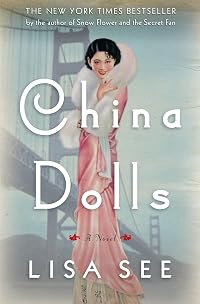
China Dolls
by Lisa See
On This Page
Description
NEW YORK TIMES BESTSELLER • “A fascinating portrait of life as a Chinese American woman in the 1930s and ’40s.”—The New York Times Book Review“Superb . . . This emotional, informative and brilliant page-turner resonates with resilience and humanity.”—The Washington Post (One of the Best Books of the Year)
San Francisco, 1938: A world’s fair is preparing to open on Treasure Island, a war is brewing overseas, and the city is alive with possibilities. Talented show more Grace, traditional Helen, and defiant Ruby, three young women from very different backgrounds, meet by chance at the exclusive and glamorous Forbidden City nightclub. The girls become fast friends, relying on one another through unexpected challenges and shifting fortunes. When their dark secrets are exposed and the invisible thread of fate binds them even tighter, they find the strength and resilience to reach for their dreams. But after the Japanese attack Pearl Harbor, paranoia and suspicion threaten to destroy their lives, and a shocking act of betrayal changes everything.
Praise for China Dolls
“A sweeping, turbulent tale of passion, friendship, good fortune, bad fortune, perfidy and the hope of reconciliation.”—Los Angeles Times
“Bravo! Here’s a roaring standing ovation for this heartwarming journey into the glittering golden age of Chinese nightclubs.”—Jamie Ford, author of Hotel on the Corner of Bitter and Sweet
“Lisa See masterfully creates unforgettable characters that linger in your memory long after you close the pages.”—Bookreporter
“Stellar . . . The depth of See’s characters and her winning prose make this book a wonderful journey through love and loss.”—Publishers Weekly (starred review). show less
Tags
Recommendations
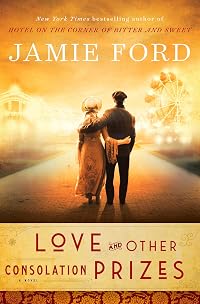
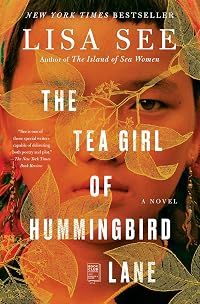
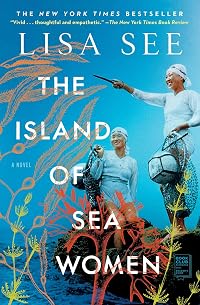
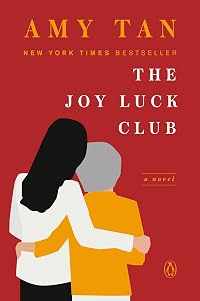
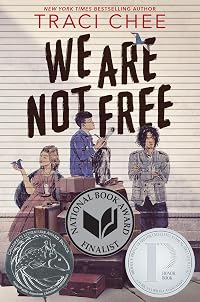
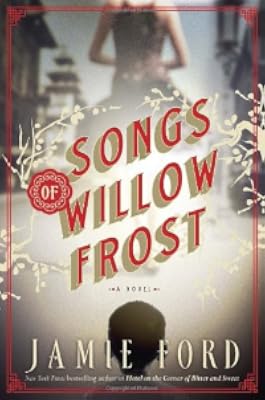

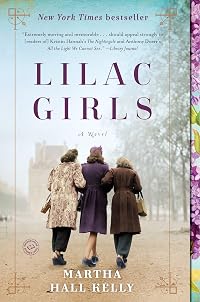
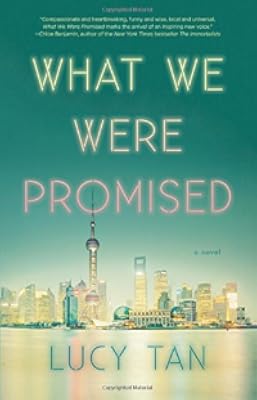

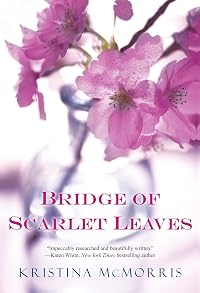
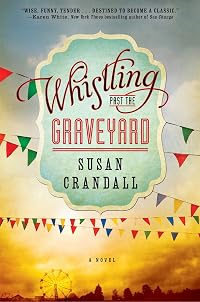
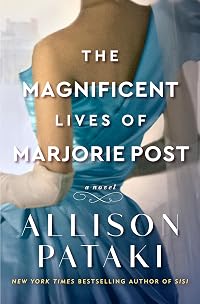
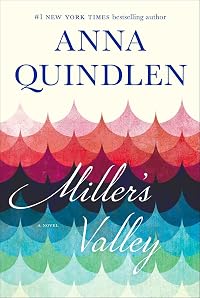

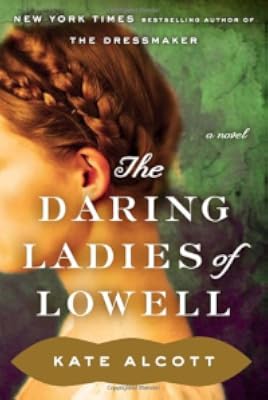
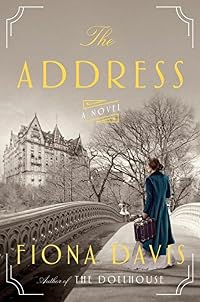

Member Recommendations
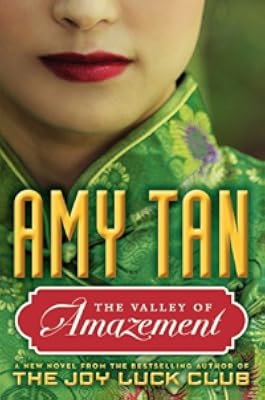
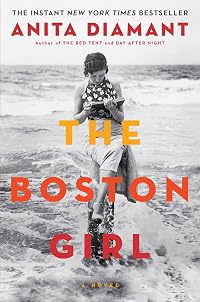
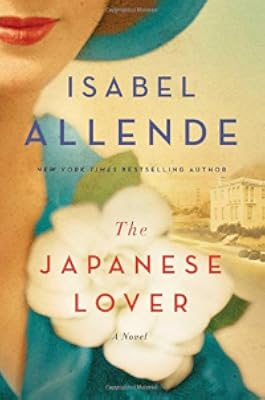
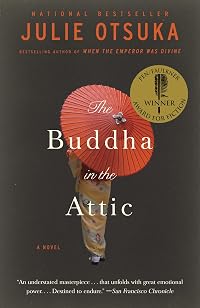
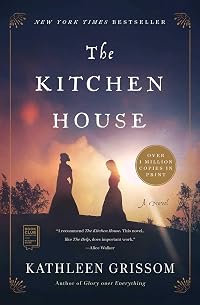
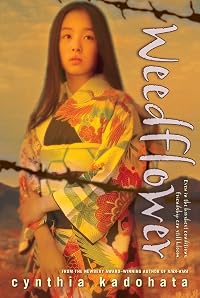
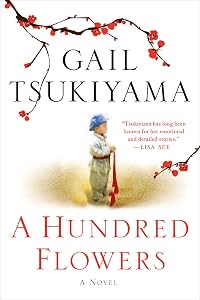
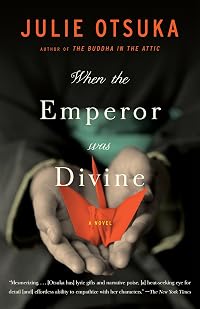
kqueue Both books deal with Asian-Americans at the onset of World War II and the injustices they suffered along with the tensions between Japanese-Americans and Chinese-Americans.
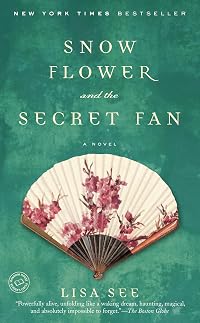
BookshelfMonstrosity Although set in the late 1920's in China, Women of Silk pairs well China Dolls because both are literary and character-driven historical novels focusing on Chinese culture. The strength of friendship during difficult situations is key, and rich historical detail permeates both stories.
anonymous user Asian women who make their own destiny.
Member Reviews
China Dolls by Lisa See is set against the backdrop of Chinese American nightclubs and their performers during the 1940s. We are introduced to three Asian-American girls who work as dancers in these nightclubs and dream of becoming stars. Unfortunately the onset of World War II changes things dramatically for all of them.
The point-of-view shifts equally between the three main characters as Grace, Helen and Ruby meet each other, connect as friends, work and live together and eventually fall out over lies and secrets. Unfortunately, I found it difficult to believe that these particular girls would ever bond together so I never felt all that invested in their relationship. There was however a great deal of period detail and local color show more that was fascinating. The author caught the 1940s accurately through her descriptions of the music, personalities, fashion and slang of the day. With the backdrop of the Forbidden City nightclub in San Francisco as well as the Chop-Suey Circuit, the author gives us a vivid and rich portrayal of conditions that Chinese-American entertainers faced.
While China Dolls is not destined to become one of my favorite Lisa See novels, it was an interesting and educating read. Although this novel was a bit of a miss for me, I certainly look forward to reading more from this author who has previously delivered some excellent books. show less
The point-of-view shifts equally between the three main characters as Grace, Helen and Ruby meet each other, connect as friends, work and live together and eventually fall out over lies and secrets. Unfortunately, I found it difficult to believe that these particular girls would ever bond together so I never felt all that invested in their relationship. There was however a great deal of period detail and local color show more that was fascinating. The author caught the 1940s accurately through her descriptions of the music, personalities, fashion and slang of the day. With the backdrop of the Forbidden City nightclub in San Francisco as well as the Chop-Suey Circuit, the author gives us a vivid and rich portrayal of conditions that Chinese-American entertainers faced.
While China Dolls is not destined to become one of my favorite Lisa See novels, it was an interesting and educating read. Although this novel was a bit of a miss for me, I certainly look forward to reading more from this author who has previously delivered some excellent books. show less
One of the areas in which China Dolls shines is in the portrayal of female friendships. For, female friendships are messy. They are highly susceptible to jealousy and rivalry and fraught with the tension that occurs from balancing the healthy versus the unhealthy. Yet, these volatile relationships often last forever. Much as one never forgets one’s first love, a woman will never forget those key female friendships which help define who she is. In Grace, Helen, and Ruby, Ms. See highlights the good, the bad, and the downright ugly in female relationships. They are as close as sisters and yet have no problems betraying each other if it means achieving their goals. There is pettiness, love, guilt, and forgiveness – sometimes all in the show more same day. Theirs is a brilliant example of unpredictability and ultimate rewards that come from forging strong bonds with other women.
Because of the instability of such friendships, the three girls will test a reader’s loyalty and sympathy. They may be each other’s closest friends, but when it comes to achieving their objectives, no friendship stands in their way. In fact, in several instances, the girls deliberately set out to hurt one another either as retribution for previous grievances or merely as a stepping stone to their own desires. All of them are guilty of such backstabbing behaviors, which makes it difficult to find one character with whom to empathize. Yet all three have their own shameful secrets that contribute to the psychology of their friendship and ease some of the disappointment readers might feel at the damage each girl causes the other.
Another area of sheer vividness within China Dolls is the historical details throughout the novel. Ms. See shows so much more than the elements of the period. There is an attitude within the novel that complements the judgment, the pressure to succeed, the burden of assimilation, and the ugly discrimination around which the story builds. There is also the air of invincibility within the novel that befits the young heroines. Combined with the exquisite details of dress, slang, atmosphere, and attitudes, China Dolls is an excellent example of historical fiction.
China Dolls is the type of novel that will make readers rage with frustration at the ignorance and incivility with which past generations treated other cultures. That this injustice does not limit itself to Caucasians but spans all cultures is equally disturbing. The prejudices between those of Chinese origins and those of Japanese descent are uncomfortable to witness but not nearly as unpleasant as the racial epithets Ms. See uses to highlight the challenges the girls face when trying to entertain a mainly white audience. Her matter-of-fact presentation of the ethnic disparity of the era is particularly gripping after the war starts, and blatant bigotry becomes acceptable in the guise of patriotism. While the story is about three girls willing to brave a cruel world filled with cultural and gender bias in order to live their dreams is filled with intrigue, joy, disappointment, and courage, the secondary story of the prejudices against anyone of Asian descent is equally compelling. show less
Because of the instability of such friendships, the three girls will test a reader’s loyalty and sympathy. They may be each other’s closest friends, but when it comes to achieving their objectives, no friendship stands in their way. In fact, in several instances, the girls deliberately set out to hurt one another either as retribution for previous grievances or merely as a stepping stone to their own desires. All of them are guilty of such backstabbing behaviors, which makes it difficult to find one character with whom to empathize. Yet all three have their own shameful secrets that contribute to the psychology of their friendship and ease some of the disappointment readers might feel at the damage each girl causes the other.
Another area of sheer vividness within China Dolls is the historical details throughout the novel. Ms. See shows so much more than the elements of the period. There is an attitude within the novel that complements the judgment, the pressure to succeed, the burden of assimilation, and the ugly discrimination around which the story builds. There is also the air of invincibility within the novel that befits the young heroines. Combined with the exquisite details of dress, slang, atmosphere, and attitudes, China Dolls is an excellent example of historical fiction.
China Dolls is the type of novel that will make readers rage with frustration at the ignorance and incivility with which past generations treated other cultures. That this injustice does not limit itself to Caucasians but spans all cultures is equally disturbing. The prejudices between those of Chinese origins and those of Japanese descent are uncomfortable to witness but not nearly as unpleasant as the racial epithets Ms. See uses to highlight the challenges the girls face when trying to entertain a mainly white audience. Her matter-of-fact presentation of the ethnic disparity of the era is particularly gripping after the war starts, and blatant bigotry becomes acceptable in the guise of patriotism. While the story is about three girls willing to brave a cruel world filled with cultural and gender bias in order to live their dreams is filled with intrigue, joy, disappointment, and courage, the secondary story of the prejudices against anyone of Asian descent is equally compelling. show less
I was so excited to receive this book as part of the Early Reviewers program, as I absolutely loved Lisa See's Shanghai Girls. However, I have to say that this book did not completely meet my expectations.
China Dolls is the story of Grace, Ruby, and Helen, three Chinese girls who become best friends while they sing and dance in the nightclubs of San Francisco's Chinatown during the late '30s and into the World War II era. Ms. See does a wonderful job of describing the atmosphere of the time, so that you get the sense of actually being there. I truly enjoyed reading and learning about the experiences of the Chinese entertainers of the time.
What prevented me from rating this book more highly was the relationship between the girls. For show more being best friends, these girls frequently were downright mean to each other. They all had secrets they hid from each other, and secretly thought the worst of each other more often than not. This prevented me from truly caring about any one of these girls.
I still recommend reading this book, if only for the fascinating historical subject matter, if nothing else. show less
China Dolls is the story of Grace, Ruby, and Helen, three Chinese girls who become best friends while they sing and dance in the nightclubs of San Francisco's Chinatown during the late '30s and into the World War II era. Ms. See does a wonderful job of describing the atmosphere of the time, so that you get the sense of actually being there. I truly enjoyed reading and learning about the experiences of the Chinese entertainers of the time.
What prevented me from rating this book more highly was the relationship between the girls. For show more being best friends, these girls frequently were downright mean to each other. They all had secrets they hid from each other, and secretly thought the worst of each other more often than not. This prevented me from truly caring about any one of these girls.
I still recommend reading this book, if only for the fascinating historical subject matter, if nothing else. show less
 This review was written for LibraryThing Early Reviewers.
In this sweeping historical drama, we follow three Asian girls with a thirst for stardom growing up in San Francisco in the 30s. The three meet in Chinatown at an audition for dancers at a new nightclub. They come from different backgrounds and each has secrets but they recognize a kinship in each other. Together they will navigate the rocky world of show business and survive WWII. They will share hardships and trials of all kinds and learn how to keep dancing while their hearts are breaking. A powerful story from an often overlooked perspective.
I loved the historical setting, but this book fell a little flat for me in the character department. I didn't like any of the main characters. Ruby is genuine but so self-centered that all other show more people are something less than human to her. Grace is such a naive doormat I was almost glad when bad things happened to her. She's just too stupid to live. And Helen is such an underdeveloped figure her personality completely changes from chapter to chapter. In the beginning she's almost as naive as Grace having been raised in a secluded compound. Later she's the worldly one explaining to Grace about homosexuality and all the different slang terms for it. In the final half she has devolved into a one-dimensional Chines stereotype constantly peppering the dialogue with quasi-Confucian proverbs. By the end of the book I was getting a headache from rolling my eyes.
Helen is also basically a sociopath. She spends so much time blatantly lying to the other two (supposedly her best friends) and manipulating them to sabotage their relationships. She's an unrepentant racist and basically a soulless baby who refuses to "share" Grace's affections. After the scene where all secrets are revealed, I felt there was no sufficient resolution. They all just shrug their shoulders and go on being friends? Sorry! Not gonna happen! Especially not with Grace who, like I said, has some serious personality disorders and is frankly dangerous to be around. She's the sort of person who would harbor unresolved grievances that she mostly imagined for years and will probably end bathing in your blood. Eeeesh.
Countless times throughout this book I wondered aloud why they were friends if they hated each other so much. There are more than three people in the world, you can make new friends who won't constantly lie, cheat, betray, and report you to the cops. Like, why torture yourselves? show less
I loved the historical setting, but this book fell a little flat for me in the character department. I didn't like any of the main characters. Ruby is genuine but so self-centered that all other show more people are something less than human to her. Grace is such a naive doormat I was almost glad when bad things happened to her. She's just too stupid to live. And Helen is such an underdeveloped figure her personality completely changes from chapter to chapter. In the beginning she's almost as naive as Grace having been raised in a secluded compound. Later she's the worldly one explaining to Grace about homosexuality and all the different slang terms for it. In the final half she has devolved into a one-dimensional Chines stereotype constantly peppering the dialogue with quasi-Confucian proverbs. By the end of the book I was getting a headache from rolling my eyes.
Helen is also basically a sociopath. She spends so much time blatantly lying to the other two (supposedly her best friends) and manipulating them to sabotage their relationships. She's an unrepentant racist and basically a soulless baby who refuses to "share" Grace's affections. After the scene where all secrets are revealed, I felt there was no sufficient resolution. They all just shrug their shoulders and go on being friends? Sorry! Not gonna happen! Especially not with Grace who, like I said, has some serious personality disorders and is frankly dangerous to be around. She's the sort of person who would harbor unresolved grievances that she mostly imagined for years and will probably end bathing in your blood. Eeeesh.
Countless times throughout this book I wondered aloud why they were friends if they hated each other so much. There are more than three people in the world, you can make new friends who won't constantly lie, cheat, betray, and report you to the cops. Like, why torture yourselves? show less
While I'm generally a fan of Lisa See, this is not one of my favorites.
CHINA DOLLS follows the story of three young "Chinese" women who become friends, beginning in 1938 until 1988. The ups and downs of their show business careers provide one theme of the book and I learned a lot about Chinese nightclubs, especially those in San Francisco before and during World War II. To me, however, this was not that interesting.
What did fascinate me was the descriptions of how Asian Americans were treated during World War II.
• How most Asians were lumped together, regardless of nationality, and subjected to discrimination.
• What it was like for American citizens of Japanese descent to be yanked out of their lives and sent to internment camps. show more
• And how ruthlessly the government persecuted innocent, but suspected Japanese sympathizers. (Reminiscent of post 9/11 treatment of Muslims)
As for why I only gave this 3 stars -- it's because of the portrayal of the friendship among the three women. Over the decades, despite what is described as a close and intense friendship, these women subject each other to petty jealousies, humiliations, lies, and manipulations. The friendship simply didn't ring true to me given these deceitful behaviors. Lisa See's unflattering portrait of friendship among women seemed to foster stereotypes of women as self-absorbed, spiteful, and selfish. And that simply hasn't been my experience with other women. show less
CHINA DOLLS follows the story of three young "Chinese" women who become friends, beginning in 1938 until 1988. The ups and downs of their show business careers provide one theme of the book and I learned a lot about Chinese nightclubs, especially those in San Francisco before and during World War II. To me, however, this was not that interesting.
What did fascinate me was the descriptions of how Asian Americans were treated during World War II.
• How most Asians were lumped together, regardless of nationality, and subjected to discrimination.
• What it was like for American citizens of Japanese descent to be yanked out of their lives and sent to internment camps. show more
• And how ruthlessly the government persecuted innocent, but suspected Japanese sympathizers. (Reminiscent of post 9/11 treatment of Muslims)
As for why I only gave this 3 stars -- it's because of the portrayal of the friendship among the three women. Over the decades, despite what is described as a close and intense friendship, these women subject each other to petty jealousies, humiliations, lies, and manipulations. The friendship simply didn't ring true to me given these deceitful behaviors. Lisa See's unflattering portrait of friendship among women seemed to foster stereotypes of women as self-absorbed, spiteful, and selfish. And that simply hasn't been my experience with other women. show less
While I'm generally a fan of Lisa See, this is not one of my favorites.
CHINA DOLLS follows the story of three young "Chinese" women who become friends, beginning in 1938 until 1988. The ups and downs of their show business careers provide one theme of the book and I learned a lot about Chinese nightclubs, especially those in San Francisco before and during World War II. To me, however, this was not that interesting.
What did fascinate me was the descriptions of how Asian Americans were treated during World War II.
• How most Asians were lumped together, regardless of nationality, and subjected to discrimination.
• What it was like for American citizens of Japanese descent to be yanked out of their lives and sent to internment camps. show more
• And how ruthlessly the government persecuted innocent, but suspected Japanese sympathizers. (Reminiscent of post 9/11 treatment of Muslims)
As for why I only gave this 3 stars -- it's because of the portrayal of the friendship among the three women. Over the decades, despite what is described as a close and intense friendship, these women subject each other to petty jealousies, humiliations, lies, and manipulations. The friendship simply didn't ring true to me given these deceitful behaviors. Lisa See's unflattering portrait of friendship among women seemed to foster stereotypes of women as self-absorbed, spiteful, and selfish. And that simply hasn't been my experience with other women. show less
CHINA DOLLS follows the story of three young "Chinese" women who become friends, beginning in 1938 until 1988. The ups and downs of their show business careers provide one theme of the book and I learned a lot about Chinese nightclubs, especially those in San Francisco before and during World War II. To me, however, this was not that interesting.
What did fascinate me was the descriptions of how Asian Americans were treated during World War II.
• How most Asians were lumped together, regardless of nationality, and subjected to discrimination.
• What it was like for American citizens of Japanese descent to be yanked out of their lives and sent to internment camps. show more
• And how ruthlessly the government persecuted innocent, but suspected Japanese sympathizers. (Reminiscent of post 9/11 treatment of Muslims)
As for why I only gave this 3 stars -- it's because of the portrayal of the friendship among the three women. Over the decades, despite what is described as a close and intense friendship, these women subject each other to petty jealousies, humiliations, lies, and manipulations. The friendship simply didn't ring true to me given these deceitful behaviors. Lisa See's unflattering portrait of friendship among women seemed to foster stereotypes of women as self-absorbed, spiteful, and selfish. And that simply hasn't been my experience with other women. show less
Meeting in 1938 at an audition for places in a chorus line at San Francisco’s soon to open Forbidden City nightclub owned by Charlie Low (the nightclub and Low were real), Grace, Helen, and Ruby quickly become fast friends. American’s of Asian parentage, opportunities are few for them in that era. Orientals weren’t hired as singers or dancers in Caucasian establishments; in a lot of states, intermarriage between Orientals and Occidentals (the old term used for whites that See uses throughout the book) was forbidden.
Grace is 17 and has run away from her violent father in the mid-West; she has never met another Chinese person other than her parents until she hits San Francisco. Helen has a well to do father who runs the family show more compound with an iron fist; her brother escorts her to and from work to ensure her virtue. Ruby’s parent’s live in Hawaii; she lives with her aunt and uncle and is a wild child compared to the other two; when she doesn’t make the cut at the nightclub, she joins a revue at the Exposition that has the girls virtually nude. Despite their differences in personality and origin and blow ups that left them not speaking for years at times, their relationship continues for 50 years. All three have secrets, and those secrets are frequently the source of their problems.
This was the most gripping book I’ve read in some time; it sucked me right in and didn’t let go until I’d finished it, which I did in one day. It’s women’s literature, it’s Asian-American literature, it’s historical fiction. See has, as always, put a huge amount of research into her book. Some of the Chinese-American entertainers from the era are still alive and See was able to interview them and get first hand information about what it was like: the prejudice; the cringe-worthy, self deprecating acts that made the Occidentals laugh; the Japanese-Americans were all treated as traitors after Pearl Harbor. I love this book. show less
Grace is 17 and has run away from her violent father in the mid-West; she has never met another Chinese person other than her parents until she hits San Francisco. Helen has a well to do father who runs the family show more compound with an iron fist; her brother escorts her to and from work to ensure her virtue. Ruby’s parent’s live in Hawaii; she lives with her aunt and uncle and is a wild child compared to the other two; when she doesn’t make the cut at the nightclub, she joins a revue at the Exposition that has the girls virtually nude. Despite their differences in personality and origin and blow ups that left them not speaking for years at times, their relationship continues for 50 years. All three have secrets, and those secrets are frequently the source of their problems.
This was the most gripping book I’ve read in some time; it sucked me right in and didn’t let go until I’d finished it, which I did in one day. It’s women’s literature, it’s Asian-American literature, it’s historical fiction. See has, as always, put a huge amount of research into her book. Some of the Chinese-American entertainers from the era are still alive and See was able to interview them and get first hand information about what it was like: the prejudice; the cringe-worthy, self deprecating acts that made the Occidentals laugh; the Japanese-Americans were all treated as traitors after Pearl Harbor. I love this book. show less
Members
- Recently Added By
Lists

Top Five Books of 2015
811 works; 240 members
Author Information

21+ Works 33,205 Members
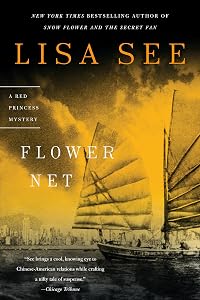
Lisa See was born in Paris but grew up in Los Angeles, spending much of her time in Chinatown. She is of Chinese decent. Her first book, On Gold Mountain: The One Hundred Year Odyssey of My Chinese-American Family (1995), was a national bestseller and a New York Times Notable Book. The book traces the journey of Lisa's great-grandfather, Fong See. show more Her first fiction novel, Flower Net (1997) was a national bestseller, a New York Times Notable Book, and on the Los Angeles Times Best Books List for 1997. Flower Net was also nominated for an Edgar award for best first novel. In addition to writing books, Ms. See was the Publishers Weekly West Coast Correspondent for 13 years. Her bestselling novels, all inspired by her Chinese heritage, include Snow Flower and the Secret Fan, A Peony in Love, Shanghi Girls, Dreams of Joy and China Dolls. Among her awards and recognitions are the Organization of Chinese Americans Women's 2001 award as National Woman of the Year and the 2003 History Makers Award presented by the Chinese American Museum. See serves as a Los Angeles City Commissioner. (Bowker Author Biography) show less
Awards and Honors
Awards
Distinctions
Common Knowledge
- Canonical title
- China Dolls
- Original title
- China Dolls
- Original publication date
- 2014
- People/Characters
- Grace Lee; Helen Fong Kwok; Ruby Tom [Kimiko Fukutomi] / Princess Tai; Eddie Wu; Charlie Low; Joe Mitchell (show all 7); Ida Wong [Ume Otsuka]
- Important places
- San Francisco, California, USA; Los Angeles, California, USA; Miami, Florida, USA; Plain City, Ohio
- Epigraph
- Only three things cannot be long hidden: the sun, the moon, and the truth. (Attributed to Buddha)
- Dedication
- For Henry Theodore Kendall
- First words
- I traveled west--alone--on the cheapest bus routes I could find.
- Last words
- (Click to show. Warning: May contain spoilers.)Love envelops us, and we dance and dance and dance.
- Canonical DDC/MDS
- 813.54
- Canonical LCC
- PS3569.E3334
Classifications
Statistics
- Members
- 1,308
- Popularity
- 18,552
- Reviews
- 82
- Rating
- (3.56)
- Languages
- 5 — English, French, Italian, Polish, Spanish
- Media
- Paper, Audiobook, Ebook
- ISBNs
- 34
- ASINs
- 9
