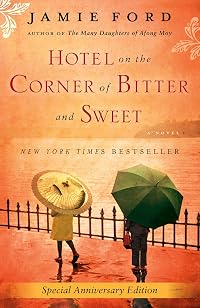
Hotel on the Corner of Bitter and Sweet
by Jamie Ford
On This Page
Description
Set in the ethnic neighborhoods of Seattle during World War II and Japanese American internment camps of the era, this debut novel tells the heartwarming story of widower Henry Lee, his father, and his first love Keiko Okabe.Tags
Recommendations






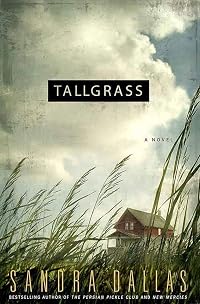

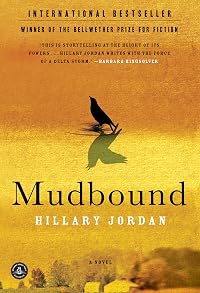
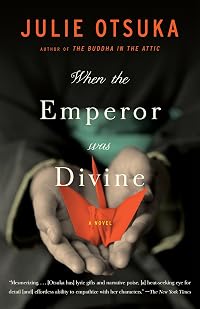



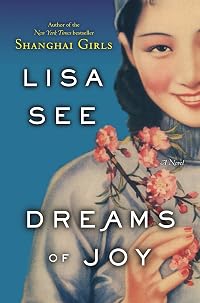

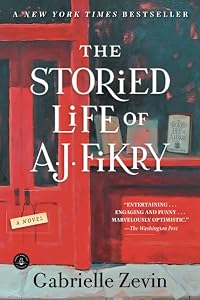


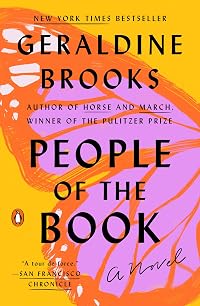

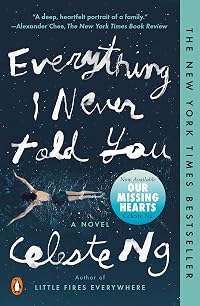


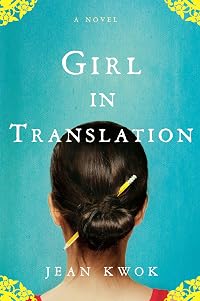
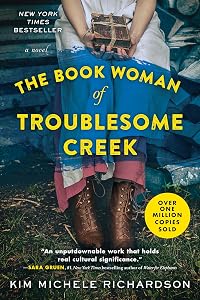
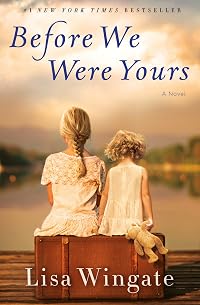
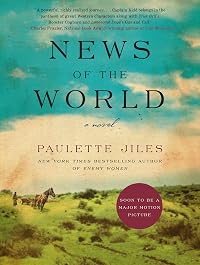
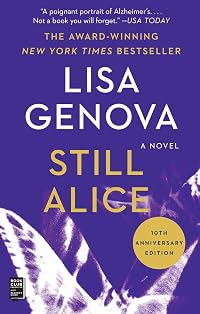
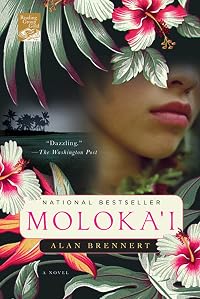
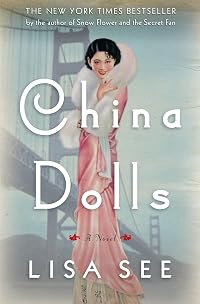
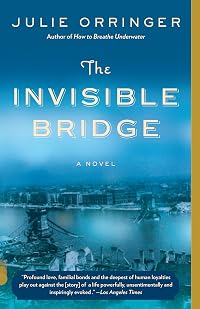
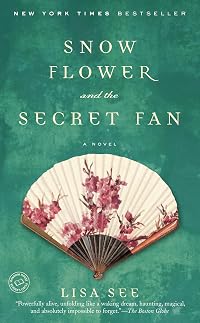


Member Recommendations
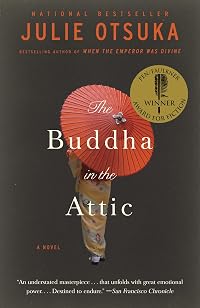
JGoto This is also set in Washington state with a well-written story dealing with racism against Japanese Americans after World War Two.
241
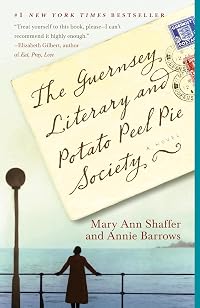
hoosieriu97 This story is beautifully written about the same time period.
241
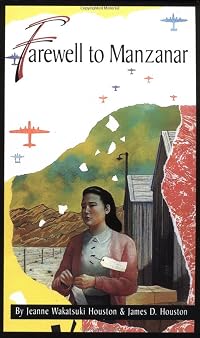
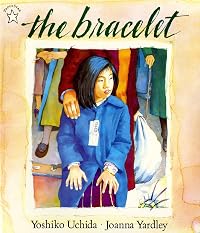
pdebolt This is also a story about an American family of Japanese descent sent to an interment camp.
40
tahcastle Both stories explain the Japanese Internment camps. Tallgrass was the town's views of the Japanese moving into their neighborhood. Hotel explained the moving of the Japanese out of their homes into the camp.
20
kqueue Both books deal with Asian-Americans at the onset of World War II and the injustices they suffered along with the tensions between Japanese-Americans and Chinese-Americans.
SqueakyChu Both books give a picture of the people of Japanese descent living in America during World War II.
cbl_tn Both books focus on young lovers separated by war.
Member Reviews
The basement of the boarded up Panama Hotel, in Seattle, Washington’s old International District, holds a secret for Henry Lee. In Henry’s childhood, during the early days of World War II, Japanese Americans families hid their possessions there before they were rounded up and interred in camps. Somewhere in the basement, buried under decades of dust and decay, is an object that promises to resurrect Henry’s memories of friendships and love forged in fire.
Jaime Ford penned a rare masterpiece of history and human emotion with [Hotel on the Corner of Bitter and Sweet]. The book rolls through Henry’s life, past and present, without a hitch – a feat that provides evidence of Ford’s talent for characterization, as he is able to show more create a character, in Henry, that has grown and changed over the course of decades but is still recognizable as the same person. Ford populates the rest of the story with troubled and complicated people who seem as real as the people you might meet in your own life. And he resists any urge to paint any of them as cardboard heroes, an urge to which far too many authors of historical fiction succumb. No, the people in Ford’s story are just people, looking for a way through an impossible time, failing as often as they succeed.
Bottom Line: Highly recommended – a rare story that places real people in a tumultuous historical context and never lets them be anything than real people.
5 bones!!!!!
A favorite for the year. show less
Jaime Ford penned a rare masterpiece of history and human emotion with [Hotel on the Corner of Bitter and Sweet]. The book rolls through Henry’s life, past and present, without a hitch – a feat that provides evidence of Ford’s talent for characterization, as he is able to show more create a character, in Henry, that has grown and changed over the course of decades but is still recognizable as the same person. Ford populates the rest of the story with troubled and complicated people who seem as real as the people you might meet in your own life. And he resists any urge to paint any of them as cardboard heroes, an urge to which far too many authors of historical fiction succumb. No, the people in Ford’s story are just people, looking for a way through an impossible time, failing as often as they succeed.
Bottom Line: Highly recommended – a rare story that places real people in a tumultuous historical context and never lets them be anything than real people.
5 bones!!!!!
A favorite for the year. show less
This is one of the first books I ever read for a book club. When the anniversary edition came out, I took the opportunity to revisit this fine novel. (I only vividly remember two books from that club year. This one, because I loved it, and another because I disliked it so much.) The book held up exceptionally well. I perhaps enjoyed it even a bit more this time because I am older, much closer to the protagonist Henry's age.
The book is a wonderful combination of a historical novel (dealing with the WWII internment of Japanese Americans), a coming-of-age story, love story, and a later life reflection. It certainly deserved its accolades.
The book is a wonderful combination of a historical novel (dealing with the WWII internment of Japanese Americans), a coming-of-age story, love story, and a later life reflection. It certainly deserved its accolades.
Una storia d'amore adolescenziale sullo sfondo della seconda guerra mondiale, ambientata nella Seattle degli anni '40, descritta con precisione (derivante,pare, da sopralluoghi veri dell'autore che disegnava i luoghi nel suo album per poi poterli descrivere accuratamente). Un ragazzino cinese figlio di genitori nazionalisti, che si innamora di una ragazzina giapponese, considerata il nemico dai suoi, che boicotteranno la loro relazione. Due ragazzi che si avvicinano in quanto si sentono non più cinesi o giapponesi ma americani; ma a cui la nuova patria offre un razzismo a volte strisciante, a volte esplosivo, che non risparmia nemmeno il cinese che pure è alleato di guerra. I giapponesi,invece, vengono alla fine internati in campi di show more custodia (fatto realmente accaduto,ovviamente con sistemi più umani dei lager nazisti, ma in pratica pur sempre una deportazione di massa di cittadini che si definiscono americani, anche se solo di seconda generazione). E da qui la sensazione per i nuovi americani,di essere doppiamente stranieri, sia nella prima che nella seconda patria.
Libro meritevolissimo, per tre motivi: la storia d'amore trattata in punta di piedi,senza melensaggini inutili; l'inquadramento storico e la riproposizione di un tema (la deportazione forzata dei nippoamericani in luoghi sicuri, lontani da punti strategici, in modo che eventuali spie o terroristi non potessero danneggiare obiettivi sensibili) passato parecchio sotto silenzio da stampa e media, e pressoché sconosciuto in Europa; la sottile analisi dello stato d'animo dell'immigrato, visto comunque con timore, attualissimo se si pensa alla paura dell'islam dopo l'11/9 e alle difficoltà di integrazione della seconda generazione,che non è né carne né pesce, né straniera né connazionale.
Lo consiglio vivamente, è stata una scoperta casuale ma graditissima. show less
Libro meritevolissimo, per tre motivi: la storia d'amore trattata in punta di piedi,senza melensaggini inutili; l'inquadramento storico e la riproposizione di un tema (la deportazione forzata dei nippoamericani in luoghi sicuri, lontani da punti strategici, in modo che eventuali spie o terroristi non potessero danneggiare obiettivi sensibili) passato parecchio sotto silenzio da stampa e media, e pressoché sconosciuto in Europa; la sottile analisi dello stato d'animo dell'immigrato, visto comunque con timore, attualissimo se si pensa alla paura dell'islam dopo l'11/9 e alle difficoltà di integrazione della seconda generazione,che non è né carne né pesce, né straniera né connazionale.
Lo consiglio vivamente, è stata una scoperta casuale ma graditissima. show less
In 1942 twelve year old Henry Lee is bewildered by the changes sweeping across the world, the country and even his own neighborhood. The son of Cantonese-speaking Chinese immigrants, Henry has received a scholarship to a prominent private school, where he is the only non-white student until Keiko Okabe, a beautiful young Japanese-American girl, joins his class.
The two form a friendship, bonding over shared work hours in the school cafeteria and a love of music and adventure. Henry knows that his father, a vehement Chinese nationalist, would be shocked and horrified if he knew about Henry's friendship with a girl of Japanese descent. He also realizes that Keiko and other Japanese Americans are the targets of racial hatred in these show more intense weeks and months following the bombing of Pearl Harbor. Eventually, Keiko's family, along with all the other families of Japanese descent on the West Coast, are ordered into internment camps
The author transitions his chapters into two eras: wartime 1940s and the mid-1980s, after Henry takes early retirement from Boeing and his wife has died of cancer. The author shows us the complex relationships among Japanese, Chinese, whites and blacks during the months after the U.S. entered World War II. Part of the charm of the book is that we meet Henry and Keiko when they are only twelve years old and we can root for a happy, romantic ending for them. Will we get it? I recommend reading the book to find out. I've had this on my TBR for years and am glad I finally got around to reading it. show less
The two form a friendship, bonding over shared work hours in the school cafeteria and a love of music and adventure. Henry knows that his father, a vehement Chinese nationalist, would be shocked and horrified if he knew about Henry's friendship with a girl of Japanese descent. He also realizes that Keiko and other Japanese Americans are the targets of racial hatred in these show more intense weeks and months following the bombing of Pearl Harbor. Eventually, Keiko's family, along with all the other families of Japanese descent on the West Coast, are ordered into internment camps
The author transitions his chapters into two eras: wartime 1940s and the mid-1980s, after Henry takes early retirement from Boeing and his wife has died of cancer. The author shows us the complex relationships among Japanese, Chinese, whites and blacks during the months after the U.S. entered World War II. Part of the charm of the book is that we meet Henry and Keiko when they are only twelve years old and we can root for a happy, romantic ending for them. Will we get it? I recommend reading the book to find out. I've had this on my TBR for years and am glad I finally got around to reading it. show less
This is the story of the Japanese internment during WWII seen through the eyes of Henry Lee, a twelve-year-old Chinese-American boy living in Seattle. Henry has been sent by his parents to an almost exclusively Caucasian private school where he meets Keiko Okabe, a Japanese-American girl. A bond develops between these two. It is a dual-timeline narrative, half taking place in the 1940’s and half in the 1980’s. It opens with a scene from the Panama Hotel (a real place), where the belongings of Japanese families have been discovered, untouched since the 1940’s. Henry reflects on that time, which was sweet with the blossoming connection between himself and Keiko, but bitter with school bullying, bigotry, and internment of the show more Japanese. He gets permission to comb through the stored items, searching for a keepsake related to that time in his life. Themes include the innocence of first love, youthful rebellion against parental authority, identity, isolation, and loyalty.
Ford is skilled at writing interesting characters. I found they “came alive” on the page. Several of the secondary characters were particularly well-drawn, including Sheldon, an African American jazz musician, and Mrs. Beatty, the school lunchroom manager who takes Henry and Keiko under her wing. Ford is an accomplished storyteller and his language is direct. I particularly liked the descriptions of the Seattle jazz scene. Henry’s passion for jazz seemed very authentic and added a layer of complexity to the story. I also appreciated the author showing the process of “evacuating” (aka forcibly relocating) the families of Japanese descent, which brought this devastating time into focus at a personal level. At times the story veered toward the saccharine, but it was offset by some serious themes.
Overall, I very much enjoyed this story. I appreciated the message that despite hardship, prejudice, and sadness, there is hope for the future. I can also highly recommend another of Jamie Ford’s novels, [b:Love and Other Consolation Prizes|34402674|Love and Other Consolation Prizes|Jamie Ford|https://images.gr-assets.com/books/1498738521s/34402674.jpg|54361389] (link to My Review). show less
Ford is skilled at writing interesting characters. I found they “came alive” on the page. Several of the secondary characters were particularly well-drawn, including Sheldon, an African American jazz musician, and Mrs. Beatty, the school lunchroom manager who takes Henry and Keiko under her wing. Ford is an accomplished storyteller and his language is direct. I particularly liked the descriptions of the Seattle jazz scene. Henry’s passion for jazz seemed very authentic and added a layer of complexity to the story. I also appreciated the author showing the process of “evacuating” (aka forcibly relocating) the families of Japanese descent, which brought this devastating time into focus at a personal level. At times the story veered toward the saccharine, but it was offset by some serious themes.
Overall, I very much enjoyed this story. I appreciated the message that despite hardship, prejudice, and sadness, there is hope for the future. I can also highly recommend another of Jamie Ford’s novels, [b:Love and Other Consolation Prizes|34402674|Love and Other Consolation Prizes|Jamie Ford|https://images.gr-assets.com/books/1498738521s/34402674.jpg|54361389] (link to My Review). show less
In 1986, Henry Lee joins a crowd outside the Panama Hotel, once the gateway to Seattle's Japantown. It has been boarded up for decades, but now the new owner has discovered the belongings of Japanese families who were sent to internment camps during World War II. As the owner displays and unfurls a Japanese parasol, Henry, a Chinese American, remembers a young Japanese American girl from his childhood in the 1940s—Keiko Okabe, with whom he forged a bond of friendship and innocent love that transcended the prejudices of their Old World ancestors. After Keiko and her family were evacuated to the internment camps, she and Henry could only hope that their promise to each other would be kept. Now, forty years later, Henry explores the show more hotel's basement for the Okabe family's belongings and for a long-lost object whose value he cannot even begin to measure. His search will take him on a journey to revisit the sacrifices he has made for family, for love, for country. show less
I love a story told from a surprising point of view. This one deals with Japanese families who were "evacuated" after in 1942 from the West Coast. Except the story is told by 12-year-old Henry, the son of Chinese immigrants. An American himself, Henry's father is an ardent Chinese nationalist who hates the Japanese not for the bombing of Pearl Harbor, but for their invasion of mainland China. Even a whiff of anything Japanese is forbidden in the house, so Henry has more than one big problem when he befriends and eventually falls in love with Keiko, whose family is inevitably evacuated to a camp in Idaho.
Unfortunately, this story needed a more polished teller. Ford flips his story back and forth from 1942, when Henry is 12, to 1986, when show more Henry is 56. Ordinarily, this is a great way to tell a story about what happened "back then" and how it has effected the present. But Henry's voice is just the same from the time he's 12 to the time he's 56, making his thoughts and feelings as a child more than a little unbelievable. Keiko also seems to have far too much perspective on what's happening to her family and in the world.
Added to that are the incredible anachronisms scattered throughout the book. Henry's son belongs to an online support group in 1986? The nursing home has a rear-projection TV? An editor should have picked up on these things. Admittedly, I got the book as an advance copy, so perhaps by the time the book is actually published some of these mistakes will have been fixed. At least I hope so, because they are so jarring as to make it difficult to get any actual enjoyment from this book. show less
Unfortunately, this story needed a more polished teller. Ford flips his story back and forth from 1942, when Henry is 12, to 1986, when show more Henry is 56. Ordinarily, this is a great way to tell a story about what happened "back then" and how it has effected the present. But Henry's voice is just the same from the time he's 12 to the time he's 56, making his thoughts and feelings as a child more than a little unbelievable. Keiko also seems to have far too much perspective on what's happening to her family and in the world.
Added to that are the incredible anachronisms scattered throughout the book. Henry's son belongs to an online support group in 1986? The nursing home has a rear-projection TV? An editor should have picked up on these things. Admittedly, I got the book as an advance copy, so perhaps by the time the book is actually published some of these mistakes will have been fixed. At least I hope so, because they are so jarring as to make it difficult to get any actual enjoyment from this book. show less
 This review was written for LibraryThing Early Reviewers.
Members
- Recently Added By
Published Reviews
ThingScore 63
added by bkswrites
While the novel is less perfect as literature than John Hamamura's Color of the Sea (Thomas Dunne, 2006), the setting and quietly moving, romantic story are commendable.
added by Katya0133
Although Ford does not have anything especially novel to say about a familiar subject (the interplay between race and family), he writes earnestly and cares for his characters, who consistently defy stereotype.
added by Katya0133
Lists

Historical Fiction
889 works; 91 members

Recommend the 20 best books you've read in the last five years
2,168 works; 602 members

Boarding House and Hotel Fiction
73 works; 25 members

Books That Made Me Cry
199 works; 105 members

Best Book Club Selections
26 works; 8 members

The American Experience
173 works; 18 members

Books about World War II
241 works; 22 members

Some of my Favourite Historical Fiction
15 works; 1 member
Independent Reading Suggestions
69 works; 3 members

Pierce County READS
17 works; 1 member

I Can't Finish This Book
189 works; 22 members

Mooie titels
80 works; 1 member

I Could Live There
185 works; 12 members

Books Read in 2011
684 works; 20 members

To Read
617 works; 7 members

Books Read in 2010
631 works; 11 members

Bibliotherapy: Family and Personal Social Issues
174 works; 5 members

World War II Books
34 works; 1 member

Relationships: Friendships
18 works; 1 member

Asian American Literature
46 works; 6 members

Japanese Internment after Pearl Harbor
14 works; 1 member
Author Information

10+ Works 10,272 Members
Jamie Ford graduated from the Art Institute of Seattle in 1988 and worked as an art director and as a creative director in advertising. He is also an alumnus of the Squaw Valley Community of Writers and the Orson Scott Card's Literary Boot Camp. His books include Hotel on the Corner of Bitter and Sweet and Songs of Willow Frost. (Bowker Author show more Biography) show less
Awards and Honors
Awards
Distinctions
Series
Belongs to Publisher Series
Work Relationships
Common Knowledge
- Canonical title
- Hotel on the Corner of Bitter and Sweet
- Original title
- Hotel on the Corner of Bitter and Sweet
- Original publication date
- 2009
- People/Characters
- Keiko Okabe; Ethel Chen; Marty Lee; Sheldon Thomas; Oscar Holden; Samantha (show all 7); Chaz
- Important places
- Panama Hotel, Seattle, Washington, USA; Rainier Elementary; Minidoka War Relocation Center, Idaho, USA; Seattle, Washington, USA; New York, New York, USA; Washington, USA (show all 8); Idaho, USA; Camp Harmony, Puyallup, Washington, USA
- Important events
- World War II (1939 | 1945); World War II, Pacific Theater (1941-12-07 | 1945-09-02); Japanese-American Internment (1942 | 1945)
- Epigraph
- My poor heart is sentimental
Not made of wood
I got it bad and that ain't good.
--Duke Ellington, 1941 - Dedication
- For Leesha, my happy ending
- First words
- Old Henry Lee stood transfixed by all the commotion at the Panama Hotel.
- Quotations
- Henry stared in silence as a small parade of wooden packing crates and leathery suitcases were hauled upstairs, the crowd marveling at the once-precious items held within: a white communion dress, tarnished silver candlestick... (show all)s, a picnic basket – items that had collected dust, untouched, for forty-plus years. Saved for a happier time that never came.
…wandering over to the Panama Hotel, a place between worlds when he was a child, a place between times now that he was a grown man.
The years had been unkind. … Like so many things Henry had wanted in life – like his father, his marriage, his life – it had arrived a little damaged. Imperfect. But he didn’t care, this was all he’d wanted. Somethi... (show all)ng to hope for, and he’d found it. It didn’t matter what condition it was in.
“With that many people, what’s to keep you from just taking over the camp?”
"You know what keeps us from doing just that? Loyalty. We’re still loyal to the United States of America. Why? Because we too are Amer... (show all)icans. We don’t agree, but we will show our loyalty by our obedience. Do you understand, Henry?"
Henry had much to do. … He’d do what he always did, find the sweet among the bitter.
The man scooped it (a kimono) up, regarded it for a moment, hesitated, then threw it on the fire. The silky fabric lit and burning pieces floated out of the heat like butterflies whose wings caught flame, fluttering on the dr... (show all)aft, flickering out and raining down as black, ashy dust.
As he left the Hotel, Henry looked west to where the sun was setting, burnt sienna flooding the horizon. It reminded him that time was short, but that beautiful endings could still be found at the end of cold dreary days. - Last words
- (Click to show. Warning: May contain spoilers.)"Ureshii desu," Henry said, softly.
(Click to show. Warning: May contain spoilers.)means: I'm very happy - Blurbers
- See, Lisa ; Stein, Garth ; Tomlinson, Jim ; Gruen, Sara ; Jones, Louis B.; Frasier, Anne
- Original language*
- Engels
*Some information comes from Common Knowledge in other languages. Click "Edit" for more information.
Classifications
Statistics
- Members
- 7,492
- Popularity
- 1,537
- Reviews
- 493
- Rating
- (3.94)
- Languages
- 14 — Chinese, Danish, Dutch, English, Finnish, French, German, Italian, Japanese, Norwegian (Bokmål), Norwegian, Spanish, Swedish, Portuguese (Portugal)
- Media
- Paper, Audiobook, Ebook
- ISBNs
- 62
- ASINs
- 24
