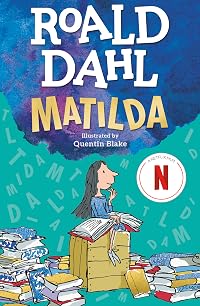
Matilda
by Roald Dahl
On This Page
Description
Matilda applies her untapped mental powers to rid the school of the evil, child-hating headmistress, Miss Trunchbull, and restore her nice teacher, Miss Honey, to financial security.Tags
Recommendations


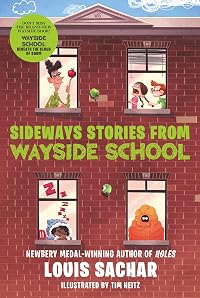
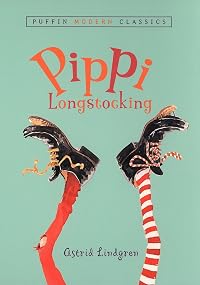
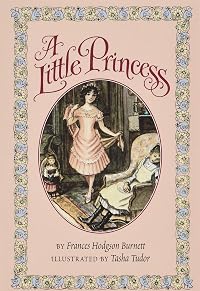
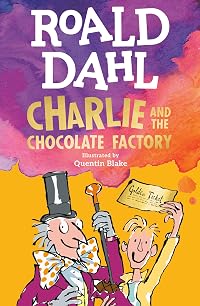
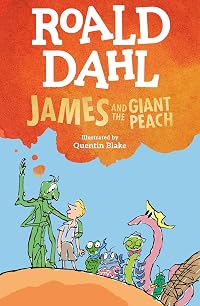
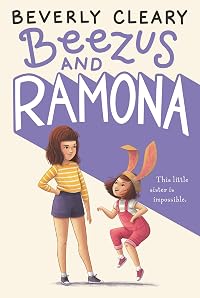
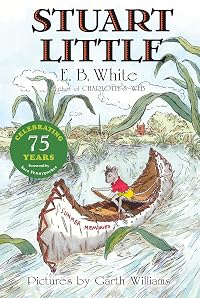
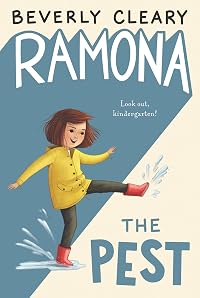
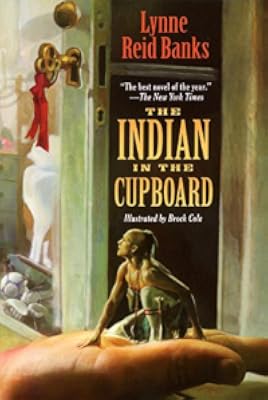
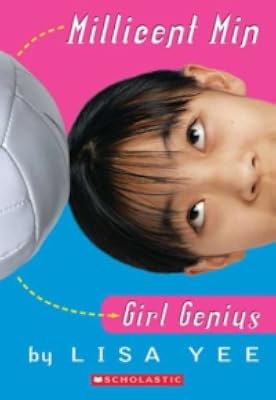
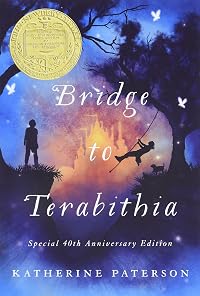
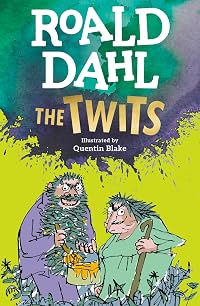
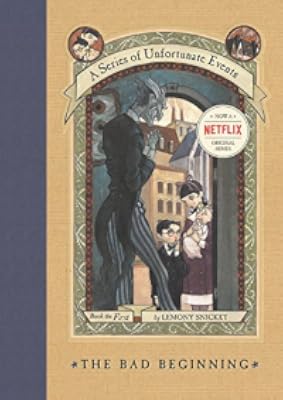
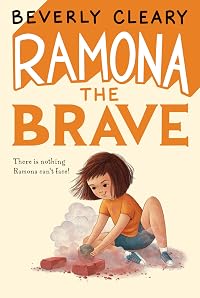
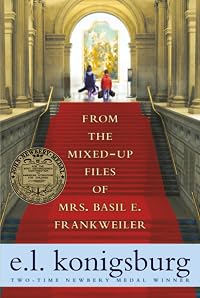
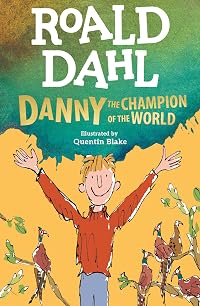
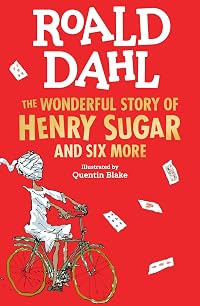
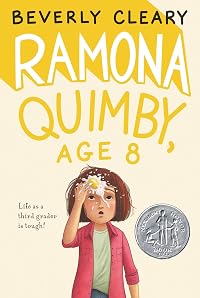
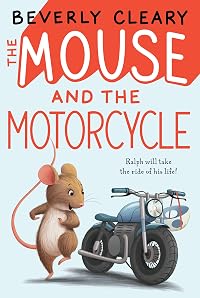
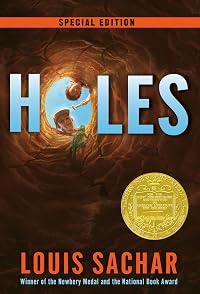
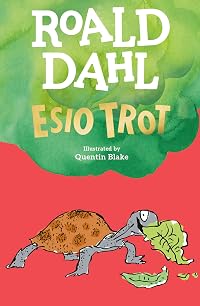
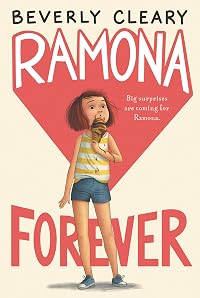
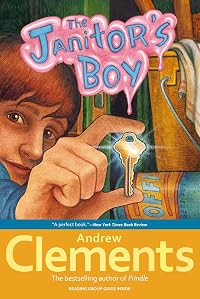
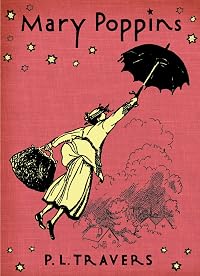
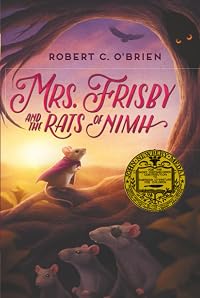
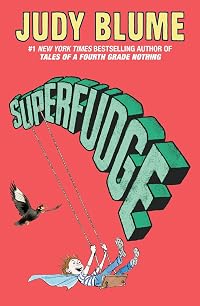
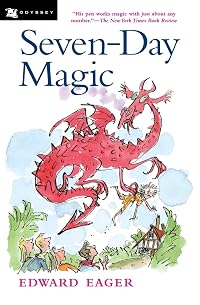
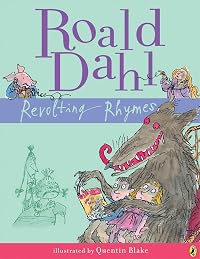
Member Recommendations
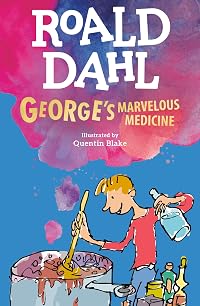
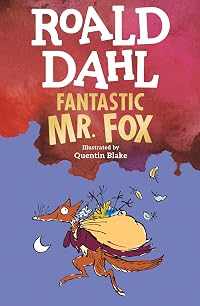
mybookshelf Another children's story about a girl with the power of telekinesis (being able to move things around without touching them)
80
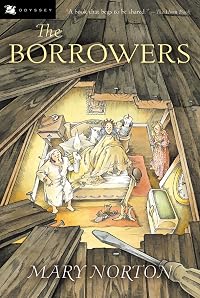
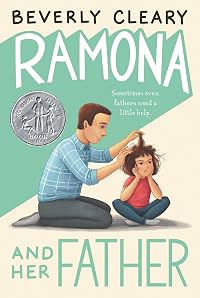
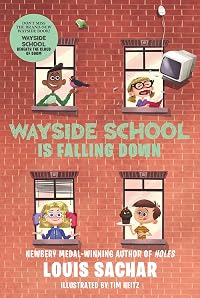
babyhomer Trunchbull & Miss Breakbone have the same militant teaching style
20

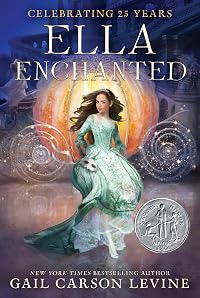
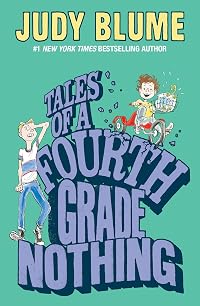
themulhern Wicked adults are defeated and there is much humor. Erudition is prized. T. H. White is funnier than Roald Dahl, more erudite and less grotesque.
31
Member Reviews
Can you imagine a book like this being published in today's market? It would never see the light of day which is exactly what I loved about it. Leave it to Roald Dahl to push all the boundaries.
Oooh, yikes. I think I watched the movie version of Matilda a couple months ago and still enjoyed it thoroughly, but reading the book opened my eyes to a lot of troublesome things, and I have to say I didn't enjoy it at all.
Book content warnings:
lesbophobia (specifically anti-butch)
sexism & misogyny
fatphobic
child abuse mention
suicide mention
Ugh. I'm so disappointed. It's one of those things you loved when you were little, only to discover it's incredibly problematic and lackluster when you grew up.
For one, the tone is so fatphobic it's sometimes hard for me to read the book without contempt. Many of the book's characters the audience are supposed to like are continuously described as "small", "thin", "tiny", etc., while the villains show more are fat and large and bulging. Fat people are described with such disgust that I'm just revolted by the author. I know this wasn't written recently, but it's just hard to read.
Not only that, but this author seems to project his own anti-feminist, anti-butch lesbian views onto this children's book. Miss Trunchbull is literally the personification of the radical feminist of his time: ugly, manly, large and bulky. She acts like a man, too, participates in what could be seen as stereotypical men's sports, has no need for marriage - in fact, she looks down on it when one of the children sings back Miss Honey's rhyme "Mrs. D Mrs. I Mrs. F F I, etc." and Miss. Trunchbull exclaims "Why are all these women married?".
Miss Trunchbull also hates anything feminine (aka the little girl /growing out/ her pigtails), and hates children. She also literally killed the patriarch of her family so she could be in charge. Reading this as a butch lesbian myself just made me roll my eyes every other page.
The plot started slowly, and then rushed faster and faster until the end just ... happened, and I was left feeling like the book ended without actually finishing, if that makes sense. There was no feeling of an actual conclusion.
And the relationship between Miss Honey and Matilda made me incredibly uncomfortable. The prose even mentions Matilda as a grown-up child rather than an actual child. And that Matilda and Miss Honey were equals. Which could make their relationship ... really weird. It's basically how Miss Honey "opens up" about her past. But she really just blurts out "my father killed himself" to a six-year-old girl. This all reads so awkwardly and worryingly. It doesn't matter if this kid is the most intelligent girl in the world, of all time! She's still a child.
Anyway, yeah ... I didn't enjoy this. show less
Book content warnings:
lesbophobia (specifically anti-butch)
sexism & misogyny
fatphobic
child abuse mention
suicide mention
Ugh. I'm so disappointed. It's one of those things you loved when you were little, only to discover it's incredibly problematic and lackluster when you grew up.
For one, the tone is so fatphobic it's sometimes hard for me to read the book without contempt. Many of the book's characters the audience are supposed to like are continuously described as "small", "thin", "tiny", etc., while the villains show more are fat and large and bulging. Fat people are described with such disgust that I'm just revolted by the author. I know this wasn't written recently, but it's just hard to read.
Not only that, but this author seems to project his own anti-feminist, anti-butch lesbian views onto this children's book. Miss Trunchbull is literally the personification of the radical feminist of his time: ugly, manly, large and bulky. She acts like a man, too, participates in what could be seen as stereotypical men's sports, has no need for marriage - in fact, she looks down on it when one of the children sings back Miss Honey's rhyme "Mrs. D Mrs. I Mrs. F F I, etc." and Miss. Trunchbull exclaims "Why are all these women married?".
Miss Trunchbull also hates anything feminine (aka the little girl /growing out/ her pigtails), and hates children. She also literally killed the patriarch of her family so she could be in charge. Reading this as a butch lesbian myself just made me roll my eyes every other page.
The plot started slowly, and then rushed faster and faster until the end just ... happened, and I was left feeling like the book ended without actually finishing, if that makes sense. There was no feeling of an actual conclusion.
And the relationship between Miss Honey and Matilda made me incredibly uncomfortable. The prose even mentions Matilda as a grown-up child rather than an actual child. And that Matilda and Miss Honey were equals. Which could make their relationship ... really weird. It's basically how Miss Honey "opens up" about her past. But she really just blurts out "my father killed himself" to a six-year-old girl. This all reads so awkwardly and worryingly. It doesn't matter if this kid is the most intelligent girl in the world, of all time! She's still a child.
Anyway, yeah ... I didn't enjoy this. show less
Five-year-old Matilda is sensitive and brilliant, but her parents see her differently. To them she is a scab “to put up with until … you can pick it off and flick it away”. Her teacher, Miss Honey, is deeply impressed by Matilda, but the school’s terrifying headmistress, Miss Trunchbull, will not consider placing her in a more advanced class. Despite such opposition, Matilda discovers a mysterious power within herself,
and thereby radically improves both her own and Miss Honey’s life.
***
The author spends a long time establishing the characters in this story. The reader gets to know Matilda, her parents, the librarian, and the school staff, long before any real action occurs. There are several episodes in the story that do show more nothing whatsoever to advance the plot, but simply help the reader to get a better understanding of that particular character.
The purpose of these episodes is made clear in a conversation between Miss Honey and Matilda:
“Do you think that all children’s books ought to have funny bits in them?”
“I do… children are not so serious as grown-ups and they love to laugh.”
Clearly this is the opinion of the author, and he takes his time describing many practical jokes that Matilda has played on her parents, and later that the students play on the formidable Trunchbull.
Miss Trunchbull is a simply horrible character, and readers will love to hate her. She’s abusive, inconsiderate, and “barmy as a bedbug”, yet somehow still believable enough to fill a child with dread that such a person could exist. Her opinions are expressed just as strongly as Matilda’s: “I don’t like small people. Small people should never be seen by anybody…”
Perhaps every child has a fear of being unappreciated, and the character of Matilda is the realisation of this fear. Completely rejected by both parents, it is an enormous relief when characters such as the librarian and Miss Honey do begin to take an interest in her. And Matilda’s sudden burst of power allows us the hope that some such “miracle” could happen in any similar situation.
This book has been enormously popular ever since it was first published. There are very few readers who cannot identify with some aspect of the plot, even if only to be glad it isn’t them! I recommend it to any child who goes to school, but particularly rewarding for those able to read it themselves, from about the age of 8. show less
and thereby radically improves both her own and Miss Honey’s life.
***
The author spends a long time establishing the characters in this story. The reader gets to know Matilda, her parents, the librarian, and the school staff, long before any real action occurs. There are several episodes in the story that do show more nothing whatsoever to advance the plot, but simply help the reader to get a better understanding of that particular character.
The purpose of these episodes is made clear in a conversation between Miss Honey and Matilda:
“Do you think that all children’s books ought to have funny bits in them?”
“I do… children are not so serious as grown-ups and they love to laugh.”
Clearly this is the opinion of the author, and he takes his time describing many practical jokes that Matilda has played on her parents, and later that the students play on the formidable Trunchbull.
Miss Trunchbull is a simply horrible character, and readers will love to hate her. She’s abusive, inconsiderate, and “barmy as a bedbug”, yet somehow still believable enough to fill a child with dread that such a person could exist. Her opinions are expressed just as strongly as Matilda’s: “I don’t like small people. Small people should never be seen by anybody…”
Perhaps every child has a fear of being unappreciated, and the character of Matilda is the realisation of this fear. Completely rejected by both parents, it is an enormous relief when characters such as the librarian and Miss Honey do begin to take an interest in her. And Matilda’s sudden burst of power allows us the hope that some such “miracle” could happen in any similar situation.
This book has been enormously popular ever since it was first published. There are very few readers who cannot identify with some aspect of the plot, even if only to be glad it isn’t them! I recommend it to any child who goes to school, but particularly rewarding for those able to read it themselves, from about the age of 8. show less
I read Matilda for the first time two decades ago. I had not revisited it since, but decided to do so a few days ago after seeing it pleadingly ensconced on a shelf in a local library. Unlike my past self, who, as a child, had little to contest in this simple narrative, I was displeased with how brazenly overdone it felt. It read like a hammy and blatant self-insert meant to vindicate those whose premature intellect was not commended to their satisfaction. I found that, beneath the thin veneer of girl empowerment and principled mischief, there was little thematic impact, owing to Dahl's inability to convey even a hint of nuance in the morality of his tale. With nauseatingly virtuous heroes and restlessly foul villains, any pretense to show more didacticism is lost in its own hyperbole. Sadly, Dahl's works for children are conveniently installed in a genre that is ever underestimated, and therefore, they are acclaimed as masterpieces. Indeed, this genre is one to which many writers turn to avoid the criticism they would undoubtedly face for their patent inelegance, and in which such inelegance is otherwise welcomed by many adults who tritely excuse it as "immaterial" considering the target audience; truly, a most lamentable complacency. While Dahl's style is of unmistakable aesthetic value, which finds better use elsewhere in his oeuvre, it is simply not enough to elevate the book above its arrant lack of grace. show less
I read Matilda for the first time two decades ago. I had not revisited it since, but decided to do so a few days ago after seeing it pleadingly ensconced on a shelf in a local library. Unlike my past self, who, as a child, had little to contest in this simple narrative, I was displeased with how brazenly overdone it felt. It read like a hammy and blatant self-insert meant to vindicate those whose premature intellect was not commended to their satisfaction. I found that, beneath the thin veneer of girl empowerment and principled mischief, there was little thematic impact, owing to Dahl's inability to convey even a hint of nuance in the morality of his tale. With nauseatingly virtuous heroes and restlessly foul villains, any pretense to show more didacticism is lost in its own hyperbole. Sadly, Dahl's works for children are conveniently installed in a genre that is ever underestimated, and therefore, they are acclaimed as masterpieces. Indeed, this genre is one to which many writers turn to avoid the criticism they would undoubtedly face for their patent inelegance, and in which such inelegance is otherwise welcomed by many adults who tritely excuse it as "immaterial" considering the target audience; truly, a most lamentable complacency. While Dahl's style is of unmistakable aesthetic value, which finds better use elsewhere in his oeuvre, it is simply not enough to elevate the book above its arrant lack of grace. show less
When this book was published in 1988, I somehow missed it. I saw the musical performed locally, and fell in love with the story. I had to have the book. While it was written for middle-school children, I fell in love with it. It is funny and celebrates reading and learning. What more could I want?
While some folks have been upset by the depiction of Matilda's parents, I think that they are so over-the-top outrageous that children will know they aren't "real" and think that they can get away with Matilda's pranks. Just as Harry Potter's aunt and uncle were unthinkingly cruel in so many ways, Matilda's parents are just as oblivious. I firmly believe that children can tell the difference between real and make believe.
This quotation sums it show more up for me:
“Do you think that all children’s books ought to have funny bits in them?” Miss Honey asked.
“I do,” Matilda said. “Children are not so serious as grown-ups and they love to laugh.”
If you liked the musical or film, be sure to read the book. Anyone who likes reading will almost surely enjoy this book. show less
While some folks have been upset by the depiction of Matilda's parents, I think that they are so over-the-top outrageous that children will know they aren't "real" and think that they can get away with Matilda's pranks. Just as Harry Potter's aunt and uncle were unthinkingly cruel in so many ways, Matilda's parents are just as oblivious. I firmly believe that children can tell the difference between real and make believe.
This quotation sums it show more up for me:
“Do you think that all children’s books ought to have funny bits in them?” Miss Honey asked.
“I do,” Matilda said. “Children are not so serious as grown-ups and they love to laugh.”
If you liked the musical or film, be sure to read the book. Anyone who likes reading will almost surely enjoy this book. show less
For the audiobook read by Kate Winslet:
I remember Matilda from childhood, but in listening to it this time I realized that mostly I remembered only the first half of it (about up to the chocolate cake). I had completely forgotten Matilda's supernatural abilities and all the particulars of how the villain is comeuppanced. I wonder if I only reread the bits that were so specifically about reading as a kid. Anyway, I enjoyed listening to this so very much. Dahl does his weird kids/terrible adults/singular awesome adult thing brilliantly here. And Kate Winslet does a spectacular job reading it. I did note a fair number of unfortunate characterizations (the villain is "large" and it's part of her villainy and we are. not. allowed. to. show more forget. it. there's some class stuff that's a little *grimace*. I suspect that someone who wanted to think about it a little harder than I can right now could come up with something pretty damning about lesbianism being associated with villainy too), but it mostly stays at the level of "we can talk about this" rather than "this completely ruins the whole book." For me at least. YMMV. show less
I remember Matilda from childhood, but in listening to it this time I realized that mostly I remembered only the first half of it (about up to the chocolate cake). I had completely forgotten Matilda's supernatural abilities and all the particulars of how the villain is comeuppanced. I wonder if I only reread the bits that were so specifically about reading as a kid. Anyway, I enjoyed listening to this so very much. Dahl does his weird kids/terrible adults/singular awesome adult thing brilliantly here. And Kate Winslet does a spectacular job reading it. I did note a fair number of unfortunate characterizations (the villain is "large" and it's part of her villainy and we are. not. allowed. to. show more forget. it. there's some class stuff that's a little *grimace*. I suspect that someone who wanted to think about it a little harder than I can right now could come up with something pretty damning about lesbianism being associated with villainy too), but it mostly stays at the level of "we can talk about this" rather than "this completely ruins the whole book." For me at least. YMMV. show less
Members
- Recently Added By
Lists

Favorite Childhood Books
1,651 works; 519 members
1001 Children's Books You Must Read Before You Grow Up
774 works; 101 members

Favourite Roald Dahl
22 works; 18 members

BBC Big Read
191 works; 46 members

Best Children's Books You've Read
197 works; 75 members

Read the book and saw the movie
1,170 works; 195 members

Best School Stories
219 works; 22 members

Top-Rated Children's Books
87 works; 16 members
NPRs Ultimate Backseat Bookshelf: 100 Must-Reads for kids 9-14
222 works; 30 members

Best middle grade books
130 works; 23 members
Children's Fantasy
73 works; 10 members
Best of British Literature
226 works; 41 members

Childhood Favorites
427 works; 24 members

Comfort Reads
221 works; 39 members

Elevenses
316 works; 87 members

Best Friendship Stories
205 works; 16 members
Mensa for Kids Excellence in Reading Award Program (Grades 4-6)
64 works; 9 members

Top-Rated Books on LibraryThing
272 works; 119 members
Female Protagonist
1,076 works; 57 members

Books About Girls
219 works; 17 members

Books Set in Great Britain
191 works; 13 members

Fiction with Women's Names in the Title
378 works; 15 members
Best Family Stories
241 works; 22 members
Satori Smiles Children's Book List
262 works; 7 members
Books with a Character's Name as the Title
130 works; 10 members

Blue Pyramid 1,276 Best Books of All Time
1,248 works; 32 members
Movie Adaptations
111 works; 4 members

Favorite children's chapter books
15 works; 1 member

Childhood Favourites
9 works; 1 member

Puffin Books 70th anniversary handbook recommendations
537 works; 10 members

75 Books for Fall Literacy Block - Dr. Reed
67 works; 2 members
Books Mentioned in The Wedding Planner's Daughter series
107 works; 2 members

Best Young Adult
413 works; 102 members

Books Read in 2016
4,666 works; 199 members

Bullies
44 works; 2 members
Novels featuring Fathers
56 works; 7 members

READ IN 2022
206 works; 2 members
Want to Read — open list
55 works; 2 members

Favorite Books from the 1980s
27 works; 3 members
Best Books of the 20th Century
193 works; 5 members

What are your favourite books?
121 works; 10 members

Mustich's 1000 Books to Read Before You Die: A Life Changing List
1,001 works; 20 members

Stealth- and Posthumously- Edited Books
15 works; 1 member

A Smorgasbord of Culinary Fiction
226 works; 95 members

Books Read in 2023
5,638 works; 147 members

Books Read in 2024
4,727 works; 128 members

AR Level 5 in cloudLibrary
170 works; 1 member
Our Favorite Comfort Reads
334 works; 200 members

Books We Loved As Children
610 works; 254 members

𓐩hought Daughter ♱♰✟✞✝︎☨†˚₊‧꒰ა ♱ ໒꒱ ‧
38 works; 1 member

Books Read in 2026
2,206 works; 71 members

Read Aloud Revival
108 works; 4 members

Best Feminist Literature
188 works; 26 members

fictional librarians
53 works; 19 members
One Book, Many Authors
441 works; 40 members

Best books I read in 2013
152 works; 3 members

recalling favorites...
105 works; 2 members

Best Revenge Stories
69 works; 9 members

1980s
356 works; 23 members
Five star books
1,767 works; 110 members
Literature About Women and Girls
426 works; 41 members

Unshelved Book Clubs
579 works; 5 members
Robin
21 works; 2 members

Authors from Wales
7 works; 1 member

Books Read in 2017
4,249 works; 130 members

Dysfunctional Families
133 works; 7 members

Magic Realism
371 works; 52 members

Books Read in 2018
4,360 works; 110 members

ESP, psychic powers -- children's/young adult fiction
230 works; 8 members

Books Tagged Abuse
152 works; 4 members

20th Century Literature
1,161 works; 55 members

Books Read in 2019
4,052 works; 108 members
Books tagged favorites
390 works; 30 members

Books Read in 2020
4,379 works; 124 members
Best Laugh Out Loud Books
143 works; 49 members
The Five Books That Represent Us
391 works; 150 members
Author Information

671+ Works 272,982 Members
Roald (pronounced "Roo-aal") was born in Llandaff, South Wales. He had a relatively uneventful childhood and was educated at Repton School. During World War II he served as a fighter pilot and for a time was stationed in Washington, D.C.. Prompted by an interviewer, he turned an account of one of his war experiences into a short story that was show more accepted by the Saturday Evening Post, which were eventually collected in Over to You (1946). Dahl's stories are often described as horror tales or fantasies, but neither description does them justice. He has the ability to treat the horrible and ghastly with a light touch, sometimes even with a humorous one. His tales never become merely shocking or gruesome. His purpose is not to shock but to entertain, and much of the entertainment comes from the unusual twists in his plots, rather than from grizzly details. Dahl has also become famous as a writer of children's stories. In some circles, these works have cased great controversy. Critics have charged that Dahl's work is anti-Semitic and degrades women. Nevertheless, his work continues to be read: Charlie and Chocolate Factory (1964) was made into a successful movie, The BFG was made into a movie in July 2017, and his books of rhymes for children continue to be very popular. (Bowker Author Biography) show less
Some Editions
Awards and Honors
Awards
Notable Lists
BBC's Big Read (74)
Series
Belongs to Publisher Series
Work Relationships
Is contained in
Roald Dahl 6-Book Boxed Set: The Witches, George's Marvelous Medicine, The Twits, Esio Trot, Matilda, The BFG by Roald Dahl
Matilda / The Giraffe and the Pelly and Me / The BFG / The Witches / Charlie and the Chocolate Factory by Roald Dahl
Roald Dahl 10 Book Pack (Esio Trot, George's Marvelous Medicine, The Twits, The Witches, The Giraffe the Pelly and Me, Going Solo, Matilda, Danny the Champion of the World, Charlie and the Chocolate Factory, James and the Giant Peach) by Roald Dahl
The Best of Roald Dahl: James and the Giant Peach; Charlie and the Chocolate Factory; Charlie and the Great Glass Elevator; The BFG; The Witches; Matilda by Roald Dahl
Has the adaptation
Has as a teacher's guide
Common Knowledge
- Canonical title*
- Matilda
- Original title
- Matilda
- Original publication date
- 1988
- People/Characters
- Matilda Wormwood; Jennifer Honey; Agatha Trunchbull; Lavender; Bruce Bogtrotter; Mrs. Phelps (show all 13); Michael Wormwood; Harry Wormwood; Angelica Wormwood; Amanda Thripp; Hortensia; Ollie Bogwhistle; Nigel Hicks
- Important places
- England, UK
- Related movies
- Matilda (1996 | IMDb); Matilda: The Musical (2022 | IMDb)
- Epigraph*
- /
- Dedication
- For Michael and Lucy
- First words
- It's a funny thing about mothers and fathers.
- Last words
- (Click to show. Warning: May contain spoilers.)Miss Honey was still hugging the tiny girl in her arms and neither of them said a word as they stood there watching the big black car tearing round the corner at the end of the road and disappearing for ever into the distance.
- Publisher's editor*
- Alfaguara
- Original language
- English
*Some information comes from Common Knowledge in other languages. Click "Edit" for more information.
Classifications
Statistics
- Members
- 26,334
- Popularity
- 167
- Reviews
- 526
- Rating
- (4.26)
- Languages
- 44 — Afrikaans, Amharic, Arabic, Armenian, Basque, Bulgarian, Catalan, Chinese, Czech, Danish, Dutch, English, Esperanto, Estonian, Finnish, French, German, Galician, Greek, Hebrew, Hungarian, Indonesian, Italian, Japanese, Korean, Latvian, Norwegian (Bokmål), Norwegian, Occitan (post-1500), Farsi/Persian, Polish, Romani, Romanian, Russian, Serbian, Scots, Slovak, Spanish, Swedish, Thai, Turkish, Ukrainian, Welsh, Portuguese (Portugal)
- Media
- Paper, Audiobook, Ebook
- ISBNs
- 320
- UPCs
- 1
- ASINs
- 65