
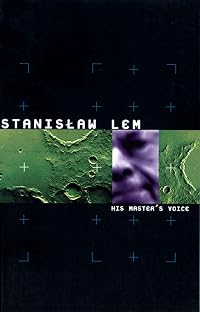
His Master's Voice
by Stanisław Lem
On This Page
Description
"His Master's Voice is one of Lem's most polished and fully realized novels. It is told in the voice of Peter Hogarth, an eminent mathematician, who admits in the initial chapter that "the fundamental traits of my character I consider to be cowardice, malice, and pride." Hogarth recounts how he was conscripted to join the secret Master's Voice project -- several hundred scientists and researchers on an isolated desert base who are attempting to interpret an extraterrestrial message encoded show more in neutrino emissions. Despite some early and partial successes the efforts of the scientists to understand the message prove futile. Hogarth is drawn into intrigues between various research groups, and the unnervingly increasing influence of the Pentagon. He is eventually made aware of clandestine research into a potential side-effect of HMV, one that has the potential for a weapon of unimaginable power. Originally published in 1968, His Master's Voice holds up a mirror to Cold War politics, the alignment of military power and scientific knowledge, and human hubris. It also reflects on how unlikely it is that we could ever comprehend a message from another civilization: "Given that our civilization is unable to asilimate well even those concepts that originate in human heads when they appear outside its main current, although the creators of those concepts are, after all, children of the same age -- how colud we have assumed that we would be capable of understanding a civilization totally unlike ours, if it addressed us across the cosmic gulf?""-- show lessTags
Recommendations











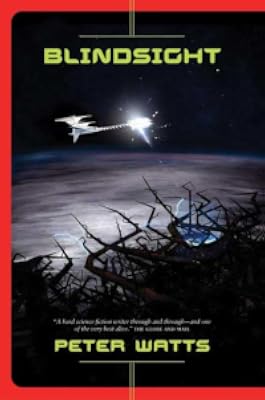




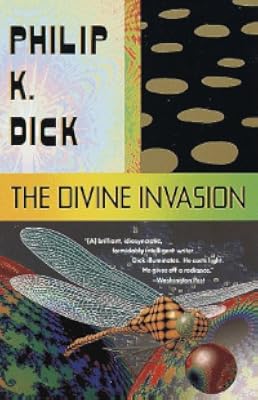






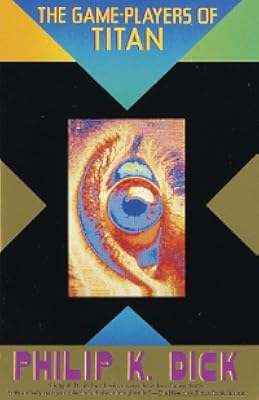


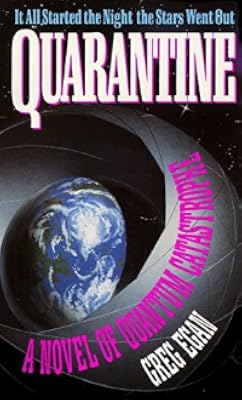














Member Recommendations

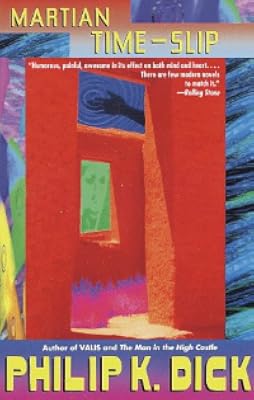
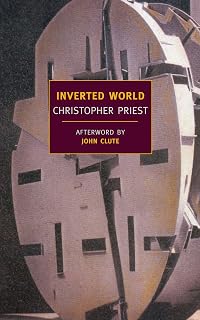
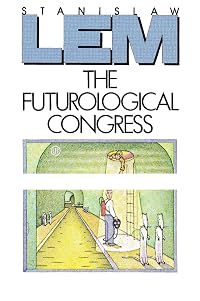
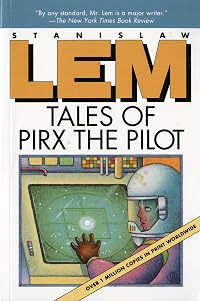
TMrozewski Both deal with the Otherness of extraterrestrial life.

TMrozewski Both deal with the social and cultural roots of science.
TMrozewski Similar theme: the anthropocentrism of modern science.
11
Member Reviews
The philosophical, semi-scientific meanderings of a grumpy old man who thinks man is but a dumb ass.
If you read the top reviews for this book on Goodreads, you quickly find out that if you didn't love this, you are in fact a peasant. Only intelligent and deep thinking lovers of Real Scifi will love this, so be warned.
I am, obviously, a dumbass.
This book is a mostly abstract "memoir" of the fictional man who worked on a project the aim of which was to decode an interstellar letter of sorts. There is very little plot or dialogue, and the narrator is a self professed asshole. Mostly this book handles different philosophical takes on humanity and life (both the nature and origin of them) and spirals down semi-scientific tangents that don't show more really have any other point than being vaguely interesting.
What I'm trying to get at is that this is not a novel, as such, and definitely not a novel I was interested in reading. I am the reader who enjoys the science fiction at which the narrator continually took jabs at during the course of the book.
This is the second Lem I've read, and I really enjoyed the previous one, so I'll probably keep reading his book despite this one, but boy was I disappointed. show less
If you read the top reviews for this book on Goodreads, you quickly find out that if you didn't love this, you are in fact a peasant. Only intelligent and deep thinking lovers of Real Scifi will love this, so be warned.
I am, obviously, a dumbass.
This book is a mostly abstract "memoir" of the fictional man who worked on a project the aim of which was to decode an interstellar letter of sorts. There is very little plot or dialogue, and the narrator is a self professed asshole. Mostly this book handles different philosophical takes on humanity and life (both the nature and origin of them) and spirals down semi-scientific tangents that don't show more really have any other point than being vaguely interesting.
What I'm trying to get at is that this is not a novel, as such, and definitely not a novel I was interested in reading. I am the reader who enjoys the science fiction at which the narrator continually took jabs at during the course of the book.
This is the second Lem I've read, and I really enjoyed the previous one, so I'll probably keep reading his book despite this one, but boy was I disappointed. show less
Escrito a modo de Informe Peter Hogarth, un matemático de renombre, nos relata lo que realmente sucedió en el programa secreto "La voz del amo (MAVO)", donde varios científicos, incluido él, son llamados para descifrar un mensaje que ha llegado del espacio exterior mediante una señal de neutrinos.
Stanislaw Lem, en voz de Hogarth, hace una larga disertación de muchos temas, entre ellos cosmología, biología, matemáticas, física, filosofía, entre otros.
Hogarth al hacer este "informe" como resultado de querer exponer su punto de vista, sus pensamientos y los hechos, llega incluso a divagar sobre la conciencia humana en general, y en lo particular de sus compañeros científicos ante un hecho que no saben o no pueden manejar o show more descifrar, manejando teorías filosóficas tales como que los humanos estamos en la era de la cavernas ante inteligencias extraterrestres que al ser por mucho más avanzadas que nosotros es imposible comprender un mensaje que ha sido envíado desde el espacio.
Personalmente este libro me pareció más un ensayo de teoría cientifica y filosofica con tintes de ciencia ficción, donde Lem expone una probable situación irreal para plantear la incapacidad o falta de conocimientos de los seres humanos ante su entorno y del que sería nuestro lugar en el universo, es decir, "no somos nada y no lo seremos en muchos milenios", pero que a pesar de ello nos creemos omniscientes y que ante nuestra incapacidad damos por hecho que no había solución posible sencillamente porque no había nada que solucionar, es decir, si no somos capaces de encontrar una explicación o solución, entonces no somos los seres humanos los que no hemos sabido la manera de resolver, si no que el problema está mal planteado.
Lem, hace también una crítica muy notoria a la ciencia ficción, sobre todo a la norteamericana, tachandola de poco imaginativa.
Lo cierto es que hay dos cosas innegables en este libro, la primera es que Lem tenía una mente superior y fue un escritor fuera de serie, tiene una prosa grande, espectacular e inteligente y por el otro lado este es un libro que no solo demuestra la inteligencia de Lem si no también su sentido del humor cínico, su crítica hacia la inteligencia de la raza humana y sobre todo su crítica al género de la ciencia ficción.
Es un libro difícil de digerir, al menos a mí me ha costado mucho trabajo, no esperen acción porque no la van a encontrar, si acaso al final puede que el ritmo se acelere un poco, pero lo cierto es que cuesta trabajo seguir el ritmo de divagaciones filosóficas y términos científicos que se manejan aquí, a pesar de ello uno no puede evitar notar y recalcar la calidad tanto narrativa como literaria.
Mientras lo leía pensaba que este libro sobrepasa mis capacidades tanto lectoras como de cualquier tipo expuestos en él, si bien me ha resultado muy interesante e inteligente, definitivamente me sobrepasó, lo leí dos veces la primera hace un mes y esta en mi segunda lectura, si bien comprendí un poco mejor, lo cierto es que está muy por encima de mí, no por eso voy a echarle la culpa al escritor, si mi capacidad no da para leer algo así no quiere decir que el libro sea malo.
No creo que sea un libro para todo el mundo, pero si deciden leerlo, armense de paciencia o si bien adoran los libros que teorizan mucho y son filosóficos pues este es el suyo. show less
Stanislaw Lem, en voz de Hogarth, hace una larga disertación de muchos temas, entre ellos cosmología, biología, matemáticas, física, filosofía, entre otros.
Hogarth al hacer este "informe" como resultado de querer exponer su punto de vista, sus pensamientos y los hechos, llega incluso a divagar sobre la conciencia humana en general, y en lo particular de sus compañeros científicos ante un hecho que no saben o no pueden manejar o show more descifrar, manejando teorías filosóficas tales como que los humanos estamos en la era de la cavernas ante inteligencias extraterrestres que al ser por mucho más avanzadas que nosotros es imposible comprender un mensaje que ha sido envíado desde el espacio.
Personalmente este libro me pareció más un ensayo de teoría cientifica y filosofica con tintes de ciencia ficción, donde Lem expone una probable situación irreal para plantear la incapacidad o falta de conocimientos de los seres humanos ante su entorno y del que sería nuestro lugar en el universo, es decir, "no somos nada y no lo seremos en muchos milenios", pero que a pesar de ello nos creemos omniscientes y que ante nuestra incapacidad damos por hecho que no había solución posible sencillamente porque no había nada que solucionar, es decir, si no somos capaces de encontrar una explicación o solución, entonces no somos los seres humanos los que no hemos sabido la manera de resolver, si no que el problema está mal planteado.
Lem, hace también una crítica muy notoria a la ciencia ficción, sobre todo a la norteamericana, tachandola de poco imaginativa.
Lo cierto es que hay dos cosas innegables en este libro, la primera es que Lem tenía una mente superior y fue un escritor fuera de serie, tiene una prosa grande, espectacular e inteligente y por el otro lado este es un libro que no solo demuestra la inteligencia de Lem si no también su sentido del humor cínico, su crítica hacia la inteligencia de la raza humana y sobre todo su crítica al género de la ciencia ficción.
Es un libro difícil de digerir, al menos a mí me ha costado mucho trabajo, no esperen acción porque no la van a encontrar, si acaso al final puede que el ritmo se acelere un poco, pero lo cierto es que cuesta trabajo seguir el ritmo de divagaciones filosóficas y términos científicos que se manejan aquí, a pesar de ello uno no puede evitar notar y recalcar la calidad tanto narrativa como literaria.
Mientras lo leía pensaba que este libro sobrepasa mis capacidades tanto lectoras como de cualquier tipo expuestos en él, si bien me ha resultado muy interesante e inteligente, definitivamente me sobrepasó, lo leí dos veces la primera hace un mes y esta en mi segunda lectura, si bien comprendí un poco mejor, lo cierto es que está muy por encima de mí, no por eso voy a echarle la culpa al escritor, si mi capacidad no da para leer algo así no quiere decir que el libro sea malo.
No creo que sea un libro para todo el mundo, pero si deciden leerlo, armense de paciencia o si bien adoran los libros que teorizan mucho y son filosóficos pues este es el suyo. show less
an intelligent piece. it delves into human struggles with xenophobia, navel-gazing, ecstatic revelation, and cool rationality. the narrator - one Dr. Hogarth, a world-caliber mathematician- lays out a diary discourse of his involvement with the His Master’s Voice project (aka HMV) and, in so doing, takes us along a path of secrecy, wild discovery, paranoia, clear-headed critical thinking, and philosophy. a world-famous mathematician, he is brought on board after the project has been going for a year.
the project? to decode a “letter” from space in the form of a pulsing and repetitive neutrino beam aimed at Earth from somewhere around Canis Minor - the name of project is a wry nod to Barraud’s famous painting of the same title of show more Nipper the dog listening to a gramophone recording which eventually became the RCA logo. the book yields a rich panoply of ontological and epistemological speculations and dives deep into humankind’s desire to not be alone in the cosmos. the hypotheses and theories expounded upon in the course of the story range from the profound to the plebian but they are all valid and help to direct our minds towards what it might actually be like to encounter a truly alien “psychozooic,” as Lem terms the supposed entities (aka the “Senders”) who created and maintained the “letter.”
there is not so much of a plot in this book as there is a massive introspection on events past from the narrator’s point of view submerged within an infrastructure of mental explorations and feats of logic and reason on attempting to decipher a code or language without any baseline, any key, any toehold into what it says. it is about the attempt to create an interstellar Rosetta stone of sorts.
i cannot help but think of Carl Sagan’s Contact because it deals with many of the exact same issues and elements but in a much more academic manner. whereas Carl focused so much on the reaction of the world at large to the discovery of a signal from beyond, Lem portrays a much more cynical path where the Project is squirreled away from the prying eyes of the public for the most part. Lem is brilliant in how the “letter” (aka HMV) was discovered and seen to be a signal rather than a natural phenomenon because he uses what i call “woo meisters” to bring it forth - the would-be saviors of the world, those who want to expose the truth with a capital T no matter the evidence; the charlatans, naive, gullible, cheerleaders and true-believers all. then a scientist actually looks past the snake-oil exterior of the “letter” transmission and through sheer logic, reason, and stubbornness convinces others that it is legitimate. and thus begins the Project.
humans live very much in the realm of language, which itself is both steeped in and generates culture, and through that lens everything that we perceive refracts. the story is a fascinating study on reasoning and human behavior when confronted with something totally novel - even among minds that are supposedly very intelligent and disciplined - and how far society, culture, civilization, and their biases intrude upon and interfere with rational investigations. show less
the project? to decode a “letter” from space in the form of a pulsing and repetitive neutrino beam aimed at Earth from somewhere around Canis Minor - the name of project is a wry nod to Barraud’s famous painting of the same title of show more Nipper the dog listening to a gramophone recording which eventually became the RCA logo. the book yields a rich panoply of ontological and epistemological speculations and dives deep into humankind’s desire to not be alone in the cosmos. the hypotheses and theories expounded upon in the course of the story range from the profound to the plebian but they are all valid and help to direct our minds towards what it might actually be like to encounter a truly alien “psychozooic,” as Lem terms the supposed entities (aka the “Senders”) who created and maintained the “letter.”
there is not so much of a plot in this book as there is a massive introspection on events past from the narrator’s point of view submerged within an infrastructure of mental explorations and feats of logic and reason on attempting to decipher a code or language without any baseline, any key, any toehold into what it says. it is about the attempt to create an interstellar Rosetta stone of sorts.
i cannot help but think of Carl Sagan’s Contact because it deals with many of the exact same issues and elements but in a much more academic manner. whereas Carl focused so much on the reaction of the world at large to the discovery of a signal from beyond, Lem portrays a much more cynical path where the Project is squirreled away from the prying eyes of the public for the most part. Lem is brilliant in how the “letter” (aka HMV) was discovered and seen to be a signal rather than a natural phenomenon because he uses what i call “woo meisters” to bring it forth - the would-be saviors of the world, those who want to expose the truth with a capital T no matter the evidence; the charlatans, naive, gullible, cheerleaders and true-believers all. then a scientist actually looks past the snake-oil exterior of the “letter” transmission and through sheer logic, reason, and stubbornness convinces others that it is legitimate. and thus begins the Project.
humans live very much in the realm of language, which itself is both steeped in and generates culture, and through that lens everything that we perceive refracts. the story is a fascinating study on reasoning and human behavior when confronted with something totally novel - even among minds that are supposedly very intelligent and disciplined - and how far society, culture, civilization, and their biases intrude upon and interfere with rational investigations. show less
Lem is such a philosophical writer that it often feels like his characters are simply mouthpieces for his viewpoints, in worlds that only exist so that he can make a few points and then move on to the next part of his thesis. While I do have a problem with this in general, since if I want a lecture I can simply pick up an actual textbook, I think Lem does a much better job than most writers of integrating his philosophy organically into his stories, even when the stories consist mainly of characters just thinking about stuff (Exhibit A: Solaris). His Master's Voice is by far the most didactic of his books that I've read (not counting more literary Borgesian stuff like A Perfect Vacuum), since it consists solely of the diary of a show more scientist recounting his experiences as part of a team investigating what they think is a signal from an alien civilization, and the diary format is unfortunately perfectly suited to a book of monologue. Some of the material feels a bit recapitulated from Solaris and Fiasco; the idea of truly communicating with or even vaguely understanding an alien civilization is something Lem was skeptical of throughout his entire career, and I'm not really sure he needed to keep plowing that same field over and over again. Life isn't like Star Trek where all aliens are just humans with funny noses, I get it! However, by setting this particular instance of humanity trying to decipher a (potentially) alien message on Earth in the 1960s, Lem is able to satirize the Cold War mentality with a great economy of effort. The entire RAND-ish research project immediately brought to mind a more serious version of Dr. Strangelove, but Contact also seems like it might have taken some inspiration from the way that the protagonist Dr. Hogarth and his fellow scientists approached the study of a puzzle that's as much about their own intellectual and moral limits as it is about the contents of the message itself. This is shown in the frequently childish interactions the scientists have with each other - you hear a lot about the "wisdom of crowds" and "group intelligence" and so on, but Lem's illustrations of the inherent flaws and foibles in any group of people who try to work together, even on something as abstract and impersonal as scientific research, really brought home his larger points about maturity, as Hogarth wonders if the message, even if it was from aliens, wasn't specifically intended to be incomprehensible to species as fractious and immature as humanity. Would a group of ten-years-olds, no matter how bright, be able to translate some rock carvings that might or might not be Linear B in to English? This examination of problem-solving naturally leads into some interesting commentary on the relationship between technology, science, and morality too, when the working groups explore the potential military applications of the message; what if Prometheus had brought back gunpowder instead of fire? What kind of attitude should a scientist take towards the weapons he's working on, and what attitude should he take towards the society that sent him to work on it in the first place? Overall I really enjoyed the book in spite of the first chapter, which I thought was a little too much navel-gazing on the part of the protagonist, and it was nice to be reminded that even as science fiction concentrates on the future, it's still really about the here and now. show less
First, few words about the audiobook itself.
The technical quality is outstanding. The performance is coherent with the intellectual, somewhat pedantic voice of the scientist narrating his own memoirs, and, thanks to all gods, it comes from a pleasant, deep voice.
This said, let's talk contents.
In the last few considerations, the narrating voice muses about the mixed blessing of not being capable of total empathy. The whole novel unravels the attempts of the best minds amongst humanity to first decipher, then simply to intellectually (and physically...) survive what seems a message from an intelligent cosmic civilisation, with the narrator oscillating between the temptation of creating a mythology for himself and humanity and the show more awareness of the inanity of such an outcome.
Part of a series of novels centred on the impossibility of communication between alien civilisations, this book is typical Lem: apparently slow and next to plot-less, it unfolds via logical necessity from premise to result, at the same time unravelling under the weight of contradictions too complex from the human mind to wrap itself around.
This unravelling reflects in the marvelous inconsistency in the pace of the narration: from the narrator's childhood as preface fragment of a memoir, to the events leading to the Manhattan-project-like effort at translation, to the endless musings on the nature of the effort itself, to the quasi-spy-story with scientists opposing the Pentagon's war hounds, to the further musings shedding a new light on the childhood memories of the preface fragment and on its very reason for being, the novel seems to tumble down in a disordered avalanche only to gather itself in a coherent whole in the last chapter. We are left with a reflection on the advantages of being more similar to snails than we would like, since we cannot be similar enough to beings who may as well be gods.
WARNING: since one is a hopeless sloth, you may find the same review on Audible. Don't hate. Words come difficult enough for one to optimise their diffusion, once uttered. Thank you for understanding. show less
The technical quality is outstanding. The performance is coherent with the intellectual, somewhat pedantic voice of the scientist narrating his own memoirs, and, thanks to all gods, it comes from a pleasant, deep voice.
This said, let's talk contents.
In the last few considerations, the narrating voice muses about the mixed blessing of not being capable of total empathy. The whole novel unravels the attempts of the best minds amongst humanity to first decipher, then simply to intellectually (and physically...) survive what seems a message from an intelligent cosmic civilisation, with the narrator oscillating between the temptation of creating a mythology for himself and humanity and the show more awareness of the inanity of such an outcome.
Part of a series of novels centred on the impossibility of communication between alien civilisations, this book is typical Lem: apparently slow and next to plot-less, it unfolds via logical necessity from premise to result, at the same time unravelling under the weight of contradictions too complex from the human mind to wrap itself around.
This unravelling reflects in the marvelous inconsistency in the pace of the narration: from the narrator's childhood as preface fragment of a memoir, to the events leading to the Manhattan-project-like effort at translation, to the endless musings on the nature of the effort itself, to the quasi-spy-story with scientists opposing the Pentagon's war hounds, to the further musings shedding a new light on the childhood memories of the preface fragment and on its very reason for being, the novel seems to tumble down in a disordered avalanche only to gather itself in a coherent whole in the last chapter. We are left with a reflection on the advantages of being more similar to snails than we would like, since we cannot be similar enough to beings who may as well be gods.
WARNING: since one is a hopeless sloth, you may find the same review on Audible. Don't hate. Words come difficult enough for one to optimise their diffusion, once uttered. Thank you for understanding. show less
I picked this up way back because I was told its conclusion might be relevant to my master's thesis. Only as an example at the tail end of a point, but that is what I do: I procrastinate by reading books that are only vaguely possibly a bit relevant if I am really lucky. I need to stop that.
At any rate. I had read Stanisław Lem before, but only Cyberiad (somehow I managed to completely bypass his more famous Solaris. My expectations were therefore that I would find something quirky, mad, entirely different and genuinely interesting. And so I wasn't surprised; but I wasn't disappointed, either.
His Master's Voice is not like any science fiction I have ever read. Including Cyberiad -- in fact the two are nothing alike. It is a much more show more coherent story, it is more complicated, it requires more attention. But at the same time it is wonderfully intriguing, perhaps especially to someone with some grasp of the theory of language and communication.
Lem takes a taken-for-granted premise of so much science fiction, that communication with an alien race is possible, and questions it in a theory-heavy context of most major sciences. It is not an action novel. It is not plot-driven, not fast-paced. I may be mistaken in thinking it will appeal mostly to those of an academic turn, but I doubt it. Lem leaves most classics of the genre (even books like Contact, which were written after this one) looking naive and unsophisticated.
The premise is that a repetitive pattern is found in neutrinos. The regularity of the irregularity is taken to be a signal from an extra-terrestrial intelligence, and scientists from all manner of disciplines (mathematicians to linguists to all the rest) are brought into a secret project to decode it. But without a common context, decoding is not easy, and the attempts to make sense of the signal lead to a number of discoveries and aborted breakthroughs that together raise any number of questions regarding the nature of language and communication, the role and ethics of military involvement in and results of science, and the basic nature of academia (or human nature, for that matter -- because believe it or not, academics are human. Generally. Or at least quite often).
It is well written. I don't read Polish and had to read it in English translation, and so I cannot really comment on the language directly; but the narrative is breathtaking, the concepts so very intriguing. It seems technical at times, but once the details form a whole, the effect is well worthy of Lem.
Science fiction is a genre with a possibly undeserved (or, let's be honest, partially very deserved) reputation as generic. But here is the perfect example of a science fiction novel that is not genre literature. It may sound self-contradictory, but it is not. It falls within the genre of science fiction in playing with the message from the stars; but it is not determined by that genre. It does not follow the pattern. You may consider that a warning or a promise as you choose. I liked it. If you like Lem, you probably will too. If you prefer your science fiction simple and easily resolved, this is not your type of book. It will certainly make you think. show less
At any rate. I had read Stanisław Lem before, but only Cyberiad (somehow I managed to completely bypass his more famous Solaris. My expectations were therefore that I would find something quirky, mad, entirely different and genuinely interesting. And so I wasn't surprised; but I wasn't disappointed, either.
His Master's Voice is not like any science fiction I have ever read. Including Cyberiad -- in fact the two are nothing alike. It is a much more show more coherent story, it is more complicated, it requires more attention. But at the same time it is wonderfully intriguing, perhaps especially to someone with some grasp of the theory of language and communication.
Lem takes a taken-for-granted premise of so much science fiction, that communication with an alien race is possible, and questions it in a theory-heavy context of most major sciences. It is not an action novel. It is not plot-driven, not fast-paced. I may be mistaken in thinking it will appeal mostly to those of an academic turn, but I doubt it. Lem leaves most classics of the genre (even books like Contact, which were written after this one) looking naive and unsophisticated.
The premise is that a repetitive pattern is found in neutrinos. The regularity of the irregularity is taken to be a signal from an extra-terrestrial intelligence, and scientists from all manner of disciplines (mathematicians to linguists to all the rest) are brought into a secret project to decode it. But without a common context, decoding is not easy, and the attempts to make sense of the signal lead to a number of discoveries and aborted breakthroughs that together raise any number of questions regarding the nature of language and communication, the role and ethics of military involvement in and results of science, and the basic nature of academia (or human nature, for that matter -- because believe it or not, academics are human. Generally. Or at least quite often).
It is well written. I don't read Polish and had to read it in English translation, and so I cannot really comment on the language directly; but the narrative is breathtaking, the concepts so very intriguing. It seems technical at times, but once the details form a whole, the effect is well worthy of Lem.
Science fiction is a genre with a possibly undeserved (or, let's be honest, partially very deserved) reputation as generic. But here is the perfect example of a science fiction novel that is not genre literature. It may sound self-contradictory, but it is not. It falls within the genre of science fiction in playing with the message from the stars; but it is not determined by that genre. It does not follow the pattern. You may consider that a warning or a promise as you choose. I liked it. If you like Lem, you probably will too. If you prefer your science fiction simple and easily resolved, this is not your type of book. It will certainly make you think. show less
This is a science fiction novel – but it is only sort-of science fiction, and, for that matter, only sort-of a novel.
It's in the form of a memoir – or musing – by a noted mathematician who worked in the upper levels of a secret government project code-named His Master's Voice – the purpose of which was to decode and comprehend a message, seemingly sent by intelligent beings from outer space, on neutrino waves.
We are told from the outset that the project was not successful – no communication was set up, nor was the message even comprehended – but at the same time it had a major impact on society, technology, and more.
So there isn't really any suspense in the book – or even all that much of a plot. It's really just the show more fictional Dr. Hogarth's thoughts on the matter. However, Hogarth is an erudite, brilliant, philosophical character. ‘His' character sketches of his colleagues are witty, vivid and, I would guess, accurate portrayals of the ‘types' one might find on such a research project. His frequently tangential thoughts cover not only the difficulty of communicating with theoretical aliens, but the nature of communication itself, the nature of humanity, the uses to which we put technology, and especially how culture affects comprehension.
So – although I said it was only ‘sort-of' science fiction, the work deals more with many of the ideas that science fiction as a genre exists to explore, than much of the sci-fi that I have read. And, although it was written in 1967 (not translated into English until the 80's, I believe) it hardly felt dated at all – an impressive feat. show less
It's in the form of a memoir – or musing – by a noted mathematician who worked in the upper levels of a secret government project code-named His Master's Voice – the purpose of which was to decode and comprehend a message, seemingly sent by intelligent beings from outer space, on neutrino waves.
We are told from the outset that the project was not successful – no communication was set up, nor was the message even comprehended – but at the same time it had a major impact on society, technology, and more.
So there isn't really any suspense in the book – or even all that much of a plot. It's really just the show more fictional Dr. Hogarth's thoughts on the matter. However, Hogarth is an erudite, brilliant, philosophical character. ‘His' character sketches of his colleagues are witty, vivid and, I would guess, accurate portrayals of the ‘types' one might find on such a research project. His frequently tangential thoughts cover not only the difficulty of communicating with theoretical aliens, but the nature of communication itself, the nature of humanity, the uses to which we put technology, and especially how culture affects comprehension.
So – although I said it was only ‘sort-of' science fiction, the work deals more with many of the ideas that science fiction as a genre exists to explore, than much of the sci-fi that I have read. And, although it was written in 1967 (not translated into English until the 80's, I believe) it hardly felt dated at all – an impressive feat. show less
Members
- Recently Added By
Lists

Best Sellers / Popular 1968
237 works; 5 members

Author Information

359+ Works 32,223 Members
Polish science fiction writer Stanislaw Lem was born on September 12, 1921. A medical graduate of Cracow University, he is at home both in the sciences and in philosophy, and this broad erudition gives his writings genuine depth. He has published extensively, not only fiction, but also theoretical studies. His books have been translated into 41 show more languages and sold over 27 million copies. He gained international acclaim for The Cyberiad, a series of short stories, which was first published in 1974. A trend toward increasingly serious philosophical speculation is found in his later works, such as Solaris (1961), which was made into a Soviet film by Russian director Andrei Tarkovsky in 1972 and remade by Steven Soderbergh in 2002. He died on March 27, 2006 in Krakow at the age of 84. (Bowker Author Biography) show less
Some Editions
Series
Belongs to Publisher Series
Dzieła Stanisława Lema (Wydawnictwo Gazety Wyborczej)
Impedimenta (154)
Présence du futur (211)
suhrkamp taschenbuch (907)
Work Relationships
Is contained in
Common Knowledge
- Canonical title*
- Die Stimme des Herrn
- Original title
- Głos pana
- Original publication date
- 1968
- People/Characters
- Prof. Peter E. Hogarth
- Original language
- Polish
*Some information comes from Common Knowledge in other languages. Click "Edit" for more information.
Classifications
- Genres
- Science Fiction, Fiction and Literature
- DDC/MDS
- 891.85373 — Literature & rhetoric Asian Literature East Indo-European and Celtic literatures West and South Slavic languages (Bulgarian, Slovene, Polish, Czech, Slovak, Serbo-Croatian, and Macedonian) Polish Polish fiction 1919–1989 1945-1989
- LCC
- PG7158 .L39 .G613 — Language and Literature Slavic languages and literatures. Baltic languages. Albanian language Slavic. Baltic. Albanian Slavic Polish
- BISAC
Statistics
- Members
- 1,148
- Popularity
- 21,865
- Reviews
- 19
- Rating
- (3.94)
- Languages
- 14 — Czech, English, Finnish, French, German, Hungarian, Italian, Polish, Portuguese, Romanian, Russian, Slovenian, Spanish, Turkish
- Media
- Paper, Audiobook, Ebook
- ISBNs
- 44
- UPCs
- 1
- ASINs
- 18