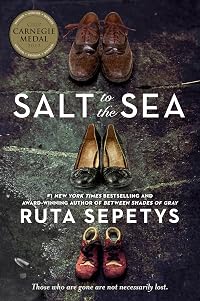
Salt to the Sea
by Ruta Sepetys
On This Page
Description
"As World War II draws to a close, refugees try to escape the war's final dangers, only to find themselves aboard a ship with a target on its hull"--Tags
Recommendations
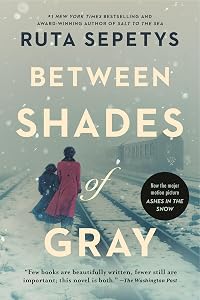
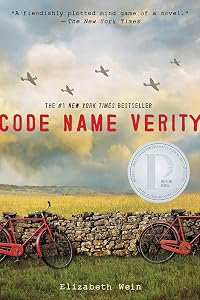
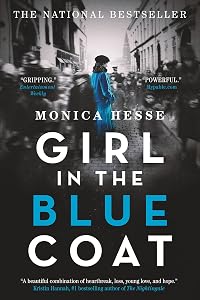

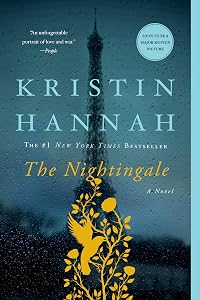
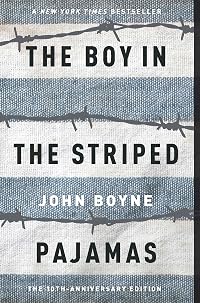
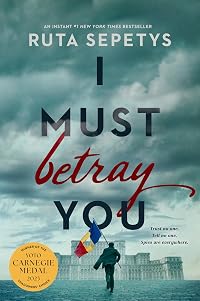
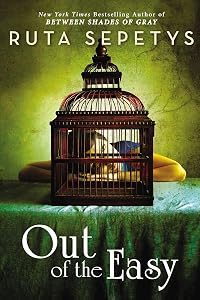
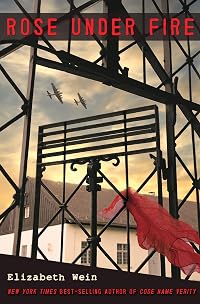
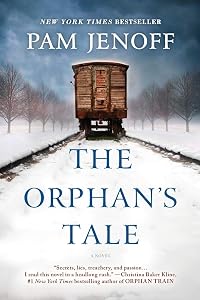




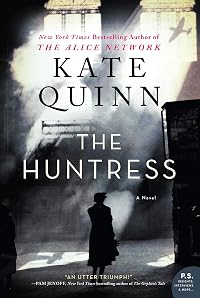
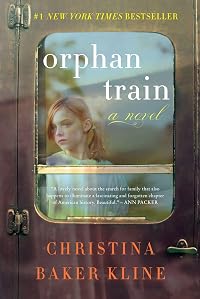
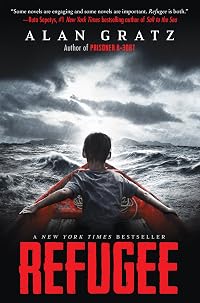
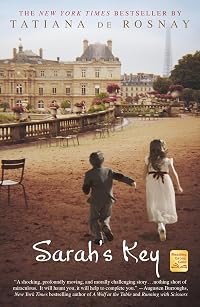
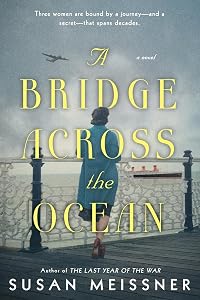


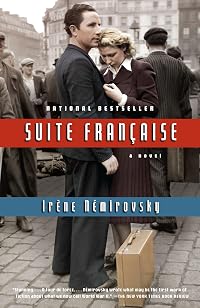
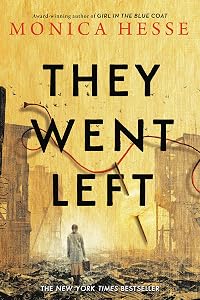
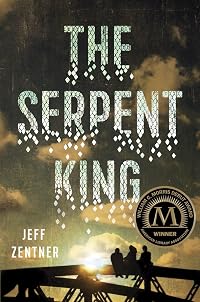

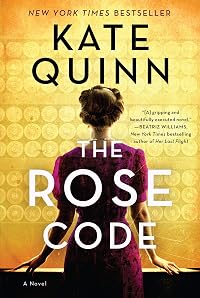
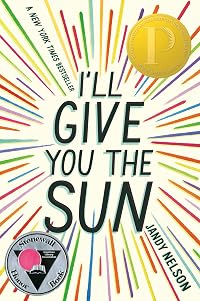
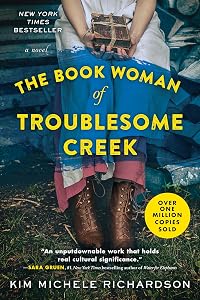
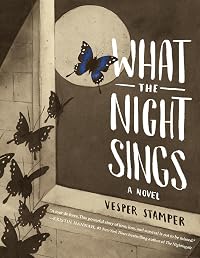
Member Recommendations
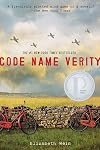
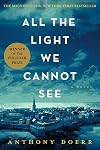
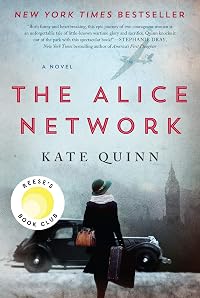
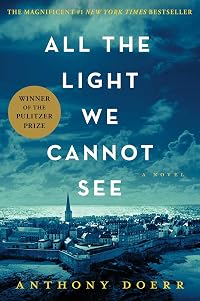
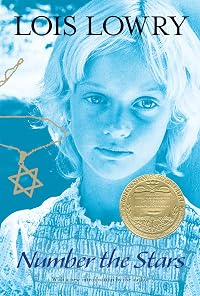
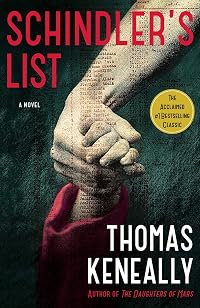
sweetbug Both heartbreaking stories of young men and women displaced by WWII.
20
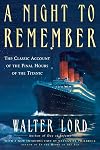
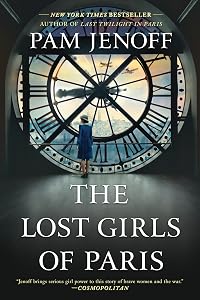
dara85 Sinking of the Titanic

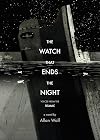
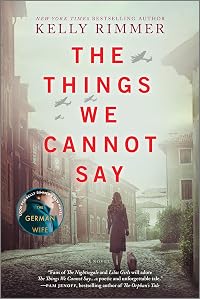
BookshelfMonstrosity Told from multiple perspectives, both moving historical fiction novels feature characters sailing on ships heading for disaster.
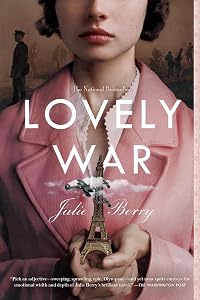
anonymous user A controlled look at the other side of crime.
The Light of Days: The Untold Story of Women Resistance Fighters in Hitler's Ghettos by Judy Batalion
Vulco1 Salt to the Sea is YA fiction and Light of a Days is Non-Fiction. But both have good action and are based around the same time. Deal with evacuation and loss of life during these genocides and pogroms. Both are well written.
Member Reviews
In January 1945, tens of thousands of refugees from the Baltics, Eastern Europe, and Prussia flooded the port cities on the Baltic Sea hoping for boat passage to escape the Red Army, whose soldiers were leaving a swath of destruction behind them. Germany organized Operation Hannibal in an attempt to evacuate military personnel, Nazi officials and their families, wounded soldiers, and civilians to Germany. On January 30, the vastly overloaded Wilhelm Gustloff, a former cruise ship, left Gotenhafen with an estimated 10,500 people on board. She was struck by three torpedoes fired from a Soviet submarine and sank within an hour. An estimated 9,500 people died, making it by far the largest loss of life in maritime history from the sinking of show more a single vessel.
Ruth Sepetys did an amazing amount of research for her novel, including travelling the world to speak to survivors and their families. She decided to write the novel from the perspective of four teenagers in order to give voice to the child victims both of the war and the tragedy of the Wilhelm Gustloff. In alternating chapters, the Lithuanian nurse Joana, the Polish girl Emilia, the wounded Prussian Florian, and the German sailor Alfred tell their stories. The result is an amazing piece of historical fiction that I found incredibly gripping and moving. Although billed as young adult, due to the age of the protagonists, I would recommend this for anyone interested in WWII historical fiction. show less
Ruth Sepetys did an amazing amount of research for her novel, including travelling the world to speak to survivors and their families. She decided to write the novel from the perspective of four teenagers in order to give voice to the child victims both of the war and the tragedy of the Wilhelm Gustloff. In alternating chapters, the Lithuanian nurse Joana, the Polish girl Emilia, the wounded Prussian Florian, and the German sailor Alfred tell their stories. The result is an amazing piece of historical fiction that I found incredibly gripping and moving. Although billed as young adult, due to the age of the protagonists, I would recommend this for anyone interested in WWII historical fiction. show less
On January 30, 1945 three torpedoes from a Russian submarine tore through the refuge ship, Wilhelm Gustloff, sinking her within sixty minutes. The ship was tremendously over-crowded and of the fifteen thousand on board, at least nine thousand perished. This is the deadliest marine disaster in history, and yet, many of us have never heard of it. In Salt to the Sea, author Ruta Sepetys tells the story of the sinking and of some of the refugees who were aboard her.
The story is haunting, gripping and heart-wrenching as we are introduced to a small group of refugees who are fleeing the oncoming Russians. This is a mixed group of people, young and old, from various countries, all trying to stay ahead of the invading army. One member of the show more group, Joana is a Lithuanian nurse and her nursing skills are in demand which allows her to bring her friends on board as well. Also travelling with them is Florian, a Prussian who had been working for the Nazis restoring art, but he deserted once he realized that most of the officers were lining their pockets with the artwork, not keeping it safe for posterity.
The story unfolds through four different narrative voices, yet it is concise, clear and emotionally involving. Although this is considered a YA story, it is so well told and written that it appeals to all ages. The author is able to place us among these people and have us caring about them and wanting to see them make it to a place of safety. Salt to the Sea is both a beautiful and tragic read that sheds a light on a little known event in history. show less
The story is haunting, gripping and heart-wrenching as we are introduced to a small group of refugees who are fleeing the oncoming Russians. This is a mixed group of people, young and old, from various countries, all trying to stay ahead of the invading army. One member of the show more group, Joana is a Lithuanian nurse and her nursing skills are in demand which allows her to bring her friends on board as well. Also travelling with them is Florian, a Prussian who had been working for the Nazis restoring art, but he deserted once he realized that most of the officers were lining their pockets with the artwork, not keeping it safe for posterity.
The story unfolds through four different narrative voices, yet it is concise, clear and emotionally involving. Although this is considered a YA story, it is so well told and written that it appeals to all ages. The author is able to place us among these people and have us caring about them and wanting to see them make it to a place of safety. Salt to the Sea is both a beautiful and tragic read that sheds a light on a little known event in history. show less
This is an excellent novel set during WWII. It centers around three teenagers who, along with others, are trying to escape war-torn East Prussia in 1945. Joana is a generous-spirited Lithuanian nurse, a critical skill for those fleeing; reluctant-to-give-his-name Florian is a mysterious Prussian who is on a personal mission that aligns with those fleeing; and Emilia, saved by Florian from a predatory soldier, is a damaged but determined Polish girl with her own secret. Their stories are interspersed with that of the insufferably self-centered Alfred, a late-developed Hitler youth, devoted to the Fuhrer, who unwittingly assists their flight. The "liberating" Russians are even more dangerous than the still hopeful German soldiers, and we show more get to see multitudes of people suffering from the clash of powers. Many others join the teenagers in the sustained flight, including the beloved "shoe poet", a cobbler who gets insights into others based on their footwear, and giant stubborn Eva who has disdain for everyone except the nurse Joana.
The chapters are short, and the pages move fast. It all feels as if it could easily be real - and it is indeed based on extensive research and interviews by the author, as discussed in her afterword. The ship they all seek to board to get away is a real one, the Wilhelm Gustlof, and its little-known real life destiny is dramatic. Harrowing images of danger and loss are leavened by the growing bonds of those traveling together, including a key romantic one. Sepetys has given a moving tribute to those often forgotten victims of wars, people who have no stake in the conflict and hope only to survive and find some place safe. show less
The chapters are short, and the pages move fast. It all feels as if it could easily be real - and it is indeed based on extensive research and interviews by the author, as discussed in her afterword. The ship they all seek to board to get away is a real one, the Wilhelm Gustlof, and its little-known real life destiny is dramatic. Harrowing images of danger and loss are leavened by the growing bonds of those traveling together, including a key romantic one. Sepetys has given a moving tribute to those often forgotten victims of wars, people who have no stake in the conflict and hope only to survive and find some place safe. show less
Well this was FANTASTIC. Not at all what I was expecting, but amazing all the same. Highly, HIGHLY recommend.
This book follows four perspectives, four stories, and probably three-dozen secrets between them all.
Both main and side characters are beautifully fleshed out. Even the ones you dislike are fun to hate. @rutasepetysauthor writes all the good characters in a way that makes you care deeply for them, and leaves you broken if/when they’re hurt. And she writes the bad characters in a way that makes you wish they’d get a good, front-handed slap across the face. Along with that comes the reality, however, that this book was not entirely about the tragedy of the Wilhelm Gustloff itself, but rather, the people who were on it, and the show more journey it took, mentally, emotionally, and physically, to get to and through it.
Because of the deep fleshing-out of characters, there are also some incredibly precious relationships of all kinds that are explored here. (I won’t say which ones I liked best here, because going into any kind of detail with this book would mean spoilers, but they’re precious. Just trust me.)
However, at the risk of revealing some ✨MINOR SPOILERS✨, I will say that the way Sepetys writes trauma, especially in the case of Emilia, is heartbreaking. It’s done so well, both in the way Emilia’s voice is so young for her age and the way she latches onto the little good things and people she comes across in an idolizing, child-like way.
I can’t say much else without extreme spoilers. So while I would love to do a long-winded review, discussing each of the characters, I think I’ll leave it at this.
Just trust me: as long as you push through the slow pacing (which is difficult to get through first but so, so beneficial in the end), you’ll be left awe-struck by this book.
—Elliana Maselli
1/28/2021
7:30PM show less
This book follows four perspectives, four stories, and probably three-dozen secrets between them all.
Both main and side characters are beautifully fleshed out. Even the ones you dislike are fun to hate. @rutasepetysauthor writes all the good characters in a way that makes you care deeply for them, and leaves you broken if/when they’re hurt. And she writes the bad characters in a way that makes you wish they’d get a good, front-handed slap across the face. Along with that comes the reality, however, that this book was not entirely about the tragedy of the Wilhelm Gustloff itself, but rather, the people who were on it, and the show more journey it took, mentally, emotionally, and physically, to get to and through it.
Because of the deep fleshing-out of characters, there are also some incredibly precious relationships of all kinds that are explored here. (I won’t say which ones I liked best here, because going into any kind of detail with this book would mean spoilers, but they’re precious. Just trust me.)
However, at the risk of revealing some ✨MINOR SPOILERS✨, I will say that the way Sepetys writes trauma, especially in the case of Emilia, is heartbreaking. It’s done so well, both in the way Emilia’s voice is so young for her age and the way she latches onto the little good things and people she comes across in an idolizing, child-like way.
I can’t say much else without extreme spoilers. So while I would love to do a long-winded review, discussing each of the characters, I think I’ll leave it at this.
Just trust me: as long as you push through the slow pacing (which is difficult to get through first but so, so beneficial in the end), you’ll be left awe-struck by this book.
—Elliana Maselli
1/28/2021
7:30PM show less
No one writes teen historical fiction like Ruta Sepetys. She's phenomenal. This book was gripping from the start in its character building, intrigue, and adventure. Like one of her prior novels, this was a historical event of which I was largely unaware. Everyone knows what happened to the Titanic, but how many could tell you about the Wihelm Gustloff? It is the largest disaster in maritime history and occurred towards the end of World War II. Salt to the Sea tells of four refugees fleeing their homelands in the winter of 1945 as the Russians approach and the Germans retreat. They are all desperate to reach port and get on one of the ships that will take them to safety. They'll do anything to get out of their broken war torn countries show more filled with decaying bodies, starvation, cold, and soon to be Russian pillagers. Each of the refugees carries secrets and as they flock to the sea, their secrets threaten to reveal themselves. Masterfully written! show less
This is a book that took my breath away. It's told from four different perspectives and takes place in 1945. Four teenagers, each one from a different Eastern European country, are trying to find their ways to the nearest DMZ and escape Nazi persecution. The nurse was my favorite character. She was the stabilizing force for everyone, and I cheered for her the whole time. I immensely appreciated that it was the character who couldn't speak German (unlike everybody else), who figured out that the ship was sinking and managed to tell everyone using four words: "Up. Now. Coat. Cold." (Get up above-decks. Take your jacket. It's going to be cold, and we have to go NOW.") The "Titanic" disaster is something I am fascinated by, and I thought I show more might need to examine why, but I found out that it's a source of fascination for tons of others. So, the book having a sinking disaster in the last hundred pages was a pleasant plot twist (that sounded a lot less creepy in my head), and oh, I was glued to the book. The nurse tells the readers, as the ship is sinking, "Everybody knows about the 'Titanic.' It was in all the papers. What will people think of this one?" and she realized "The Nazis won't report this at all." My heart lurched. The 1945 sinking of the ship was the worst maritime disaster in history, yet it's also the least-known. More than ten thousand (poor immigrants, which is why it wasn't reported) died. I'm going to do my own research on this, as well. I think I will buy the book. I will definitely read other books by the author. show less
Four young people, refugees in World War 2 for various reasons, tell their stories. There's Joana, a young Lithuanian nurse of German heritage who had special permission to be here; Florian, a talented artist on the run and carrying secrets; Emilia, a pregnant Polish girl who looks upon Florian as a knight for saving her from a Russian soldier; and Alfred, a twisted German soldier who swallows the Nazi line whole.
Sepetys powerfully tells a little-known story of the refugees from all over who were fleeing on German boats due to Russian attack. I don't want to say more than that for fear of spoilers, but I will say any who are more familiar with that aspect of World War 2 than I was may realize where the story is going much earlier than I show more did. The title has been marketed as young adult but I think it is in the same sense as The Book Thief or Code Name Verity - the characters may be teens and young adults and it's possible that teens will read it, but it's just as much for adults. The pages turn quickly as the four narrators have only a few pages each, yet I never felt like I was unnecessarily jumping around. Each of their stories highlight the horrors of war even before the climactic turn the story takes. Highly recommended. show less
Sepetys powerfully tells a little-known story of the refugees from all over who were fleeing on German boats due to Russian attack. I don't want to say more than that for fear of spoilers, but I will say any who are more familiar with that aspect of World War 2 than I was may realize where the story is going much earlier than I show more did. The title has been marketed as young adult but I think it is in the same sense as The Book Thief or Code Name Verity - the characters may be teens and young adults and it's possible that teens will read it, but it's just as much for adults. The pages turn quickly as the four narrators have only a few pages each, yet I never felt like I was unnecessarily jumping around. Each of their stories highlight the horrors of war even before the climactic turn the story takes. Highly recommended. show less
Members
- Recently Added By
Published Reviews
ThingScore 75
Four out of five stars. I enjoyed most of this book. However some parts seemed unnecessary and a little slow but over all it was a nice quick read that kept me interested. I wish that there was more to the ending, it was a bit difficult to understand and I re-read it twice just to make sure I got the message on who Florian was reading the letter from. I thought it was a great YA read with nice show more use of language and context. Alfred was annoying, and after reading a few of his chapters it was refreshing to know that even the other soldiers thought so too. Sepetys really did a great job developing the characters, making you love some of them, feel sorry for some, feel sad for some and be annoyed with some. show less
added by lezaslibrary
Lists

Historical Fiction
889 works; 89 members

Books About World War II
102 works; 29 members

Historical Fiction Books
99 works; 5 members

World War II Books
34 works; 1 member

To Read
617 works; 7 members

Carnegie Medal books I've read (shortlist and winners)
86 works; 17 members

Books Read in 2017
4,249 works; 130 members

Books I have Recommended
207 works; 1 member

Carnegie Medal Winners In Order
85 works; 1 member

THE WAR ROOM
813 works; 24 members

Books Read in 2024
4,623 works; 126 members

Books recommended by Calgary Public Library staff
1,588 works; 4 members

Biggest Disappointments
606 works; 168 members
Author Information

20 Works 16,815 Members
Ruta Sepetys is the award-winning, bestselling author of Between Shades of Gray, Out of the Easy and Salt to the Sea, for which she won the 2017 Carnegie Medal. From the Hardcover edition. (Bowker Author Biography)
Some Editions
Awards and Honors
Awards
Distinctions
Notable Lists
Work Relationships
Is contained in
Has as a student's study guide
Common Knowledge
- Canonical title
- Salt to the Sea
- Original title
- Salt to the Sea
- Original publication date
- 2016-02
- People/Characters
- Florian Beck; Joana Vilkas; Emilia; Alfred Frick; Eva; Heinz (show all 7); Klaus
- Important places
- Gotenhafen; Konigsberg
- Important events
- World War II, Operation Hannibal; sinking of the Wilhelm Gustloff
- Epigraph
- We the survivors are not the true witnesses. The true witnesses, those in possession of the unspeakable truth, are the drowned, the dead, the disappeared. -Primo Levi
- Dedication
- For my father.
My hero. - First words
- Guilt is a hunter.
- Last words
- (Click to show. Warning: May contain spoilers.)She is loved. Affectionately, Clara Christensen
- Blurbers
- Wein, Elizabeth
- Original language
- English
- Canonical DDC/MDS
- 813.6
- Canonical LCC
- PZ7.S47957
Classifications
- Genres
- Fiction and Literature, Teen, Young Adult, Historical Fiction
- DDC/MDS
- 813.6 — Literature & rhetoric American literature in English American fiction in English 2000-
- LCC
- PZ7 .S47957 — Language and Literature Fiction and juvenile belles lettres Fiction and juvenile belles lettres Juvenile belles lettres
- BISAC
Statistics
- Members
- 4,559
- Popularity
- 3,202
- Reviews
- 215
- Rating
- (4.27)
- Languages
- 9 — Czech, Dutch, English, French, Indonesian, Italian, Spanish, Swedish, Portuguese (Portugal)
- Media
- Paper, Audiobook, Ebook
- ISBNs
- 47
- ASINs
- 7