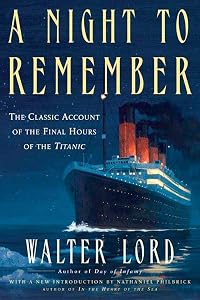
A Night to Remember
by Walter Lord
On This Page
Description
#1 New York Times Bestseller: The definitive book on the sinking of the Titanic, based on interviews with survivors, by the author of The Miracle of Dunkirk.At first, no one but the lookout recognized the sound. Passengers described it as the impact of a heavy wave, a scraping noise, or the tearing of a long calico strip. In fact, it was the sound of the world's most famous ocean liner striking an iceberg, and it served as the death knell for 1,500 souls. In the next two hours and forty show more minutes, the maiden voyage of the Titanic became one of history's worst maritime accidents. As the ship's deck slipped closer to the icy waterline, women pleaded with their husbands to join them on lifeboats. Men changed into their evening clothes to meet death with dignity. And in steerage, hundreds fought bitterly against certain death. At 2:15 a.m. the ship's band played "Autumn." Five minutes later, the Titanic was gone. Based on interviews with sixty-three survivors, Lord's moment-by-moment account is among the finest books written about one of the twentieth century's bleakest nights. show less
Tags
Recommendations

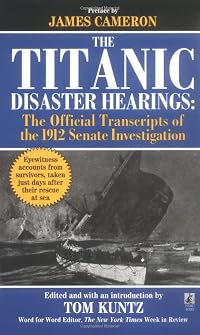
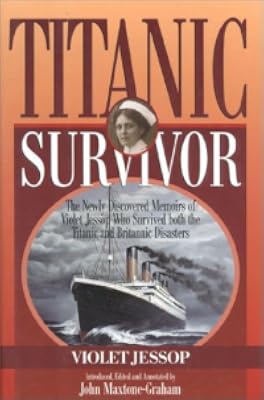
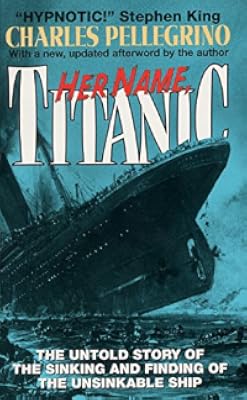
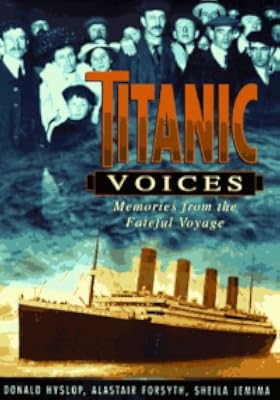
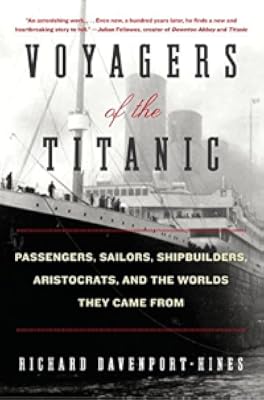
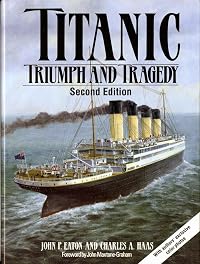
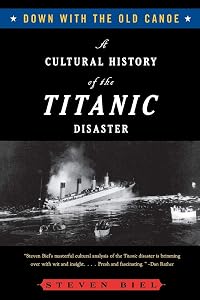
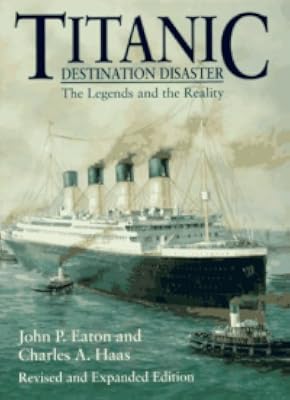


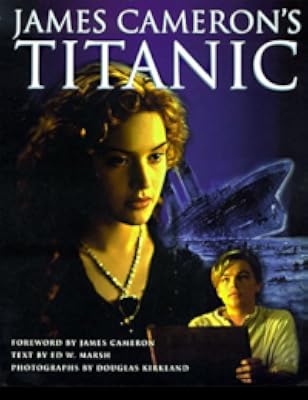
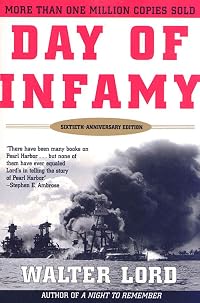

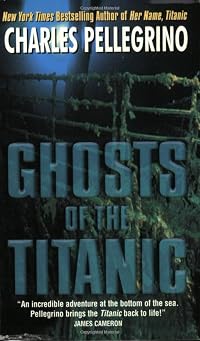

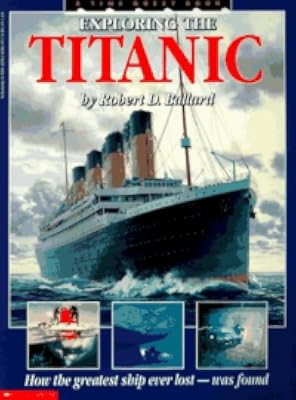

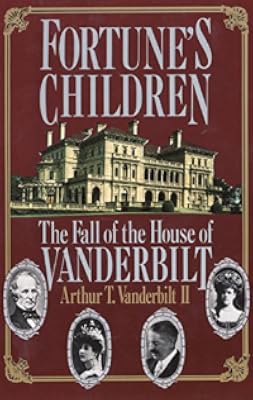

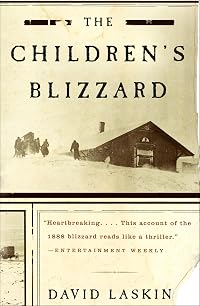
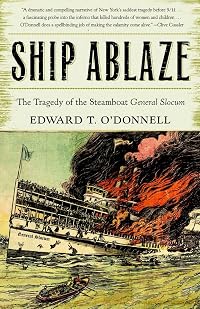

Member Recommendations
Stbalbach Both use same technique of minute-by-minute disaster survivor vignettes.
30

waltzmn Books about the Titanic are a dime a dozen; I have ten or so. Few are more significant that A Night to Remember. But it is a thin book, and there are more details elsewhere. Of those other books, Stephanie Barczewski's is among the best -- new enough to use the information from the rediscovered wreck, well-researched, and full.
dara85 Sinking of the Titanic
Member Reviews
A classic account of the Titanic, that despite a skeptic bent keeps a lot of the orderly victorian airs in the narrative (though questions it towards the end). Structurally, it repeats itself multiple times, having told and re-told the narrative several times by the end, from an overall perspective, and then through various points of view, as well as the metanarrative story about the story, as covered by the news.
In some ways this worked for painting a detailed picture, in others it highlights how fragmented the memory of the whole event is; people swear they saw and interacted with people that could not have been where they were, conflicting accounts as to who did what, including if the captain went down with the ship or committed show more suicide, if he was helping people to the last or not. The classic question of what the band played is another feature where we get our choice of answers from different sources, from nothing, to ragtime, to Nearer My God to Thee and more. It's a great illustration of how unreliable witness testimony can be.
The question is what do we take away from accounts so piecemeal, that even as a whole, the book disputes toward the end (regarding the central women and children first issue, versus the statistics on those saved). Is the kaleidoscope of views the story, or just a shrug concluding we'll never know? show less
In some ways this worked for painting a detailed picture, in others it highlights how fragmented the memory of the whole event is; people swear they saw and interacted with people that could not have been where they were, conflicting accounts as to who did what, including if the captain went down with the ship or committed show more suicide, if he was helping people to the last or not. The classic question of what the band played is another feature where we get our choice of answers from different sources, from nothing, to ragtime, to Nearer My God to Thee and more. It's a great illustration of how unreliable witness testimony can be.
The question is what do we take away from accounts so piecemeal, that even as a whole, the book disputes toward the end (regarding the central women and children first issue, versus the statistics on those saved). Is the kaleidoscope of views the story, or just a shrug concluding we'll never know? show less
Me: “Guess what? I’m going to read a book about the Titanic!”
My 11 year old brother: “What’s it called?”
Me: “A Night to Remember”
Brother: “I love that one! It’s a classic from the 1950’s!”
Me: “You’ve read this?!”
Brother: “No, but I love it.”
My little brother is a walking compendium of knowledge about the RMS Titanic, so I figured I would step up my game and read a historical account of my own. This one is far above his reading level, but apparently he still knows everything *about* the book and it’s publication date. I love the little man and his weird passion for sunken ships.
This book is absolutely chilling to the core. It doesn’t beat around the bush with details of the ship mechanics and show more time period; right from the first page you are on board the Titanic on April 15, 1912. The amount of detail is almost agonizing. Not because of the writing style or any other trivial matters, but because the subject matter is simply so painful. I noticed myself listening to the audiobook paused with a mouth over my hand, horror-struck. It takes an excellent account of a tragedy to achieve such effect. The worst part was towards the end, when the author asks “what if?” and goes through every plausible scenario where the simplest change would have prevented this historical disaster entirely. 5/5 stars of heartache. show less
My 11 year old brother: “What’s it called?”
Me: “A Night to Remember”
Brother: “I love that one! It’s a classic from the 1950’s!”
Me: “You’ve read this?!”
Brother: “No, but I love it.”
My little brother is a walking compendium of knowledge about the RMS Titanic, so I figured I would step up my game and read a historical account of my own. This one is far above his reading level, but apparently he still knows everything *about* the book and it’s publication date. I love the little man and his weird passion for sunken ships.
This book is absolutely chilling to the core. It doesn’t beat around the bush with details of the ship mechanics and show more time period; right from the first page you are on board the Titanic on April 15, 1912. The amount of detail is almost agonizing. Not because of the writing style or any other trivial matters, but because the subject matter is simply so painful. I noticed myself listening to the audiobook paused with a mouth over my hand, horror-struck. It takes an excellent account of a tragedy to achieve such effect. The worst part was towards the end, when the author asks “what if?” and goes through every plausible scenario where the simplest change would have prevented this historical disaster entirely. 5/5 stars of heartache. show less
In appraising A Night to Remember, Walter Lord's chronicle of the sinking of the Titanic, I go back to something he writes on his Acknowledgements page. "This book," he writes on page 203, "is really about the last night of a small town." For him, the maritime disaster is primarily a human tragedy, a story about the loss of a community of people.
There is no preamble to the night of the disaster (the title of Lord's book is to be taken exclusively) and if you're looking for a comprehensive chronicle of the Titanic – how and why she sank, for example, or thorough and forensic accounting of the disaster and the myths surrounding it – then A Night to Remember is not the best option. Don't get me wrong, Lord doesn't scrimp on facts and show more the book is informative, but he also acknowledges that "it is a rash man indeed who would set himself up as final arbiter on all that happened" (pg. 202). The book, even the updated version, was published before the wreck of the ship was discovered and before many questions about the sinking were answered by its exploration. (In Lord's book, he doesn't even mention that the ship split in half, or even address the possibility that it might have.)
What makes Lord's book timeless is that he focuses on the human stories on the night of the disaster. His is a narrative history – beautifully composed – rather than an analysis or a resource. Many of the stories are absolutely heart-wrenching. There is a deep-seated power in such simple lines as "Where you go, I go", "You go, and I'll stay a while" or even just "I understand". Despite the familiarity of the events of the Titanic even to readers a century later, it still has intense emotional power, and whilst not the most comprehensive account, Lord's captures perfectly why the story has held people's interest ever since the first news telegrams came in on the morning of 15th April 1912.
A Night to Remember also succeeds in other ways. It gives more prominence to the Californian controversy than other history books do (the Californian was the ship that was closest by yet failed to respond to the distress signals; why it did not do so and whether most of those aboard could have been saved if it had remains a significant point of dispute among Titanic historians). He also goes into detail about what happened on the lifeboats after the sinking (it was not solely a case of escaping the ship: some died even on the boats, and one boat was overturned and on the verge of sinking when the Carpathia showed up), whereas most accounts treat this struggle to survive anew almost as an afterthought, something between the more arresting images of Titanic's departure and Carpathia's arrival. Even though I have been a casual Titanic buff ever since I was a child (the James Cameron film was released when I was seven years old, and I seem to recall reading books about it even before then), A Night to Remember still found perspectives on it that I have never even considered. For example, he recounts the effect the news had on the passengers of the Carpathia: they did not believe what they were told as the Titanic was considered 'unsinkable', and with their ship at full steam and their stewards running about in rescue preparations, they thought something had befell their own ship and the crew were trying not to alarm anyone (pg. 159). Even with such an oft-told story, Lord found untold - or at least undertold - stories.
The only flaw with the book is that I believe Lord overstates the impact of the Titanic disaster on the course of history. Its impact on our popular imagination is not in doubt but, particularly on pages 138-9, Lord tries to make the case that the world changed, that an old era replaced the new because of the disaster. "People have never been sure of anything since," he writes on page 139, but this assessment is more than a tad over-egged. Class divisions did rear their head, and mankind's hubris about his mechanical ingenuity took a substantial blow, but it's hard to see how the sinking, tragic as it was, shaped the course of history. Similar claims are made about modern disasters, such as the Grenfell Tower tragedy or the various air crashes of recent years, but I think the heightened response to such tragedies is out of an intensified desire to provided aid and to ensure such things never happen again; humanity's attention zeroed into one place rather than any historical shift (which tend to be more gradual). Disasters don't really change anything, unless the violation is deliberate – if an enemy is to blame and there is something to oppose (as was the case with 9/11, the only real modern tragedy that has an unassailable claim to have changed the world). There are always villains of the piece (fairly or unfairly, those of the Titanic tragedy are Ismay and the Californian) and there will always be some looking to parlay the dead into political gain (as has happened at Grenfell), but the fact that there are heroes and there are villains only emphasises the universality of such tragedies, the similarities they have with previous dramas.
One admires the craftsmanship of A Night to Remember. Even if it is outdated, with some of its content superseded by later research (in 1956, this would have been a truly five-star book), it explains intuitively why the Titanic tragedy still holds such appeal and such high emotional drama. When you remember that we are small and insignificant creatures that exist on a small and insignificant rock, protected by a thin layer of ozone from the airless and inhospitable void beyond, there is, sadly, no more appropriate composite or snapshot of humanity that you could conceive, than that of ordinary men and women scrambling for life over the stern of the ship as it sinks into the cold and black below, whilst the band solemnly plays 'Nearer My God to Thee'. Maybe, as Lord contends, the band did not play 'Nearer My God to Thee'. But if not nearer to God, then the tragedy at least brings you closer to the rest of humanity, and the comprehension that we all, unwittingly or not, grope for in the dark. show less
There is no preamble to the night of the disaster (the title of Lord's book is to be taken exclusively) and if you're looking for a comprehensive chronicle of the Titanic – how and why she sank, for example, or thorough and forensic accounting of the disaster and the myths surrounding it – then A Night to Remember is not the best option. Don't get me wrong, Lord doesn't scrimp on facts and show more the book is informative, but he also acknowledges that "it is a rash man indeed who would set himself up as final arbiter on all that happened" (pg. 202). The book, even the updated version, was published before the wreck of the ship was discovered and before many questions about the sinking were answered by its exploration. (In Lord's book, he doesn't even mention that the ship split in half, or even address the possibility that it might have.)
What makes Lord's book timeless is that he focuses on the human stories on the night of the disaster. His is a narrative history – beautifully composed – rather than an analysis or a resource. Many of the stories are absolutely heart-wrenching. There is a deep-seated power in such simple lines as "Where you go, I go", "You go, and I'll stay a while" or even just "I understand". Despite the familiarity of the events of the Titanic even to readers a century later, it still has intense emotional power, and whilst not the most comprehensive account, Lord's captures perfectly why the story has held people's interest ever since the first news telegrams came in on the morning of 15th April 1912.
A Night to Remember also succeeds in other ways. It gives more prominence to the Californian controversy than other history books do (the Californian was the ship that was closest by yet failed to respond to the distress signals; why it did not do so and whether most of those aboard could have been saved if it had remains a significant point of dispute among Titanic historians). He also goes into detail about what happened on the lifeboats after the sinking (it was not solely a case of escaping the ship: some died even on the boats, and one boat was overturned and on the verge of sinking when the Carpathia showed up), whereas most accounts treat this struggle to survive anew almost as an afterthought, something between the more arresting images of Titanic's departure and Carpathia's arrival. Even though I have been a casual Titanic buff ever since I was a child (the James Cameron film was released when I was seven years old, and I seem to recall reading books about it even before then), A Night to Remember still found perspectives on it that I have never even considered. For example, he recounts the effect the news had on the passengers of the Carpathia: they did not believe what they were told as the Titanic was considered 'unsinkable', and with their ship at full steam and their stewards running about in rescue preparations, they thought something had befell their own ship and the crew were trying not to alarm anyone (pg. 159). Even with such an oft-told story, Lord found untold - or at least undertold - stories.
The only flaw with the book is that I believe Lord overstates the impact of the Titanic disaster on the course of history. Its impact on our popular imagination is not in doubt but, particularly on pages 138-9, Lord tries to make the case that the world changed, that an old era replaced the new because of the disaster. "People have never been sure of anything since," he writes on page 139, but this assessment is more than a tad over-egged. Class divisions did rear their head, and mankind's hubris about his mechanical ingenuity took a substantial blow, but it's hard to see how the sinking, tragic as it was, shaped the course of history. Similar claims are made about modern disasters, such as the Grenfell Tower tragedy or the various air crashes of recent years, but I think the heightened response to such tragedies is out of an intensified desire to provided aid and to ensure such things never happen again; humanity's attention zeroed into one place rather than any historical shift (which tend to be more gradual). Disasters don't really change anything, unless the violation is deliberate – if an enemy is to blame and there is something to oppose (as was the case with 9/11, the only real modern tragedy that has an unassailable claim to have changed the world). There are always villains of the piece (fairly or unfairly, those of the Titanic tragedy are Ismay and the Californian) and there will always be some looking to parlay the dead into political gain (as has happened at Grenfell), but the fact that there are heroes and there are villains only emphasises the universality of such tragedies, the similarities they have with previous dramas.
One admires the craftsmanship of A Night to Remember. Even if it is outdated, with some of its content superseded by later research (in 1956, this would have been a truly five-star book), it explains intuitively why the Titanic tragedy still holds such appeal and such high emotional drama. When you remember that we are small and insignificant creatures that exist on a small and insignificant rock, protected by a thin layer of ozone from the airless and inhospitable void beyond, there is, sadly, no more appropriate composite or snapshot of humanity that you could conceive, than that of ordinary men and women scrambling for life over the stern of the ship as it sinks into the cold and black below, whilst the band solemnly plays 'Nearer My God to Thee'. Maybe, as Lord contends, the band did not play 'Nearer My God to Thee'. But if not nearer to God, then the tragedy at least brings you closer to the rest of humanity, and the comprehension that we all, unwittingly or not, grope for in the dark. show less
An account of the sinking of the Titanic, based mainly on the recollections of the survivors. I really liked it that Lord didn't try to fictionalize or embellish the story. He did a good job of tying together the memories of survivors and families with newspaper and magazine articles, other books, and official documents. It focuses fairly tightly on the night of the disaster and the rescue, with only a few references to official inquiries and the later lives of some survivors. Even though I've always been aware of the facts, this account really made me aware of the appalling lack of preparedness. There were only enough lifeboats for about half the number of people on board, and even those were grossly underfilled when they were show more launched. The book provided me with plenty of tidbits of information to inflict upon my family. show less
Six-word review: Chilling chronicle of unimaginable maritime catastrophe.
Extended review:
In our time, a number of landmark events have been cited as turning points, the end of innocence, the time when doubt and cynicism took the place of optimism and faith. The bombing of Hiroshima. The assassination of President Kennedy. The attacks of 9/11.
Before that, there was the Titanic.
Says Walter Lord in this work of nonfiction: "Overriding everything else, the Titanic also marked the end of a general feeling of confidence. Until then men felt they had found the answer to a steady, orderly, civilized life.... The Titanic woke them up. Never again would they be quite so sure of themselves. In technology especially, the disaster was a terrible show more blow. Here was the "unsinkable ship"--perhaps man's greatest engineering achievement--going down the first time it sailed.... If it was a lesson, it worked--people have never been sure of anything since. The unending sequence of disillusionment that has followed can't be blamed on the Titanic, but she was the first jar. Before the Titanic, all was quiet. Afterward all was tumult. That is why, to anybody who lived at the time, the Titanic more than any other single event marks the end of the old days, and the beginning of a new, uneasy era." (chapter 7)
The next big event would be the start of World War I.
Born five years after the sinking of the Titanic in 1912, Lord was writing in 1955. After two world wars. Before Sputnik, before Apollo, before home computers and cellphones. Before Vietnam, before JFK. Before Unabomber and TSA and amber alerts. When CD stood for Civil Defense, not certificate of deposit and not compact disc, and we practiced "duck and cover" under our desks at school. However it may look now, that was no age of innocence. At the time of publication, only 43 years had passed since that April night, and the sinking of the greatest of all ships was still a living memory. And Lord, looking back over the interval and reflecting the spirit of the time, sees the loss of the Titanic as the boundary marker. That, it seems to me, is one of the three main messages of this book.
The other two are directly related to the disaster itself and not its aftermath. One is the number of things that had to go wrong in order for the vessel and 1500 lives to be lost. And every one of them--messages not delivered, warnings not taken, lifeboats not filled--everything did.
And the other is the overweening hubris of the designers, builders, and owners themselves, those who thought they could create something indestructible. Nothing is indestructible.
Lord's documentary chronicles the events immediately leading up to the Titanic's collision with the iceberg and everything that occurred thereafter, through the arrival of the few hundred survivors in New York. Key moments in the sequence are laid out in a timeline, minute by minute. Public and private accounts of the catastrophe are catalogued.
The main thread of the narrative is actually many interwoven threads. Lord follows the stories of various passengers, crew members, and distinguished personages, including the captain, the naval architect who oversaw the plans for the ocean liner, and the managing director of the Titanic's parent company, the White Star Line. Some are barely sketches, and some are detailed vignettes with extensive chronologies. Source material included written records and numerous eyewitness accounts, among which there was much conflicting information. The author went to considerable lengths to try to separate fiction, false memory, and folklore from fact, acknowledging that with no way to verify stories there could never be more than partial success.
Lord's journalistic style keeps the account from veering over into sensationalism, but it's impossible to tell a story as dramatic as this one without some feeling. As Lord depicts the overconfidence, ill-preparedness, disbelief, denial, and fatal inaction that contributed to the tragedy, he expresses a sorrow that seems both universal and personal. There is also admiration, awe, and perhaps even pride as he recounts the noble acts, the honorable behavior, and the self-sacrificing strength of character to which so many of the survivors owed their lives.
I prefer my history straight and not served up as infotainment, so I appreciate the amount of objectivity that Lord brings to the task, as well as the conscientious research. At the same time, the very things that make this a faithful history also take off a few points for readability: the quantities of corroborating detail, the occasional choppiness, the inevitable loose ends and unfinished stories. The book is worth a reader's attention, however, not just because, a century after the fact, that night to remember ought not to be overshadowed and forgotten but also because the lessons of the Titanic and its disastrous fate are just as applicable today. Innocence may have been lost a long time ago, but we have not learned to avoid the trap of overconfidence or truly come to terms with our collective vulnerability.
I dread to think what it would take.
An interesting footnote comes from Wikipedia: "In 1997, Lord served as a consultant to director James Cameron during the filming of the movie Titanic."
(Kindle edition) show less
Extended review:
In our time, a number of landmark events have been cited as turning points, the end of innocence, the time when doubt and cynicism took the place of optimism and faith. The bombing of Hiroshima. The assassination of President Kennedy. The attacks of 9/11.
Before that, there was the Titanic.
Says Walter Lord in this work of nonfiction: "Overriding everything else, the Titanic also marked the end of a general feeling of confidence. Until then men felt they had found the answer to a steady, orderly, civilized life.... The Titanic woke them up. Never again would they be quite so sure of themselves. In technology especially, the disaster was a terrible show more blow. Here was the "unsinkable ship"--perhaps man's greatest engineering achievement--going down the first time it sailed.... If it was a lesson, it worked--people have never been sure of anything since. The unending sequence of disillusionment that has followed can't be blamed on the Titanic, but she was the first jar. Before the Titanic, all was quiet. Afterward all was tumult. That is why, to anybody who lived at the time, the Titanic more than any other single event marks the end of the old days, and the beginning of a new, uneasy era." (chapter 7)
The next big event would be the start of World War I.
Born five years after the sinking of the Titanic in 1912, Lord was writing in 1955. After two world wars. Before Sputnik, before Apollo, before home computers and cellphones. Before Vietnam, before JFK. Before Unabomber and TSA and amber alerts. When CD stood for Civil Defense, not certificate of deposit and not compact disc, and we practiced "duck and cover" under our desks at school. However it may look now, that was no age of innocence. At the time of publication, only 43 years had passed since that April night, and the sinking of the greatest of all ships was still a living memory. And Lord, looking back over the interval and reflecting the spirit of the time, sees the loss of the Titanic as the boundary marker. That, it seems to me, is one of the three main messages of this book.
The other two are directly related to the disaster itself and not its aftermath. One is the number of things that had to go wrong in order for the vessel and 1500 lives to be lost. And every one of them--messages not delivered, warnings not taken, lifeboats not filled--everything did.
And the other is the overweening hubris of the designers, builders, and owners themselves, those who thought they could create something indestructible. Nothing is indestructible.
Lord's documentary chronicles the events immediately leading up to the Titanic's collision with the iceberg and everything that occurred thereafter, through the arrival of the few hundred survivors in New York. Key moments in the sequence are laid out in a timeline, minute by minute. Public and private accounts of the catastrophe are catalogued.
The main thread of the narrative is actually many interwoven threads. Lord follows the stories of various passengers, crew members, and distinguished personages, including the captain, the naval architect who oversaw the plans for the ocean liner, and the managing director of the Titanic's parent company, the White Star Line. Some are barely sketches, and some are detailed vignettes with extensive chronologies. Source material included written records and numerous eyewitness accounts, among which there was much conflicting information. The author went to considerable lengths to try to separate fiction, false memory, and folklore from fact, acknowledging that with no way to verify stories there could never be more than partial success.
Lord's journalistic style keeps the account from veering over into sensationalism, but it's impossible to tell a story as dramatic as this one without some feeling. As Lord depicts the overconfidence, ill-preparedness, disbelief, denial, and fatal inaction that contributed to the tragedy, he expresses a sorrow that seems both universal and personal. There is also admiration, awe, and perhaps even pride as he recounts the noble acts, the honorable behavior, and the self-sacrificing strength of character to which so many of the survivors owed their lives.
I prefer my history straight and not served up as infotainment, so I appreciate the amount of objectivity that Lord brings to the task, as well as the conscientious research. At the same time, the very things that make this a faithful history also take off a few points for readability: the quantities of corroborating detail, the occasional choppiness, the inevitable loose ends and unfinished stories. The book is worth a reader's attention, however, not just because, a century after the fact, that night to remember ought not to be overshadowed and forgotten but also because the lessons of the Titanic and its disastrous fate are just as applicable today. Innocence may have been lost a long time ago, but we have not learned to avoid the trap of overconfidence or truly come to terms with our collective vulnerability.
I dread to think what it would take.
An interesting footnote comes from Wikipedia: "In 1997, Lord served as a consultant to director James Cameron during the filming of the movie Titanic."
(Kindle edition) show less
Today's cruise ships are basically floating cities. Able to carry more than 6000 people, the Oasis of the Seas (Royal Caribbean Line) is 5 times the size of the Titanic. But back in its day, more than 100 years ago, the Titanic was a wonder. It took thousands of men more than 2 years to build her. Titanic was 4 city blocks long and could carry more than 2,400 people. She was new....she was massive....and she was doomed. 2 years to build.....and the largest ship afloat in April 1912 took just under 3 hours to sink.
Walter Lord tells the story of one of the most famous ocean disasters from before the ship struck an iceberg to the aftermath of the sinking. Walter Lord interviewed more than 60 survivors of the disaster to write the book. A show more Night to Remember was an instant bestseller in 1955. A film version was released in 1958. Lord even consulted on the filming of the 1997 movie Titanic.
I'm not sure why the fate of the Titanic is such a compelling story. It might be the huge loss of lives, the loss of such a grand ship on its first voyage, passengers with such disparate lives all doomed to the same fate....or a combination of all of it. First Class passenger John Jacob Astor, one of the wealthiest men in the world in 1912, drowned in the Atlantic alongside poor immigrants from steerage. It hits home when you compare ticket prices in today's money....those who paid the equivalent of $50,000 for a first class passage died alongside those who struggled to raise the $460 for a steerage ticket. Lord hits home with the difference in treatment of the classes on board when he points out that only one first class child died....but 52 children from steerage perished. Some passengers in steerage never even made it up to the boat deck for a chance of a seat in a lifeboat.
I'm sure it's his interviews with so many survivors that makes this book so realistic. His descriptions are vivid and made me feel like I was almost there. I listened to the audio version of this book. A combination of Lord's story-telling and Fred Williams excellent narration kept me engrossed in the story from start to finish. I have read many many books on the Titanic, watched movies, listened to podcasts....for me, it's a story I just seem obsessed with. It's horrific...and mesmerizing at the same time. Lord makes the story about the people....not just the event. He tells the story of an Italian woman crying for her children on board the Carpathia, only to be reunited with them both; the first class passenger who refused to leave her Great Dane on board the ship so perished with her dog; and the stunned silence of the women in the lifeboats as they realized they had just witnessed more than 1000 people drown. It's about more than a luxurious boat that didn't survive its first Atlantic crossing.....it's about the loss of more than 1,500 people and the story of the last 3 hours of their lives.
Great book! The audio (Blackstone) is just shy of 5 1/2 hours long. Fred Williams does a great job of narrating. He reads at a steady pace and has a nice voice. Very entertaining listening experience.
Walter Lord also wrote books about Dunkirk and the attack on Pearl Harbor. I've got both on my TBR list now! show less
Walter Lord tells the story of one of the most famous ocean disasters from before the ship struck an iceberg to the aftermath of the sinking. Walter Lord interviewed more than 60 survivors of the disaster to write the book. A show more Night to Remember was an instant bestseller in 1955. A film version was released in 1958. Lord even consulted on the filming of the 1997 movie Titanic.
I'm not sure why the fate of the Titanic is such a compelling story. It might be the huge loss of lives, the loss of such a grand ship on its first voyage, passengers with such disparate lives all doomed to the same fate....or a combination of all of it. First Class passenger John Jacob Astor, one of the wealthiest men in the world in 1912, drowned in the Atlantic alongside poor immigrants from steerage. It hits home when you compare ticket prices in today's money....those who paid the equivalent of $50,000 for a first class passage died alongside those who struggled to raise the $460 for a steerage ticket. Lord hits home with the difference in treatment of the classes on board when he points out that only one first class child died....but 52 children from steerage perished. Some passengers in steerage never even made it up to the boat deck for a chance of a seat in a lifeboat.
I'm sure it's his interviews with so many survivors that makes this book so realistic. His descriptions are vivid and made me feel like I was almost there. I listened to the audio version of this book. A combination of Lord's story-telling and Fred Williams excellent narration kept me engrossed in the story from start to finish. I have read many many books on the Titanic, watched movies, listened to podcasts....for me, it's a story I just seem obsessed with. It's horrific...and mesmerizing at the same time. Lord makes the story about the people....not just the event. He tells the story of an Italian woman crying for her children on board the Carpathia, only to be reunited with them both; the first class passenger who refused to leave her Great Dane on board the ship so perished with her dog; and the stunned silence of the women in the lifeboats as they realized they had just witnessed more than 1000 people drown. It's about more than a luxurious boat that didn't survive its first Atlantic crossing.....it's about the loss of more than 1,500 people and the story of the last 3 hours of their lives.
Great book! The audio (Blackstone) is just shy of 5 1/2 hours long. Fred Williams does a great job of narrating. He reads at a steady pace and has a nice voice. Very entertaining listening experience.
Walter Lord also wrote books about Dunkirk and the attack on Pearl Harbor. I've got both on my TBR list now! show less
This book is one of my 7th grader's summer reading assignments, so I thought I would take a crack at it first. I'm a bit skeptical that this book is a good fit for a 7th grader who is not a big reader -- the vocabulary and nautical terms are challenging, to say the least. That being said, it is extremely well written in a taut, analytical way. Not so coincidentally, I focused my full attention on Cameron's movie before I read the book. I can appreciate Cameron's attention to detail -- too bad there isn't a "director's cut," that shows more of the passengers, the boat and the crew, and less of Kate and Leo. As reader Kim O'Connell noted, I wanted more text and context, the way a Jon Krakauer or Erik Larson would have provided. I've now show more rented the British 1958 version of Lord's book, and my son and I will watch it together before he tackles this classic story. show less
Members
- Recently Added By
Lists

Disaster Books
74 works; 19 members

Best History Books about Disasters
33 works; 19 members

Top Five Books of 2020
982 works; 350 members

History can be Interesting (or Horrifying or Fun...)
14 works; 2 members

Top Five Books of 2015
811 works; 240 members

Accidents, Disasters, and Tragedies
175 works; 7 members

Books Read in 2013
1,630 works; 51 members

water on the brain: maritime fiction
74 works; 18 members

Best Sea Stories
33 works; 5 members

Read the book and saw the movie
1,170 works; 195 members

Elevenses
316 works; 88 members

Page Turners
185 works; 11 members

Best Survival Stories
97 works; 15 members

1950s
340 works; 22 members

Books I have Recommended
207 works; 1 member

Best Maritime Non Fiction
11 works; 4 members
Author Information

20+ Works 7,914 Members
Walter Lord is the author of several best-selling works of history, including "A Night to Remember", the recreation of the sinking of the Titanic. He lives in New York City. (Publisher Provided) John Walter Lord, Jr. (October 8, 1917- May 19, 2002), was an American author, best known for his documentary-style non-fiction account A Night to show more Remember, about the sinking of the RMS Titanic. He was born in Baltimore, Maryland; he attended Princeton University and alo earned a law degree from Yale Law School. Lord wrote 11 bestselling books on such subjects as Pearl Harbor (Day of Infamy, 1957), the Battle of Midway (Incredible Victory, 1967), the Battle of the Alamo (A Time to Stand, 1961). He is perhaps best known for his classic work about the crash of the Titanic, A Night to Remember (1955). Lord died at age 84 after a long battle with Parkinson's disease. He resided in Manhattan, New York. (Bowker Author Biography) show less
Some Editions
Awards and Honors
Distinctions
Series
Belongs to Publisher Series
Work Relationships
Is contained in
Has the adaptation
Is abridged in
Common Knowledge
- Canonical title
- A Night to Remember
- Original title
- A Night to Remember
- Original publication date
- 1955-12
- People/Characters
- Olaus Abelseth; Thomas Andrews (shipbuilder); Captain Edward J. Smith; Charlotte Lamson Appleton (Mrs. Edward Dale Appleton); John Jacob Astor IV; Madeleine Astor (show all 161); Frederick Barrett (Fireman | as Fred Barrett); Lawrence Beesley; George Beauchamp (Fireman); Walter Belford (Chief Night Baker); Dickinson H. Bishop; Helen Bishop (Mrs. Dickinson H. Bishop); Joseph G. Boxhall; Theodore Brailey (pianist); Roger Bricoux (cellist); Harold Bride; Molly Brown (Mrs. J. J. Brown); Daniel Buckley; Charles Burgess (Assistant Baker); Archie Butt (Major Archibald W. Butt); Albert Caldwell; Alden Caldwell; Sylvia Harbaugh Caldwell (Mrs. Albert Caldwell, Sylvia Mae Caldwell); Howard Case; George Cavell (Trimmer); Julia Florence Cavendish (Mrs. Turrell Cavendish); Turrell Cavendish; Bertha Griggs Chambers (Mrs. Norman Campbell Chambers); Norman Campbell Chambers; Victorine Chaudanson (Mrs. Ryerson's maid); Ada Maria Clarke; Fred Clark (bass-violist); Charlotte Collyer (Mrs. Harvey Collyer); Harvey Collyer; Marjory Collyer; Stewart Collett; Mary Compton (Mrs Alexander Taylor Compton); Harold Thomas Cottam; Alfred Crawford (Steward); Catherine Crosby; Edward Gifford Crosby; Harriet Crosby; Andrew Cunningham (Steward); Peter Daly; Robert W. Daniel; Albert A. Dick; Vera Dick (Mrs. A. A. Dick); George Dodd (2nd steward); Ruth Dodge (Mrs. Washington Dodge); Washington Dodge; Lulu Thorne Christian Drew (Mrs. James Vivian Drew); Marshall Drew; Lucy, Lady Duff-Gordon; Adolf Fredrik Dyker; Elisabeth Andersson Dyker (Mrs. Adolf Dyker); Henry Samuel Etches (First Class Steward); Cyril F. Evans; Frederick Fleet; Marguerite Frolicher; Jacques Futrelle; Lily May Peel Futrelle; Luigi Gatti; Dorothy Gibson; Pauline Boesen Brown Gibson (Dorothy Gibson's mother); Katherine Gilnagh; Archibald Gracie IV; Margaret Graham; Charles Victor Groves (Third Officer, Californian); Benjamin Guggenheim; Dorothy Annan Harder (Mrs. George A. Harder); George Achilles Harder; John Hardy (Second Class Chief Steward); Henry Sleeper Harper; Myra Haxtun Harper (Mrs. Henry Sleeper Harper); Henry Birkhardt Harris; Irene Wallach Harris (Mrs. Henry B. Harris); Wallace Henry Hartley; Herbert Gifford Harvey (Junior Assistant Second Engineer); Charles Melville Hays; Samuel S. Hemming (Lamp Trimmer); Charles Hendrickson (Leading Fireman); James Hesketh (Assistant Second Engineer); Anna Louisa Hogeboom (Mrs John C Hogeboom); Jock Hume (first violinist); Walter Hurst (Greaser); John Hall Hutchinson (Carpenter); J. Bruce Ismay; Carl Johnson; James Johnson (Steward); Charles Joughin (Chief Baker); George Kemish (Fireman); Reginald Lee; Charles Herbert Lightoller; Stanley Lord; Harold Godfrey Lowe (Fifth Officer); Herbert W. McElroy (purser); James Robert McGough (as James B. McGough); Frank D. Millet (Francis Davis Millet); James P. Moody (Sixth Officer); Clarence Moore; William Moss (Saloon Steward); William M. Murdoch; Elizabeth Nye; William O'Loughlin (ship's surgeon | William Francis Norman O'Loughlin); Helen Ostby; Arthur Godfrey Peuchen (Major); Herbert J. Pitman (Third Officer); John 'Jack' Phillips; John Poingdestre; Thomas Ranger (Greaser); Frederick Dent Ray (Steward, as F. Dent Ray); Annie Robinson (stewardess); Arthur Henry Rostron; Noël Leslie, Countess of Rothes; George Thomas Rowe; Edith Russell; Arthur Ryerson; Emily Ryerson (Mrs. Arthur Ryerson); Emily Borie Ryerson; John Borie 'Jack' Ryerson; Suzette Parker Ryerson; David Sarnoff (wireless operator in New York); Fred Seward; Shepherd (engineer); Elizabeth Shutes; Spencer V. Silverthorne; Anna Sjoblom; Mary Sloan (stewardess); William Sloper; Clinch Smith; Eloise Hughes Smith (Mrs. Lucien P. Smith, Mary Eloise Smith); Iago Smith (mail clerk); Lucien P. Smith; William Alden Smith (Senator); W. T. Stead; Hokan Bjornstrom Steffanson; Annie May Stengel (Mrs. C. E. H. Stengel); Martha Stephenson (Mrs. Walter B. Stephenson); Albert A. Stewart; Herbert Stone (Second Officer on the Californian); Jack Thayer; John B. Thayer; Marian Thayer (Mrs. John B. Thayer); Robert Vaughan; Bertha Antonine Mayné (Madame de Villiers); Alfred von Drachstedt; Anna Sophia Atkinson Warren (Mrs. Frank Manley Warren); Joseph Thomas Wheat (Assistant Second Steward); Alfred White (Electrician); Ella Holmes White (as Mrs. J. Stuart White); Natalie Wick; Alfred Wicklund; Harry Elkins Widener; Henry T. Wilde (Chief Officer); Constance Willard (Mrs. Willard); Bertie Wilson (Assistant Engineer); James Witter (Smoking Room Steward); Hugh Woolner; Fred Wright (squash pro); Antoni Yasbeck; Selini Yasbeck (later Anglicized as Celiney Yasbeck)
- Important places
- Atlantic Ocean; Californian (ship); Titanic (Steamship); RMS Carpathia (ship); Mount Temple (ship)
- Important events
- Sinking of the Titanic
- Related movies
- A Night to Remember (1958 | IMDb); The Making of 'A Night to Remember' (1993 | IMDb); Titanic: The Legend Lives On (1994 | IMDb)
- Dedication
- To my mother
- First words
- High in the crow's nest of the New White Star Liner Titanic, Lookout Frederick Fleet peered into a dazzling night.
- Last words
- (Click to show. Warning: May contain spoilers.)It is a rash man indeed who would set himself up as final arbiter on all that happened the incredible night the Titanic went down.
- Original language
- English
- Canonical DDC/MDS
- 910.45
- Canonical LCC
- G530.T6
- Disambiguation notice
- This is the book A Night to Remember ; please don't combine with the 1958 movie of the same name!
Classifications
- Genres
- General Nonfiction, History, Nonfiction
- DDC/MDS
- 910.45 — History & geography Geography & travel modified standard subdivisions of Geography and travel Pirates & Shipwrecks Ocean voyages, pirates
- LCC
- G530 .T6 — Geography, Anthropology and Recreation Geography (General) Adventures, shipwrecks, buried treasure, etc.
- BISAC
Statistics
- Members
- 3,496
- Popularity
- 4,734
- Reviews
- 72
- Rating
- (4.08)
- Languages
- 14 — Danish, Dutch, English, Finnish, French, German, Hungarian, Italian, Norwegian (Bokmål), Portuguese, Russian, Slovenian, Spanish, Swedish
- Media
- Paper, Audiobook, Ebook
- ISBNs
- 89
- UPCs
- 1
- ASINs
- 62