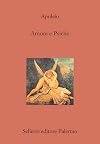
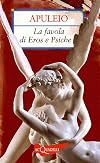
Cupid and Psyche
by Apuleius
On This Page
Description
Apuleius' story of Cupid and Psyche, the relationship of the human Soul with divine Love, is one of the great allegories of world literature. It forms an integral part of and profoundly illuminates the message of his novel Metamorphoses or The Golden Ass, which relates the adventures of a young man and his spiritual fall and redemption. To enrich and deepen his basic plot, the origins of which are obscure, Apuleius has combined poetic sources, Platonic philosophy and popular iconography in show more an unprecedented tour de force of literary creation. This edition sensitively elucidates the subtle art with which this transformation has been accomplished, and comprehensively illustrates both Apuleius' inventive handling of his various models and sources and the exuberant and idiosyncratic Latinity with forms the vehicle for it. It places in a fresh light the results of recent work on the ancient Novel and on Apuleius himself, and offers a stimulating, occasionally provocative, reading of his much-discussed text. The Latin is accompanied by a facing English translation, making the edition more accessible to students of comparative literature as well as to classicists. show lessTags
Recommendations













Member Reviews
This presentation of the Greek myth of Cupid and Psyche, beautifully-produced though it is, is less of a picture book than it is an illustrated adult text. Walter Pater, a nineteenth-century English essayist and art critic, originally published this selection as part of his philosophical novel, Marius the Epicurean, in much the same way that the original Cupid and Psyche was contained in Apuleius's 2nd century novel, The Golden Ass.
I found the language irritating in its artifice, as if Pater was attempting an "antique" style in his writing. The prose is so purple that the modern reader may become disgusted, as with this passage: "Venus, in the furiousness of her anger, tracks thy footsteps through the world, seeking for thee to pay her show more the utmost penalty; and thou, thinking of anything rather than thine own safety, hast taken on thee the care of what belongs to me!"
The reader would be well-advised not to look to Pater's version if they want an enjoyable and readable adaptation of this classic myth. The brilliant illustrations by Errol le Cain however, are definitely worth an examination - they are so delightful, that I awarded this book three stars, despite its unappealing text. These black and white, art-deco style pictures remind me somewhat of Kay Nielsen, and that is praise indeed! One wishes that some of le Cain's work was still available... show less
I found the language irritating in its artifice, as if Pater was attempting an "antique" style in his writing. The prose is so purple that the modern reader may become disgusted, as with this passage: "Venus, in the furiousness of her anger, tracks thy footsteps through the world, seeking for thee to pay her show more the utmost penalty; and thou, thinking of anything rather than thine own safety, hast taken on thee the care of what belongs to me!"
The reader would be well-advised not to look to Pater's version if they want an enjoyable and readable adaptation of this classic myth. The brilliant illustrations by Errol le Cain however, are definitely worth an examination - they are so delightful, that I awarded this book three stars, despite its unappealing text. These black and white, art-deco style pictures remind me somewhat of Kay Nielsen, and that is praise indeed! One wishes that some of le Cain's work was still available... show less
Cupid and Psyche is an extract from The Golden Ass by Apleius featuring three stories from that compilation including Cupid and Psyche as well as two chapters from the main story. Cupid is the 12th book in the Pengiun Epics series and is easily the most beautiful. The romance of Psyche and her relationship with Cupid is tender and endearing. Compared with the other Epics, this is a tale with emotion and a sense of genuine feeling between two people. It is a narrative that stands up well compared to modern literature and is an absolutely excellent ancient text. The two chapters of Golden Ass are funny and irreverent. They show a wit and sense of the dramatic centuries ahead of writings of its time.
The Penguin Epics version of Cupid and show more Psyche is translated by E.J. Kenney who does a tremendous job in turning the original Latin into a flowing and easy read that reflects the beauty of the original. The work contains a very short note referring to The Golden Ass and the context these extracts sit within. The note does not add much value. However, Cupid and Psyche is a work that speaks for itself in its magnificence.
The first of the three tales is the story of Psyche and her love for Cupid. It begins very much in the tradition of the literature of aniquity. The jealous god Venus despises the beautiful Psyche because Venus hates the idea that others might turn heads and distract attention away from her. As a vengeful god, she imposes wrathful vengeance on the innocent Psyche at a whim. This is completely in step with the Latin and Greek narrative style, the vagaries and cruely of life being reflected in the gods who treat humans scornfully.
It does not take long though for this particular narrative to transcend those that came before. The relationship that develops between Psyche and Cupid is a wonderful romance. Cupid forbids Psyche from gazing upon him, creating an uncertainty in her despite the strong feelings she holds for the man she does not know is Cupid. That lack of finality adds a layer of tension to the relationship and makes it feel more passionate and intense.
Psyche is a lovingly drawn character. She is kind and giving, not letting her own internal doubts stand in the way of yielding to the pleasures of the bonds of mutual love. Still, she cannot resist giving in to temptation and eventually is pushed by her calculating sisters into gazing upon Cupid, injuring him in the process. From the height of a fantastic life filled with delights she is cast into suffering again by Venus.
Again though, Apuleius takes his narrative beyond anything that has come before. This time it is through Cupid. The winged cherub is no longer the mischievous child of earlier works. Under the pen of Apuleius Cupid has grown up. He stands up to his mother and instead of inflicting great pain on a human for the tiniest of slights as is often the classic in the literature of antiquity, Cupid reaches out to Psyche and bring her to a reasurringly happy ending with him. The reciprocation of love from Cupid to Psyche is a great treasure and brings this great short story to a beautiful conclusion.
Had the extract in this work only been Cupid and Psyche it would have been a five star work. The narrative flows effortlessly and the characters are so easy to engage with. The story is more sophisticated than most from antiquity and it features a seemingly genuine emotional bond between its principal cast members. The Penguin Epics edition also contains two other tales and these are written in an entirely different style. For Apuleius to have been a master of the style from his Cupid story is mightly impressive but for the other tales to be written in an altogether different style is awe-inspiring.
The two chapters from The Golden Ass are full of wit, banter, and irreverence. They are not at all like the light-touch elegance of Cupid and Psyche. The lead character Lucius relates a couple of stories from a journey featuring well known real people and places, treating the great with a satirical humour and developing an incredibly early venture into the surreal.
The first of the two pieces from The Golden Ass is Aristomenes Tale and features an interaction with Socrates. It is a re-imagined Socrates who did not die from the hemlock and who instead had found himself trapped by a witch. Socrates banters with the narrator and the pair exchange bawdy language and attempts to escape from their captivity. It is a ribald tale and seemingly heavily alcohol fuelled. The imagination of the narrator stretches but never breaks the disbelief of the audience. Cleverly, that audience is both the reader and other characters in the book. Those other characters occasionally test the credibility of the narrator which only adds to the desire to be on his side.
The first of the pieces ends with the other characters disagreeing as to whether that particular narrator spoke truth. The reader can easily discern that the alcoholic revelry most likely led to some of the outcomes the narrator believed to have happened. This gives the reader the sense of insider knowledge and makes the bizarre happenings of the tale all the more enjoyable.
The second piece is part of the longer tale of Lucius. In extract form it does not fully do justice to that tale and is instead an introduction to the fuller work. Lucius heads to the home of a wealthy potentate but is more interested in the women of that home. He wishes to learn from Milo the witch and engages his lust with the slave girl Photis. As part of a longer narrative, it is a more typical story than the other two parts of this work. The stand-out moment though takes place with the witches who seek to cut off the features of the dead. The moment when the reality of what happened during a night of vigilence has the makings of an excellent ghost story.
The three stories presented in this work are all very different. The utterly dazzling Cupid and Psyche is truly beautiful. The laugh out loud funny Aristomedes Tale is a descent into the almost surreal surrounds of the imagination. The start of the story of Lucius tempts the reader to find out more from the full work. Of the narrative works in the Penguin Epics collection, this one is hard to equal. Apuleius is one of the great treasures of antiquity. show less
The Penguin Epics version of Cupid and show more Psyche is translated by E.J. Kenney who does a tremendous job in turning the original Latin into a flowing and easy read that reflects the beauty of the original. The work contains a very short note referring to The Golden Ass and the context these extracts sit within. The note does not add much value. However, Cupid and Psyche is a work that speaks for itself in its magnificence.
The first of the three tales is the story of Psyche and her love for Cupid. It begins very much in the tradition of the literature of aniquity. The jealous god Venus despises the beautiful Psyche because Venus hates the idea that others might turn heads and distract attention away from her. As a vengeful god, she imposes wrathful vengeance on the innocent Psyche at a whim. This is completely in step with the Latin and Greek narrative style, the vagaries and cruely of life being reflected in the gods who treat humans scornfully.
It does not take long though for this particular narrative to transcend those that came before. The relationship that develops between Psyche and Cupid is a wonderful romance. Cupid forbids Psyche from gazing upon him, creating an uncertainty in her despite the strong feelings she holds for the man she does not know is Cupid. That lack of finality adds a layer of tension to the relationship and makes it feel more passionate and intense.
Psyche is a lovingly drawn character. She is kind and giving, not letting her own internal doubts stand in the way of yielding to the pleasures of the bonds of mutual love. Still, she cannot resist giving in to temptation and eventually is pushed by her calculating sisters into gazing upon Cupid, injuring him in the process. From the height of a fantastic life filled with delights she is cast into suffering again by Venus.
Again though, Apuleius takes his narrative beyond anything that has come before. This time it is through Cupid. The winged cherub is no longer the mischievous child of earlier works. Under the pen of Apuleius Cupid has grown up. He stands up to his mother and instead of inflicting great pain on a human for the tiniest of slights as is often the classic in the literature of antiquity, Cupid reaches out to Psyche and bring her to a reasurringly happy ending with him. The reciprocation of love from Cupid to Psyche is a great treasure and brings this great short story to a beautiful conclusion.
Had the extract in this work only been Cupid and Psyche it would have been a five star work. The narrative flows effortlessly and the characters are so easy to engage with. The story is more sophisticated than most from antiquity and it features a seemingly genuine emotional bond between its principal cast members. The Penguin Epics edition also contains two other tales and these are written in an entirely different style. For Apuleius to have been a master of the style from his Cupid story is mightly impressive but for the other tales to be written in an altogether different style is awe-inspiring.
The two chapters from The Golden Ass are full of wit, banter, and irreverence. They are not at all like the light-touch elegance of Cupid and Psyche. The lead character Lucius relates a couple of stories from a journey featuring well known real people and places, treating the great with a satirical humour and developing an incredibly early venture into the surreal.
The first of the two pieces from The Golden Ass is Aristomenes Tale and features an interaction with Socrates. It is a re-imagined Socrates who did not die from the hemlock and who instead had found himself trapped by a witch. Socrates banters with the narrator and the pair exchange bawdy language and attempts to escape from their captivity. It is a ribald tale and seemingly heavily alcohol fuelled. The imagination of the narrator stretches but never breaks the disbelief of the audience. Cleverly, that audience is both the reader and other characters in the book. Those other characters occasionally test the credibility of the narrator which only adds to the desire to be on his side.
The first of the pieces ends with the other characters disagreeing as to whether that particular narrator spoke truth. The reader can easily discern that the alcoholic revelry most likely led to some of the outcomes the narrator believed to have happened. This gives the reader the sense of insider knowledge and makes the bizarre happenings of the tale all the more enjoyable.
The second piece is part of the longer tale of Lucius. In extract form it does not fully do justice to that tale and is instead an introduction to the fuller work. Lucius heads to the home of a wealthy potentate but is more interested in the women of that home. He wishes to learn from Milo the witch and engages his lust with the slave girl Photis. As part of a longer narrative, it is a more typical story than the other two parts of this work. The stand-out moment though takes place with the witches who seek to cut off the features of the dead. The moment when the reality of what happened during a night of vigilence has the makings of an excellent ghost story.
The three stories presented in this work are all very different. The utterly dazzling Cupid and Psyche is truly beautiful. The laugh out loud funny Aristomedes Tale is a descent into the almost surreal surrounds of the imagination. The start of the story of Lucius tempts the reader to find out more from the full work. Of the narrative works in the Penguin Epics collection, this one is hard to equal. Apuleius is one of the great treasures of antiquity. show less
Basically, a very coherent neoplatonic interpretation of Apuleius.
3.75 stars.
EROS Y PSIQUE
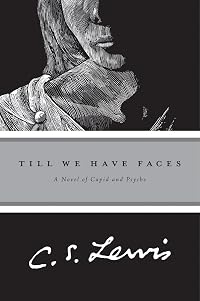
La fábula de Eros y Psique es uno de los mitos más bellos y significativos de toda la antigüedad clásica, y también, uno de los que mayor influencia ha ejercido sobre la literatura y las artes; no solo durante la época grecolatina sino a lo largo de la Edad Media y el Renacimiento, hasta el siglo XVIII. Una buena prueba de que aún no ha decaído es que, a mediados del siglo pasado; el escritor inglés C. S. Lewis escribiera su propia adaptación del mito después de haberla madurado durante toda su vida.
La única versión completa que conservamos de esta historia mitológica se halla inserta en medio de la variada 'trama de relatos que' integran la novela de Apuleyo, «El asno de oro», escrita en Cartago en el siglo show more II de nuestra era: Trágica y obscena, mística, y burlona, la novela de Apuleyo conserva todas las características de la literatura latina imperial, sin olvidar la esencia espiri¬tual alejandrina de la que también es heredera.
Apuleyo nació entre los años 114 y 125 en Madaura, África, en el seno de una familia de buena posición. Fue enviado a estudiar a Cartago, pero su padre murió a finales de esa etapa y recibió una importante herencia que le permitió dedicarse a viajar y seguir aprendiendo. Completó su formación en Atenas y Roma y volvió a Cartago a dar conferencias como sofista. En un viaje a Alejandría cayó enfermo y se alojó en casa de la madre de su amigo íntimo Ponciano, al que conoció en Atenas. Esta estancia se prolongó un tiempo y tuvo como resultado la boda entre Apuleyo y la madre viuda de su amigo. A la muerte de Ponciano, su hermano denunció a Apuleyo por engañar a su madre con magia, pero el escritor salió absuelto tras defenderse a sí mismo con el discurso conservado en su obra Apología. Tras los datos del pleito, la información sobre su vida es mucho más dudosa. Sabemos que El asno de oro fue una de sus últimas obras. show less
La fábula de Eros y Psique es uno de los mitos más bellos y significativos de toda la antigüedad clásica, y también, uno de los que mayor influencia ha ejercido sobre la literatura y las artes; no solo durante la época grecolatina sino a lo largo de la Edad Media y el Renacimiento, hasta el siglo XVIII. Una buena prueba de que aún no ha decaído es que, a mediados del siglo pasado; el escritor inglés C. S. Lewis escribiera su propia adaptación del mito después de haberla madurado durante toda su vida.
La única versión completa que conservamos de esta historia mitológica se halla inserta en medio de la variada 'trama de relatos que' integran la novela de Apuleyo, «El asno de oro», escrita en Cartago en el siglo show more II de nuestra era: Trágica y obscena, mística, y burlona, la novela de Apuleyo conserva todas las características de la literatura latina imperial, sin olvidar la esencia espiri¬tual alejandrina de la que también es heredera.
Apuleyo nació entre los años 114 y 125 en Madaura, África, en el seno de una familia de buena posición. Fue enviado a estudiar a Cartago, pero su padre murió a finales de esa etapa y recibió una importante herencia que le permitió dedicarse a viajar y seguir aprendiendo. Completó su formación en Atenas y Roma y volvió a Cartago a dar conferencias como sofista. En un viaje a Alejandría cayó enfermo y se alojó en casa de la madre de su amigo íntimo Ponciano, al que conoció en Atenas. Esta estancia se prolongó un tiempo y tuvo como resultado la boda entre Apuleyo y la madre viuda de su amigo. A la muerte de Ponciano, su hermano denunció a Apuleyo por engañar a su madre con magia, pero el escritor salió absuelto tras defenderse a sí mismo con el discurso conservado en su obra Apología. Tras los datos del pleito, la información sobre su vida es mucho más dudosa. Sabemos que El asno de oro fue una de sus últimas obras. show less
Mar 10, 2018Spanish
Members
- Recently Added By
Lists

Favorite Literary Love Stories
182 works; 100 members
Author Information

Apuleius, of African birth, was educated in Carthage and Athens. His most famous work, The Golden Ass (c.150), is the tale of a young philosopher who transformed himself not into a bird as he had expected, but into an ass. After many adventures he was rescued by the goddess Isis. The episode of "Cupid and Psyche," told with consummate grace, is show more the most celebrated section. This romance of the declining Empire influenced the novels of Boccaccio, Cervantes, Fielding (see Vol. 1), and Smollett (see Vol. 1); Heywood used the theme for a drama and William Morris (see Vol. 1) used some of the material in The Earthly Paradise. Robert Graves's "translation abandons the aureate Latinity of Apuleius for a dry, sharp, plain style---which is itself a small masterpiece of twentieth-century prose" (Kenneth Rexroth, SR SR). The new translation by John Arthur Hanson is authoritative. (Bowker Author Biography) show less
All Editions
Some Editions
Series
Belongs to Publisher Series
Quimera (3)
Work Relationships
Is contained in
Is retold in
Is abridged in
Common Knowledge
- Canonical title
- Cupid and Psyche
- Original publication date
- 100s CE; 2nd century CE; 1885
- People/Characters
- Cupid; Psyche; Venus
- First words*
- Es waren einmal in einer Stadt ein König und eine Königin, die hatten drei Töchter von großer Schönheit.
*Some information comes from Common Knowledge in other languages. Click "Edit" for more information.
Classifications
Statistics
- Members
- 595
- Popularity
- 49,303
- Reviews
- 7
- Rating
- (3.79)
- Languages
- 11 — Catalan, Dutch, English, Finnish, French, German, Italian, Latin, Latvian, Portuguese, Spanish
- Media
- Paper, Audiobook, Ebook
- ISBNs
- 67
- ASINs
- 27