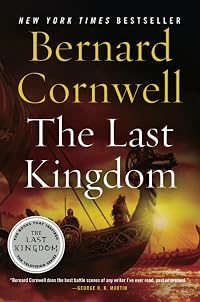
On This Page
Description
This is the exciting - yet little known - story of the making of England in the 9th and 10th centuries, the years in which King Alfred, his son and grandson defeated the Danish Vikings who had invaded and occupied three of England's four kingdoms. The story is seen through the eyes of Uhtred, a dispossessed nobleman, who is captured as a child by the Danes and then raised by them so that, by the time the Northmen begin their assault on Wessex, Alfred's kingdom and the last territory in show more English hands, Uhtred almost thinks of himself as a Dane. He certainly has no love for Alfred, whom he considers a pious weakling and no match for Viking savagery, yet when Alfred unexpectedly defeats the Danes and the Danes themselves turn on Uhtred, he has to decide which side he is on. By now he is a young man, in love, trained to fight and ready to take his place in the dreaded shield wall. Above all, though, he wishes to recover his father's land, the magical fort of Bebbanburg by the wild northern sea. This thrilling adventure - based on existing records of Bernard Cornwell's ancestors, depicts a time when law and order were ripped violently apart by a pagan assault on Christian England, an assault that came very close to destroying England altogether. show lessTags
Recommendations




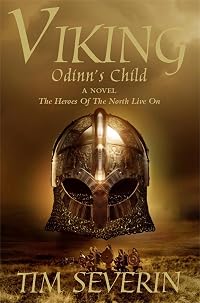
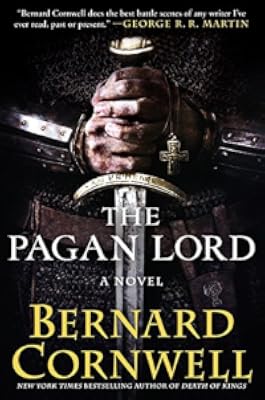

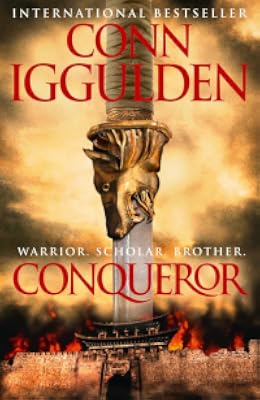
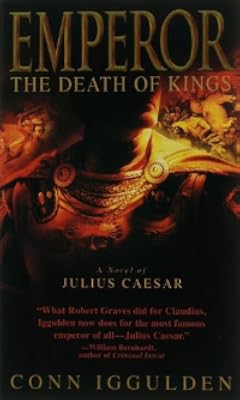


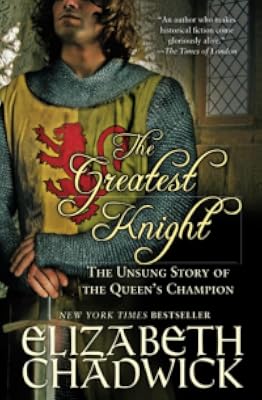
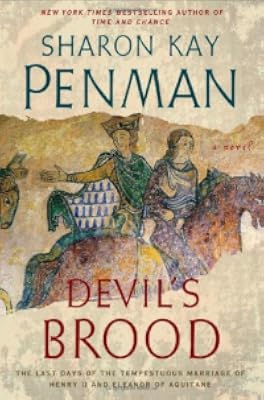
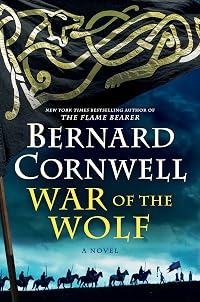

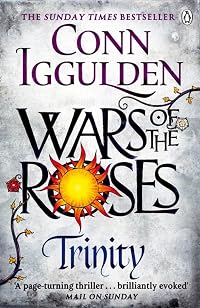


Member Recommendations
Donogh As you rooted for the British against the Saxons in Cornwell's 'The Winter King', so shall you root for the Saxons agains the Danes in Cornwell's 'The Last Kingdom'
30

caimanjosh Elizabeth Chadwick strikes me as providing the female perspective on medieval England, while Bernard Cornwell provides a decidedly masculine perspective. Both authors succeed in writing highly entertaining historical fiction with a strong sense of the time period. If you like one, it's definitely worth trying the other.

themulhern King Alfred books. But Duggan's is the drier, for sure.
al.vick Very different historical period and place, but very similar story type and story telling style
Member Reviews
Honestly the whole Viking thing has never really interested me; horned helmets, nude berserkers, raping, pillaging etc, but having read Cornwell before and needing a historical fiction fix, I decided to take the plunge with The Last Kingdom, and it was amazing. Pure enjoyment!
Uhtred son of Uhtred, has this glorious, inclusive first person narration of his past, always drawing you into his story with little comments and ruminations about his thoughts and feelings on the happenings within the storyline. It was like sitting beside the hearth with an old friend, ale in hand, as he tells the story of his youth. I was so at ease with his gruff warriors voice, compelled to listen. I haven't been this captivated with a first person natrative show more in a very long time.
It was definitely filled with raping and pillaging, you can't get away from the history, but the reader is let into the Northman's world to see they aren't just brutal killers, they are human. They are husbands, fathers, likeable, funny and incredibly emotional.. And they never wore horned helmets! Praise Odin..
Sometimes, you just need to settle down to a good, well told yarn. You don't need to speculate or do mental gymnastics to try and piece the story together, it's just beautifully written, well thought out and the plot line is captivating enough to keep you on the edge of your seat. And hey, there's no need to worry too much about the future of the world, because you already know what happens!
I can't wait to settle back down with Uhtred, and listen to more of his Saxon's tale.. This review was originally posted on Book Frivolity show less
Uhtred son of Uhtred, has this glorious, inclusive first person narration of his past, always drawing you into his story with little comments and ruminations about his thoughts and feelings on the happenings within the storyline. It was like sitting beside the hearth with an old friend, ale in hand, as he tells the story of his youth. I was so at ease with his gruff warriors voice, compelled to listen. I haven't been this captivated with a first person natrative show more in a very long time.
It was definitely filled with raping and pillaging, you can't get away from the history, but the reader is let into the Northman's world to see they aren't just brutal killers, they are human. They are husbands, fathers, likeable, funny and incredibly emotional.. And they never wore horned helmets! Praise Odin..
Sometimes, you just need to settle down to a good, well told yarn. You don't need to speculate or do mental gymnastics to try and piece the story together, it's just beautifully written, well thought out and the plot line is captivating enough to keep you on the edge of your seat. And hey, there's no need to worry too much about the future of the world, because you already know what happens!
I can't wait to settle back down with Uhtred, and listen to more of his Saxon's tale.. This review was originally posted on Book Frivolity show less
Several times I’ve been encouraged by fellow bloggers to read Cornwell’s Saxon Stories, and the first book of the saga, The Last Kingdom, had indeed been sitting on my TBR for a while, being always pushed down the queue by other titles, even though my curiosity had been heightened by watching the first season of the TV series with the same title. What finally prompted me to start was my choice of gifting the first five books in the saga to my niece, who loves historical fiction: at this point I felt I could not lag behind, and I finally picked up this first volume.
These novels follow the story of Uthred, the younger son of a Saxon minor noble: born as Osbert, he is once again baptized as Uthred - the name of every firstborn and show more inheritor of the title - once his older brother is killed by marauding Danes, or Vikings. At the tender age of ten, Uthred dreams of becoming a warrior and avenging his brother, but he is instead imprisoned by Danes and raised as one of them by his captor, Earl Ragnar, who quickly turns into a surrogate father. When tragedy strikes his adoptive family, Uthred is compelled to go back to his Saxon roots, and determined to regain the rule of Bebbanburg, the home fief that was stolen by his uncle. Pledging his services to King Alfred, who shrewdly understands the value of the young man, Uthred struggles constantly with his dual legacies as he grows toward adulthood and the land undergoes great upheavals when the two mighty forces - the Danes and the Saxons - battle for control of the territory and its resources.
As I read, the comparison between the beginning of this saga and the first season of the TV series became inevitable and of course the book proved far richer and more nuanced than its screen version, particularly where Uthred’s formative years are concerned: the book delves far longer on that time, showing how the boy’s evolving mindset does not come from a form of Stockholm syndrome, but rather from the huge cultural and personal differences between his birth family and the adoptive one. What we are shown of Uthred Senior is the figure of a harsh, uncompromising man who does not seem to like his son very much and imparts what scant knowledge and advice he doles out with something approaching resentful reluctance - and very little shows of affection, if any. On the other hand, Earl Ragnar, like most of his compatriots, is a larger than life individual, one who faces bloody battles or boisterous feasts with the same hunger for life, ready to enjoy it all to the fullest. And more importantly he becomes the kind of father figure young Uthred sorely needed, perceiving in the boy a kindred spirit from the moment when he’s ferociously attacked on the battlefield by this 10-year old boy he watches with a mixture of amusement and admiration for such pluckiness.
Uthred is indeed a fascinating character, even in his early years: it’s easy to understand his fascination for Danes and their culture when we see his penchant for learning how to wield a sword and become a warrior, while he keeps dodging poor Father Beocca’s attempts at teaching him how to read and write. One could say that the dichotomy is there from the beginning, even before he find himself torn between two worlds: Saxon society, as described by Cornwell, represents well the situation of the early Middle Ages, where poverty and harsh living conditions (not to mention the constant “barbarian” raids) met with the profound impact of religious beliefs which strictly regulated many of the everyday activities and often saw the trials faced by the populace as a form of punishment for people’s sins. On the other hand, Dane society put its emphasis on personal deeds and the search for fame, allowing for a greater freedom than the one Uthred had enjoyed so far, so it’s easy to see how the call from both sides of his roots would be the ever-present theme of his life.
Through Uthred’s constant search of a moral compass and a way of life we see the mirror of the struggle the world of those times was undergoing, between the drive for a more organized, and civilized, society united under common goals, represented by King Alfred in his pursuit for a unified England, and the unruly and fractured Danes whose wars of conquest focused only on gaining more territory in which to expand, with little planning for the future. All this is shown in a quite immersive narrative where the background comes to life in vivid shades and through detailed - but never boring - description of bloody battles whose cinematic quality manages to always bring you at the heart of the action. Moreover, other characters besides Uthred come to the fore with the same degree of depth and substance, gifting this story with a compelling, realistic quality that helped me fly through the pages with never a moment of boredom.
And what’s more important, this book encouraged me to learn more about the historical period it’s set in, which is something I always appreciate in a story and adds more value to my reading material - truly a win-win situation… show less
These novels follow the story of Uthred, the younger son of a Saxon minor noble: born as Osbert, he is once again baptized as Uthred - the name of every firstborn and show more inheritor of the title - once his older brother is killed by marauding Danes, or Vikings. At the tender age of ten, Uthred dreams of becoming a warrior and avenging his brother, but he is instead imprisoned by Danes and raised as one of them by his captor, Earl Ragnar, who quickly turns into a surrogate father. When tragedy strikes his adoptive family, Uthred is compelled to go back to his Saxon roots, and determined to regain the rule of Bebbanburg, the home fief that was stolen by his uncle. Pledging his services to King Alfred, who shrewdly understands the value of the young man, Uthred struggles constantly with his dual legacies as he grows toward adulthood and the land undergoes great upheavals when the two mighty forces - the Danes and the Saxons - battle for control of the territory and its resources.
As I read, the comparison between the beginning of this saga and the first season of the TV series became inevitable and of course the book proved far richer and more nuanced than its screen version, particularly where Uthred’s formative years are concerned: the book delves far longer on that time, showing how the boy’s evolving mindset does not come from a form of Stockholm syndrome, but rather from the huge cultural and personal differences between his birth family and the adoptive one. What we are shown of Uthred Senior is the figure of a harsh, uncompromising man who does not seem to like his son very much and imparts what scant knowledge and advice he doles out with something approaching resentful reluctance - and very little shows of affection, if any. On the other hand, Earl Ragnar, like most of his compatriots, is a larger than life individual, one who faces bloody battles or boisterous feasts with the same hunger for life, ready to enjoy it all to the fullest. And more importantly he becomes the kind of father figure young Uthred sorely needed, perceiving in the boy a kindred spirit from the moment when he’s ferociously attacked on the battlefield by this 10-year old boy he watches with a mixture of amusement and admiration for such pluckiness.
Uthred is indeed a fascinating character, even in his early years: it’s easy to understand his fascination for Danes and their culture when we see his penchant for learning how to wield a sword and become a warrior, while he keeps dodging poor Father Beocca’s attempts at teaching him how to read and write. One could say that the dichotomy is there from the beginning, even before he find himself torn between two worlds: Saxon society, as described by Cornwell, represents well the situation of the early Middle Ages, where poverty and harsh living conditions (not to mention the constant “barbarian” raids) met with the profound impact of religious beliefs which strictly regulated many of the everyday activities and often saw the trials faced by the populace as a form of punishment for people’s sins. On the other hand, Dane society put its emphasis on personal deeds and the search for fame, allowing for a greater freedom than the one Uthred had enjoyed so far, so it’s easy to see how the call from both sides of his roots would be the ever-present theme of his life.
Through Uthred’s constant search of a moral compass and a way of life we see the mirror of the struggle the world of those times was undergoing, between the drive for a more organized, and civilized, society united under common goals, represented by King Alfred in his pursuit for a unified England, and the unruly and fractured Danes whose wars of conquest focused only on gaining more territory in which to expand, with little planning for the future. All this is shown in a quite immersive narrative where the background comes to life in vivid shades and through detailed - but never boring - description of bloody battles whose cinematic quality manages to always bring you at the heart of the action. Moreover, other characters besides Uthred come to the fore with the same degree of depth and substance, gifting this story with a compelling, realistic quality that helped me fly through the pages with never a moment of boredom.
And what’s more important, this book encouraged me to learn more about the historical period it’s set in, which is something I always appreciate in a story and adds more value to my reading material - truly a win-win situation… show less
First “Vikings” came along and rekindled my interest. Next I stumbled upon the “Last Kingdom” and I was done for - Uthred, a hero, between both worlds - Dane and West Saxon. A guy whose survival to old age tells us we can rest assured he will survive whatever fate (which is all!) throws in his way.
Intelligence, courage, boldness, daring, audacity! All “mixed” into one man, one hero! Irresistible!
Bloody battles, cunning, betrayal, you name it, it’s all here. Written in long, flowing chapters including stirring descriptions of the land and its people.
King Alfred of Wessex, pious yet clever, ensnaring Uthred into his service time after time.
Raw, mediaeval and wild!
Highly recommended to anyone liking historical fiction and can show more stomach a very “generous” share of violence.
Five out of five stars and now please excuse me while I devour the next instalment.
Blog | Facebook | Twitter | Instagram | Pinterest | Medium | Matrix | Tumblr
Ceterum censeo Putin esse delendam show less
Intelligence, courage, boldness, daring, audacity! All “mixed” into one man, one hero! Irresistible!
Bloody battles, cunning, betrayal, you name it, it’s all here. Written in long, flowing chapters including stirring descriptions of the land and its people.
King Alfred of Wessex, pious yet clever, ensnaring Uthred into his service time after time.
Raw, mediaeval and wild!
Highly recommended to anyone liking historical fiction and can show more stomach a very “generous” share of violence.
Five out of five stars and now please excuse me while I devour the next instalment.
Blog | Facebook | Twitter | Instagram | Pinterest | Medium | Matrix | Tumblr
Ceterum censeo Putin esse delendam show less
Set in the 9th century, this book is a historical adventure and coming-of-age tale of Uhtred, son of a Saxon nobleman from Northumbria, looking back on his eventful life. The story starts when Uhtred is ten years old. He is captured by the Danes in a Viking raid. His captor, Ragnar, decides to treat him as an adopted son and raise him with his own children. The storyline follows Uhtred’s development into an accomplished warrior whose life is influenced by both the Saxons and the Danes. It also serves as a story of Alfred the Great and is the first book in a trilogy.
It is told in first person by Uhtred. He is a likeable character though not without his faults. He struggles with conflicting loyalties due to his experiences on both sides show more of various battles. He ventures out to sea and fights on land in gory hand-to-hand combat. Religion plays a key role in the narrative. Alfred wants to lead a pious life (but struggles to achieve it), while Uhtred, due to his youthful years with the Danes, tends toward pagan beliefs in Thor and Odin. It is rather gruesome in places (more than my usual preference), but the story is action-packed and entertaining.
Cornwell is an expert storyteller and obviously knows history. This book is one of those well-told realistic historical fictions that I enjoy so much. There is a glossary provided for those unfamiliar with the terminology of the times, and a historical note that indicates what the author fabricated (Uhtred is fictional) versus what is true to the historic record (all the leaders on both sides). show less
It is told in first person by Uhtred. He is a likeable character though not without his faults. He struggles with conflicting loyalties due to his experiences on both sides show more of various battles. He ventures out to sea and fights on land in gory hand-to-hand combat. Religion plays a key role in the narrative. Alfred wants to lead a pious life (but struggles to achieve it), while Uhtred, due to his youthful years with the Danes, tends toward pagan beliefs in Thor and Odin. It is rather gruesome in places (more than my usual preference), but the story is action-packed and entertaining.
Cornwell is an expert storyteller and obviously knows history. This book is one of those well-told realistic historical fictions that I enjoy so much. There is a glossary provided for those unfamiliar with the terminology of the times, and a historical note that indicates what the author fabricated (Uhtred is fictional) versus what is true to the historic record (all the leaders on both sides). show less
Set in Viking Age Britain, this is the story of Uhtred, the Earl of Northumbria by birth, but growing up with the Danes. Although the author takes some liberties, there is a lot of history in this book: Alfred the Great, historic battles, Danish/Viking leaders and warriors, and the development of the Saxon kingdoms.
This was the first time I read something by Cornwell and I loved his style and the atmosphere he creates. The narration flows skillfully, yet effortlessly, and you follow Uhtred's life as he follows his destiny.
The only point of criticism I have is that I would have liked to learn more about some events that are only recounted briefly, and more often than not, these are the events involving the women in Uhtred's life. There show more is a lack of dialogues between him and these women, and the important events regarding them are only touched upon (such as Brida's miscarriage, and all the aspects of his marriage to Mildrith ). But well, it is a masculine book full of warriors, and I like the rest of it so much that I can live with it and am eager to read the next book in the series. show less
This was the first time I read something by Cornwell and I loved his style and the atmosphere he creates. The narration flows skillfully, yet effortlessly, and you follow Uhtred's life as he follows his destiny.
The only point of criticism I have is that I would have liked to learn more about some events that are only recounted briefly, and more often than not, these are the events involving the women in Uhtred's life. There show more is a lack of dialogues between him and these women, and the important events regarding them are only touched upon (
This is only the second book I've read by this prolific historical fiction
author. The first, The Winter King, impressed me with its grittily
believable portrayal of a possible King Arthur.
The Last Kingdom gives us another Very Manly Man in the person of Uhtred,
a 9th-century English heir who is captured by Danish Viking invaders and
raised as one of their own. Conflicted between his own heritage and the
culture of the Danes, whose warlike, hearty religion and lifestyle appeals
to him, he grows to become a bold and violent leader of men. But he never
loses sight of his goal, which is to reclaim the fortress that was to be
his inheritance, no matter who might stand in his way.
Uhtred is not a very likable person, but he is believable for his show more time
period and background, and the English and Danish cultures and attitudes
of the time are vividly and believably rendered. Highly recommended for
any fans of Vikings!
Uhtred's saga already continues in three more novels (boy, Cornwell writes
fast - the first one just came out in 2004!) show less
author. The first, The Winter King, impressed me with its grittily
believable portrayal of a possible King Arthur.
The Last Kingdom gives us another Very Manly Man in the person of Uhtred,
a 9th-century English heir who is captured by Danish Viking invaders and
raised as one of their own. Conflicted between his own heritage and the
culture of the Danes, whose warlike, hearty religion and lifestyle appeals
to him, he grows to become a bold and violent leader of men. But he never
loses sight of his goal, which is to reclaim the fortress that was to be
his inheritance, no matter who might stand in his way.
Uhtred is not a very likable person, but he is believable for his show more time
period and background, and the English and Danish cultures and attitudes
of the time are vividly and believably rendered. Highly recommended for
any fans of Vikings!
Uhtred's saga already continues in three more novels (boy, Cornwell writes
fast - the first one just came out in 2004!) show less
I’m always fascinated when an author I like switches point of view. And Bernard Cornwell does it admirably in The Last Kingdom, the first book in his Saxon Stories series.
Most of Cornwell’s novels (or at least, all the ones I’ve read) are written in third person. But he tells the Last Kingdom from the first-person perspective of Uhtred, a ninth-century English boy who’s kidnapped and raised by invading Danish Vikings. Uhtred narrates his tale in hindsight, reflecting on his youth from a distance of many years. This kind of switch might have tripped up a lesser author, but Cornwell aces the transition.
One of the problems I have with first person is that it often feels less believable than third, even though they’re just show more different vehicles for storytelling. But when a first-person narrator recounts long-ago dialogue, I’m quicker to think, Is that really what they said, or are you just making it up because you don’t remember? (My other quibbles with first-person: it’s harder to worry about a character’s chance of survival when you know—barring some literary sleight of hand—that they’ll live to record their tale; and if the narrator is using present tense to relay events as they happen, how are their words getting to me? Telepathy?)
Cornwell gets around the issue of authenticity by making Uhtred’s unreliability explicit: “I think,” Uhtred says at one point, “looking back so far into my past, I have probably changed that night’s events.” Fair enough. Uhtred also has a distinct voice. “The story hurries now,” he says later, in another aside. “It quickens like a stream coming to a fall in the hills and, like a cascade foaming down jumbled rocks, it gets angry and violent, confused even.”
These interjections help drive the story, serving the dual purposes of fleshing out Uhtred’s character and foreshadowing historical events to come. Both elements were critical for keeping my interest, because there’s no central goal in The Last Kingdom. Uhtred isn’t, for example, consumed by evicting the Vikings from England; his loyalties are divided—he grew to love the Danes while he lived with them. But his spoilers about the importance of certain people and battles give the book a sense of larger purpose. (As I learned from reading The Last Kingdom, there actually wasn’t a single country called “England” at this point, but rather four separate kingdoms, all under threat from Vikings. Alfred the Great, a central figure in the book, eventually fought off the invaders and united the kingdoms. Cornwell notes in his historical note that he intends “Uhtred to be involved in the whole story.”)
The only bit of authenticity that gave me pause was a throwaway comment about post-battle rape. While describing the aftermath of a Danish victory, Uhtred-the-narrator notes that Uhtred-the-boy “listened to the drunken shouts and the songs and the shrieks of the girls who had been captured in our camp and who now provided the warriors with the reward for their victory, and watching their antics took my mind off the sorrow because, in truth, I had never seen such things before, though, God be thanked, I took plenty of such rewards myself in times to come.” Uhtred doesn’t actually assault any women in The Last Kingdom, but his admission that he will at some point colored how I saw him, even though many medieval warriors were probably guilty of the same (or worse). Cornwell could have omitted this detail without losing anything. In fiction, there’s such a thing as being too historically accurate.
This aside, Cornwell was right to tell The Last Kingdom from Uhtred’s perspective—it makes for an immersive look at a period I knew little about. I’ll be back for more of the Saxon Stories, and soon.
(For more reviews like this one, see www.nickwisseman.com) show less
Most of Cornwell’s novels (or at least, all the ones I’ve read) are written in third person. But he tells the Last Kingdom from the first-person perspective of Uhtred, a ninth-century English boy who’s kidnapped and raised by invading Danish Vikings. Uhtred narrates his tale in hindsight, reflecting on his youth from a distance of many years. This kind of switch might have tripped up a lesser author, but Cornwell aces the transition.
One of the problems I have with first person is that it often feels less believable than third, even though they’re just show more different vehicles for storytelling. But when a first-person narrator recounts long-ago dialogue, I’m quicker to think, Is that really what they said, or are you just making it up because you don’t remember? (My other quibbles with first-person: it’s harder to worry about a character’s chance of survival when you know—barring some literary sleight of hand—that they’ll live to record their tale; and if the narrator is using present tense to relay events as they happen, how are their words getting to me? Telepathy?)
Cornwell gets around the issue of authenticity by making Uhtred’s unreliability explicit: “I think,” Uhtred says at one point, “looking back so far into my past, I have probably changed that night’s events.” Fair enough. Uhtred also has a distinct voice. “The story hurries now,” he says later, in another aside. “It quickens like a stream coming to a fall in the hills and, like a cascade foaming down jumbled rocks, it gets angry and violent, confused even.”
These interjections help drive the story, serving the dual purposes of fleshing out Uhtred’s character and foreshadowing historical events to come. Both elements were critical for keeping my interest, because there’s no central goal in The Last Kingdom. Uhtred isn’t, for example, consumed by evicting the Vikings from England; his loyalties are divided—he grew to love the Danes while he lived with them. But his spoilers about the importance of certain people and battles give the book a sense of larger purpose. (As I learned from reading The Last Kingdom, there actually wasn’t a single country called “England” at this point, but rather four separate kingdoms, all under threat from Vikings. Alfred the Great, a central figure in the book, eventually fought off the invaders and united the kingdoms. Cornwell notes in his historical note that he intends “Uhtred to be involved in the whole story.”)
The only bit of authenticity that gave me pause was a throwaway comment about post-battle rape. While describing the aftermath of a Danish victory, Uhtred-the-narrator notes that Uhtred-the-boy “listened to the drunken shouts and the songs and the shrieks of the girls who had been captured in our camp and who now provided the warriors with the reward for their victory, and watching their antics took my mind off the sorrow because, in truth, I had never seen such things before, though, God be thanked, I took plenty of such rewards myself in times to come.” Uhtred doesn’t actually assault any women in The Last Kingdom, but his admission that he will at some point colored how I saw him, even though many medieval warriors were probably guilty of the same (or worse). Cornwell could have omitted this detail without losing anything. In fiction, there’s such a thing as being too historically accurate.
This aside, Cornwell was right to tell The Last Kingdom from Uhtred’s perspective—it makes for an immersive look at a period I knew little about. I’ll be back for more of the Saxon Stories, and soon.
(For more reviews like this one, see www.nickwisseman.com) show less
Members
- Recently Added By
Lists

Best Historical Fiction
620 works; 257 members

Best 21st Century Books (So Far)
670 works; 86 members

Top Five Books of 2022
736 works; 272 members

Best Historical Fiction authors
41 works; 9 members

BBC Radio 4 Bookclub
340 works; 13 members

Recommended Viking historical fiction
135 works; 8 members

Books Read in 2020
4,379 works; 124 members

al.vick-series
381 works; 2 members

Books With Our Favorite First Lines
168 works; 104 members

Books We Couldn't Put Down
443 works; 197 members
Author Information

167+ Works 93,524 Members
Bernard Cornwell was born in London, England, on February 23, 1944, and came to the United States in 1980. He received a B.A. from the University of London in 1967. Cornwell served as producer of the British Broadcasting Corporation from 1969-1976. After this he was head of current affairs for BBC-TV in Belfast, Northern Ireland. In 1979 he became show more editor of television news for Thames Television of London. Since 1980 he has been a freelance writer. he lives with his wife on Cape Cod. Cornwell's Sharpe series, adventure stories about a British soldier set in the Peninsula War of 1808-1814, are built on the author's interest in the Duke of Wellington's army. Titles include Sharpe's Rifles, Sharpe's Revenge, Sharpe's Siege, Sharpe's Regiment, and Sharpe's Waterloo. The Last Kingdom series has ten books. Book ten, The Flame Bearer is on the bestsellers list. He has also written other works including Wildtrack, Killer's Wake, Sea Lord, Stormchild, Rebel, Copperhead, and Battle Flag. His title Death of Kings made The New York Times Best Seller List in 2012 and In 2014 his title The Pagan Lord made the list again. (Bowker Author Biography) show less
Some Editions
Awards and Honors
Awards
Distinctions
Series

Belongs to Publisher Series
rororo (24222)
Work Relationships
Is contained in
Has the adaptation
Is abridged in
Common Knowledge
- Canonical title
- The Last Kingdom
- Original title
- The Last Kingdom
- Original publication date
- 2004-10-04
- People/Characters
- Uhtred of Bebbanburg; Ragnar the Fearless; Father Beocca; Ravn; Ragnar Ragnarson; Brida (show all 22); Ivar the Boneless; Ubba Lothbrokson; Halfdan Ragnarsson; Guthrum; Kjartan the Cruel; Sven Kjartansson; Ecgberht I of Northumbria (as Egbert | king of Northumbria); Edmund the Martyr (king of East Anglia); Æthelred I of Wessex (king of Wessex); Alfred the Great (king of Wessex); Ealhswith (as Æ | lswith | Mercian princess | wife of king Alfred); Burghred; Father Willibald; Leofric; Mildrith; Odda
- Important places
- Northumbria, England, UK; Mercia; Kingdom of East Anglia; Wessex; Bamburgh Castle, Northumberland, England, UK (as Bebbanburg); York, North Yorkshire, England, UK (as Eoferwick) (show all 14); Nottingham, Nottinghamshire, England, UK (as Snotengaham); London, England, UK (as Lundene); Reading, Berkshire, England, UK (as Readingum); Bath, Somerset, England, UK (as Bađ | um); Southampton, England, UK (as Hamtun); Wareham, Dorset, England, UK (as Werhem); Exeter, Devon, England, UK (as Exanceaster); England, UK
- Important events
- Anglo Saxon period; Battle of York (867-03-21); Battle of Cynwit (878); Viking Age; Middle Ages
- Related movies
- The Last Kingdom (2015 | IMDb)
- Dedication
- The Last Kingdom
is for Judy, with love
Wyrd bið ful āræd - First words
- My name is Uhtred. I am the son of Uhtred, who was the son of Uhtred and his father was also called Uhtred.
- Quotations
- Destiny is everything.
- Last words
- (Click to show. Warning: May contain spoilers.)For I am Uhtred, Earl Uhtred, Uhtred of Bebbanburg, and destiny is everything.
- Original language
- English
Classifications
Statistics
- Members
- 5,535
- Popularity
- 2,404
- Reviews
- 156
- Rating
- (4.01)
- Languages
- 16 — Czech, Danish, Dutch, English, Finnish, French, German, Hungarian, Italian, Norwegian (Bokmål), Polish, Romanian, Russian, Spanish, Swedish, Portuguese (Brazil)
- Media
- Paper, Audiobook, Ebook
- ISBNs
- 87
- ASINs
- 33