On This Page
Description
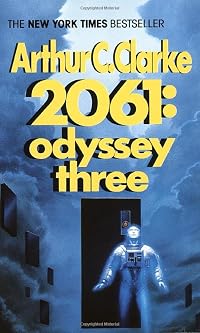
This New York Times-bestselling chapter in the Hugo Award-winning Space Odyssey series. The third book in Clarke's beloved Space Odyssey continues the story of Heywood Floyd, survivor of two previous encounters with the mysterious monoliths and the alien intelligences behind them. Floyd is chosen as one of a handful of celebrity guests to witness the first manned touchdown on the surface of Halley's Comet on the privately-owned spaceship Universe. But on Jupiter's moon Europa, scientists show more have spotted the sudden appearance of a single diamond the size of a mountain-a fragment of Jupiter's core. When the spaceship Galaxy is hijacked and forced to crash into Europa's ocean, the Universe is diverted from its original mission to rescue the crew. Now Heywood Floyd must once again survive an encounter with HAL, David Bowman, and the mysterious monolith-building race with its own inscrutable agenda to shape the destiny of the human race. show lessTags
Recommendations
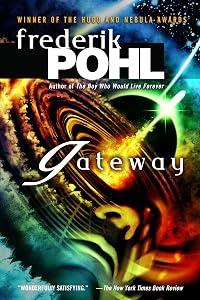
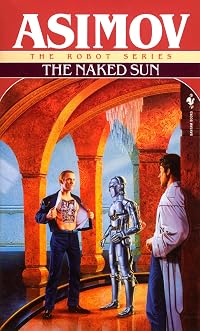
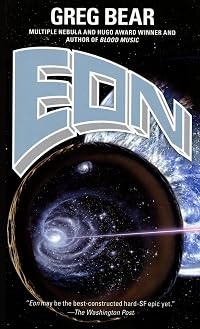
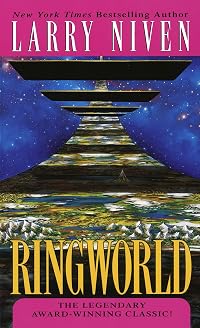








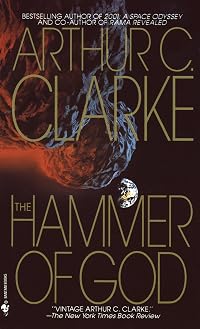




Member Recommendations

jseger9000 The stories of both books are quite different, however both explore landing on Halley's Comet
30

Exoplanets: Diamond Worlds, Super Earths, Pulsar Planets, and the New Search for Life beyond Our Solar System by Michael Summers
themulhern One is contemporary and non-fiction, one was written a while ago and is fiction, but they are both fundamentally speculations about the possibility of life on other worlds. Both have a lot to say about the moons of Jupiter, although Clarke takes it further. It's funny that a book about "life beyond our solar system" should discuss various moons within our solar system in such detail, but the point that the non-fiction work makes is that, until the fascinating situation of Europa was discovered, it hadn't been imagined to be possible by scientists who were arguing from their single well-known example, the Moon.
11
Member Reviews
In his foreword to 2061: Odyssey Three, Arthur C. Clarke wrote that scientific advances kept this book from being a "linear sequel" having "perfect consistency" with the previous volume, let alone the original 2001 (vii). Unlike the case of the first book, though, he did not allow the changes in the cinematic version of 2010 to usurp the narrative of this novel. The fate of the Chinese exploratory vessel Tsien, so important to the second book and omitted from the film, is still a fact in this third book.
Despite teasing out at great length a plot reveal regarding Mount Zeus on the Jovian moon Europa, this book does not have the sort of cosmic "punch" of either of the two previous volumes. It is a pleasant read, though. By 2061, show more interplanetary travel is on its way to being routinized as a luxury product, and we are treated to centenarian Floyd hobnobbing with the cultural elite.
The story stirs in some normalized homosexuality in the persons of Floyd's longtime friends George and Jerry. And there is a curious little thumbnail history of gay military conquerors in Chapter 40 "Monsters from Earth." By Clarke's standards, he was really tipping his hand here, but I can't help noticing that Delany had already written Flight from Nevèrÿon a couple of years earlier.
Clarke thought the Beatles would descend into obscurity by 2061 (220). I suppose that will be true in the event of a civilizational collapse, but not in the interplanetary expansion of the Anglosphere that this book contemplates.
I have been attending to esoteric readings of the Odyssey Sequence, and while this volume seems to have less to offer on that front, there is some packed into the final chapters.2061 is the year Heywood Floyd becomes a Secret Chief, just as Dave Bowman had in 2001 and HAL in 2010. There is also a strong suggestion that the artificial star Lucifer presides over an apocalyptic Millennium from 2001 to 3001. show less
Despite teasing out at great length a plot reveal regarding Mount Zeus on the Jovian moon Europa, this book does not have the sort of cosmic "punch" of either of the two previous volumes. It is a pleasant read, though. By 2061, show more interplanetary travel is on its way to being routinized as a luxury product, and we are treated to centenarian Floyd hobnobbing with the cultural elite.
The story stirs in some normalized homosexuality in the persons of Floyd's longtime friends George and Jerry. And there is a curious little thumbnail history of gay military conquerors in Chapter 40 "Monsters from Earth." By Clarke's standards, he was really tipping his hand here, but I can't help noticing that Delany had already written Flight from Nevèrÿon a couple of years earlier.
Clarke thought the Beatles would descend into obscurity by 2061 (220). I suppose that will be true in the event of a civilizational collapse, but not in the interplanetary expansion of the Anglosphere that this book contemplates.
I have been attending to esoteric readings of the Odyssey Sequence, and while this volume seems to have less to offer on that front, there is some packed into the final chapters.
The big idea behind Arthur C. Clarke's 2001 series is so good that just about anything he wrote within it would be good reading. This isn't a great book -- it really has an amazing amount of catchup-style narrative, telling us what has gone on over long periods of time in order to set the context for dialog and action in the present tense. John Barth derisively referred to such narrative as "corning the goose."
The other thing that Clarke does in this book is explain. He explains what's going on on Europa. He explains (more or less) what's happened to Dave Bowman. One of the great things, I thought, about 2001 was how little he explained. The enigma of the blank, black monoliths was great -- a power beyond our ken. Fortunately in this show more book, Clarke doesn't explain who made the monoliths. Even Dave Bowman doesn't understand who they are.
But I don't really care about what are arguably faults in the book. I enjoyed it, I enjoyed finding out what was going on on Europa, and I even enjoyed knowing a little more about Dave Bowman's fate. And I especially enjoy the way that Clarke puts us in our place, contrasting us with an inconceivably different and sophisticated alien presence. show less
The other thing that Clarke does in this book is explain. He explains what's going on on Europa. He explains (more or less) what's happened to Dave Bowman. One of the great things, I thought, about 2001 was how little he explained. The enigma of the blank, black monoliths was great -- a power beyond our ken. Fortunately in this show more book, Clarke doesn't explain who made the monoliths. Even Dave Bowman doesn't understand who they are.
But I don't really care about what are arguably faults in the book. I enjoyed it, I enjoyed finding out what was going on on Europa, and I even enjoyed knowing a little more about Dave Bowman's fate. And I especially enjoy the way that Clarke puts us in our place, contrasting us with an inconceivably different and sophisticated alien presence. show less
This was incredibly slow moving. It also felt confusing, and the characters don't come alive very well. Clarke has two plots going at the same time and there isn't much of a plot as it is and nothing of very much interest happens. (Even the hi-jacking feels cheesy.)
Having said that, Clarke is more of a scientist than a writer and what captivates me is the astronomy, the science, the feeling of space travel and descriptions of outer space as well as future technology some of which has come to pass that he had predicted in 1987, such as the internet and social media.
Here is Floyd observing a fellow passenger : "He found it both sad and fascinating that only through an artificial universe of video images could she establish contact with show more the real world." What a prediction for our time!
Clarke sprinkles his knowledge (sometimes even insider knowledge), his scientific expertise and his humor into this minor story as part of the Odyssey series. But the plot limps along and then doesn't really go anywhere. He has lost the wonder and majesty of 2001: A Space Odyssey. Perhaps he answered too many questions, and the answers are actually dull. Once he lost the mystery, this story became merely second-rate science fiction. But I do need to read the final installment, hoping for closure with these themes and characters *sigh*. show less
Having said that, Clarke is more of a scientist than a writer and what captivates me is the astronomy, the science, the feeling of space travel and descriptions of outer space as well as future technology some of which has come to pass that he had predicted in 1987, such as the internet and social media.
Here is Floyd observing a fellow passenger : "He found it both sad and fascinating that only through an artificial universe of video images could she establish contact with show more the real world." What a prediction for our time!
Clarke sprinkles his knowledge (sometimes even insider knowledge), his scientific expertise and his humor into this minor story as part of the Odyssey series. But the plot limps along and then doesn't really go anywhere. He has lost the wonder and majesty of 2001: A Space Odyssey. Perhaps he answered too many questions, and the answers are actually dull. Once he lost the mystery, this story became merely second-rate science fiction. But I do need to read the final installment, hoping for closure with these themes and characters *sigh*. show less
Cada libro ha resultado mejor que el anterior, este tercer libro me ha gustado mucho, pero mucho más que los dos anteriores.
En esta ocasión nos reencontramos con el Dr. Heywood Floyd ¡Si, sigue vivo! y es que resulta que su estancia en el espacio lo ha hecho seguir vivito y coleando y además activo, ha sido invitado en un viaje de la Nave Universe para reconocer al cometa Halley que pasará cerca de la tierra, pero cuando se encuentran en medio de la misión reciben una alerta de emergencia de la nave Universe que por razones desconocidas ha tenido que aterrizar en "Europa", un lugar prohibido desde hace más de 50 años.
En la nave Universe también va el nieto de Heywood y lo que sucede en la nave para que tengan que aterrizar en show more Europa no se los voy a contar, tendrán que leer el libro, pero todo esto resulta en que nos volvemos a encontrar con David Bowman y HAL
Es una delicia, no se que mas puedo decir de este libro, es maravilloso, una historia interespacial tan increíble como emocionante y lo que comienza con el desarrollo de la raza humana en el libro uno, nos lleva a un viaje de crecimiento de la humanidad, de la creación de un nuevo sol llamado "Lucifer" de vida inteligente que no es para nada ni cerca de lo que se maneja en otro tipo de libros de este género y ahora, con Europa la que fuera otrora luna de Júpiter, ahora es un planeta, con más vida de la que cabe esperarse, llena también de misterios por resolver, un lugar muy peligroso y en la que nos espera mucha acción en el siguiente libro.
No puedo esperar para terminar esta serie, Arthur C. Clarke escribió una serie de libros que son para mi gusto indispensables para quienes amamos este género además de una aventura de viajes en el espacio tan emocionante como prodigioso. show less
En esta ocasión nos reencontramos con el Dr. Heywood Floyd ¡Si, sigue vivo! y es que resulta que su estancia en el espacio lo ha hecho seguir vivito y coleando y además activo, ha sido invitado en un viaje de la Nave Universe para reconocer al cometa Halley que pasará cerca de la tierra, pero cuando se encuentran en medio de la misión reciben una alerta de emergencia de la nave Universe que por razones desconocidas ha tenido que aterrizar en "Europa", un lugar prohibido desde hace más de 50 años.
En la nave Universe también va el nieto de Heywood y lo que sucede en la nave para que tengan que aterrizar en show more Europa no se los voy a contar, tendrán que leer el libro, pero todo esto resulta en que nos volvemos a encontrar con David Bowman y HAL
Es una delicia, no se que mas puedo decir de este libro, es maravilloso, una historia interespacial tan increíble como emocionante y lo que comienza con el desarrollo de la raza humana en el libro uno, nos lleva a un viaje de crecimiento de la humanidad, de la creación de un nuevo sol llamado "Lucifer" de vida inteligente que no es para nada ni cerca de lo que se maneja en otro tipo de libros de este género y ahora, con Europa la que fuera otrora luna de Júpiter, ahora es un planeta, con más vida de la que cabe esperarse, llena también de misterios por resolver, un lugar muy peligroso y en la que nos espera mucha acción en el siguiente libro.
No puedo esperar para terminar esta serie, Arthur C. Clarke escribió una serie de libros que son para mi gusto indispensables para quienes amamos este género además de una aventura de viajes en el espacio tan emocionante como prodigioso. show less
I read this in one day in the fall of '87 when I should have been studying for an astronomy exam I had the next day. I've always been more interested by science fiction than by pure science. I couldn't put 2061 down. The way Arthur C. Clarke played with the Beatles, "Lucy In The Sky with Diamonds" (as I was undergoing a temporary late adolescent Beatles phase) I found particularly fascinating. The idea of landing on a comet may not have been the most original sci-fi plot point ever imagined, but at least the descriptions of what landing on a comet (and what a comet would look like) were creative and compelling and fascinating ... unlike that horrible big bugdet blockbuster, Armageddon. I'm surprised, on the one hand, by the relatively show more low average rating for 2061 I see on various book sites, and on the other, by Isaac Asimov's high praise for this work. Yeah, it's a good read, Ike, but it's no Foundation or 2001. It was one of Clarke's last novels in which he still had something fresh and inspiring to say.
As for that astronomy test? ...
C+
Not bad, I'd say, (not great, but not bad, okay!?) considering I spent the day reading a solid science fiction novel rather than studying about (what? the freaking cosmos?!) like I should've been doing. show less
As for that astronomy test? ...
C+
Not bad, I'd say, (not great, but not bad, okay!?) considering I spent the day reading a solid science fiction novel rather than studying about (what? the freaking cosmos?!) like I should've been doing. show less
I was hesitant about this novel when I started reading it. It begins with the slightly contrived circumstance allowing Dr. Heywood Floyd to still be an active participant at the age of 103. But that's a small pill to swallow to get to the rest of the book.
As in [book: 2010], there are no ordinary people, so the characters are all engaging, believable, and fascinating.
The over-arching plot is a bit contrived, which I can entirely forgive, especially since it's not very noticeable while read it. The storyline exists to tie together some great action, some outstanding character development, and some beautiful depictions of outer space, which is fine by me. I was entranced :)
I have two complaints: First, the story doesn't so much end, as show more fray away, with one thread that seems to scream "I'll grow up to be a sequel!" That's a let down after an otherwise engaging read. The second, and it seems to be a trend, is liberal self-plagarization. Yes, it was a lovely description in 2001, but you didn't have to lift it, whole-cloth, for this novel.
That being said, this novel is well worth reading. Partly to get more of his descriptions of space, and partly out of curiosity, I'll almost certainly read [book: 3001: The Final Odyssey] soon. show less
As in [book: 2010], there are no ordinary people, so the characters are all engaging, believable, and fascinating.
The over-arching plot is a bit contrived, which I can entirely forgive, especially since it's not very noticeable while read it. The storyline exists to tie together some great action, some outstanding character development, and some beautiful depictions of outer space, which is fine by me. I was entranced :)
I have two complaints: First, the story doesn't so much end, as show more fray away, with one thread that seems to scream "I'll grow up to be a sequel!" That's a let down after an otherwise engaging read. The second, and it seems to be a trend, is liberal self-plagarization. Yes, it was a lovely description in 2001, but you didn't have to lift it, whole-cloth, for this novel.
That being said, this novel is well worth reading. Partly to get more of his descriptions of space, and partly out of curiosity, I'll almost certainly read [book: 3001: The Final Odyssey] soon. show less
Everyone says that this is the low point in the series and I can see why. Nothing really happens. They travel out to Halley's and explore and talk about what happened in the past, but it doesn't really push the story of the monolith at all. We learn a little bit about Europa, but even there, nothing remarkable HAPPENS! Luckily, Clarke still wrote the book wonderfully and it was very enjoyable to read. I'm looking forward to reading 3001.
Members
- Recently Added By
Lists

The Novels of Arthur C. Clarke
21 works; 2 members

Моноліт
4 works; 1 member

Books Read in 2023
5,638 works; 147 members
Author Information

864+ Works 130,481 Members
Arthur C. Clarke was born in Minehead, Somerset, England, on December 16, 1917. During World War II, he served as a radar specialist in the RAF. His first published piece of fiction was Rescue Party and appeared in Astounding Science, May 1946. He graduated from King's College in London with honors in physics and mathematics, and worked in show more scientific research before turning his attention to writing fiction. His first book, Prelude to Space, was published in 1951. He is best known for his book 2001: A Space Odyssey, which was later turned into a highly successful and controversial film under the direction of Stanley Kubrick. His other works include Childhood's End, Rendezvous with Rama, The Garden of Rama, The Snows of Olympus, 2010: A Space Odyssey II, 2062: Odyssey III, and 3001: The Final Odyssey. During his lifetime, he received at least three Hugo Awards and two Nebula Awards. He died of heart failure on March 19, 2008 at the age of 90. (Bowker Author Biography) show less
Some Editions
Awards and Honors
Distinctions
Series

Belongs to Publisher Series
J'ai lu (3075)
Heyne Allgemeine Reihe (7709)
Work Relationships
Common Knowledge
- Canonical title
- 2061: Odyssey Three
- Original title
- 2061: Odyssey Three
- Original publication date
- 1988; 1987
- People/Characters
- Heywood Floyd; David Bowman; H.A.L.; Rose McCullen; Rolf van der Berg; Paul Kreuger (show all 8); Captain Laplace; Alexey Leonov (mentioned)
- Important places
- Halley's Comet; Europa, a moon of Jupiter; Ganymede
- Important events
- Halley's Comet
- Dedication
- To the memory of Judy-Lynn Del Rey, editor extraordinary, who bought this book for one dollar--but never knew if she got her money's worth
- First words
- "For a man of seventy, you're in extremely good shape," remarked Dr. Glazunov, looking up from the Medcom's final printout.
- Last words
- (Click to show. Warning: May contain spoilers.)And for the second time in four million years, the monolith awoke.
- Original language
- English
Classifications
Statistics
- Members
- 5,995
- Popularity
- 2,144
- Reviews
- 56
- Rating
- (3.24)
- Languages
- 18 — Czech, Dutch, English, Estonian, Finnish, French, German, Hungarian, Italian, Korean, Polish, Portuguese, Romanian, Russian, Spanish, Swedish, Turkish, Ukrainian
- Media
- Paper, Audiobook, Ebook
- ISBNs
- 58
- UPCs
- 3
- ASINs
- 39