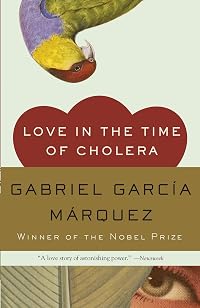
Love in the Time of Cholera
by Gabriel Garcia Marquez
On This Page
Description
In their youth, Florentino Ariza and Fermina Daza fall passionately in love. When Fermina eventually chooses to marry a wealthy, well-born doctor, Florentino is devastated, but he is a romantic. As he rises in his business career, he whiles away the years in 622 affairs--yet he reserves his heart for Fermina. Her husband dies at last, and Florentino purposefully attends the funeral. Fifty years, nine months, and four days after he first declared his love for Fermina, he does so again.Tags
Recommendations




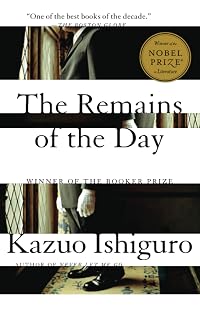
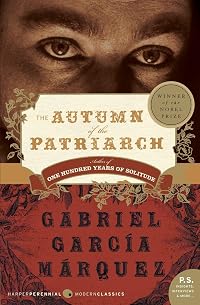

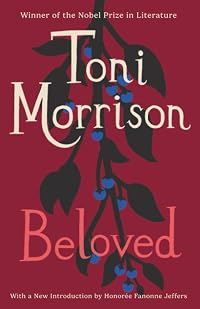


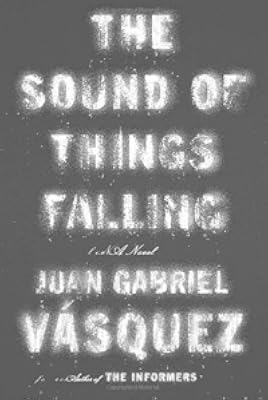
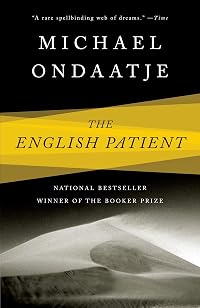

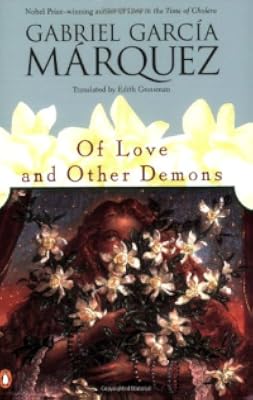
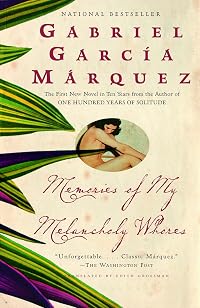
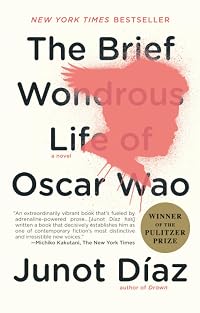


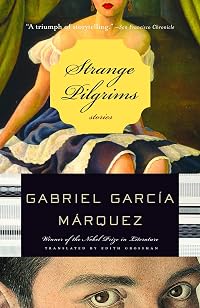

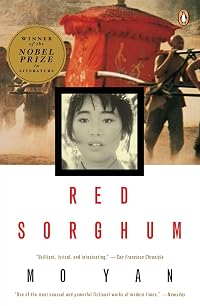









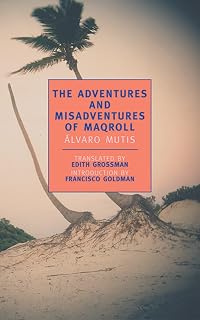
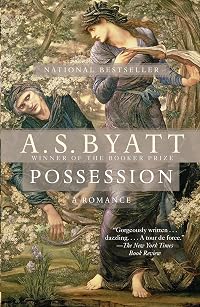









Member Recommendations
kiwiflowa The House of the Spirits - for some reason Library Thing will not link the book in English.
Also recommended by krizia_lazaro
60

electronicmemory Historical settings come alive in these novels about the complexities of life among close-knit high society social circles.
13


Member Reviews
"… could not bear the pestilential stink of its glories, the arrogance of its bulwarks…" (pg. 346)
I knew a guy once – I am reluctant to call him a 'man' – who proved himself one of the most contemptible people I've ever met. Venal, cowardly and physically repellent, he would often act like everyone's best friend and stroll around with a loud voice and a huge grin, providing you no opening to challenge him on his behaviour. He would brag about fucking women and then kicking them out of bed, and about his great ambition to 'try' different races. The natural conclusion to make, you would think, would be that this was crude, baseless braggadocio. However, events soon transpired which proved it was not only true but undersold. It show more turned out he liked to get wasted on drink and drugs and use it as an excuse to smack women around, the younger the better. When it finally seemed like he would face some consequences, he developed a penchant for crocodile tears and facile squirming, bemoaning his 'addictions' and claiming he only needed to find the right woman to love him. I regret to report that it worked – not only did his latest female punching-bag (all of 18 years old, and of the race that he'd expressed a particular keenness on 'trying') fall for the line that she was the right woman, but the vast majority of the people around him also began to feel sorry for him and his 'trials'. He emerged from the whole scenario not only intact but raised up, and pretty soon he was back to the loud voice and the huge grin, with the drugs he'd ostentatiously thrown away quietly returned to pride of place. The fists too, presumably. It was a lesson in dissembling and self-pity that I hope never to forget.
I mention this unpleasant story only because I did not expect to find a similar lesson when picking up Gabriel García Márquez's lauded novel Love in the Time of Cholera, which was his first after winning the Nobel Prize. Márquez was a writer I respected, even if I struggled to develop a real love for his writing when I read One Hundred Years of Solitude and Chronicle of a Death Foretold. I found some worth in those books, and had heard that Cholera was a good book for those who did not like Solitude (and vice versa). Instead it proved to be one of the very, very few books I wanted to throw at the wall, an uncritical and self-pitying indulgence of the same behaviours I mentioned above, all argued shamelessly in the name of la pasión. I could only finish it because of my firm rule to finish every book I start.
The book starts off with the melodramatic simping of the young Florentino Ariza, mooning monomaniacally over Fermina Daza, who herself responds with haughty self-regard. I hope those two characters sound appealing, because if you want to finish Love in the Time of Cholera you will have to follow them through the next 50+ years of their lives as they behave like spoilt children, having everything given to them but with so little self-awareness that Fermina, after a long and prosperous life with another man (a rich doctor husband), a mansion and social prestige and maids to wait on her hand and foot, can sigh and say with a straight face that her life had had "more difficulties than pleasures" (pg. 329). The two end up living happily ever after, and I shall come onto Florentino Ariza presently, but the vanity is not confined to just them (as it might be if Márquez was competently framing them in a literary juxtaposition). Fermina's husband Juvenal, at one point, commends his own "heroic resolve" for overcoming the "private catastrophe" of being unable to continue a fetishized affair with a black woman (pg. 248). "Just think what it mean for poor black woman like me to have such a famous man notice her," she had told him just a few pages earlier (pg. 243).
Before turning to Florentino Ariza, it is worth mentioning that the litany of appalling and narcissistic behaviour chronicled throughout Love in the Time of Cholera is told in a sympathetic, indulgent monologue that is almost entirely plotless. The prose, which can at first be charitably described as 'ornate', quickly becomes overbearing as we lose faith in the fetid characters. I was crying out for some dialogue, of which there is little in the book and even less that is good. The bulk of the prose is tedious melodrama, with women being described as the "lionlady of my soul" (pg. 187) and men weeping by moonlight and describing the opportunity to talk to the woman they are infatuated with as "the greatest moment of my life" (pg. 61). When the afore-mentioned rich doctor husband with the beautiful wife can't go to his 'poor black woman', "the world became a hell for him" (pg. 245). The conceit is palpable on every page.
This brings us, finally, to Florentino Ariza. "My heart has more rooms than a whorehouse," he cries on page 270, and unfortunately it has the same smell too. His love for Fermina, which is meant to drive the novel, is baseless, and he then spends the bulk of the novel wallowing in self-pity and notching up 'conquests'. Women see him on public transport and follow him home because they are desperate to sleep with him (pg. 183), but if you think that pathetic fantasy is the nadir, you haven't seen anything yet. An egocentric empty vessel, Ariza sounds like those grubby, clichéd guys out there who talk about how much they love their wife but simply need other women too. "Deprived of one, he wanted to be with them all at the same time," even those from his past who now "slept in the cemeteries" (pg. 269); a callous, narcissistic remark even before you remember that one of his affairs ends with the woman's throat being slit by her husband, after Ariza's casual disregard for keeping it quiet (pg. 217). Again, this is not the nadir – a word that soon ceases to have any meaning when assessing this particular book.
An anecdote is told of a "very young" black girl being violently raped by a stranger who leaps out at her on a jetty. She "wanted that man to stay forever so that she could die of love in his arms" and puts the word out in town that she wants to find this "big, strong fellow" again in the hope of re-experiencing his "way of making love" (pg. 258). Ariza is not this man, but he seems to take the story to heart, for later on he casually rapes a maid and marries her off to some patsy when she gets pregnant (pg. 316). He must be very virile, Márquez's romantic champion, for he later sees it as a point of honour, when he grooms a 14-year-old schoolgirl, that "she was the only one with whom he took drastic precautions against accidental pregnancy" (pp272-3). If you think Hollywood films are all the same nowadays, start reading novels; there's enough out there to turn your shit black.
If I can use the word one last time, this might very well be the nadir in a book that was already plummeting because of its rape indulgence and racial fetishization. The attention Márquez gives to América Vicuña, a secondary-school student still wearing her uniform and needing Ariza to tie the laces on her school shoes (pg. 275), is irredeemably repulsive. Ariza loves her "diaper smell" (pg. 335) – he's 70 years old at this point – and though she "was still a child in every sense of the word, with braces on her teeth and the scrapes of elementary school on her knees… he saw right away the kind of woman she was soon going to be, and he cultivated her during a slow year" (pg. 272). She, of course, loves him unconditionally and likes nothing more than to plant "a little kiss on her papa's precious dicky-bird" (pg. 295). She also, of course, ends up killing herself (pg. 336); one more for Ariza's cemeteries.
At this point, if you've endured 300+ pages of the novel, you might start to appreciate that there's something more going on in Márquez's writing; that perhaps our dangerous, self-indulgent, life-wrecking protagonists are not meant to be viewed uncritically. I usually cotton on to this sort of stuff quite easily, and I count Lolita and The Merchant of Venice among my favourite books, both of which use such a mischievous, dexterous indulgence of depravity to great satirical effect (I've written reviews of both on this website). If this is the case in Cholera, well, Márquez is not fit to kiss Nabokov's precious dicky-bird. Even if Márquez is on record as encouraging such an interpretation, he's also on record as saying the Ariza and Fermina relationship is based on his own loving parents, the only difference being that his parents got married. There's scarce little in the prose itself to encourage such an ironical interpretation, and if the author has to explain the piece, it's a sign that the piece hasn't prompted us to it on its own – in the way art should. In contrast to Lolita, where Humbert's verbose first-person viewpoint emphasises his contemptibility, and The Merchant of Venice, where the farcical trial of Shylock is deconstructed by the nature of the play itself, Cholera's purported irony and subversion of love might well be nothing more than a vain hope on the reader's part. I remember thinking it cruelly ironic that the Nazis commissioned performances of The Merchant of Venice, as though it supported their views when it did anything but; I see a possible analogue in the fact that the people who praise Love in the Time of Cholera seem to praise its romance above all. It is entirely in keeping with our societal substitution of love with self-esteem. (Perhaps unsurprisingly, Oprah called it "one of the greatest love stories".) If there is irony, I can't enjoy it, because Márquez as author hasn't done enough to facilitate it.
In the end, I could read Love in the Time of Cholera only with great and justified hostility. There's enough vanity and malicious behaviour indulged in the real world, as I outlined in my opening story, and though I don't want art to shy away from bad things, it's one thing to address them and another to indulge them. Life's too short to listen to such tedious wank. There's enough pseudo-philosophical justification of misandry, misogyny and "getting yours" at others' expense, without bringing that indoors and giving it a prize. There's something to engage with in the book, the equation of 'love' with choleric disease, but the entire book is so dense and smitten with its deplorable characters that even committed readers will lose the desire to extract literary worth from the swamp of indulgence, melodrama and self-congratulatory rape. Forget Márquez's bastardization of love; I found myself rooting for the cholera. show less
I knew a guy once – I am reluctant to call him a 'man' – who proved himself one of the most contemptible people I've ever met. Venal, cowardly and physically repellent, he would often act like everyone's best friend and stroll around with a loud voice and a huge grin, providing you no opening to challenge him on his behaviour. He would brag about fucking women and then kicking them out of bed, and about his great ambition to 'try' different races. The natural conclusion to make, you would think, would be that this was crude, baseless braggadocio. However, events soon transpired which proved it was not only true but undersold. It show more turned out he liked to get wasted on drink and drugs and use it as an excuse to smack women around, the younger the better. When it finally seemed like he would face some consequences, he developed a penchant for crocodile tears and facile squirming, bemoaning his 'addictions' and claiming he only needed to find the right woman to love him. I regret to report that it worked – not only did his latest female punching-bag (all of 18 years old, and of the race that he'd expressed a particular keenness on 'trying') fall for the line that she was the right woman, but the vast majority of the people around him also began to feel sorry for him and his 'trials'. He emerged from the whole scenario not only intact but raised up, and pretty soon he was back to the loud voice and the huge grin, with the drugs he'd ostentatiously thrown away quietly returned to pride of place. The fists too, presumably. It was a lesson in dissembling and self-pity that I hope never to forget.
I mention this unpleasant story only because I did not expect to find a similar lesson when picking up Gabriel García Márquez's lauded novel Love in the Time of Cholera, which was his first after winning the Nobel Prize. Márquez was a writer I respected, even if I struggled to develop a real love for his writing when I read One Hundred Years of Solitude and Chronicle of a Death Foretold. I found some worth in those books, and had heard that Cholera was a good book for those who did not like Solitude (and vice versa). Instead it proved to be one of the very, very few books I wanted to throw at the wall, an uncritical and self-pitying indulgence of the same behaviours I mentioned above, all argued shamelessly in the name of la pasión. I could only finish it because of my firm rule to finish every book I start.
The book starts off with the melodramatic simping of the young Florentino Ariza, mooning monomaniacally over Fermina Daza, who herself responds with haughty self-regard. I hope those two characters sound appealing, because if you want to finish Love in the Time of Cholera you will have to follow them through the next 50+ years of their lives as they behave like spoilt children, having everything given to them but with so little self-awareness that Fermina, after a long and prosperous life with another man (a rich doctor husband), a mansion and social prestige and maids to wait on her hand and foot, can sigh and say with a straight face that her life had had "more difficulties than pleasures" (pg. 329). The two end up living happily ever after, and I shall come onto Florentino Ariza presently, but the vanity is not confined to just them (as it might be if Márquez was competently framing them in a literary juxtaposition). Fermina's husband Juvenal, at one point, commends his own "heroic resolve" for overcoming the "private catastrophe" of being unable to continue a fetishized affair with a black woman (pg. 248). "Just think what it mean for poor black woman like me to have such a famous man notice her," she had told him just a few pages earlier (pg. 243).
Before turning to Florentino Ariza, it is worth mentioning that the litany of appalling and narcissistic behaviour chronicled throughout Love in the Time of Cholera is told in a sympathetic, indulgent monologue that is almost entirely plotless. The prose, which can at first be charitably described as 'ornate', quickly becomes overbearing as we lose faith in the fetid characters. I was crying out for some dialogue, of which there is little in the book and even less that is good. The bulk of the prose is tedious melodrama, with women being described as the "lionlady of my soul" (pg. 187) and men weeping by moonlight and describing the opportunity to talk to the woman they are infatuated with as "the greatest moment of my life" (pg. 61). When the afore-mentioned rich doctor husband with the beautiful wife can't go to his 'poor black woman', "the world became a hell for him" (pg. 245). The conceit is palpable on every page.
This brings us, finally, to Florentino Ariza. "My heart has more rooms than a whorehouse," he cries on page 270, and unfortunately it has the same smell too. His love for Fermina, which is meant to drive the novel, is baseless, and he then spends the bulk of the novel wallowing in self-pity and notching up 'conquests'. Women see him on public transport and follow him home because they are desperate to sleep with him (pg. 183), but if you think that pathetic fantasy is the nadir, you haven't seen anything yet. An egocentric empty vessel, Ariza sounds like those grubby, clichéd guys out there who talk about how much they love their wife but simply need other women too. "Deprived of one, he wanted to be with them all at the same time," even those from his past who now "slept in the cemeteries" (pg. 269); a callous, narcissistic remark even before you remember that one of his affairs ends with the woman's throat being slit by her husband, after Ariza's casual disregard for keeping it quiet (pg. 217). Again, this is not the nadir – a word that soon ceases to have any meaning when assessing this particular book.
An anecdote is told of a "very young" black girl being violently raped by a stranger who leaps out at her on a jetty. She "wanted that man to stay forever so that she could die of love in his arms" and puts the word out in town that she wants to find this "big, strong fellow" again in the hope of re-experiencing his "way of making love" (pg. 258). Ariza is not this man, but he seems to take the story to heart, for later on he casually rapes a maid and marries her off to some patsy when she gets pregnant (pg. 316). He must be very virile, Márquez's romantic champion, for he later sees it as a point of honour, when he grooms a 14-year-old schoolgirl, that "she was the only one with whom he took drastic precautions against accidental pregnancy" (pp272-3). If you think Hollywood films are all the same nowadays, start reading novels; there's enough out there to turn your shit black.
If I can use the word one last time, this might very well be the nadir in a book that was already plummeting because of its rape indulgence and racial fetishization. The attention Márquez gives to América Vicuña, a secondary-school student still wearing her uniform and needing Ariza to tie the laces on her school shoes (pg. 275), is irredeemably repulsive. Ariza loves her "diaper smell" (pg. 335) – he's 70 years old at this point – and though she "was still a child in every sense of the word, with braces on her teeth and the scrapes of elementary school on her knees… he saw right away the kind of woman she was soon going to be, and he cultivated her during a slow year" (pg. 272). She, of course, loves him unconditionally and likes nothing more than to plant "a little kiss on her papa's precious dicky-bird" (pg. 295). She also, of course, ends up killing herself (pg. 336); one more for Ariza's cemeteries.
At this point, if you've endured 300+ pages of the novel, you might start to appreciate that there's something more going on in Márquez's writing; that perhaps our dangerous, self-indulgent, life-wrecking protagonists are not meant to be viewed uncritically. I usually cotton on to this sort of stuff quite easily, and I count Lolita and The Merchant of Venice among my favourite books, both of which use such a mischievous, dexterous indulgence of depravity to great satirical effect (I've written reviews of both on this website). If this is the case in Cholera, well, Márquez is not fit to kiss Nabokov's precious dicky-bird. Even if Márquez is on record as encouraging such an interpretation, he's also on record as saying the Ariza and Fermina relationship is based on his own loving parents, the only difference being that his parents got married. There's scarce little in the prose itself to encourage such an ironical interpretation, and if the author has to explain the piece, it's a sign that the piece hasn't prompted us to it on its own – in the way art should. In contrast to Lolita, where Humbert's verbose first-person viewpoint emphasises his contemptibility, and The Merchant of Venice, where the farcical trial of Shylock is deconstructed by the nature of the play itself, Cholera's purported irony and subversion of love might well be nothing more than a vain hope on the reader's part. I remember thinking it cruelly ironic that the Nazis commissioned performances of The Merchant of Venice, as though it supported their views when it did anything but; I see a possible analogue in the fact that the people who praise Love in the Time of Cholera seem to praise its romance above all. It is entirely in keeping with our societal substitution of love with self-esteem. (Perhaps unsurprisingly, Oprah called it "one of the greatest love stories".) If there is irony, I can't enjoy it, because Márquez as author hasn't done enough to facilitate it.
In the end, I could read Love in the Time of Cholera only with great and justified hostility. There's enough vanity and malicious behaviour indulged in the real world, as I outlined in my opening story, and though I don't want art to shy away from bad things, it's one thing to address them and another to indulge them. Life's too short to listen to such tedious wank. There's enough pseudo-philosophical justification of misandry, misogyny and "getting yours" at others' expense, without bringing that indoors and giving it a prize. There's something to engage with in the book, the equation of 'love' with choleric disease, but the entire book is so dense and smitten with its deplorable characters that even committed readers will lose the desire to extract literary worth from the swamp of indulgence, melodrama and self-congratulatory rape. Forget Márquez's bastardization of love; I found myself rooting for the cholera. show less
This is a book. Going in, I knew that it was a modern classic of South American literature and both Worthy and Important, after all, I've had a copy for at least three decades, the bookmark sitting sadly between page 36 and page 37. I was unprepared, however, for the experience of reading it. Reading Love in the Time of Cholera is a brilliant, immersive, frustrating and fabulous experience.
Set a hundred years ago, in a coastal city in Colombia, Gabriel Garcia Marquez tells the story of Florentino Ariza and Fermina Daza, from the moment Florentino first catches sight of Fermina and falls madly, desperately in love, until they are both elderly. It's not an easy path; Florentino is awkward and weird and Fermina's father disapproves of the show more relationship. She marries another, and while his heart remains hers, he spends much of his time juggling a number of lovers as he waits for her to become free.
First published in 1985, Florentino's sexual ethics are presented as laudable and perhaps by the standards of the time and place, they are. But by modern standards, many of his relationships are coercive, if not blatantly abusive. This is the dead insect in the glorious feast of this book. Which is not to negate the importance or the beauty of this excellent book. I'm eager to read Marquez's other novels now. show less
Set a hundred years ago, in a coastal city in Colombia, Gabriel Garcia Marquez tells the story of Florentino Ariza and Fermina Daza, from the moment Florentino first catches sight of Fermina and falls madly, desperately in love, until they are both elderly. It's not an easy path; Florentino is awkward and weird and Fermina's father disapproves of the show more relationship. She marries another, and while his heart remains hers, he spends much of his time juggling a number of lovers as he waits for her to become free.
First published in 1985, Florentino's sexual ethics are presented as laudable and perhaps by the standards of the time and place, they are. But by modern standards, many of his relationships are coercive, if not blatantly abusive. This is the dead insect in the glorious feast of this book. Which is not to negate the importance or the beauty of this excellent book. I'm eager to read Marquez's other novels now. show less
Love in the Time of Cholera is a story of one man's obsessive love for a woman who cannot be his. It spans some sixty years of their lives, in which the unlikable main character Florentino Ariza spends his time plotting to win over Fermina Daza, the love of his life, while also sleeping (or attempting to) with every woman who passes through his Caribbean city. Meanwhile, she is entirely content with her life and spares no thought for him. So this is not a love story in the classical sense, which I consider a plus.
Actually, Florentino Ariza is not even plotting that much, more or less he is just waiting for Fermina Daza's husband, Dr. Juvenal Urbino, to die. Now, it does not occur to Florentino Ariza until very late in the novel that show more he, being only a couple of years younger than Urbino, might die first, or that Fermina Daza might, but that is somewhat beside the point. My opinion is that Florentino Ariza is mentally ill, anyways, so it is not that strange that he does not think of it. However, it does have a profound effect on the novel - since he is just waiting for the husband to die, most of the space is dedicated to his pursuits of other women he sleeps with (which is 622 women if I remember correctly, by his own count. Don't worry, not every one of them is recounted in the book).
I have to say this is far from my favorite Garcia Marquez's work. It has none of the enchantment of One Hundred Years of Solitude and very little of its humorous sub-tones (though I think not from lack of attempts at such), and also very little of the sociopolitical subcontext of No One Writes to the Colonel, although of course the Liberals and the Conservatives are at each other's throats in the "Cholera" as well, but this is rather unimportant to the overall story since Florentino Ariza is entirely apolitical - all he cares about is Fermina Daza.
In fact, I'm not sure what the point of the novel is, to be quite honest. Perhaps it is a treatise on human obsession and perseverance, or our infinite capacity for self-delusion, told through the life story of one mentally problematic individual. It certainly is not some grand love story that some reviewers tout, I believe that misses the point entirely.
I did really like the Caribbean setting, though, and also the clever ending, and naturally, there are brilliant literary passages throughout it all. I read this as a way to pay a small personal tribute to the great Colombian author, after he had died in April. May you long be remembered, Master. show less
Actually, Florentino Ariza is not even plotting that much, more or less he is just waiting for Fermina Daza's husband, Dr. Juvenal Urbino, to die. Now, it does not occur to Florentino Ariza until very late in the novel that show more he, being only a couple of years younger than Urbino, might die first, or that Fermina Daza might, but that is somewhat beside the point. My opinion is that Florentino Ariza is mentally ill, anyways, so it is not that strange that he does not think of it. However, it does have a profound effect on the novel - since he is just waiting for the husband to die, most of the space is dedicated to his pursuits of other women he sleeps with (which is 622 women if I remember correctly, by his own count. Don't worry, not every one of them is recounted in the book).
I have to say this is far from my favorite Garcia Marquez's work. It has none of the enchantment of One Hundred Years of Solitude and very little of its humorous sub-tones (though I think not from lack of attempts at such), and also very little of the sociopolitical subcontext of No One Writes to the Colonel, although of course the Liberals and the Conservatives are at each other's throats in the "Cholera" as well, but this is rather unimportant to the overall story since Florentino Ariza is entirely apolitical - all he cares about is Fermina Daza.
In fact, I'm not sure what the point of the novel is, to be quite honest. Perhaps it is a treatise on human obsession and perseverance, or our infinite capacity for self-delusion, told through the life story of one mentally problematic individual. It certainly is not some grand love story that some reviewers tout, I believe that misses the point entirely.
I did really like the Caribbean setting, though, and also the clever ending, and naturally, there are brilliant literary passages throughout it all. I read this as a way to pay a small personal tribute to the great Colombian author, after he had died in April. May you long be remembered, Master. show less
Interesting. There's a lot to dig into with Florentino's love for Fermina. On the surface it's a love story with Florentino pledging himself to Fermina and never giving up on their love, but when looking at Florentino's actions he's a hypocrite and a liar. He says he remains chaste for her, but his version of chaste is to have over 600 lovers during the course of his life while never allowing himself to feel any deeper feelings for them, which is certainly not a definition of "chaste" that Fermina would agree with. And even that's a lie! Florentino most certainly does have other women he loves (though for some of them I am putting big sarcasm quotes around the word "love" there), though he doesn't realize himself that he's being show more hypocritical. The worst of this is América, a child he grooms and has sex with when she's around 14 and he is in his 70s. The book makes a point to say that she resembles how Fermina looked when Fermina and Florentino first met. So the surface is one story, but the underlying message of the novel is much more cynical with regards to the concept of "love." show less
Great story telling of a serial three-way love affair set in 1880 to 1930 in Colombia. First there is the youthful fling, then the woman marries "properly", and then after she is widowed 50 years later, the original beau returns to woo, and win. But the plot is only a small part of the book. The characters are crafted by a master. They are all wonderfully nuanced - leaving the reader to determine the good/bad ratio of each. I found the description of the married couple in their later years to be particularly good. Theirs is a good and happy marriage, but far from perfect, which probably reflects reality more than most fictional relationships. The long-term beau is more evil. Many instances are given to make the reader feel well disposed show more toward him, but the balancing evil behaviour tipped my balance. While the plot is simple, the author makes the telling interesting, almost into a page turner. You know in broad terms what is going to happen, but the details to be filled in remain enticing. I have one quibble - there is a 20 page suicide note from a subsidiary character at the start of the book. The main character reads it and we hear only one detail from it. I spent the next 350 pages waiting to find out what was in the rest of the note. But it never surfaces again. Minor fault, but it distracted me.
Read March 2014 show less
Read March 2014 show less
I wanted to like this book. I wanted to convince myself I liked this book. But even after finishing it, thinking about its good points, and trying valiantly to focus on the positive, I just couldn't make it happen.
The good: Garcia Marquez's writing, even in translation. I really want to read him in Spanish one day because the translations give you a good sense of his style, and I'm sure it would add to the experience to read his words as he chose them. Also good: the feel he gives you for his Caribbean setting. Civil wars and epidemics rage in the background, but it's just part of life for the characters. A certain practicality reigns, such as when someone sees bodies which are officially said to be the result of a cholera epidemic, show more except that all of them have been given a killing shot in the back of the neck and only mildly comments on that fact. And always good: the wide variety of personalities and situations Garcia Marquez brings to life.
Everything else - the plot, the main characters, the very premise of the novel - just didn't work for me. Florentino Ariza sees Fermina Daza when they are both teenagers, and they fall into a mad passion for each other, exchanging secret letters and professing devotion. While things change for Fermina Daza, and she goes on to marry a doctor, nothing changes for Florentino Ariza. He devotes his life to pining for her, although he has many affairs over the years. The story extends over the span of nearly their entire lives, and Florentino carries that torch the whole time. This could be (should be?) the set-up for a romantic tale, but it really isn't. Spending much of the book with Florentino and his carnal indulgences of all kinds of morally questionable natures makes it difficult to sympathize with his long-lasting unrequited love. Fermina fares a little better in that she has some interesting reflections on marriage and the place of love therein, but overall she's not a very likable person. Instead of wondering if these two crazy kids would find their way back to each other in their lifetimes, I felt like if they did, they'd each get just about what they deserved.
Recommended for: people who aren't sure of the line between love and obsession, people who will find gems of writing or observation even in the midst of a story they may not enjoy, people who have wanted to read Garcia Marquez but are scared away by or don't like magic realism.
Quote: "He was still too young to know that the heart's memory eliminates the bad and magnifies the good, and that thanks to this artifice we manage to endure the burden of the past." show less
The good: Garcia Marquez's writing, even in translation. I really want to read him in Spanish one day because the translations give you a good sense of his style, and I'm sure it would add to the experience to read his words as he chose them. Also good: the feel he gives you for his Caribbean setting. Civil wars and epidemics rage in the background, but it's just part of life for the characters. A certain practicality reigns, such as when someone sees bodies which are officially said to be the result of a cholera epidemic, show more except that all of them have been given a killing shot in the back of the neck and only mildly comments on that fact. And always good: the wide variety of personalities and situations Garcia Marquez brings to life.
Everything else - the plot, the main characters, the very premise of the novel - just didn't work for me. Florentino Ariza sees Fermina Daza when they are both teenagers, and they fall into a mad passion for each other, exchanging secret letters and professing devotion. While things change for Fermina Daza, and she goes on to marry a doctor, nothing changes for Florentino Ariza. He devotes his life to pining for her, although he has many affairs over the years. The story extends over the span of nearly their entire lives, and Florentino carries that torch the whole time. This could be (should be?) the set-up for a romantic tale, but it really isn't. Spending much of the book with Florentino and his carnal indulgences of all kinds of morally questionable natures makes it difficult to sympathize with his long-lasting unrequited love. Fermina fares a little better in that she has some interesting reflections on marriage and the place of love therein, but overall she's not a very likable person. Instead of wondering if these two crazy kids would find their way back to each other in their lifetimes, I felt like if they did, they'd each get just about what they deserved.
Recommended for: people who aren't sure of the line between love and obsession, people who will find gems of writing or observation even in the midst of a story they may not enjoy, people who have wanted to read Garcia Marquez but are scared away by or don't like magic realism.
Quote: "He was still too young to know that the heart's memory eliminates the bad and magnifies the good, and that thanks to this artifice we manage to endure the burden of the past." show less
Love as a disease, patience as a weapon.
After reading One Hundred Years of Solitude, I wasn't sure anything else by García Márquez could move me the same way. Then I met Florentino Ariza.
Love in the Time of Cholera is not a magical realism novel. There are no flying carpets, no ascensions to heaven, no rains of yellow flowers. The magic here is entirely human: the obsessive, patient, ridiculous, and strangely noble capacity of one man to wait. For fifty-one years, nine months, and four days.
What it is: Florentino Ariza, a romantic and impoverished telegraph operator, falls in love with Fermina Daza, a proud, practical, and beautiful young woman. They court through letters. She agrees to marry him. Then she sees him in person, has a show more moment of clarity, and sends him away. She marries a wealthy, respectable doctor instead. Florentino waits. He sleeps with over six hundred women (he keeps a ledger), but he insists his heart belongs only to Fermina. Fifty-one years later, her husband dies. Florentino, now an old man, walks into her house and says: "I have waited for this opportunity for fifty-one years, nine months, and four days. Once again, I reiterate my vow of eternal fidelity and everlasting love."
That's the novel. It's a love story, but not a romantic one. Not really.
The brilliance:
1. The inversion of the love story. García Márquez spends the first third of the novel detailing the marriage of Fermina and Dr. Juvenal Urbino, a "perfect" union that is comfortable, respectable, and quietly empty. By the time Florentino returns, you understand that his obsessive, impractical love might actually be the real thing. Or it might be madness. The novel never decides, which is the point.
2. Florentino Ariza is impossible to like, but impossible to forget. He is pathetic, calculating, and deeply selfish. He seduces a young girl (who eventually commits suicide because of him). He carries on affairs while declaring himself a virgin of the heart. He is a parody of a romantic hero. And yet, when he sits across from Fermina at age seventy-six, trembling, you feel the weight of his waiting. García Márquez makes you confront something uncomfortable: that love and obsession are not always distinguishable.
3. The prose. As always, every sentence breathes. Descriptions of the river, the parrot, the old age of the characters, it's rendered with a tenderness that makes the grotesque feel beautiful. There's a scene where Florentino watches Urbino and Fermina at the opera, and the jealousy is rendered not as rage but as a slow, cold patience. Devastating.
4. The ending. The final chapter takes place on a riverboat sailing under a yellow quarantine flag (cholera). The captain asks how long they should sail. Florentino has spent fifty-one years waiting. He answers: "Forever." It's perfect. It's also terrifying.
The stumbles (honest critiques):
1. The pacing is glacial. This is not a novel for people who need plot momentum. García Márquez luxuriates in digressions: the doctor's parrot, the love affairs of a minor character, the history of the river. If you found the middle of The Wise Man's Fear slow, this will test you.
2. Florentino is a predator. The novel treats his affair with the young girl, América Vicuña (a teenager under his guardianship), as a minor subplot. She is devastated when he abandons her for Fermina. She commits suicide. And the narrative moves on with barely a pause. For many readers, this is unforgivable. García Márquez does not condemn Florentino, and that silence is a real flaw.
3. It romanticizes suffering. Florentino's love is presented as pure because it is patient. But patience is also stubbornness, possession, refusal to accept reality. The novel asks you to admire a man who refused to live his life because he was waiting for someone else's to end.
4. No magical realism. This is not a flaw for everyone, but if you came from One Hundred Years expecting levitating priests, you'll be disappointed. This is a realist novel, grounded in the mundane details of aging, disease, and social expectation.
Who should read this:
Readers who want to understand how García Márquez writes about love without illusions.
People who appreciate slow, character-driven literary fiction.
Those who can hold multiple truths: that Florentino is both a fool and a romantic, both a predator and a lover.
Who should skip it:
Anyone triggered by grooming or exploitation of minors (the América Vicuña subplot is not minor).
Readers who need a sympathetic protagonist.
People who hate novels about waiting.
Final verdict:
Love in the Time of Cholera is a masterpiece of ambiguous love. It's also a deeply uncomfortable book. García Márquez refuses to tell you whether Florentino Ariza is a hero or a delusional old man. He forces you to sit with that question for four hundred pages. The prose is stunning, the themes are rich, but the silence around Florentino's predation is a genuine stain.
Four stars. For the language, the patience, the unforgettable ending. But I cannot give it five, because the novel asks me to forgive something I'm not sure deserves forgiveness. show less
After reading One Hundred Years of Solitude, I wasn't sure anything else by García Márquez could move me the same way. Then I met Florentino Ariza.
Love in the Time of Cholera is not a magical realism novel. There are no flying carpets, no ascensions to heaven, no rains of yellow flowers. The magic here is entirely human: the obsessive, patient, ridiculous, and strangely noble capacity of one man to wait. For fifty-one years, nine months, and four days.
What it is: Florentino Ariza, a romantic and impoverished telegraph operator, falls in love with Fermina Daza, a proud, practical, and beautiful young woman. They court through letters. She agrees to marry him. Then she sees him in person, has a show more moment of clarity, and sends him away. She marries a wealthy, respectable doctor instead. Florentino waits. He sleeps with over six hundred women (he keeps a ledger), but he insists his heart belongs only to Fermina. Fifty-one years later, her husband dies. Florentino, now an old man, walks into her house and says: "I have waited for this opportunity for fifty-one years, nine months, and four days. Once again, I reiterate my vow of eternal fidelity and everlasting love."
That's the novel. It's a love story, but not a romantic one. Not really.
The brilliance:
1. The inversion of the love story. García Márquez spends the first third of the novel detailing the marriage of Fermina and Dr. Juvenal Urbino, a "perfect" union that is comfortable, respectable, and quietly empty. By the time Florentino returns, you understand that his obsessive, impractical love might actually be the real thing. Or it might be madness. The novel never decides, which is the point.
2. Florentino Ariza is impossible to like, but impossible to forget. He is pathetic, calculating, and deeply selfish. He seduces a young girl (who eventually commits suicide because of him). He carries on affairs while declaring himself a virgin of the heart. He is a parody of a romantic hero. And yet, when he sits across from Fermina at age seventy-six, trembling, you feel the weight of his waiting. García Márquez makes you confront something uncomfortable: that love and obsession are not always distinguishable.
3. The prose. As always, every sentence breathes. Descriptions of the river, the parrot, the old age of the characters, it's rendered with a tenderness that makes the grotesque feel beautiful. There's a scene where Florentino watches Urbino and Fermina at the opera, and the jealousy is rendered not as rage but as a slow, cold patience. Devastating.
4. The ending. The final chapter takes place on a riverboat sailing under a yellow quarantine flag (cholera). The captain asks how long they should sail. Florentino has spent fifty-one years waiting. He answers: "Forever." It's perfect. It's also terrifying.
The stumbles (honest critiques):
1. The pacing is glacial. This is not a novel for people who need plot momentum. García Márquez luxuriates in digressions: the doctor's parrot, the love affairs of a minor character, the history of the river. If you found the middle of The Wise Man's Fear slow, this will test you.
2. Florentino is a predator. The novel treats his affair with the young girl, América Vicuña (a teenager under his guardianship), as a minor subplot. She is devastated when he abandons her for Fermina. She commits suicide. And the narrative moves on with barely a pause. For many readers, this is unforgivable. García Márquez does not condemn Florentino, and that silence is a real flaw.
3. It romanticizes suffering. Florentino's love is presented as pure because it is patient. But patience is also stubbornness, possession, refusal to accept reality. The novel asks you to admire a man who refused to live his life because he was waiting for someone else's to end.
4. No magical realism. This is not a flaw for everyone, but if you came from One Hundred Years expecting levitating priests, you'll be disappointed. This is a realist novel, grounded in the mundane details of aging, disease, and social expectation.
Who should read this:
Readers who want to understand how García Márquez writes about love without illusions.
People who appreciate slow, character-driven literary fiction.
Those who can hold multiple truths: that Florentino is both a fool and a romantic, both a predator and a lover.
Who should skip it:
Anyone triggered by grooming or exploitation of minors (the América Vicuña subplot is not minor).
Readers who need a sympathetic protagonist.
People who hate novels about waiting.
Final verdict:
Love in the Time of Cholera is a masterpiece of ambiguous love. It's also a deeply uncomfortable book. García Márquez refuses to tell you whether Florentino Ariza is a hero or a delusional old man. He forces you to sit with that question for four hundred pages. The prose is stunning, the themes are rich, but the silence around Florentino's predation is a genuine stain.
Four stars. For the language, the patience, the unforgettable ending. But I cannot give it five, because the novel asks me to forgive something I'm not sure deserves forgiveness. show less
Members
- Recently Added By
Published Reviews
ThingScore 100
Ik hou van mannen als Márquez. Wijze, erudiete mannen. Ze vertellen mij dat het niet verkeerd is om gematigd en rustig te zijn, of zelfs af en toe te twijfelen. In deze tijd van mediacratie, waar de makkelijk pratende mensen het voor het zeggen hebben, de vorm dus voor de inhoud gaat (en ik iedere keer merk dat ik, tot mijn grote ergernis, ook de neiging heb om aan die trend mee te doen) show more ervaar ik hen als een oase van rust. Een geruststellende hand op de schouder die zegt dat ik niet altijd op scherp hoef te staan en dat het misschien wel een goed idee is om even een pauze te nemen. show less
added by Jozefus
Suppose, then, it were possible, not only to swear love ''forever,'' but actually to follow through on it - to live a long, full and authentic life based on such a vow, to put one's alloted stake of precious time where one's heart is? This is the extraordinary premise of Gabriel Garcia Marquez's new novel ''Love in the Time of Cholera,'' one on which he delivers, and triumphantly.
added by jlelliott
Lists

1001 Books You Must Read Before You Die
1,448 works; 1,134 members

The Guardian's 1000 Novels Everyone Must Read
1,005 works; 547 members

Best Contemporary Literary Fiction (Around the Last 30 Years)
388 works; 122 members

Magic Realism
371 works; 52 members
BBC Big Read
191 works; 46 members

Best of World Literature
434 works; 51 members

The 100 Best Books of All Time by Norwegian Book Club (World Library)
104 works; 23 members

Oprah's Book Club (original and 2.0)
91 works; 21 members
The Top Ten: Writers Pick Their Favorite Books
240 works; 31 members

Favorite Literary Love Stories
182 works; 100 members

100 books to read in a lifetime
102 works; 37 members

Historical Fiction
889 works; 91 members
20th Century Literature
1,161 works; 54 members
1980s
356 works; 23 members

Slipstream or Interstitial Fiction
160 works; 19 members
Favourite Books
1,819 works; 310 members
Global Reads: Books Set South and Central America
40 works; 7 members

Philosophical Fiction
97 works; 27 members

100 New Classics
101 works; 13 members
Nobel Price Winners
222 works; 20 members

Harold Bloom - The Western Canon: D. The Chaotic Age
833 works; 24 members

Best Love Stories
107 works; 14 members

Canon de la narrativa universal del siglo XX
254 works; 6 members
Love and Marriage
93 works; 10 members

Unread books
1,063 works; 83 members

50 Books from the Past 50 Years
50 works; 8 members
BBC Big Read
100 works; 10 members

Latin America
45 works; 6 members
1,001 BYMRBYD Concensus
723 works; 27 members

Top Five Books of 2014
1,064 works; 398 members

Expand Your Reading Demographics!
47 works; 15 members

Latin American Literature
50 works; 11 members

A Novel Cure
742 works; 23 members
Blue Pyramid 1,276 Best Books of All Time
1,248 works; 32 members
Latin America
26 works; 9 members

Books tagged favorites
390 works; 30 members

Reiny
17 works; 2 members
Speculative Fiction from around the World
610 works; 18 members

Literature in Translation
113 works; 5 members

Mind Expanding Books by hackerkid
581 works; 8 members

Books Featured on Readers' Review of the Diane Rehm Show
161 works; 8 members

Authors from Colombia
5 works; 1 member

A Book For Our Times
7 works; 1 member

Books Read in 2020
4,379 works; 123 members

Speculative Fiction: Slipstream Literature
166 works; 16 members
Overdue Podcast
806 works; 9 members

Fiction: Historical
288 works; 3 members

I Can't Finish This Book
189 works; 22 members

recalling favorites...
105 works; 2 members

Emily's Reviews
14 works; 1 member
Favourite Love Stories
53 works; 1 member
Tim's Not Spammy List
14 works; 1 member

My Favourite Books
86 works; 5 members

Allie's List of Books I Want To Read
93 works; 1 member

Reading Globally
136 works; 16 members

Gen X Library
245 works; 4 members

Favorite Books in Translation
320 works; 133 members

DigitalDreamDoor top 300
300 works; 4 members
Las 100 mejores novelas de la literatura hispanoamericana (cicutadry)
100 works; 1 member

living room bookshelf
150 works; 1 member

.
194 works; 2 members
Canon de la narrativa universal del s. XX (cicutadry)
499 works; 3 members
Books We Want To Read Again For The First Time
384 works; 160 members

Recommended Reading : 600 Classics Reviewed, Editors of Salem Press, 2015
634 works; 6 members
'Books You Can't Live Without: The Top 100', The Guardian, 2007
156 works; 7 members

Books We Love to Reread
688 works; 296 members
Books recommended by Calgary Public Library staff
1,588 works; 4 members

Myth (Reuse and Retelling)
188 works; 24 members
Florida
366 works; 3 members

Queen Camilla's Reading Room
65 works; 6 members

Books With the Most Memorable Titles
478 works; 158 members

Jim's Bookshelf
16 works; 1 member

Book wishlist
78 works; 1 member
Favorite Romance Fiction
247 works; 115 members

Books Read in 2021
5,361 works; 113 members
Phoebe Bridgers
29 works; 1 member

Viral Outbreaks and Pandemics
82 works; 8 members

Bibliografia essenziale
86 works; 2 members

Biggest Disappointments
606 works; 163 members
Las 100 mejores novelas de la literatura hispanoamericana
96 works; 1 member

Allie's Wishlist
217 works; 2 members
.
396 works; 1 member
NPRs audience picks: 100 best beach reads
105 works; 12 members
Talk Discussions
Past Discussions
GROUP READ --- "Love in the time of the cholera" by Gabriel Garcia Marquez in The 12 in 12 Category Challenge (June 2012)
GROUP READ: Love In The Time Of Cholera in 1001 Books to read before you die (June 2011)
Author Information

387+ Works 147,355 Members
Gabriel García Márquez was born in Aracataca, Colombia on March 6, 1927. After studying law and journalism at the National University of Colombia in Bogota, he became a journalist. In 1965, he left journalism, to devote himself to writing. His works included Leaf Storm, No One Writes to the Colonel, The Evil Hour, One Hundred Years of Solitude, show more Love in the Time of Cholera, The Autumn of the Patriarch, Chronicle of a Death Foretold, The General in His Labyrinth, Clandestine in Chile, and the memoir Living to Tell the Tale. He won the Nobel Prize for Literature in 1982. He died on April 17, 2014 at the age of 87. (Bowker Author Biography) show less
Some Editions
Awards and Honors
Awards
Distinctions
Notable Lists
BBC's Big Read (97)
Series
Belongs to Publisher Series
Work Relationships
Is contained in
Strange Pilgrims | Love in the Time of Cholera | One Hundred Years of Solitude by Gabriel García Márquez
One Hundred Years of Solitude | Love in the Time of Cholera | One Day After Saturday by Габриэль Гарсиа Маркес
One Hundred Years of Solitude | Love in the Time of Cholera | Chronicle of a Death Foretold by Gabriel Garcia Marquez
One Hundred Years of Solitude | Strange Pilgrims | Love in the Time of Cholera | The Autumn of the Patriarch by Gabriel Garsia Markes
Gabriel Garcia Marquez Collection: Love in the Time of Cholera, One Hundred Years of Solitude, Chronicle of a Death Foretold, of Love and Other Demons, the Story of a Shipwrecked Sai by Gabriel García Márquez
One Hundred Years of Solitude | Love in the Time of Cholera | Chronicle of a Death Foretold | Collected Stories by Gabriel Garcia Marquez
Has the adaptation
Has as a study
Has as a commentary on the text
Has as a student's study guide
Common Knowledge
- Canonical title
- Love in the Time of Cholera
- Original title
- El amor en los tiempos del cólera
- Alternate titles*
- Любовь во время холеры
- Original publication date
- 1985
- People/Characters
- Fermina Daza; Florentino Ariza; Juvenal Urbino; Jeremiah de Saint-Amour; Lorenzo Daza; Aunt Escolastica (show all 12); Transito Ariza; Hildebranda Sanchez; Miss Lynch; The Captain; Leona Cassiani; America Vicuna
- Important places
- Cartagena, Colombia (assumed); Bolívar, Colombia; Colombia; South America
- Related movies
- Love in the Time of Cholera (2007 | IMDb)
- Epigraph
- The words I am about to express:
They now have their own crowned goddess.
Leandro Diaz
In dieser Gegend geht’s voran:
die bekränzte Göttin zeigt es an.
Leandro Díaz - Dedication
- For Mercedes, of course
Natürlich für Mercedes - First words
- It was inevitable: the scent of bitter almonds always reminded him of the fate of unrequited love.
- Quotations
- They were together in silence like an old married couple wary of life, beyond the pitfalls of passion, beyond the brutal mockery of hope and the phantoms of disillusion: beyond love. For they had lived together long enough t... (show all)o know that love was always love, anytime and anyplace, but it was more solid the closer it came to death.
She would not waste the rest of her years simmering in the maggot broth of memory
From the time she awoke at six in the morning until she turned out the light in the bedroom, Fermina Daza devoted herself to killing time. Life was imposed on her from outside. - Last words
- (Click to show. Warning: May contain spoilers.)Florentino Ariza had kept his answer ready for fifty-three years, seven months, and eleven days and nights.
'Forever,' he said.
(Click to show. Warning: May contain spoilers.)Florentino Ariza war seit dreiundfünfzig Jahren, sieben Monaten und elf Tagen und Nächten auf die Frage vorbereitet:
»Das ganze Leben«, sagte er. - Blurbers
- Clinton, Bill; Bragg, Melvyn; Tyler, Anne; Heller, Joseph
- Original language
- Spanish
*Some information comes from Common Knowledge in other languages. Click "Edit" for more information.
Classifications
Statistics
- Members
- 30,953
- Popularity
- 108
- Reviews
- 445
- Rating
- (3.95)
- Languages
- 57 — Afrikaans, Albanian, Arabic, Armenian, Basque, Belarusian, Bosnian, Bulgarian, Catalan, Czech, Danish, Dutch, English, Esperanto, Estonian, Finnish, French, Georgian, German, Irish, Galician, Greek, Hebrew, Hindi, Hungarian, Icelandic, Indonesian, Italian, Japanese, Korean, Latin, Latvian, Lithuanian, Macedonian, Malayalam, Maori, Norwegian (Bokmål), Norwegian, Farsi/Persian, Polish, Romanian, Russian, Serbian, Croatian, Slovak, Slovenian, Spanish, Swedish, Tagalog, Turkish, Urdu, Welsh, Yiddish, Portuguese (Portugal), Portuguese (Brazil), Chinese, traditional, Chinese, simplified
- Media
- Paper, Audiobook, Ebook
- ISBNs
- 273
- ASINs
- 130