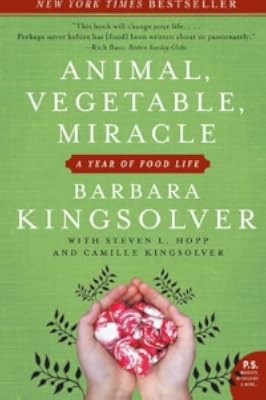
Animal, Vegetable, Miracle: A Year of Food Life
by Barbara Kingsolver, Steven L. Hopp, Camille Kingsolver
On This Page
Description
When Kingsolver and her family move from suburban Arizona to rural Appalachia, they take on a new challenge: to spend a year on a locally produced diet, paying close attention to the provenance of all they consume. "Our highest shopping goal was to get our food from so close to home, we'd know the person who grew it. Often that turned out to be ourselves as we learned to produce what we needed, starting with dirt, seeds, and enough knowledge to muddle through. Or starting with baby animals, show more and enough sense to refrain from naming them."--From publisher description. show lessTags
Recommendations
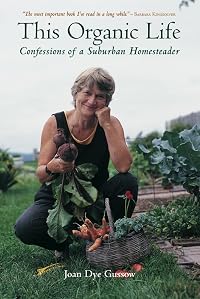
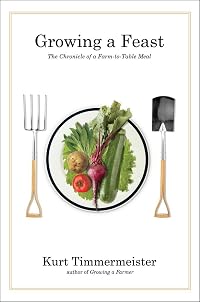
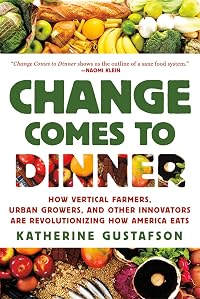
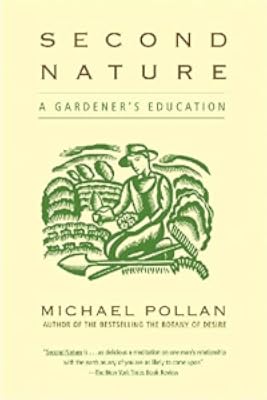

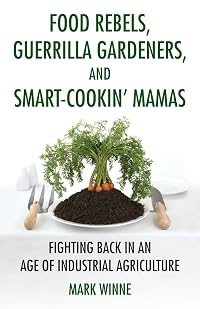
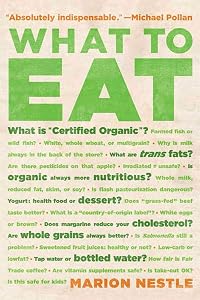
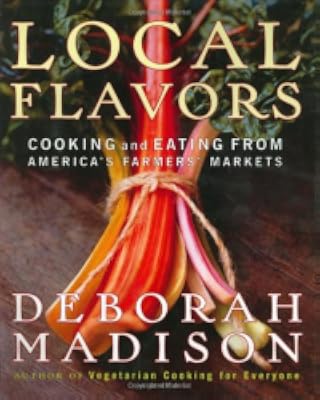
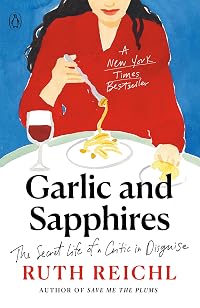
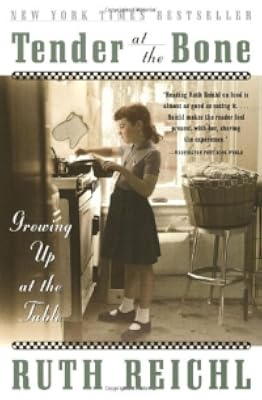
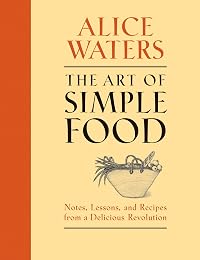
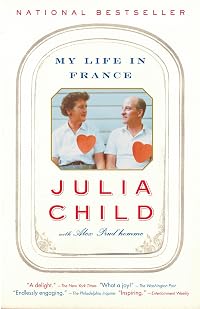
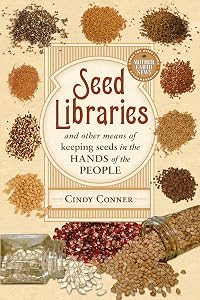
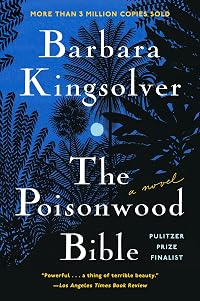
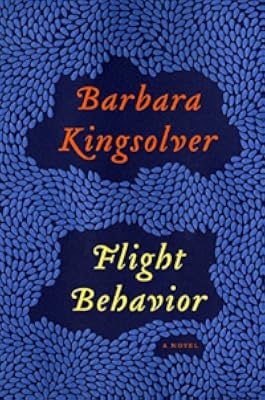
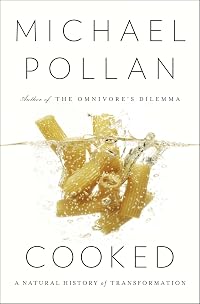
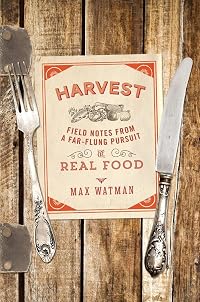
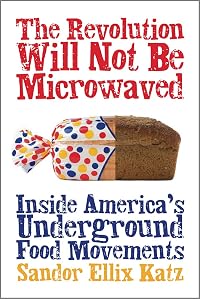
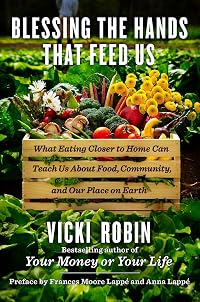
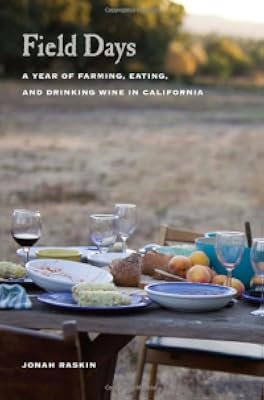
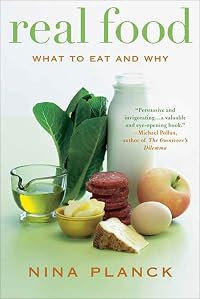


Member Recommendations
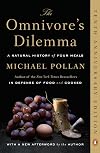
SqueakyChu Both books address a way of working with our current food culture.
Also recommended by heidialice, booklove2
80
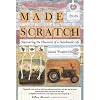
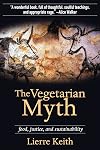
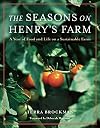
JanesList Both are delightful to read and tell the story of sustainable growing and eating throughout the year, with recipes and family contributions to the books. You might not want to read them both in the same month, but if you liked one, I bet you'll like the other.
20
Goat Song: A Seasonal Life, A Short History of Herding, and the Art of Making Cheese by Brad Kessler
Muriel743 Covers similar topics - i.e. mainly urban people pursuing food self-sufficiency, forming relationships with rural community and neighbours and learning the skills needed to feed themselves.
Fifty Acres and a Poodle: A Story of Love, Livestock, and Finding Myself on a Farm by Jeanne Marie Laskas
hipdeep Not a book about slow food, but for my money a far more interesting memoir of an urbanite's move to a farm.
Member Reviews
Oh my god, Barbara Kingsolver, STOP JUDGING ME.
This book: good idea, repellently smug execution. One of the most eye-rolling things about the smugness is the casual way all three contributors (Kingsolver, her daughter, and her husband) toss off references to the incredible amount of kitchen equipment they own that makes all of this possible: a food dryer to dry fruit for the winter, professional-grade canning equipment, a dishwasher (they assume that everyone has one, which simply isn't true), vast amounts of kitchen, pantry, and freezer space, and a bread maker (of which her husband says, in a sidebar, "I know you own one. Go get it out of the closet or the basement and use it," because EVERYONE has a $100+ machine just sitting in the show more basement, didn't you know?). It is pretty much the definition of unexamined privilege, and it's vile.
The daughter is also a trip. I can only thank my lucky stars no one was publishing my screeds on That Thing I Know More About Than You when I was nineteen, but please, Camille. Somehow I don't buy the claim that you are the only person at Duke University, in 2008, who has ever even heard of free range meat.
I think that the Kingsolvers would have done better to acknowledge how hard this year was, and how much work went into it, because the alternative to that form of bragging is a much more offensive form of it: "this is SO EASY that anyone who doesn't do it is criminally lazy and hates the planet". I eat food when it is in season (it just tastes awful otherwise). I eat as locally as I can. I also kill plants by glancing sideways at them, and have such a slapstick touch in the kitchen that I'm not sure my town's zoning board would allow me to attempt canning. This doesn't make me a heedless anti-environmentalist who only eats junk food, but I spent the entirety of this book pretty sure Kingsolver would say it does. show less
This book: good idea, repellently smug execution. One of the most eye-rolling things about the smugness is the casual way all three contributors (Kingsolver, her daughter, and her husband) toss off references to the incredible amount of kitchen equipment they own that makes all of this possible: a food dryer to dry fruit for the winter, professional-grade canning equipment, a dishwasher (they assume that everyone has one, which simply isn't true), vast amounts of kitchen, pantry, and freezer space, and a bread maker (of which her husband says, in a sidebar, "I know you own one. Go get it out of the closet or the basement and use it," because EVERYONE has a $100+ machine just sitting in the show more basement, didn't you know?). It is pretty much the definition of unexamined privilege, and it's vile.
The daughter is also a trip. I can only thank my lucky stars no one was publishing my screeds on That Thing I Know More About Than You when I was nineteen, but please, Camille. Somehow I don't buy the claim that you are the only person at Duke University, in 2008, who has ever even heard of free range meat.
I think that the Kingsolvers would have done better to acknowledge how hard this year was, and how much work went into it, because the alternative to that form of bragging is a much more offensive form of it: "this is SO EASY that anyone who doesn't do it is criminally lazy and hates the planet". I eat food when it is in season (it just tastes awful otherwise). I eat as locally as I can. I also kill plants by glancing sideways at them, and have such a slapstick touch in the kitchen that I'm not sure my town's zoning board would allow me to attempt canning. This doesn't make me a heedless anti-environmentalist who only eats junk food, but I spent the entirety of this book pretty sure Kingsolver would say it does. show less
"How do you encourage people to keep their hope...but not their complacency?" This is a question that one of Kingsolver's film-making friends asks. It is a question that I found to be central to my reading of this book. A couple of chapters in, I feared this would be a book all about how we are raping and killing our planet, and destroying our own health, by our current consumer and eating habits. And it is a book about that - I came away with a great deal of guilt that I didn't want to deal with, which easily leads to complacency. As Kingsolver says, "The truth is so horrific: we are marching ourselves to the maw of our own extinction. An audience that doesn't really get that will amble out of the theater unmoved, go home and change show more nothing. But an audience that does get it may be so terrified they'll feel doomed already. They might walk out looking paler, but still do nothing. How is it possible to inspire an appropriately repentant stance toward a planet that is really, really upset?"
I think the author does a pretty good job of finding that balance throughout this book. After the initial bout of "preachiness," which is really the family's explanation of why they decided to try this year of eating locally, the book resolves into a generally hopeful and upbeat story of their experiences. The clan eschews any food that is not grown on their own land or produced within 100 miles of their home for a year. Kingsolver relates fascinating information, funny and touching stories, and great joy as she works through the family's story of growing, harvesting, preserving, and preparing its own food. The tales of turkey husbandry are particularly entertaining.
And, while I did still come away with that guilt - I am overwhelmed by all the change that would be necessary to stop the wheels of the mass food production machine, too spoiled with having a huge variety of food choices, and too lazy to grow my own food - I did come away with a resolution to take some baby steps to help solve some of the problems outlined in this book. I already find myself reading produce labels and trying to buy more locally grown fruits and vegetables.
This book reminded me how far I (and we as a nation) have come from being in tune with nature and the seasons. I grew up on a farm similar to the one the Kingsolver-Hopp family has. It was not commercial, but we raised and preserved a great deal of our own vegetables and meat. As a child, I was far more connected to the land and its cycles than I am now. It would be nice to get some of that back, but I feel ill equipped for the magnitude of project that the book's family undertook.
Kingsolver makes an interesting and eloquent argument for meat consumption as well, which is interesting in this age of vehement vegetarianism. Her discussion of heritage species of plants and animals is compelling. And her take on some of our holidays is touching and thought-provoking. Her comment on Thanksgiving:
"Even feigning surprise, pretending it was unexpected and saying a ritual thanks, is surely wiser than just expecting everything so carelessly. Wake up now, look alive, for here is a day off work just to praise Creation: the turkey, the squash, and the corn, these things that ate and drank sunshine, grass, mud, and rain, and then in the shortening days laid down their lives for our welfare and onward resolve. There's the miracle for you, the absolute sacrifice that still holds back seeds: a germ of promise to do the whole thing again, another time...In my household credo, Thanksgiving is Creation's birthday party. Praise harvest, a pause and sigh on the breath of immortality."
I enjoyed Camille Kingsolver's sidebars throughout the book, giving a teen's perspective on the family's project and providing a lot of recipes. Steven Hopp's sidebars are more informative but less entertaining. show less
I think the author does a pretty good job of finding that balance throughout this book. After the initial bout of "preachiness," which is really the family's explanation of why they decided to try this year of eating locally, the book resolves into a generally hopeful and upbeat story of their experiences. The clan eschews any food that is not grown on their own land or produced within 100 miles of their home for a year. Kingsolver relates fascinating information, funny and touching stories, and great joy as she works through the family's story of growing, harvesting, preserving, and preparing its own food. The tales of turkey husbandry are particularly entertaining.
And, while I did still come away with that guilt - I am overwhelmed by all the change that would be necessary to stop the wheels of the mass food production machine, too spoiled with having a huge variety of food choices, and too lazy to grow my own food - I did come away with a resolution to take some baby steps to help solve some of the problems outlined in this book. I already find myself reading produce labels and trying to buy more locally grown fruits and vegetables.
This book reminded me how far I (and we as a nation) have come from being in tune with nature and the seasons. I grew up on a farm similar to the one the Kingsolver-Hopp family has. It was not commercial, but we raised and preserved a great deal of our own vegetables and meat. As a child, I was far more connected to the land and its cycles than I am now. It would be nice to get some of that back, but I feel ill equipped for the magnitude of project that the book's family undertook.
Kingsolver makes an interesting and eloquent argument for meat consumption as well, which is interesting in this age of vehement vegetarianism. Her discussion of heritage species of plants and animals is compelling. And her take on some of our holidays is touching and thought-provoking. Her comment on Thanksgiving:
"Even feigning surprise, pretending it was unexpected and saying a ritual thanks, is surely wiser than just expecting everything so carelessly. Wake up now, look alive, for here is a day off work just to praise Creation: the turkey, the squash, and the corn, these things that ate and drank sunshine, grass, mud, and rain, and then in the shortening days laid down their lives for our welfare and onward resolve. There's the miracle for you, the absolute sacrifice that still holds back seeds: a germ of promise to do the whole thing again, another time...In my household credo, Thanksgiving is Creation's birthday party. Praise harvest, a pause and sigh on the breath of immortality."
I enjoyed Camille Kingsolver's sidebars throughout the book, giving a teen's perspective on the family's project and providing a lot of recipes. Steven Hopp's sidebars are more informative but less entertaining. show less
Everyone knows who Barbara Kingsolver is, right? Poisonwood Bible, The Bean Trees, Prodigal Summer? I've read several of her books and loved them. When I put myself on the queue for her most recent book, I didn't know that it was non-fiction. At first. But then I kept hearing more and more about Animal, Vegetable, Miracle, and I realized that I would probably really enjoy it.
Barbara and her family (her daughter Camille, husband Steven, and daughter Lily) make the move from Tuscon, Arizona back to the family homestead in Southern Appalachia (Virginia). Inspired by the farmers that have worked that region for generations, and frightened by whats-really-in-your-food, they decide to become "locavores" for a year: grow their own vegetables show more and fruit, raise their own meat, and eat only what is grown organically within a 100-mile-radius.
There's no preaching here. They struggle in April, when the only thing up is asparagus. Barbara admits her squeamishness when it comes to 'harvesting chickens', and her stunned confusion when it comes to turkey mating rituals. The book moves along chronologically, from asparagus season to bean season, to tomato time, harvest time, canning time, thanksgiving, and the long winter of living off of frozen and canned goods. Her writing is simple and eloquent, and is joined by short essays from her husband and her daughter.
Almost completely off-topic, but while I read this book about a year-long philosophical journey, I was reminded of another book about a year-long philosophical journey that I recently read (Eat, Pray, Love). Comparing the two books (and women who wrote the books) was very interesting to me. Both books begin with a "leaving": Barbara and her family leave Tuscon, home for many years; Liz leaves her husband and, well, every thing else. Both go to Italy (although Barbara's trip was shorter, they both consider food the reason to make the trip!). Both see this year of experimentation as a chance to find meaning and learn about themselves as well as the world they live in.
I have to say I'm much more of a Barbara than a Liz. Liz went abroad to find her purpose, Barbara GREW her purpose. Liz wrote in romantic prose and constant metaphor, Barbara wrote recipes, instructions, and is much more down-to-earth - not to say she isn't funny or thoughtful! Just a little more earth and a little less air. Well, that metaphor makes sense to me.
Anywho, I enjoyed this book for many reasons: it was interesting, it was funny, I related to Barbara's desire to detach her family from the international food production business, her daughter Lily's desire to raise chickens (and she gets to, lucky kid), and the struggles of planting a garden and not knowing what will come up - if anything.
I also liked this book because I realized that...I'm really not doing all that bad. I raise my own vegetables, make my own pasta sauce and salsa, make my own vegetable and turkey stock (yesterday I boiled and dissected a turkey carcass for that very reason and made stock AND really awesome turkey dumpling soup...something I planned to do even before picking up this book), and we shop at the local farmers' markets in the summer. However, there's so much more I CAN do and WANT to do...which will be another post entirely. That sort of navel-gazing needs a post all to itself.
Long story short: A++++++, would read again! show less
Barbara and her family (her daughter Camille, husband Steven, and daughter Lily) make the move from Tuscon, Arizona back to the family homestead in Southern Appalachia (Virginia). Inspired by the farmers that have worked that region for generations, and frightened by whats-really-in-your-food, they decide to become "locavores" for a year: grow their own vegetables show more and fruit, raise their own meat, and eat only what is grown organically within a 100-mile-radius.
There's no preaching here. They struggle in April, when the only thing up is asparagus. Barbara admits her squeamishness when it comes to 'harvesting chickens', and her stunned confusion when it comes to turkey mating rituals. The book moves along chronologically, from asparagus season to bean season, to tomato time, harvest time, canning time, thanksgiving, and the long winter of living off of frozen and canned goods. Her writing is simple and eloquent, and is joined by short essays from her husband and her daughter.
Almost completely off-topic, but while I read this book about a year-long philosophical journey, I was reminded of another book about a year-long philosophical journey that I recently read (Eat, Pray, Love). Comparing the two books (and women who wrote the books) was very interesting to me. Both books begin with a "leaving": Barbara and her family leave Tuscon, home for many years; Liz leaves her husband and, well, every thing else. Both go to Italy (although Barbara's trip was shorter, they both consider food the reason to make the trip!). Both see this year of experimentation as a chance to find meaning and learn about themselves as well as the world they live in.
I have to say I'm much more of a Barbara than a Liz. Liz went abroad to find her purpose, Barbara GREW her purpose. Liz wrote in romantic prose and constant metaphor, Barbara wrote recipes, instructions, and is much more down-to-earth - not to say she isn't funny or thoughtful! Just a little more earth and a little less air. Well, that metaphor makes sense to me.
Anywho, I enjoyed this book for many reasons: it was interesting, it was funny, I related to Barbara's desire to detach her family from the international food production business, her daughter Lily's desire to raise chickens (and she gets to, lucky kid), and the struggles of planting a garden and not knowing what will come up - if anything.
I also liked this book because I realized that...I'm really not doing all that bad. I raise my own vegetables, make my own pasta sauce and salsa, make my own vegetable and turkey stock (yesterday I boiled and dissected a turkey carcass for that very reason and made stock AND really awesome turkey dumpling soup...something I planned to do even before picking up this book), and we shop at the local farmers' markets in the summer. However, there's so much more I CAN do and WANT to do...which will be another post entirely. That sort of navel-gazing needs a post all to itself.
Long story short: A++++++, would read again! show less
What could be subversive about a vegetable garden? Simple leaves, roots, fruits and seed doing as they were created to do in your backyard before you bring them into your kitchen--how could this wholesome exchange of energy unsettle an established institution?
Barbara Kingsolver's Animal, Vegetable, Miracle, a muse's song, reveals with vivid beauty and piercing truth what has been hiding in plain sight.
It calls for the citizens of the United States to collectively compose an epic hero and finally recognize the abuse of mealtime, food culture, food animals and animal husbandry, agricultural biodiversity, small farms, local economies, and planet earth and its inhabitants for the sake of a convenient daily life and the siren song of show more "efficiency".
But is not the lifestyle of modern America bloated with abnormality? Either out of ignorance or apathy we filed for divorce from the land that sustains our breath and claimed independence from the communities that shelter us. We forgot that nourishing a patch of green for one's own nourishment is an activity for survival, political or no.
We are the hero, but our heroism is not in transcending our human scale to slaughter a juggernaut. It's precisely in submitting to the bounds of our humanity. show less
Barbara Kingsolver's Animal, Vegetable, Miracle, a muse's song, reveals with vivid beauty and piercing truth what has been hiding in plain sight.
It calls for the citizens of the United States to collectively compose an epic hero and finally recognize the abuse of mealtime, food culture, food animals and animal husbandry, agricultural biodiversity, small farms, local economies, and planet earth and its inhabitants for the sake of a convenient daily life and the siren song of show more "efficiency".
But is not the lifestyle of modern America bloated with abnormality? Either out of ignorance or apathy we filed for divorce from the land that sustains our breath and claimed independence from the communities that shelter us. We forgot that nourishing a patch of green for one's own nourishment is an activity for survival, political or no.
We are the hero, but our heroism is not in transcending our human scale to slaughter a juggernaut. It's precisely in submitting to the bounds of our humanity. show less
I really enjoyed this, part memoir and part food polemic and all well-written and gave me much to think about. Even though it was written nearly 20 years ago, the issues have not changed and, in fact, are more urgent. I think she did a good job of telling what they decided to do in eating locally and growing much of their own food but then letting the reader figure out how they want to apply it, if at all. The insets by her family gave a different spin and I was incredibly impressed by her daughter Lily, the egg baron! I don't know how many of my habits will change but I think some. Thought provoking in a good way.
Having read "The Poisonwood Bible," I began reading this novel with a grain of salt, being familiar with Kingsolver's blunt, preachy style. However, I was pleased to see that for every bold claim, she or her husband Steve Hopp were able to back up claims with solid references and evidence. Though fervent believers in local and organic eating, the authors do acknowledge that not everyone has the ability to grow their own food. What they do encourage is for each person to be vocal about organic food in order to influence their grocers, supermarkets, and food vendors. The remarkable thing about this book is the power they believe one person has. Whether you agree or not is up to you; do keep an open mind because much of what they speak show more seems like old-fashioned common sense. Aren't turkeys supposed to reproduce without our help? Don't we want food that doesn't come from an animal that spent its entire life in a crowded, dark room on a mound of poop? Isn't it kind of fishy that in a country that prides itself on the First Amendment there are strict laws against speaking ill of giant meatpacking companies? These are just some of the issues the Kingsolver-Hopps bring up as they chronicle their year-long experiment of eating locally.
With a romantic Appalachian farm and acres of land in Virgina at their disposal, Kingsolver and family put their beliefs to the test and decide to eat only local products for a year. That means giving up favorites such as bananas (too much fuel is wasted bringing them to the US); only eating foods in season; growing, freezing, and canning their own produce; and raising their own livestock. Besides the hard farmwork, which the family doesn't seem to mind much, and giving up fresh fruit most of the year, the arrangement is hardly displeasing for the authors. Along the way, the book dispenses recipes coordinated to the seasons, and little lectures on the hidden costs of our country's eating habits: from the mounting fuel costs of eating food out of season, to the extinction of heirloom species of produce and livestock as corporations breed only a few species of patented superfood whose sole purpose isn't to live comfortably but to die tastily. (One example used by Kingsolver is our Thanksgiving turkey: bred for giant breast meat, it buckles under its own weight. It's not meant to live long, but to grow fast and look good on our table.)
Kingsolver's heavy-handed writing style can be problematic and oftentimes make the lecture feel more emotionally charged than sensible. Her many metaphors are frequently histrionic and inspired many an eyeroll from me. She's an evolutionary biologist by degree; she needs to stick to the facts and not mangle the prose into unneccesary drama. The facts can speak for themselves!
This novel has characters, from Kingsolver herself, a tireless advocate for eating right, a concerned mother, and enthusiastic farmer. Her passion for seed catalogs is almost contagious through the pages. Her husband, Steven Hopp, is less of a foil for Kingsolver than a willing participant; we don't get a sense of who he is other than the family's breadmaker (literally) outside of his little essays, which are sprinkled throughout the book. Eldest daughter Camille is Barbara Kingsolver, Jr. with her pleas for organic foods that punctuate many a chapter. The real star of the novel is youngest Lily, whose charm jumps off the page as the crafty little entrepreneur of eggs, gathered from her own hens. Together, the family does have a self-satisfaction with their lifestyle that can border on smugness, but they temper this with acknowledgement of their own foibles, such as their need for coffee and olive oil -- two products that are definitely NOT local to their Virginia home.
Altogether, I found this a very informative book. It's definitely made me look hard at my meat choices. Kingsolver argues that the true cost of big-company meat is more expensive in the end, with their fuel costs, disease, and other problems. A flaw in her logic, however, is the fact that many people don't have the resources to buy or save up for organic meat. If they are hungry now and only have a dollar in their pocket, they're going to go for the McDonalds' Value Menu, not wait a week or two until they can afford a small piece of grass-fed cow to cook at home (assuming they're able to.) Kingsolver looks at costs in the end, while the real problem is addressing the costs right now. She has an important message, but she needs to tailor to all people's needs, not just the wealthy and middle class who can afford to be choosy with their food.
In summary: Come for the argument for local eating, stay for the hilarious observations on turkey breeding. show less
With a romantic Appalachian farm and acres of land in Virgina at their disposal, Kingsolver and family put their beliefs to the test and decide to eat only local products for a year. That means giving up favorites such as bananas (too much fuel is wasted bringing them to the US); only eating foods in season; growing, freezing, and canning their own produce; and raising their own livestock. Besides the hard farmwork, which the family doesn't seem to mind much, and giving up fresh fruit most of the year, the arrangement is hardly displeasing for the authors. Along the way, the book dispenses recipes coordinated to the seasons, and little lectures on the hidden costs of our country's eating habits: from the mounting fuel costs of eating food out of season, to the extinction of heirloom species of produce and livestock as corporations breed only a few species of patented superfood whose sole purpose isn't to live comfortably but to die tastily. (One example used by Kingsolver is our Thanksgiving turkey: bred for giant breast meat, it buckles under its own weight. It's not meant to live long, but to grow fast and look good on our table.)
Kingsolver's heavy-handed writing style can be problematic and oftentimes make the lecture feel more emotionally charged than sensible. Her many metaphors are frequently histrionic and inspired many an eyeroll from me. She's an evolutionary biologist by degree; she needs to stick to the facts and not mangle the prose into unneccesary drama. The facts can speak for themselves!
This novel has characters, from Kingsolver herself, a tireless advocate for eating right, a concerned mother, and enthusiastic farmer. Her passion for seed catalogs is almost contagious through the pages. Her husband, Steven Hopp, is less of a foil for Kingsolver than a willing participant; we don't get a sense of who he is other than the family's breadmaker (literally) outside of his little essays, which are sprinkled throughout the book. Eldest daughter Camille is Barbara Kingsolver, Jr. with her pleas for organic foods that punctuate many a chapter. The real star of the novel is youngest Lily, whose charm jumps off the page as the crafty little entrepreneur of eggs, gathered from her own hens. Together, the family does have a self-satisfaction with their lifestyle that can border on smugness, but they temper this with acknowledgement of their own foibles, such as their need for coffee and olive oil -- two products that are definitely NOT local to their Virginia home.
Altogether, I found this a very informative book. It's definitely made me look hard at my meat choices. Kingsolver argues that the true cost of big-company meat is more expensive in the end, with their fuel costs, disease, and other problems. A flaw in her logic, however, is the fact that many people don't have the resources to buy or save up for organic meat. If they are hungry now and only have a dollar in their pocket, they're going to go for the McDonalds' Value Menu, not wait a week or two until they can afford a small piece of grass-fed cow to cook at home (assuming they're able to.) Kingsolver looks at costs in the end, while the real problem is addressing the costs right now. She has an important message, but she needs to tailor to all people's needs, not just the wealthy and middle class who can afford to be choosy with their food.
In summary: Come for the argument for local eating, stay for the hilarious observations on turkey breeding. show less
After years of spending summers at her husband's farm in southwestern Virginia, growing as much food as possible, Kingsolver and her family moved there permanently from Tucson, with a plan to spend one full year living off what they could raise themselves, or obtain from local sources, and documenting the results. No Twinkies, bananas, or pre-packaged anything. A very few exceptions were allowed---coffee (as long as it was fair trade), flour (for which a local source turned out to be a disappointment), olive oil (from Italy where they KNOW about organics and sustainability in a way that Americans just don't). This is the story of how that year went, and it's fascinating, instructive and entertaining. Ain't no way I'm going to be a show more self-sustaining gardener, and my deed restrictions won't let me have so much as a couple laying hens on the property even though we're pretty rural here, but I do favor the idea of knowing where our food comes from, being mindful of the seasonality of things, and understanding the true cost of those bananas and almonds and New Zealand lamb chops in the overall scheme of things. A criticism I sometimes hear of Kingsolver, is that she "gets preachy"...well, there's no doubt she has opinions and is proposing that things should change, but I never detected a self-righteous tone or got any sense that she felt she had the Solution for Mankind. When she points a finger, it is at Monsanto, not at individual consumers. She does not try to make us feel guilty for where we are, but offers a map for where we might go from here. She pokes fun at herself (there is a LOT of humor in this book), acknowledges that most people cannot do what she and her family did, admits to her failures, lets us in on HER guilty secrets (inability to function without Ziplock bags or live without coffee; constant presence of boxed mac & cheese in her pantry for one of her younger daughter's friends who simply would not eat anything else--"No child is going to starve on my watch"), and offers practical advice on how to make the changes you CAN make. She and her husband are both scientists, and the research offered in the book is impressive without being oppressive. Some of the data suggests that even small adaptations in the way we shop for food could make enormous differences in our dependence on agribusiness and fossil fuels over time, which in turn could improve our health, and the health of our planet. There are recipes, and sidebar essays written by her daughter, Camille, who at the time was studying biology at Duke. I checked to see whether Camille had written anything more, and found this update from HarperCollins Publishers: "Camille Kingsolver graduated from Duke University in 2009 and currently works in the mental health field. She is an active advocate for the local-food movement, doing public speaking for young adults of her own generation navigating food choices in a difficult economy. She lives in Asheville, N.C., and grows a vegetable garden in her front yard." The book includes a list of organizations that offer support for the local food/sustainability movement. Of the first 12 websites listed, only one link was defunct when I checked it, so the book remains a viable resource for current information on an important subject. Highly recommended.
review written in August 2015 Book published in 2007 show less
review written in August 2015 Book published in 2007 show less
Members
- Recently Added By
Lists

Best "Foodie" Books
114 works; 40 members

Recommended Nature Writing
346 works; 180 members

Best Autobiographies and Memoirs
370 works; 67 members

Recommend the 20 best books you've read in the last five years
2,168 works; 606 members

Non-Fiction Worth Reading
1,015 works; 261 members

Wanna Help the Environment?
12 works; 1 member

Reading Group 2009 Summer
7 works; 1 member

2008-2012 Notable Books for Adults
127 works; 10 members

Garden-essays and books on gardening
53 works; 10 members

Carole's List
445 works; 13 members

Books whose title names an object usually found in the kitchen
171 works; 14 members

Biggest Disappointments
606 works; 168 members
My Year Spent Doing Something Stupid so I Could Write This Book
31 works; 5 members

Female Author
1,234 works; 67 members

Books Read in 2016
4,666 works; 197 members

To Read
617 works; 7 members

Books Read in 2008
335 works; 8 members

Pleasant Surprises: Books That Exceeded Our Expectations
418 works; 143 members

Unread books
1,063 works; 85 members

Phi Beta Kappa reading list
260 works; 8 members
Author Information

48+ Works 99,136 Members
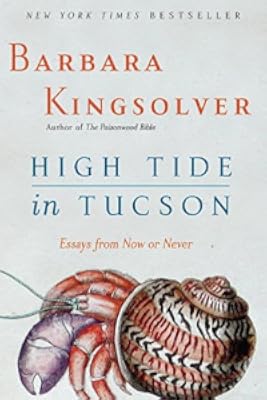
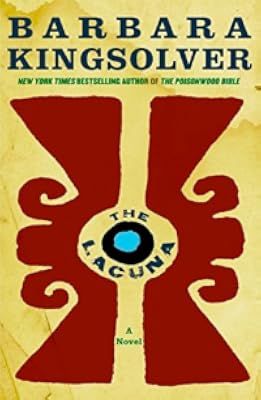
Barbara Kingsolver was born on April 8, 1955 in Annapolis, Maryland and grew up in Eastern Kentucky. As a child, Kingsolver used to beg her mother to tell her bedtime stories. She soon started to write stories and essays of her own, and at the age of nine, she began to keep a journal. After graduating with a degree in biology form De Pauw show more University in Indiana in 1977, Kingsolver pursued graduate studies in biology and ecology at the University of Arizona in Tucson. She earned her Master of Science degree in the early 1980s. A position as a science writer for the University of Arizona soon led Kingsolver into feature writing for journals and newspapers. Her articles have appeared in a number of publications, including The Nation, The New York Times, and Smithsonian magazines. In 1985, she married a chemist, becoming pregnant the following year. During her pregnancy, Kingsolver suffered from insomnia. To ease her boredom when she couldn't sleep, she began writing fiction Barbara Kingsolver's first fiction novel, The Bean Trees, published in 1988, is about a young woman who leaves rural Kentucky and finds herself living in urban Tucson. Since then, Kingsolver has written other novels, including Holding the Line, Homeland, and Pigs in Heaven. In 1995, after the publication of her essay collection High Tide in Tucson: Essays from Now or Never, Kingsolver was awarded an Honorary Doctorate of Letters from her alma mater, De Pauw University. Her latest works include The Lacuna and Flight Behavior. Barbara's nonfiction book, Animal, Vegetable, Miracle was written with her family. This is the true story of the family's adventures as they move to a farm in rural Virginia and vow to eat locally for one year. They grow their own vegetables, raise their own poultry and buy the rest of their food directly from farmers markets and other local sources. (Bowker Author Biography) show less

2+ Works 8,263 Members

1 Work 8,259 Members
Some Editions
Awards and Honors
Awards
Distinctions
Series
Belongs to Publisher Series
Common Knowledge
- Canonical title*
- Un jardin dans les Appalaches
- Original title
- Animal, Vegetable, Miracle
- Original publication date
- 2007 (1e édition originale américaine, Harper Perennial, New York) (1e édition originale américaine, Harper Perennial, New York); 2008-03-15 (1e traduction et édition française, Littérature étrangère, Payot et Rivages) (1e traduction et édition française, Littérature étrangère, Payot et Rivages); 2015-05-27 (Réédition française, Poche, Littérature étrangère, Rivages) (Réédition française, Poche, Littérature étrangère, Rivages)
- People/Characters
- Barbara Kingsolver; Camille Kingsolver; Steven L. Hopp
- Important places
- Virginia, USA; Appalachia, USA
- Epigraph
- Picture a single imaginary plant, bearing throughout one season all the different vegetables we harvest...we'll call it a vegetannual.
- Dedication
- In memory of Jo Ellen
- First words
- This story about good food begins in a quick-stop convenience market.
- Quotations
- If everything my heart desired was handed to me on a plate, I’d probably just want something else. (Camille Kingsolver)
We all cultivate illusions of safety that could fall away in the knife edge of one second.”
People who are grieving walk with death every waking moment. When the rest of us dread that we’ll somehow remind them of death’s existence, we are missing their reality.
Wake up now, look alive, for here is a day off work just to praise Creation: the turkey, the squash, and the corn, these things that ate and drank sunshine, grass, mud, and rain, and then in the shortening days laid down thei... (show all)r lives for our welfare and onward resolve. There’s the miracle for you, the absolute sacrifice that still holds back seeds: a germ of promise to do the whole thing again, another time. - Last words
- (Click to show. Warning: May contain spoilers.)A nest full of little ding-dongs, and time begins once more.
- Publisher's editor
- Ottewell, Miranda
- Original language
- English
- Disambiguation notice*
- Probelm CK
Date de première publication :
- 2007 (1e édition originale américaine, Harper Perennial, New York)
- 2008-03-15 (1e traduction et édition française, Littérature étrangère, Payot... (show all) et Rivages)
- 2015-05-27 (Réédition française, Poche, Littérature étrangère, Rivages)
*Some information comes from Common Knowledge in other languages. Click "Edit" for more information.
Classifications
- Genres
- Home & Garden, General Nonfiction, Biography & Memoir, Food & Cooking, Nonfiction
- DDC/MDS
- 641.0973 — Applied science & technology Home economics & family management Food, Cooking & Recipes / Meals, Picnics standard subdivisions History, geographic treatment, biography North America
- LCC
- S521.5 .A67 .K56 — Agriculture Agriculture (General)
- BISAC
Statistics
- Members
- 8,260
- Popularity
- 1,341
- Reviews
- 274
- Rating
- (4.13)
- Languages
- English, French, Portuguese, Spanish
- Media
- Paper, Audiobook, Ebook
- ISBNs
- 40
- ASINs
- 28