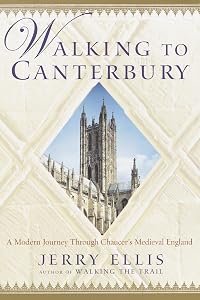
Walking to Canterbury : A modern journey through Chaucer's medieval England
by Jerry Ellis
On This Page
Description
More than six hundred years ago, the Archbishop of Canterbury was murdered by King Henry II’s knights. Before the Archbishop’s blood dried on the Cathedral floor, the miracles began. The number of pilgrims visiting his shrine in the Middle Ages was so massive that the stone floor wore thin where they knelt to pray. They came seeking healing, penance, or a sign from God. Chaucer’s The Canterbury Tales, one of the greatest, most enduring works of English literature, is a bigger-than-life show more drama based on the experience of the medieval pilgrim. Power, politics, friendship, betrayal, martyrdom, miracles, and stories all had a place on the sixty mile path from London to Canterbury, known as the Pilgrim’s Way. Walking to Canterbury is Jerry Ellis’s moving and fascinating account of his own modern pilgrimage along that famous path. Filled with incredible details about medieval life, Ellis’s tale strikingly juxtaposes the contemporary world he passes through on his long hike with the history that peeks out from behind an ancient stone wall or a church. Carrying everything he needs on his back, Ellis stops at pubs and taverns for food and shelter and trades tales with the truly captivating people he meets along the way, just as the pilgrims from the twelfth century would have done. Embarking on a journey that is spiritual and historical, Ellis reveals the wonders of an ancient trek through modern England toward the ultimate goal: enlightenment. show lessTags
Recommendations








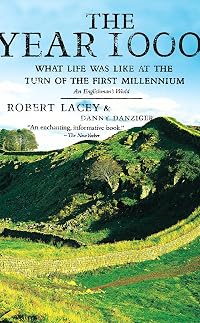


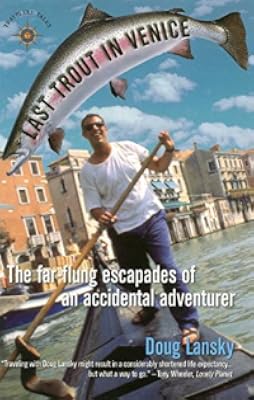







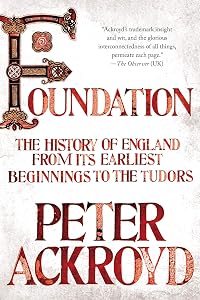
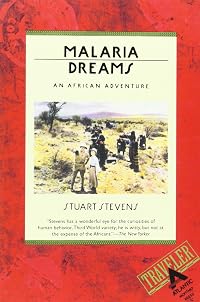

















Member Recommendations


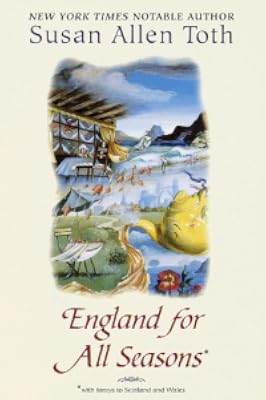
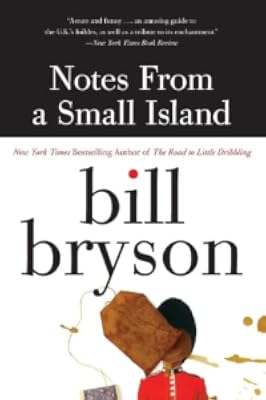
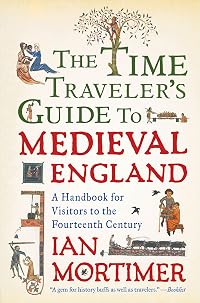
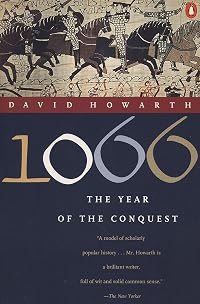
John_Vaughan Both visting and touring authors are American, but their individual viewpoints are very distinct.

Member Reviews
More than eight hundred years ago, Thomas Becket, the Archbishop of Canterbury, was murdered by King Henry II's knights. Soon, miracles began to take place in the cathedral where he was murdered and people began to make pilgrimages to the shrine. Walking to Canterbury is Jerry Ellis's account of his own modern pilgrimage along the same path those pilgrims took long ago."
This book wasn't at all what I thought it was going to be, but it wasn't bad. While I don't care much for the flowery and melodramatic writing style of the author, his research and knowledge are outstanding. The book is packed with historical anecdotes and more information than one can really process the first time through. I loved how he wove medieval history with what show more he was doing each day. He really is a brilliant writer, even if I don't prefer his style.
I wasn't keen on his weird spiritual weirdnesses. He's very New Agey---citing strange thoughts on God or god or whomever he chooses to recognize in whatever situation. That particular element only got worse as the book progressed.
All in all, I thought the material was fabulous. I'm glad I read this and think it would be quite the eye-opening experience to make the pilgrimage myself someday. show less
This book wasn't at all what I thought it was going to be, but it wasn't bad. While I don't care much for the flowery and melodramatic writing style of the author, his research and knowledge are outstanding. The book is packed with historical anecdotes and more information than one can really process the first time through. I loved how he wove medieval history with what show more he was doing each day. He really is a brilliant writer, even if I don't prefer his style.
I wasn't keen on his weird spiritual weirdnesses. He's very New Agey---citing strange thoughts on God or god or whomever he chooses to recognize in whatever situation. That particular element only got worse as the book progressed.
All in all, I thought the material was fabulous. I'm glad I read this and think it would be quite the eye-opening experience to make the pilgrimage myself someday. show less
I love walking. A good walk has the power to revive your body and spirit whether it’s in the woods, a park, along a waterfront, or just in the neighborhood. I try to slip one in whenever possible — if I’m not out biking, of course. That’s my favorite exercise. Often, if my wife wants to go to a matinée, I’ll take an hour head start, cover the four miles to the theater on foot and meet her at the box office. (I’m not one to complain about bad parking spaces.) Longer walks are enjoyable, too, but I save that kind of energy for mountain hikes. Placing one foot in front of the other is somehow rejuvenating.
Jerry Ellis’s walks are rejuvenating, but his treks pack more meaning than mine. Part Cherokee, Ellis was the first man show more to retrace the historic 900-mile “Trail of Tears” on foot. He wrote about it in Walking the Trail. Ellis is also part English, and it was that heritage that prompted the journey recounted in my latest read, Walking to Canterbury.
Ellis held off reading Geoffrey Chaucer’s Canterbury Tales until his final semester in college, but his eventual study of that classic started him imagining what a modern Canterbury Tales might be like.
If you have no experience with the Tales — and you need none to enjoy this book — Chaucer tells the story of a group of people making the pilgrimage from London to the shrine of Sir Thomas Becket at Canterbury Cathedral. The pilgrims take turns telling stories during their week-long journey on foot. Their poignant and bawdy tales provide them entertainment. Those shared stories, as you may have guessed, are the tales mentioned in the title.
A lot has changed since the fourteenth century when Chaucer wrote his book. People don’t walk to Canterbury anymore. There are highways. But Canterbury Cathedral still stands 700 years later and Ellis was up for the walk in seven days. Walking to Canterbury is his tale of that journey.
Ellis interacts with all sorts of strangers along the way. He befriends teenagers who take him to their secret hideout. He chats with a few lonely hearts, revelers, and world-weary skeptics. He happens upon the consecration ceremony of a nun, visits an antique dealer, camps out under the stars, and carves figures on his walking stick.
People and events during his journey prompt Ellis to consider some stories from Chaucer’s book, life and death in the middle ages, and even the similarities of his own English-Cherokee heritage. Almost everything prompts an observation. The crucial story, of course, is that of Thomas Becket, the once-dear friend of King Henry II who was later murdered by the king’s men. The king’s remorse is legendary. I read Jean Anouilh’s play Becket last summer, coincidentally, because it was thin enough to take on a bike trip. The movie version with Richard Burton and Peter O’Toole is a classic in itself. I watched it shortly after reading the play.
I wouldn’t say Walking to Canterbury is a weighty, mind-blowing book that will change the way you see the world, but I will say that it was enjoyable. It moves along at an easy pace; appropriate for a walk. As Ellis hikes along Pilgrim’s Way, there’s time to notice life and consider how it has changed since Chaucer’s day.
Find more of my reviews at Mostly NF. show less
Jerry Ellis’s walks are rejuvenating, but his treks pack more meaning than mine. Part Cherokee, Ellis was the first man show more to retrace the historic 900-mile “Trail of Tears” on foot. He wrote about it in Walking the Trail. Ellis is also part English, and it was that heritage that prompted the journey recounted in my latest read, Walking to Canterbury.
Ellis held off reading Geoffrey Chaucer’s Canterbury Tales until his final semester in college, but his eventual study of that classic started him imagining what a modern Canterbury Tales might be like.
If you have no experience with the Tales — and you need none to enjoy this book — Chaucer tells the story of a group of people making the pilgrimage from London to the shrine of Sir Thomas Becket at Canterbury Cathedral. The pilgrims take turns telling stories during their week-long journey on foot. Their poignant and bawdy tales provide them entertainment. Those shared stories, as you may have guessed, are the tales mentioned in the title.
A lot has changed since the fourteenth century when Chaucer wrote his book. People don’t walk to Canterbury anymore. There are highways. But Canterbury Cathedral still stands 700 years later and Ellis was up for the walk in seven days. Walking to Canterbury is his tale of that journey.
Ellis interacts with all sorts of strangers along the way. He befriends teenagers who take him to their secret hideout. He chats with a few lonely hearts, revelers, and world-weary skeptics. He happens upon the consecration ceremony of a nun, visits an antique dealer, camps out under the stars, and carves figures on his walking stick.
People and events during his journey prompt Ellis to consider some stories from Chaucer’s book, life and death in the middle ages, and even the similarities of his own English-Cherokee heritage. Almost everything prompts an observation. The crucial story, of course, is that of Thomas Becket, the once-dear friend of King Henry II who was later murdered by the king’s men. The king’s remorse is legendary. I read Jean Anouilh’s play Becket last summer, coincidentally, because it was thin enough to take on a bike trip. The movie version with Richard Burton and Peter O’Toole is a classic in itself. I watched it shortly after reading the play.
I wouldn’t say Walking to Canterbury is a weighty, mind-blowing book that will change the way you see the world, but I will say that it was enjoyable. It moves along at an easy pace; appropriate for a walk. As Ellis hikes along Pilgrim’s Way, there’s time to notice life and consider how it has changed since Chaucer’s day.
Find more of my reviews at Mostly NF. show less
Ellis' commentary on his re-creating the pilgrimage to Canterbury as told in the Canterbury tales is fantastic. Makes one want to go to Canterbury.
I loved this story of reenactment of the pilgrimage to Canterbury.
Wonderful
Ratings
Members
- Recently Added By
Lists

Best of Travel Narratives
142 works; 28 members
Author Information

6 Works 467 Members
Common Knowledge
- Canonical title
- Walking to Canterbury : A modern journey through Chaucer's medieval England
- People/Characters
- Geoffrey Chaucer
- Important places
- Canterbury, Kent, England, UK
Classifications
- Genres
- Travel, Nonfiction, General Nonfiction, Biography & Memoir, Religion & Spirituality
- DDC/MDS
- 942.203 — History & geography History of Europe England and Wales Southeast England
- LCC
- DA670 .S63 .E45 — History of Europe, Asia, Africa and Oceania Great Britain History of Great Britain England Local history and description Counties, regions, etc., A-Z
- BISAC
Statistics
- Members
- 130
- Popularity
- 251,478
- Reviews
- 6
- Rating
- (3.21)
- Languages
- English
- Media
- Paper, Ebook
- ISBNs
- 2
- ASINs
- 1