
Winter King: The Dawn of Tudor England
by Thomas Penn
On This Page
Description
A fresh look at the endlessly fascinating Tudors—the dramatic and overlooked story of Henry VII and his founding of the Tudor Dynasty—filled with spies, plots, counter-plots, and an uneasy royal succession to Henry VIIINear the turn of the sixteenth century, England had been ravaged for decades by conspiracy and civil war. Henry Tudor clambered to the top of the heap, a fugitive with a flimsy claim to England's crown who managed to win the throne and stay on it for twenty-four years. show more Although he built palaces, hosted magnificent jousts, and sent ambassadors across Europe, for many Henry VII remained a false king. But he had a crucial asset: his family—the queen and their children, the living embodiment of his hoped-for dynasty. Now, in what would be the crowning glory of his reign, his elder son would marry a great Spanish princess.
Thomas Penn re-creates an England that is both familiar and very strange—a country medieval yet modern, in which honor and chivalry mingle with espionage, realpolitik, high finance, and corruption. It is the story of the transformation of a young, vulnerable boy, Prince Henry, into the aggressive teenager who would become Henry VIII, and of Catherine of Aragon, his future queen, as well as of Henry VII—controlling, avaricious, paranoid, with Machiavellian charm and will to power.
Rich with incident and drama, filled with wonderfully drawn characters, Winter King is an unforgettable account of pageantry, intrigue, the thirst for glory, and the fraught, unstable birth of Tudor England.
. show less
Tags
Recommendations



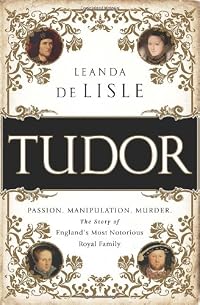
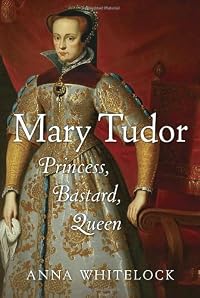
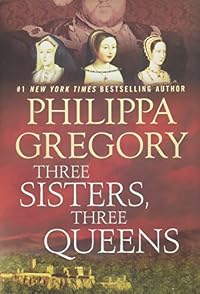
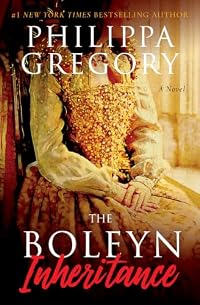
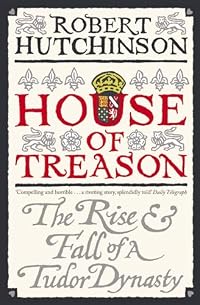
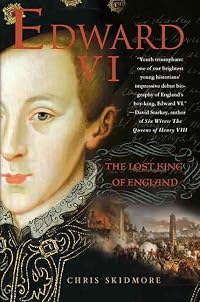
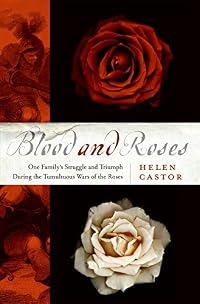
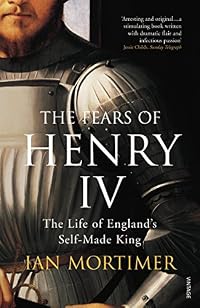

Member Recommendations
Luchtpint Henry IV and Henry VII had one thing in common: they both usurped England's throne on rather spurious claims, and as a result they both met with stiff internal opposition against their rule.
Member Reviews
This is a very well written account of the reign of King Henry VII, covering especially the last decade or so after the Perkin Warbeck rebellion and the tragically early death of Prince Arthur. Henry comes across as a distant figure, obsessed with establishing his dynastic legacy and preventing a return to the chaotic days of civil war in the Wars of the Roses. His obsessive means of raising money might be partly justified by the no doubt weak state of finances after those decades of war; but the unscrupulous and extra judicial methods he authorised, overseeing the conduct of the likes of Bray, Empson and Dudley leave a very nasty taste in the mouth. There are some appalling examples, e.g. the case of Thomas Sunnyff and his wife show more (pp275-7), falsely accused of murdering a baby and imprisoned for not paying an extortionate amount to be excused of the supposed offence. The atmosphere of fear and terror that was engendered, especially in the last three or four years of the reign, is well described. Once can quite understand how the accession of the "perfect Renaissance prince" Henry VIII in 1509 was greeted with acclamation and relief, including, ironically in view of later events, by Thomas More in terms of what now seem fairly extreme sycophancy. The book, or perhaps another one, could perhaps go further into how Henry VII's experiences of exile in Brittany formed his later character. A fascinating look at a time of transition between Medieval and modern England. 5/5 show less
This was an excellent book to bridge the gap between Richard III's downfall and Henry VIII. Of course, to do this it focuses on the reign of Henry VII. The majority of the book is focused on the middle and end of Henry VII's reign; there is not much in depth exploration of how he actually gained the throne. This book focuses on how he keeps the throne and how he sets up Henry VIII.
To seal his authority on the throne, there were three things that stood out to me. One was that Henry VII ruthlessly hunted down any other people with royal blood and made sure they were not a threat, either by imprisoning or executing them. Second, he made a ton of money in the buying and selling of alum. Alum had been used for its medicinal properties for show more some time, but it had recently started being used as a dye-fixer in the textile industry and was in high demand. The money Henry made from buying and selling alum made him the richest King in Europe and money does always help in keeping power. Third, Henry made sure to keep everyone guessing and never feeling secure by using his closest circle to demand money, make arrests, and bring legal charges to people of all ranks, creating something close to a reign of terror.
Henry's reign was interesting to me, but what I found most interesting was the set up of Henry VIII's reign. Of course, Henry was never meant to be King; he had an older brother, Arthur, who was reared to rule. Arthur's sudden death put Henry in place as his father's heir. In this book we see a lot of the familiar faces from Henry VIII's reign get their start - men like Thomas Wolsey, Thomas More, Charles Brandon, etc. I found all of this fascinating since most of the reading I've done about Henry VIII starts at the end of his marriage to Catherine.
There is a lot more in this book (Henry VII is humanized by his love for his Queen, Elizabeth of York) but those are the main things I took away from this very readable but still scholarly account of Henry VII. show less
To seal his authority on the throne, there were three things that stood out to me. One was that Henry VII ruthlessly hunted down any other people with royal blood and made sure they were not a threat, either by imprisoning or executing them. Second, he made a ton of money in the buying and selling of alum. Alum had been used for its medicinal properties for show more some time, but it had recently started being used as a dye-fixer in the textile industry and was in high demand. The money Henry made from buying and selling alum made him the richest King in Europe and money does always help in keeping power. Third, Henry made sure to keep everyone guessing and never feeling secure by using his closest circle to demand money, make arrests, and bring legal charges to people of all ranks, creating something close to a reign of terror.
Henry's reign was interesting to me, but what I found most interesting was the set up of Henry VIII's reign. Of course, Henry was never meant to be King; he had an older brother, Arthur, who was reared to rule. Arthur's sudden death put Henry in place as his father's heir. In this book we see a lot of the familiar faces from Henry VIII's reign get their start - men like Thomas Wolsey, Thomas More, Charles Brandon, etc. I found all of this fascinating since most of the reading I've done about Henry VIII starts at the end of his marriage to Catherine.
There is a lot more in this book (Henry VII is humanized by his love for his Queen, Elizabeth of York) but those are the main things I took away from this very readable but still scholarly account of Henry VII. show less
I've been waiting for a decent popular history book of Henry VII for a long time. The last time I studied the reign in any depth was 8 years ago, and although I enjoyed it then, I was surprised at how much I'd forgotten.
Thomas Penn's book is ultimately, a triumph. I feel that at this point I should make it clear that it is a readable, well paced and thoroughly enjoyable book, because there were significant drawbacks that his excellent written style couldn't quite mask. From the point of view of someone who knows the period and has a postgraduate degree in a subject directly linked to the subject matter of the book, I found his scholarship and sourcing to be excellent, and I am intrigued to find out whether he intends on producing any show more other material about Henry's reign.
I say this, because due to his focus on the events following 1497, Penn has huge scope to take this further. After an introduction which gives a thorough description of the strengths and weaknesses of Henry's claim to the throne, taking the main thrust of the story on by over a decade requires Penn to write in a curiously backwards/forwards style for the first section of the book, as he explains the impact of Henry's victory on his later policies. Although slightly confusing, this allows Penn to identify what he feels to be the vital aspects of Henry's governance without getting bogged down in the detail. However, it does take away from his resolution to concentrate on the later years of the reign. This means that some of the characters and personalities that shaped the reign are sidelined. Jasper Tudor, the uncle who ensured Henry's safety and taught him the martial tactics that probably helped to secure his victory at Bosworth (aside from the Stanley intervention), gets a single mention, on page 4.
The focus of the main body of the work is inevitable. Henry VII is known for one thing, really. Money. The twists and turns of Henry's financial policies as influenced by his family, his insecurities and his health and mapped out exceptionally well, and Penn uses effective imagery to position Henry his own personal centre of European dynastic policy.
Although Penn's focus on the last section of the reign is fascinating and informative, he tends towards assuming that readers will have the same in depth knowledge and awareness of the reign as him, as well as a prodigious memory. For example, when describing the immediate aftermath of Henry VII's death, he states the various individuals that had their roles confirmed by the new regime, without reminding us what those roles were. In terms of an extensive list, I admit I was slightly confused. He also tends towards 'big words'. Without his accompanying contextual description, I admit that I would be at a loss as to how Lady Margaret's "legendary abstemiousness" contributed to her decline.
Overall though, as I stressed, the book is highly enjoyable, and highly recommended for any reader who wishes to learn more about either Henry VII himself or the stresses and early life of Henry VIII and how they may have shaped his reign from a non-Starkey perspective. A fresh look at the processes of Henry VII's economic policies has been long overdue, particularly in reference to the sad cases of Empson and Dudley. Penn, from this point of view, has written a wonderful piece. I just wish he'd written the first half of the book as well. show less
Thomas Penn's book is ultimately, a triumph. I feel that at this point I should make it clear that it is a readable, well paced and thoroughly enjoyable book, because there were significant drawbacks that his excellent written style couldn't quite mask. From the point of view of someone who knows the period and has a postgraduate degree in a subject directly linked to the subject matter of the book, I found his scholarship and sourcing to be excellent, and I am intrigued to find out whether he intends on producing any show more other material about Henry's reign.
I say this, because due to his focus on the events following 1497, Penn has huge scope to take this further. After an introduction which gives a thorough description of the strengths and weaknesses of Henry's claim to the throne, taking the main thrust of the story on by over a decade requires Penn to write in a curiously backwards/forwards style for the first section of the book, as he explains the impact of Henry's victory on his later policies. Although slightly confusing, this allows Penn to identify what he feels to be the vital aspects of Henry's governance without getting bogged down in the detail. However, it does take away from his resolution to concentrate on the later years of the reign. This means that some of the characters and personalities that shaped the reign are sidelined. Jasper Tudor, the uncle who ensured Henry's safety and taught him the martial tactics that probably helped to secure his victory at Bosworth (aside from the Stanley intervention), gets a single mention, on page 4.
The focus of the main body of the work is inevitable. Henry VII is known for one thing, really. Money. The twists and turns of Henry's financial policies as influenced by his family, his insecurities and his health and mapped out exceptionally well, and Penn uses effective imagery to position Henry his own personal centre of European dynastic policy.
Although Penn's focus on the last section of the reign is fascinating and informative, he tends towards assuming that readers will have the same in depth knowledge and awareness of the reign as him, as well as a prodigious memory. For example, when describing the immediate aftermath of Henry VII's death, he states the various individuals that had their roles confirmed by the new regime, without reminding us what those roles were. In terms of an extensive list, I admit I was slightly confused. He also tends towards 'big words'. Without his accompanying contextual description, I admit that I would be at a loss as to how Lady Margaret's "legendary abstemiousness" contributed to her decline.
Overall though, as I stressed, the book is highly enjoyable, and highly recommended for any reader who wishes to learn more about either Henry VII himself or the stresses and early life of Henry VIII and how they may have shaped his reign from a non-Starkey perspective. A fresh look at the processes of Henry VII's economic policies has been long overdue, particularly in reference to the sad cases of Empson and Dudley. Penn, from this point of view, has written a wonderful piece. I just wish he'd written the first half of the book as well. show less
Henry VII hasn't had the greatest biographers over the years. Shakespeare snubbed him almost entirely. That treasured almanac of our nation's monarchs, [b:Horrible Histories: Cruel Kings and Mean Queens|120971|Cruel Kings and Mean Queens (Horrible Histories)|Terry Deary|http://d202m5krfqbpi5.cloudfront.net/books/1305220020s/120971.jpg|116486], gives him a couple of pages and calls him “tight-fisted” and “poorly”. With Thomas Penn's rather excellent Winter King, Henry does at least now have a good biography. But by jove was he tight-fisted and poorly.
The reason for Henry VII's relative obscurity is fairly obvious. Compared to his son and granddaughter his interest isn't so immediately clear. He was the puppet-master, sitting in show more dark corners and pulling strings; and fascinating as that role is, it doesn't really stir up the imagination like Henry “marry-anything-with-a-pulse” VIII, or Elizabeth “take-that-Spaniards” I. Or, as one of my friends put it: “he's the least interesting Tudor king called Henry.” You almost start to feel sorry for the man.
Except it's not easy to feel sorry for Henry VII. He may have been the progenitor of the famous House of Tudor, but as Thomas Penn doesn't put it: the man was a manipulative bastard. The opening and closing chapters of Winter King deal briefly with Henry's early life and the aftermath of his death; his unlikely return from exile in Europe to beat Richard III at Bosworth and take the crown, and twenty five years later how the key characters who had surrounded him during his reign fit into Henry VIII's new rule. The brunt of the work concerns the reign itself, especially Henry's final decade at the start of the sixteenth century.
The picture painted is of a man who knows his claim to the throne is tentative at best, a trait he shared with numerous men scattered across Europe. We see a man who deals with this not with military might, but with careful manipulation of his European peers, and with a system of financial bonds taken out against his own people that – together with his dabbling in the illegal alum trade – made him perhaps the wealthiest monarch England has ever had. But also one of the least popular by the time of his death. Maybe obscurity is a blessing after all. show less
The reason for Henry VII's relative obscurity is fairly obvious. Compared to his son and granddaughter his interest isn't so immediately clear. He was the puppet-master, sitting in show more dark corners and pulling strings; and fascinating as that role is, it doesn't really stir up the imagination like Henry “marry-anything-with-a-pulse” VIII, or Elizabeth “take-that-Spaniards” I. Or, as one of my friends put it: “he's the least interesting Tudor king called Henry.” You almost start to feel sorry for the man.
Except it's not easy to feel sorry for Henry VII. He may have been the progenitor of the famous House of Tudor, but as Thomas Penn doesn't put it: the man was a manipulative bastard. The opening and closing chapters of Winter King deal briefly with Henry's early life and the aftermath of his death; his unlikely return from exile in Europe to beat Richard III at Bosworth and take the crown, and twenty five years later how the key characters who had surrounded him during his reign fit into Henry VIII's new rule. The brunt of the work concerns the reign itself, especially Henry's final decade at the start of the sixteenth century.
The picture painted is of a man who knows his claim to the throne is tentative at best, a trait he shared with numerous men scattered across Europe. We see a man who deals with this not with military might, but with careful manipulation of his European peers, and with a system of financial bonds taken out against his own people that – together with his dabbling in the illegal alum trade – made him perhaps the wealthiest monarch England has ever had. But also one of the least popular by the time of his death. Maybe obscurity is a blessing after all. show less
With a somewhat tenuous claim and having defeated the previous incumbent in a fight, how would you consolidate your gains and ensure continuation of those gains for the benefit of your successors?
This was the position facing Henry, earl of Richmond, in 1485 and this book is a very readable account of how he consolidated his hold on the crown as Henry VII and founded a royal dynasty.
Although this otherwise excellent books is let down in places by an element of disjointedness, it does not detract from the book's compelling insight into one of the presently less fashionable and often overlooked periods in English history; considered by many to mark the transition from medieval to modern.
Many would know the basic facts that Henry claimed show more the English throne and defeated Richard III at Bosworth Field in 1485, but just how tenuous was Henry's claim, the uncertain loyalties, inherent instability and continuing threats, perceived and real, throughout Henry's reign are possibly not so well known. Penn's chronological narrative leads one through the whole process from Henry's initial uncertainties, his judicious marriage, to the succession and beyond of his second son, Henry VIII.
Of greater significance, however, is Penn's account of how Henry achieved his objectives. Sidelining the aristocracy and patronising more lowly subjects to act as his henchmen, Henry recognised the power and influence available to those with wealth. His very modern approach was therefore to eschew control through bloody conflict, but to pursue the law to its limits, and arguably beyond, impose swinging financial constraints on potential adversaries, and ruthlessly work the system to his advantage.
Penn relates a fascinating lesson in medieval manipulation, exploitation and control and creates a memorable picture of medieval life from the domestic to the political. It's lessons would not be out of place in present day politics.
Overall this is a book to be recommended show less
This was the position facing Henry, earl of Richmond, in 1485 and this book is a very readable account of how he consolidated his hold on the crown as Henry VII and founded a royal dynasty.
Although this otherwise excellent books is let down in places by an element of disjointedness, it does not detract from the book's compelling insight into one of the presently less fashionable and often overlooked periods in English history; considered by many to mark the transition from medieval to modern.
Many would know the basic facts that Henry claimed show more the English throne and defeated Richard III at Bosworth Field in 1485, but just how tenuous was Henry's claim, the uncertain loyalties, inherent instability and continuing threats, perceived and real, throughout Henry's reign are possibly not so well known. Penn's chronological narrative leads one through the whole process from Henry's initial uncertainties, his judicious marriage, to the succession and beyond of his second son, Henry VIII.
Of greater significance, however, is Penn's account of how Henry achieved his objectives. Sidelining the aristocracy and patronising more lowly subjects to act as his henchmen, Henry recognised the power and influence available to those with wealth. His very modern approach was therefore to eschew control through bloody conflict, but to pursue the law to its limits, and arguably beyond, impose swinging financial constraints on potential adversaries, and ruthlessly work the system to his advantage.
Penn relates a fascinating lesson in medieval manipulation, exploitation and control and creates a memorable picture of medieval life from the domestic to the political. It's lessons would not be out of place in present day politics.
Overall this is a book to be recommended show less
In his impressive and remarkably assured debut, Thomas Penn tells the story of a largely neglected chapter in British history, the reign of Henry VII, the "winter king" of the title. He takes us through the key stages and events in what is a meticulously researched account of Henry's life, not in strict chronological order but ordered into logical themes, such as Henry's youth and upbringing in exile, his fight to protect his admittedly tenuous claim to the throne against a seemingly endless succession of pretenders, the marriage of his first-born son Arthur to Catherine of Aragon and the far-reaching consequences of Arthur's premature death, up to the last years of his reign when his rule descended into a period of intimidation and show more persecution for his subjects. The last chapter deals with the succession of Henry VIII and his first few months on the throne.
Penns' style is engaging and immediately accessible to the layman, only very occasionally does he succumb to the temptation of using obscure terms that will be unfamiliar to non-academics. He portrays Henry as a complex character, a very private man with a strong personality, an intelligent and shrewd politician and statesman and his own PR consultant, a businessman and accountant, but also someone with a suspicious and controlling mind who became unaccountable to the law and, in effect, a criminal in his insatiable avarice. Penn describes the changing loyalties and power politics at work at court and in international diplomacy, where alliances are forged through marriage and children, especially daughters, are regarded as nothing more than political pawns. He vividly brings to life the internal wranglings for power and influence among courtiers and the conspiracies and plots that haunted Henry's reign. A large portion of the book is dedicated to the last few years of Henry's sovereignty, when politics became intricately linked with finance, with Henry hoping to manipulate foreign heads of state into advantageous alliances by transferring huge amounts of capital abroad; as Penn aptly puts it, "Henry the diplomatic puppet-master, as he saw himself, able to pull the strings of international affairs, of ambassadors and princes". To raise the funds required, Henry introduced a system of extrajudical committees, turning a blind eye to his counsellors' corruption and allowing them free reign to pervert the course of justice and spreading terror; Penn neatly summarizes it, "the dark underbelly of finance and commerce represented an almost limitless opportunity for threats, intimidation and extortion". Always a distant king, Henry now became "a king whose will operated through his counsellors" and even his "relationship with his oldest and closest supporters was measured not in trust but money", including his own mother. When Henry died in April 1509, his death was initially kept secret even from his own family, so that his closest counsellors could "order the succession to their advantage" and thereby "ensure their own survival." Henry VIII, who, until his older brother's death in 1502, had played only second fiddle and had thereafter been groomed as Prince of Wales but kept very much on a short lead, was keen to distance himself from his father's reign but ensured that the system of imperial kingship, introduced by his father, remained firmly in place. Court poets described his succession as the spring that followed the winter (hence the title), with the natural order being restored. Little did they know that they were jumping from the frying pan into the fire.
If I have one criticism, it is that in his obvious enthusiasm, and in his attempt to paint as full and complete a picture of the life and times as possible, Thomas Penn introduces a bit too much detail in my opinion. There are simply too many names and characters to keep track of for a first read, and there are short digressions in the form of the humanist philosophy and its main mouthpiece, Erasmus, and the Italian financiers, to name but two. In all, a very worthwhile account of a period in history that I knew virtually nothing about, and the discovery of a new and up-and-coming young author, who promises much for the future. More, please.
(This review was originally written as part of Amazon's Vine programme.) show less
Penns' style is engaging and immediately accessible to the layman, only very occasionally does he succumb to the temptation of using obscure terms that will be unfamiliar to non-academics. He portrays Henry as a complex character, a very private man with a strong personality, an intelligent and shrewd politician and statesman and his own PR consultant, a businessman and accountant, but also someone with a suspicious and controlling mind who became unaccountable to the law and, in effect, a criminal in his insatiable avarice. Penn describes the changing loyalties and power politics at work at court and in international diplomacy, where alliances are forged through marriage and children, especially daughters, are regarded as nothing more than political pawns. He vividly brings to life the internal wranglings for power and influence among courtiers and the conspiracies and plots that haunted Henry's reign. A large portion of the book is dedicated to the last few years of Henry's sovereignty, when politics became intricately linked with finance, with Henry hoping to manipulate foreign heads of state into advantageous alliances by transferring huge amounts of capital abroad; as Penn aptly puts it, "Henry the diplomatic puppet-master, as he saw himself, able to pull the strings of international affairs, of ambassadors and princes". To raise the funds required, Henry introduced a system of extrajudical committees, turning a blind eye to his counsellors' corruption and allowing them free reign to pervert the course of justice and spreading terror; Penn neatly summarizes it, "the dark underbelly of finance and commerce represented an almost limitless opportunity for threats, intimidation and extortion". Always a distant king, Henry now became "a king whose will operated through his counsellors" and even his "relationship with his oldest and closest supporters was measured not in trust but money", including his own mother. When Henry died in April 1509, his death was initially kept secret even from his own family, so that his closest counsellors could "order the succession to their advantage" and thereby "ensure their own survival." Henry VIII, who, until his older brother's death in 1502, had played only second fiddle and had thereafter been groomed as Prince of Wales but kept very much on a short lead, was keen to distance himself from his father's reign but ensured that the system of imperial kingship, introduced by his father, remained firmly in place. Court poets described his succession as the spring that followed the winter (hence the title), with the natural order being restored. Little did they know that they were jumping from the frying pan into the fire.
If I have one criticism, it is that in his obvious enthusiasm, and in his attempt to paint as full and complete a picture of the life and times as possible, Thomas Penn introduces a bit too much detail in my opinion. There are simply too many names and characters to keep track of for a first read, and there are short digressions in the form of the humanist philosophy and its main mouthpiece, Erasmus, and the Italian financiers, to name but two. In all, a very worthwhile account of a period in history that I knew virtually nothing about, and the discovery of a new and up-and-coming young author, who promises much for the future. More, please.
(This review was originally written as part of Amazon's Vine programme.) show less
Henry VII hasn't had the greatest biographers over the years. Shakespeare snubbed him almost entirely. That treasured almanac of our nation's monarchs, [b:Horrible Histories: Cruel Kings and Mean Queens|120971|Cruel Kings and Mean Queens (Horrible Histories)|Terry Deary|http://d202m5krfqbpi5.cloudfront.net/books/1305220020s/120971.jpg|116486], gives him a couple of pages and calls him “tight-fisted” and “poorly”. With Thomas Penn's rather excellent Winter King, Henry does at least now have a good biography. But by jove was he tight-fisted and poorly.
The reason for Henry VII's relative obscurity is fairly obvious. Compared to his son and granddaughter his interest isn't so immediately clear. He was the puppet-master, sitting in show more dark corners and pulling strings; and fascinating as that role is, it doesn't really stir up the imagination like Henry “marry-anything-with-a-pulse” VIII, or Elizabeth “take-that-Spaniards” I. Or, as one of my friends put it: “he's the least interesting Tudor king called Henry.” You almost start to feel sorry for the man.
Except it's not easy to feel sorry for Henry VII. He may have been the progenitor of the famous House of Tudor, but as Thomas Penn doesn't put it: the man was a manipulative bastard. The opening and closing chapters of Winter King deal briefly with Henry's early life and the aftermath of his death; his unlikely return from exile in Europe to beat Richard III at Bosworth and take the crown, and twenty five years later how the key characters who had surrounded him during his reign fit into Henry VIII's new rule. The brunt of the work concerns the reign itself, especially Henry's final decade at the start of the sixteenth century.
The picture painted is of a man who knows his claim to the throne is tentative at best, a trait he shared with numerous men scattered across Europe. We see a man who deals with this not with military might, but with careful manipulation of his European peers, and with a system of financial bonds taken out against his own people that – together with his dabbling in the illegal alum trade – made him perhaps the wealthiest monarch England has ever had. But also one of the least popular by the time of his death. Maybe obscurity is a blessing after all. show less
The reason for Henry VII's relative obscurity is fairly obvious. Compared to his son and granddaughter his interest isn't so immediately clear. He was the puppet-master, sitting in show more dark corners and pulling strings; and fascinating as that role is, it doesn't really stir up the imagination like Henry “marry-anything-with-a-pulse” VIII, or Elizabeth “take-that-Spaniards” I. Or, as one of my friends put it: “he's the least interesting Tudor king called Henry.” You almost start to feel sorry for the man.
Except it's not easy to feel sorry for Henry VII. He may have been the progenitor of the famous House of Tudor, but as Thomas Penn doesn't put it: the man was a manipulative bastard. The opening and closing chapters of Winter King deal briefly with Henry's early life and the aftermath of his death; his unlikely return from exile in Europe to beat Richard III at Bosworth and take the crown, and twenty five years later how the key characters who had surrounded him during his reign fit into Henry VIII's new rule. The brunt of the work concerns the reign itself, especially Henry's final decade at the start of the sixteenth century.
The picture painted is of a man who knows his claim to the throne is tentative at best, a trait he shared with numerous men scattered across Europe. We see a man who deals with this not with military might, but with careful manipulation of his European peers, and with a system of financial bonds taken out against his own people that – together with his dabbling in the illegal alum trade – made him perhaps the wealthiest monarch England has ever had. But also one of the least popular by the time of his death. Maybe obscurity is a blessing after all. show less
Members
- Recently Added By
Lists

Books about the Tudors
15 works; 9 members

Library Non-Fiction
156 works; 1 member

2025 Christmas Gifts
70 works; 19 members
Author Information

Thomas Penn is publishing director at Penguin Books UK. He holds a PhD in medieval history from Clare College, University of Cambridge, and writes for The Guardian and the London Review of Books, among other publications. He is the author of Winter King: Henry VII and the Dawn of Tudor England.
Awards and Honors
Common Knowledge
- Canonical title
- Winter King: The Dawn of Tudor England
- Alternate titles
- Winter King: Henry VII and the Dawn of Tudor England
- Original publication date
- 2011
- People/Characters
- Henry VII, King of England; Elizabeth of York, Duchess of Suffolk; Edward Plantagenet, 17th Earl of Warwick; Nicholas West; Sir Richard Weston; Robert Willoughby, 2nd Baron Willoughby de Broke (show all 77); Wynkyn de Worde; Sir Henry Wyatt; Sir John Wyndham; John Writhe; Sir Thomas Wriothesley; Thomas Wolsey; William Warham, Archbishop of Canterbury; Polydore Vergil; Perkin Warbeck; Nicholas Vaux, 1st Baron Vaux of Harrowden; Sir James Tyrrell; Alexander Symson; Thomas Howard, 2nd Duke of Norfolk; Edmund de la Pole, 3rd Duke of Suffolk, 6th Earl of Suffolk; Thomas Stanley, 1st Earl of Derby; Sir William Stanley; Henry Stafford, 2nd Duke of Buckingham; Charles Somerset, 1st Earl of Worcester; John Skelton; Thomas Ruthall; Sir Edward Poynings; Philip I, King of Castile; Henry Percy, 5th Earl of Northumberland; Sir Sampson Norton; John de Vere, 13th Earl of Oxford; Sir Richard Nanfan; William Blount, 4th Baron Mountjoy; John Morton, Archbishop of Canterbury; Thomas More (Sir, Saint, 1478-1535); Sir John Mordaunt; Mary Tudor, Queen of France; Henry Marney, 1st Baron Marney; Margaret of York, Duchess of Burgundy; Margaret of Austria, Duchess of Savoy, Governor of the Habsburg Netherlands; Margaret Tudor, Queen of Scotland; Alexander VI, Pope (Rodrigo de Borja or Borgia, 1431-1503); Andrea Ammonio; Arthur Tudor, Prince of Wales; Margaret Beaufort, Countess of Richmond and Derby; Charles Brandon, 1st Duke of Suffolk; Sir Reginald Bray; Adriano Castellesi; Catherine of Aragon; John Colet; Sir William Compton; Sir Hugh Conway; Henry VIII, King of England; Giles Daubeney, 1st Baron Daubeney; Richard de la Pole; John de la Pole, 1st Earl of Lincoln; Hugh Denys of Osterley; Thomas Grey, 1st Marquess of Dorset, 1st Earl of Huntingdon; Edmund Dudley; Elizabeth of York; Sir Richard Empson; Desiderius Erasmus (ca. 1469-1536); Richard Foxe, Bishop of Exeter; Henry Bourchier, 2nd Earl of Essex; Ferdinand II, King of Aragon; John Fisher, Bishop of Rochester; Silvestro de Gigli, Bishop of Worcester; Sir Richard Guildford; Sir John Heron; Sir Edward Howard; Isabella I, Queen of Castile and León; James IV, King of Scots; Joanna, Queen of Castile and Aragon ('Joanna The Mad'); Julius II, Pope (Giuliano della Rovere, 1443-1513); Sir Thomas Lovell; Maximilian I, Holy Roman Emperor (1459-1519); Arthur Plantagenet, 1st Viscount Lisle
- Important places
- London, England, UK; Richmond Palace, Surrey, England, UK; Woodstock, Oxfordshire, England, UK; Ludlow, Shropshire, England, UK; Vatican City; Aachen, North Rhine-Westphalia, Germany (show all 11); Calais, Pas-de-Calais, Hauts-de-France, France; Eltham, Greenwich, London, England, UK; Lambeth Palace, Lambeth, London, England, UK; Venice, Veneto, Italy; Windsor Castle, Windsor, Berkshire, England, UK
- Important events
- Battle of Bosworth Field; Wars of the Roses; Lambert Simnel Rebellion; Perkin Warbeck Rebellion; Death of Arthur Tudor, Prince of Wales; Stafford and Lovell Rebellion (show all 10); Execution of Edward Plantagenet, 17th Earl of Warwick; Battle of Stoke Field; Execution of Perkin Warbeck; Shipwreck of Philip I and Joanna of Castile
- Epigraph
- 'I love the rose both red and white,
Is that your pure, perfect appetite?'
Thomas Phelyppes,
'I love, I love and whom love ye?' c.1486
'Since men love at their own pleasure and fear at the pleasure of the prince, the wise prince should build his foundation upon which is his own, not upon that which belongs to others: only he must seek to avoid being hated.'<... (show all)br>
Machiavelli, The Prince - Dedication
- For Kate
- First words
- Henry VII ruled England for almost a quarter-century, from 1485 to 1509.
- Last words
- (Click to show. Warning: May contain spoilers.)But, after all, he concluded, 'it is not amiss for you also to see one of these ancient pieces'.
- Blurbers
- Mantel, Hilary; MacCulloch, Diarmaid
Classifications
- Genres
- History, Nonfiction, General Nonfiction, Biography & Memoir
- DDC/MDS
- 942.05 — History & geography History of Europe England and Wales England 1485-1603, Tudors
- LCC
- DA330 .P46 — History of Europe, Asia, Africa and Oceania Great Britain History of Great Britain England History By period Modern, 1485- Tudors, 1485-1603
- BISAC
Statistics
- Members
- 1,029
- Popularity
- 25,013
- Reviews
- 42
- Rating
- (3.81)
- Languages
- English
- Media
- Paper, Audiobook, Ebook
- ISBNs
- 16
- ASINs
- 13