
Oblomov
by Ivan Goncharov
On This Page
Description
The novel focuses on the midlife crisis of the main character, Oblomov, an upper middle class son of a member of Russia's nineteenth century landed gentry. Oblomov's distinguishing characteristic is his slothful attitude towards life. While a common negative characteristic, Oblomov raises this trait to an art form, conducting his little daily business apathetically from his bed.Tags
Recommendations
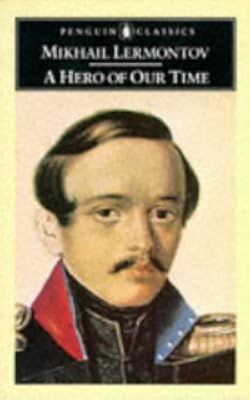
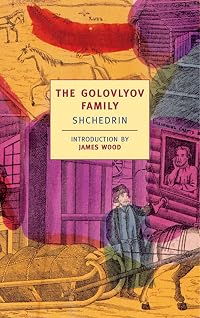
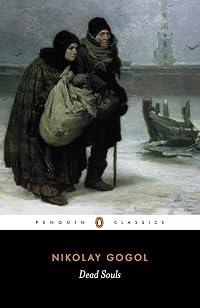
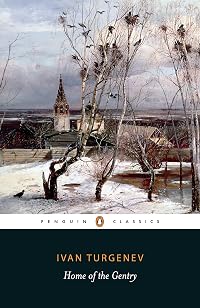
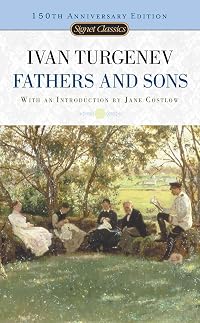
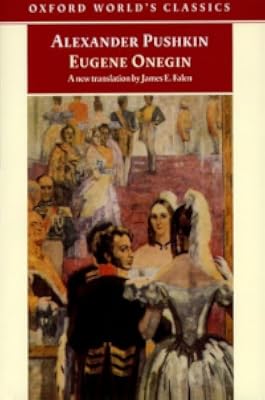
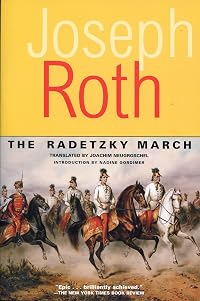
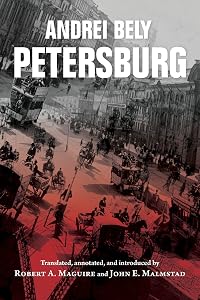




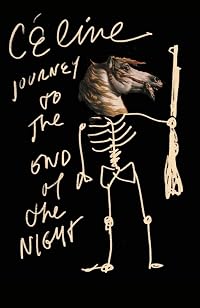

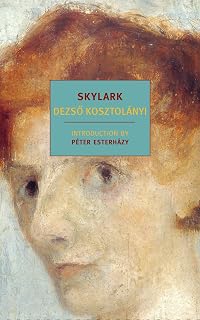
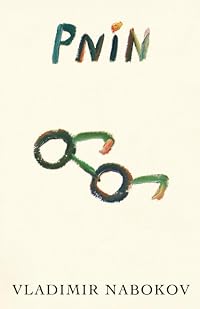
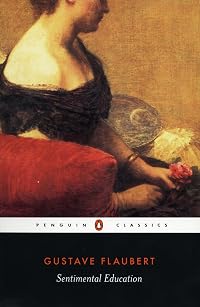






Member Recommendations

CraigHodges If the likes of Goncharov's Oblomov is too dense with dialogue, the characters to difficult to grasp, then come down a notch. Yes, take it easy and read a contemporary humorous slacker piece by Hodgkinson.
21

meggyweg Oblomov and Bertie Wooster are quite a lot alike and from the same social class, just in different countries.
12
Member Reviews
I know we are supposed to condemn Oblomov for his indolence - perhaps even view his life as a tragedy -, but satire of 19th century Russian gentries aside, the eponymous character lived as he wanted and quite well, and everybody essentially had a happy ending. Isn't that as much as we can hope for in life and a book? For a novel where the protagonist is rarely not supine and very little in way of a plot, it is unexpectedly thoughtful and meditative of life and living, aided by the contrasting lively support cast.
Despite his slothfulness, Oblomov is generous and kind, an intelligent and detailed thinker, capable of discoursing at length about the futility of life or passion, but hindered by his inclination for stasis. His spells of show more inactivity is sporadically broken throughout the novel by Stoltz and Olga, both with equal, unquenchable thirsts for knowledge and advancement, admirably feminist for a mid-nineteenth century book, made even more so by Stoltz treatment of Olga as his intellectual peer.
Armed with the knowledge of the pervasiveness of Oblomov and its idea of oblomovschina in the Russian psyche, I was delighted when even the author uses Oblomov as a standard of measurement for his dressing gown's capacity. I also enjoyed the classic mistake portrayed in the book of people depending on love in and from another person to change them. This is a novel to enjoy languorously in bed in a dusty room, followed immediately by a nap. show less
Despite his slothfulness, Oblomov is generous and kind, an intelligent and detailed thinker, capable of discoursing at length about the futility of life or passion, but hindered by his inclination for stasis. His spells of show more inactivity is sporadically broken throughout the novel by Stoltz and Olga, both with equal, unquenchable thirsts for knowledge and advancement, admirably feminist for a mid-nineteenth century book, made even more so by Stoltz treatment of Olga as his intellectual peer.
Armed with the knowledge of the pervasiveness of Oblomov and its idea of oblomovschina in the Russian psyche, I was delighted when even the author uses Oblomov as a standard of measurement for his dressing gown's capacity. I also enjoyed the classic mistake portrayed in the book of people depending on love in and from another person to change them. This is a novel to enjoy languorously in bed in a dusty room, followed immediately by a nap. show less
I will freely confess that the first half of this 550-page novel tempted me to put it down and walk away more than once. But the more I read, the more the narrative seemed to pick up speed. And I am especially glad to have stuck with it because the novel repays the effort many times over. Oblomov is one of the best-loved of all Russian novels. Tolstoy called it a “truly great work…. I am in rapture over [it] and keep rereading it.” Chekhov said that Goncharov is “ten heads above me in talent.” These comments aren’t overgenerous hyperbole. The novel is part of the very fabric of Russian life; it has contributed a word—oblomovshchina (обломовщина)—to the Russian vocabulary and were it no more than the story of a show more lazy man, it would not have earned—and kept—its place for a century and a half.
Ilya Ilyich Oblomov is a young man in his early 30s “of medium height and pleasant appearance” and “flabby beyond his years.” He is mild or moderate in all things. Unfortunately, Oblomov is reduced to a caricature in many reviews, to a single characteristic: laziness. Oblomov remains in bed often and for days at a time. He has little or no energy to do anything and so he doesn’t. Although this image is accurate, it is far from complete. Oblomov is indeed languid and idle and any other synonym for laziness you can find. But it is not who he is. To misunderstand this is to misunderstand the novel. Even if laziness is his single, defining characteristic, Oblomov, like all of us, is far more complex than a single trait. And Goncharov takes at least the first half of this fat novel to show us just who his idle hero is. And it is the tragedy of Oblomov the landholder and Oblomov the novel that he is so complicated. The novel’s critique of the man and of Russian society would have had little impact if laziness were its subject.
The plot, such as it is, is simple: Oblomov and Olga fall in love. Or so they both think. Indeed, much of the novel is devoted to their relationship with occasional tangents and subplots. Goncharov spends a lot of time—perhaps even too much time—dissecting what each one is thinking. He also spends a lot of time depicting Oblomov’s servant, Zakhar, and their complex relationship, a relationship that, while constantly, almost inevitably, humorous, will resurface at the very end of the novel in a heart-breaking scene. Having believed they were in love, Oblomov and Olga then fall out of love. Or so they think. Stoltz, Oblomov’s best friend, the one who introduced him to Olga, reappears in the last third of the book and plays a critical role in each of their lives. That’s it. For the plot anyway.
Oblomov is a funny book but its humor is “not always of the kind that hits you over the head or elbows you in the ribs,” in the words of the translator. The humor, like Oblomov himself, is mild…but insistent. Again, the translator nails the essence of the book: “it is by humor of the same mildness that the author invites the reader to join in his gentle but unremitting deriding of his hero, although Oblomov, of course, is too complete, fully realized, rounded and even tragic a figure just to be held up for our derision.”
Oblomov is Goncharov’s indictment of indolence and inertia on both an individual level and the level of Russian society as well. Goncharov is criticizing the Russian gentry’s smug, unworried self-satisfaction even as it was confronted with massive social change; it impeded progress, denying change, and it would eventually disappear in part because of this. On a personal level, Oblomov relies on the never-ending collision between romantic ideals and the intrusive and insistent realities of life. Oblomov’s overly romantic notions of love and of life itself prevent him from ever engaging with the world and Goncharov gently but insistently shows the cost that he—and Russian society—pay for such an attitude. (One of the novel’s highlights is Goncharov’s lengthy, brilliant portrayal of rural Russian life and society in Oblomov’s dream.)
My enthusiasm notwithstanding, Oblomov is not a flawless book. Pacing is an issue. Some interior monologues go on too long or are repeated too often. Some of the subplots can be overlong or verge on the silly. But Goncharov’s creations of Zakhar and Agafya Matveyevna (Oblomov’s landlady) easily rival any of Dickens’ indelible creations. For a novel written in 1859 to have such an extraordinary impact, to be a defining book in a national literature, and to retain its humor, its pathos, and its relevance, is no small achievement. That Oblomov is so little known or appreciated outside of Russia is inexplicable and sad. And it is now up to you to help me spread the word.
(I should also note that I have immense respect for the translation I read, by Stephen Pearl. His "Translator’s Afterword" is a fascinating, and brilliant, explanation drawn from a larger article about the challenges of translating this particular novel of various issues involved in creating a translation for our times. I found his translation fluid, easy-to-read, and often a joy for its wise handling of the English language.) show less
Ilya Ilyich Oblomov is a young man in his early 30s “of medium height and pleasant appearance” and “flabby beyond his years.” He is mild or moderate in all things. Unfortunately, Oblomov is reduced to a caricature in many reviews, to a single characteristic: laziness. Oblomov remains in bed often and for days at a time. He has little or no energy to do anything and so he doesn’t. Although this image is accurate, it is far from complete. Oblomov is indeed languid and idle and any other synonym for laziness you can find. But it is not who he is. To misunderstand this is to misunderstand the novel. Even if laziness is his single, defining characteristic, Oblomov, like all of us, is far more complex than a single trait. And Goncharov takes at least the first half of this fat novel to show us just who his idle hero is. And it is the tragedy of Oblomov the landholder and Oblomov the novel that he is so complicated. The novel’s critique of the man and of Russian society would have had little impact if laziness were its subject.
The plot, such as it is, is simple: Oblomov and Olga fall in love. Or so they both think. Indeed, much of the novel is devoted to their relationship with occasional tangents and subplots. Goncharov spends a lot of time—perhaps even too much time—dissecting what each one is thinking. He also spends a lot of time depicting Oblomov’s servant, Zakhar, and their complex relationship, a relationship that, while constantly, almost inevitably, humorous, will resurface at the very end of the novel in a heart-breaking scene. Having believed they were in love, Oblomov and Olga then fall out of love. Or so they think. Stoltz, Oblomov’s best friend, the one who introduced him to Olga, reappears in the last third of the book and plays a critical role in each of their lives. That’s it. For the plot anyway.
Oblomov is a funny book but its humor is “not always of the kind that hits you over the head or elbows you in the ribs,” in the words of the translator. The humor, like Oblomov himself, is mild…but insistent. Again, the translator nails the essence of the book: “it is by humor of the same mildness that the author invites the reader to join in his gentle but unremitting deriding of his hero, although Oblomov, of course, is too complete, fully realized, rounded and even tragic a figure just to be held up for our derision.”
Oblomov is Goncharov’s indictment of indolence and inertia on both an individual level and the level of Russian society as well. Goncharov is criticizing the Russian gentry’s smug, unworried self-satisfaction even as it was confronted with massive social change; it impeded progress, denying change, and it would eventually disappear in part because of this. On a personal level, Oblomov relies on the never-ending collision between romantic ideals and the intrusive and insistent realities of life. Oblomov’s overly romantic notions of love and of life itself prevent him from ever engaging with the world and Goncharov gently but insistently shows the cost that he—and Russian society—pay for such an attitude. (One of the novel’s highlights is Goncharov’s lengthy, brilliant portrayal of rural Russian life and society in Oblomov’s dream.)
My enthusiasm notwithstanding, Oblomov is not a flawless book. Pacing is an issue. Some interior monologues go on too long or are repeated too often. Some of the subplots can be overlong or verge on the silly. But Goncharov’s creations of Zakhar and Agafya Matveyevna (Oblomov’s landlady) easily rival any of Dickens’ indelible creations. For a novel written in 1859 to have such an extraordinary impact, to be a defining book in a national literature, and to retain its humor, its pathos, and its relevance, is no small achievement. That Oblomov is so little known or appreciated outside of Russia is inexplicable and sad. And it is now up to you to help me spread the word.
(I should also note that I have immense respect for the translation I read, by Stephen Pearl. His "Translator’s Afterword" is a fascinating, and brilliant, explanation drawn from a larger article about the challenges of translating this particular novel of various issues involved in creating a translation for our times. I found his translation fluid, easy-to-read, and often a joy for its wise handling of the English language.) show less
Why is this book ‘overlooked’ and less recognized than others from the Golden Age of Russian literature? Hmm, let’s see. Tolstoy painted epics of a grand scale about adultery and Napoleon invading Russia. Turgenev? Nihilism, all-consuming passion, and beautiful slices of life in the country. Dostoevsky plumbed the depths of the soul and the meaning of man’s place in the universe. And so on. Now, what does the title character of Goncharov’s book do? Uh. Well, to put it crudely, he lays on his ass. Ok, not for all 552 pages, but for most of them. He resists pleas from his friends to get out and enjoy life, preferring the comforts of his couch instead, and he’s swindled because he’s too lazy and too inept to do anything about show more it. Somehow a girl falls in love with him, but he creates roadblocks and lets her slip away. What the hell is wrong with this guy, you’ll wonder. Is he severely introverted? A fool or a coward? Does he have some type of anxiety disorder which paralyzes him into inaction? Is he just a 19th century slacker? Or e) all of the above?
In this book Goncharov is actually satirizing a facet of the Russian character which holds it back relative to the West: pure at heart and noble of sentiment, but indolent. Particularly compared to Stolz, his very active German friend, Oblomov is a slug. As Mikhail Shishkin says in the Afterword: “The title of Alexander Herzen’s famous mid-nineteenth century novel, Who Is To Blame? has been the most burning of Russian questions for nearly two centuries. Who is to blame for Russia’s notorious roads? For its graft and embezzlement? For its idiot officials? Who is to blame for its pervasive slave mentality, no matter what the regime or economic structure? Who is to blame for its bloody history and for the way human dignity is trampled at every step? We have people galore to accuse – and just as many accusers. One of the most famous defendants to be put on trial for this is Ilya Ilich Oblomov, caught by Goncharov’s pen in flagrante delicto - on his sofa.”
The strength of devotion in two Russian women in the book offset this negative view, and Oblomov’s devoted but sloppy and lazy servant Zakhar is a source of humor, but I think the book would have been more effective had it been pared down. It’s just too long given the limited plot. The writing feels modern and occasionally there are nice turns of phrase, for example: “He spoke loudly, glibly, and nearly always crossly, and if you heard him at any remove, he sounded like three empty wagons driving over a bridge.” There are aspects of the relationship between men and women which are very outdated, but interestingly so (for example, the idea that it was not proper to be out with a woman without an escort, and the idea that a woman could only love once in life), and there are many more behaviors which seem right out of the present which is also interesting. I liked this one during a lover’s spat: “He made a frightened face. She made one just like it on purpose.”
I don’t know, it may deserve another ½ star, but I was glad to finish it and would hesitate before recommending it, both of which are not great signs.
Quotes:
On change:
“There is no peace in love either, and it is constantly changing, constantly moving forward, forward – ‘like all of life,’ as Stolz used to say.”
On familiarity:
“Living together as they did, they were sick and tired of each other. Brief daily intimacy between two people never leaves either one unscathed. It takes a great deal of life experience, logic, and sincere warmth on both sides to appreciate each other’s merits and not taunt or be taunted by each other’s shortcomings.”
On friendship, or love:
“Isn’t this it, the secret goal of every single person? To find in his friend the unchanging face of serenity, the perpetual and steady flow of emotion? After all, this is love’s standard, and if it deviates slightly, changes, or cools, we suffer. Isn’t my ideal the universal ideal? He thought. Isn’t this the crowning achievement, the very pinnacle of relations between the sexes?”
On men and women, hmm ala the line from When Harry Met Sally:
“There is no such thing as friendship between a man and a woman.”
And:
“Friendship is a fine thing, Olga Sergeyevna, when it is love between a young man and a young woman or the memory of love between old people. But God forbid if it’s friendship on one side and love on the other.”
Finally this one relating to ‘nice guys’:
“Pure, chaste women love them, out of sympathy; corrupt women seek out their friendship in order to purge themselves of spoilage.”
On indecision:
“Without outside help, he could devise no thought or intention, and like a ripe apple he would never fall of his own accord. He had to be plucked.”
And:
“You are prepared to coo in the rafters all your life. But I’m not like that.”
On memories:
“Memories are either the greatest poetry, when they are memories of a vital happiness, or a burning pain, when they touch dried wounds.”
On poets, and the moon:
“God knows whether a poet or dreamer would be content with nature in this peaceful corner. Those gentlemen, as we know, like to gaze at the moon and listen to the trilling of nightingales. They like a flirtatious moon who arrays herself in straw-yellow clouds and pokes mysteriously through the tree branches, or sprinkles sheaves of silver rays into her admirer’s eyes.”
On reading:
“She read a book and the book invariably had lines with sparks from her mind, the fire of her emotions flickered here and there, and words spoken the night before were written down, as if the author had overheard how her heart now beat.”
On sadness:
“In old age, your powers decline and you stop struggling with life. No, your sadness and melancholy – if it is only what I think it is – is more likely a sign of strength. The inquiries of a lively, stimulated mind sometimes burst beyond everyday limits, and, naturally, find no response, so there is a sadness, a temporary dissatisfaction with life. This is the sadness of a soul wondering about life’s mysteries.”
On youth:
“His eyes radiated the fire of life for longer and poured out beams of light, hope, and strength. He worried like everyone else, hoped, rejoiced over trifles, and suffered over minor details.
But all that had been long ago, during that tender period when a man assumes in any other man a sincere friend and falls in love with and is prepared to offer his hand and heart to nearly any woman – something others did indeed accomplish, often to their great regret thereafter and for the rest of their life.”
Lastly I love this bit of ogling; as Oblmov begins to notice a simple housekeeper and falls for her:
“… asked Oblomov, looking through the scarf, which had fallen open, at her high, forever tranquil bosom, as firm as a sofa cushion.”
Oh, and this one towards the end, apparently concerns in 1859 on ‘global freezing’:
“Well, they’re writing that the earth’s globe is getting colder all the time and one day it’s going to freeze completely.” show less
In this book Goncharov is actually satirizing a facet of the Russian character which holds it back relative to the West: pure at heart and noble of sentiment, but indolent. Particularly compared to Stolz, his very active German friend, Oblomov is a slug. As Mikhail Shishkin says in the Afterword: “The title of Alexander Herzen’s famous mid-nineteenth century novel, Who Is To Blame? has been the most burning of Russian questions for nearly two centuries. Who is to blame for Russia’s notorious roads? For its graft and embezzlement? For its idiot officials? Who is to blame for its pervasive slave mentality, no matter what the regime or economic structure? Who is to blame for its bloody history and for the way human dignity is trampled at every step? We have people galore to accuse – and just as many accusers. One of the most famous defendants to be put on trial for this is Ilya Ilich Oblomov, caught by Goncharov’s pen in flagrante delicto - on his sofa.”
The strength of devotion in two Russian women in the book offset this negative view, and Oblomov’s devoted but sloppy and lazy servant Zakhar is a source of humor, but I think the book would have been more effective had it been pared down. It’s just too long given the limited plot. The writing feels modern and occasionally there are nice turns of phrase, for example: “He spoke loudly, glibly, and nearly always crossly, and if you heard him at any remove, he sounded like three empty wagons driving over a bridge.” There are aspects of the relationship between men and women which are very outdated, but interestingly so (for example, the idea that it was not proper to be out with a woman without an escort, and the idea that a woman could only love once in life), and there are many more behaviors which seem right out of the present which is also interesting. I liked this one during a lover’s spat: “He made a frightened face. She made one just like it on purpose.”
I don’t know, it may deserve another ½ star, but I was glad to finish it and would hesitate before recommending it, both of which are not great signs.
Quotes:
On change:
“There is no peace in love either, and it is constantly changing, constantly moving forward, forward – ‘like all of life,’ as Stolz used to say.”
On familiarity:
“Living together as they did, they were sick and tired of each other. Brief daily intimacy between two people never leaves either one unscathed. It takes a great deal of life experience, logic, and sincere warmth on both sides to appreciate each other’s merits and not taunt or be taunted by each other’s shortcomings.”
On friendship, or love:
“Isn’t this it, the secret goal of every single person? To find in his friend the unchanging face of serenity, the perpetual and steady flow of emotion? After all, this is love’s standard, and if it deviates slightly, changes, or cools, we suffer. Isn’t my ideal the universal ideal? He thought. Isn’t this the crowning achievement, the very pinnacle of relations between the sexes?”
On men and women, hmm ala the line from When Harry Met Sally:
“There is no such thing as friendship between a man and a woman.”
And:
“Friendship is a fine thing, Olga Sergeyevna, when it is love between a young man and a young woman or the memory of love between old people. But God forbid if it’s friendship on one side and love on the other.”
Finally this one relating to ‘nice guys’:
“Pure, chaste women love them, out of sympathy; corrupt women seek out their friendship in order to purge themselves of spoilage.”
On indecision:
“Without outside help, he could devise no thought or intention, and like a ripe apple he would never fall of his own accord. He had to be plucked.”
And:
“You are prepared to coo in the rafters all your life. But I’m not like that.”
On memories:
“Memories are either the greatest poetry, when they are memories of a vital happiness, or a burning pain, when they touch dried wounds.”
On poets, and the moon:
“God knows whether a poet or dreamer would be content with nature in this peaceful corner. Those gentlemen, as we know, like to gaze at the moon and listen to the trilling of nightingales. They like a flirtatious moon who arrays herself in straw-yellow clouds and pokes mysteriously through the tree branches, or sprinkles sheaves of silver rays into her admirer’s eyes.”
On reading:
“She read a book and the book invariably had lines with sparks from her mind, the fire of her emotions flickered here and there, and words spoken the night before were written down, as if the author had overheard how her heart now beat.”
On sadness:
“In old age, your powers decline and you stop struggling with life. No, your sadness and melancholy – if it is only what I think it is – is more likely a sign of strength. The inquiries of a lively, stimulated mind sometimes burst beyond everyday limits, and, naturally, find no response, so there is a sadness, a temporary dissatisfaction with life. This is the sadness of a soul wondering about life’s mysteries.”
On youth:
“His eyes radiated the fire of life for longer and poured out beams of light, hope, and strength. He worried like everyone else, hoped, rejoiced over trifles, and suffered over minor details.
But all that had been long ago, during that tender period when a man assumes in any other man a sincere friend and falls in love with and is prepared to offer his hand and heart to nearly any woman – something others did indeed accomplish, often to their great regret thereafter and for the rest of their life.”
Lastly I love this bit of ogling; as Oblmov begins to notice a simple housekeeper and falls for her:
“… asked Oblomov, looking through the scarf, which had fallen open, at her high, forever tranquil bosom, as firm as a sofa cushion.”
Oh, and this one towards the end, apparently concerns in 1859 on ‘global freezing’:
“Well, they’re writing that the earth’s globe is getting colder all the time and one day it’s going to freeze completely.” show less
"O mijn God! Het leven laat me gewoon niet met rust.”
Ik heb lang getwijfeld of ik dit een beoordeling van 3,5 van 4 sterren zou geven, maar hoe verder ik me van het einde van de lectuur van dit boek verwijderde, hoe zekerder ik werd van de 4 sterren. Neen, dit is geen perfecte roman, hij bevat zelfs een aantal onderliggende zwakheden, maar ik kan er niet aan doen, uiteindelijk had de tragikomische figuur van Ilya Ilich Oblomov me toch in de ban. Meer nog dan prins Myshkin, ‘de Idioot’ van Dostojevski, is hij erin geslaagd om me met zijn eerlijkheid, waarachtigheid en zuiver hart te ondermijnen. Dat laatste klinkt erg pathetisch, ik weet het, maar blijkbaar heb ik toch genoeg sentimentele romantiek in mij zodat zo'n figuur als Ilya show more Ilich mijn hart kan breken.
Ik ga dit boek niet te veel kapot analyseren, dat is alzoveel keer gedaan, met en zonder expertise. Wat me vooral charmeerde is dat onze arme Oblomov maar al te goed beseft dat hij een aberratie is, dat zijn inherente lethargie niet hoort, zeker niet in een samenleving (Rusland in de eerste helft van de 19e eeuw) die volop in verandering is. Voortdurend troffen me de passages waarin Oblomov zichzelf beklaagt en zegt niet te weten wie hij eigenlijk is, en waarom hij zo is als hij is.
Tegelijk weet hij vlijmscherp de nieuwe, moderne samenleving die staat aan het breken op de korrel te nemen, de leegte van het drukke, nijvere bestaan bloot te leggen: ““Het eeuwig heen en weer rennen, het eeuwigdurende spel van kleine verlangens, vooral hebzucht , mensen die dingen voor anderen proberen te bederven, het geklets, de roddels, de minachting, de manier waarop ze je van top tot teen bekijken. Je luistert naar waar ze het over hebben en het doet je hoofd tollen. Het is bedwelmend... Het is vervelend. Verveling! Waar is de mens hierin? Waar is zijn integriteit? Waar ging het heen? Hoe werd het ingeruild voor al deze kleinzieligheid?"
En ik weet het maar al te goed: wat Oblomov daar tegenoverstelt, zijn permanente lethargie, is onrealistisch en zelfs immoreel (dat wrijft zijn vriend Stolz er dik in). Maar tegelijkertijd weet Oblomovs voorstelling van het ideale leven me toch te raken: “Daarna trek ik een ruime jas aan, sla mijn arm om het middel van mijn vrouw, en zij en ik maken een wandeling over de eindeloze, donkere allée, rustig, bedachtzaam, stil of hardop denkend, dagdromend, mijn minuten van geluk tellend als het kloppen van een polsslag, luisterend naar mijn hartslag en betovering en sympathie zoekend in de natuur, en voordat we het weten komen we uit op een stroompje in een veld . De rivier kabbelt een beetje, korenaren wuiven in de wind en het is heet. We stappen in de boot en mijn vrouw stuurt ons, nauwelijks de riem optillend.”
Gontsjarov is er via Oblomov perfect in geslaagd de gespletenheid van de moderne mens bloot te leggen: de zenuwachtige stuwing naar voortdurende verandering en verbetering tegenover de kinderlijke verzuchting naar eenvoud, geborgenheid en gelukzaligheid. 4 sterren, dik verdiend.
PS. Ik las de Engelse vertaling van Maria Schwartz (2008), gebaseerd op de door Gontsjarov zelf bewerkte versie van 1862, die ver te verkiezen is boven de originele van 1859. show less
Ik heb lang getwijfeld of ik dit een beoordeling van 3,5 van 4 sterren zou geven, maar hoe verder ik me van het einde van de lectuur van dit boek verwijderde, hoe zekerder ik werd van de 4 sterren. Neen, dit is geen perfecte roman, hij bevat zelfs een aantal onderliggende zwakheden, maar ik kan er niet aan doen, uiteindelijk had de tragikomische figuur van Ilya Ilich Oblomov me toch in de ban. Meer nog dan prins Myshkin, ‘de Idioot’ van Dostojevski, is hij erin geslaagd om me met zijn eerlijkheid, waarachtigheid en zuiver hart te ondermijnen. Dat laatste klinkt erg pathetisch, ik weet het, maar blijkbaar heb ik toch genoeg sentimentele romantiek in mij zodat zo'n figuur als Ilya show more Ilich mijn hart kan breken.
Ik ga dit boek niet te veel kapot analyseren, dat is alzoveel keer gedaan, met en zonder expertise. Wat me vooral charmeerde is dat onze arme Oblomov maar al te goed beseft dat hij een aberratie is, dat zijn inherente lethargie niet hoort, zeker niet in een samenleving (Rusland in de eerste helft van de 19e eeuw) die volop in verandering is. Voortdurend troffen me de passages waarin Oblomov zichzelf beklaagt en zegt niet te weten wie hij eigenlijk is, en waarom hij zo is als hij is.
Tegelijk weet hij vlijmscherp de nieuwe, moderne samenleving die staat aan het breken op de korrel te nemen, de leegte van het drukke, nijvere bestaan bloot te leggen: ““Het eeuwig heen en weer rennen, het eeuwigdurende spel van kleine verlangens, vooral hebzucht , mensen die dingen voor anderen proberen te bederven, het geklets, de roddels, de minachting, de manier waarop ze je van top tot teen bekijken. Je luistert naar waar ze het over hebben en het doet je hoofd tollen. Het is bedwelmend... Het is vervelend. Verveling! Waar is de mens hierin? Waar is zijn integriteit? Waar ging het heen? Hoe werd het ingeruild voor al deze kleinzieligheid?"
En ik weet het maar al te goed: wat Oblomov daar tegenoverstelt, zijn permanente lethargie, is onrealistisch en zelfs immoreel (dat wrijft zijn vriend Stolz er dik in). Maar tegelijkertijd weet Oblomovs voorstelling van het ideale leven me toch te raken: “Daarna trek ik een ruime jas aan, sla mijn arm om het middel van mijn vrouw, en zij en ik maken een wandeling over de eindeloze, donkere allée, rustig, bedachtzaam, stil of hardop denkend, dagdromend, mijn minuten van geluk tellend als het kloppen van een polsslag, luisterend naar mijn hartslag en betovering en sympathie zoekend in de natuur, en voordat we het weten komen we uit op een stroompje in een veld . De rivier kabbelt een beetje, korenaren wuiven in de wind en het is heet. We stappen in de boot en mijn vrouw stuurt ons, nauwelijks de riem optillend.”
Gontsjarov is er via Oblomov perfect in geslaagd de gespletenheid van de moderne mens bloot te leggen: de zenuwachtige stuwing naar voortdurende verandering en verbetering tegenover de kinderlijke verzuchting naar eenvoud, geborgenheid en gelukzaligheid. 4 sterren, dik verdiend.
PS. Ik las de Engelse vertaling van Maria Schwartz (2008), gebaseerd op de door Gontsjarov zelf bewerkte versie van 1862, die ver te verkiezen is boven de originele van 1859. show less
Ilya Ilyich Oblomov is not merely indolent. He is virtually inert. He can almost not even wake up, let alone wash or put his clothes on. And as for leaving his apartment, that is out of the question. Everything is too much for him. Thinking is too much. Reading is too much. He can barely muster enough energy to eat and drink and breathe. And he is as defenceless as he is inactive. So it may not be surprising that his “friends” are taking advantage of him and his kind heart. All that is except for Andrei Stoltz. Oblomov grew up with Stoltz and the latter has an undying appreciation for Oblomov’s pureness of soul and kind heart. He refers to Oblomov’s intelligence as well, though we rarely see evidence of this. It is Stoltz who show more initiates much of the action in the novel — the offer (declined) to go abroad, the introduction to Olga, the rescue from the fiends bilking Oblomov of the wealth from his estate, and the care for Oblomov’s inheritance. If Stoltz is the figure of action and industry, then Oblomov is his mirror opposite in inaction and passivity. And yet their love and respect for each other binds them together, perhaps against reason and inclination.
There can be little doubt that Goncharov has created a number of vivid and lasting characters, even beyond the titular figure who lends his name to a recognized condition. But it may be his account of love, indeed of different forms of love, that makes this novel more remarkable. The burgeoning of love between Olga and Oblomov is beyond touching. Its consequences are painful. But equally valuable is the more stable love that each arrives at for another. And of course the love of friendship that Stoltz feels towards Oblomov is richly explored.
It might not stand up against some of the well-acknowledged classics of 19th century Russian literature, but Oblomov is still well worth reading. Just don’t get too comfortable on that divan! Gently recommended. show less
There can be little doubt that Goncharov has created a number of vivid and lasting characters, even beyond the titular figure who lends his name to a recognized condition. But it may be his account of love, indeed of different forms of love, that makes this novel more remarkable. The burgeoning of love between Olga and Oblomov is beyond touching. Its consequences are painful. But equally valuable is the more stable love that each arrives at for another. And of course the love of friendship that Stoltz feels towards Oblomov is richly explored.
It might not stand up against some of the well-acknowledged classics of 19th century Russian literature, but Oblomov is still well worth reading. Just don’t get too comfortable on that divan! Gently recommended. show less
I don't think I've ever struggled with what to think about a character as much as I have with Ilya Ilych Oblomov. Ten chapters in, I was his biggest fan. Halfway through the novel, I couldn't stand him. I went to bed last night with an overall positive impression and woke up angry with him all over again. I find myself putting a great deal of effort into a man who seems to want to do as little as possible.
From the start, Oblomov's greatest desire is bound to elude him. Despite his dreams of a pleasant life in the country and his occasional efforts to plan out his estate, what Oblomov wants most is to be left unburdened by responsibility or incident. Unfortunately, he lacks the ability to do pretty much anything (he can't even put his show more boots on by himself) and is therefore incapable of responding to even the slightest bump on the highway of life.
To just call him lazy would be entirely unfair. One of Oblomov's strengths is Goncharov's detailing of the anxieties brought about by our hero's lifestyle. Most of Oblomov's time is spent doing nothing but thinking about everything. He isn't lounging about in Athens being fed grapes (his landlady feeds him pies, but we'll get to that in a second). While he's thinking, he never questions the fact that someday he really will finish his plans for his estate. He truly believes, despite loads of evidence to the contrary, that these ideas and plans are worth thinking about and will lead him to a brighter future. He also spends plenty of time thinking about people. Throughout the summer that he spends with Olga (a girl with more than a few similarities to Natasha Rostov from War and Peace), Oblomov thinks of very little but her happiness and whether or not their relationship will be a detriment to her long-term well-being. His brightest moment in the novel is the letter he writes to Olgaafter her declaration of love for him that proves his willingness to sacrifice everything for her.
But, really, nobody needs him to sacrifice everything. Olga says it best:
But Olga isn't standing in front of the entire Russian nobility when she says these words. She's looking into the eyes of Oblomov.
This is a man who, despite caring for people, fails to actually care for them. He loves his best friend, Stoltz, but he burdens him to an extreme. At one point in the novel, Stoltz is running Oblomov's estate, handling Oblomov's legal disputes in St. Petersburg, and managing Oblomov's finances, all while living his own life and managing his own businesses. Stoltz doesn't need Oblomov to sacrifice his life. He just needs him to visit his own estate.
His landlady asks for even less. She enjoys pampering him, taking care of him like a baby, baking him pies all the time, etc. What does she need? She needs Oblomov to walk, so he can live longer and she can bake him more pies! COME ON, MAN, JUST WALK A LITTLE. CHRIST.
But this is Oblomov we're talking about. He's too busy thinking about the big things and worrying about his problems to actually do anything about the little things that are creating said problems.
I see Oblomov as unique in its ability to intelligently depict the consequences of inaction while remaining sympathetic to those who are inactive. The Chapter IX dream sequence is the novel's best scene, while bits and pieces of Part 3 dragged, but overall it's a rich reading experience.
I still don't quite know what to think about our sedentary oddball. No matter how hard you try not to matter, you're going to leave your footprint on someone or something, and Oblomov certainly makes his mark. It isn't an overwhelmingly positive one, to say the least. I don't know if there's a single character that can be said to have benefited from knowing him. But can a man only be summed up by what others take from him? I don't know. Let me think about that for the next 30 years while my estate falls into ruin. show less
From the start, Oblomov's greatest desire is bound to elude him. Despite his dreams of a pleasant life in the country and his occasional efforts to plan out his estate, what Oblomov wants most is to be left unburdened by responsibility or incident. Unfortunately, he lacks the ability to do pretty much anything (he can't even put his show more boots on by himself) and is therefore incapable of responding to even the slightest bump on the highway of life.
To just call him lazy would be entirely unfair. One of Oblomov's strengths is Goncharov's detailing of the anxieties brought about by our hero's lifestyle. Most of Oblomov's time is spent doing nothing but thinking about everything. He isn't lounging about in Athens being fed grapes (his landlady feeds him pies, but we'll get to that in a second). While he's thinking, he never questions the fact that someday he really will finish his plans for his estate. He truly believes, despite loads of evidence to the contrary, that these ideas and plans are worth thinking about and will lead him to a brighter future. He also spends plenty of time thinking about people. Throughout the summer that he spends with Olga (a girl with more than a few similarities to Natasha Rostov from War and Peace), Oblomov thinks of very little but her happiness and whether or not their relationship will be a detriment to her long-term well-being. His brightest moment in the novel is the letter he writes to Olga
But, really, nobody needs him to sacrifice everything. Olga says it best:
"No one needs that or is asking for that... this is the ruse of cunning men, to offer sacrifices no one needs and cannot be made in order not to make the sacrifices that are needed."Firstly, this is an allusion to the sociopolitical scene to which Goncharov was attempting to call Russia's attention. Mikhail Shiskin, in his excellent afterword (I disagree with a few of his opinions but the historical context he provides is vital), presents a mid-19th century Russian populace that was having an identity crisis. Russian society since its infancy had been built around service, whether to a Tsar (served by the nobility) or a master (served by the serfs). Russians found their sense of purpose in who they served. But by the mid-19th century, Russia ran under a Germanic template of self-service, and Russian landowners were forced to find some other purpose (The emancipation of serfs came in 1861, two years after Oblomov was published). These people no longer needed to fight in wars for the Tsar and give their lives for their country. The sacrifices that were needed came with much lower stakes, and this was difficult for many to take. Olga's accusation takes aim at those who were struggling in this exact situation. They were willing to give their lives for a Tsar. Would they now be willing to work for their families, or even for themselves?
But Olga isn't standing in front of the entire Russian nobility when she says these words. She's looking into the eyes of Oblomov.
This is a man who, despite caring for people, fails to actually care for them. He loves his best friend, Stoltz, but he burdens him to an extreme. At one point in the novel, Stoltz is running Oblomov's estate, handling Oblomov's legal disputes in St. Petersburg, and managing Oblomov's finances, all while living his own life and managing his own businesses. Stoltz doesn't need Oblomov to sacrifice his life. He just needs him to visit his own estate.
His landlady asks for even less. She enjoys pampering him, taking care of him like a baby, baking him pies all the time, etc. What does she need? She needs Oblomov to walk, so he can live longer and she can bake him more pies! COME ON, MAN, JUST WALK A LITTLE. CHRIST.
But this is Oblomov we're talking about. He's too busy thinking about the big things and worrying about his problems to actually do anything about the little things that are creating said problems.
I see Oblomov as unique in its ability to intelligently depict the consequences of inaction while remaining sympathetic to those who are inactive. The Chapter IX dream sequence is the novel's best scene, while bits and pieces of Part 3 dragged, but overall it's a rich reading experience.
I still don't quite know what to think about our sedentary oddball. No matter how hard you try not to matter, you're going to leave your footprint on someone or something, and Oblomov certainly makes his mark. It isn't an overwhelmingly positive one, to say the least. I don't know if there's a single character that can be said to have benefited from knowing him. But can a man only be summed up by what others take from him? I don't know. Let me think about that for the next 30 years while my estate falls into ruin. show less
Oblomov ovvero l'apatia, ma un'apatia così onesta, dolce, priva di vizio, un ozio naturale, vergognoso di se stesso, ma invincibile.
Chiunque, con gli usi e costumi di Oblomov, ci riuscirebbe importuno, antipatico, insopportabile, e invece Oblomov lo si ama, al punto che ci si domanda a che pro il suo amico Stolz voglia a tutti i costi risvegliarlo da quella sua vita buona e sognante, gli si vuole dire di smetterla.
Oblomovismo, uno stile di vita.
Siamo nel campo dei grandi affreschi russi, sullo stile e nell'ambiente di Tolstoj, che pure non avrebbe saputo rendere così bene un personaggio con così tanti tratti negativi, renderlo così amabile.
Le parti che riguardano il solo Oblomov sono le migliori del libro, le altre, pur ben scritte, show more si ha voglia di lasciarsele indietro in fretta per tornare al nostro eroe immobile. show less
Chiunque, con gli usi e costumi di Oblomov, ci riuscirebbe importuno, antipatico, insopportabile, e invece Oblomov lo si ama, al punto che ci si domanda a che pro il suo amico Stolz voglia a tutti i costi risvegliarlo da quella sua vita buona e sognante, gli si vuole dire di smetterla.
Oblomovismo, uno stile di vita.
Siamo nel campo dei grandi affreschi russi, sullo stile e nell'ambiente di Tolstoj, che pure non avrebbe saputo rendere così bene un personaggio con così tanti tratti negativi, renderlo così amabile.
Le parti che riguardano il solo Oblomov sono le migliori del libro, le altre, pur ben scritte, show more si ha voglia di lasciarsele indietro in fretta per tornare al nostro eroe immobile. show less
Members
- Recently Added By
Published Reviews
ThingScore 100
In a world of planners Oblomov plans himself to sleep. In a world of action he discovers the poetry of procrastination. In a world of passion he discovers the delicacies of reluctance. And when we reject his passivity he bears our secret desire for it like a martyr. For us he sleeps, for us he lies in bed daydreaming, for us his mind goes back to the Arcadia of childhood, drinking the opiate show more of memory. For our sakes who live in clean rooms and who jump out of bed when the alarm clock goes, Oblomov lies among his cobwebs and his fleas, his books unread, his ink dry in the bottle, his letters unanswered. While we prosper, he is cheated...
There is a transcendent gentleness, an ineffable prosaic delicacy, in the book. But we can’t get away from it; the second part, although benign and moral, is dull... The undertone of dream and fairy-tale runs through the book like the murmur of a stream, so that to call Goncharov a realist is misleading. Oblomov himself becomes one of those transfigured characters which have grown over a long period of writing, which exist on several planes, and which go on growing in the mind after the book is put down. Now he seems to symbolise the soul, now he i£ the folly of idleness, now he is the accuser of success. He is an enormous character. show less
There is a transcendent gentleness, an ineffable prosaic delicacy, in the book. But we can’t get away from it; the second part, although benign and moral, is dull... The undertone of dream and fairy-tale runs through the book like the murmur of a stream, so that to call Goncharov a realist is misleading. Oblomov himself becomes one of those transfigured characters which have grown over a long period of writing, which exist on several planes, and which go on growing in the mind after the book is put down. Now he seems to symbolise the soul, now he i£ the folly of idleness, now he is the accuser of success. He is an enormous character. show less
added by SnootyBaronet
Lists

The Guardian's 1000 Novels Everyone Must Read
1,005 works; 551 members

1001 Books You Must Read Before You Die
1,448 works; 1,135 members

Russian Literature
184 works; 35 members

Best of World Literature
436 works; 52 members

Favorite Long Books
330 works; 42 members

Philip Ward's Lifetime Reading Plan
592 works; 22 members

Favourite 19th century fiction
257 works; 62 members

Favourite Books
1,820 works; 316 members

Western World's Greatest Books - Project Gutenberg
295 works; 15 members
Five star books
1,767 works; 110 members
LibraryThingers' 1001 Books You Must Read Before You Die
442 works; 30 members

1,001 BYMRBYD Concensus
723 works; 27 members

A Novel Cure
742 works; 23 members
Lamont's Hundred Best Novels (1947)
100 works; 4 members

madness prompts and reason writes, says Gide
26 works; 3 members

O, those Russians (as Boney M sang)
16 works; 1 member

E's Reader
30 works; 1 member

Books Read in 2017
4,249 works; 130 members

Top Five Books of 2024
795 works; 264 members
.
396 works; 1 member

el
1,139 works; 1 member

DigitalDreamDoor top 300
300 works; 4 members

Favorite Books in Translation
320 works; 133 members

Tonikat reading completed on Librarything journals
329 works; 2 members

My Favorite Russian Novels
37 works; 2 members

The 150 Greatest Novels of All Time
150 works; 6 members

Books Read in 2024
4,727 works; 128 members

Mustich's 1000 Books to Read Before You Die: A Life Changing List
1,001 works; 20 members

All Things Russia
459 works; 11 members

My TBR
371 works; 3 members

100 knjiga
100 works; 1 member
Author Information

71+ Works 4,636 Members
Born into a wealthy merchant family, Goncharov pursued a career in the civil service; first in the ministry of finance, and later, during more liberal times after 1855, in the censorship department. Most of his life was very placid, troubled only once by an extended sea voyage to Japan, which resulted in a smoothly written travel narrative, The show more Frigate Pallas (1855--57). In his later years, he suffered from paranoia, having become obsessed with the notion that Ivan Turgenev and such foreign writers as Flaubert had plagiarized elements of his last work. Goncharov's solid reputation as a major realist writer rests, above all, on his second novel, Oblomov (1859). The fame of this work derives from its unmatched depiction of human slothfulness and boredom, embodied in the book's likable hero. Oblomov is now a literary and cultural archetype, while the term Oblomovism has entered the Russian language, denoting indolence and inertia of epic proportions. Goncharov's other works are of lesser stature. A Common Story (1847) is an entertaining bildungsroman about a young man's gradual abandonment of his early ideals. The Precipice (1869), on which Goncharov worked for almost 20 years, is a massive portrayal of gentry life in the country. Although its antiradical plot is not terribly successful, the book contains a gallery of striking social and psychological types: particularly memorable are the novel's women. (Bowker Author Biography) show less
Some Editions
Awards and Honors
Distinctions
Notable Lists
Daniel S. Burt's Novel 100 (082 – 82)
Series
Belongs to Publisher Series
Alba Clásica (29)
Biblioteca Júcar (90)
A tot vent (246)
Rainbow pocketboeken (246)
insel taschenbuch (0472)
Everyman's Library (878)
Penguin Classics (L040)
Work Relationships
Is contained in
Contains
Has the adaptation
Inspired
Has as a reference guide/companion
Has as a study
Common Knowledge
- Canonical title
- Oblomov
- Original title
- Обломов
- Alternate titles*
- Oblomow
- Original publication date
- 1859
- People/Characters
- Ilya Ilyitch Oblomov
- Important places
- St. Petersburg, Russia; Oblomovka
- Related movies
- Oblomov (1979)
- First words
- Ilya Ilyitch Oblomov was lying in bed one morning in his flat in Gorohovy Street, in one of the big houses that had almost as many inhabitants as a whole country town.
- Quotations
- “Yesterday one has wished, to-day one attains the madly longed-for object, and to-morrow one will blush to think that one ever desired it.”
- Last words
- (Click to show. Warning: May contain spoilers.)And he told him what is written here.
- Blurbers
- Tolstoy, Leo; Chekhov, Anton
- Original language
- Russian
*Some information comes from Common Knowledge in other languages. Click "Edit" for more information.
Classifications
- Genres
- General Fiction, Fiction and Literature
- DDC/MDS
- 891.733 — Literature & rhetoric Literatures of other languages East Indo-European and Celtic literatures Russian and East Slavic languages Russian fiction 1800–1917
- LCC
- PG3337 .G6 .O1213 — Language and Literature Slavic languages and literatures. Baltic languages. Albanian language Slavic. Baltic. Albanian Russian literature Individual authors and works 1800-1870
- BISAC
Statistics
- Members
- 3,904
- Popularity
- 4,057
- Reviews
- 75
- Rating
- (4.00)
- Languages
- 23 — Catalan, Czech, Danish, Dutch, English, Estonian, Finnish, French, German, Hebrew, Hungarian, Italian, Norwegian (Bokmål), Farsi/Persian, Polish, Portuguese, Romanian, Russian, Serbian, Croatian, Spanish, Swedish, Turkish
- Media
- Paper, Audiobook, Ebook
- ISBNs
- 245
- UPCs
- 1
- ASINs
- 82