Lost Nation
by Jeffrey Lent
On This Page
Description
Lost Nation delves beneath the bright, promising veneer of early-nineteenth-century New England to unveil a startling parable of individualism and nationhood. The novel opens with a man known as Blood, guiding an oxcart of rum toward the wild country of New Hampshire, an ungoverned territory called the Indian Stream -- a land where the luckless or outlawed have made a fresh start. Blood is a man of contradictions, of learning and wisdom, but also a man with a secret past that has scorched show more his soul. He sets forth to establish himself as a trader, hauling with him Sally, a sixteen-year-old girl won from the madam of a brothel over a game of cards. Their arrival in the Indian Stream triggers an escalating series of clashes that serves to sever the master/servant bond between them, and offers both a second chance with life. But as the conflicts within the community spill over and attract the attention of outside authorities, Blood becomes a target to those seeking easy blame for their troubles. As plots unravel and violence escalates, two young men of uncertain identity appear, and Blood is forced to confront dreaded apparitions of his past, while Sally is offered a final escape. show lessTags
Recommendations


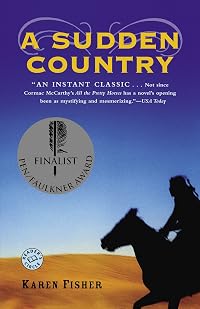
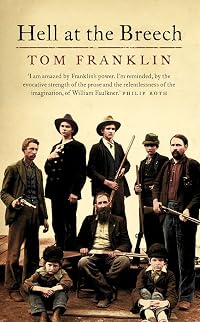
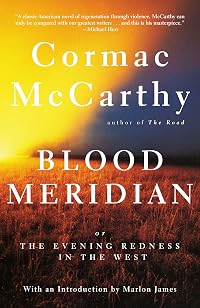
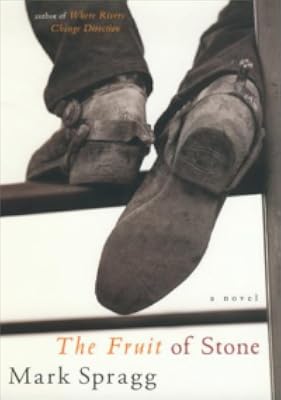
Member Recommendations
Member Reviews
A powerful, sometimes brutal, historical novel with a setting unlike any I've encountered before. In the early 19th century, the Republic of Indian Stream was an unrecognized state along the section of the border that divides the current Canadian province of Quebec from the U.S. State of New Hampshire. It existed for a mere 3 years, but had its own elected government and constitution. It resulted from an ambiguity in the 1783 Treaty of Paris, which left a chunk of territory in limbo, claimed by both New Hampshire and Lower Canada. The dispute was not fully resolved between the US and Canada until the signing of the Webster-Ashburton Treaty in 1842. An actual historical skirmish involving a British magistrate, a group of "Streamers", and show more eventually the New Hampshire militia, is recounted in Lent's truly excellent story-telling style. Lost Nation is, however, primarily a classic tale of one man's self-destruction, and one woman's triumph over circumstances seemingly beyond her control. It's an intense, violent, unsparingly realistic portrayal of life on the fringes of civilization, a tragedy somewhat reminiscent of Cormac McCarthy at his most graphic. Undoubtedly a great novel, but not for everyone. show less
At first, I didn't know if I could read this because it was brutal, but I found that I couldn't put it down. Then the characters blossomed into such complex humans that it wasn't just the plot that carried me forward. The world he created was fully visible to me, beautiful and dangerous and awful and wondrous. It was about trust and loyalty and the choices that assumptions led to, and their consequences falling like dominoes.
I loved the first two novels I had read by Jeffrey Lent and was looking forward to this one, too. It certainly did not disappoint! It's one of those books that I almost hated to have end. As soon as I finished it, I downloaded the rest of Lent's works to my kindle. He has become one of my favorite authors.
Lost Nation is set in a territory between New Hampshire and Canada in the early 19th century--a territory claimed by both nations. The novel begins with a mysterious man named Blood guiding an ox-driven cart full of merchandise (most notably rum and lead). He's looking for a place to settle, a likely place where he can set up a tavern and live a quiet life. His other piece of merchandise is Sally, a fifteen-year old prostitute that he show more bought after winning at cards. Even though Sally knows what her job at the tavern will be, she is optimistic, and both she and Blood believe that her life will be better than anything she has known before. Blood chooses a northern community that has been settled by both French Canadians and Americans. His business ventures do well, and he becomes accepted by his neighbors as an honest and thoughtful, if somewhat enigmatic, overly-cautious man. But these are troubling times, and as much as Blood wants to stay removed from political conflicts, he feels obliged to tell the truth and to help his neighbors--and these good intentions eventually get him into trouble. Of course, the reader (and everyone in the story) suspect that Blood has secrets in his past, secrets that he is running from, and when we learn of them, they are heartbreaking--as is Blood's inability to shrug off his guilt.
As usual, Lent's writing is beautiful, his plot stunning, and his characters unique and memorable. Blood seems like a hard man initially, but even as he exploits Sally, he develops a relationship with her that shows his deep sense of responsibility; their friendship, tinged with mistrust, is one of the best aspects of the novel. I loved the realistic portrayal of the hard life these New England settlers lived, and I learned a lot about the history of the period, especially the conflicts between the Americans and the Canadians, British, and Native Americans. The conclusion at first seems surprising, then feels both inevitable and right. In short, I loved this book! show less
Lost Nation is set in a territory between New Hampshire and Canada in the early 19th century--a territory claimed by both nations. The novel begins with a mysterious man named Blood guiding an ox-driven cart full of merchandise (most notably rum and lead). He's looking for a place to settle, a likely place where he can set up a tavern and live a quiet life. His other piece of merchandise is Sally, a fifteen-year old prostitute that he show more bought after winning at cards. Even though Sally knows what her job at the tavern will be, she is optimistic, and both she and Blood believe that her life will be better than anything she has known before. Blood chooses a northern community that has been settled by both French Canadians and Americans. His business ventures do well, and he becomes accepted by his neighbors as an honest and thoughtful, if somewhat enigmatic, overly-cautious man. But these are troubling times, and as much as Blood wants to stay removed from political conflicts, he feels obliged to tell the truth and to help his neighbors--and these good intentions eventually get him into trouble. Of course, the reader (and everyone in the story) suspect that Blood has secrets in his past, secrets that he is running from, and when we learn of them, they are heartbreaking--as is Blood's inability to shrug off his guilt.
As usual, Lent's writing is beautiful, his plot stunning, and his characters unique and memorable. Blood seems like a hard man initially, but even as he exploits Sally, he develops a relationship with her that shows his deep sense of responsibility; their friendship, tinged with mistrust, is one of the best aspects of the novel. I loved the realistic portrayal of the hard life these New England settlers lived, and I learned a lot about the history of the period, especially the conflicts between the Americans and the Canadians, British, and Native Americans. The conclusion at first seems surprising, then feels both inevitable and right. In short, I loved this book! show less
One begins to see a pattern in Jeffrey Lent. Prior to "Lost Nation," he brought out a masterpiece, "In the Fall." Each of these is an epic multi-generational drama ("Lost Nation" deals with subsequent generations only in a postlude), each concerns itself with violent men in warlike, bloody activity, and each portrays men who have eroded themselves, ruined themselves with ancient guilt.
"Lost Nation" refers not only to a territory in the far north of New Hampshire which is orphaned between the U.S. and Canada in the early 19th century, but more importantly to the life which our protaganist, named Blood, has lost, or rather, has avoided living. We find Blood, this fugitive from his own life, and the young and clever whore Sally, newly show more arriving in the Indian Streams area of New Hampshire. He is running from a version of himself with which he cannot live. It's tragic, in the strictest classical definition, what the delusional Blood believes of himself. His undying effort to leave his past behind is the energy behind the narrative. But in the thematic words of the untutored Sally, "It's the big lies that aren't worth it."
Lent informs his language deeply with the primitive country, the backwardness, the courage, and the brutality of the early backwoods trappers and settlers. The laconic speech of his characters, the unadorned descriptions of nature, livestock, and wild animals, the straightforward portayal of murder, betrayal, and butchery - this plain approach to the telling paradoxically elevates the narrative by just letting it do its monumental job. And it is a monumental job. I don't think Lent ever will want to write of small or subtle issues, or if he does, I'm sure his language will be adapted to the job. I think the world of this writer.
Something I found myself considering: what are the demands of blood? It requires vengeance where needed, loyalty of family always, an outlet when riled, and always a full reckoning. Blood the character insists on excoriating himself on the basis of his family history. When he discovers that his sons have found him, it's too late. He's too much at odds with the world - he has no route to reconciliation, even if he does imagine how it might be. It looks to me like Mr. Lent wanted to consider how blind and wasteful such an emotional approach to life can be. And since it's Jeffrey Lent, we get gorgeous language and unforgettable characters, acting on an epic stage.
Get ready for watershed events in lives that are a struggle. Men and women strive against nature, hostile natives, each other, but most notably themselves. Lent sees clearly into the nature of things, here as elsewhere. This is his great strength - that and the skill to set it down and take the lucky reader on very, very memorable journeys. Don't waste time; if you haven't taken this one up, don't delay! show less
"Lost Nation" refers not only to a territory in the far north of New Hampshire which is orphaned between the U.S. and Canada in the early 19th century, but more importantly to the life which our protaganist, named Blood, has lost, or rather, has avoided living. We find Blood, this fugitive from his own life, and the young and clever whore Sally, newly show more arriving in the Indian Streams area of New Hampshire. He is running from a version of himself with which he cannot live. It's tragic, in the strictest classical definition, what the delusional Blood believes of himself. His undying effort to leave his past behind is the energy behind the narrative. But in the thematic words of the untutored Sally, "It's the big lies that aren't worth it."
Lent informs his language deeply with the primitive country, the backwardness, the courage, and the brutality of the early backwoods trappers and settlers. The laconic speech of his characters, the unadorned descriptions of nature, livestock, and wild animals, the straightforward portayal of murder, betrayal, and butchery - this plain approach to the telling paradoxically elevates the narrative by just letting it do its monumental job. And it is a monumental job. I don't think Lent ever will want to write of small or subtle issues, or if he does, I'm sure his language will be adapted to the job. I think the world of this writer.
Something I found myself considering: what are the demands of blood? It requires vengeance where needed, loyalty of family always, an outlet when riled, and always a full reckoning. Blood the character insists on excoriating himself on the basis of his family history. When he discovers that his sons have found him, it's too late. He's too much at odds with the world - he has no route to reconciliation, even if he does imagine how it might be. It looks to me like Mr. Lent wanted to consider how blind and wasteful such an emotional approach to life can be. And since it's Jeffrey Lent, we get gorgeous language and unforgettable characters, acting on an epic stage.
Get ready for watershed events in lives that are a struggle. Men and women strive against nature, hostile natives, each other, but most notably themselves. Lent sees clearly into the nature of things, here as elsewhere. This is his great strength - that and the skill to set it down and take the lucky reader on very, very memorable journeys. Don't waste time; if you haven't taken this one up, don't delay! show less
We are a nation of people trying to escape yesterday. We move from the city to the suburbs and then, if we have any remaining energy, to the country. We need to “get away from it allâÂ? and by uprooting ourselves in one place, then replanting in another, we truly believe we can leave âÂÂitâÂ? all behind.
Despite the shiny convenience of planes, trains and automobiles, weâÂÂre really no different than our great-great-great-great-grandfathers, the men who slipped west into the tangled wilderness, yearning to make their destiny manifest. They may have moved along at a comparable snailâÂÂs pace with their oxen and heavy mud-mired carts and been in constant need of a bath, but they were just like the show more modern overstressed soul who moves from Manhattan to Montana, hungrily gulping for fresh air and praying for the solace of open spaces.
Jeffrey Lent has written a novel set in 1838 whose characters are strikingly similar to todayâÂÂs man in the mirror. Lost Nation is literature for our own floundering, dissatisfied country. Each of us can find a piece of our soul on these pages.
Its main character is a middle-aged man named Blood, who is not only loaded down with the baggage of a name that carries Christ-like weight, but heâÂÂs also burdened with the memory of one afternoonâÂÂs tragedy: his wife and son were killed in a boating accident while he was in the city sleeping with a prostitute. This and an even darker secret are enough to drive him into the wilderness of New Hampshire, to a place which today is most likely paved with parking lots and billboards for 79-cent hamburgers.
This was the Wild West of the 1830s, territory (spiritual and literal) instantly familiar to readers of James Fenimore Cooper. Lent (author of the acclaimed Civil War era novel In the Fall) treads deeply in Deerslayer footsteps here in Lost Nation. We wouldnâÂÂt be surprised to see Natty Bumppo or Chingachgook spring from behind a tree at any moment.
As the novel opens, Blood is walking along a road (thereâÂÂs always the temptation to say âÂÂBlood is runningâ¦âÂ?), accompanied by a sixteen-year-old prostitute named Sally. Blood has bought Sally from her mother, another whore he has known for years. Sally is bound like a captive as she walks along with Blood, but the two soon form a friendship which will eventually warm to something resembling romance.
Yet, itâÂÂs hard to recognize any sort of romance beneath the grimy lives these characters leadâÂÂlives full of passionless sex, sudden violence, festering wounds, marauding Indians and mob justice. Blood and Sally eventually settle in the small community of Indian Stream where the men are shifty-eyed and the women are hard-hearted.
Blood sets up a tavern and soon heâÂÂs pouring rum in the front room while Sally is turning tricks in the back. All the while, he maintains a cautious airâÂÂdistrusting the future and haunted by his past.
He has every right to be on edge. This is a scary nation whose central authority is so far distantâÂÂWashington, D.C.âÂÂthat it might as well be the moon. Settlers in this wilderness take the law into their own dirt-stained hands since the nearest sheriff is a several-daysâ ride away. Tension shivers the land like the wind flutters the leaves on a tree.
As one fur trader tells Blood, âÂÂItâÂÂs a rough country up there. There idnâÂÂt no law but enough people so thereâÂÂs problems. So mostly they solve their own. ThereâÂÂs all kinds but each oneâÂÂs ill-disposed to somebody they donâÂÂt know. They might be glad to see your goods but that donâÂÂt mean theyâÂÂll welcome you.âÂ?
The action of the novel moves forward like falling dominoes, one eventâÂÂan accidental shooting of an IndianâÂÂtriggers larger and graver events. At the center of it all, stands Blood who, if we think about it too hard, is really a despicable character. He whores, he adulterates, he kills, he supplies unstable men with rum, he stands idle as riot breaks out. Yet, we are sympathetic to his plight. Lent has made Blood a man who holds sway over the reader. He drives himself on a quest for redemption and weâÂÂre pulled right along, sucked into the wake of his self-loathing.
Lent has not set out to write merely a ripping yarn or a 19th-century potboiler. His aim is much higher and broader: he wants to write an epic morality taleâÂÂmore Dostoevsky than Cooper. If you close one eye and squint with the other, itâÂÂs possible to see Cormac McCarthy on the page, too.
This is grand, gritty, gory writing which feels like itâÂÂs arm-wrestling the words into place. LentâÂÂs prose is alternately lean and obese. Even while cleaving to a McCarthyesque directness, Lost Nation can stray into some long, swollen sentences which would have made Fenimore Cooper blanch. In his weaker moments, Lent sometimes feels compelled to state the obvious, rather than holding back to let the meaning hover just below the words.
DonâÂÂt get me wrong: there are some fine sentences in here. The country was teeming with gathering madness is one nice, compact string of words. And there are some longer ones where the space between the first letter and the last period is packed tight as too much powder down the mouth of a cannon:
The air moved but slightly and they could smell smoke upon it, not the faint autumnal scent of burning that sunlight stirred from dying leaves but a keen series of twisted ropes of smoke, those smells not the clear sweetness of burning wood but the bitter rank odor of houses burning, barnsâÂÂof clothing, foodstuffs, furniture shellacs and varnishes, feather-bed tickings, harness leather, the dense scent of burning fodder, of haystacks, of meal or cornâÂÂthe burning of human works.
In spite of the occasional lumbering, burdensome sentence, Lost Nation builds to a literally explosive climax, a stand-off between Blood and a mob of his neighbors which takes on the proportions of a bloody fifth-act scene from Shakespeare.
In the end, when all is said and done and the corpses have cooled, Lost Nation serves as a cautionary tale for the restless, haunted Blood in all of us. We can fool ourselves into thinking weâÂÂve escaped to pastoral FenimoreCooperLand (Next Exit, 2 miles), but there will come the day when past misdeeds creep up behind us on soft moccasin feet and cleave our skull with the sharp edge of accountability.
Lost Nation reminds us that even today our lives can be dark as forests and tangled with undergrowth. show less
Despite the shiny convenience of planes, trains and automobiles, weâÂÂre really no different than our great-great-great-great-grandfathers, the men who slipped west into the tangled wilderness, yearning to make their destiny manifest. They may have moved along at a comparable snailâÂÂs pace with their oxen and heavy mud-mired carts and been in constant need of a bath, but they were just like the show more modern overstressed soul who moves from Manhattan to Montana, hungrily gulping for fresh air and praying for the solace of open spaces.
Jeffrey Lent has written a novel set in 1838 whose characters are strikingly similar to todayâÂÂs man in the mirror. Lost Nation is literature for our own floundering, dissatisfied country. Each of us can find a piece of our soul on these pages.
Its main character is a middle-aged man named Blood, who is not only loaded down with the baggage of a name that carries Christ-like weight, but heâÂÂs also burdened with the memory of one afternoonâÂÂs tragedy: his wife and son were killed in a boating accident while he was in the city sleeping with a prostitute. This and an even darker secret are enough to drive him into the wilderness of New Hampshire, to a place which today is most likely paved with parking lots and billboards for 79-cent hamburgers.
This was the Wild West of the 1830s, territory (spiritual and literal) instantly familiar to readers of James Fenimore Cooper. Lent (author of the acclaimed Civil War era novel In the Fall) treads deeply in Deerslayer footsteps here in Lost Nation. We wouldnâÂÂt be surprised to see Natty Bumppo or Chingachgook spring from behind a tree at any moment.
As the novel opens, Blood is walking along a road (thereâÂÂs always the temptation to say âÂÂBlood is runningâ¦âÂ?), accompanied by a sixteen-year-old prostitute named Sally. Blood has bought Sally from her mother, another whore he has known for years. Sally is bound like a captive as she walks along with Blood, but the two soon form a friendship which will eventually warm to something resembling romance.
Yet, itâÂÂs hard to recognize any sort of romance beneath the grimy lives these characters leadâÂÂlives full of passionless sex, sudden violence, festering wounds, marauding Indians and mob justice. Blood and Sally eventually settle in the small community of Indian Stream where the men are shifty-eyed and the women are hard-hearted.
Blood sets up a tavern and soon heâÂÂs pouring rum in the front room while Sally is turning tricks in the back. All the while, he maintains a cautious airâÂÂdistrusting the future and haunted by his past.
He has every right to be on edge. This is a scary nation whose central authority is so far distantâÂÂWashington, D.C.âÂÂthat it might as well be the moon. Settlers in this wilderness take the law into their own dirt-stained hands since the nearest sheriff is a several-daysâ ride away. Tension shivers the land like the wind flutters the leaves on a tree.
As one fur trader tells Blood, âÂÂItâÂÂs a rough country up there. There idnâÂÂt no law but enough people so thereâÂÂs problems. So mostly they solve their own. ThereâÂÂs all kinds but each oneâÂÂs ill-disposed to somebody they donâÂÂt know. They might be glad to see your goods but that donâÂÂt mean theyâÂÂll welcome you.âÂ?
The action of the novel moves forward like falling dominoes, one eventâÂÂan accidental shooting of an IndianâÂÂtriggers larger and graver events. At the center of it all, stands Blood who, if we think about it too hard, is really a despicable character. He whores, he adulterates, he kills, he supplies unstable men with rum, he stands idle as riot breaks out. Yet, we are sympathetic to his plight. Lent has made Blood a man who holds sway over the reader. He drives himself on a quest for redemption and weâÂÂre pulled right along, sucked into the wake of his self-loathing.
Lent has not set out to write merely a ripping yarn or a 19th-century potboiler. His aim is much higher and broader: he wants to write an epic morality taleâÂÂmore Dostoevsky than Cooper. If you close one eye and squint with the other, itâÂÂs possible to see Cormac McCarthy on the page, too.
This is grand, gritty, gory writing which feels like itâÂÂs arm-wrestling the words into place. LentâÂÂs prose is alternately lean and obese. Even while cleaving to a McCarthyesque directness, Lost Nation can stray into some long, swollen sentences which would have made Fenimore Cooper blanch. In his weaker moments, Lent sometimes feels compelled to state the obvious, rather than holding back to let the meaning hover just below the words.
DonâÂÂt get me wrong: there are some fine sentences in here. The country was teeming with gathering madness is one nice, compact string of words. And there are some longer ones where the space between the first letter and the last period is packed tight as too much powder down the mouth of a cannon:
The air moved but slightly and they could smell smoke upon it, not the faint autumnal scent of burning that sunlight stirred from dying leaves but a keen series of twisted ropes of smoke, those smells not the clear sweetness of burning wood but the bitter rank odor of houses burning, barnsâÂÂof clothing, foodstuffs, furniture shellacs and varnishes, feather-bed tickings, harness leather, the dense scent of burning fodder, of haystacks, of meal or cornâÂÂthe burning of human works.
In spite of the occasional lumbering, burdensome sentence, Lost Nation builds to a literally explosive climax, a stand-off between Blood and a mob of his neighbors which takes on the proportions of a bloody fifth-act scene from Shakespeare.
In the end, when all is said and done and the corpses have cooled, Lost Nation serves as a cautionary tale for the restless, haunted Blood in all of us. We can fool ourselves into thinking weâÂÂve escaped to pastoral FenimoreCooperLand (Next Exit, 2 miles), but there will come the day when past misdeeds creep up behind us on soft moccasin feet and cleave our skull with the sharp edge of accountability.
Lost Nation reminds us that even today our lives can be dark as forests and tangled with undergrowth. show less
Another excellent novel from Jeffery Lent -- for the life of me, I can't figure out why his novels do not receive more notice. This is the story of a mysterious wanderer, known only as Blood, who shows up in wild country between New Hampshire proper and Canada in the early 1800's. Carrying only a wagon load of rum barrels and a teenage girl won in a card game in a brothel, Blood carves out a tenuous life for himself and Sally amidst trouble from Indians, the New Hampshire authorities, and his own past.
This novel is more plot driven than Lent's gorgeous first, 'In the Fall.' I wasn't as blown away by the prose this time yet still it is quite well-written. You feel the dirt and smoke in your eyes, smell the horse-flesh and the rummy show more breath of the men, the stench of the fur hides, hear the sharp retort of a rifle shot -- very evocative yet really no long descriptive passages. I enjoyed Sally's character - her resilence and maturation -- though not quite sure I understood some of her final actions.
Lent has away of creating an exquisite sense of character and place interwoven with shocking scenes of violence and hearbreak, reminiscent of Cormac McCarthy. I really enjoyed this and will continue to read whatever this unappreciated author writes. Anyone who enjoys McCarthy, Charles Frazier, Jane Smiley, even Faulkner should give this a try. Suberb literary historical fiction set in early America. show less
This novel is more plot driven than Lent's gorgeous first, 'In the Fall.' I wasn't as blown away by the prose this time yet still it is quite well-written. You feel the dirt and smoke in your eyes, smell the horse-flesh and the rummy show more breath of the men, the stench of the fur hides, hear the sharp retort of a rifle shot -- very evocative yet really no long descriptive passages. I enjoyed Sally's character - her resilence and maturation -- though not quite sure I understood some of her final actions.
Lent has away of creating an exquisite sense of character and place interwoven with shocking scenes of violence and hearbreak, reminiscent of Cormac McCarthy. I really enjoyed this and will continue to read whatever this unappreciated author writes. Anyone who enjoys McCarthy, Charles Frazier, Jane Smiley, even Faulkner should give this a try. Suberb literary historical fiction set in early America. show less
This book seemed to mutate as I read. At first, it was about a man, Blood, going into the wilderness with only his dog and a prostitute, Sally, that he won in a poker game. Then it's a story about the same man trying to make a life for himself as a tavern owner in the late 1800s in a territory sandwiched between New Hampshire and Canada and belonging to neither. Then it becomes about this same man running away from a horrible thing he has done in his life. Then, finally, it is about how the man reconciles with his grown children and faces his past. Each of these plot threads could be enough to sustain a whole novel on its own, but somehow in Lost Nation, the author has managed to bring these threads together.
I think thematically, the show more thing that brings all of these disparate threads together is the question of how much agency one has in their own lives to determine how they live, both as to the place and style in which they choose to live as well as what kind of values they want to bring or how they want to interact with other people.
The only portion of this book that I have some disagreement with is the Epilogue. I go back in forth in my mind as to whether I enjoyed the one last glimpse of one of the characters, to learn how it all turned out, or whether this ending took away from the ending, which left the situation on a much more questionable note. However, I also found myself thinking about this Epilogue after I had finished the book, wondering if it was a signal that my focus should have been on a different character the whole time.
I would recommend this book to anyone who enjoys reading about man's interaction with nature and anyone who enjoys historical fiction, as well as anyone who enjoys reading about characters struggling with large philosophical questions. show less
I think thematically, the show more thing that brings all of these disparate threads together is the question of how much agency one has in their own lives to determine how they live, both as to the place and style in which they choose to live as well as what kind of values they want to bring or how they want to interact with other people.
The only portion of this book that I have some disagreement with is the Epilogue. I go back in forth in my mind as to whether I enjoyed the one last glimpse of one of the characters, to learn how it all turned out, or whether this ending took away from the ending, which left the situation on a much more questionable note. However, I also found myself thinking about this Epilogue after I had finished the book, wondering if it was a signal that my focus should have been on a different character the whole time.
I would recommend this book to anyone who enjoys reading about man's interaction with nature and anyone who enjoys historical fiction, as well as anyone who enjoys reading about characters struggling with large philosophical questions. show less
Members
- Recently Added By
Author Information

8+ Works 1,875 Members
Awards and Honors
Notable Lists
Common Knowledge
- Important places
- USA; New Hampshire, USA
- Dedication
- for Elisabeth Schmitz
- First words
- They went on.
- Last words
- (Click to show. Warning: May contain spoilers.)Noontime of a fall day.
(Click to show. Warning: May contain spoilers.)They went on. (Postlude)
Classifications
Statistics
- Members
- 426
- Popularity
- 72,704
- Reviews
- 12
- Rating
- (3.88)
- Languages
- Dutch, English, French, German
- Media
- Paper, Ebook
- ISBNs
- 13
- ASINs
- 6