On This Page
Description
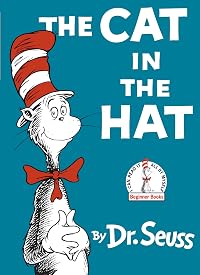
Two children sitting at home on a rainy day are visited by the Cat in the Hat who shows them some tricks and games.Tags
Recommendations

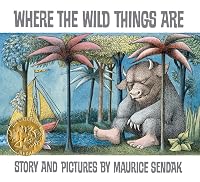
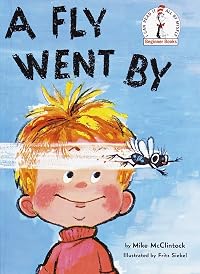
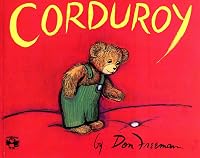
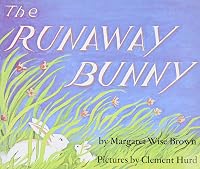
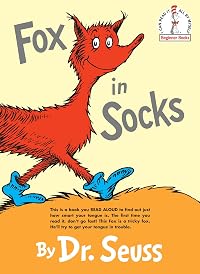
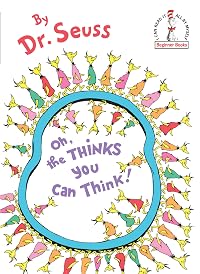

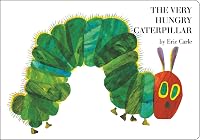
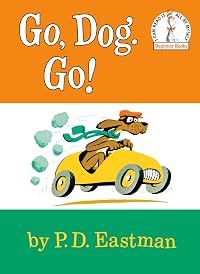
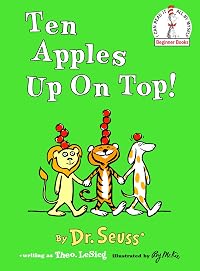
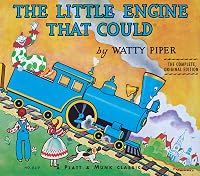
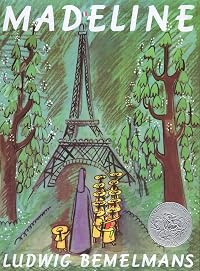
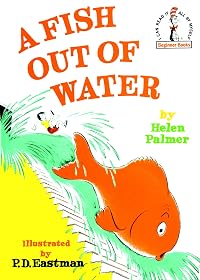
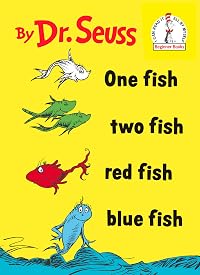
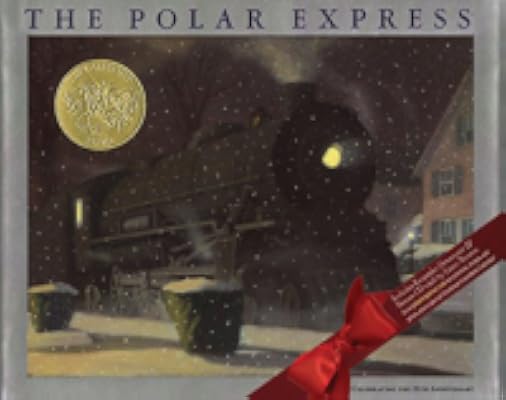
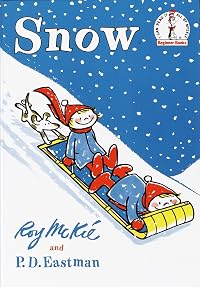
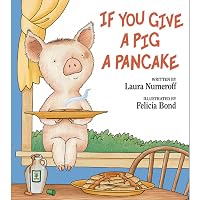

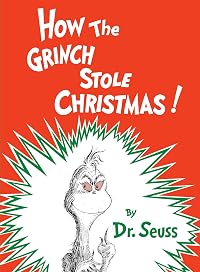


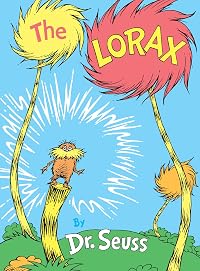
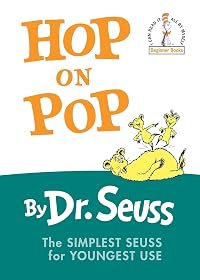
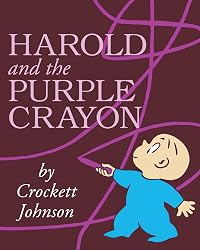
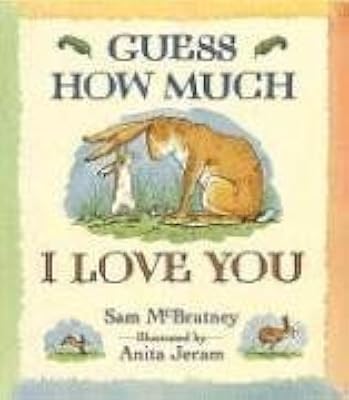

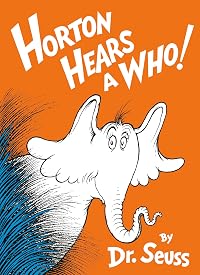
Member Recommendations
anonymous user One Fish Two Fish Red Fish Blue Fish has the same kind of humor as The Cat in the Hat.
raizel Both books deal with children left home alone who endure escalating chaos until everything at last returns to normal.
10
Member Reviews
The Cat in the Hat descends upon two children one rainy day in this classic early reader from Dr. Seuss, setting off a madcap, messy adventure in their home. Despite the narrator and his sister Sally not being particularly keen to host this feline guest, the Cat barges in, determined to share his games with them. The children's fish offers a continual string of objections, but the Cat carries on, even going so far as to set loose his twin terrors - Thing One and Thing Two - who destroy the house. When the Cat finally leaves, and the children's mother is spotted approaching, it looks like there will be trouble, but that irrepressible feline has one last trick up his sleeve...
Originally published in 1957, The Cat in the Hat was Dr. show more Seuss's thirteenth children's book, and the first of his early readers. It works just as well as a read-aloud picture-book for younger children, but is intended for use with beginning readers, and is part of Random House's I Can Read It All By Myself Beginner Books collection, which includes all of the Dr. Seuss and Dr. Seuss-labeled early readers, amongst other titles. This is a book I recall reading many times as a girl, and its text and illustrations are immediately familiar, whenever I pick it up. This particular reread was prompted by my recently begun retrospective of Dr. Seuss's work, in which I will be reading and reviewing forty-four of his classic picture-books, in chronological publication order. This is a project I undertook as an act of personal protest against the suppression of six of the author/artist's titles - And to Think That I Saw It on Mulberry Street, McElligot's Pool, If I Ran the Zoo, Scrambled Eggs Super!, On Beyond Zebra! and The Cat's Quizzer - by Dr. Seuss Enterprises, due to the outdated and potentially offensive elements that they contain. See my review of And to Think That I Saw It on Mulberry Street, to be found HERE, for a fuller exploration of my thoughts on that matter.
Although The Cat in the Hat is not currently one of the books being suppressed through the copyright holder's recent decision to cease publication, readers should note that it may only be a matter of time until it has joined that unfortunate list. Sadly, the censorious impulse - including, and perhaps especially, the self-censorious impulse, of which this recent decision is an example - only gains strength as it is fed, and this particular book has already run afoul of those same critics whose work seems to have informed Dr. Seuss Enterprises' recent action against the artistic and literary legacy that they are meant to be representing. Apparently the argument has been put forward, in such academic titles as Philip Nel's Was the Cat in the Hat Black?: The Hidden Racism of Children's Literature, and the Need for Diverse Books, that the titular Cat in this story is a descendant of the minstrel shows and blackface of earlier generations, and that his actions are a coded reflection of white fears about the disruptive nature of black power. I cannot comment upon Nel's argument, having not yet read the book - something I hope to do in the future - but some of the reviews of it that I have seen, reviews that mention all of the "decoding" done by the critic, in order to arrive at his conclusion, do make me wonder whether the text actually supports that conclusion, or whether the entire argument rests upon the imposition of the critic's own preexisting assumptions upon the text. I hope, at some point, to have an answer to that question, as well as a better understanding of the role of critics like Nel in this recent decision from Dr. Seuss Enterprises. Whatever the final argument put forward in his book, it is not my intention to assert that he can be held directly accountable for this act of censoriousness, simply by virtue of his having made a critique of Dr. Seuss' work. There is a difference, after all, between critique - even harsh critique - and calling for censorship. Of course, if Nel's book does indeed make an argument for suppressing books such as The Cat in the Hat, or if Nel was one of the panel of "experts" Dr. Seuss Enterprises is said to have consulted, then that is a different matter, and some of the blame for this recent episode of cultural vandalism can indeed be laid at his feet.
However that may be, in light of the criticisms leveled against this book, I gave careful attention to the depiction of the Cat during my current reread, curious to see if I would spy some of the problematic aspects, whatever they might be. I cannot deny that there is an element of unease in this story, and that the Cat's role is indeed disruptive. This is something that I recall being conscious of, even as a child reader. Of course, my sense then was more that the Cat was being "naughty," and that the story represented the mischief children get up to, absent parental authority. After all, the narrator and his sister are home alone, very bored, with nowhere to go. Rereading as an adult, having only recently read or reread all of Dr. Seuss' prior children's books, I came to a similar but somewhat expanded conclusion. Namely, that this is a story which offers an interesting and slightly different take on the power of imaginative play, depicted in previous books as wondrous and somehow transformative, even if only temporarily. Here however, we see the potentially destructive, perhaps even dangerous potential of imagination, and the chaos attendant upon following one's impulses. It clearly isn't an accident that the Cat in the Hat arrives when the children's mother is out. He appears to represent a force that is oppositional to familial authority, whose spokesperson in the the story would be the lecturing fish, always reminding the children of what their mother might say or think. It's interesting to note that the chaos and destruction ushered in by the Cat is temporary, and that all is set to rights again, at the close of the book. This suggests nothing so much as the kind of experiments in independence that young people conduct, inching out a bit from the family circle, and then retreating again to its safety. I couldn't say whether this was intentional upon Dr. Seuss's part, but the fact that the book is deliberately aimed at a slightly older child than some of the earlier picture-books, a slightly older child just getting going with their own independent reading, it's tempting to think that the creator is offering them a story about wholly independent play.
Whatever interpretation the reader lands upon, when it comes to the meaning of the story and its creator's intentions, the experience of generations of children confirm that this is an immensely entertaining book. I can only hope that it will not be disappeared by our current climate of censoriousness, and that coming generations will also be able to enjoy its odd, disquieting charm. show less
Originally published in 1957, The Cat in the Hat was Dr. show more Seuss's thirteenth children's book, and the first of his early readers. It works just as well as a read-aloud picture-book for younger children, but is intended for use with beginning readers, and is part of Random House's I Can Read It All By Myself Beginner Books collection, which includes all of the Dr. Seuss and Dr. Seuss-labeled early readers, amongst other titles. This is a book I recall reading many times as a girl, and its text and illustrations are immediately familiar, whenever I pick it up. This particular reread was prompted by my recently begun retrospective of Dr. Seuss's work, in which I will be reading and reviewing forty-four of his classic picture-books, in chronological publication order. This is a project I undertook as an act of personal protest against the suppression of six of the author/artist's titles - And to Think That I Saw It on Mulberry Street, McElligot's Pool, If I Ran the Zoo, Scrambled Eggs Super!, On Beyond Zebra! and The Cat's Quizzer - by Dr. Seuss Enterprises, due to the outdated and potentially offensive elements that they contain. See my review of And to Think That I Saw It on Mulberry Street, to be found HERE, for a fuller exploration of my thoughts on that matter.
Although The Cat in the Hat is not currently one of the books being suppressed through the copyright holder's recent decision to cease publication, readers should note that it may only be a matter of time until it has joined that unfortunate list. Sadly, the censorious impulse - including, and perhaps especially, the self-censorious impulse, of which this recent decision is an example - only gains strength as it is fed, and this particular book has already run afoul of those same critics whose work seems to have informed Dr. Seuss Enterprises' recent action against the artistic and literary legacy that they are meant to be representing. Apparently the argument has been put forward, in such academic titles as Philip Nel's Was the Cat in the Hat Black?: The Hidden Racism of Children's Literature, and the Need for Diverse Books, that the titular Cat in this story is a descendant of the minstrel shows and blackface of earlier generations, and that his actions are a coded reflection of white fears about the disruptive nature of black power. I cannot comment upon Nel's argument, having not yet read the book - something I hope to do in the future - but some of the reviews of it that I have seen, reviews that mention all of the "decoding" done by the critic, in order to arrive at his conclusion, do make me wonder whether the text actually supports that conclusion, or whether the entire argument rests upon the imposition of the critic's own preexisting assumptions upon the text. I hope, at some point, to have an answer to that question, as well as a better understanding of the role of critics like Nel in this recent decision from Dr. Seuss Enterprises. Whatever the final argument put forward in his book, it is not my intention to assert that he can be held directly accountable for this act of censoriousness, simply by virtue of his having made a critique of Dr. Seuss' work. There is a difference, after all, between critique - even harsh critique - and calling for censorship. Of course, if Nel's book does indeed make an argument for suppressing books such as The Cat in the Hat, or if Nel was one of the panel of "experts" Dr. Seuss Enterprises is said to have consulted, then that is a different matter, and some of the blame for this recent episode of cultural vandalism can indeed be laid at his feet.
However that may be, in light of the criticisms leveled against this book, I gave careful attention to the depiction of the Cat during my current reread, curious to see if I would spy some of the problematic aspects, whatever they might be. I cannot deny that there is an element of unease in this story, and that the Cat's role is indeed disruptive. This is something that I recall being conscious of, even as a child reader. Of course, my sense then was more that the Cat was being "naughty," and that the story represented the mischief children get up to, absent parental authority. After all, the narrator and his sister are home alone, very bored, with nowhere to go. Rereading as an adult, having only recently read or reread all of Dr. Seuss' prior children's books, I came to a similar but somewhat expanded conclusion. Namely, that this is a story which offers an interesting and slightly different take on the power of imaginative play, depicted in previous books as wondrous and somehow transformative, even if only temporarily. Here however, we see the potentially destructive, perhaps even dangerous potential of imagination, and the chaos attendant upon following one's impulses. It clearly isn't an accident that the Cat in the Hat arrives when the children's mother is out. He appears to represent a force that is oppositional to familial authority, whose spokesperson in the the story would be the lecturing fish, always reminding the children of what their mother might say or think. It's interesting to note that the chaos and destruction ushered in by the Cat is temporary, and that all is set to rights again, at the close of the book. This suggests nothing so much as the kind of experiments in independence that young people conduct, inching out a bit from the family circle, and then retreating again to its safety. I couldn't say whether this was intentional upon Dr. Seuss's part, but the fact that the book is deliberately aimed at a slightly older child than some of the earlier picture-books, a slightly older child just getting going with their own independent reading, it's tempting to think that the creator is offering them a story about wholly independent play.
Whatever interpretation the reader lands upon, when it comes to the meaning of the story and its creator's intentions, the experience of generations of children confirm that this is an immensely entertaining book. I can only hope that it will not be disappeared by our current climate of censoriousness, and that coming generations will also be able to enjoy its odd, disquieting charm. show less
The Cat in the Hat is a playful story, but it also shows how kids deal with rules, responsibility, and temptation. A main theme is the struggle between fun and self-control. The Cat brings chaos into the house, and the kids have to decide whether to join in or worry about the consequences. They don’t change in a deep way, but they do become more aware of what can happen when things get out of hand.
Dr. Seuss uses rhyme, repetition, and silly language to make the story exciting and easy to follow. The Cat acts almost like a symbol of wild curiosity, while the fish represents caution.
The illustrations are bright and exaggerated, helping the reader feel the growing mess and energy in the house. The pictures also add humor and make the show more chaos clearer. Even though the story is simple, the mix of fast-paced words and bold drawings gives it a lot of life and teaches a gentle lesson about choices. show less
Dr. Seuss uses rhyme, repetition, and silly language to make the story exciting and easy to follow. The Cat acts almost like a symbol of wild curiosity, while the fish represents caution.
The illustrations are bright and exaggerated, helping the reader feel the growing mess and energy in the house. The pictures also add humor and make the show more chaos clearer. Even though the story is simple, the mix of fast-paced words and bold drawings gives it a lot of life and teaches a gentle lesson about choices. show less
When Theodore Geisel came up with his distinctive style of verse in the 1950s, I don't imagine he thought it would be bringing joy to people with dementia half a century later. But surely he would preen just a little if he saw my partner reading this book to her mother, who has advanced Alzheimer's, doing the fish in different voices, and saw the unmitigated delight of her audience. Thrill to the anarchic energy of the cat, mock the prissy moralism of the fish, shake your head in mock seriousness at the ethical dilemma when Mother returns at the end! It's all there, using a minimal vocabulary, repeating the same words in different configurations so no one's powers are being taxed, and bouncing along with enough energy to enliven the show more weariest of brains
Also: https://shawjonathan.wordpress.com/2015/09/01/books-read-to-small-visitors/ show less
Also: https://shawjonathan.wordpress.com/2015/09/01/books-read-to-small-visitors/ show less
The thing is just how unlikeable the cat is--desperate to be the life of the party, living all over you, deaf in one ear at convenient moments, bloodshot eyes and too-loud jokes, fixin to put acid in the punchbowl and set fire to the yard and go "hey maaaan, why you being such a buzzkill?" And when the cops show up he's just "I can't handle this scene, man" and goes all to pieces and you have to deal with it. And he shatters like glass if you say a single unkind word. And if the kids had taken their eyes off his thugs, I mean things, for a moment you know their mother would have come home and found them both killed and eaten.
But then on the other hand there's the fish, who's just a prick and a half. And then you think about the affinity show more the hippies always had for this story and how it was written in 1957 and then it stares you in the face like the nexus of the culture wars--like, the place where the perennial folktale thread of fear that some prancy fuck with subversive morals and filthy drawers will steal our children that goes back to the Pied Piper (and what the hell, Jesus) splits open and becomes full-on sixties/seventies "she's leaving home"/"don't tell mama, don't tell pa"/"let all the children boogie" children-of-the-psychedelic-corn stuff. And you think holy crap, the hippies must have been infuriating, but the only thing worse than a longhair is still the kind of guy who wants to beat a longhair's ass for being a sissy and listen to some goddamn Gene Pitney.
And Dr. Seuss kicked off the game by stealing their children when they were still in diapers. I admire that, but I am also glad in some ways to not have had to negotiate all that mess. Harshes my mellow just thinking about it. show less
But then on the other hand there's the fish, who's just a prick and a half. And then you think about the affinity show more the hippies always had for this story and how it was written in 1957 and then it stares you in the face like the nexus of the culture wars--like, the place where the perennial folktale thread of fear that some prancy fuck with subversive morals and filthy drawers will steal our children that goes back to the Pied Piper (and what the hell, Jesus) splits open and becomes full-on sixties/seventies "she's leaving home"/"don't tell mama, don't tell pa"/"let all the children boogie" children-of-the-psychedelic-corn stuff. And you think holy crap, the hippies must have been infuriating, but the only thing worse than a longhair is still the kind of guy who wants to beat a longhair's ass for being a sissy and listen to some goddamn Gene Pitney.
And Dr. Seuss kicked off the game by stealing their children when they were still in diapers. I admire that, but I am also glad in some ways to not have had to negotiate all that mess. Harshes my mellow just thinking about it. show less
Have to admit, this is a very bizarre book. Its a true blend of signature illustrations and wacky plot. Its funny because if you explain it, it sounds like every parents worst nightmare. That said, I love this book! Cat In the Hat is one of those books that transcends its intended audience and can appeal to pretty much anyone of any age. I smile when I think of the introduction of Thing 1 and 2 and the idea that it was "them" that caused all the problems.
My only complaint would be that, again, the book is definitely bizarre and if you step away from the pictures and REALLY examine the plot, its a bit disturbing (children left alone in the house and a stranger comes in...) However, if you look at it from a child’s point of view, it show more cannot be anything but pure fun.
Chock full of subtle touches, I appreciate the open ending and the hint of the big idea, which asks "would you tell the truth?" show less
My only complaint would be that, again, the book is definitely bizarre and if you step away from the pictures and REALLY examine the plot, its a bit disturbing (children left alone in the house and a stranger comes in...) However, if you look at it from a child’s point of view, it show more cannot be anything but pure fun.
Chock full of subtle touches, I appreciate the open ending and the hint of the big idea, which asks "would you tell the truth?" show less
Dr. Suess' "The Cat in the Hat" is one of the best children's books I have read when it comes to rhyming and word play. The flow of the words from the first page until the last is consistent and keeps the reader engaged. In terms of the story, I think "The Cat in the Hat" is about boredom and the toxic yearning for "more" in life.
The story begins with the children upset that they have nothing fun to do, when suddenly a magical cat that can talk appears and tries to get the kids to have fun. The cat essentially terrorizes the home, and in doing so, represents the toxic side of having too much fun. The overall message that can be taken away from this is that sometimes boredom should be embraced in life and that not everything is about show more having fun. Another takeaway is "Be careful what you wish for, because you might just get it." show less
The story begins with the children upset that they have nothing fun to do, when suddenly a magical cat that can talk appears and tries to get the kids to have fun. The cat essentially terrorizes the home, and in doing so, represents the toxic side of having too much fun. The overall message that can be taken away from this is that sometimes boredom should be embraced in life and that not everything is about show more having fun. Another takeaway is "Be careful what you wish for, because you might just get it." show less
Perfectly captures that mix of excitement and anxiety when things start getting a little too wild at home! Dr. Seuss absolutely nails the mischievous energy that builds when children are stuck inside, and my kids just can't get enough of the Cat's outrageous balancing acts and Thing One and Thing Two's shenanigans - though I'll admit I relate more to that poor worried fish these days! While part of me cringes at the mess the Cat creates (because guess who'd be cleaning that up in real life!), I love how the story teaches responsibility when everything gets cleaned up before Mom comes home, and my kids actually use this as inspiration to tidy their rooms now. The bouncy rhymes make this so much fun to read aloud at bedtime, though my show more little ones have memorized every word and love to chime in - especially the "should we tell her about it?" part at the end, which always leads to giggles and conversations about honesty. show less
Members
- Recently Added By
Lists

Favorite Childhood Books
1,651 works; 519 members

Best children's picture books
377 works; 85 members
1001 Children's Books You Must Read Before You Grow Up
774 works; 101 members

Top-Rated Children's Books
87 works; 16 members

Top-Rated Books on LibraryThing
272 works; 117 members

New York Public Library's Books of the Century
120 works; 20 members

Best Children's Books You've Read
197 works; 75 members

Mensa for Kids Excellence in Reading Award Program (Grades K-3)
64 works; 6 members

Childhood Favorites
427 works; 24 members
my children books reading list-from 100 great books
101 works; 7 members

Favorite Animal Fiction
359 works; 156 members

Picture Book Library
49 works; 7 members

Cats in Fiction
209 works; 9 members

Sonlight Books
1,487 works; 25 members
Honey For a Child's Heart
1,152 works; 25 members

75 Books for Literacy Block: Fall 2016
17 works; 2 members

New York Public Library's Books of the Century - All
170 works; 14 members

CCE 1000 Good Books List
1,033 works; 12 members

Bennett's 30 Great Books Every Preschooler Should Meet
30 works; 3 members

Remarkable Collection Of Children's Poetry
19 works; 1 member

Children's Classics Worth Reading
68 works; 9 members
BitLife
212 works; 4 members
Favorite Picture and Board Books
480 works; 1 member

Books We Loved As Children
603 works; 252 members

Written and Illustrated By
805 works; 1 member

AR Level 2 in cloudLibrary
206 works; 1 member
Favorite Picture Books
479 works; 160 members

Before Austen Comes Aesop
318 works; 9 members

Recommended Reading List
219 works; 1 member

Early Picture Books
467 works; 9 members
1950s
340 works; 22 members

100 books that changed the world
31 works; 2 members
One Book, Many Authors
441 works; 40 members
Animals in the Title
498 works; 11 members
The Joe Rogan Experience Library
254 works; 3 members

Books I've Read More Than Once
602 works; 49 members
Author Information

799+ Works 359,598 Members
Theodor Seuss Geisel was born in Springfield, Massachusetts on March 2, 1904. He wrote and illustrated more than 45 picture books under the pseudonym Dr. Seuss. His first picture book, And to Think That I Saw It on Mulberry Street, was published in 1937. His other books included The Cat in the Hat, The Butter-Battle Book, The Lorax, The Bippolo show more Seed and Other Lost Stories, Fox in Socks: Dr. Seuss's Book of Tongue Tanglers, What Pet Should I Get?, and Oh, the Places You'll Go. In 1984, he received a Pulitzer Prize for his contributions to children's literature. He died of oral cancer on September 24, 1991 at the age of 87. (Bowker Author Biography) show less
Some Editions
Awards and Honors
Awards
Distinctions
Notable Lists
Series

Belongs to Publisher Series
Work Relationships
Is contained in
Has the adaptation
Has as a reference guide/companion
Common Knowledge
- Canonical title
- The Cat in the Hat
- Original publication date
- 1957
- People/Characters
- The Cat in the Hat; Thing One; Thing Two
- Related movies
- The Cat in the Hat (1971 | IMDb); The Cat in the Hat (2003 | IMDb); The Cat in the Hat Knows a Lot About That (2010 | IMDb)
- First words
- The sun did not shine.
It was too wet to play.
So we sat in the house
All that cold, cold, wet day. - Original language
- English
Classifications
- Genres
- Children's Books, Picture Books, Poetry
- DDC/MDS
- 813.54 — Literature & rhetoric American literature in English American fiction in English 1900-1999 1945-1999
- LCC
- PZ8.3 .G276 .C — Language and Literature Fiction and juvenile belles lettres Fiction and juvenile belles lettres Juvenile belles lettres
- BISAC
Statistics
- Members
- 25,339
- Popularity
- 183
- Reviews
- 564
- Rating
- (4.19)
- Languages
- 17 — Afrikaans, Chinese, Danish, Dutch, English, French, German, Hebrew, Italian, Maori, Norwegian (Bokmål), Polish, Portuguese, Russian, Spanish, Swedish, Yiddish
- Media
- Paper, Audiobook, Ebook
- ISBNs
- 166
- UPCs
- 21
- ASINs
- 62