On This Page
Description
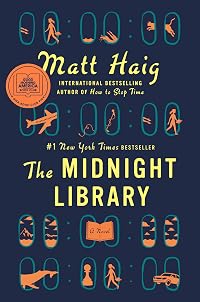
"'Between life and death there is a library, and within that library, the shelves go on forever. Every book provides a chance to try another life you could have lived. To see how things would be if you had made other choices... Would you have done anything different, if you had the chance to undo your regrets?' A dazzling novel about all the choices that go into a life well lived, from the internationally bestselling author of Reasons to Stay Alive and How To Stop Time. Somewhere out beyond show more the edge of the universe there is a library that contains an infinite number of books, each one the story of another reality. One tells the story of your life as it is, along with another book for the other life you could have lived if you had made a different choice at any point in your life. While we all wonder how our lives might have been, what if you had the chance to go to the library and see for yourself? Would any of these other lives truly be better? In The Midnight Library, Matt Haig's enchanting new novel, Nora Seed finds herself faced with this decision. Faced with the possibility of changing her life for a new one, following a different career, undoing old breakups, realizing her dreams of becoming a glaciologist; she must search within herself as she travels through the Midnight Library to decide what is truly fulfilling in life, and what makes it worth living in the first place"-- show lessTags
Recommendations

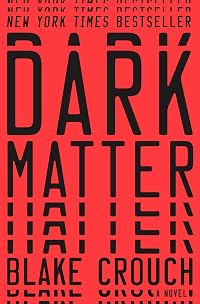
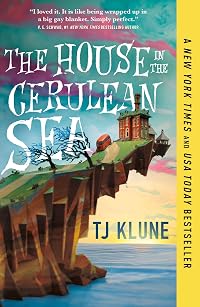

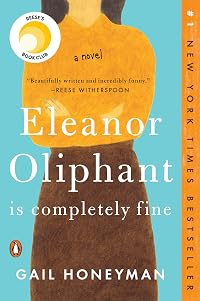
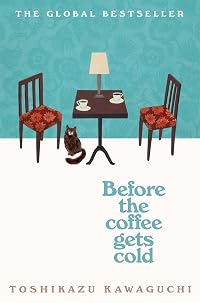


Member Recommendations
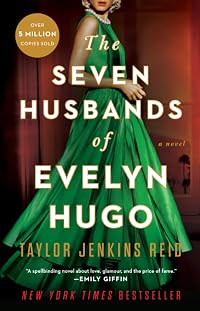
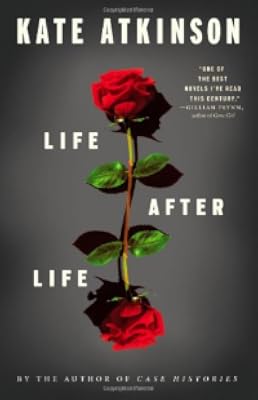
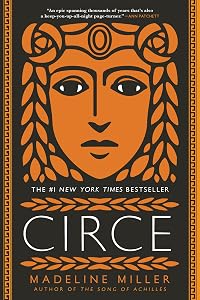
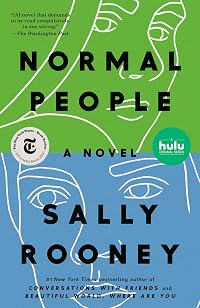
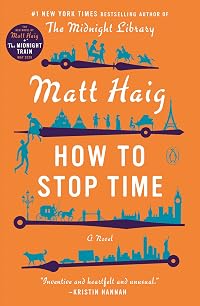
LDVoorberg These two books take different approaches at looking who we are versus how events shape us. Oona lives one life in different times, Nora sees her life at the same moment in different trajectories. Side by side they make for an interesting juxtaposition of our perceptions of our own life.
30

by Othemts
Member Reviews
The Midnight Library by Matt Haig is a powerful story, made more so knowing that Mr. Haig struggles with depression and suicidal thoughts. Because of this, it makes everything Nora feels and believes more convincing.
Based on the synopsis, it would be easy to say that The Midnight Library is an updated version of It's a Wonderful Life. While the main idea might be similar, the two stories are not the same. Nora doesn't see what life would be like without her but gets to experience the many different lives she might have lived. Yes, her choices affect others' lives as well, but unlike Frank Capra's story, her time in the library does not focus on their lives.
The library is all about providing answers to the many what-ifs people ask show more about their lives. It is a brilliant way to show that different life choices do not always make for better lives. Mr. Haig also emphasizes that sometimes the smallest choices have the most profound impact. It is a brilliant way to highlight that there is no way to identify one single past decision as a turning point in your life. This idea then eliminates the need for regrets because it strengthens the argument that we are all making the best choices we can based on the knowledge we have and gut instinct. No decision is correct, and no decision is wrong. Each decision just is.
Knowing Mr. Haig's past, The Midnight Library is an excellent method by which you can get an idea of what it is like to suffer from depression. Every time Nora returns from a potential future, she finds reasons to justify her decision to end her life. It isn't rational. Often there is much evidence to contradict her decision, but sometimes there is no arguing with brain chemistry.
The thing is that you understand why Nora feels so hopeless. Her feelings make sense based on what you know about her life to that point in the story. Mr. Haig makes her decision relatable in a way that can only happen if someone has been in Nora's shoes. That being said, as much as you empathize with Nora and accept her decision, sitting with Nora as she takes the pills and uses the library is not an effortless thing to do. Nora is too raw and too lost to be an easy character to love.
However, because Nora is so depressed for most of the novel, it makes her redemption story much sweeter. In that way, The Midnight Library is a gentle reminder for anyone struggling with depression that what they feel is just their brain telling them lies.
But The Midnight Library is not just for people with depression. It is for all of us and the regrets we obsess about in the middle of the night. Nora's journey reminds us all that there is light at the end of the tunnel, even if you can't see it yet, and you have a bigger influence on people's lives than you know. It is a beautiful message within an impressive story.
Carey Mulligan handles Nora's story with the delicacy it requires. She perfectly captures the entire range of Nora's emotions with her masterful performance. Similarly, she makes it easy to distinguish between the many people with whom Nora engages in her many lives. Ms. Mulligan's voice is pleasant without being soporific and engaging. Her performance made me want to keep listening. I cannot say Ms. Mulligan's performance enhanced the story, but she did make it easier to experience. I recommend this audiobook recording to anyone who is on the fence about listening to it. show less
Based on the synopsis, it would be easy to say that The Midnight Library is an updated version of It's a Wonderful Life. While the main idea might be similar, the two stories are not the same. Nora doesn't see what life would be like without her but gets to experience the many different lives she might have lived. Yes, her choices affect others' lives as well, but unlike Frank Capra's story, her time in the library does not focus on their lives.
The library is all about providing answers to the many what-ifs people ask show more about their lives. It is a brilliant way to show that different life choices do not always make for better lives. Mr. Haig also emphasizes that sometimes the smallest choices have the most profound impact. It is a brilliant way to highlight that there is no way to identify one single past decision as a turning point in your life. This idea then eliminates the need for regrets because it strengthens the argument that we are all making the best choices we can based on the knowledge we have and gut instinct. No decision is correct, and no decision is wrong. Each decision just is.
Knowing Mr. Haig's past, The Midnight Library is an excellent method by which you can get an idea of what it is like to suffer from depression. Every time Nora returns from a potential future, she finds reasons to justify her decision to end her life. It isn't rational. Often there is much evidence to contradict her decision, but sometimes there is no arguing with brain chemistry.
The thing is that you understand why Nora feels so hopeless. Her feelings make sense based on what you know about her life to that point in the story. Mr. Haig makes her decision relatable in a way that can only happen if someone has been in Nora's shoes. That being said, as much as you empathize with Nora and accept her decision, sitting with Nora as she takes the pills and uses the library is not an effortless thing to do. Nora is too raw and too lost to be an easy character to love.
However, because Nora is so depressed for most of the novel, it makes her redemption story much sweeter. In that way, The Midnight Library is a gentle reminder for anyone struggling with depression that what they feel is just their brain telling them lies.
But The Midnight Library is not just for people with depression. It is for all of us and the regrets we obsess about in the middle of the night. Nora's journey reminds us all that there is light at the end of the tunnel, even if you can't see it yet, and you have a bigger influence on people's lives than you know. It is a beautiful message within an impressive story.
Carey Mulligan handles Nora's story with the delicacy it requires. She perfectly captures the entire range of Nora's emotions with her masterful performance. Similarly, she makes it easy to distinguish between the many people with whom Nora engages in her many lives. Ms. Mulligan's voice is pleasant without being soporific and engaging. Her performance made me want to keep listening. I cannot say Ms. Mulligan's performance enhanced the story, but she did make it easier to experience. I recommend this audiobook recording to anyone who is on the fence about listening to it. show less
The premise for this book was irresistible. Who hasn't longed for a "do over"? Our protagonist, Nora, attempts suicide and finds herself half way between life and death, in a library full of books detailing alternate lives she could have lived. Maybe a bit predictable; maybe too improbable -- but somehow it works. This a fantasy that celebrates the ordinary. It deconstructs what we do every day and shows how small decisions create a life. I especially liked the idea of a Book of Regrets and the uplifting message that regrets don't serve anyone.
Short summary:
The story follows Nora, a woman who feels completely overwhelmed by regret and the feeling that her life has gone wrong in every possible way. After attempting to end her life, she finds herself in a mysterious place called the Midnight Library, a space between life and death. In this library, every book represents a different version of the life she could have lived if she had made different choices. With the help of the librarian, Mrs. Elm, Nora begins to explore these alternative lives. She tries lives where she followed different dreams, became successful in various ways, or stayed with people she once loved. Through these experiences, Nora slowly begins to understand that every life carries its own struggles and show more imperfections. Eventually, she realizes that the value of life lies not in finding the perfect version of it, but in choosing to live the one she has.
Review:
I really loved this book.
What stood out to me most is the central idea: the concept of a library containing all the lives you could have lived. It’s such a simple but powerful metaphor for regret. So many people wonder what would have happened if they had made different choices, taken a different path, or stayed with different people. This book explores that feeling in a very creative and thoughtful way. Honestly, I want such a library for myself.
Following Nora through these different versions of her life was fascinating. Some of the lives seem perfect at first, but slowly reveal their own problems and sacrifices. Whether she becomes a famous musician, an Olympic athlete, or a scientist studying glaciers, each life shows that happiness isn’t guaranteed just because a dream comes true. I liked how the book keeps reminding the reader that every life is complicated and that there is no perfect version of reality.
Another thing I really appreciated is how the book talks about mental health. Nora begins the story feeling completely hopeless, convinced that she has wasted her life. The Midnight Library gives her the chance to see her life from a different perspective. Instead of judging herself only by her failures, she starts noticing the ways she has affected others and the possibilities that still exist for her.
The writing itself is very accessible and easy to read, but that doesn’t make the ideas less meaningful. In fact, I think that simplicity helps the message reach the reader more directly. The book discusses regret, depression, purpose, and hope in a way that feels thoughtful without becoming too heavy or complicated.
I really appreciated this book for how relatable it is. Almost everyone has moments where they think about the paths they didn’t take. The Midnight Library turns that universal feeling into an actual place you can explore.
I also liked how the book doesn’t pretend that all problems disappear. Nora’s realization is not that life suddenly becomes easy, but that it is still meaningful and valuable even with its difficulties.
Final Thoughts:
This book is thoughtful, comforting, and hopeful. It explores regret and possibility in a very creative way and reminds the reader that every life contains both joy and struggle. The concept is simple but powerful, and the message stayed with me long after I finished reading it. I truly loved this book. show less
Review:
I really loved this book.
What stood out to me most is the central idea: the concept of a library containing all the lives you could have lived. It’s such a simple but powerful metaphor for regret. So many people wonder what would have happened if they had made different choices, taken a different path, or stayed with different people. This book explores that feeling in a very creative and thoughtful way. Honestly, I want such a library for myself.
Following Nora through these different versions of her life was fascinating. Some of the lives seem perfect at first, but slowly reveal their own problems and sacrifices. Whether she becomes a famous musician, an Olympic athlete, or a scientist studying glaciers, each life shows that happiness isn’t guaranteed just because a dream comes true. I liked how the book keeps reminding the reader that every life is complicated and that there is no perfect version of reality.
Another thing I really appreciated is how the book talks about mental health. Nora begins the story feeling completely hopeless, convinced that she has wasted her life. The Midnight Library gives her the chance to see her life from a different perspective. Instead of judging herself only by her failures, she starts noticing the ways she has affected others and the possibilities that still exist for her.
The writing itself is very accessible and easy to read, but that doesn’t make the ideas less meaningful. In fact, I think that simplicity helps the message reach the reader more directly. The book discusses regret, depression, purpose, and hope in a way that feels thoughtful without becoming too heavy or complicated.
I really appreciated this book for how relatable it is. Almost everyone has moments where they think about the paths they didn’t take. The Midnight Library turns that universal feeling into an actual place you can explore.
I also liked how the book doesn’t pretend that all problems disappear. Nora’s realization is not that life suddenly becomes easy, but that it is still meaningful and valuable even with its difficulties.
Final Thoughts:
This book is thoughtful, comforting, and hopeful. It explores regret and possibility in a very creative way and reminds the reader that every life contains both joy and struggle. The concept is simple but powerful, and the message stayed with me long after I finished reading it. I truly loved this book. show less
Usually I put trigger warnings at the end of reviews, but I want to start this one out with a blatant one. This book is about Suicide. It starts, discusses, and ends with talks of Suicide. There are more than one Suicides happening in this book. If you are at all sensitive to this topic, please read through reviews before starting this book because it's an intensely emotional read.
That being said. If you are deep into suicidal thoughts, depression and such I truly think that you will appreciate this read. You're going to need tissues, but it's worth it. By the time we meet Nora, her regrets and depressive thoughts have eaten away at her. She is leading a very dull life, that she doesn't want to be apart of anymore. The first chapters show more made me so sad for her, and where she was at in life.
She walks us through her deepest regrets, and her reasons for choosing the path she does so elegantly, it's hard not to put myself in her shoes. She knows depression like an old friend, and battles it to keep her head above water. But even with all that despair this book takes you through a journey of self actualization that ends with a beautiful message. Which I don't think is 'just change your attitude, and your depression will be gone' but more along the lines of 'self acceptance, and letting go of regrets'. There is no instant cure for depression, but life is about choices, and we make them with every breath we take.
“The paradox of volcanoes was that they were symbols of destruction but also life. Once the lava slows and cools, it solidifies and then breaks down over time to become soil - rich, fertile soil.
She wasn't a black hole, she decided. She was a volcano. And like a volcano she couldn't run away from herself. She'd have to stay there and tend to that wasteland.
She could plant a forest inside herself.”
― Matt Haig, The Midnight Library
TL;DR - I ABSOLUTELY LOVE THIS BOOK. In all my years of struggling with depression and feeling like the worst possible person, never have I come across a more beautifully written walk through of why to not choose suicide. Normally I am not one of parallel universe theories, but this makes so much sense to me.
I love the use of the 'library' and 'librarian', the fact that she meets others struggling as she is, and how works through all her regrets. Ugh. It is so beautifully done.
The side characters as all well crafted, well meaning friends and family. They are relatable, and I feel like I've met them all in my own life. This book is a must read. show less
That being said. If you are deep into suicidal thoughts, depression and such I truly think that you will appreciate this read. You're going to need tissues, but it's worth it. By the time we meet Nora, her regrets and depressive thoughts have eaten away at her. She is leading a very dull life, that she doesn't want to be apart of anymore. The first chapters show more made me so sad for her, and where she was at in life.
She walks us through her deepest regrets, and her reasons for choosing the path she does so elegantly, it's hard not to put myself in her shoes. She knows depression like an old friend, and battles it to keep her head above water. But even with all that despair this book takes you through a journey of self actualization that ends with a beautiful message. Which I don't think is 'just change your attitude, and your depression will be gone' but more along the lines of 'self acceptance, and letting go of regrets'. There is no instant cure for depression, but life is about choices, and we make them with every breath we take.
“The paradox of volcanoes was that they were symbols of destruction but also life. Once the lava slows and cools, it solidifies and then breaks down over time to become soil - rich, fertile soil.
She wasn't a black hole, she decided. She was a volcano. And like a volcano she couldn't run away from herself. She'd have to stay there and tend to that wasteland.
She could plant a forest inside herself.”
― Matt Haig, The Midnight Library
TL;DR - I ABSOLUTELY LOVE THIS BOOK. In all my years of struggling with depression and feeling like the worst possible person, never have I come across a more beautifully written walk through of why to not choose suicide. Normally I am not one of parallel universe theories, but this makes so much sense to me.
I love the use of the 'library' and 'librarian', the fact that she meets others struggling as she is, and how works through all her regrets. Ugh. It is so beautifully done.
The side characters as all well crafted, well meaning friends and family. They are relatable, and I feel like I've met them all in my own life. This book is a must read. show less
Nora Seeds Leben hätte wahrlich besser verlaufen können, mit 34 ist sie einsam und hat auch noch ihren Job verloren. Eines Abends klingelt es an ihrer Tür, ihre Katze Voltaire wurde überfahren. Wozu nun noch weiterleben? Sie beschließt dem Drama ein Ende zu setzen und findet sich plötzlich in einer Bibliothek wieder, in der die Uhr immer Mitternacht zeigt. Erwartet wird sie dort von Mrs Elm, ihrer ehemaligen Schulbibliothekarin, die erklärt, dass jedes Buch ein anderes mögliches Leben Noras erzählt. Jede Entscheidung führt zu einem anderen Verlauf. Nora befindet sich gerade in der Zwischenwelt und kann ausprobieren, wie ihr Leben ausgesehen hätte, wenn sie einen anderen Weg genommen hätte. Plötzlich können die Träume der show more ehemaligen Schwimmerin und Sängerin doch noch wahr werden.
Matt Haigs „The Midnight Library“ ist ein fantastisches Buch, das aktuell genau jene Flucht vor der Realität erlaubt, die man 2020 verzweifelt sucht. Es ist eine Reise in unterschiedliche Leben, die sich Nora als Kind und Jugendliche erträumte und die nun Realität werden könnten. Ganz unterschiedliche Verläufe darf sie ausprobieren, mal erfolgreiche Musikerin, mal Gletscherforscherin mit lebensbedrohlichem Eisbärenkontakt, mal Mutter – doch jedes Leben hat auch seine Schattenseiten wie sie feststellen muss. Jeder erfüllte Wunsch hat seinen Preis und bald schon merkt sie, dass keines der Leben perfekt ist. Vielleicht kommt eines jedoch dieser Vorstellung recht nahe – vielleicht möchte Nora doch nicht sterben, sondern nur nicht mehr so weiterleben wie bisher. Aber einfach so in ihr altes Leben, dem sie gerade einen Endpunkt verpasst hatte, kann sie nicht.
So reizvoll das Szenario ist, es zeigt Nora doch auch, worauf es im Leben letztlich ankommt und was vielleicht doch gar nicht so wichtig ist. Vor allem nicht so entscheidend, einen Selbstmord zu begehen. Mal heiter-lustig, mal eher nachdenklich gestaltet Haig seine Geschichte und lädt den Leser dazu ein, ebenso wie Nora über verpasste Chancen, aber auch das, was gut gelaufen ist, nachzudenken. show less
Matt Haigs „The Midnight Library“ ist ein fantastisches Buch, das aktuell genau jene Flucht vor der Realität erlaubt, die man 2020 verzweifelt sucht. Es ist eine Reise in unterschiedliche Leben, die sich Nora als Kind und Jugendliche erträumte und die nun Realität werden könnten. Ganz unterschiedliche Verläufe darf sie ausprobieren, mal erfolgreiche Musikerin, mal Gletscherforscherin mit lebensbedrohlichem Eisbärenkontakt, mal Mutter – doch jedes Leben hat auch seine Schattenseiten wie sie feststellen muss. Jeder erfüllte Wunsch hat seinen Preis und bald schon merkt sie, dass keines der Leben perfekt ist. Vielleicht kommt eines jedoch dieser Vorstellung recht nahe – vielleicht möchte Nora doch nicht sterben, sondern nur nicht mehr so weiterleben wie bisher. Aber einfach so in ihr altes Leben, dem sie gerade einen Endpunkt verpasst hatte, kann sie nicht.
So reizvoll das Szenario ist, es zeigt Nora doch auch, worauf es im Leben letztlich ankommt und was vielleicht doch gar nicht so wichtig ist. Vor allem nicht so entscheidend, einen Selbstmord zu begehen. Mal heiter-lustig, mal eher nachdenklich gestaltet Haig seine Geschichte und lädt den Leser dazu ein, ebenso wie Nora über verpasste Chancen, aber auch das, was gut gelaufen ist, nachzudenken. show less
Fantasy is not a genre I read, but the premise of this book appealed to me enough to try it; I often wonder what my life would be like if I'd chosen to do this for a living instead of that, moved there instead of here, managed to find someone who loved me. i was wrapped up in this story from the beginning, and, for me, it became more intriguing and surprising and thought-provoking as it went along. I liked that Nora's selections for possible lives went from the obvious to the sort-of farfetched. I started to get disappointed as the "It's a Wonderful Life" conclusion began, but then I figured, what's wrong with reviewing the effect your core life has on other people, especially if you're not a mean person. I also started thinking about show more reversing the perspective - what would my life have been like if it hadn't been affected by that person, or that person, or that person.
Maybe this story struck a chord with me just because I think my life could have been better if I'd only been more brave, or more certain of what I wanted, or less paralyzed by the fear of making the wrong choice, or ....
But if you're not that kind of person, if you enjoy a confident life, maybe this story won't resonate with you.
A couple of favorite passages:
- Do you ever think "how did I end up here?" Like you are in a maze and totally lost and it's all your fault because you were the one who made every turn? (You can hear the people who made it out of the maze, and they) seem so happy to have made it and you don't resent them, but you do resent yourself for not having their ability to work it all out.
- You can choose choices but not outcomes. ... It was a good choice. It just wasn't a desired outcome.
- Caught in the middle. Struggling, flailing, just trying to survive while not knowing which way to go. Which path to commit to without regret. show less
Maybe this story struck a chord with me just because I think my life could have been better if I'd only been more brave, or more certain of what I wanted, or less paralyzed by the fear of making the wrong choice, or ....
But if you're not that kind of person, if you enjoy a confident life, maybe this story won't resonate with you.
A couple of favorite passages:
- Do you ever think "how did I end up here?" Like you are in a maze and totally lost and it's all your fault because you were the one who made every turn? (You can hear the people who made it out of the maze, and they) seem so happy to have made it and you don't resent them, but you do resent yourself for not having their ability to work it all out.
- You can choose choices but not outcomes. ... It was a good choice. It just wasn't a desired outcome.
- Caught in the middle. Struggling, flailing, just trying to survive while not knowing which way to go. Which path to commit to without regret. show less
"In the Midnight Library you can't take the same book out twice."
Feeling useless and unloved, Nora Seed attempts to end her life through an overdose. Instead she finds herself in a library managed by Mrs. Elm, a school librarian who was kind to Nora in her youth. Mrs. Elm explains that all the books are stories of Nora's life that diverge from different decisions she made during her life. Nora is allowed to experience her life in different universes until she finds one where she is content.
Nora enters a life where she actually married her ex-fiance Dan and they run a country pub, a life where she joined her friend Izzy in Australia, a life in which she remained committed to competitive swimming and became an Olympic medalist, and a life show more where she followed her dream of becoming a glaciologist, among several others. The rules of the library are a bit unfair as Nora is plopped into situations with no memory of the life that got her to this point or even the people she's supposed to know. Even in the most satisfying life, Nora notices negative changes in the lives of people she knows (shades of It's a Wonderful Life) and feels like an imposter.
The ending of this novel is quite predictable, but nevertheless it is an inspiring story of embracing the life one has, and a great take on the multiverse theory. show less
Members
- Recently Added By
Published Reviews
ThingScore 75
If you’ve never pondered life’s contingencies—like what might’ve happened if you’d skipped the party where you met your spouse—then Matt Haig’s novel The Midnight Library will be an eye-opening experience. This gentle but never cloying fable offers us a chance to weigh our regret over missed opportunities against our gratitude for the life we have.... [Haig's] allusions to show more multiverses, string theory and Erwin Schrödinger never detract from the emotional heart of this alluring novel.... Haig brings her story to a conclusion that’s both enlightening and deeply satisfying. show less
added by Lemeritus — edited by LondonLori76
Few fantasies are more enduring than the idea that there might be a second chance at a life already lived, some sort of magical reset in which mistakes can be erased, regrets addressed, choices altered.... The narrative throughout has a slightly old-fashioned feel, like a bedtime story. It’s an absorbing but comfortable read, imaginative in the details if familiar in its outline. The show more invention of the library as the machinery through which different lives can be accessed is sure to please readers and has the advantage of being both magical and factual. Every library is a liminal space; the Midnight Library is different in scale, but not kind. And a vision of limitless possibility, of new roads taken, of new lives lived, of a whole different world available to us somehow, somewhere, might be exactly what’s wanted in these troubled and troubling times. show less
added by Lemeritus — edited by LondonLori76
...“between life and death there is a midnight library,” a library that contains multiple volumes of the lives she could have had if she had made different choices.... Haig’s latest (after the nonfiction collection Notes on a Nervous Planet, 2019) is a stunning contemporary story that explores the choices that make up a life, and the regrets that can stifle it. A compelling novel that show more will resonate with readers. show less
added by Lemeritus — edited by LondonLori76
Lists

Recommend the 20 best books you've read in the last five years
2,168 works; 606 members

Top Five Books of 2020
982 works; 350 members

Top Five Books of 2022
736 works; 272 members

Pleasant Surprises: Books That Exceeded Our Expectations
418 works; 143 members

Top Five Books of 2021
604 works; 181 members

Books Read in 2023
5,547 works; 145 members

2022 Christmas Gifts
60 works; 13 members

Phi Beta Kappa reading list
260 works; 8 members

Books Read in 2022
5,168 works; 114 members

Radio 4 Book at Bedtime
12 works; 1 member

FAB 2020
15 works; 1 member

Speculative Fiction to Read
706 works; 32 members
Booktok Books
69 works; 8 members
Books That Made Us Cry
278 works; 145 members

Books recommended by Calgary Public Library staff
1,588 works; 4 members
Books We Couldn't Put Down
443 works; 197 members

Books Read in 2026
1,942 works; 66 members

Books Read in 2024
4,623 works; 126 members

My Library's Recommended Adult Fiction
13 works; 2 members

Fiction Books Worthy of Reading Again
37 works; 1 member

READ IN 2020
172 works; 1 member

Seeking the Soul
46 works; 1 member

To Read
29 works; 2 members
I couldn't put it down - you have to read this!
2 works; 1 member

KayStJ's to-read list
1,616 works; 11 members

Books Read in 2021
5,361 works; 114 members

el
1,139 works; 1 member
Author Information

42+ Works 34,528 Members
Matt Haig was born on July 3, 1975 in Sheffield. He attended the University of Hull where he studied English and History. He has since become a British novelist and journalist. He has authored both fiction and non-fiction for children and adults. His non-fiction title "Reasons to Stay Alive" became a Sunday Times bestseller. His bestselling show more children's novel, A Boy Called Christmas is now being adapted for film. His other works include: The Last Family in England, The Dead Fathers Club, Shadow Forest, The Possession of Mr. Cave, How to Stop Time and Runaway Troll. (Bowker Author Biography) show less
Some Editions
Awards and Honors
Awards
Distinctions
Notable Lists
Series

Work Relationships
Common Knowledge
- Canonical title
- The Midnight Library
- Original title
- The Midnight Library
- Original publication date
- 2020-08-13
- People/Characters
- Nora Seed; Mrs. Elm; Joe Seed; Izzy Zanella; Dan; Ash (show all 16); Ryan Bailey; Ravi; Hugo Lefevre; Joanna; Neil; Ingrid Skirbekk; Dylan; Eduardo Martinez; Molly; Dr. Ewan Langford
- Important places
- Australia; Bedford, Bedfordshire, England, UK; Cambridge, Cambridgeshire, England, UK; Svalbard, Norway; Sao Paulo, Brazil; Hammersmith, London, England, UK (show all 9); Hazeldene School, Bedford, Bedfordshire, England; Littleworth, Oxfordshire, England, UK; Longyearbyen, Svalbard, Norway
- Epigraph
- I can never be all the people I want and live all the lives I want. I can never train myself in all the skills I want. And why do I want? I want to live and feel all the shades, tones, and variations of mental and physical... (show all) experience possible in my life.
--Sylvia Plath - Dedication
- To all the health workers. And the care workers. Thank you.
- First words
- Nineteen years before she decided to die, Nora Seed sat in the warmth of the small library at Hazeldene School in the town of Bedford.
- Quotations
- She knew she should be experiencing pity and despair for her feline friend – and she was – but she had to acknowledge something else. As she stared at Voltaire's still and peaceful expression – that total absence of pai... (show all)n – there was an inescapable feeling brewing in the darkness. Envy.
The universe tended towards chaos and entropy. That was basic thermodynamics. Maybe it was basic existence too.
Bertrand Russell wrote that ‘To fear love is to fear life, and those who fear life are already three-parts dead'. Maybe that was her problem. Maybe she was just scared of living. But Bertrand Russell had more marriages and ... (show all)affairs than hot dinners, so perhaps he was no one to give advice.
A person was like a city. You couldn't let a few less desirable parts put you off the whole. There may be bits you don't like, a few dodgy side streets and suburbs, but the good stuff makes it worthwhile.
‘Want,' she told her, in a measured tone, ‘is an interesting word. It means lack. Sometimes if we fill that lack with something else the original want disappears entirely. Maybe you have a lack problem rather than a want ... (show all)problem. Maybe there is a life that you really want to live.'
'If you are in a cathedral, you are quiet because you are in a cathedral, not because other people are there. It's the same with a library.'
‘At the beginning of a game, there are no variations. There is only one way to set up a board. There are nine million variations after the first six moves. And after eight moves there are two hundred and eighty-eight billio... (show all)n different positions. And those possibilities keep growing. There are more possible ways to play a game of chess than the amount of atoms in the observable universe. So it gets very messy. And there is no right way to play; there are many ways. In chess, as in life, possibility is the basis of everything. Every hope, every dream, every regret, every moment of living.'
‘We only know what we perceive. Everything we experience is ultimately just our perception of it. “It's not what you look at that matters, it's what you see.”'
You don't have to understand life. You just have to live it
Happy moments can turn into pain, given time. (9%)
And death is the opposite of possibility. (26%)
The only way to learn is to live. (31%)
But amid pure nature... solitude took on a different character. It became in itself a kind of connection. A connection between herself and the world. And between her and herself. (45%)
To be part of nature was to be part of the will to live. (47%)
You can have everything and feel nothing. (60%)
I mean it would have made things a lot easier if we understood that there was no way of living that can immunise you against sadness. And that sadness is intrinsically part of the fabric of happiness. You can't have one witho... (show all)ut the other. (63%)
You don't have to understand life. You just have to live it. (76%)
Love and laughter and fear and pain are universal currencies. (95%)
This wasn't, she realized, the predictable ending. This was the unpredictable beginning. (98%)
In the cosmic order of things, there is no rejection, there is only redirection. - Last words
- (Click to show. Warning: May contain spoilers.)And Nora smiled as she stared at all the pieces she still had left in play, thinking about her next move.
- Blurbers
- Picoult, Jodi
- Original language
- English
- Canonical DDC/MDS
- 823.92
- Canonical LCC
- PR6108.A39
Classifications
Statistics
- Members
- 17,101
- Popularity
- 389
- Reviews
- 648
- Rating
- (3.83)
- Languages
- 23 — Arabic, Czech, Danish, Dutch, English, Estonian, Finnish, French, German, Hungarian, Italian, Korean, Farsi/Persian, Polish, Romanian, Russian, Slovenian, Spanish, Swedish, Turkish, Vietnamese, Portuguese (Portugal), Chinese, traditional
- Media
- Paper, Audiobook, Ebook
- ISBNs
- 83
- ASINs
- 37