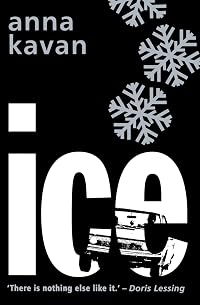
Ice
by Anna Kavan
On This Page
Description
In a frozen, apocalyptic landscape, destruction abounds: great walls of ice overrun the world and secretive governments vie for control. Against this surreal, yet eerily familiar broken world, an unnamed narrator embarks on a hallucinatory quest for a strange and elusive "glass-girl" with silver hair. He crosses icy seas and frozen plains, searching ruined towns and ransacked rooms, all to free her from the grips of a tyrant known only as the warden and save her before the ice closes all show more around. A novel unlike any other, Ice is at once a dystopian adventure shattering the conventions of science fiction, a prescient warning of climate change and totalitarianism, a feminist exploration of violence and trauma, a Kafkaesque literary dreamscape, and a brilliant allegory for its author's struggles with addiction-all crystallized in prose glittering as the piling snow. Kavan's 1967 novel has built a reputation as an extraordinary and innovative work of literature, garnering acclaim from China Mieville, Patti Smith, J. G. Ballard, Anaïs Nin, and Doris Lessing, among others. With echoes of dystopian classics like Ursula Le Guin's The Lathe of Heaven, Kurt Vonnegut's Cat's Cradle, and J. G. Ballard's High Rise, Ice is a necessary and unforgettable addition to the canon of science fiction classics. show lessTags
Recommendations

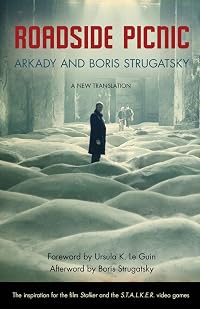
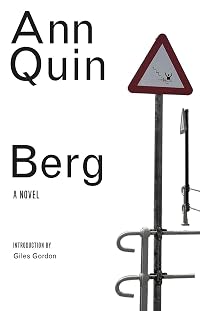
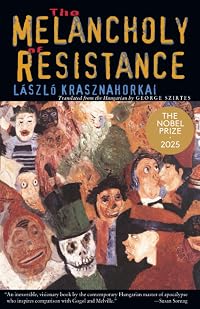


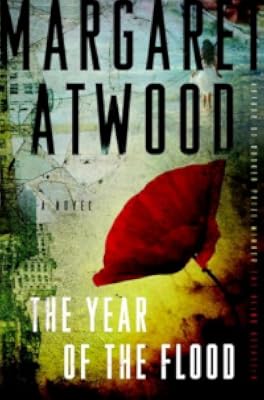





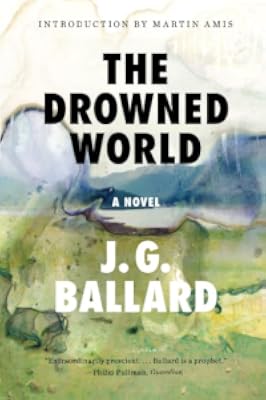

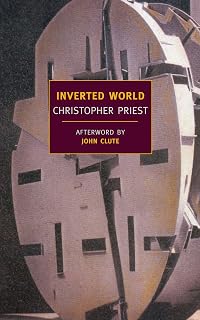
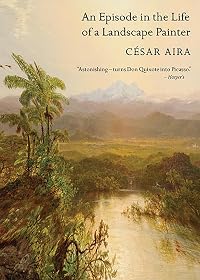
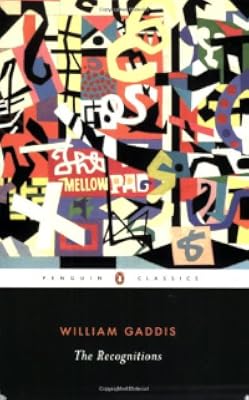
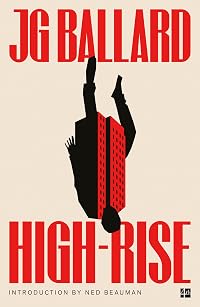
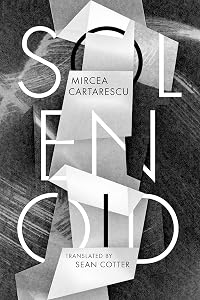
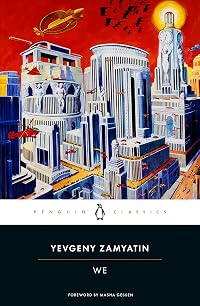

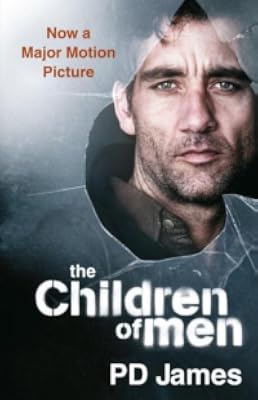

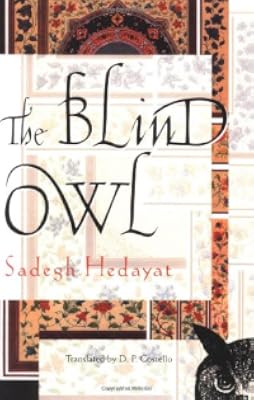
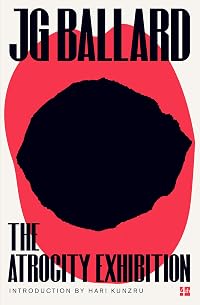

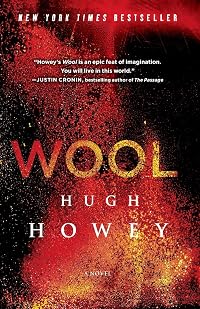



Member Recommendations
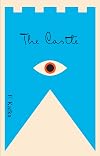

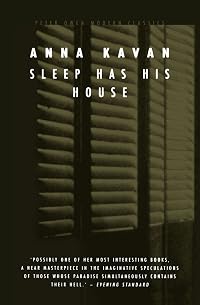
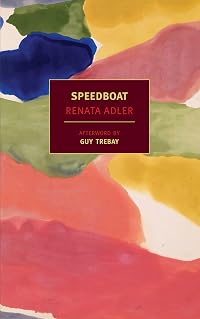
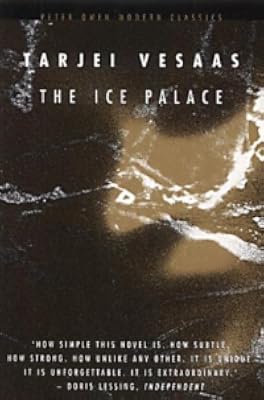
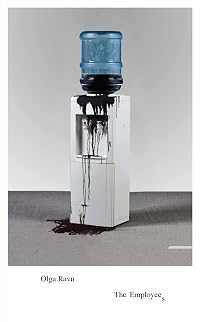
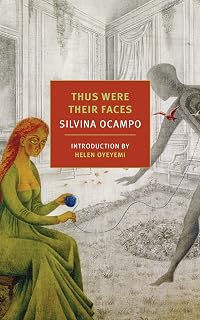
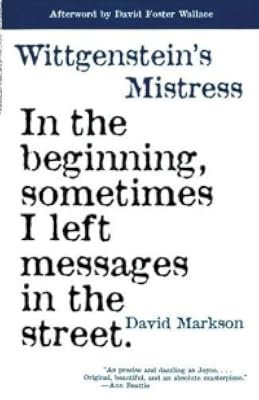
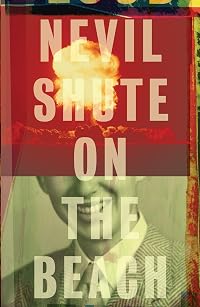
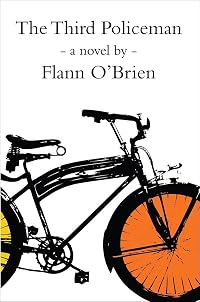
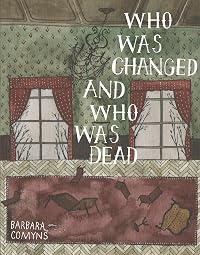
Petroglyph If you appreciate the blend of unpleasant dreamscapes and Kafkaesque totalitarianism in either of these novellas, check out the other.
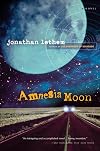
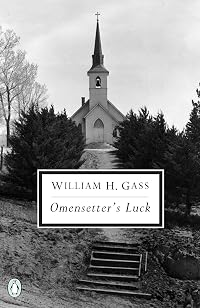
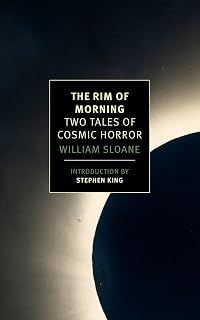
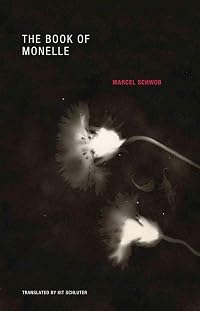
sturlington Kavan was clearly an influence on Lethem.
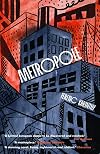
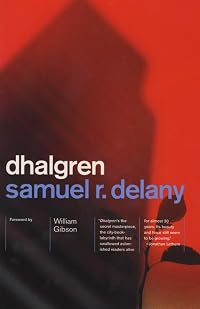
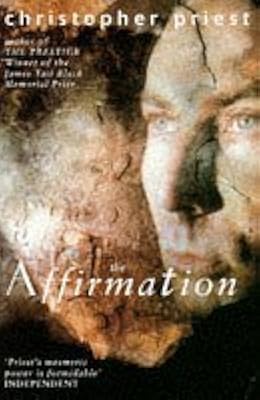
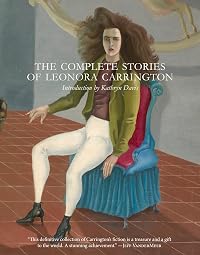
wandering_star Similar surreal/dream-like trapped atmosphere
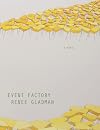
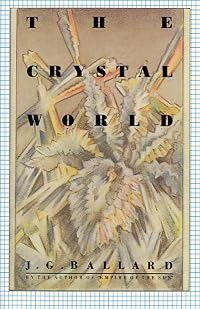
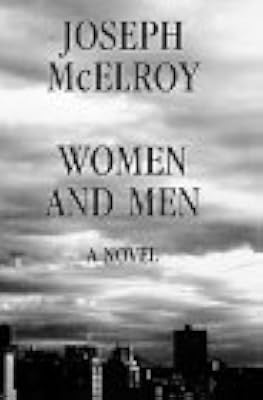
DarthFisticuffs Both books take place in a strange country, in the midst of events that are apocalyptic, mysterious, and opaque to the reader. The books share a similar tone and style, a sense of surrealism/unreality, as well as themes of fear, uncertainty, and seeking within the unfamiliar and confusing setting.
Member Reviews
I didn't know anything about [Ice] before opening its cover and diving it. It is surreal - like an arctic fever dream and yet also has a sort of spy story feel to it. The writing style reminded me of Italo Calvino's [Invisible Cities]. The storyline seems to weave back upon itself, and the same scenario keeps repeating but with differing evolutions. The world is a dystopian one where ice is slowly encasing the planet, and I did love the numerous different ways that Kavan describes the all encompassing cold. But the cold also permeates her characters - I didn't like anyone in this novel, and didn't much enjoy the story, but I kept reading because I wanted to know where it was going. And just when I got to the final pages, and I thought I show more knew where she was going with it all, and I thought it was brilliant...she didn't go there. So disappointing. And slightly maddening.
Originally published in 1967, Kavan's vision of climate change will speak to present day readers. show less
"Instead of my world, there would soon be only ice, snow, stillness, death; no more violence, no war, no victims; nothing but frozen silence, absence of life. The ultimate achievement of mankind would be, not just self-destruction, but the destruction of all life; the transformation of the living world into a dead planet."
Originally published in 1967, Kavan's vision of climate change will speak to present day readers. show less
Other than that time I had open heart surgery in the next-to-last year of the Twentieth Century and, afterwards, in my recovery, was prescribed powerful opioids to manage the impossible throbbing pain from the incision, reading Ice by Anna Kavan is the closest I've ever come to being a junkie. Classic though it is, Junky's got nothing on Ice when it comes to having a vicarious experience of what the long term hallucinatory effects of using heroin must be like upon one's psyche. Sorry, William S. B., you know I still love you.
Ice is a consummate downer. It is major clinical depression — and maybe madness — incarnate, a deep freeze of the mind and spirit that is somehow resurrected as a phoenix ablaze in the preternatural imagination show more of Anna Kavan, who projects her cold conflagration out into the (un)natural world. Ice burns its images, it's searing insanity, into the deepest crevices of your mind — a dry ice novel if there ever was one, as smoke and snowflakes waft a-spiraling from its peculiar pages. But it is a beautiful, brittle, burning world, imagined by Anna Kavan; her physical and psychological chaotic cosmos, an optical illusion, ruined by cold explosions of luminous, fiery ice. My God there are so many different ways you could interpret the unnamed narrator's stark perceptions of her inner and outer worlds. She defines it for us in a line: "Reality had always been something of an unknown quantity to me". I can't help wondering, hearing her take on "reality," if perhaps the "she" narrating the grim journey has dissociated, and the woman she meets early on in the novel at the "fort on the hill" is really a projection of herself rather than a separate individual? In other words, the unnamed "Her" she seeks in the novel could be a simple, but complex (and I suspect ultimately hopeless) search for herself, perhaps? Maybe. Maybe not. Ambiguity reigns in Ice. Interpretations are open-ended. Reality and delusion are so well blended they've become something else entirely, but what? A "hybrid state of being," as an online friend — Zenomax — who was also reading the book at the same time I was, coined it, with an ability to see what most of us cannot — a lucid delusion perhaps?
"Ice had already engulfed the forest, the last ranks of trees were splintering. Her silver hair touched my mouth, she was leaning against me. Then I lost her; my hands could not find her again. A snapped-off tree trunk was dancing high in the sky, hurled up hundreds of feet by the impact of the ice. There was a flash, everything was shaken. My suitcase was lying open, half-packed, on the bed. The windows of my room were still wide open, the curtains streamed into the room. Outside the treetops were streaming. . . ."
What do you make of that? Her voice, the narrator's of Ice, estranged from any recognizable reality I've ever seen, is reminiscent to me of many of the unhinged, anxiety ridden, narrators in Asylum Piece and Other Stories, who weren't so much "mad" I think, as they were erroneously and so often maliciously diagnosed by their "caretakers" or wardens, but more likely lacking the psychological defense mechanisms that protect most "sane" persons from the intensity of their feelings and perceptions over the losses, the griefs, the addictions, and the resultant isolation that are somehow triggered and later magnified whenever they are exposed for any length of time to the simple rawness of the images and sensations produced by the outer "natural" world confining them inside a subzero and cavernous spiritual claustrophobia. A world of mental suffocation, whiteouts, disorientation, "diminishing visibility ... increasing uneasiness" creating such acute panic and paranoia that delusion and hallucinations become the understandably "sanest" refuges for this unreliable narrator in an, if we're to believe her perceptions, incomprehensible, nuclear ruined icescape.
Ice, in a sentence, is a frigid death sentence; it is an abstractionist's vision of a personal post-apocalypse. Ice was Anna Kavan's last fix, a sumptuous suicide note, her frost bitten goodbye.
"...she faced a stupendous sky-conflagration, an incredible glacial dream-scene. Cold coruscations of rainbow fire pulsed overhead, shot through by shafts of pure incandescence thrown out by mountains of solid ice towering all around. Closer, the trees round the house, sheathed in ice, dripped and sparkled with weird prismatic jewels, reflecting the vivid changing cascades above. Instead of the familiar night sky, the aurora borealis formed a blazing, vi-brating roof of intense cold and colour, beneath which the earth was trapped with all its in-habitants, walled in by those impassable glittering ice-cliffs. The world had become an arctic prison from which no escape was possible, all its creatures trapped as securely as were the trees, already lifeless inside their deadly resplendent armour."
Poetic, alliterative passages like the one above, remind me of William Blake. Or is it Samuel Taylor Coleridge's frozen abyss in Kublai Khan I'm reminded of — or maybe both? Some online friends hereabouts have astutely suggested that Ice reminds them of the late reclusive French author, Julien Gracq. Indeed, Ice could be Chateau d'Argol set in Antarctica. show less
Ice is a consummate downer. It is major clinical depression — and maybe madness — incarnate, a deep freeze of the mind and spirit that is somehow resurrected as a phoenix ablaze in the preternatural imagination show more of Anna Kavan, who projects her cold conflagration out into the (un)natural world. Ice burns its images, it's searing insanity, into the deepest crevices of your mind — a dry ice novel if there ever was one, as smoke and snowflakes waft a-spiraling from its peculiar pages. But it is a beautiful, brittle, burning world, imagined by Anna Kavan; her physical and psychological chaotic cosmos, an optical illusion, ruined by cold explosions of luminous, fiery ice. My God there are so many different ways you could interpret the unnamed narrator's stark perceptions of her inner and outer worlds. She defines it for us in a line: "Reality had always been something of an unknown quantity to me". I can't help wondering, hearing her take on "reality," if perhaps the "she" narrating the grim journey has dissociated, and the woman she meets early on in the novel at the "fort on the hill" is really a projection of herself rather than a separate individual? In other words, the unnamed "Her" she seeks in the novel could be a simple, but complex (and I suspect ultimately hopeless) search for herself, perhaps? Maybe. Maybe not. Ambiguity reigns in Ice. Interpretations are open-ended. Reality and delusion are so well blended they've become something else entirely, but what? A "hybrid state of being," as an online friend — Zenomax — who was also reading the book at the same time I was, coined it, with an ability to see what most of us cannot — a lucid delusion perhaps?
"Ice had already engulfed the forest, the last ranks of trees were splintering. Her silver hair touched my mouth, she was leaning against me. Then I lost her; my hands could not find her again. A snapped-off tree trunk was dancing high in the sky, hurled up hundreds of feet by the impact of the ice. There was a flash, everything was shaken. My suitcase was lying open, half-packed, on the bed. The windows of my room were still wide open, the curtains streamed into the room. Outside the treetops were streaming. . . ."
What do you make of that? Her voice, the narrator's of Ice, estranged from any recognizable reality I've ever seen, is reminiscent to me of many of the unhinged, anxiety ridden, narrators in Asylum Piece and Other Stories, who weren't so much "mad" I think, as they were erroneously and so often maliciously diagnosed by their "caretakers" or wardens, but more likely lacking the psychological defense mechanisms that protect most "sane" persons from the intensity of their feelings and perceptions over the losses, the griefs, the addictions, and the resultant isolation that are somehow triggered and later magnified whenever they are exposed for any length of time to the simple rawness of the images and sensations produced by the outer "natural" world confining them inside a subzero and cavernous spiritual claustrophobia. A world of mental suffocation, whiteouts, disorientation, "diminishing visibility ... increasing uneasiness" creating such acute panic and paranoia that delusion and hallucinations become the understandably "sanest" refuges for this unreliable narrator in an, if we're to believe her perceptions, incomprehensible, nuclear ruined icescape.
Ice, in a sentence, is a frigid death sentence; it is an abstractionist's vision of a personal post-apocalypse. Ice was Anna Kavan's last fix, a sumptuous suicide note, her frost bitten goodbye.
"...she faced a stupendous sky-conflagration, an incredible glacial dream-scene. Cold coruscations of rainbow fire pulsed overhead, shot through by shafts of pure incandescence thrown out by mountains of solid ice towering all around. Closer, the trees round the house, sheathed in ice, dripped and sparkled with weird prismatic jewels, reflecting the vivid changing cascades above. Instead of the familiar night sky, the aurora borealis formed a blazing, vi-brating roof of intense cold and colour, beneath which the earth was trapped with all its in-habitants, walled in by those impassable glittering ice-cliffs. The world had become an arctic prison from which no escape was possible, all its creatures trapped as securely as were the trees, already lifeless inside their deadly resplendent armour."
Poetic, alliterative passages like the one above, remind me of William Blake. Or is it Samuel Taylor Coleridge's frozen abyss in Kublai Khan I'm reminded of — or maybe both? Some online friends hereabouts have astutely suggested that Ice reminds them of the late reclusive French author, Julien Gracq. Indeed, Ice could be Chateau d'Argol set in Antarctica. show less
I went into this blind, and the summary is the most misleading thing I've ever read.
Written in first person POV, with an unreliable narrator who is possibly a split personality, and his possible other self is also his biggest rival and her abuser. The object of his obsession is a woman who is constantly being described as a victimized child and inevitably makes you put the narrator in the role of an abuser (split personality or not), thought he views himself as her savior. It's not clear whether the narrator is telling his point of view chronologically.
I hated every minute of this book, possibly because I was blindsided by the blurb. Every page was read with this buzzing feeling of anxiety and dread.
I hated every minute of this book, possibly because I was blindsided by the blurb. Every page was read with this buzzing feeling of anxiety and dread.
I fully expected to love this book, but it actually left me rather cold (sorry 😔). The main character is a narcissistic abuser who repeatedly terrorises the woman who is the object of his obsession, vindictively punishing her when she has the temerity to object.
Yes, it is surreal and has a kaleidoscopically shifting viewpoint in which the characters may actually be aspects of the same fractured personality, but I found it hard to get past the ugliness of the central theme of abusive persecution. Perhaps that was Kavan's intent, to depict the brutality and sterility of abusive relationships. Actually, reflecting on that I'd shift it from 3 to 3.5⭐, but I don't think I'll be wanting to re-read it.
Yes, it is surreal and has a kaleidoscopically shifting viewpoint in which the characters may actually be aspects of the same fractured personality, but I found it hard to get past the ugliness of the central theme of abusive persecution. Perhaps that was Kavan's intent, to depict the brutality and sterility of abusive relationships. Actually, reflecting on that I'd shift it from 3 to 3.5⭐, but I don't think I'll be wanting to re-read it.
Published in 1967, this book tells of a post-apocalyptic dystopian world about to be destroyed by ice, if it is not first destroyed by the ongoing nuclear war. The ice is due to nuclear winter, though parts of the world are still functional. The unnamed protagonist is a man who is looking for his waif-like silver-haired former girlfriend. She is currently under the control of a man called “the warden.” The protagonist travels by ship to many parts of the world to find her, and we find ice encroaching on formerly tropical regions. The girl resists being possessed by either man. Meanwhile, war rages around them. When the protagonist encounters her, she wants nothing to do with him.
“Once again the urgency of the search had reclaimed show more me; I was totally absorbed in that obsessional need, as for a lost, essential portion of my own being. Everything else in the world seemed immaterial.”
The protagonist is definitely an unreliable narrator. In his mind he is the heroic rescuer, but she does not want to be rescued, and is actually quite frightened of him. The prose is atmospheric and conveys a surrealistic dream-like quality. The following provides a sense of the writing style:
“The trees round the house, sheathed in ice, dripped and sparkled with weird prismatic jewels, reflecting the vivid changing cascades above. Instead of the familiar night sky, the aurora borealis formed a blazing, vibrating roof of intense cold and colour, beneath which the earth was trapped with all its inhabitants, walled in by those impassable glittering ice-cliffs. The world had become an arctic prison from which no escape was possible, all its creatures trapped as securely as were the trees, already lifeless inside their deadly resplendent armour.”
The reader will question what is real and what is a dream or hallucination, especially due to sporadic episodes that must be unreal (e.g., a fight with a polar bear and even a dragon sacrifice). Parts of it read as a psychological thriller and a story of oppression. Are the two men the same person?
“It was clear that he regarded her as his property. I considered that she belonged to me. Between the two of us she was reduced to nothing; her only function might have been to link us together. His face wore the look of extreme arrogance which always repelled me. Yet I suddenly felt an indescribable affinity with him, a sort of blood-contact, generating confusion, so that I began to wonder if there were two of us.”
Thematically this book covers a lot of ground, including environmental catastrophe, war, obsession, and the abuser-victim dynamic. This work was originally classified as science fiction, but it transcends the genre and could easily be classified as climate fiction, psychological suspense, speculative fiction, or literary fiction. I found it riveting and intense.
4.5 show less
“Once again the urgency of the search had reclaimed show more me; I was totally absorbed in that obsessional need, as for a lost, essential portion of my own being. Everything else in the world seemed immaterial.”
The protagonist is definitely an unreliable narrator. In his mind he is the heroic rescuer, but she does not want to be rescued, and is actually quite frightened of him. The prose is atmospheric and conveys a surrealistic dream-like quality. The following provides a sense of the writing style:
“The trees round the house, sheathed in ice, dripped and sparkled with weird prismatic jewels, reflecting the vivid changing cascades above. Instead of the familiar night sky, the aurora borealis formed a blazing, vibrating roof of intense cold and colour, beneath which the earth was trapped with all its inhabitants, walled in by those impassable glittering ice-cliffs. The world had become an arctic prison from which no escape was possible, all its creatures trapped as securely as were the trees, already lifeless inside their deadly resplendent armour.”
The reader will question what is real and what is a dream or hallucination, especially due to sporadic episodes that must be unreal (e.g., a fight with a polar bear and even a dragon sacrifice). Parts of it read as a psychological thriller and a story of oppression. Are the two men the same person?
“It was clear that he regarded her as his property. I considered that she belonged to me. Between the two of us she was reduced to nothing; her only function might have been to link us together. His face wore the look of extreme arrogance which always repelled me. Yet I suddenly felt an indescribable affinity with him, a sort of blood-contact, generating confusion, so that I began to wonder if there were two of us.”
Thematically this book covers a lot of ground, including environmental catastrophe, war, obsession, and the abuser-victim dynamic. This work was originally classified as science fiction, but it transcends the genre and could easily be classified as climate fiction, psychological suspense, speculative fiction, or literary fiction. I found it riveting and intense.
4.5 show less
What an incredibly strange and intense book. In the afterword, Kavan is described as like "writing in a mirror". Reading Ice, I think that's true of her own work in relation to herself, but I also think that Ice is open-ended enough for a reader to find themselves in it. For me, reading it on the eve of a very stressful political event, feeling helpless within that moment, as well as things I bring from my personal life made this novel's almost manic, paranoid setting and narrative feel very visceral and immediate. The big question I'm left with is wondering which of the two main characters I feel like I identify with - am I the narrator, always seeking for something that I don't even know if I should want, and seeking despite the show more incredible danger in doing so? Or am I the girl, sought but unknown, afraid and frail but ultimately the locus of power in the narrative? This is my first Kavan book, but I'm very much interested to read more. show less
''Carrying my suitcase, I walked into the town. Silence obtruded itself. Nothing moved. The devastation was even greater than it had seemed from the boat. Not a building intact. Wreckage heaped in blank spaces where houses had been.''
A man is wandering in a land that closely resembles a distorted version of Norway, ravaged by a regime and social unrest. A small part of a world that has frozen and is slowly decaying. The fjords have frozen and the once beautiful nature that surrounds them is now silent. A world where monsters have awaken and every sense of dignity and respect has vanished. But the man of our story cares nothing for it. His sole purpose is to find a girl that has captured his thoughts. A girl with silver hair and eyes the show more colour of the clear sky, guarded by a cruel warden-husband. Through a devastated landscape and torn-down souls, the two characters must overcome violence and their own selves.
''She looked about for the fjord, failed to see it, lost her bearings and at once became really frightened, terrified of being overtaken by night in the dark forest. Fear was the climate she lived in.''
Kavan's story is a twisted, apocalyptic metaphor for the depths of human instincts. Nameless characters in an unnamed country, in a scenery of white, the colour of purity and innocence, covered in ice that has found its way to people's hearts. Kavan creates a world where there is no place for the innocent and the enigmatic girl has to survive assaults, physical and verbal, by the mob. Using the motif of the hero who stands alone against a society that has gone mad, Kavan highlights the isolation of the ''different'', the trap of the futility that lies within every attempt of rebellion. And it is interesting that the main character of her novel doesn't even want to rebel. He simply wants to live. And the girl endures but refuses to break, her soul full of anger, her spirit unbroken.
Kavan writes in a form that keeps you at a distance and rightfully so, in my opinion. This is the kind of story where the reader must become the observer, not the participant. We cannot experience feelings in a world where feeling is absent. Her images have come straight off a Hieronymus Bosch painting and the setting is the Hell of the Norse legends. She uses bits and pieces from the vast folklore and mythology of the region and mixes it with early traces of Science Fiction, while labels like ''Dystopia'' and ''Mystery'' also apply. The prose is beautiful and the dialogue is restricted where absolutely necessary. There are no ''fillers'' in this story. Everything is straight, raw, merciless. The weak fights to live, the seeker doesn't stop, the mob jumps at the chance to destroy. The only thing we have left is dreams. And even these turn into nightmarish hallucinations…
One could use the words ''Kafkaesque'', ''dreamlike'' and so on and so forth... I will use the word ''masterpiece'' without labels.
''For a second she stood still, appalled by the absolute silence and loneliness all around. A new ferocity pervaded the landscape now that night was approaching. She saw the massed armies of forest trees encamped on all sides, the mountain wall above bristling with trees like guns. Below the fjord was an impossible icy volcano erupting the baleful fire of the swallowed sun.
In the deepening dusk every horror could be expected. She was afraid to look, tried not to see the spectral shapes rising from the water.''
My reviews can also be found on https://theopinionatedreaderblog.wordpress.com/ show less
A man is wandering in a land that closely resembles a distorted version of Norway, ravaged by a regime and social unrest. A small part of a world that has frozen and is slowly decaying. The fjords have frozen and the once beautiful nature that surrounds them is now silent. A world where monsters have awaken and every sense of dignity and respect has vanished. But the man of our story cares nothing for it. His sole purpose is to find a girl that has captured his thoughts. A girl with silver hair and eyes the show more colour of the clear sky, guarded by a cruel warden-husband. Through a devastated landscape and torn-down souls, the two characters must overcome violence and their own selves.
''She looked about for the fjord, failed to see it, lost her bearings and at once became really frightened, terrified of being overtaken by night in the dark forest. Fear was the climate she lived in.''
Kavan's story is a twisted, apocalyptic metaphor for the depths of human instincts. Nameless characters in an unnamed country, in a scenery of white, the colour of purity and innocence, covered in ice that has found its way to people's hearts. Kavan creates a world where there is no place for the innocent and the enigmatic girl has to survive assaults, physical and verbal, by the mob. Using the motif of the hero who stands alone against a society that has gone mad, Kavan highlights the isolation of the ''different'', the trap of the futility that lies within every attempt of rebellion. And it is interesting that the main character of her novel doesn't even want to rebel. He simply wants to live. And the girl endures but refuses to break, her soul full of anger, her spirit unbroken.
Kavan writes in a form that keeps you at a distance and rightfully so, in my opinion. This is the kind of story where the reader must become the observer, not the participant. We cannot experience feelings in a world where feeling is absent. Her images have come straight off a Hieronymus Bosch painting and the setting is the Hell of the Norse legends. She uses bits and pieces from the vast folklore and mythology of the region and mixes it with early traces of Science Fiction, while labels like ''Dystopia'' and ''Mystery'' also apply. The prose is beautiful and the dialogue is restricted where absolutely necessary. There are no ''fillers'' in this story. Everything is straight, raw, merciless. The weak fights to live, the seeker doesn't stop, the mob jumps at the chance to destroy. The only thing we have left is dreams. And even these turn into nightmarish hallucinations…
One could use the words ''Kafkaesque'', ''dreamlike'' and so on and so forth... I will use the word ''masterpiece'' without labels.
''For a second she stood still, appalled by the absolute silence and loneliness all around. A new ferocity pervaded the landscape now that night was approaching. She saw the massed armies of forest trees encamped on all sides, the mountain wall above bristling with trees like guns. Below the fjord was an impossible icy volcano erupting the baleful fire of the swallowed sun.
In the deepening dusk every horror could be expected. She was afraid to look, tried not to see the spectral shapes rising from the water.''
My reviews can also be found on https://theopinionatedreaderblog.wordpress.com/ show less
Members
- Recently Added By
Lists

Best Dystopias
280 works; 276 members

Lithub: 50 Great Classic Novels Under 200 pages
50 works; 10 members

Winter Books
127 works; 17 members

Female Protagonist
1,056 works; 57 members

1960s, Best books published therein
254 works; 22 members

Dystopian and Apocalyptic Literature
350 works; 74 members

1960s
281 works; 16 members

SFFKit 2018
14 works; 1 member

Cooper
79 works; 1 member

Books Read in 2022
5,166 works; 114 members

Kirkus Starred Fiction Reviews of Books Published in 2017
412 works; 7 members

Books Read in 2018
4,360 works; 110 members

Slipstream or Interstitial Fiction
160 works; 19 members

Books With Winter Words in the Title
42 works; 6 members
Reading LIst
648 works; 1 member

Favorite Science Fiction
456 works; 218 members
Author Information

30+ Works 3,035 Members
Some Editions
Awards and Honors
Series
Belongs to Publisher Series
Common Knowledge
- Canonical title*
- Het ijs
- Original title
- Ice
- Original publication date
- 1967
- People/Characters
- The man; The girl; The warden
- Important places
- The High House; Scandinavia
- Related movies
- Drug-Taking and the Arts (1994 | IMDb)
- First words
- I was lost, it was already dusk, I had been driving for hours and was practically out of petrol.
- Last words
- (Click to show. Warning: May contain spoilers.)The weight of the gun in my pocket was reassuring.
- Blurbers
- Lessing, Doris; Tallis, Frank; Ballard, J. G.; Aldiss, Brian
- Original language
- English
- Canonical DDC/MDS
- 823.0876222
*Some information comes from Common Knowledge in other languages. Click "Edit" for more information.
Classifications
- Genres
- Fiction and Literature, Science Fiction, General Fiction
- DDC/MDS
- 823.0876222 — Literature & rhetoric English & Old English literatures English fiction By type Genre fiction Adventure fiction Speculative fiction Science fiction Post-apocalypse Environmental apocalypse
- LCC
- PR6009 .D63 .I24 — Language and Literature English English Literature 1900-1960
- BISAC
Statistics
- Members
- 1,561
- Popularity
- 14,622
- Reviews
- 55
- Rating
- (3.76)
- Languages
- 12 — Danish, Dutch, English, French, German, Italian, Japanese, Polish, Spanish, Swedish, Turkish, Portuguese (Portugal)
- Media
- Paper, Audiobook, Ebook
- ISBNs
- 46
- ASINs
- 18