On This Page
Description
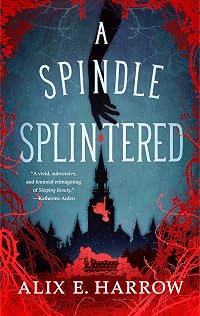
"USA Today bestselling author Alix E. Harrow's A Spindle Splintered brings her patented charm to a new version of a classic story. Featuring Arthur Rackham's original illustrations for The Sleeping Beauty, fractured and reimagined. "A vivid, subversive and feminist reimagining of Sleeping Beauty, where implacable destiny is no match for courage, sisterhood, stubbornness and a good working knowledge of fairy tales." -Katherine Arden. It's Zinnia Gray's twenty-first birthday, which is show more extra-special because it's the last birthday she'll ever have. When she was young, an industrial accident left Zinnia with a rare condition. Not much is known about her illness, just that no-one has lived past twenty-one. Her best friend Charm is intent on making Zinnia's last birthday special with a full sleeping beauty experience, complete with a tower and a spinning wheel. But when Zinnia pricks her finger, something strange and unexpected happens, and she finds herself falling through worlds, with another sleeping beauty, just as desperate to escape her fate"-- show lessTags
Recommendations

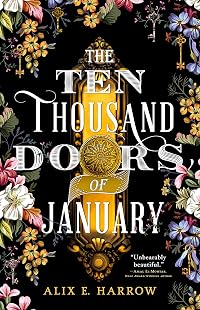
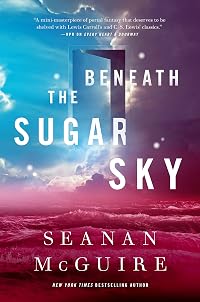
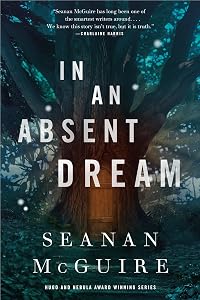
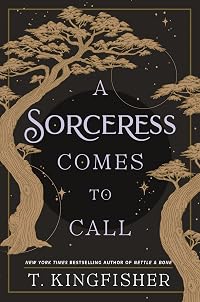









Member Recommendations
by anonymous user
Member Reviews
An Independent 90's Woman take on the Sleeping Beauty fable.
This was more fun than it should have been. When a novel about the subversion of the Sleeping Beauty myth opens by admitting that Sleeping Beauty sucks, you know you're in for a good time. And yeah, my favorite thing about this book was that it explored how every girl was strong, useful and valid just the way she is, rather than needing to teach her how to be "better" by becoming something (or someone) else. The Girl Power-ing here even did for Maleficent what the Angelina Jolie movie tried to do.
My only complaint is that there was a point where the characters travel for a week that is abruptly skipped over (in favor of levity, I guess?) and I would have loved to have seen show more that time period, to witness how the journey solidified their friendship. So I guess my worst criticism of this novella is that I wish it were longer? show less
This was more fun than it should have been. When a novel about the subversion of the Sleeping Beauty myth opens by admitting that Sleeping Beauty sucks, you know you're in for a good time. And yeah, my favorite thing about this book was that it explored how every girl was strong, useful and valid just the way she is, rather than needing to teach her how to be "better" by becoming something (or someone) else. The Girl Power-ing here even did for Maleficent what the Angelina Jolie movie tried to do.
My only complaint is that there was a point where the characters travel for a week that is abruptly skipped over (in favor of levity, I guess?) and I would have loved to have seen show more that time period, to witness how the journey solidified their friendship. So I guess my worst criticism of this novella is that I wish it were longer? show less
A Spindle Splintered, the first novella in the Fractured Fables duology by Alix E. Harrow, is a modern feminist retelling of the Sleeping Beauty fairy tale and a delightful twist on the princess genre.
Due to an industrial accident Zinnia Grey was born with a fatal disease that no one born with lives to see their 22nd birthday. She's also completely obsessed with the Sleeping Beauty fable. So on Zinnia's 21st birthday, Charm (Zin's best friend) throws Zinnia a Sleeping Beauty themed birthday, tall tower and spinning needle included. When they recreate Briar Rose's fateful finger pricking scene as part of the party, Zinnia finds herself transported through worlds to that of another sleeping beauty also desperate to escape her show more fate.
Contrary to the protagonist's assertion that "Only dying girls like Sleeping Beauty", Disney's Sleeping Beauty was my favorite fairy tale growing up. This was long before I discovered just how brutal the fable that inspired the cartoon was. I was absolutely delighted by Alix Harrow's re-imagining. The story is both self-aware and a sweet little romance wrapped in an multi-verse adventure where a couple of women at a similar crossroads in life use their agency to change their fate. The story doesn't shy away from the ugliness of the underlying fable nor what it would be like to live with a fatal disease. Yet it doesn't wallow in it either as the story is balanced out with humor, some pop-culture references, just enough character building and well-paced action that keeps things moving. I'm not sure how Alix Harrow packed all that into such a short number of pages. It makes for a fast, fun and heartwarming read. show less
Due to an industrial accident Zinnia Grey was born with a fatal disease that no one born with lives to see their 22nd birthday. She's also completely obsessed with the Sleeping Beauty fable. So on Zinnia's 21st birthday, Charm (Zin's best friend) throws Zinnia a Sleeping Beauty themed birthday, tall tower and spinning needle included. When they recreate Briar Rose's fateful finger pricking scene as part of the party, Zinnia finds herself transported through worlds to that of another sleeping beauty also desperate to escape her show more fate.
Contrary to the protagonist's assertion that "Only dying girls like Sleeping Beauty", Disney's Sleeping Beauty was my favorite fairy tale growing up. This was long before I discovered just how brutal the fable that inspired the cartoon was. I was absolutely delighted by Alix Harrow's re-imagining. The story is both self-aware and a sweet little romance wrapped in an multi-verse adventure where a couple of women at a similar crossroads in life use their agency to change their fate. The story doesn't shy away from the ugliness of the underlying fable nor what it would be like to live with a fatal disease. Yet it doesn't wallow in it either as the story is balanced out with humor, some pop-culture references, just enough character building and well-paced action that keeps things moving. I'm not sure how Alix Harrow packed all that into such a short number of pages. It makes for a fast, fun and heartwarming read. show less
This retelling of “Sleeping Beauty” not only takes us through a door [one of Harrow’s favorite tropes] into the multiverse, but switches the story around to be a feminist manifesto with a lesbian slant.
Zinnia Gray is twenty-one, and presumably will die soon, having been one of the unfortunate victims of corporate malfeasance from toxic dumping in rural Ohio. No one born with the resulting genetic damage ever made it to age twenty-two, and as the story begins, it is Zinnia’s twenty-first and presumably last birthday.
For her last year, she informs us:
“. . . really I have nothing planned but a finite number of family game nights, during which my parents will stare tenderly at me across the dining room table and I will slowly show more suffocate under the terrible weight of their love.”
Because Zinnia knew she was cursed to die, she identified with the story of "Sleeping Beauty." Starting in childhood when she insisted on Sleeping Beauty character bed sheets, to being a college student majoring in Folk Studies and Anthropology at Ohio University, she has made the story the theme of her life.
Zinnia's best friend “Charm” (short for Charmaine) arranges a 21st Sleeping Beauty themed birthday party for Zinnia replete with a spindle in an old abandoned tower. When Zinnia pricks her finger on it at the stroke of midnight as a joke, suddenly she is thrust into a different universe, waking up in the bedroom of Princess Primrose. Primrose was cursed to prick her own finger on her 21st birthday, which was the day before. She would then fall into a deep sleep for 100 years, unless she was rescued by the kiss of a handsome prince. Since her father the King has had all the spindles destroyed, she has resisted her fate so far, but Primrose knows it is only a matter of time. The only trouble is, Princess Primrose has no desire to be rescued by the pompous Prince Harold or any other prince for that matter - she would prefer a princess, if the truth be told.
Thus Zinnia ends up with a couple of problems to solve: she needs to get back to her own universe, but first she needs to help Primrose escape her curse. She is aided by the fact that she still has some memory left on her smart phone, which improbably still works, and can get assistance from Charm. Zinnia snaps a photo of Primrose to send to Charm, who, also gay like Primrose, is immediately smitten. Added to her devotion to her best friend, Charm has plenty of motivation to work on a solution.
This all may sound over-the-top, but Harrow manages to carry it off. With Zinnia’s sense of irony and self-awareness, she helps convince readers to believe in her and in this story that gets more convoluted by the chapter but also more “charming,” as it were.
One of my favorite passages has Zinnia explaining to Primrose why she would find Zinnia’s world appealing:
“You wouldn’t be a princess anymore, but you’re hot and white and young, so you could be pretty much anything else you wanted.”
As for Zinnia, she discovers that as one moves among universes, “fairy tales are flexible about gender roles.” She also finally figures out what she wants to do with the rest of her life, however long it may be: “I’m just looking for a better once-upon-a-time.”
Discussion: As Harrow has done in her other books, she turns preconceptions upside down with her through-the-door-to-other-worlds perspective and her unblinking honesty in interrogating hard subjects. What happens when you know someone you love is going to die? All too often, others get so focused on their own pain of the impending loss, they either suffocate or alienate the person who actually is the one needing the most care. We also see how perceptions of time between those who are dying and those who aren’t - “every minute has to count” versus “all the time in the world” - are as different as if these people did reside in different universes. And of course, in so many ways, they do. Harrow shows how fairy tales aren’t so unlikely and unfounded, when you universalize them into common human experiences.
Evaluation: I have found all of Harrow's books so far to be entertaining, thought-provoking, and offering fresh enlightened perspectives on a number of subjects. show less
Zinnia Gray is twenty-one, and presumably will die soon, having been one of the unfortunate victims of corporate malfeasance from toxic dumping in rural Ohio. No one born with the resulting genetic damage ever made it to age twenty-two, and as the story begins, it is Zinnia’s twenty-first and presumably last birthday.
For her last year, she informs us:
“. . . really I have nothing planned but a finite number of family game nights, during which my parents will stare tenderly at me across the dining room table and I will slowly show more suffocate under the terrible weight of their love.”
Because Zinnia knew she was cursed to die, she identified with the story of "Sleeping Beauty." Starting in childhood when she insisted on Sleeping Beauty character bed sheets, to being a college student majoring in Folk Studies and Anthropology at Ohio University, she has made the story the theme of her life.
Zinnia's best friend “Charm” (short for Charmaine) arranges a 21st Sleeping Beauty themed birthday party for Zinnia replete with a spindle in an old abandoned tower. When Zinnia pricks her finger on it at the stroke of midnight as a joke, suddenly she is thrust into a different universe, waking up in the bedroom of Princess Primrose. Primrose was cursed to prick her own finger on her 21st birthday, which was the day before. She would then fall into a deep sleep for 100 years, unless she was rescued by the kiss of a handsome prince. Since her father the King has had all the spindles destroyed, she has resisted her fate so far, but Primrose knows it is only a matter of time. The only trouble is, Princess Primrose has no desire to be rescued by the pompous Prince Harold or any other prince for that matter - she would prefer a princess, if the truth be told.
Thus Zinnia ends up with a couple of problems to solve: she needs to get back to her own universe, but first she needs to help Primrose escape her curse. She is aided by the fact that she still has some memory left on her smart phone, which improbably still works, and can get assistance from Charm. Zinnia snaps a photo of Primrose to send to Charm, who, also gay like Primrose, is immediately smitten. Added to her devotion to her best friend, Charm has plenty of motivation to work on a solution.
This all may sound over-the-top, but Harrow manages to carry it off. With Zinnia’s sense of irony and self-awareness, she helps convince readers to believe in her and in this story that gets more convoluted by the chapter but also more “charming,” as it were.
One of my favorite passages has Zinnia explaining to Primrose why she would find Zinnia’s world appealing:
“You wouldn’t be a princess anymore, but you’re hot and white and young, so you could be pretty much anything else you wanted.”
As for Zinnia, she discovers that as one moves among universes, “fairy tales are flexible about gender roles.” She also finally figures out what she wants to do with the rest of her life, however long it may be: “I’m just looking for a better once-upon-a-time.”
Discussion: As Harrow has done in her other books, she turns preconceptions upside down with her through-the-door-to-other-worlds perspective and her unblinking honesty in interrogating hard subjects. What happens when you know someone you love is going to die? All too often, others get so focused on their own pain of the impending loss, they either suffocate or alienate the person who actually is the one needing the most care. We also see how perceptions of time between those who are dying and those who aren’t - “every minute has to count” versus “all the time in the world” - are as different as if these people did reside in different universes. And of course, in so many ways, they do. Harrow shows how fairy tales aren’t so unlikely and unfounded, when you universalize them into common human experiences.
Evaluation: I have found all of Harrow's books so far to be entertaining, thought-provoking, and offering fresh enlightened perspectives on a number of subjects. show less
I’ve been obsessed with Alix Harrow’s writing since I discovered her recently, but damn she knows how to make a girl happy! Retold folktales are the jam, and giving us one as artfully done as this puts her well on the way to becoming a modern classic author in her chosen genre, alongside her fellow folk/fairytale queen’s Jane Yolen, Patricia C. Wrede, and Terri Windling. Harrow addresses the toxicity of the Sleeping Beauty myth within the first few pages of the book, and then neatly turns the story upside down as we journey alongside dying girl Zinnia Gray to fight her own version of the sleeping curse. Turns out there’s more magic in the world than she knew, and the Sleeping Beauty girls (of which it seems there is one in every show more world) are a channel to each other if they can figure out how to harness the tropes of their stories. Weaving together imagery that is both mythic in its artistry and modern in its medical realities, Harrow has created a wonderful little gem that plays the line towards Hope (yes, capital H) with the utmost of care, even while the wounds of the protagonists are laid bare for us all to recognize and relate to. The second book in this series is already out (yes, I know, my TBR always gets the better of me), but I definitely don’t plan on waiting long before I devour that one too! More adventures, more damsels to rescue, and more upsetting of the societal norms! show less
Zinnia Gray has an unusual genetic disorder that no one has survived to the age of 22. Maybe that's why she's always felt an affinity for Sleeping Beauty and went on to study fairy tales in college. Today is her 21st birthday, but when she sleeps from her own story into another's, she and the Princess Primrose decide to take their fate into their own hands.
I have enjoyed Harrow's novels, but I liked this novella even more. It's a feminist and queer retelling, and I loved how many references to fairy tales and other fantasy stories were included. The illustrations of silhouettes by Arthur Rackham have been redesigned in unsettling ways but fit with the story beautifully. And though there is a sequel out, the ending was pretty satisfying show more on its own. show less
I have enjoyed Harrow's novels, but I liked this novella even more. It's a feminist and queer retelling, and I loved how many references to fairy tales and other fantasy stories were included. The illustrations of silhouettes by Arthur Rackham have been redesigned in unsettling ways but fit with the story beautifully. And though there is a sequel out, the ending was pretty satisfying show more on its own. show less
In this novella, Zinna is afflicted with Generalized Roseville Malady; no one has survived past their 21st birthday, and Zin's is in a matter of days. Her best friend, Charm (Charmaine), arranges a Sleeping Beauty-themed birthday party, during which Zin pricks her finger on a spindle and falls out of her own story and into someone else's: Primrose, a version of Sleeping Beauty doomed to the usual fate. But it turns out this supposed curse was really a way to save her from an unwanted marriage to an unworthy prince - which Zin and Primrose find out when they journey to meet the witch who placed the curse originally. Zellandine, it turns out, has her own story, which explains the curse/blessing she placed on Primrose. But when Zinnia and show more Primrose return to the castle, they're imprisoned in the dungeon, and must call on Charm and all Sleeping Beauties throughout time and space to change at least one of their stories.
Quotes
Because I've fallen out of my own story and into one that might have a happy ending. (44, ebook)
Sick kids learn to calibrate their expectations early, to negotiate with their shitty luck again and again....Strangers tend to imagine that sick people are looking for ways to die with dignity, but mostly we're looking for ways to live. (85-86)
I see [the queen] choosing now whether to make her love into a cage or a key. (138)
What do you call the vast nothing between the pages of the universe? The whisper-thin nowhere-at-all that waits in the place where one story ends and another begins? (141)
I've always resented people for trying to save me, but maybe this is how it works, maybe we save one another. (163) show less
Quotes
Because I've fallen out of my own story and into one that might have a happy ending. (44, ebook)
Sick kids learn to calibrate their expectations early, to negotiate with their shitty luck again and again....Strangers tend to imagine that sick people are looking for ways to die with dignity, but mostly we're looking for ways to live. (85-86)
I see [the queen] choosing now whether to make her love into a cage or a key. (138)
What do you call the vast nothing between the pages of the universe? The whisper-thin nowhere-at-all that waits in the place where one story ends and another begins? (141)
I've always resented people for trying to save me, but maybe this is how it works, maybe we save one another. (163) show less
In A Spindle Splintered, Alix Harrow gives us a snarkily queer take on Sleeping Beauty. Zinnia Gray is a young folklorist with a mortal disease and a girlfriend named Charm. She finds herself dimension-hopping to other universes with women living out other versions of the Sleeping Beauty story. The plot has some clever twists, but the best part comes in Zinnia’s opening rant about the story of her life seems to imitate:
SLEEPING BEAUTY IS pretty much the worst fairy tale, any way you slice it.
It’s aimless and amoral and chauvinist as shit. It’s the fairy tale that feminist scholars cite when they want to talk about women’s passivity in historical narratives. (“She literally sleeps through her own climax,” as my favorite show more gender studies professor used to say. “Double entendre fully intended.”).
I prefer T. Kingfisher’s revision of the story in Thornhedge, but this one was also worthy of its Hugo nomination. show less
SLEEPING BEAUTY IS pretty much the worst fairy tale, any way you slice it.
It’s aimless and amoral and chauvinist as shit. It’s the fairy tale that feminist scholars cite when they want to talk about women’s passivity in historical narratives. (“She literally sleeps through her own climax,” as my favorite show more gender studies professor used to say. “Double entendre fully intended.”).
I prefer T. Kingfisher’s revision of the story in Thornhedge, but this one was also worthy of its Hugo nomination. show less
Members
- Recently Added By
Lists

Favorite Fairy Tale Retellings
210 works; 62 members

2022 Hugo Awards -- Eligible Works -- Novellas
19 works; 7 members

Sleeping Beauty Based Retellings
28 works; 6 members

Female Protagonist
1,056 works; 57 members

LGBTQ+ Speculative Fiction
821 works; 51 members

Travel from real to fantasy world -- children's/young adult fiction
125 works; 11 members

Anticipated SFF 2021
86 works; 3 members

Books Read in 2021
5,361 works; 113 members

Stories Inspired by Other Fiction
127 works; 24 members

Books Read in 2022
5,168 works; 114 members

SFF standalone novellas with female protagonists
101 works; 4 members

LGBTQ+ SFF standalone novellas
42 works; 2 members

Books Mentioned in the A+ Autostraddle Pop Up Discords Nov 2022 & Dec 2022
223 works; 3 members

KayStJ's to-read list
1,616 works; 11 members
Favorite Fairy Tales
269 works; 103 members
Author Information

24+ Works 15,648 Members
All Editions
Some Editions
Awards and Honors
Awards
Distinctions
Notable Lists
Series

Work Relationships
Is contained in
Common Knowledge
- Canonical title
- A Spindle Splintered
- Original title
- A Spindle Splintered
- Original publication date
- 2021-10
- People/Characters
- Zinnia Gray; Charmaine Baldwin "Charm"; Princess Primrose of Perceforest
- Important places
- Ohio, USA
- Dedication
- For everyone who deserves a better story than the one they have.
- First words
- Sleeping beauty is pretty much the worst fairy tale, any way you slice it.
- Quotations
- I wish briefly but passionately that I'd been zapped into a different storyline, maybe one of those '90s girl power fairy tale retellings with a rebellious princess who wears trousers and hates sewing. (I know they promoted a... (show all) reductive vision of women's agency that privileged traditionally male-coded forms of power, but let's not preten that girls with swords don't get shit done.)
- Last words
- (Click to show. Warning: May contain spoilers.)This time, when I press my finger to the end of a splintered spindle, I'm smiling.
- Publisher's editor
- Strahan, Jonathan
- Blurbers
- Arden, Katherine; Bayron, Kaylnn; Pinsker, Sarah; Chen, Mike; Howard, Kat
- Original language*
- Engels
- Canonical DDC/MDS
- 813.6
*Some information comes from Common Knowledge in other languages. Click "Edit" for more information.
Classifications
Statistics
- Members
- 1,314
- Popularity
- 18,395
- Reviews
- 82
- Rating
- (3.77)
- Languages
- Dutch, English, French, Spanish
- Media
- Paper, Audiobook, Ebook
- ISBNs
- 9
- ASINs
- 3