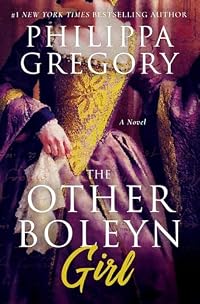
On This Page
Description
When Mary Boleyn comes to court as an innocent girl of fourteen, she catches the eye of Henry VIII. Dazzled by the king, Mary falls in love with both her golden prince and her growing role as unofficial queen. However, she soon realizes just how much she is a pawn in her family's ambitious plots as the king's interest begins to wane and she is forced to step aside for her best friend and rival: her sister, Anne. Then Mary knows that she must defy her family and her king, and take her fate show more into her own hands. show lessTags
Recommendations
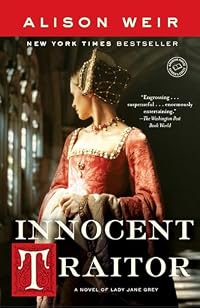
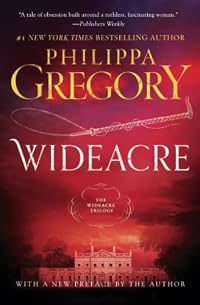
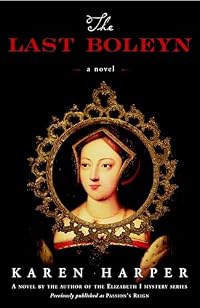
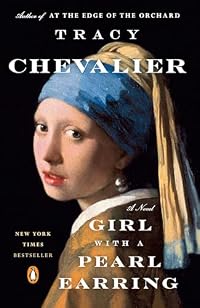
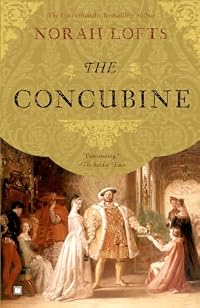
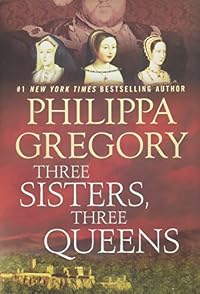
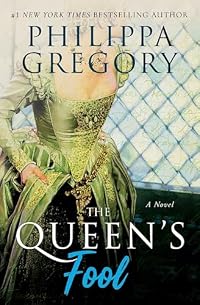

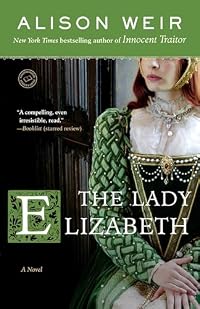


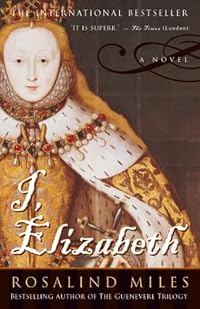
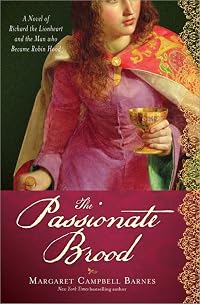
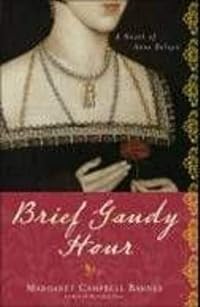

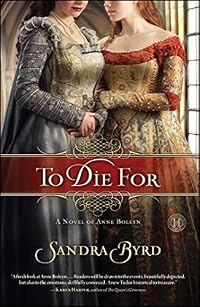
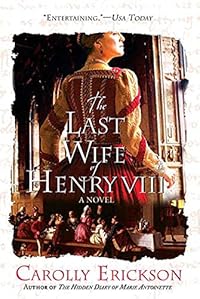
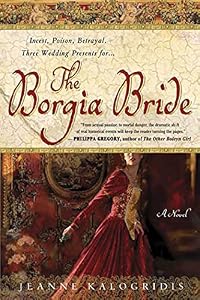
Member Recommendations
Caramellunacy The Borgia Bride takes a look at another controversial historical figure - Lucrezia Borgia through the eyes of her sister-in-law. There is plenty of scandal, drama, and ambition.
20
legxleg Although The Twentieth Wife is set in Mughal India, not Tudor England, I think Sundaresan and Gregory write similar romance-infused history about a royal court populated by ambitious courtiers, including some scheming women.
20
carport I enjoyed this characterization of Anne Boleyn very much. Written in the 1950s, the book contains some inaccuracies, but is an excellent portrait of Henry VIII's notorious wife.
Member Reviews
2015 Reading Challenge #19: A book based on a true story.
En [b:La otra Bolena|11456368|La otra Bolena|Philippa Gregory|https://d.gr-assets.com/books/1340068041s/11456368.jpg|3248536], Philippa Gregory ficcionaliza, de manera bastante exitosa, una historia basada en la vida real de los Bolena, una de las familias mas influyentes durante la dinastía Tudor. Enfocada especialmente en Ana y María, y su legendaria rivalidad; desde su llegada la corte de Catalina de Aragón en 1521 -pasando por la ruptura de Enrique VIII con la iglesia católica y la consolidación de los Bolena en el poder- hasta la muerte show more de Jorge y Ana en el cadalso en 1536 (es historia, así que no es spoiler).
Sé que no lo estoy haciendo sonar muy provocativo. Muchos deben estar pensando: "¿Una historia que cubre 15 años de una familia, que ni siquiera era la familia real, en la que de paso al final terminan ejecutados? No, gracias". Pero, créanme cuando les digo que sí vale la pena leerlo. Les prometo que es mucho mas interesante de lo que parece :P
• Los personajes:
Uno de los mejores desarrollos de personajes que leído. Desde la tía que solo mencionan de pasada, hasta las mismas Ana y María, todos los personajes tienen un trasfondo, una personalidad y una razón de ser. La autora entrelaza virtudes y defectos de cada personaje, y los hace adecuadamente complejos.
María, por ejemplo, me parecía estúpida al principio. Solo una cara bonita más, lista para cumplir cualquier papel que su familia le indicara. Para luego darme cuenta que, a pesar de sus deseos simples -o quizá justamente por ellos-, resulta ser la mente mas brillante de toda la corte, con una visión adelantada a la época. La siguiente es su respuesta cuando su hermano le pregunta por que no desea casarse con un príncipe:
Mientras que Ana, por su parte, puede ser extremadamente cruel, pero no finge ser otra cosa y no ofrece excusas por su comportamiento. Es fiel a si misma sobre todas las cosas -inclusive ante su inminente muerte- y eso la hace si no agradable, al menos sí admirable.
• La Trama:
Lo que a primera impresión puede parecer una historia de ambición y lujuria: dos hermanas que luchan por ver cual de las dos es capaz de durar más en el lecho del rey, y llegar primero al trono, resulta ser mucho más que eso. Es también una historia acerca de la naturaleza humana, de lo que los hijos son capaces de hacer por la aprobación de los padres, por el sentido de pertenencia familiar, una historia de independencia y de la perversidad que se oculta tras el poder sin limites.
Además, la escritura es muy talentosa y la autora logra envolver al lector en la vida de la época. Nos muestra el brillo y los lujos de la vida en la corte, para luego ir develando las verdades que se ocultan tras tanta magnificencia: el hastío por las falsas amistades, los falsos coqueteos, las falsas sonrisas. Lo angustioso de no poder dejar fingir ni un instante. Lo insoportable de no poder confiar ni en tu sombra.
En definitiva [b:La otra Bolena|11456368|La otra Bolena|Philippa Gregory|https://d.gr-assets.com/books/1340068041s/11456368.jpg|3248536] tiene una de las mejores y mas complejas relaciones fraternales que leído. La relación de odio/amor/competencia entre Ana y María hacen que a pesar de su longitud y de que por momentos puede resultar un poco repetitivo con las constantes descripciones, resulte también bastante entretenido y fácil. Además, los hechos que ocurren en él son bastante apegados a lo que se supone que fue la historia real de la disnastía Tudor y las hermanas Bolena, lo que supone otro punto a su favor si eres de los que te gusta la historia.
"—No quería que volvieras a la corte para convertirte en mi rival.
—Nací para ser tu rival. Y tú la mía. Somos hermanas, ¿no?"
En [b:La otra Bolena|11456368|La otra Bolena|Philippa Gregory|https://d.gr-assets.com/books/1340068041s/11456368.jpg|3248536], Philippa Gregory ficcionaliza, de manera bastante exitosa, una historia basada en la vida real de los Bolena, una de las familias mas influyentes durante la dinastía Tudor. Enfocada especialmente en Ana y María, y su legendaria rivalidad; desde su llegada la corte de Catalina de Aragón en 1521 -pasando por la ruptura de Enrique VIII con la iglesia católica y la consolidación de los Bolena en el poder- hasta la muerte show more de Jorge y Ana en el cadalso en 1536 (es historia, así que no es spoiler).
Sé que no lo estoy haciendo sonar muy provocativo. Muchos deben estar pensando: "¿Una historia que cubre 15 años de una familia, que ni siquiera era la familia real, en la que de paso al final terminan ejecutados? No, gracias". Pero, créanme cuando les digo que sí vale la pena leerlo. Les prometo que es mucho mas interesante de lo que parece :P
• Los personajes:
"Ella y yo éramos hermanas y rivales mortales, y nunca nos detendríamos ante nada para observar eternamente el plato de la otra, temerosas de que tuviera la mayor porción."
Uno de los mejores desarrollos de personajes que leído. Desde la tía que solo mencionan de pasada, hasta las mismas Ana y María, todos los personajes tienen un trasfondo, una personalidad y una razón de ser. La autora entrelaza virtudes y defectos de cada personaje, y los hace adecuadamente complejos.
María, por ejemplo, me parecía estúpida al principio. Solo una cara bonita más, lista para cumplir cualquier papel que su familia le indicara. Para luego darme cuenta que, a pesar de sus deseos simples -o quizá justamente por ellos-, resulta ser la mente mas brillante de toda la corte, con una visión adelantada a la época. La siguiente es su respuesta cuando su hermano le pregunta por que no desea casarse con un príncipe:
"—Seguiría siendo el típico trabajo femenino, ya se haga en un gran salón o en la cocina. Lo sé muy bien. Es no ganar dinero para una misma, sino todo para tu dueño y señor. Es obedecerlo tan rápida y eficientemente como si fueras un mozo de la servidumbre. Es tolerar cualquier cosa que decida hacer y sonreír mientras la hace. He servido a la reina Catalina durante estos últimos años. He visto cómo ha sido la vida para ella. Yo no sería princesa ni siquiera por la dote. Ni siquiera sería una reina. La he visto avergonzada, humillada e insultada, y lo único que podía hacer era arrodillarse en el reclinatorio, rezar pidiendo ayuda, levantarse y sonreír a la mujer que triunfaba sobre ella. No tengo una gran opinión sobre la cuestión, Jorge."
Mientras que Ana, por su parte, puede ser extremadamente cruel, pero no finge ser otra cosa y no ofrece excusas por su comportamiento. Es fiel a si misma sobre todas las cosas -inclusive ante su inminente muerte- y eso la hace si no agradable, al menos sí admirable.
"Si no puedo ser yo misma, es como si no estuviera aquí, en absoluto."
• La Trama:
"La ambición, el demonio que nos había llevado a esa pequeña habitación, a mi hermana a esa angustia demente y a nosotros a esa salvaje batalla."
Lo que a primera impresión puede parecer una historia de ambición y lujuria: dos hermanas que luchan por ver cual de las dos es capaz de durar más en el lecho del rey, y llegar primero al trono, resulta ser mucho más que eso. Es también una historia acerca de la naturaleza humana, de lo que los hijos son capaces de hacer por la aprobación de los padres, por el sentido de pertenencia familiar, una historia de independencia y de la perversidad que se oculta tras el poder sin limites.
"Sólo hay una manera de llamar la atención de esta familia, y es subir al lecho del rey. Para que esta familia te quiera debes convertirte en una ramera."
Además, la escritura es muy talentosa y la autora logra envolver al lector en la vida de la época. Nos muestra el brillo y los lujos de la vida en la corte, para luego ir develando las verdades que se ocultan tras tanta magnificencia: el hastío por las falsas amistades, los falsos coqueteos, las falsas sonrisas. Lo angustioso de no poder dejar fingir ni un instante. Lo insoportable de no poder confiar ni en tu sombra.
"He estado en una u otra corte desde que tenía cuatro años. Estoy cansada de bailar, de las fiestas, de mirar las justas, de actuar en las mascaradas y de asombrarme al ver que el hombre que parece exactamente igual que el rey disfrazado es, en efecto, el rey disfrazado."
En definitiva [b:La otra Bolena|11456368|La otra Bolena|Philippa Gregory|https://d.gr-assets.com/books/1340068041s/11456368.jpg|3248536] tiene una de las mejores y mas complejas relaciones fraternales que leído. La relación de odio/amor/competencia entre Ana y María hacen que a pesar de su longitud y de que por momentos puede resultar un poco repetitivo con las constantes descripciones, resulte también bastante entretenido y fácil. Además, los hechos que ocurren en él son bastante apegados a lo que se supone que fue la historia real de la disnastía Tudor y las hermanas Bolena, lo que supone otro punto a su favor si eres de los que te gusta la historia.
"Eran largos años de rivalidad, luego una unidad forzada y siempre, eternamente, apuntalando nuestro mutuo amor, la sensación de que la otra debía ser derrotada. ¿Cómo podía enviarle una palabra que reconociera todo eso y además dijera que aún la quería, que me alegraba de haber sido hermana suya, aun cuando supiera que ella misma se había llevado hasta ese punto y arrastrado a Jorge también? ¿Que, aunque nunca le perdonaría que nos hubiera hecho eso a todos, al mismo tiempo la entendía total y completamente?show less
—¿Que le diga qué? —preguntó Catalina indecisa.
—Decidle que pienso en ella. Todo el tiempo. Cada día. Como siempre."
While not the first Philippa Gregory novel I read (I had previously devoured her "Wideacre" series), this is the one that started my mini obsession with the Tudors and Plantagenets. Gregory is a historical researcher par excellence, yet also a magician with crafting easy-to-follow, historical stories that don't get bogged down in archaic language or situations. Thanks to Ms. Gregory, I am now something of an amateur expert (is there such a thing?! - ha ha) on Henry VIII, his wives, family, and court.
Mary Boleyn, the lesser-known sister of Anne Boleyn (Henry VIII's future second-wife), is our heroine in this tale. She's a likeable, golden girl who catches the king's eye, and, typical of the day, uses her relationship with the royal show more personage to her own advantage, and to that of her family. Yet, enter her younger sister, Anne, who has been raised at the saucy and lax French court, and you the recipe for my favorite quote from the book, which is something like, "We're sisters. Born to be rivals."
If I had one complaint, it would be that Gregory's modern-day taken on women and their role in the world does sometimes drive the narrative and characters' actions. That said, the quality of her work and research is of the upmost integrity and she strives with ardor to remain true to actual events.
This is the first of Gregory's novels on the Tudor court; chronologically it becomes #9 in the stream of later books published. I highly recommend reading them in the order they were written, as prequels rarely feel like they came first, since they are filling in pieces that were originally discussed in "later" books. If you're a lover of historical fiction, this is not one to be missed. show less
Mary Boleyn, the lesser-known sister of Anne Boleyn (Henry VIII's future second-wife), is our heroine in this tale. She's a likeable, golden girl who catches the king's eye, and, typical of the day, uses her relationship with the royal show more personage to her own advantage, and to that of her family. Yet, enter her younger sister, Anne, who has been raised at the saucy and lax French court, and you the recipe for my favorite quote from the book, which is something like, "We're sisters. Born to be rivals."
If I had one complaint, it would be that Gregory's modern-day taken on women and their role in the world does sometimes drive the narrative and characters' actions. That said, the quality of her work and research is of the upmost integrity and she strives with ardor to remain true to actual events.
This is the first of Gregory's novels on the Tudor court; chronologically it becomes #9 in the stream of later books published. I highly recommend reading them in the order they were written, as prequels rarely feel like they came first, since they are filling in pieces that were originally discussed in "later" books. If you're a lover of historical fiction, this is not one to be missed. show less
There's been plenty of books and movies about 'that whore Nan Bullen' and usually her older sister Mary is a side character, so I really enjoyed this book that offered a fresh (if fictional view) on Mary Boleyn. It's hard to not feel bad for her as a pawn of her family's ambition and being used as a plaything of a young king, so it's not hard to see why Mary did what she eventually did, in this book and IRL... and she was probably much happier in the end.
A friend (KC) gave me this book in a box of books several years ago. I remember hearing a lot about this book at some point in the past, and maybe that is what made me delay starting it. I do not remember reading this author in the past (but see that she is known for historical fiction, particularly about royals).
This is not a period of history that I know a lot about. I have to trust, by and large, that the main overall details are historically correct (who King Henry's wives were and when, birth and death dates, etc.). Gregory freely admits in the supplemental section of the copy I have that she created motives and feelings to be told through the eyes of Mary Boleyn.
It would seem that life at court in these times was strategic--trying show more to place oneself in the best possible light (on the correct side) to be awarded favors from the King. It seems the women (at least the young women) were pawns to be used by their families (at least based on this novel). In a time before it was known that it's the male sperm that determines the baby's gender, failure to have sons was often blamed on the woman. Men wanted sons to pass down the family name and titles/businesses to.
It does make me wonder how history might have changed if Anne's first child had been the son King Henry sought.
Also, why was Mary spared? Was it because she was the mother of two of King Henry's children (including his only living son up to that point)? Was it because of her kindness to him when he was hurt jousting? Was it because she often vacated herself from the court in favor of seeing her children so she was not seen as a plotter/danger? Was it because she and her husband chose to retire to the country with the children? show less
This is not a period of history that I know a lot about. I have to trust, by and large, that the main overall details are historically correct (who King Henry's wives were and when, birth and death dates, etc.). Gregory freely admits in the supplemental section of the copy I have that she created motives and feelings to be told through the eyes of Mary Boleyn.
It would seem that life at court in these times was strategic--trying show more to place oneself in the best possible light (on the correct side) to be awarded favors from the King. It seems the women (at least the young women) were pawns to be used by their families (at least based on this novel). In a time before it was known that it's the male sperm that determines the baby's gender, failure to have sons was often blamed on the woman. Men wanted sons to pass down the family name and titles/businesses to.
It does make me wonder how history might have changed if Anne's first child had been the son King Henry sought.
Also, why was Mary spared? Was it because she was the mother of two of King Henry's children (including his only living son up to that point)? Was it because of her kindness to him when he was hurt jousting? Was it because she often vacated herself from the court in favor of seeing her children so she was not seen as a plotter/danger? Was it because she and her husband chose to retire to the country with the children? show less
Oh my WORD. Nine-tenths of the romance novels I've read were better written than this, and even the one-tenth that weren't provided smut and were quickly over. People LIKED this book? How did they deal with the unbelievably irritating fact (to nitpick one of so many) that the phrase "the other Boleyn girl" was used on EVERY OTHER PAGE for SIX HUNDRED PAGES?
"I am just the other Boleyn girl."
"I am merely the other Boleyn girl."
"Who is this? Is it the other Boleyn girl?"
"It is I, the other Boleyn girl."
The reader: "I DID LOOK AT THE COVER, YOU KNOW. I DO KNOW WHAT THE BOOK IS CALLED. ALSO I MANAGED TO GRASP THE DIFFICULT CONCEPT THAT MARY BOLEYN IS ANNE BOLEYN'S SISTER. I THINK I'VE GOT THIS 'OTHER BOLEYN GIRL' THING DOWN, SO COULD YOU show more PLEASE FIND ANOTHER PHRASE TO COPY AND PASTE AND THEN MAYBE I CAN TAKE A DEEP BREATH AND TURN CAPS LOCK OFF?"
Terrible! show less
"I am just the other Boleyn girl."
"I am merely the other Boleyn girl."
"Who is this? Is it the other Boleyn girl?"
"It is I, the other Boleyn girl."
The reader: "I DID LOOK AT THE COVER, YOU KNOW. I DO KNOW WHAT THE BOOK IS CALLED. ALSO I MANAGED TO GRASP THE DIFFICULT CONCEPT THAT MARY BOLEYN IS ANNE BOLEYN'S SISTER. I THINK I'VE GOT THIS 'OTHER BOLEYN GIRL' THING DOWN, SO COULD YOU show more PLEASE FIND ANOTHER PHRASE TO COPY AND PASTE AND THEN MAYBE I CAN TAKE A DEEP BREATH AND TURN CAPS LOCK OFF?"
Terrible! show less
This is the story of Anne Boleyn, told through the eyes of her sister Mary. As a young girl, Mary finds herself manipulated by her avaricious family to become King Henry VIII's lover, with an end to usurping Queen Katherine of Aragon. The Boleyn's believe that if Mary becomes queen, they will be vastly elevated in terms of wealth and social status. Even after having two children by Henry, Mary finds his interest in her waning, and sees that he is turning his affections to her sister Anne. There is no other choice for Mary than to assist Anne in dethroning Queen Katherine. As she matures, Mary grows tired of the political games played in the royal court, and decides to make her own way in life.
I thoroughly enjoyed this book. The Tudors show more have never been an exciting subject for me, but Philippa Gregory brings the era to life and makes it fascinating. It should be remembered that this is a fictionalised account of events, and there are differences between what Mary tells and what current historians believe. (For example, in the book Mary is portrayed as the younger sister, whereas in fact it is now widely accepted that she was older than Anne. Also, while in the book there is no doubt that Henry is the father of Mary's children, in truth it was never known for sure).
Each character is distinct and interesting. Anne does not come out of this account well; she is portrayed as calculating and ruthless. Mary is drawn more sympathetically (perhaps not surprising as the book is told from her point of view). Another major character is their brother George, whose own fate is told in this story, and who is a charming and reckless man, who serves in the royal court. Henry himself is brought to life as a headstrong, spoilt young man, who is utterly handsome and charming in his youth, but who, during the period which the book spans, becomes bloated and unwell.
The story moves along at a steady pace, and even though I knew the ultimate outcome, I still found myself turning the pages quickly, wanting to know what new developments were around the corner. I would recommend this book to anyone with even a passing interest in the Tudors (and if you have no interest, this might be a book to change your mind). After reading it, I found myself wanting find out more about this fascinating and brutal time in England's history. show less
I thoroughly enjoyed this book. The Tudors show more have never been an exciting subject for me, but Philippa Gregory brings the era to life and makes it fascinating. It should be remembered that this is a fictionalised account of events, and there are differences between what Mary tells and what current historians believe. (For example, in the book Mary is portrayed as the younger sister, whereas in fact it is now widely accepted that she was older than Anne. Also, while in the book there is no doubt that Henry is the father of Mary's children, in truth it was never known for sure).
Each character is distinct and interesting. Anne does not come out of this account well; she is portrayed as calculating and ruthless. Mary is drawn more sympathetically (perhaps not surprising as the book is told from her point of view). Another major character is their brother George, whose own fate is told in this story, and who is a charming and reckless man, who serves in the royal court. Henry himself is brought to life as a headstrong, spoilt young man, who is utterly handsome and charming in his youth, but who, during the period which the book spans, becomes bloated and unwell.
The story moves along at a steady pace, and even though I knew the ultimate outcome, I still found myself turning the pages quickly, wanting to know what new developments were around the corner. I would recommend this book to anyone with even a passing interest in the Tudors (and if you have no interest, this might be a book to change your mind). After reading it, I found myself wanting find out more about this fascinating and brutal time in England's history. show less
Eh....I read this over the course of a couple nights when I was feeling too tired for anything serious. I have never read anything from the "historical fiction" genre before, so I didn't really know what to expect (I also have not seen the movie because I almost never get around to seeing movies when they are current). I had thought that this book would be kind of a balanced combination of history and fiction - the events described would be real, but the author would be creative about filling in the gaps & feelings & motivations of the characters. Unfortunately, knowing nothing about England under Henry VIII, I was completely lost as to what was history and what was fiction & I felt uncomfortable drawing conclusions about social and show more moral norms of the period based only on this book.
What I "learned" about people during this time in history from this book was pretty horrifying - so generally unpleasant that I found it hard to believe. For anyone unfamiliar with the plot of the book, the basic story is that Mary Boleyn - the sister of the more famous Anne - becomes Henry VIII's mistress while he is still married to his first wife, Katherine of Aragon, who is unable to give him the son he so desperately needs. Mary's family is portrayed as a bunch of scheming upstarts completely devoid of morals & ready to sacrifice their daughter to gain power. Early in the book, Mary's uncle, who is the family power-broker who seems to manipulate everyone, crudely says: "If the king has her, and she conceives his bastard, then we have much to play for." During the course of her affair with Henry, Mary - who is already married to another man - has two children by him, and her family gains in wealth, power, and titles. Eventually, Mary loses her taste for the King and he for her & Mary's evil, calculating, back-stabbing sister Anne becomes his favorite & his queen. In the process, Anne is blamed for destroying the sanctity of marriage, the existing social order, the peace of England, the Church, the King, her family & England's foreign alliances. And probably a bit more, as if that weren't enough.
So, knowing nothing about the actual history of this period, I turned - of course - to Wikipedia, where I read entries on the six wives of Henry VIII, the King, and Philippa Gregory and her books, focusing in particular on the section on historical inaccuracies/fictional inventions in this book. Which kind of just cemented my generalized hatred of this book - which I realize is too strong a word, but I've kind of turned into a fan of Anne Boleyn after reading this book, oddly enough (more on that later). Basically, most of the book seems to be an invention that ignores pretty solidly established historical data about events, social norms, the Boleyn/Howard family's social standing, Mary's seedy moral character before becoming the King's mistress & Anne's influence on the King himself.
Mary is presented as a naive young girl completely manipulated by morally bankrupt family, ignoring historical evidence that she had a number of sexual dalliances while growing up in European courts. Also, I think the author makes her considerably younger than she really was. It seems like she becomes the King's mistress at the age of 14 or so, which is about 5 years too early. Over the course of the book develops annoying anachronistic feminist tendencies and outrage over things that are supposedly completely normal within the context of the period. For example, Anne adopting Mary's son is interpreted as yet another example of Anne's perfidy & jealousy of her sister, when it seems that it was perfectly common at the time for a wealthy relative to take a family member as a ward. Despite becoming the King's mistress & repeatedly betraying the Queen in various ways, she still sees herself as a victim in solidarity with Katherine, which results in one of the best smackdowns in the book, when Mary tries to blame her betrayal on destiny. "'I want to beg your pardon,' I said. 'It is my destiny to belong to a family whose interests run counter to yours. If I had been your lady in waiting at another time you would never have had to doubt me.'" and the Queen replies: "'If it was not in your interests to betray me then you would have been loyal.'"
Anne is basically Satan in this book. She is cold, calculating, manipulative. In the end, she is blamed for overthrowing the existing social order & placing all wives in the position of insecurity. She is also blamed for Henry's unsavory behavior - "...Anne has taught the king to be a tyrant and now he is run mad and they cannot prevent his tyranny."- which I thought was particularly funny, given that the book opens with a public execution of one of the King's closest friends, suggesting he is already capricious and unchallenged. While I definitely think it was interesting to show how Henry's annulment of his marriage to Katherine & his subsequent marriage to Anne established a precedent for his behavior with all his future wives, it seems ridiculous to spend the whole book lamenting the powerless position of women in the Tudor period & then to suggest that one powerless, if shrewd, woman, managed to utterly turn the King of England from a righteous man to a lecherous, heretical autocrat.
So, in the end, I was left with a serious desire to read an actual history book about this period and a feeling that despite the author's attempt to position Mary Boleyn as a proto-feminist heroine, it was Anne Boleyn who I actually admired, at least as she is portrayed in this book. Mary just floats along, doing whatever she is told, feeling completely victimized by her family & by society. Anne shapes her destiny and appears to have a head on her shoulders (god, I stepped right into that one, didn't I?). There is something wrong with me, right?
One thing I did enjoy about this book was its description of courtly life & the utter dependence of the courtiers on the King, although I guess I have no idea if that is actually historically accurate either. I'll be moving onto historical works about the Tudor period if I do any further reading in this area. Right now I have samples of David Starkey's Six Wives: The Queens of Henry VIII and Eric Ives' The Life and Death of Anne Boleyn on my Kindle. show less
What I "learned" about people during this time in history from this book was pretty horrifying - so generally unpleasant that I found it hard to believe. For anyone unfamiliar with the plot of the book, the basic story is that Mary Boleyn - the sister of the more famous Anne - becomes Henry VIII's mistress while he is still married to his first wife, Katherine of Aragon, who is unable to give him the son he so desperately needs. Mary's family is portrayed as a bunch of scheming upstarts completely devoid of morals & ready to sacrifice their daughter to gain power. Early in the book, Mary's uncle, who is the family power-broker who seems to manipulate everyone, crudely says: "If the king has her, and she conceives his bastard, then we have much to play for." During the course of her affair with Henry, Mary - who is already married to another man - has two children by him, and her family gains in wealth, power, and titles. Eventually, Mary loses her taste for the King and he for her & Mary's evil, calculating, back-stabbing sister Anne becomes his favorite & his queen. In the process, Anne is blamed for destroying the sanctity of marriage, the existing social order, the peace of England, the Church, the King, her family & England's foreign alliances. And probably a bit more, as if that weren't enough.
So, knowing nothing about the actual history of this period, I turned - of course - to Wikipedia, where I read entries on the six wives of Henry VIII, the King, and Philippa Gregory and her books, focusing in particular on the section on historical inaccuracies/fictional inventions in this book. Which kind of just cemented my generalized hatred of this book - which I realize is too strong a word, but I've kind of turned into a fan of Anne Boleyn after reading this book, oddly enough (more on that later). Basically, most of the book seems to be an invention that ignores pretty solidly established historical data about events, social norms, the Boleyn/Howard family's social standing, Mary's seedy moral character before becoming the King's mistress & Anne's influence on the King himself.
Mary is presented as a naive young girl completely manipulated by morally bankrupt family, ignoring historical evidence that she had a number of sexual dalliances while growing up in European courts. Also, I think the author makes her considerably younger than she really was. It seems like she becomes the King's mistress at the age of 14 or so, which is about 5 years too early. Over the course of the book develops annoying anachronistic feminist tendencies and outrage over things that are supposedly completely normal within the context of the period. For example, Anne adopting Mary's son is interpreted as yet another example of Anne's perfidy & jealousy of her sister, when it seems that it was perfectly common at the time for a wealthy relative to take a family member as a ward. Despite becoming the King's mistress & repeatedly betraying the Queen in various ways, she still sees herself as a victim in solidarity with Katherine, which results in one of the best smackdowns in the book, when Mary tries to blame her betrayal on destiny. "'I want to beg your pardon,' I said. 'It is my destiny to belong to a family whose interests run counter to yours. If I had been your lady in waiting at another time you would never have had to doubt me.'" and the Queen replies: "'If it was not in your interests to betray me then you would have been loyal.'"
Anne is basically Satan in this book. She is cold, calculating, manipulative. In the end, she is blamed for overthrowing the existing social order & placing all wives in the position of insecurity. She is also blamed for Henry's unsavory behavior - "...Anne has taught the king to be a tyrant and now he is run mad and they cannot prevent his tyranny."- which I thought was particularly funny, given that the book opens with a public execution of one of the King's closest friends, suggesting he is already capricious and unchallenged. While I definitely think it was interesting to show how Henry's annulment of his marriage to Katherine & his subsequent marriage to Anne established a precedent for his behavior with all his future wives, it seems ridiculous to spend the whole book lamenting the powerless position of women in the Tudor period & then to suggest that one powerless, if shrewd, woman, managed to utterly turn the King of England from a righteous man to a lecherous, heretical autocrat.
So, in the end, I was left with a serious desire to read an actual history book about this period and a feeling that despite the author's attempt to position Mary Boleyn as a proto-feminist heroine, it was Anne Boleyn who I actually admired, at least as she is portrayed in this book. Mary just floats along, doing whatever she is told, feeling completely victimized by her family & by society. Anne shapes her destiny and appears to have a head on her shoulders (god, I stepped right into that one, didn't I?). There is something wrong with me, right?
One thing I did enjoy about this book was its description of courtly life & the utter dependence of the courtiers on the King, although I guess I have no idea if that is actually historically accurate either. I'll be moving onto historical works about the Tudor period if I do any further reading in this area. Right now I have samples of David Starkey's Six Wives: The Queens of Henry VIII and Eric Ives' The Life and Death of Anne Boleyn on my Kindle. show less
Members
- Recently Added By
Lists

Best Historical Fiction
620 works; 261 members

Read the book and saw the movie
1,170 works; 192 members

Historical Fiction
889 works; 91 members

Favorite Long Books
330 works; 42 members

Female Author
1,235 works; 67 members
Female Protagonist
1,056 works; 56 members

Best Books With Sisters
130 works; 30 members

Top 10 Historical Fiction
10 works; 4 members

Fiction Featuring Real People
81 works; 17 members

BBC Radio 4 Bookclub
300 works; 13 members

Books Read in 2014
2,341 works; 86 members

Books about the Tudors
15 works; 9 members

Best Historical Fiction authors
41 works; 9 members
Books tagged favorites
390 works; 30 members

Books Read in 2015
3,298 works; 126 members

Florida
366 works; 3 members

The Worst Bestsellers Podcast
292 works; 5 members

BBC World Book Club
261 works; 5 members

Set in the 15th and 16th Centuries
28 works; 4 members
Read These Too
458 works; 9 members

Retrospective of Historical Fiction
48 works; 7 members

Books about King Henry VIII
17 works; 12 members
Author Information

128+ Works 86,072 Members
Philippa Gregory was born in Nairobi, Kenya on January 9, 1954. She received a B.A. in history at Sussex University in 1982 and a Ph.D. in 18th-century literature from the University of Edinburgh in 1984. She has taught at numerous universities and was made a fellow of Kingston University in 1994. Her historical novels include: Wideacre, The show more Queen's Fool, The Virgin's Lover, The Constant Princess, The Boleyn Inheritance, The Other Queen, The White Queen, The Red Queen, The Lady of the Rivers and The White Princess. She has also written several contemporary fiction works including Perfectly Correct, The Little House and Zelda's Cut. She adapted her novel A Respectable Trade, about the slave trade in England, into a four-part series for BBC television. Her script won an award from the Committee for Racial Equality. She won the Feminist Book Fortnight Award in 1990 and the Romantic Novelist of the Year Award in 2002. Her book, The Other Boleyn Girl, won the Parker Romantic Novel of the Year award and was adapted into a major feature film in 2008 starring Natalie Portman and Scarlett Johansson. The White Queen was adapted into an original cable series on the Starz nertwork in 2013 starring Max Irons and Rebecca Ferguson. Her title The Kings Curse made the New York Times bestseller list in 2014. Her title, The Taming of the Queen, made the New York Times bestseller list in 2015. Her latest bestseller is Three Sisters, Three Queens. Gregory also writes children's books, is a regular contributor to newspapers and magazines, a frequent broadcaster for radio and television, and runs a small charity that builds wells in schoolyards in Gambia. (Bowker Author Biography) show less
Some Editions
Awards and Honors
Awards
Notable Lists
Series

Work Relationships
Is contained in
Wideacre / The Favored Child / Meridon / The Constant Princess / The Boleyn Inheritance / The Queen's Fool / The Other Boleyn Girl by Philippa Gregory
The Boleyn Inheritance/The Other Boleyn Girl/The Virgin's Lover/Queen's Fool/Wideacre/Constant Princess/Meridon/Earthly Joys/Virgin Earth by Philippa Gregory
The Other Boleyn Girl / The Virgin's Lover / The Queen's Fool / The Constant Princess / The Other Queen / The White Queen by Philippa Gregory
The Other Boleyn Girl / The Queen's Fool / The Virgin's Lover / The Wise Woman / Virgin Earth / Wideacre / Meridon / The Favored Child / Fallen Skies by Philippa Gregory
The Other Boleyn Girl/The Queen's Fool/The Virgin's Lover/Earthly Joys/Virgin Earth/The Constant Princess by Philippa Gregory
The Virgin's Lover/The Other Boleyn Girl/The Boleyn Inheritance/Wideacre/Meridon by Phillipa Gregory
Has the adaptation
Common Knowledge
- Canonical title
- The Other Boleyn Girl
- Original title
- The Other Boleyn Girl
- Original publication date
- 2001
- People/Characters
- Anne Boleyn; George Boleyn; Mary Boleyn; Thomas Boleyn, 1st Earl of Wiltshire and 1st Earl of Ormond, 1st Viscount Rochford; Henry Carey, 1st Baron Hunsdon; William Carey (show all 11); Catherine of Aragon; Elizabeth I, Queen of England; Henry VIII, King of England; Thomas Howard, 3rd Duke of Norfolk; Sir William Stafford
- Important places
- England, UK; London, England, UK
- Important events
- Reign of Henry VIII; Tudor Era; 16th century
- Related movies
- The Other Boleyn Girl (2008 | IMDb); The Other Boleyn Girl (2003 | IMDb)
- Dedication
- For Anthony
- First words
- Spring 1521
I could hear a roll of muffled drums. - Last words
- (Click to show. Warning: May contain spoilers.)Nobody can say what they will do.
- Blurbers
- Berkman, Pamela; Smith, Liz; Nimura, Janice
- Original language
- English
Classifications
Statistics
- Members
- 16,713
- Popularity
- 399
- Reviews
- 387
- Rating
- (3.95)
- Languages
- 17 — Chinese, Danish, Dutch, English, French, German, Hungarian, Italian, Lithuanian, Norwegian (Bokmål), Portuguese, Romanian, Croatian, Slovenian, Spanish, Swedish, Turkish
- Media
- Paper, Audiobook, Ebook
- ISBNs
- 96
- UPCs
- 2
- ASINs
- 39