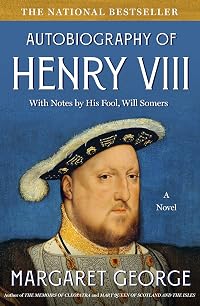
The Autobiography of Henry VIII: With Notes by His Fool, Will Somers
by Margaret George, Margaret George (Author)
On This Page
Description
The Autobiography of Henry VIII is the magnificent historical novel that established Margaret George's career. Evocatively written in the first person as Henry VIII's private journals, the novel was the product of fifteen years of meticulous research and five handwritten drafts.Much has been written about the mighty, egotistical Henry VIII: the man who dismantled the Church because it would not grant him the divorce he wanted; who married six women and beheaded two of them; who executed his show more friend Thomas More; who sacked the monasteries; who longed for a son and neglected his daughters, Mary and Elizabeth; who finally grew fat, disease-ridden, dissolute.
Now, in her magnificent work of storytelling and imagination Margaret George bring us Henry VIII's story as he himself might have told it, in memoirs interspersed with irreverent comments from his jester and confident, Will Somers. Brilliantly combining history, wit, dramatic narrative, and an extraordinary grasp of the pleasures and perils of power, this monumental novel shows us Henry the man more vividly than he has ever been seen before.
. show less
Tags
Recommendations





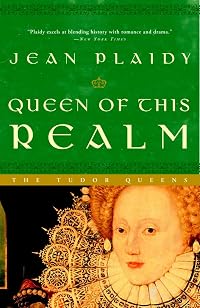
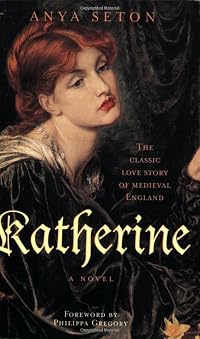
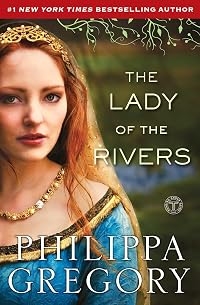
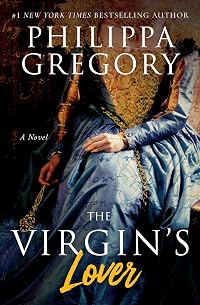


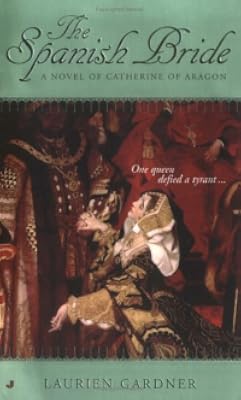
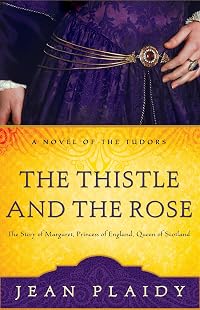
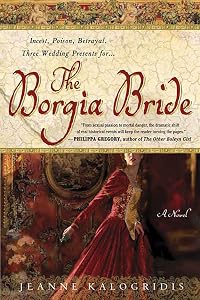
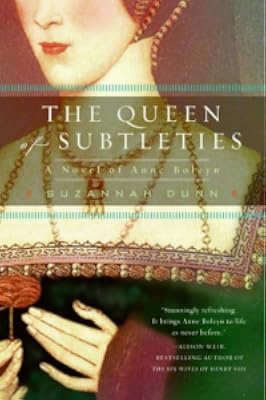
Member Recommendations

GT-M If interested in the era, Margaret George does a wonderful job in both Autobiography of Henry the VIII and Mary Queen of Scotland and the Isles. Not intended as a light read.
20
Member Reviews
By the end, it was difficult to decide who is more self-absorbed: the author or her subject.
Margaret George said she wanted to give King Henry better PR. She failed totally.
The plot was (naturally?) given over to his various wives/political schemes, but in 900 pages George really, really could have gone a little further than cliche: the betrayed wife, the scheming bitch, the virtuous woman, the stupid slut, the ugly dog, and the useful nurse. I find it intensely disturbing and frankly unbelievable that Catherine of Aragon was not a virgin at her marriage to Henry; that he thought Anne Boleyn a lying skank from the first moment he met her; that Jane was totally enamored with him and wanted nothing more than to be his wife; that show more Catherine Howard was not hysterical over her impending doom as firsthand accounts record; that Katherine Parr (who had been married twice before Henry condescended to notice her) was still a virgin. (And thrilled to his touches, no less. It's hard to believe that anyone could enjoy the caress of a corpulant old man with a stinking open wound on his thigh, but there you have it.)
For a novel that claims to be researched so extensively, and delivered with such attention to accuracy (it's The Real Henry!), all this was a serious issue to me. What else? Henry's claiming to be the same size at 40 years that he was at 20 - this, again, is frankly contradicted by the size of his armour. His famous temper was toned down considerably - although his snarky remarks were duly reported, the vitriol was shrugged off, sandwiched between paragraphs of patient consideration.
The 'notes' by Will Somers were generally useless, often intrusive. He pleaded for the reader to forgive Henry without giving any justification - he's not such a bad guy when you get to know him!
Meanwhile, Henry moans because his daughter, Mary, hates him. Why, why?! Maybe because you disinherited her, drove her mother to near-madness, and sent them both into comparative poverty and isolation? Just a guess.
Maybe I'm just angry. It pissed me off that Jane was mourned and moaned over for five hundred damn pages, that Anna of Cleves was called a dog and a horse by everyone, that Anne Boleyn was literally demonized, that Henry really loved his children, dammit, and wanted them to love him back!
George eventually discounted Henry's pre-occupation with having a male heir, too, and his reasons for such. I find myself wondering how much of the (considerable) misogyny in the novel was unintentional - just a reflection of her own views.
I'd say it was only euphemistically about Henry VIII. The best-written bits, the parts with most emotional pull - such as Henry's aggravatingly protracted mourning over his 'one true wife', Jane - were obviously inserts from the author's own life. It's only natural, perhaps? this 900-page tome took thirteen years to research & write. Some part of yourself is going to slip in. show less
Margaret George said she wanted to give King Henry better PR. She failed totally.
The plot was (naturally?) given over to his various wives/political schemes, but in 900 pages George really, really could have gone a little further than cliche: the betrayed wife, the scheming bitch, the virtuous woman, the stupid slut, the ugly dog, and the useful nurse. I find it intensely disturbing and frankly unbelievable that Catherine of Aragon was not a virgin at her marriage to Henry; that he thought Anne Boleyn a lying skank from the first moment he met her; that Jane was totally enamored with him and wanted nothing more than to be his wife; that show more Catherine Howard was not hysterical over her impending doom as firsthand accounts record; that Katherine Parr (who had been married twice before Henry condescended to notice her) was still a virgin. (And thrilled to his touches, no less. It's hard to believe that anyone could enjoy the caress of a corpulant old man with a stinking open wound on his thigh, but there you have it.)
For a novel that claims to be researched so extensively, and delivered with such attention to accuracy (it's The Real Henry!), all this was a serious issue to me. What else? Henry's claiming to be the same size at 40 years that he was at 20 - this, again, is frankly contradicted by the size of his armour. His famous temper was toned down considerably - although his snarky remarks were duly reported, the vitriol was shrugged off, sandwiched between paragraphs of patient consideration.
The 'notes' by Will Somers were generally useless, often intrusive. He pleaded for the reader to forgive Henry without giving any justification - he's not such a bad guy when you get to know him!
Meanwhile, Henry moans because his daughter, Mary, hates him. Why, why?! Maybe because you disinherited her, drove her mother to near-madness, and sent them both into comparative poverty and isolation? Just a guess.
Maybe I'm just angry. It pissed me off that Jane was mourned and moaned over for five hundred damn pages, that Anna of Cleves was called a dog and a horse by everyone, that Anne Boleyn was literally demonized, that Henry really loved his children, dammit, and wanted them to love him back!
George eventually discounted Henry's pre-occupation with having a male heir, too, and his reasons for such. I find myself wondering how much of the (considerable) misogyny in the novel was unintentional - just a reflection of her own views.
I'd say it was only euphemistically about Henry VIII. The best-written bits, the parts with most emotional pull - such as Henry's aggravatingly protracted mourning over his 'one true wife', Jane - were obviously inserts from the author's own life. It's only natural, perhaps? this 900-page tome took thirteen years to research & write. Some part of yourself is going to slip in. show less
It was so easy to completely immerse myself in the world of Tudor during this exceptionally narrated 42 hour audio. The story is told in first person narrative so it was almost as if Henry himself were telling me his story which had me even more excited about listening to the audio. The premise is Henry's journals had been smuggled out by his fool Will Somers and are now being sent to Mary Boleyn's daughter, thought to also be the child of King Henry. Throughout, there are little notes from Will Somers which gives further explanation to what is going on in the story. These notes are sometimes just funny or informative anecdotes about the king's actions or personality. Often, Will interrupts Henry's narrative, almost calling him on his show more posturing and bullshit or self lies, but there is always that underlying respect for Henry even when Will disagrees.
What stands out to me the most about this book is the feeling of authenticity in every aspect of the story, but especially in Henry himself. Margaret George did a phenomenal job bringing Henry to life and giving him a distinctive voice, even though I loathed him throughout the entire story, I still was riveted. I wanted to know what he may have been thinking, his reasoning, his justifications, the possible thought process that led him to some of the most profound political and personal decisions in the history of the monarchy. I was certainly not disappointed. From his insecurity at the beginning because of his father's doubt about him to the absurd irony of him thinking that Anne Boleyn's greed and love of pomp was not becoming. It was fascinating to see how perceptive he could be about others' flaws but so utterly blind to his own. It was equally fascinating to see how he would allow himself to be manipulated, almost set it up so that he could be manipulated, only so that he would have scapegoats later if and when it all fell through. It made me wonder if Divine Right meant that there never had to be any type of personal accountability for kings. Any action or decision with negative consequences must be laid at the feet of someone else.
While Henry may have started his reign a bit apprehensive because of the doubts his father had expressed, he quickly overcame that initial shakiness. Henry always seemed to act impulsively upon his emotions. For example, Katherine, who was a queens daughter and raised to be a queen, must have thought Henry was insane when he started spouting off to her about love and how her dowry wasn't important. Especially considering that the remainder of her dowry remained a point of contention between Henry VII and Spain causing Katherine to live in near poverty. I've also always thought that, because the crown was so new to the Tudors, and Henry so insecure about his kingship because he was never meant to be king and because his father had so doubted him, that marrying the infanta of Spain gave him a feeling of legitimacy in his right to be king; as though an established monarchy such as Spain recognizes his kingship and gives it some legitimacy; and this is one of the things that, I believe, so attracted him to the match with Katherine.
The Autobiography of Henry VIII did not seem at all sympathetic to Henry as I heard this novel was to be. It showed him to be the arrogant, pompous, insecure, and manipulative man-child that I always believed him to be. He made paper thin excuses for the small petty mean things he did and believed that other people believed his bullshit as much as he convinced himself of it. For example, when Queen Katherine would not agree to the divorce, he began to hate her because she was flaunting what she felt was her "spanish superiority" in his face and she acted like she could ridicule him by pleading for mercy in the court. I read this as his insecurity and that he felt that, as a daughter of Isabella and Ferdinand, and because of her victory in Scotland while he failed in France, that he might actually be inferior to her. And he probably hated her too because she wouldn't just accede to his wishes and let him believe himself innocent and driven by his "conscience" instead she called him on his actions and made him feel accountable, which of course Henry would hate.
While I loved that Henry and Anne's relationship was given such a large portion of the book, I hated the way Anne was shown through Henry's eyes, even though it was absolutely fitting with his personality. It seemed the height of irony for Henry to scoff at Anne for "putting on airs" or acting pretentious, but this also fits in with his nature, that he was unaware of his own flaws and believed that he also had everyone else fooled. I knew I wasn't going to enjoy Anne from Henry's perspective, but I don't know that I was prepared for how utterly
repulsive I found his "voice" to be. It was so obvious what he was working up to, what he was trying to convince the reader about Anne, lying to himself and assuming that nobody else saw through him. This was definitely a recurring theme.
Most people used Henry's vanity to manipulate him, they catered to his own wishes and used them to gain favors for themselves. As many found, this was a dangerous game to play. I think Henry would allow himself to be manipulated if it fell in with his own wishes, because he would have then had a ready scapegoat. A great example of this was Wolsey and how brilliantly he inserted himself into Henry's life and made himself almost indispensable from the very beginning. I was fascinated with the way he read Henry's moods, almost anticipating his reactions and acting accordingly to soothe his volatile temper. I think several other people tried this, but few managed to do so as well as Wolsey. Unfortunately, he also accumulated too many enemies and failed to get Henry what he wanted. It was extremely dangerous to work closely with Henry, very few did so and survived.
Throughout this long story, Henry came across as a spoiled, dangerous, delusional, man-child with far too much power and absolutely no logical moral compass. His proclaimed faith in God was even only for those times when he felt God was doing his job correctly, otherwise, Henry had no problem chastising God, even threatening to worship elsewhere. It was hilarious to hear Henry pray and then begin to berate god for his insolence and how God's way of "ruling his subjects" compared unfavorably to Henry's own kingmanship. So even God wasn't exempt from Henry's wrath and blame when things did not go his way. Nothing showed this contempt for God at those times more than the way he clergy was executed and the monasteries desecrated.
I remained completely invested in this story from start to finish and Henry's voice, while often repugnant, felt genuine and from all that I know, the story is historically sound. While some of the story is conjecture as far as the conversations and thoughts, I know that Margaret George spent quite a bit of time researching for this novel so that it would stay as close to factual as possible. I cannot recommend this enough to anyone who is fascinated with this time period. It is infinitely readable. And don't be intimidated by how long it is, I was never bored even once throughout the entire 42 hour audio. The writing was expressive and engaging and I shared several quotes in my status updates as I was reading. This book will have a permanent home on my favorites shelf and I will also be finding other books by this author, beginning with Elizabeth I. show less
What stands out to me the most about this book is the feeling of authenticity in every aspect of the story, but especially in Henry himself. Margaret George did a phenomenal job bringing Henry to life and giving him a distinctive voice, even though I loathed him throughout the entire story, I still was riveted. I wanted to know what he may have been thinking, his reasoning, his justifications, the possible thought process that led him to some of the most profound political and personal decisions in the history of the monarchy. I was certainly not disappointed. From his insecurity at the beginning because of his father's doubt about him to the absurd irony of him thinking that Anne Boleyn's greed and love of pomp was not becoming. It was fascinating to see how perceptive he could be about others' flaws but so utterly blind to his own. It was equally fascinating to see how he would allow himself to be manipulated, almost set it up so that he could be manipulated, only so that he would have scapegoats later if and when it all fell through. It made me wonder if Divine Right meant that there never had to be any type of personal accountability for kings. Any action or decision with negative consequences must be laid at the feet of someone else.
While Henry may have started his reign a bit apprehensive because of the doubts his father had expressed, he quickly overcame that initial shakiness. Henry always seemed to act impulsively upon his emotions. For example, Katherine, who was a queens daughter and raised to be a queen, must have thought Henry was insane when he started spouting off to her about love and how her dowry wasn't important. Especially considering that the remainder of her dowry remained a point of contention between Henry VII and Spain causing Katherine to live in near poverty. I've also always thought that, because the crown was so new to the Tudors, and Henry so insecure about his kingship because he was never meant to be king and because his father had so doubted him, that marrying the infanta of Spain gave him a feeling of legitimacy in his right to be king; as though an established monarchy such as Spain recognizes his kingship and gives it some legitimacy; and this is one of the things that, I believe, so attracted him to the match with Katherine.
The Autobiography of Henry VIII did not seem at all sympathetic to Henry as I heard this novel was to be. It showed him to be the arrogant, pompous, insecure, and manipulative man-child that I always believed him to be. He made paper thin excuses for the small petty mean things he did and believed that other people believed his bullshit as much as he convinced himself of it. For example, when Queen Katherine would not agree to the divorce, he began to hate her because she was flaunting what she felt was her "spanish superiority" in his face and she acted like she could ridicule him by pleading for mercy in the court. I read this as his insecurity and that he felt that, as a daughter of Isabella and Ferdinand, and because of her victory in Scotland while he failed in France, that he might actually be inferior to her. And he probably hated her too because she wouldn't just accede to his wishes and let him believe himself innocent and driven by his "conscience" instead she called him on his actions and made him feel accountable, which of course Henry would hate.
While I loved that Henry and Anne's relationship was given such a large portion of the book, I hated the way Anne was shown through Henry's eyes, even though it was absolutely fitting with his personality. It seemed the height of irony for Henry to scoff at Anne for "putting on airs" or acting pretentious, but this also fits in with his nature, that he was unaware of his own flaws and believed that he also had everyone else fooled. I knew I wasn't going to enjoy Anne from Henry's perspective, but I don't know that I was prepared for how utterly
repulsive I found his "voice" to be. It was so obvious what he was working up to, what he was trying to convince the reader about Anne, lying to himself and assuming that nobody else saw through him. This was definitely a recurring theme.
Most people used Henry's vanity to manipulate him, they catered to his own wishes and used them to gain favors for themselves. As many found, this was a dangerous game to play. I think Henry would allow himself to be manipulated if it fell in with his own wishes, because he would have then had a ready scapegoat. A great example of this was Wolsey and how brilliantly he inserted himself into Henry's life and made himself almost indispensable from the very beginning. I was fascinated with the way he read Henry's moods, almost anticipating his reactions and acting accordingly to soothe his volatile temper. I think several other people tried this, but few managed to do so as well as Wolsey. Unfortunately, he also accumulated too many enemies and failed to get Henry what he wanted. It was extremely dangerous to work closely with Henry, very few did so and survived.
Throughout this long story, Henry came across as a spoiled, dangerous, delusional, man-child with far too much power and absolutely no logical moral compass. His proclaimed faith in God was even only for those times when he felt God was doing his job correctly, otherwise, Henry had no problem chastising God, even threatening to worship elsewhere. It was hilarious to hear Henry pray and then begin to berate god for his insolence and how God's way of "ruling his subjects" compared unfavorably to Henry's own kingmanship. So even God wasn't exempt from Henry's wrath and blame when things did not go his way. Nothing showed this contempt for God at those times more than the way he clergy was executed and the monasteries desecrated.
I remained completely invested in this story from start to finish and Henry's voice, while often repugnant, felt genuine and from all that I know, the story is historically sound. While some of the story is conjecture as far as the conversations and thoughts, I know that Margaret George spent quite a bit of time researching for this novel so that it would stay as close to factual as possible. I cannot recommend this enough to anyone who is fascinated with this time period. It is infinitely readable. And don't be intimidated by how long it is, I was never bored even once throughout the entire 42 hour audio. The writing was expressive and engaging and I shared several quotes in my status updates as I was reading. This book will have a permanent home on my favorites shelf and I will also be finding other books by this author, beginning with Elizabeth I. show less
It was so easy to completely immerse myself in the world of Tudor during this exceptionally narrated 42 hour audio. The story is told in first person narrative so it was almost as if Henry himself were telling me his story which had me even more excited about listening to the audio. The premise is Henry's journals had been smuggled out by his fool Will Somers and are now being sent to Mary Boleyn's daughter, thought to also be the child of King Henry. Throughout, there are little notes from Will Somers which gives further explanation to what is going on in the story. These notes are sometimes just funny or informative anecdotes about the king's actions or personality. Often, Will interrupts Henry's narrative, almost calling him on his show more posturing and bullshit or self lies, but there is always that underlying respect for Henry even when Will disagrees.
What stands out to me the most about this book is the feeling of authenticity in every aspect of the story, but especially in Henry himself. Margaret George did a phenomenal job bringing Henry to life and giving him a distinctive voice, even though I loathed him throughout the entire story, I still was riveted. I wanted to know what he may have been thinking, his reasoning, his justifications, the possible thought process that led him to some of the most profound political and personal decisions in the history of the monarchy. I was certainly not disappointed. From his insecurity at the beginning because of his father's doubt about him to the absurd irony of him thinking that Anne Boleyn's greed and love of pomp was not becoming. It was fascinating to see how perceptive he could be about others' flaws but so utterly blind to his own. It was equally fascinating to see how he would allow himself to be manipulated, almost set it up so that he could be manipulated, only so that he would have scapegoats later if and when it all fell through. It made me wonder if Divine Right meant that there never had to be any type of personal accountability for kings. Any action or decision with negative consequences must be laid at the feet of someone else.
While Henry may have started his reign a bit apprehensive because of the doubts his father had expressed, he quickly overcame that initial shakiness. Henry always seemed to act impulsively upon his emotions. For example, Katherine, who was a queens daughter and raised to be a queen, must have thought Henry was insane when he started spouting off to her about love and how her dowry wasn't important. Especially considering that the remainder of her dowry remained a point of contention between Henry VII and Spain causing Katherine to live in near poverty. I've also always thought that, because the crown was so new to the Tudors, and Henry so insecure about his kingship because he was never meant to be king and because his father had so doubted him, that marrying the infanta of Spain gave him a feeling of legitimacy in his right to be king; as though an established monarchy such as Spain recognizes his kingship and gives it some legitimacy; and this is one of the things that, I believe, so attracted him to the match with Katherine.
The Autobiography of Henry VIII did not seem at all sympathetic to Henry as I heard this novel was to be. It showed him to be the arrogant, pompous, insecure, and manipulative man-child that I always believed him to be. He made paper thin excuses for the small petty mean things he did and believed that other people believed his bullshit as much as he convinced himself of it. For example, when Queen Katherine would not agree to the divorce, he began to hate her because she was flaunting what she felt was her "spanish superiority" in his face and she acted like she could ridicule him by pleading for mercy in the court. I read this as his insecurity and that he felt that, as a daughter of Isabella and Ferdinand, and because of her victory in Scotland while he failed in France, that he might actually be inferior to her. And he probably hated her too because she wouldn't just accede to his wishes and let him believe himself innocent and driven by his "conscience" instead she called him on his actions and made him feel accountable, which of course Henry would hate.
While I loved that Henry and Anne's relationship was given such a large portion of the book, I hated the way Anne was shown through Henry's eyes, even though it was absolutely fitting with his personality. It seemed the height of irony for Henry to scoff at Anne for "putting on airs" or acting pretentious, but this also fits in with his nature, that he was unaware of his own flaws and believed that he also had everyone else fooled. I knew I wasn't going to enjoy Anne from Henry's perspective, but I don't know that I was prepared for how utterly
repulsive I found his "voice" to be. It was so obvious what he was working up to, what he was trying to convince the reader about Anne, lying to himself and assuming that nobody else saw through him. This was definitely a recurring theme.
Most people used Henry's vanity to manipulate him, they catered to his own wishes and used them to gain favors for themselves. As many found, this was a dangerous game to play. I think Henry would allow himself to be manipulated if it fell in with his own wishes, because he would have then had a ready scapegoat. A great example of this was Wolsey and how brilliantly he inserted himself into Henry's life and made himself almost indispensable from the very beginning. I was fascinated with the way he read Henry's moods, almost anticipating his reactions and acting accordingly to soothe his volatile temper. I think several other people tried this, but few managed to do so as well as Wolsey. Unfortunately, he also accumulated too many enemies and failed to get Henry what he wanted. It was extremely dangerous to work closely with Henry, very few did so and survived.
Throughout this long story, Henry came across as a spoiled, dangerous, delusional, man-child with far too much power and absolutely no logical moral compass. His proclaimed faith in God was even only for those times when he felt God was doing his job correctly, otherwise, Henry had no problem chastising God, even threatening to worship elsewhere. It was hilarious to hear Henry pray and then begin to berate god for his insolence and how God's way of "ruling his subjects" compared unfavorably to Henry's own kingmanship. So even God wasn't exempt from Henry's wrath and blame when things did not go his way. Nothing showed this contempt for God at those times more than the way he clergy was executed and the monasteries desecrated.
I remained completely invested in this story from start to finish and Henry's voice, while often repugnant, felt genuine and from all that I know, the story is historically sound. While some of the story is conjecture as far as the conversations and thoughts, I know that Margaret George spent quite a bit of time researching for this novel so that it would stay as close to factual as possible. I cannot recommend this enough to anyone who is fascinated with this time period. It is infinitely readable. And don't be intimidated by how long it is, I was never bored even once throughout the entire 42 hour audio. The writing was expressive and engaging and I shared several quotes in my status updates as I was reading. This book will have a permanent home on my favorites shelf and I will also be finding other books by this author, beginning with Elizabeth I. show less
What stands out to me the most about this book is the feeling of authenticity in every aspect of the story, but especially in Henry himself. Margaret George did a phenomenal job bringing Henry to life and giving him a distinctive voice, even though I loathed him throughout the entire story, I still was riveted. I wanted to know what he may have been thinking, his reasoning, his justifications, the possible thought process that led him to some of the most profound political and personal decisions in the history of the monarchy. I was certainly not disappointed. From his insecurity at the beginning because of his father's doubt about him to the absurd irony of him thinking that Anne Boleyn's greed and love of pomp was not becoming. It was fascinating to see how perceptive he could be about others' flaws but so utterly blind to his own. It was equally fascinating to see how he would allow himself to be manipulated, almost set it up so that he could be manipulated, only so that he would have scapegoats later if and when it all fell through. It made me wonder if Divine Right meant that there never had to be any type of personal accountability for kings. Any action or decision with negative consequences must be laid at the feet of someone else.
While Henry may have started his reign a bit apprehensive because of the doubts his father had expressed, he quickly overcame that initial shakiness. Henry always seemed to act impulsively upon his emotions. For example, Katherine, who was a queens daughter and raised to be a queen, must have thought Henry was insane when he started spouting off to her about love and how her dowry wasn't important. Especially considering that the remainder of her dowry remained a point of contention between Henry VII and Spain causing Katherine to live in near poverty. I've also always thought that, because the crown was so new to the Tudors, and Henry so insecure about his kingship because he was never meant to be king and because his father had so doubted him, that marrying the infanta of Spain gave him a feeling of legitimacy in his right to be king; as though an established monarchy such as Spain recognizes his kingship and gives it some legitimacy; and this is one of the things that, I believe, so attracted him to the match with Katherine.
The Autobiography of Henry VIII did not seem at all sympathetic to Henry as I heard this novel was to be. It showed him to be the arrogant, pompous, insecure, and manipulative man-child that I always believed him to be. He made paper thin excuses for the small petty mean things he did and believed that other people believed his bullshit as much as he convinced himself of it. For example, when Queen Katherine would not agree to the divorce, he began to hate her because she was flaunting what she felt was her "spanish superiority" in his face and she acted like she could ridicule him by pleading for mercy in the court. I read this as his insecurity and that he felt that, as a daughter of Isabella and Ferdinand, and because of her victory in Scotland while he failed in France, that he might actually be inferior to her. And he probably hated her too because she wouldn't just accede to his wishes and let him believe himself innocent and driven by his "conscience" instead she called him on his actions and made him feel accountable, which of course Henry would hate.
While I loved that Henry and Anne's relationship was given such a large portion of the book, I hated the way Anne was shown through Henry's eyes, even though it was absolutely fitting with his personality. It seemed the height of irony for Henry to scoff at Anne for "putting on airs" or acting pretentious, but this also fits in with his nature, that he was unaware of his own flaws and believed that he also had everyone else fooled. I knew I wasn't going to enjoy Anne from Henry's perspective, but I don't know that I was prepared for how utterly
repulsive I found his "voice" to be. It was so obvious what he was working up to, what he was trying to convince the reader about Anne, lying to himself and assuming that nobody else saw through him. This was definitely a recurring theme.
Most people used Henry's vanity to manipulate him, they catered to his own wishes and used them to gain favors for themselves. As many found, this was a dangerous game to play. I think Henry would allow himself to be manipulated if it fell in with his own wishes, because he would have then had a ready scapegoat. A great example of this was Wolsey and how brilliantly he inserted himself into Henry's life and made himself almost indispensable from the very beginning. I was fascinated with the way he read Henry's moods, almost anticipating his reactions and acting accordingly to soothe his volatile temper. I think several other people tried this, but few managed to do so as well as Wolsey. Unfortunately, he also accumulated too many enemies and failed to get Henry what he wanted. It was extremely dangerous to work closely with Henry, very few did so and survived.
Throughout this long story, Henry came across as a spoiled, dangerous, delusional, man-child with far too much power and absolutely no logical moral compass. His proclaimed faith in God was even only for those times when he felt God was doing his job correctly, otherwise, Henry had no problem chastising God, even threatening to worship elsewhere. It was hilarious to hear Henry pray and then begin to berate god for his insolence and how God's way of "ruling his subjects" compared unfavorably to Henry's own kingmanship. So even God wasn't exempt from Henry's wrath and blame when things did not go his way. Nothing showed this contempt for God at those times more than the way he clergy was executed and the monasteries desecrated.
I remained completely invested in this story from start to finish and Henry's voice, while often repugnant, felt genuine and from all that I know, the story is historically sound. While some of the story is conjecture as far as the conversations and thoughts, I know that Margaret George spent quite a bit of time researching for this novel so that it would stay as close to factual as possible. I cannot recommend this enough to anyone who is fascinated with this time period. It is infinitely readable. And don't be intimidated by how long it is, I was never bored even once throughout the entire 42 hour audio. The writing was expressive and engaging and I shared several quotes in my status updates as I was reading. This book will have a permanent home on my favorites shelf and I will also be finding other books by this author, beginning with Elizabeth I. show less
It was so easy to completely immerse myself in the world of Tudor during this exceptionally narrated 42 hour audio. The story is told in first person narrative so it was almost as if Henry himself were telling me his story which had me even more excited about listening to the audio. The premise is Henry's journals had been smuggled out by his fool Will Somers and are now being sent to Mary Boleyn's daughter, thought to also be the child of King Henry. Throughout, there are little notes from Will Somers which gives further explanation to what is going on in the story. These notes are sometimes just funny or informative anecdotes about the king's actions or personality. Often, Will interrupts Henry's narrative, almost calling him on his show more posturing and bullshit or self lies, but there is always that underlying respect for Henry even when Will disagrees.
What stands out to me the most about this book is the feeling of authenticity in every aspect of the story, but especially in Henry himself. Margaret George did a phenomenal job bringing Henry to life and giving him a distinctive voice, even though I loathed him throughout the entire story, I still was riveted. I wanted to know what he may have been thinking, his reasoning, his justifications, the possible thought process that led him to some of the most profound political and personal decisions in the history of the monarchy. I was certainly not disappointed. From his insecurity at the beginning because of his father's doubt about him to the absurd irony of him thinking that Anne Boleyn's greed and love of pomp was not becoming. It was fascinating to see how perceptive he could be about others' flaws but so utterly blind to his own. It was equally fascinating to see how he would allow himself to be manipulated, almost set it up so that he could be manipulated, only so that he would have scapegoats later if and when it all fell through. It made me wonder if Divine Right meant that there never had to be any type of personal accountability for kings. Any action or decision with negative consequences must be laid at the feet of someone else.
While Henry may have started his reign a bit apprehensive because of the doubts his father had expressed, he quickly overcame that initial shakiness. Henry always seemed to act impulsively upon his emotions. For example, Katherine, who was a queens daughter and raised to be a queen, must have thought Henry was insane when he started spouting off to her about love and how her dowry wasn't important. Especially considering that the remainder of her dowry remained a point of contention between Henry VII and Spain causing Katherine to live in near poverty. I've also always thought that, because the crown was so new to the Tudors, and Henry so insecure about his kingship because he was never meant to be king and because his father had so doubted him, that marrying the infanta of Spain gave him a feeling of legitimacy in his right to be king; as though an established monarchy such as Spain recognizes his kingship and gives it some legitimacy; and this is one of the things that, I believe, so attracted him to the match with Katherine.
The Autobiography of Henry VIII did not seem at all sympathetic to Henry as I heard this novel was to be. It showed him to be the arrogant, pompous, insecure, and manipulative man-child that I always believed him to be. He made paper thin excuses for the small petty mean things he did and believed that other people believed his bullshit as much as he convinced himself of it. For example, when Queen Katherine would not agree to the divorce, he began to hate her because she was flaunting what she felt was her "spanish superiority" in his face and she acted like she could ridicule him by pleading for mercy in the court. I read this as his insecurity and that he felt that, as a daughter of Isabella and Ferdinand, and because of her victory in Scotland while he failed in France, that he might actually be inferior to her. And he probably hated her too because she wouldn't just accede to his wishes and let him believe himself innocent and driven by his "conscience" instead she called him on his actions and made him feel accountable, which of course Henry would hate.
While I loved that Henry and Anne's relationship was given such a large portion of the book, I hated the way Anne was shown through Henry's eyes, even though it was absolutely fitting with his personality. It seemed the height of irony for Henry to scoff at Anne for "putting on airs" or acting pretentious, but this also fits in with his nature, that he was unaware of his own flaws and believed that he also had everyone else fooled. I knew I wasn't going to enjoy Anne from Henry's perspective, but I don't know that I was prepared for how utterly
repulsive I found his "voice" to be. It was so obvious what he was working up to, what he was trying to convince the reader about Anne, lying to himself and assuming that nobody else saw through him. This was definitely a recurring theme.
Most people used Henry's vanity to manipulate him, they catered to his own wishes and used them to gain favors for themselves. As many found, this was a dangerous game to play. I think Henry would allow himself to be manipulated if it fell in with his own wishes, because he would have then had a ready scapegoat. A great example of this was Wolsey and how brilliantly he inserted himself into Henry's life and made himself almost indispensable from the very beginning. I was fascinated with the way he read Henry's moods, almost anticipating his reactions and acting accordingly to soothe his volatile temper. I think several other people tried this, but few managed to do so as well as Wolsey. Unfortunately, he also accumulated too many enemies and failed to get Henry what he wanted. It was extremely dangerous to work closely with Henry, very few did so and survived.
Throughout this long story, Henry came across as a spoiled, dangerous, delusional, man-child with far too much power and absolutely no logical moral compass. His proclaimed faith in God was even only for those times when he felt God was doing his job correctly, otherwise, Henry had no problem chastising God, even threatening to worship elsewhere. It was hilarious to hear Henry pray and then begin to berate god for his insolence and how God's way of "ruling his subjects" compared unfavorably to Henry's own kingmanship. So even God wasn't exempt from Henry's wrath and blame when things did not go his way. Nothing showed this contempt for God at those times more than the way he clergy was executed and the monasteries desecrated.
I remained completely invested in this story from start to finish and Henry's voice, while often repugnant, felt genuine and from all that I know, the story is historically sound. While some of the story is conjecture as far as the conversations and thoughts, I know that Margaret George spent quite a bit of time researching for this novel so that it would stay as close to factual as possible. I cannot recommend this enough to anyone who is fascinated with this time period. It is infinitely readable. And don't be intimidated by how long it is, I was never bored even once throughout the entire 42 hour audio. The writing was expressive and engaging and I shared several quotes in my status updates as I was reading. This book will have a permanent home on my favorites shelf and I will also be finding other books by this author, beginning with Elizabeth I. show less
What stands out to me the most about this book is the feeling of authenticity in every aspect of the story, but especially in Henry himself. Margaret George did a phenomenal job bringing Henry to life and giving him a distinctive voice, even though I loathed him throughout the entire story, I still was riveted. I wanted to know what he may have been thinking, his reasoning, his justifications, the possible thought process that led him to some of the most profound political and personal decisions in the history of the monarchy. I was certainly not disappointed. From his insecurity at the beginning because of his father's doubt about him to the absurd irony of him thinking that Anne Boleyn's greed and love of pomp was not becoming. It was fascinating to see how perceptive he could be about others' flaws but so utterly blind to his own. It was equally fascinating to see how he would allow himself to be manipulated, almost set it up so that he could be manipulated, only so that he would have scapegoats later if and when it all fell through. It made me wonder if Divine Right meant that there never had to be any type of personal accountability for kings. Any action or decision with negative consequences must be laid at the feet of someone else.
While Henry may have started his reign a bit apprehensive because of the doubts his father had expressed, he quickly overcame that initial shakiness. Henry always seemed to act impulsively upon his emotions. For example, Katherine, who was a queens daughter and raised to be a queen, must have thought Henry was insane when he started spouting off to her about love and how her dowry wasn't important. Especially considering that the remainder of her dowry remained a point of contention between Henry VII and Spain causing Katherine to live in near poverty. I've also always thought that, because the crown was so new to the Tudors, and Henry so insecure about his kingship because he was never meant to be king and because his father had so doubted him, that marrying the infanta of Spain gave him a feeling of legitimacy in his right to be king; as though an established monarchy such as Spain recognizes his kingship and gives it some legitimacy; and this is one of the things that, I believe, so attracted him to the match with Katherine.
The Autobiography of Henry VIII did not seem at all sympathetic to Henry as I heard this novel was to be. It showed him to be the arrogant, pompous, insecure, and manipulative man-child that I always believed him to be. He made paper thin excuses for the small petty mean things he did and believed that other people believed his bullshit as much as he convinced himself of it. For example, when Queen Katherine would not agree to the divorce, he began to hate her because she was flaunting what she felt was her "spanish superiority" in his face and she acted like she could ridicule him by pleading for mercy in the court. I read this as his insecurity and that he felt that, as a daughter of Isabella and Ferdinand, and because of her victory in Scotland while he failed in France, that he might actually be inferior to her. And he probably hated her too because she wouldn't just accede to his wishes and let him believe himself innocent and driven by his "conscience" instead she called him on his actions and made him feel accountable, which of course Henry would hate.
While I loved that Henry and Anne's relationship was given such a large portion of the book, I hated the way Anne was shown through Henry's eyes, even though it was absolutely fitting with his personality. It seemed the height of irony for Henry to scoff at Anne for "putting on airs" or acting pretentious, but this also fits in with his nature, that he was unaware of his own flaws and believed that he also had everyone else fooled. I knew I wasn't going to enjoy Anne from Henry's perspective, but I don't know that I was prepared for how utterly
repulsive I found his "voice" to be. It was so obvious what he was working up to, what he was trying to convince the reader about Anne, lying to himself and assuming that nobody else saw through him. This was definitely a recurring theme.
Most people used Henry's vanity to manipulate him, they catered to his own wishes and used them to gain favors for themselves. As many found, this was a dangerous game to play. I think Henry would allow himself to be manipulated if it fell in with his own wishes, because he would have then had a ready scapegoat. A great example of this was Wolsey and how brilliantly he inserted himself into Henry's life and made himself almost indispensable from the very beginning. I was fascinated with the way he read Henry's moods, almost anticipating his reactions and acting accordingly to soothe his volatile temper. I think several other people tried this, but few managed to do so as well as Wolsey. Unfortunately, he also accumulated too many enemies and failed to get Henry what he wanted. It was extremely dangerous to work closely with Henry, very few did so and survived.
Throughout this long story, Henry came across as a spoiled, dangerous, delusional, man-child with far too much power and absolutely no logical moral compass. His proclaimed faith in God was even only for those times when he felt God was doing his job correctly, otherwise, Henry had no problem chastising God, even threatening to worship elsewhere. It was hilarious to hear Henry pray and then begin to berate god for his insolence and how God's way of "ruling his subjects" compared unfavorably to Henry's own kingmanship. So even God wasn't exempt from Henry's wrath and blame when things did not go his way. Nothing showed this contempt for God at those times more than the way he clergy was executed and the monasteries desecrated.
I remained completely invested in this story from start to finish and Henry's voice, while often repugnant, felt genuine and from all that I know, the story is historically sound. While some of the story is conjecture as far as the conversations and thoughts, I know that Margaret George spent quite a bit of time researching for this novel so that it would stay as close to factual as possible. I cannot recommend this enough to anyone who is fascinated with this time period. It is infinitely readable. And don't be intimidated by how long it is, I was never bored even once throughout the entire 42 hour audio. The writing was expressive and engaging and I shared several quotes in my status updates as I was reading. This book will have a permanent home on my favorites shelf and I will also be finding other books by this author, beginning with Elizabeth I. show less
Margaret George presents what I gather is an unusually sympathetic view of the king known above all for his six wives. Those wives by far become the novel's focus - first encounter, courtship, marriage and the resulting fallout; six times repeated in variation. There is an overview approach to political activities of his reign, and rather more attention to his founding of what has long since become the Anglican faith, but predominantly this is a very personal story from a very personal perspective that dwells upon relationships formed and/or forfeited. At first I was sensitive to the novel demonstrating a stronger lean towards history in terms of history/fiction balance than I generally prefer in my historical fiction reads, but by the show more end all was forgiven (and appreciated). I feel I've witnessed a life lived, like I've seldom experienced in any fiction or non-fiction work. The author did a fine job of capturing the male voice. I remain uncertain of the necessity for inserts attributed to the Will Somers character, but they do provide a nice frame to the whole and help illuminate some passages in a less jarring manner than footnotes would achieve. I'm looking forward to reading more by Margaret George. show less
This is easily among my all-time favorite books. Margaret George does a masterful job bringing the reader into Henry VIII's world, and bringing his personality to life in an imaginative and beautiful way.
I was intimidated by the tome-iness of this tome, but once I started I couldn't stop. I have no criticisms. It was well-researched, well-written and offered a unique perspective. What a feat Ms. George has managed, what a plum: inside the head of Henry VIII! Katherine of Aragon, Anne Boleyn, Catherine Howard, from Henry's p-o-v. A book that answers the unanswerable, What the hell was he thinking? And thorough -- from his earliest memory to his last thoughts. The "notes" by Will Somers are genius, opening a door of objectivity to Henry's delusions. Henry comes off human and lonely and sociopathic and passionate and accomplished. I never would've imagined myself sympathizing with Henry VIII, but there it is. I will definitely read show more Margaret George again. show less
Members
- Recently Added By
Lists

Best Historical Fiction
620 works; 261 members

Historical Fiction
889 works; 91 members

Books about King Henry VIII
17 works; 13 members

Books Read in 2016
4,666 works; 199 members

Set in the 15th and 16th Centuries
28 works; 4 members

KayStJ's to-read list
1,616 works; 11 members

Books Read in 2006
424 works; 8 members

Read in 2006
140 works; 1 member
Author Information

18+ Works 13,533 Members
Margaret George lives with her husband in Madison, Wisconsin.
Awards and Honors
Awards
Common Knowledge
- Canonical title
- The Autobiography of Henry VIII: With Notes by His Fool, Will Somers
- Original publication date
- 1987-02-12
- People/Characters
- Henry VIII, King of England (1491-1547); Catherine of Aragon; Anne Boleyn; William Sommers (d. 1560); Thomas Wolsey (Archbishop of York, 1471-1530); Charles Brandon, 1st Duke of Suffolk (show all 8); Mary Tudor, Queen of France; Thomas More
- Dedication
- For Alison and Paul
- First words
- My dear Catherine:
I am dying. Or, rather, about to die-there is a slight (though unconsoling) difference.
Classifications
Statistics
- Members
- 2,910
- Popularity
- 6,206
- Reviews
- 67
- Rating
- (4.11)
- Languages
- 7 — Danish, Dutch, English, German, Hebrew, Italian, Swedish
- Media
- Paper, Audiobook, Ebook
- ISBNs
- 32
- ASINs
- 17
