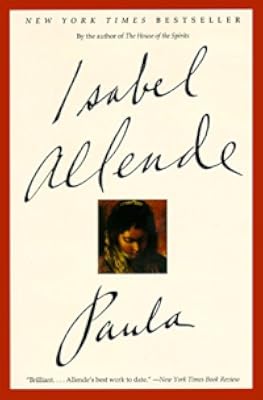
Paula
by Isabel Allende
On This Page
Description
When Isabel Allende's daughter, Paula, became gravely ill and fell into a coma, the author began to write the story of her family for her unconscious child. In the telling, bizarre ancestors appear before our eyes; we hear both delightful and bitter childhood memories, amazing anecdotes of youthful years, and the most intimate secrets passed along in whispers. With Paula, Allende has written a powerful autobiography whose straightforward acceptance of the magical and spiritual worlds will show more remind readers of her first book, The House of the Spirits. show lessTags
Recommendations
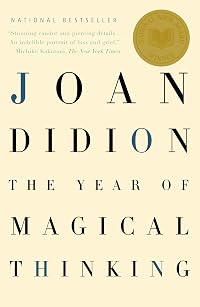
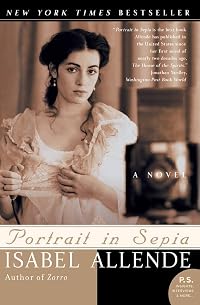
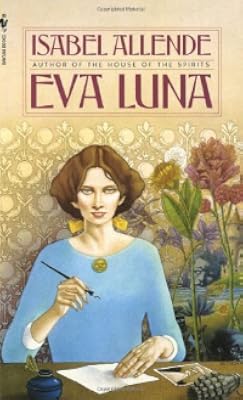
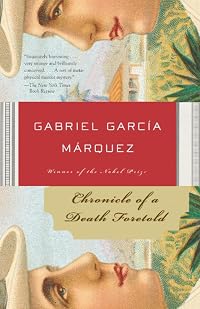




Member Recommendations
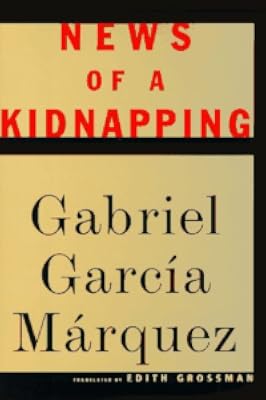
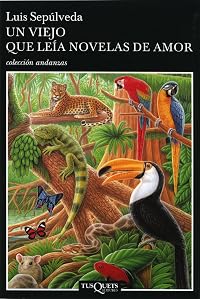
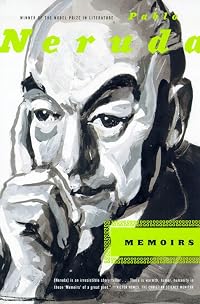
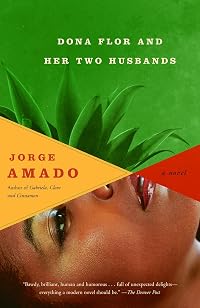
Cecrow Opposite sides of the death of a loved one in a mother-daughter relationship; both brilliantly written.
Member Reviews
This is a brilliant meshing of a mother's heartfelt grief for her daughter with a memoir of her past and that of her family. The added element of the present story (Paula's coma) grounds the voice of the memoirist, removing the usual distance between narrator and reader. It feels very much like sitting in the waiting room with Isabel at the hospital or at her daughter's bedside as she passes the time by sharing these sometimes intimate stories. The book is full of colourful 'characters', the perfect environment for a writer to grow up in. Her father is an vague mystery, her father-in-law a man of uncommon wisdom and creativity, her maternal grandfather a classic patriarch figure.
There's a lot here about her relationships, both with show more family and with lovers, and about writing. Isabel is humble about her early attempts at writing, as she was being met with far more criticism than praise. She had the honour of knowing Pablo Neruda, long before she became a serious author herself. There's also a lot here about Chile's political turmoil, from the perspective of someone living through it. I grew up believing Chile had always been a dictatorship, but reading this I learned about its three decades of democracy before I was born, only ending with the coup that took power from Isabel's uncle Salvador (a man she barely knew) in 1973 and descended the country into chaos.
This memoir reminded me throughout that we never pause to remember the past in a vacuum, because the present is always unfolding. Rehashing memories happens simultaneously with worry about the future and the drama of the present. Anyone can write a memoir about their past, and it's only natural that a polished author should write one so well, but it has me wishing I could write this brilliantly about my own life and family. show less
There's a lot here about her relationships, both with show more family and with lovers, and about writing. Isabel is humble about her early attempts at writing, as she was being met with far more criticism than praise. She had the honour of knowing Pablo Neruda, long before she became a serious author herself. There's also a lot here about Chile's political turmoil, from the perspective of someone living through it. I grew up believing Chile had always been a dictatorship, but reading this I learned about its three decades of democracy before I was born, only ending with the coup that took power from Isabel's uncle Salvador (a man she barely knew) in 1973 and descended the country into chaos.
This memoir reminded me throughout that we never pause to remember the past in a vacuum, because the present is always unfolding. Rehashing memories happens simultaneously with worry about the future and the drama of the present. Anyone can write a memoir about their past, and it's only natural that a polished author should write one so well, but it has me wishing I could write this brilliantly about my own life and family. show less
Words are pouring out, simply, coming straight from the heart. Isabel Allende let go, freely, writing with love and affection, about herself, about her family, about, about the women who have shaped its destiny not always bright.
We guess her anguish and worries for her daughter. We discover a history sometimes painful. And yet, there is no bitterness, no rancour, not even anger. Everything is fluid until the end, peaceful, moving. Here's a mother opening up to her daughter. It's a bond, strong and fragile all at once, and where words are used to exorcise fears, to leave open bare the sufferings of a mum.
'Until now I never shared my past; it is my most secret garden, a place where even my most intimate lover never had access to. Take show more it, Paula, maybe it will be of use to you, because I fear that yours no longer exists, lost somewhere during your long sleep -and no one can live without memories.' And with that, everything is beautifully said. show less
We guess her anguish and worries for her daughter. We discover a history sometimes painful. And yet, there is no bitterness, no rancour, not even anger. Everything is fluid until the end, peaceful, moving. Here's a mother opening up to her daughter. It's a bond, strong and fragile all at once, and where words are used to exorcise fears, to leave open bare the sufferings of a mum.
'Until now I never shared my past; it is my most secret garden, a place where even my most intimate lover never had access to. Take show more it, Paula, maybe it will be of use to you, because I fear that yours no longer exists, lost somewhere during your long sleep -and no one can live without memories.' And with that, everything is beautifully said. show less
This a painful, beautiful book, but it also has parts that are really fun, and even funny. Allende’s a great storyteller, charming and engaging, and she’s had a fascinating life. I read most of it during a companionable evening with my mother: me lying on the couch with the book, mum sitting in the armchair next to me watching TV, and whenever I found a really good bit I’d read it out loud to her. This seems so fitting to me, because of the mother-daughter theme of the book, and it made the reading experience even more powerful.
I’ve read several of Isabel Allende’s books before, but this is definitely my favourite so far. It makes me want to look into more of her non-fiction.
I’ve read several of Isabel Allende’s books before, but this is definitely my favourite so far. It makes me want to look into more of her non-fiction.
Part family lores, part Chilean political history, and part feminist tract, this book is an achingly beautiful love letter from Allende to her comatose daughter. Reading it is an almost unbearably intimate experience but never exploitative despite its genesis. Allende's raw grief is bared here, all in her trademark rich and vivid prose, so charged with passion. A testament to all the differently loves one is capable of, loving as a citizen, a lover, and a mother, this book is for all mothers and readers of The House of Spirits.
Sometimes you read a book and sometimes a book moves through you, like a spirit or a song. The letters and punctuation holding together the emotion fade and you tumble all the way through to the last page. I don’t borrow books, usually. In the reading lock-step developed through my father, I hold fast to the excuse that I have too many books to read but thank you very much. At my last book club meeting, my friend offered a book to me and my normal stronghold did not put up a fight but to be fair, I did sheepishly state that I may not read it for awhile. I really believe this book was delivered to me through providence. I read the very first line while our book club bustled about cleaning up from our meeting, “Listen, Paula. I am show more going to tell you a story, so that when you wake up you will not feel so lost.”
I think what she meant was me. I will not feel so lost.
This book was written by Isabel Allende for her comatose daughter, Paula. She wrote at her bedside, hoping that one day she will wake and know her story, her history, and her family. Allende’s passionate and spiritual writing brought me to my knees. The love for her daughter all twisted up with her NEED to write conceived a book like none other I have ever, ever read.
Being a mother and a writer myself, I discovered dark corners of my own fears and I sunk down to the deepest depths of my love for my children. I could feel, feel all of it with every single word that Isabel scribbled for her dying daughter. The emotional toll her writing took on my spirit and body is seemingly too much and may even sound like a bunch of bullshit, but it isn’t to me. I remember reading The Neverending Story for the first time (I think I was 16) and knowing that this story and all my stories and all the stories I collect are mine and are real, like Anansi; I gather and spin and create.
In one passage, Allende makes this connection:
“The joyful process of engendering a child, the patience of gestation, the fortitude to bring it into life, and the feeling of profound amazement with which everything culminates can be compared only to creating a book. Children, like books, are voyages into one’s inner self, during which body, mind, and soul shift course and turn toward the very center of existence.”
Allende always (and never wavers on this) begins her novels on January 8th and keeps a volume of Neruda’s poetry beneath her computer for divine inspiration. She waits and holds space for her characters to come to her and tell her their stories.
I’ve lit candles for these spirits and I know they are there. I’ve never discovered another author to reveal so intimately her creative process.
“...but it is also possible that stories are creatures with their own lives and that they exist in the shadows of some mysterious dimension, in that case, it will be a question of opening so they may enter, sink into me, and grow until they are ready to emerge transformed into language.”
I’ve been afraid of this opening. I have sequestered my creation with little spirals of hope and tenacity to bite into these moments but then they disappear and once again, I am the observer, the note-taker, fact-keeper.
My resolution this year is to break open. Wide open and fearless. I couldn’t have asked for a better time for Allende’s heartbreakingly beautiful book to come into my hands and heart. show less
I think what she meant was me. I will not feel so lost.
This book was written by Isabel Allende for her comatose daughter, Paula. She wrote at her bedside, hoping that one day she will wake and know her story, her history, and her family. Allende’s passionate and spiritual writing brought me to my knees. The love for her daughter all twisted up with her NEED to write conceived a book like none other I have ever, ever read.
Being a mother and a writer myself, I discovered dark corners of my own fears and I sunk down to the deepest depths of my love for my children. I could feel, feel all of it with every single word that Isabel scribbled for her dying daughter. The emotional toll her writing took on my spirit and body is seemingly too much and may even sound like a bunch of bullshit, but it isn’t to me. I remember reading The Neverending Story for the first time (I think I was 16) and knowing that this story and all my stories and all the stories I collect are mine and are real, like Anansi; I gather and spin and create.
In one passage, Allende makes this connection:
“The joyful process of engendering a child, the patience of gestation, the fortitude to bring it into life, and the feeling of profound amazement with which everything culminates can be compared only to creating a book. Children, like books, are voyages into one’s inner self, during which body, mind, and soul shift course and turn toward the very center of existence.”
Allende always (and never wavers on this) begins her novels on January 8th and keeps a volume of Neruda’s poetry beneath her computer for divine inspiration. She waits and holds space for her characters to come to her and tell her their stories.
I’ve lit candles for these spirits and I know they are there. I’ve never discovered another author to reveal so intimately her creative process.
“...but it is also possible that stories are creatures with their own lives and that they exist in the shadows of some mysterious dimension, in that case, it will be a question of opening so they may enter, sink into me, and grow until they are ready to emerge transformed into language.”
I’ve been afraid of this opening. I have sequestered my creation with little spirals of hope and tenacity to bite into these moments but then they disappear and once again, I am the observer, the note-taker, fact-keeper.
My resolution this year is to break open. Wide open and fearless. I couldn’t have asked for a better time for Allende’s heartbreakingly beautiful book to come into my hands and heart. show less
When Isabel Allende’s daughter became gravely ill and fell into a coma, the author spent days at Paula’s bedside. At her own mother’s urging, Allende began to write the story of her family for Paula in an attempt to connect her child with her ancestors, “…so that when you wake up you will not feel so lost.”
Evocative, heart-rending, luminous, suspenseful, triumphant – I cannot think of enough adjectives to describe this beautifully written memoir. Allende lays her soul bare on the page. She brings her own grandparents, uncles, cousins, parents, brothers, friends to life as she attempts to reach the comatose Paula. Her family connections are full of world-famous people – not the least of which was her uncle Salvador show more Allende – and she had a rather privileged upbringing. She travelled extensively with her mother and stepfather, who was a diplomat and attended private schools. But all her advantages could not protect Allende from life’s setbacks and tragedies.
With unfailing honesty she relates everything – from being sexually molested as a child to being a television star, from a sheltered young woman to a feminist and political exile, from a traditional wife and mother to a reckless love affair with an Argentinian trumpeter. She also includes many examples of her deep connections to the mystical and spiritual; it’s easy to see why she writes magical realism so well.
The work moves back and forth from Allende’s history to the events in Paula’s hospital room. Those scenes at her daughter’s bedside were some of the most emotional. The fierceness with which Allende fought to bring her precious child back from the abyss, the refusal to take “No” for an answer, the determination to bring her daughter back to California and her home overlooking San Francisco Bay – these passages in the book reveal the woman today, while the scenes relating her history show how she came to be this strong woman.
It took me a while to get into the book. The writing is very dense; a paragraph can last three pages. But once I got used to the rhythm of her writing I was totally immersed and engaged. Allende’s gift for storytelling is evident. There were passages that evoked laughter, sections where I recognized my own relationships with my brothers or grandparents, and scenes that had me in tears or gasping aloud. Towards the end of the book she writes this:
I try to remember who I was once but I find only disguises, masks, projections, the confused images of a woman I can’t recognize. Am I the feminist I thought I was, or the frivolous girl who appeared on television wearing nothing but ostrich feathers? The obsessive mother, the unfaithful wife, the fearless adventurer, or the cowardly woman? Am I the person who helped political fugitives find asylum or the one who ran away because she couldn’t handle fear?
The answer, of course, is that she is all these women. Her experiences may be unique, but her reactions are universal. show less
Evocative, heart-rending, luminous, suspenseful, triumphant – I cannot think of enough adjectives to describe this beautifully written memoir. Allende lays her soul bare on the page. She brings her own grandparents, uncles, cousins, parents, brothers, friends to life as she attempts to reach the comatose Paula. Her family connections are full of world-famous people – not the least of which was her uncle Salvador show more Allende – and she had a rather privileged upbringing. She travelled extensively with her mother and stepfather, who was a diplomat and attended private schools. But all her advantages could not protect Allende from life’s setbacks and tragedies.
With unfailing honesty she relates everything – from being sexually molested as a child to being a television star, from a sheltered young woman to a feminist and political exile, from a traditional wife and mother to a reckless love affair with an Argentinian trumpeter. She also includes many examples of her deep connections to the mystical and spiritual; it’s easy to see why she writes magical realism so well.
The work moves back and forth from Allende’s history to the events in Paula’s hospital room. Those scenes at her daughter’s bedside were some of the most emotional. The fierceness with which Allende fought to bring her precious child back from the abyss, the refusal to take “No” for an answer, the determination to bring her daughter back to California and her home overlooking San Francisco Bay – these passages in the book reveal the woman today, while the scenes relating her history show how she came to be this strong woman.
It took me a while to get into the book. The writing is very dense; a paragraph can last three pages. But once I got used to the rhythm of her writing I was totally immersed and engaged. Allende’s gift for storytelling is evident. There were passages that evoked laughter, sections where I recognized my own relationships with my brothers or grandparents, and scenes that had me in tears or gasping aloud. Towards the end of the book she writes this:
I try to remember who I was once but I find only disguises, masks, projections, the confused images of a woman I can’t recognize. Am I the feminist I thought I was, or the frivolous girl who appeared on television wearing nothing but ostrich feathers? The obsessive mother, the unfaithful wife, the fearless adventurer, or the cowardly woman? Am I the person who helped political fugitives find asylum or the one who ran away because she couldn’t handle fear?
The answer, of course, is that she is all these women. Her experiences may be unique, but her reactions are universal. show less
this is the book of hers i have (at least to date) loved best. it feels the most like poetry to me and while it is about her daughter and losing her, it's really about her whole life up to that point, and all the ways her life has influenced her writing. it's lovely and awful and gorgeous and so full of everything that makes a book good.
Members
- Recently Added By
Lists

Best Autobiographies and Memoirs
370 works; 67 members

501 Must-Read Books
529 works; 72 members

Books Read in 2001
199 works; 4 members

Best Biographies of Notable Women
424 works; 102 members
Author Information

94+ Works 85,116 Members
Isabel Allende was born in 1942 in Lima, Peru, the daughter of a Chilean diplomat. When her parents separated, young Isabel moved with her mother to Chile, where she spent the rest of her childhood. She married at the age of 19 and had two children, Paula and Nicolas. Her uncle was Salvador Allende, the president of Chile. When he was overthrown show more in the coup of 1973, she fled Chile, moving to Caracas, Venezuela. While living in Venezuela, Allende began writing her novels, many of them exploring the close family bonds between women. Her first novel, The House of the Spirits, has been translated into 27 languages, and was later made into a film. She then wrote Of Love and Shadows, Eva Luna, and The Stories of Eva Luna, all set in Latin America. The Infinite Plan was her first novel to take place in the United States. She explores the issues of human rights and the plight of immigrants and refugees in her novel, In The Midst of Winter. In Paula, Allende wrote her memoirs in connection with her daughter's illness and death. She delved into the erotic connections between food and love in Aphrodite: A Memoir of the Senses. In addition to writing books, Allende has worked as a TV interviewer, magazine writer, school administrator, and a secretary at a U.N. office in Chile. She received the 1996 Harold Washington Literacy Award. She lives in California. Her title Maya's Notebook made The New York Times Best Seller List in 2013. (Bowker Author Biography) show less
Some Editions
Awards and Honors
Series
Belongs to Publisher Series
Work Relationships
Is contained in
Contains
Is replied to in
Has as a student's study guide
Common Knowledge
- Canonical title*
- Paula
- Original title
- Paula
- Original publication date
- 1994
- People/Characters
- Paula; Nicolás; Isabel Allende; Salvador Allende; Pablo Neruda
- Important places
- Chile; Madrid, Spain
- Epigraph
- We did not come to remain whole.
We came to lose our leaves like the trees,
The trees that are broken
And start again, drawing up from the great roots.
— Robert Bly - First words
- Listen, Paula, I am going to tell you a story, so that when you wake up you will not feel so lost.
- Quotations
- In December 1991 my daughter, Paula, fell gravely ill and soon thereafter sank into a coma. These pages were written during the interminable hours spent in the corridors of a Madrid hospital and in the hotel room where I live... (show all)d for several months, as well as beside her bed in our home in California during summer and fall of 1992.
- Last words
- (Click to show. Warning: May contain spoilers.)Godspeed, Paula, woman.
Welcome, Paula, spirit. - Original language
- Spanish
*Some information comes from Common Knowledge in other languages. Click "Edit" for more information.
Classifications
Statistics
- Members
- 4,427
- Popularity
- 3,379
- Reviews
- 105
- Rating
- (3.91)
- Languages
- 22 — Albanian, Bulgarian, Czech, Danish, Dutch, English, Finnish, French, German, Greek, Hebrew, Icelandic, Italian, Lithuanian, Norwegian (Bokmål), Farsi/Persian, Polish, Romanian, Spanish, Swedish, Turkish, Portuguese (Portugal)
- Media
- Paper, Audiobook, Ebook
- ISBNs
- 136
- ASINs
- 29