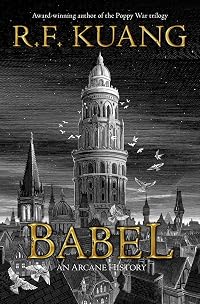
Babel, or, The Necessity of Violence: An Arcane History of the Oxford Translators' Revolution
by R. F. Kuang
On This Page
Description
1828. Robin Swift, orphaned by cholera in Canton, is brought to London by the mysterious Professor Lovell. There, he trains for years in Latin, Ancient Greek, and Chinese, all in preparation for the day he'll enroll in Oxford University's prestigious Royal Institute of Translation, also known as Babel. Babel is the world's center for translation and, more importantly, magic. Silver working, the art of manifesting the meaning lost in translation using enchanted silver bars, has made the show more British unparalleled in power, as its knowledge serves the Empire's quest for colonization. For Robin, Oxford is a utopia dedicated to the pursuit of knowledge. But knowledge obeys power, and as a Chinese boy raised in Britain, Robin realizes serving Babel means betraying his motherland. As his studies progress, Robin finds himself caught between Babel and the shadowy Hermes Society, an organization dedicated to stopping imperial expansion. When Britain pursues an unjust war with China over silver and opium, Robin must decide--Can powerful institutions be changed from within, or does revolution always require violence? show lessTags
Recommendations
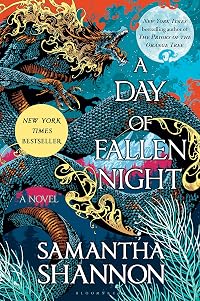
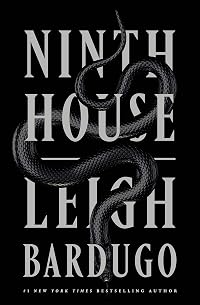
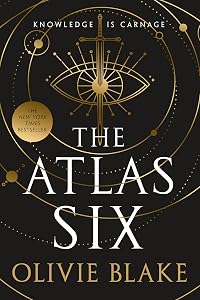

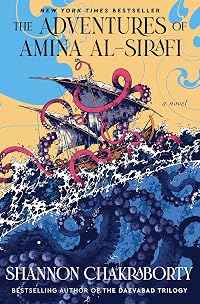
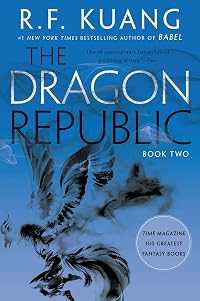
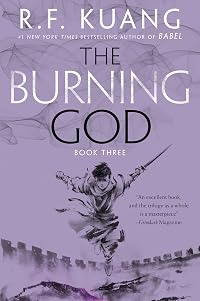
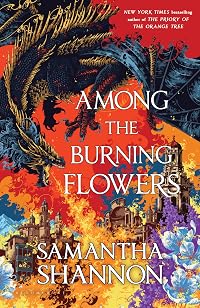
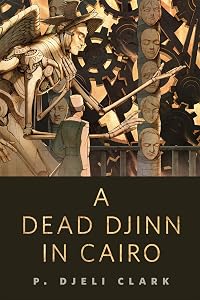

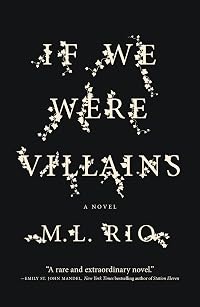
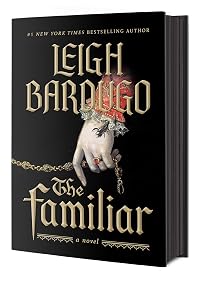
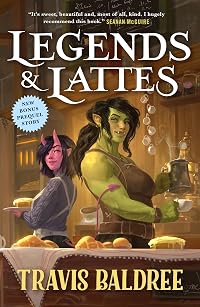

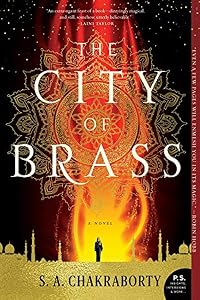
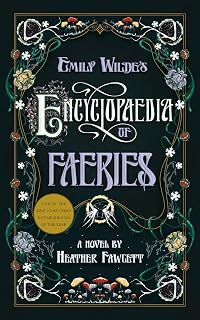
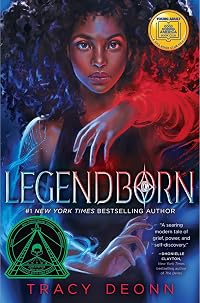
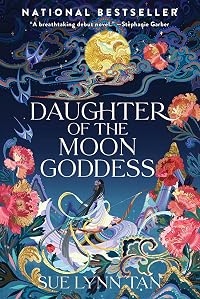
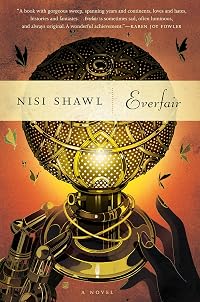

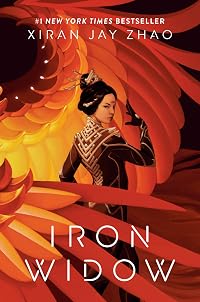
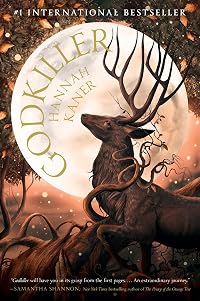

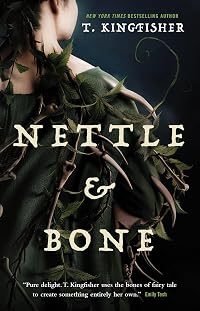
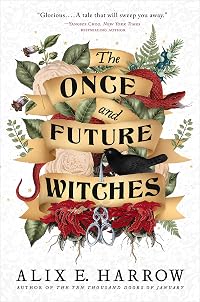
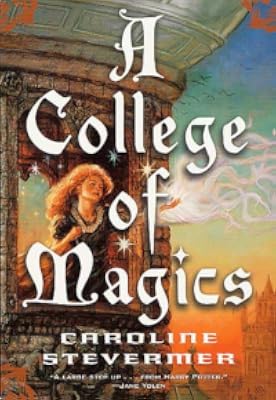
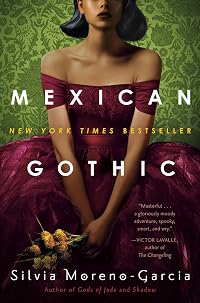
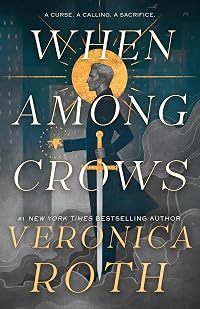
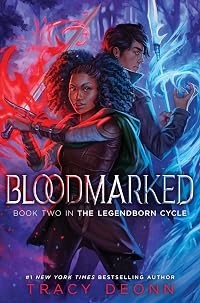

Member Recommendations
by Cecrow
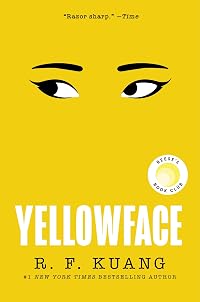
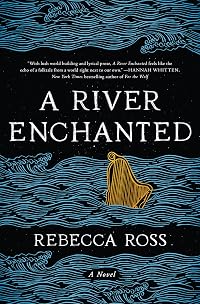
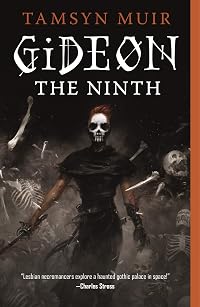
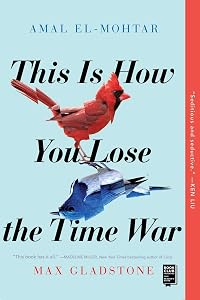
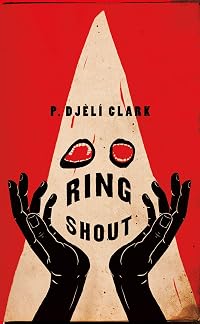
paradoxosalpha Pictures of European imperialism in Asia at the start of the 19th century: well-informed history with the addition of some supernatural elements.
Member Reviews
From the beginning, Babel was a book that made my heart hurt. It does such an excellent job of portraying individual and systemic racism, colonialism, and exploitation that I could keenly feel Robin's pain and loss from the very first. I could see how he had little choice except to sign on as a ward of the professor. I believed it gave him the best chance for a future. And yet I objected to so many aspects of it on his behalf. I'm sure that was the point, since this was only the beginning of a novel that dives deeply into these subjects. It increased my understanding. It made me question what can be done and how. Because even though the era of the British Empire is past, its legacy lives on, and I live in a modern superpower.
The book is show more also excellently written. I highlighted no fewer than twenty different quotes, so many of them so profound. The passage of time is written masterfully. Etymological tidbits are scattered just enough to act as fun and interesting little facts. Long passages of what boil down to linguistics lessons flow naturally with the rest of the narrative. And powerful emotions are invoked.
It's so clear that the author is an expert in her field and that she did diligent research and consulted with people who share the identities of characters whose experiences didn't necessarily match her own. I got to the acknowledgements section eager to give credit to the people listed there: Peng Shepherd, Ehigbor Shultz, Farah Naz Rishi, Sarah Mughal, Nathalie Gedeon, Caroline Mann, Allison Resnick, Sarah Forssman, Saoudia Ganiou, De'Andre Ferreira, Jing Tsu, Lisa Lowe, and Denise Ho, among others. The character depictions were all respectful while showing true depth. The translations, the ideas, and the depiction of Oxford all had the ring of truth, and although I'm not knowledgeable in any of these areas, I was deeply impressed.
The plot had a handful of predictable elements for me due to the effects of Chekhov's gun, but the way these elements come into play and the ultimate fates of the characters came as a surprise. There were a few moments that felt plot-necessary as opposed to being the natural results of the events that preceded them, but this was a very subtle thing. I would describe it as a connect the dots puzzle where the connections are all there—the actions are logical, the characters could believably be induced to take them, and there are events in place to act as triggers—but the dots are connected with straight lines where the greater picture would have suited gentle curves. It’s a very minor criticism, and one I’m sure other readers might disagree on. Other readers may not have noticed—or remembered—as many of the Chekov's guns as I did either, especially since it's a very long book and not everyone has the same memory for these things. I'm very much nitpicking for downsides just to present a fair evaluation.
For some readers, of course, content warnings may be a reason not to read. There certainly are depictions of racism, including racial slurs. There's also violence and death and one scene detailing physical child abuse. There's attempted sexual assault. And a lot of other things. None of these are included for shock value. In fact, they all felt very necessary to me given the topics at hand and the need to present them accurately, but readers should, as always, be aware and make choices in the interest of their own mental health.
It's also worth noting that this book took me a long time to read, and I've heard from others that it took a long time for them as well. It's not the type of novel that benefits from being rushed through, even if you are a fast reader and you have the time and inclination to try. If you decide to pick this up, I recommend factoring it into your schedule for a good while.
That being said, though, I absolutely believe this one was worth the time commitment. It's the best book I've read this year so far, and I have no doubt it will still be one of the best when December 31st rolls around. It is a great book, and I truly mean that in the sense of it being "one of the greats". If you read modern fantasy and this book is the type you might enjoy, I can't recommend it highly enough. If you like historical fiction and could be interested in a novel that uses a simple system of magic to make a fascinating bit of alternate history happen, I recommend it also. And if you haven't read much of those genres before but the concept and the topics interest you, I encourage you to jump right in. It's not a difficult book to understand, and it's not difficult at all to get invested in it. show less
The book is show more also excellently written. I highlighted no fewer than twenty different quotes, so many of them so profound. The passage of time is written masterfully. Etymological tidbits are scattered just enough to act as fun and interesting little facts. Long passages of what boil down to linguistics lessons flow naturally with the rest of the narrative. And powerful emotions are invoked.
It's so clear that the author is an expert in her field and that she did diligent research and consulted with people who share the identities of characters whose experiences didn't necessarily match her own. I got to the acknowledgements section eager to give credit to the people listed there: Peng Shepherd, Ehigbor Shultz, Farah Naz Rishi, Sarah Mughal, Nathalie Gedeon, Caroline Mann, Allison Resnick, Sarah Forssman, Saoudia Ganiou, De'Andre Ferreira, Jing Tsu, Lisa Lowe, and Denise Ho, among others. The character depictions were all respectful while showing true depth. The translations, the ideas, and the depiction of Oxford all had the ring of truth, and although I'm not knowledgeable in any of these areas, I was deeply impressed.
The plot had a handful of predictable elements for me due to the effects of Chekhov's gun, but the way these elements come into play and the ultimate fates of the characters came as a surprise. There were a few moments that felt plot-necessary as opposed to being the natural results of the events that preceded them, but this was a very subtle thing. I would describe it as a connect the dots puzzle where the connections are all there—the actions are logical, the characters could believably be induced to take them, and there are events in place to act as triggers—but the dots are connected with straight lines where the greater picture would have suited gentle curves. It’s a very minor criticism, and one I’m sure other readers might disagree on. Other readers may not have noticed—or remembered—as many of the Chekov's guns as I did either, especially since it's a very long book and not everyone has the same memory for these things. I'm very much nitpicking for downsides just to present a fair evaluation.
For some readers, of course, content warnings may be a reason not to read. There certainly are depictions of racism, including racial slurs. There's also violence and death and one scene detailing physical child abuse. There's attempted sexual assault. And a lot of other things. None of these are included for shock value. In fact, they all felt very necessary to me given the topics at hand and the need to present them accurately, but readers should, as always, be aware and make choices in the interest of their own mental health.
It's also worth noting that this book took me a long time to read, and I've heard from others that it took a long time for them as well. It's not the type of novel that benefits from being rushed through, even if you are a fast reader and you have the time and inclination to try. If you decide to pick this up, I recommend factoring it into your schedule for a good while.
That being said, though, I absolutely believe this one was worth the time commitment. It's the best book I've read this year so far, and I have no doubt it will still be one of the best when December 31st rolls around. It is a great book, and I truly mean that in the sense of it being "one of the greats". If you read modern fantasy and this book is the type you might enjoy, I can't recommend it highly enough. If you like historical fiction and could be interested in a novel that uses a simple system of magic to make a fascinating bit of alternate history happen, I recommend it also. And if you haven't read much of those genres before but the concept and the topics interest you, I encourage you to jump right in. It's not a difficult book to understand, and it's not difficult at all to get invested in it. show less
Wow. I really didn't know what I was going into with this book, but I like words (I mean, reading is my main hobby after all) and figured it would be interesting.
Oh, it's interesting, alright.
It really went to some unexpected places and was more than just a 'fish out of water in an Ivy League college' story. Kuang tackles the intersectionality of race, gender, and class issues while also telling a story of what I imagine getting a ye olde PhD would be like. I was totally engrossed, especially in the second half, and the ending really surprised me. I enjoyed the footnotes too - I know they're not everyone's thing, and they're easy to over-use, but I feel like there was a good balance here.
I don't know what I was expecting, but it show more wasn't this - and I mean that as a compliment. I definitely recommend this one! show less
Oh, it's interesting, alright.
It really went to some unexpected places and was more than just a 'fish out of water in an Ivy League college' story. Kuang tackles the intersectionality of race, gender, and class issues while also telling a story of what I imagine getting a ye olde PhD would be like. I was totally engrossed, especially in the second half, and the ending really surprised me. I enjoyed the footnotes too - I know they're not everyone's thing, and they're easy to over-use, but I feel like there was a good balance here.
I don't know what I was expecting, but it show more wasn't this - and I mean that as a compliment. I definitely recommend this one! show less
In a Nutshell: This was mind-blowing! The personal connect for me as an Indian might have made a little difference but even without that, the impeccable weaving together of facts and fiction with a tinge of magic astounded me.
NOTE: This has been classified as a fantasy. It is not so. Go in with the right expectations. Magical realism fits the content better, though it is mainly ‘dark academia’.
Story Synopsis:
Where the book worked for me:
✔ For a change, the audio ARC had an author’s note, and more importantly, this was right at the start of the book. It clearly delineated how much was fact and how much fiction.
✔ The book presents an alternative history narration of Oxford in the 1830s. But it does such a thorough job that the lines between fact and fiction begin to blur. The author’s research is impeccable, and it shows. I’ve never been to Oxford and yet it came alive before my eyes through the author’s words.
✔ The “magical” part in the story involves using silver and translated words to enhance/add functionality to various objects. It sounds silly when I write it, but it is nicely incorporated into the storyline. The fictional ‘silver revolution’ is supposedly the cause of the real-life industrial revolution, thus the author skilfully takes many real developments such as the steam engine and the telegraph machine and adds her ‘silver magic’ to historical facts. Yet again, kudos to her research.
✔ Just like a scholarly research tome, the book contains quite a few footnotes. Some of this are real incidents, most are fictional. However, their presentation was so authentic that I couldn’t help be dazzled by them. They added just the right level of background detailing to the plot.
✔ The dual identity of the narrator Robin comes out well. While his Cantonese roots make him want to be loyal to China, his British upbringing and education and privilege also makes him want to fit in his adopted country and be of value there. The complications of “belonging” to a one country while resembling a citizen of another are covered well, as are the ideas of racial and colour-based prejudice.
✔ Having a few Indian characters in key roles did add to my fun.
Where the book still worked for me but might not work for other readers:
⚠ I geek out on lingual content. So this book was like a treasure chest for me, what with numerous elaborations on word etymologies, languages, translations, and the interconnection between the tongues spoken across the world. (The author’s background as a translator and scholar reveals itself through these nuggets.) Loved every bit of the vocabulary-related elements. However, if you aren’t too fond of such subject matter, you might be a little bored because there is plenty of it in this book.
⚠ I feel a part of your experience of this book will depend on your own ethnicity and your stance on colonial rule. (Note that I said ‘experience of this book’, not whether you will like it or not.) I am an Indian, and while I don’t believe in continued finger-pointing at what happened in the past--(it’s been 76 years since independence! High time we focus on the future instead of crying about the past, right?)—I still fume at what was done to my nation by those “rulers”. The book doesn’t just focus on the ruthless side of colonial thinking but depicts it in an equally ruthless manner, with no concessions or compromises afforded to the colonial governments. Reading it was almost cathartic! It felt good to see the colonial powers of the past get a taste of their own medicine.
⚠ I knew where things were going towards the finale because the proceedings seemed very much like that the climax of a cult favourite Hindi movie of the mid- 2000s. (If I tell you the name of the movie, the end of the book will be spoilt for you.) Realising the similarity helped me be somewhat better prepared for the end, otherwise I might have been disappointed by it.
⚠ I went into this assuming it was a historical fiction. Seeing the fantastical elements surprised me, but I loved them anyway. I later realised that this book has been classified variously as “Fantasy”. “Urban Fantasy”, “Science Fiction Fantasy”, and “Historical Fantasy.” I think it would be better if you don’t look at it as a Fantasy because that aspect is not the dominant factor in the story. As I said in my initial note, Magical Realism is the best description of the ‘fantasy’ content in the book. You keep that in mind, and you won’t feel let down by the lack of magical world-building and complicated fantastical components.
Where the book could have worked better for me:
❌ The final quarter becomes too dark and slightly farfetched. (I do see how it was the best direction for the story, but that doesn’t mean I had to like it.)
❌ Most of the Whites are villainous and the people of other ethnicities akin to heroes. It seemed somewhat like reverse discrimination. I wish it wouldn’t have been so caricaturish of the Whites.
❌ It was way too long. Having the audiobook helped, but some content in the second half could have been easily trimmed.
The audiobook experience:
The audiobook clocks at a massive 21 hrs 46 min. But when the narrators are great, the length really doesn’t matter much. The main story is narrated by Chris Lew Kum Hoi, and the footnotes are voiced by Billie Fulford-Brown. This dual narration technique works very well for the story because there are an abundant number of footnotes in the content. Having a female voiceover for them makes it easier for us to understand when the book has shifted from the main content (voiced by the male narrator) to the footnote and back again.
Both of the narrators do an excellent job. Considering the length and writing style of this tome, the audiobook is definitely the way to go if you read audiobooks. There is a downloadable PDF map on the publisher’s site if you want a glimpse of Oxford while hearing the story.
I have been impressed many times by either characters or plots, but this is the first time ever a third factor has surpassed both of these – research. How well reality has been fitted around fantasy! I am simply amazed at the mind of this young author. The book does have flaws but in the grand scheme of things, the flaws appear minuscule. Strongly and wholeheartedly recommended.
4.5 stars.
My thanks to HarperCollins UK Audio and NetGalley for the ALC of “Babel: Or the Necessity of Violence: An Arcane History of the Oxford Translators’ Revolution”. This review is voluntary and contains my honest opinion about the audiobook.
———————————————
Connect with me through:
My Blog | The StoryGraph | Facebook | Twitter show less
NOTE: This has been classified as a fantasy. It is not so. Go in with the right expectations. Magical realism fits the content better, though it is mainly ‘dark academia’.
Story Synopsis:
Robin Swift, a Cantonese orphan, is brought to England by his mysterious guardian and trained in classical languages such as Greek and Latin as well as Mandarin (though he knows Cantonese.) Robin knows his destination once he grows up. He is to join Babel, the Royal Institute of Translation at Oxford.show more
Babel begins as a paradise
for geeky Robin, with its endless books, scholars and ‘silver-working’. However, soon he discovers that things aren’t as hunky-dory as they appear. Desperate times call for desperate measures, and it soon boils down to how far Robin is willing to go? How much will he be willing to sacrifice for Babel?
The story comes to us mostly in the third person limited perspective of Robin, with a couple of brief interludes providing a glimpse into the lives of his close friends.
Where the book worked for me:
✔ For a change, the audio ARC had an author’s note, and more importantly, this was right at the start of the book. It clearly delineated how much was fact and how much fiction.
✔ The book presents an alternative history narration of Oxford in the 1830s. But it does such a thorough job that the lines between fact and fiction begin to blur. The author’s research is impeccable, and it shows. I’ve never been to Oxford and yet it came alive before my eyes through the author’s words.
✔ The “magical” part in the story involves using silver and translated words to enhance/add functionality to various objects. It sounds silly when I write it, but it is nicely incorporated into the storyline. The fictional ‘silver revolution’ is supposedly the cause of the real-life industrial revolution, thus the author skilfully takes many real developments such as the steam engine and the telegraph machine and adds her ‘silver magic’ to historical facts. Yet again, kudos to her research.
✔ Just like a scholarly research tome, the book contains quite a few footnotes. Some of this are real incidents, most are fictional. However, their presentation was so authentic that I couldn’t help be dazzled by them. They added just the right level of background detailing to the plot.
✔ The dual identity of the narrator Robin comes out well. While his Cantonese roots make him want to be loyal to China, his British upbringing and education and privilege also makes him want to fit in his adopted country and be of value there. The complications of “belonging” to a one country while resembling a citizen of another are covered well, as are the ideas of racial and colour-based prejudice.
✔ Having a few Indian characters in key roles did add to my fun.
Where the book still worked for me but might not work for other readers:
⚠ I geek out on lingual content. So this book was like a treasure chest for me, what with numerous elaborations on word etymologies, languages, translations, and the interconnection between the tongues spoken across the world. (The author’s background as a translator and scholar reveals itself through these nuggets.) Loved every bit of the vocabulary-related elements. However, if you aren’t too fond of such subject matter, you might be a little bored because there is plenty of it in this book.
⚠ I feel a part of your experience of this book will depend on your own ethnicity and your stance on colonial rule. (Note that I said ‘experience of this book’, not whether you will like it or not.) I am an Indian, and while I don’t believe in continued finger-pointing at what happened in the past--(it’s been 76 years since independence! High time we focus on the future instead of crying about the past, right?)—I still fume at what was done to my nation by those “rulers”. The book doesn’t just focus on the ruthless side of colonial thinking but depicts it in an equally ruthless manner, with no concessions or compromises afforded to the colonial governments. Reading it was almost cathartic! It felt good to see the colonial powers of the past get a taste of their own medicine.
⚠ I knew where things were going towards the finale because the proceedings seemed very much like that the climax of a cult favourite Hindi movie of the mid- 2000s. (If I tell you the name of the movie, the end of the book will be spoilt for you.) Realising the similarity helped me be somewhat better prepared for the end, otherwise I might have been disappointed by it.
⚠ I went into this assuming it was a historical fiction. Seeing the fantastical elements surprised me, but I loved them anyway. I later realised that this book has been classified variously as “Fantasy”. “Urban Fantasy”, “Science Fiction Fantasy”, and “Historical Fantasy.” I think it would be better if you don’t look at it as a Fantasy because that aspect is not the dominant factor in the story. As I said in my initial note, Magical Realism is the best description of the ‘fantasy’ content in the book. You keep that in mind, and you won’t feel let down by the lack of magical world-building and complicated fantastical components.
Where the book could have worked better for me:
❌ The final quarter becomes too dark and slightly farfetched. (I do see how it was the best direction for the story, but that doesn’t mean I had to like it.)
❌ Most of the Whites are villainous and the people of other ethnicities akin to heroes. It seemed somewhat like reverse discrimination. I wish it wouldn’t have been so caricaturish of the Whites.
❌ It was way too long. Having the audiobook helped, but some content in the second half could have been easily trimmed.
The audiobook experience:
The audiobook clocks at a massive 21 hrs 46 min. But when the narrators are great, the length really doesn’t matter much. The main story is narrated by Chris Lew Kum Hoi, and the footnotes are voiced by Billie Fulford-Brown. This dual narration technique works very well for the story because there are an abundant number of footnotes in the content. Having a female voiceover for them makes it easier for us to understand when the book has shifted from the main content (voiced by the male narrator) to the footnote and back again.
Both of the narrators do an excellent job. Considering the length and writing style of this tome, the audiobook is definitely the way to go if you read audiobooks. There is a downloadable PDF map on the publisher’s site if you want a glimpse of Oxford while hearing the story.
I have been impressed many times by either characters or plots, but this is the first time ever a third factor has surpassed both of these – research. How well reality has been fitted around fantasy! I am simply amazed at the mind of this young author. The book does have flaws but in the grand scheme of things, the flaws appear minuscule. Strongly and wholeheartedly recommended.
4.5 stars.
My thanks to HarperCollins UK Audio and NetGalley for the ALC of “Babel: Or the Necessity of Violence: An Arcane History of the Oxford Translators’ Revolution”. This review is voluntary and contains my honest opinion about the audiobook.
———————————————
Connect with me through:
My Blog | The StoryGraph | Facebook | Twitter show less
Aspects of this reminded me of the eponymous character from [[The Imaginary Lives of James Poneke]], who comes to England with excited ambitions and soon learns that working for white colonists isn't all it's cracked up to be. Other aspects reminded me of [[Vita Nostra]], whose characters struggle through an education system intended to make them into something in service of a mysterious malevolent power.
The linguistics discussions and copious examples of translation and translation magic absolutely enthralled me, the verisimilitude of the endnotes began to warp my sense of which timeline I was living in, and the deepening plot wouldn't let me put the book down.
(There were references to it being impossible to bring people back from the show more dead "because we haven’t found a good match-pair in a language where life and death are not in opposition to each other". Which may be so but by the end of the book I was feeling that it ought to be possible to do some tweaking around with corpus/corps/corpse to at least raise a zombie army. This would probably have made for quite a different genre, but maybe a happier one.) show less
The linguistics discussions and copious examples of translation and translation magic absolutely enthralled me, the verisimilitude of the endnotes began to warp my sense of which timeline I was living in, and the deepening plot wouldn't let me put the book down.
(There were references to it being impossible to bring people back from the show more dead "because we haven’t found a good match-pair in a language where life and death are not in opposition to each other". Which may be so but by the end of the book I was feeling that it ought to be possible to do some tweaking around with corpus/corps/corpse to at least raise a zombie army. This would probably have made for quite a different genre, but maybe a happier one.) show less
Ever wondered how much racism it takes to break the most loyal of citizens?
The answer is: simultaneously more and less than you might think.
In a world where the British Empire rules through the power of language translation, Robyn Swift's native Cantonese is a rare commodity. Easily worth a murder ... or two.
Rescued at 11 from his native Canton during a cholera outbreak, Robyn Swift spends his formative years studying his brains out to repay his benefactor's "kindness". So when his efforts pay off and he gets into the Royal Institute of Translation at Oxford, the young man has his life plan in order. But before he can get too comfortable with his new life, Robyn gets a glimpse into the dark side of academia ... and he never quite show more manages to put his rose-tinted linguistic glasses back on.
I have a rather complicated relationship with the young adult (YA) genre.
On the one hand, I love the idea of exploring all these fancy new parallel worlds, where plucky teenagers end up toppling veritable empires. On the other hand, the overly dramatic and impulsive way in which they do said toppling drives me up the wall. This, of course, makes it nearly impossible to properly immerse myself in the book.
I'm also very big on FOMO (the Fear Of Missing Out), which is why I end up with so many disappointing reads. Babel, however, won me over with its relatability.
Much like Robyn, I immersed myself in a different culture at age 11, and loved learning (and speaking!) more than one language. To this day, being told that I sound native in my "adopted" language is one of my favourite compliments.
Unlike the protagonist, however, I was never very good (nor encouraged to be) at all the linguistic theory. My on-the-spot translations are in fact extremely clumsy. This is possibly the reason I enjoyed all the translation theory in the book, even if it often felt quite info-dumpy.
So is Babel the exception to all my YA-style melodrama woes? Sadly, no.
There's plenty of moping, moaning and heroic self-sacrifice going around. Plus I couldn't help but keep picturing Robyn, Ramy, Victoire and Letty as the golden trio from the Harry Potter series. Mostly because I'm nerdy enough to envy all their joint academic study sessions; plus all the translation lore is close enough to magic. And yes, Victoire and Letty both echoed Hermione at times.
Score: 4.25/5 stars
Babel is a very dense and complicated read, so if you're not particularly interested in either YA as a genre, cultural identity or language theory, you'll find it quite a heavy read. I managed to enjoy most of the ride, with two out of three interests covered. The final chapters, with all their YA heroics, were a right pain to get through.
The answer is: simultaneously more and less than you might think.
In a world where the British Empire rules through the power of language translation, Robyn Swift's native Cantonese is a rare commodity. Easily worth a murder ... or two.
Rescued at 11 from his native Canton during a cholera outbreak, Robyn Swift spends his formative years studying his brains out to repay his benefactor's "kindness". So when his efforts pay off and he gets into the Royal Institute of Translation at Oxford, the young man has his life plan in order. But before he can get too comfortable with his new life, Robyn gets a glimpse into the dark side of academia ... and he never quite show more manages to put his rose-tinted linguistic glasses back on.
I have a rather complicated relationship with the young adult (YA) genre.
On the one hand, I love the idea of exploring all these fancy new parallel worlds, where plucky teenagers end up toppling veritable empires. On the other hand, the overly dramatic and impulsive way in which they do said toppling drives me up the wall. This, of course, makes it nearly impossible to properly immerse myself in the book.
I'm also very big on FOMO (the Fear Of Missing Out), which is why I end up with so many disappointing reads. Babel, however, won me over with its relatability.
Much like Robyn, I immersed myself in a different culture at age 11, and loved learning (and speaking!) more than one language. To this day, being told that I sound native in my "adopted" language is one of my favourite compliments.
Unlike the protagonist, however, I was never very good (nor encouraged to be) at all the linguistic theory. My on-the-spot translations are in fact extremely clumsy. This is possibly the reason I enjoyed all the translation theory in the book, even if it often felt quite info-dumpy.
So is Babel the exception to all my YA-style melodrama woes? Sadly, no.
There's plenty of moping, moaning and heroic self-sacrifice going around. Plus I couldn't help but keep picturing Robyn, Ramy, Victoire and Letty as the golden trio from the Harry Potter series. Mostly because I'm nerdy enough to envy all their joint academic study sessions; plus all the translation lore is close enough to magic. And yes, Victoire and Letty both echoed Hermione at times.
Score: 4.25/5 stars
Babel is a very dense and complicated read, so if you're not particularly interested in either YA as a genre, cultural identity or language theory, you'll find it quite a heavy read. I managed to enjoy most of the ride, with two out of three interests covered. The final chapters, with all their YA heroics, were a right pain to get through.
show less
That's just what translation is, I think. That's all speaking is. Listening to the other and trying to see past your own biases to glimpse what they're trying to say. Showing yourself to the world, and hoping someone else understands.
A young boy is taken from his home in China, renamed Robin, and raised by an unfeeling linguistics professor in Victorian England. He learns a variety of languages and eventually matriculates to a real school: Babel, a college in Oxford that creates magic using the slight differences in meaning between words in different languages. Babel students provide all of upperclass Britain and the government with engraved silver bars that make their ships faster, their buildings stronger, and their gardens greener. For awhile Robin is intrigued and proud to be a cog in this glorious machine, but soon the scales begin to fall from his eyes - the college only wants him because he’s “foreign” and therefore has stronger language powers, but he show more will never belong in Britain because he’s not white. He wakes up to the toll colonialism takes on all of its lower class subjects, and joins an underground revolutionary group trying to fight against the status quo. But can they actually do anything against the goliath British Empire?
I loved the philosophy of language, I loved the magical academia, I loved the examination of colonialism. I felt like the consideration of various subjects was thoughts from my own head that I have never been able to put into words. It’s an incredibly topical book, involving Luddites (skilled artisans who fight against their work being replaced with dangerous machines making shoddy products, but get painted as technophobes) and state violence against nations who won’t allow themselves to be exploited, but really those are just timeless topics under capitalism. This book really scratched an itch for me, and reminded me of a lot of my other favorite books: The Golden Compass, The Magicians, and Jonathan Strange & Mr Norrell. show less
I loved the philosophy of language, I loved the magical academia, I loved the examination of colonialism. I felt like the consideration of various subjects was thoughts from my own head that I have never been able to put into words. It’s an incredibly topical book, involving Luddites (skilled artisans who fight against their work being replaced with dangerous machines making shoddy products, but get painted as technophobes) and state violence against nations who won’t allow themselves to be exploited, but really those are just timeless topics under capitalism. This book really scratched an itch for me, and reminded me of a lot of my other favorite books: The Golden Compass, The Magicians, and Jonathan Strange & Mr Norrell. show less
As someone with a passing interest in linguistics and etymology, this book grabbed me simply from the premise alone - a magic system powered by linguistic match-pairs is inherently intriguing, an a unique take on the inherent power of language.
Kaung does a fantastic job of establishing the aesthetic of an Oxford University in a truly "dark academia" style, with references to the city's opulence against a backdrop of its age. The setting feels deeply thought out, designed meticulously to demonstrate the tensions between the tower and its exclusionary practices.
The true beauty of Babel is how it blends the fantastic and political - its silver revolution being a metaphor for the power dynamics that are inherent to language, particularly show more in the context of colonial exploitation.
That being said, the book does overstay it's welcome at points, with a number of sections feeling drawn out or repeated simply to try and drive home it's commentary; there's only so many ways you can say "The British of the time looked down upon the Chinese, who they saw as sub-human".
Overall, Babel is an eloquent, if not overly wordy, exploration of the intersection between language, politics, and power. show less
Kaung does a fantastic job of establishing the aesthetic of an Oxford University in a truly "dark academia" style, with references to the city's opulence against a backdrop of its age. The setting feels deeply thought out, designed meticulously to demonstrate the tensions between the tower and its exclusionary practices.
The true beauty of Babel is how it blends the fantastic and political - its silver revolution being a metaphor for the power dynamics that are inherent to language, particularly show more in the context of colonial exploitation.
That being said, the book does overstay it's welcome at points, with a number of sections feeling drawn out or repeated simply to try and drive home it's commentary; there's only so many ways you can say "The British of the time looked down upon the Chinese, who they saw as sub-human".
Overall, Babel is an eloquent, if not overly wordy, exploration of the intersection between language, politics, and power. show less
Members
- Recently Added By
Published Reviews
ThingScore 100
Ms Kuang has read her postcolonial texts and writers well, and her novel elucidates their key insights in creative literary ways. ... It is fittingly ironic and in sync with a dialectical materialist understanding of history, that the contradictions that threaten to break Robin apart—the double consciousness of being an Englishman and not, that Prof Lovell was his father and not (whom he show more kills in an act of revenge though he can’t bring himself to admit it, claiming all along it was an accident)—that the Chinese are (as the British claim), a stupid, backwards people whilst recognizing he is himself one of them, that he hated Babel (and all it stood for), yet wanted to remain forever in its embrace—are also the contradictions of Empire itself. show less
added by paradoxosalpha
Lists

Recommend the 20 best books you've read in the last five years
2,168 works; 606 members

2023 Tournament of Books
18 works; 13 members

Top Five Books of 2022
736 works; 272 members

Favorite Long Books
330 works; 42 members

2023 Hugo Awards -- Eligible Works -- Novels
70 works; 21 members

Best Alternate History
111 works; 60 members

Global Reads: Books Set in the United Kingdom and Ireland
109 works; 5 members

Novels featuring language professionals
98 works; 12 members

Dark Academia Novels
59 works; 11 members

Favourite Fantasy Books of the 21st Century
51 works; 6 members

Books Read in 2023
5,638 works; 147 members

Diversity in Fantasy and Science Fiction
219 works; 33 members
Magic schools
51 works; 8 members

Books published and read in 2022
82 works; 5 members

2022 Christmas Gifts
60 works; 13 members

Five star books
1,767 works; 110 members

Books Read in 2022
5,226 works; 115 members

Phi Beta Kappa reading list
260 works; 8 members
Favorite Books from the 2020s
32 works; 4 members

Best of 2022
30 works; 2 members

READ in 2023
244 works; 1 member

Non-fiction
55 works; 1 member

Literary SF/F
19 works; 1 member

2026
20 works; 1 member

History
37 works; 1 member

H
177 works; 2 members
Nebula Award
111 works; 14 members

tumblr recommends Sci-Fi
35 works; 1 member
Books We Couldn't Put Down
443 works; 197 members

Books Read in 2025
4,128 works; 98 members
Women's History Month picks
11 works; 1 member

Top Five Books of 2024
795 works; 264 members

Asian American Literature
46 works; 6 members

Books Read in 2024
4,727 works; 128 members
Top Five Books of 2023
767 works; 317 members
Book of the Month Selections 2016 to Present
130 works; 5 members

StoryTel 2023
38 works; 1 member

Your favorite 20 fiction books PUBLISHED in the last five years
20 works; 1 member

My Library's Recommended Adult Fiction
13 works; 2 members

Books Mentioned in the A+ Autostraddle Pop Up Discords Nov 2022 & Dec 2022
223 works; 3 members
LibraryReads, August 2022
9 works; 1 member

books featured on the book struggles twt
97 works; 2 members

Illumicrates 100 Best Sci-Fi, Fantasy & Horror Books of the 21st Century
27 works; 1 member
Author Information

18+ Works 35,419 Members
Some Editions
Awards and Honors
Awards
Distinctions
Notable Lists
Common Knowledge
- Canonical title
- Babel, or, The Necessity of Violence: An Arcane History of the Oxford Translators' Revolution
- Original title
- Babel
- Alternate titles*
- Babel, or, The Necessity of Violence: An Arcane History of the Oxford Translators' Revolution
- Original publication date
- 2022-08-23
- People/Characters
- Robin Swift; Richard Lovell (Professor); Ramy; Victoire; Letty; Griffin Lovell (show all 8); Abel; Professor Playfair
- Important places
- Canton, China; Guangzhou, Guangdong, China; London, England, UK; Oxford, Oxfordshire, England, UK
- Important events
- First Opium War; Luddite Movement
- Dedication
- To Bennett, who is all the light and laughter in the world.
- First words
- By the time Professor Richard Lovell found his way through Canton's narrow alleys to the faded address in his diary, the boy was the only one in the house left alive.
- Last words
- (Click to show. Warning: May contain spoilers.)She'd winked at him. 'Ask me a little later, and I'll tell you.'
- Blurbers
- Chakraborty, Shannon
- Original language
- English
- Canonical DDC/MDS
- 813.6
*Some information comes from Common Knowledge in other languages. Click "Edit" for more information.
Classifications
Statistics
- Members
- 10,223
- Popularity
- 964
- Reviews
- 235
- Rating
- (3.99)
- Languages
- 15 — Danish, Dutch, English, Finnish, French, German, Hungarian, Italian, Polish, Portuguese, Russian, Spanish, Swedish, Turkish, Chinese, traditional
- Media
- Paper, Audiobook, Ebook
- ISBNs
- 55
- ASINs
- 18