
The Casual Vacancy
by J. K. Rowling
On This Page
Description
When Barry Fairbrother dies in his early forties, the town of Pagford is left in shock. Pagford is, seemingly, an English idyll, with a cobbled market square and an ancient abbey, but what lies behind the pretty facade is a town at war. Rich at war with poor, teenagers at war with their parents, wives at war with their husbands, teachers at war with their pupils, Pagford is not what it first seems. And the empty seat left by Barry on the town's council soon becomes the catalyst for the show more biggest war the town has yet seen. Who will triumph in an election fraught with passion, duplicity and unexpected revelations? show lessTags
Recommendations
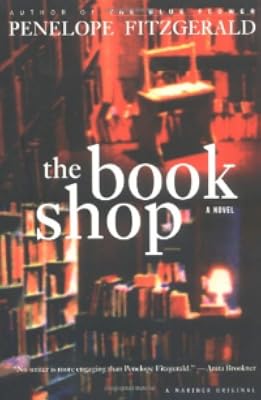
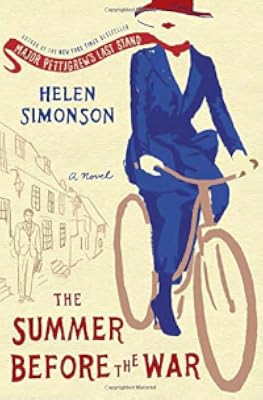
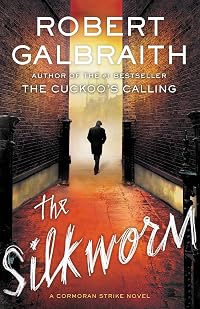
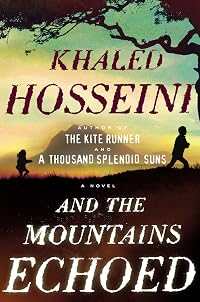

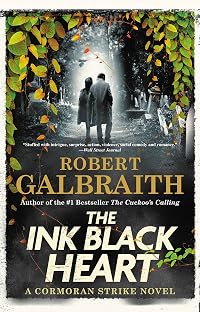
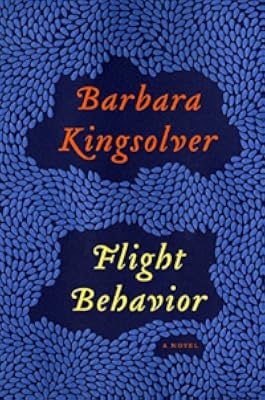
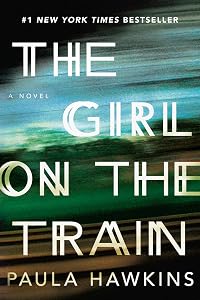
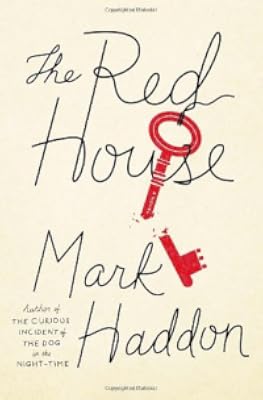



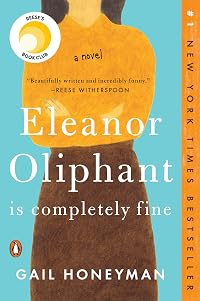
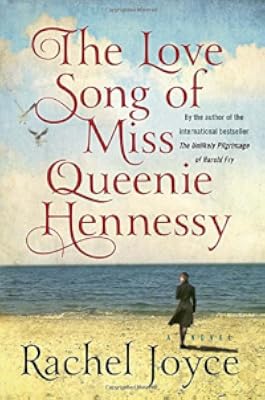

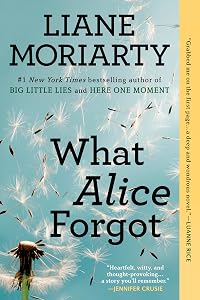
Member Recommendations
Cecrow English small town nonsense, nobody's life flowing smoothly, lots of headstrong people making unwise choices, and social standing is king.
30


julienne_preacher Good books, unlikeable characters.
Solar by Ian McEwan
by raulvilar
Member Reviews
The darkness in The Casual Vacancy isn't supernatural, but human: human pettiness, selfishness, pride, cruelty, shame, and malice. Rowling introduces a compex ensemble cast, none of whom are wholly likable or wholly detestable, all of whom are believable.
Barry Fairbrother's death leaves his wife Mary a widow, their four children fatherless, and his seat on the town council of Pagford empty. This last has serious ramifications: Barry was an advocate for the Fields, a low-income housing area that many Pagfordians resent, and the Bellchapel Addition Clinic. Howard Mollison, the council chair, is against the Fields and wants them returned to Yarvil, the neighboring town, whereupon the clinic would most likely be closed down.
Pro- and show more anti-Fields councilors both aim to fill the empty seat with someone sympathetic to their cause, but the eventual candidates are running for their own reasons: Colin Wall wants to push Barry's agenda through out of loyalty to the man, though he himself has no strong beliefs about the cause. Miles Mollison, Howard's son, wants to join his father as a councilor of Pagford for the prestige of it. Simon Price, always trying to cut corners, wants the seat for its potential for underhanded schemes.
The reactions of the candidates' wives and teenage children range from dismayed to resentful to appalled. Andrew Price fears that his father, who is violent at home, will make a fool of himself in public. Stuart "Fats" Wall also sees potential for embarrassment, and his mother Tessa fears for Colin's mental health. Miles' wife Samantha hates the town of Pagford, Miles' parents Howard and Shirley, and maybe Miles himself.
Barry's other ally on the council was Dr. Parminder Jawanda, whose children attend the local school and whose husband is a surgeon. Parminder is driven and intelligent, but sensitive to her status as an outsider, and unsympathetic toward the least capable of her children, her dyslexic daughter Sukhvinder.
Aside from the Price, Wall, Mollison, and Jawanda families, there is Kay Bawden, a social worker who moved to Pagford for a relationship with Barry's friend Gavin (who couldn't figure out how to tell her not to), and Kay's daughter Gaia, who is furious at being moved away from London. Finally, there is the Weedon family: volatile high school student Krystal, her junkie mother Terri, her great-grandmother Nana Cath, and her little brother Robbie.
Propelled by their own motivations, it's the rare Pagfordian who stops to consider the reasons behind others' actions. Each of Rowling's many multifaceted characters is driven by their own desires, and this is just as often the wish to avoid something (e.g. shame, bullying, violence) as the wish to obtain something (prestige, money, power, influence).
Many of these desires conflict and collide throughout the course of the novel; Pagford may be small, but it isn't sleepy. Nearly every human vice or failing is present, from petty gossip to adultery, drugs to domestic abuse to rape. There are clashes between teenagers and adults, between the poor and the affluent, and racial tension simmers under the surface. Unkindness trumps kindness more often than not.
And yet, Rowling is such a consummate storyteller that it is not unpleasant to spend time in the world of Pagford: the pacing in The Casual Vacancy is superb, the characters compelling if not always likable. Readers are, once again, in good hands.
Quotes:
...but that was a long time ago, and Shirley took the view that the past disintegrated if you never mentioned it. She refused to remember. (115)
...a quality that [Ruth] and Shirley shared and admired in each other was a genteel reticence; a pride in presenting an unruffled surface to the world. (116)
Life, for Colin, was one long brace against pain and disappointment, and everybody apart from his wife was an enemy until they had proven otherwise. (230)
But who could bear to know which stars were already dead, she thought, blinking up into the night sky, could anybody stand to know that they all were? (Tessa, 477) show less
Barry Fairbrother's death leaves his wife Mary a widow, their four children fatherless, and his seat on the town council of Pagford empty. This last has serious ramifications: Barry was an advocate for the Fields, a low-income housing area that many Pagfordians resent, and the Bellchapel Addition Clinic. Howard Mollison, the council chair, is against the Fields and wants them returned to Yarvil, the neighboring town, whereupon the clinic would most likely be closed down.
Pro- and show more anti-Fields councilors both aim to fill the empty seat with someone sympathetic to their cause, but the eventual candidates are running for their own reasons: Colin Wall wants to push Barry's agenda through out of loyalty to the man, though he himself has no strong beliefs about the cause. Miles Mollison, Howard's son, wants to join his father as a councilor of Pagford for the prestige of it. Simon Price, always trying to cut corners, wants the seat for its potential for underhanded schemes.
The reactions of the candidates' wives and teenage children range from dismayed to resentful to appalled. Andrew Price fears that his father, who is violent at home, will make a fool of himself in public. Stuart "Fats" Wall also sees potential for embarrassment, and his mother Tessa fears for Colin's mental health. Miles' wife Samantha hates the town of Pagford, Miles' parents Howard and Shirley, and maybe Miles himself.
Barry's other ally on the council was Dr. Parminder Jawanda, whose children attend the local school and whose husband is a surgeon. Parminder is driven and intelligent, but sensitive to her status as an outsider, and unsympathetic toward the least capable of her children, her dyslexic daughter Sukhvinder.
Aside from the Price, Wall, Mollison, and Jawanda families, there is Kay Bawden, a social worker who moved to Pagford for a relationship with Barry's friend Gavin (who couldn't figure out how to tell her not to), and Kay's daughter Gaia, who is furious at being moved away from London. Finally, there is the Weedon family: volatile high school student Krystal, her junkie mother Terri, her great-grandmother Nana Cath, and her little brother Robbie.
Propelled by their own motivations, it's the rare Pagfordian who stops to consider the reasons behind others' actions. Each of Rowling's many multifaceted characters is driven by their own desires, and this is just as often the wish to avoid something (e.g. shame, bullying, violence) as the wish to obtain something (prestige, money, power, influence).
Many of these desires conflict and collide throughout the course of the novel; Pagford may be small, but it isn't sleepy. Nearly every human vice or failing is present, from petty gossip to adultery, drugs to domestic abuse to rape. There are clashes between teenagers and adults, between the poor and the affluent, and racial tension simmers under the surface. Unkindness trumps kindness more often than not.
And yet, Rowling is such a consummate storyteller that it is not unpleasant to spend time in the world of Pagford: the pacing in The Casual Vacancy is superb, the characters compelling if not always likable. Readers are, once again, in good hands.
Quotes:
...but that was a long time ago, and Shirley took the view that the past disintegrated if you never mentioned it. She refused to remember. (115)
...a quality that [Ruth] and Shirley shared and admired in each other was a genteel reticence; a pride in presenting an unruffled surface to the world. (116)
Life, for Colin, was one long brace against pain and disappointment, and everybody apart from his wife was an enemy until they had proven otherwise. (230)
But who could bear to know which stars were already dead, she thought, blinking up into the night sky, could anybody stand to know that they all were? (Tessa, 477) show less
Wow, what a good job it is that JK Rowling didn't decide to retire from writing after the Harry Potter series. There is clearly so much more in the tank, starting with all the swear words that weren't allowed in a children's novel. This is gloriously sweary; like a potty-mouthed Maeve Binchy dishing up the gossip. A slice of British life at its ugliest, whilst allowing that nobody is beyond help. Brilliant book, shame there won't be another six in this series.
JK Rowling was not even fucking around when she said that this book was for adults. This is about as far removed from a story for kids as it's possible to get. There's no pigeonholing the mighty JK Rowling, that's for sure. She's like an authorial ninja... she comes out of nowhere, lays the smack down in a style of awesomeness you would never expect, and then goes about her business, leaving you reeling.
BLAMMO!
Even though I was expecting an "adult" book... I don't think it really hit me how different it really would be. I mean, like most other Potterheads, I've read the books dozens of times and I'm used to the worst language from JKR being mudblood, git, and bitch. So to see words like fuck, whore, and cunt being thrown about like it show more ain't no thang, I admit that it was a little bit of a surprise.
But it's fantastic. Really. It's a book that I feel like I'll need to read again (rather than just wanting to, which I do), because Rowling is so skillful with her pen that I'm not sure I caught every reference, every nuance or intended meaning.
It took me a long time to read this book. Longer by far than it should have taken, because I have a lot going on in the world outside of books. That scary place called "reality". *shudder* I'm in the midst of packing for a move so reading has been pushed to the back-burner. But even so, whenever I picked up the book, be it hours or days later, I was right back in Pagford as if I'd lived there all my life.
There's no main character in this story. It's told in constantly shifting points of view from several key members of the Pagford community. And at this juncture, I'd like to offer a little comparison. While reading this book, I had to take a break to read my real life bookclub selection The Time Traveler's Wife. Both books are told from multiple POVs, but Time Traveler's Wife abruptly changes back and forth between Henry and Clare's POV. The Time Traveler's Wife's POV switches are clearly delineated by a paragraph break (at the very least), and a header with the new narrator's name. Every time. But there were times reading The Time Traveler's Wife that I had no idea which person was narrating and would have to go back and check. There just didn't seem to be enough difference in their voices to really follow the narration switches without the headers available for reference when needed.
This is not the case with The Casual Vacancy. TCV doesn't abruptly change narrators, instead the narrative flows effortlessly among them all. Sentence to sentence the POV can change, but I never, not one time, had any difficulty following it. In fact, I'd read about 1/3 of the book prior to seeing JK Rowling in New York for her interview and signing, and this aspect was mentioned by Ann Patchett. It was like a lightbulb went off in my head, because I felt that there was something a little different about the narrative, but couldn't put my finger on it. After it was identified (Seriously, thank you Ann Patchett!), I could watch the narrative changes in action, and it was really amazing to see the shifts happen but at the same time forget that they were happening at all because it was just so easy to keep up with.
If I had one complaint about the narration style, it would be the use of parentheses. There were often asides notated in parentheses, and I really didn't think they were necessary at all, given the flowy almost stream-of-Pagford-consciousness style of the narration. The parentheses broke up the narrative and felt like an interruption to me. The info was necessary, but I wish it would have been worked into the text more seamlessly.
A little bit about the characters. First... Oh my. I would NOT want to live in Pagford, that is for damn sure. It may seem idyllic and homey and welcoming... until you actually talk to the residents. There was only one really likeable character in the whole story, and he's the one Rowling killed off about 3 pages in.
Everyone else is a complex jumble of neuroses and anger and manipulation and selfishness. It's interesting to me that the teenagers in the story, though having their own set of issues semi-intertwined with the adults' issues, were actually the more civilized among the parish. And that's taking into account the bullying, the ostracizing, the usual teen drama stuff that happens everywhere. Which, I think, should tell you something about this town.
One of the characters had this kind of affectation of being "authentic". He'd pretty much just do and say anything at all that he wanted, thinking that each action (or non-action) was the "authentic" one of the moment. But there were times when his "authenticity" seemed so staged and planned that I couldn't help thinking that maybe there was a page missing in his dictionary between "Asshole" and "Authentic" and he got them confused.
I really could mention something about every character - about how they lie to themselves as naturally as they lie to each other, about how they have more faces than Janus, about... well, many things. But I don't want to ruin it for anyone.
There are many themes in this book, most pertaining to pain of some sort. Mental illness, depression, addiction and dependency, abuse - both physical and emotional, death, etc, and the way that they were handled was pretty much spot on. Idealism has no place in Pagford, and we rarely get happy endings in the real world.
This was a sad story, in a lot of ways, but never manipulative. One of the parts that made me cry was so unexpected that I had to laugh at myself for it, because usually my waterworks are fairly predictable. My favorite character (what? I can like unlikeable characters!) is, of course, the one struggling so much against the current of Pagford's selfish will. I always root for underdogs. But, in this case, it was painful. It was heartbreaking to watch, because each scene kept escalating things, and the two forces (the character and Pagford) were at odds with each other, though not really directly and every time a step forward would be made, there would be two pushes back the other way. Honestly at times I wanted to reach through my nook to slap people... but it only would have made me feel better temporarily and wouldn't have helped the situation. It was just so frustrating! But I loved it.
There were moments of humor, but more often I was reading with a grimace of disgust at the horrible things that people can say and do to each other. But then, the mark of a great story is its ability to affect the reader, and this one definitely affected me.
Highly recommended. show less
The Casual Vacancy Secrets, Sabotage, and Scandal or Oh the things muggles get up to...
Casual Vacancy tells the story of a small community in the aftermath of the unexpected death of one of its community leaders and council members, Barry Fairbrother. Several of Fairbrother's peers are ready and willing to fill his empty council seat but not everyone is happy with the nominees. Suddenly this small town is like an episode of Gossip Girl as somebody claiming to be Barry Fairbrother's ghost begins posting on the council's website and outing all of the member's dirty little secrets (XoXo) And while all of the adults are plotting, planning, and pointing fingers, who is watching their kids? These parents may have underestimated their teens' show more resentments as they focus all of their energy on their position in the community.
I listened to the Audible audio version of this and the narration was brilliant. He didn't really change his voice for the characters much, he simply told the story but his voice and tone was so pleasant that I was able to lose myself completely in the story. I would absolutely recommend listening to this on audio.
What's great about Casual Vacancy is the authenticity of the characters and the way Rowling so insightfully exposes the uglier side of human nature, the fears and insecurities that sometimes motivate people to do the things they do. While Casual Vacancy is about an empty council seat, the real meat and potatoes of the story is in the interactions between these characters and the complexities of those relationships. Of all the many personalities in this story, I thought that the teenagers were written exceptionally well, not surprisingly. And although the plot revolves around the empty council seat, the children definitely play a big role in this story.
There were a lot of characters with a lot of interaction between all of them which sometimes made it difficult for me to remember who was married to who and which kid belonged to which parent but I can see that cutting even one of the many personalities would have taken something significant away from the story. The only negative about the charcaters being so genuine and familiar is that it felt a bit like spying on your neighbors. It's all deliciously scandalous what they get up to, but only if you know them personally. Otherwise, no one really cares because they're just like everyone else's' neighbors.
Where Casual Vacancy didn't work for me was in the plot. It's almost as if she created these complex, multi-faceted characters and then threw together these unexceptional circumstances so they could interact. For most of the book, I was honestly pretty bored with the storyline. But about 2/3s of the way through, I began to really enjoy the story. Just getting there as a bit slow. The complex characters and wonderful writing might be enough to pull a reader through a plot that is like slogging through quicksand. The question is, was the payoff at the end enough to make that tedious journey worth it. Ultimately, for me it was.
It's JK Rowling so it is no surprise that the writing was stellar. At one point, when I complained about how slow moving the story was, a friend asked me if I would have even kept reading if it would have been any other author. My reply was, if it had been any other author, I would have never picked this book up. I had to keep this fact in mind when listening to Casual Vacancy because I thought maybe that is why many people are having such an issue with this book. A book like this might not appeal to many of Rowling's fan base being so far from what they enjoyed about the Harry Potter series.
There were several laugh out loud moments and I especially enjoyed some of the eccentricities of the characters. The pacing of the story was slow and steady, with emphasis on the "slow". I did like that Casual Vacancy wrapped up all the loose ends by the end even though some of those loose ends seemed like they were tied up a little too conveniently to feel genuine. Overall, it was a lot darker than I expected which certainly increased my enjoyment of it. I wouldn't necessarily recommend it for fans of Harry Potter, but perhaps for fans of General fiction. show less
Casual Vacancy tells the story of a small community in the aftermath of the unexpected death of one of its community leaders and council members, Barry Fairbrother. Several of Fairbrother's peers are ready and willing to fill his empty council seat but not everyone is happy with the nominees. Suddenly this small town is like an episode of Gossip Girl as somebody claiming to be Barry Fairbrother's ghost begins posting on the council's website and outing all of the member's dirty little secrets (XoXo) And while all of the adults are plotting, planning, and pointing fingers, who is watching their kids? These parents may have underestimated their teens' show more resentments as they focus all of their energy on their position in the community.
I listened to the Audible audio version of this and the narration was brilliant. He didn't really change his voice for the characters much, he simply told the story but his voice and tone was so pleasant that I was able to lose myself completely in the story. I would absolutely recommend listening to this on audio.
What's great about Casual Vacancy is the authenticity of the characters and the way Rowling so insightfully exposes the uglier side of human nature, the fears and insecurities that sometimes motivate people to do the things they do. While Casual Vacancy is about an empty council seat, the real meat and potatoes of the story is in the interactions between these characters and the complexities of those relationships. Of all the many personalities in this story, I thought that the teenagers were written exceptionally well, not surprisingly. And although the plot revolves around the empty council seat, the children definitely play a big role in this story.
There were a lot of characters with a lot of interaction between all of them which sometimes made it difficult for me to remember who was married to who and which kid belonged to which parent but I can see that cutting even one of the many personalities would have taken something significant away from the story. The only negative about the charcaters being so genuine and familiar is that it felt a bit like spying on your neighbors. It's all deliciously scandalous what they get up to, but only if you know them personally. Otherwise, no one really cares because they're just like everyone else's' neighbors.
Where Casual Vacancy didn't work for me was in the plot. It's almost as if she created these complex, multi-faceted characters and then threw together these unexceptional circumstances so they could interact. For most of the book, I was honestly pretty bored with the storyline. But about 2/3s of the way through, I began to really enjoy the story. Just getting there as a bit slow. The complex characters and wonderful writing might be enough to pull a reader through a plot that is like slogging through quicksand. The question is, was the payoff at the end enough to make that tedious journey worth it. Ultimately, for me it was.
It's JK Rowling so it is no surprise that the writing was stellar. At one point, when I complained about how slow moving the story was, a friend asked me if I would have even kept reading if it would have been any other author. My reply was, if it had been any other author, I would have never picked this book up. I had to keep this fact in mind when listening to Casual Vacancy because I thought maybe that is why many people are having such an issue with this book. A book like this might not appeal to many of Rowling's fan base being so far from what they enjoyed about the Harry Potter series.
There were several laugh out loud moments and I especially enjoyed some of the eccentricities of the characters. The pacing of the story was slow and steady, with emphasis on the "slow". I did like that Casual Vacancy wrapped up all the loose ends by the end even though some of those loose ends seemed like they were tied up a little too conveniently to feel genuine. Overall, it was a lot darker than I expected which certainly increased my enjoyment of it. I wouldn't necessarily recommend it for fans of Harry Potter, but perhaps for fans of General fiction. show less
If you watched Broadchurch, or the American version, Gracepoint, you probably already know the flavor of J. K. Rowling’s The Casual Vacancy. A small English town and its even smaller suburb across the hill form the backcloth to the tale. A wealth of characters, rich and poor, young and old, all hide their sins and secrets, living seemingly normal lives with normal afflictions covering normal needs. But one man has died, leaving a “casual vacancy” on the council. The council’s word just might decide the future of a teenage girl and her run-down neighborhood. But it all depends on who can win the most votes, sway the most opinions, or beat the system most efficiently.
J. K. Rowling paints convincing characters interacting with show more wholly authentic dialog. The flavor of England, slightly gone-off, over the hill, wounded, or even scared, fills every page. Every picture reveals its hidden side, and every argument remains strong in its own dark twisted way. Readers follow the paths of runaway, stay-at-home and stranger, picking favorites perhaps, struggling to approve when the next betrayal looms. But these characters aren’t there to please—their aim is just to survive. And this novel brings their world and their suffering to life.
Thought-provoking, sad, neither casual nor vacant, this novel is a heavy tale of real people, torn and darkened by the past, then lit, in the end, by just that hint of silver lined clouds when the rainstorm’s passed.
Disclosure: I might not have picked it up if it weren’t written by J. K. Rowling, but I found it cheap in a store and I’m glad I bought it. show less
J. K. Rowling paints convincing characters interacting with show more wholly authentic dialog. The flavor of England, slightly gone-off, over the hill, wounded, or even scared, fills every page. Every picture reveals its hidden side, and every argument remains strong in its own dark twisted way. Readers follow the paths of runaway, stay-at-home and stranger, picking favorites perhaps, struggling to approve when the next betrayal looms. But these characters aren’t there to please—their aim is just to survive. And this novel brings their world and their suffering to life.
Thought-provoking, sad, neither casual nor vacant, this novel is a heavy tale of real people, torn and darkened by the past, then lit, in the end, by just that hint of silver lined clouds when the rainstorm’s passed.
Disclosure: I might not have picked it up if it weren’t written by J. K. Rowling, but I found it cheap in a store and I’m glad I bought it. show less
"The Casual Vacancy = Mind Blowing" - one of the Goodreads reviewers said, and I agree.
I must confess I did not read any of the other J.K.Rowling books, nor watched the movies, for various reasons, the most important being that magic/fantasy isn't a genre I am interested in. Never was, really, not even as a preschooler! In fact, I learnt my first lesson of adult betrayal in life when they tried to convince me of the existence of fairies and gnomes! I was about three years old. Since then I never trusted these adults!
So on that note, it did not matter to me that the same author of the Harry Potter world phenomenon wrote this book, which is such a surprising departure from her previous theme.
It could have been anyone else and I would show more still have felt the same awe after finishing it. I will never forget Krystal and what happened to her(and an entire town for that matter), when Barry Fairbrother, her unofficial guardian angel, departs. Originating from 'The Fields' himself, Barry was streetwise enough to bring balance to a town filled with imperfect lovable/despisable characters and to be the town's conscious in the Pagford Parish Council.
The rest of the characters made a profound impact as well, but that innocent, misunderstood, deeply scarred young girl, with her brother Robbie, ripped my heart out.
The book starts out with Barry Fairbrother's death. But to me, the whole unraveling of a town's soul begins with his funeral service:
"P. 159: "The coffin itself was not made of polished mahogany, but of wickerwork.
It's a bloody picnic basket! though Howard,outraged.
Looks of surprise fitted across many faces as the willow box passed them...
Parminder liked the willow coffin better, much better, than the stout wooden box in which most English disposed of their dead. Her grandmother had always had a superstitious fear of the soul being trapped inside something heavy and solid, deploring the way that British undertakers nailed down the lids. "
P.163: "We are going to finish today's service with a song chosen by Barry's daughters, Niamh and Siobhan, which meant a lot to them and their father' said the vicar. He managed, by his tone, to dissociate himself personally from what was about to happen.
The beat of the drum rang so loudly through hidden speakers that the congregation jumped......"
Barry's soul promised to escape for sure and roam the town, turning it upside down and upright again. Yes, shortly after the funeral 'The_Ghost_of_Barry_Fairbrother' began its descend onto Pagford...! A lot of skeletons started rattling in the closets!
The book ends in the same church, same vicar, same rap song, same attendants, different departing bodies. But this time, at the very end of the service, the vicar,as he announced it, sounded resigned.( P.503)
I cannot remember when was the last time a book made such a profound impression on me. The characters are firmly cemented in our reality.The most important is that every reader will recognize him/herself in that book. The irony is that although we recognize ourselves, we will despise ourselves in action!
And meet a community(ourselves) in all its(our) hypocritical splendor: the love, hurt, uncertainties, lies, deceit, abuse, unfaithfulness, real and forged friendships, pretense, kindness, the social- mental- psychological wars.....
Brilliant book! A new genre for J.K.Rowling, but she is a master at it! show less
I must confess I did not read any of the other J.K.Rowling books, nor watched the movies, for various reasons, the most important being that magic/fantasy isn't a genre I am interested in. Never was, really, not even as a preschooler! In fact, I learnt my first lesson of adult betrayal in life when they tried to convince me of the existence of fairies and gnomes! I was about three years old. Since then I never trusted these adults!
So on that note, it did not matter to me that the same author of the Harry Potter world phenomenon wrote this book, which is such a surprising departure from her previous theme.
It could have been anyone else and I would show more still have felt the same awe after finishing it. I will never forget Krystal and what happened to her(and an entire town for that matter), when Barry Fairbrother, her unofficial guardian angel, departs. Originating from 'The Fields' himself, Barry was streetwise enough to bring balance to a town filled with imperfect lovable/despisable characters and to be the town's conscious in the Pagford Parish Council.
The rest of the characters made a profound impact as well, but that innocent, misunderstood, deeply scarred young girl, with her brother Robbie, ripped my heart out.
The book starts out with Barry Fairbrother's death. But to me, the whole unraveling of a town's soul begins with his funeral service:
"P. 159: "The coffin itself was not made of polished mahogany, but of wickerwork.
It's a bloody picnic basket! though Howard,outraged.
Looks of surprise fitted across many faces as the willow box passed them...
Parminder liked the willow coffin better, much better, than the stout wooden box in which most English disposed of their dead. Her grandmother had always had a superstitious fear of the soul being trapped inside something heavy and solid, deploring the way that British undertakers nailed down the lids. "
P.163: "We are going to finish today's service with a song chosen by Barry's daughters, Niamh and Siobhan, which meant a lot to them and their father' said the vicar. He managed, by his tone, to dissociate himself personally from what was about to happen.
The beat of the drum rang so loudly through hidden speakers that the congregation jumped......"
Barry's soul promised to escape for sure and roam the town, turning it upside down and upright again. Yes, shortly after the funeral 'The_Ghost_of_Barry_Fairbrother' began its descend onto Pagford...! A lot of skeletons started rattling in the closets!
The book ends in the same church, same vicar, same rap song, same attendants, different departing bodies. But this time, at the very end of the service, the vicar,as he announced it, sounded resigned.( P.503)
I cannot remember when was the last time a book made such a profound impression on me. The characters are firmly cemented in our reality.The most important is that every reader will recognize him/herself in that book. The irony is that although we recognize ourselves, we will despise ourselves in action!
And meet a community(ourselves) in all its(our) hypocritical splendor: the love, hurt, uncertainties, lies, deceit, abuse, unfaithfulness, real and forged friendships, pretense, kindness, the social- mental- psychological wars.....
Brilliant book! A new genre for J.K.Rowling, but she is a master at it! show less
As the lockdown continues with no access to new library books, I turned to my TBR bookcase. Not being a Harry Potter fanatic, I was curious to see what kind of writer J.K. Rowling is outside of the wizarding worlds. This novel was a slow build to a very affecting ending. It's a tale of small town politics and the vast class divide within. Pagford is the wealthy village, Yarvil is the nearby small city, and the Fields are the council estates (low income housing) in between, and some Pagford residents want to gift/dump the Fields on Yarvil. The death of a beloved advocate for the people of the Fields, a native who rose above his origins, sets off a political war as the children of five pretty awful sets of parents take their revenge. It's show more too long, and there are many meandering paths, but the reader is richly rewarded for the journey.
Quotes: "He had the child's belief that the rest of the world exists as staging for their personal drama."
"How awful it was, the way the tiny ghosts of your living children haunted your heart; they could never know how their growing was a constant bereavement." show less
Quotes: "He had the child's belief that the rest of the world exists as staging for their personal drama."
"How awful it was, the way the tiny ghosts of your living children haunted your heart; they could never know how their growing was a constant bereavement." show less
Members
- Recently Added By
Published Reviews
ThingScore 61
Set in the fictional village of Pagford, The Casual Vacancy at first seems to have all the trappings of the adorable-English-town novel—an updating of Jane Austen viewed through the loving lens of a Merchant Ivory production. But the book’s misanthropy is more indebted to Hardy or Somerset Maugham, both known for their deep distrust of humankind and their sense of the viciousness that can show more spring up among neighbors. show less
added by eereed
Rowling has spoken of the sense of risk in embarking on this novel. The Harry Potter series must have been a tough act to follow. What she wanted to do here, I guess, was to seize on the world we can all see without going through Platform 9¾. She has done that to stunning effect.
added by souloftherose
This is a novel of insight and skill, deftly drawn and, at the end, cleverly pulled together. It plays to her strengths as a storyteller. That will not stop the envious from carping.
added by eereed
Lists

Read the book and saw the movie
1,170 works; 192 members

Top Five Books of 2013
1,562 works; 715 members

Books Read in 2015
3,299 works; 129 members

Small Town Fiction
66 works; 13 members

Best 21st Century Books (So Far)
670 works; 86 members
Books Read in 2016
4,666 works; 197 members

Books Read in 2017
4,249 works; 130 members
Books Set in Small Towns and Villages
278 works; 16 members

Secrets Books
94 works; 3 members

Books Read in 2020
4,379 works; 124 members

aborted books in 2020
36 works; 1 member

unread and uncatalogued
48 works; 1 member

KayStJ's to-read list
1,616 works; 11 members

IMPAC Dublin Literary Award 2014 longlist
150 works; 3 members

Books Read in 2018
4,360 works; 110 members

Books Read in 2019
4,052 works; 110 members

Books Read in 2013
1,630 works; 51 members

Books Featured on Readers' Review of the Diane Rehm Show
161 works; 8 members

Recommend the 20 best books you've read in the last five years
2,168 works; 606 members
Talk Discussions
Past Discussions
The Casual Vacancy group discussion thread -- now, with SPOILERS! in Hogwarts Express (October 2014)
The Casual Vacancy spoiler-free review in Hogwarts Express (November 2012)
Author Information

363+ Works 1,030,000 Members
J. K. (Joanne Kathleen) Rowling was born in Gloucestershire, U. K. on July 31, 1965. She also writes fiction novels under the name of Robert Galbraith. Rowling attended Tutshill Primary and then went on to Wyedean Comprehensive where she was made Head Girl in her final year. She received a degree in French from Exeter University. She later took show more some teaching classes at Moray House Teacher Training College and a teacher-training course in Manchester, England. This extensive education created a perfect foundation to spark the Harry Potter series that Rowling is renowned for. After college, Rowling moved to London to work for Amnesty International, where she researched human rights abuses in Francophone Africa, and worked as a bilingual secretary. In 1992, Rowling quit office work to move to Portugal and teach English as a Second Language. There she met and married her husband, a Portuguese TV journalist. But the marriage dissolved soon after the birth of their daughter. It was after her stint teaching in Portugal that Rowling began to write the premise for Harry Potter. She returned to Britain and settled in Edinburgh to be near her sister, and attempted to at least finish her book, before looking for another teaching job. Rowling was working as a French teacher when her book, Harry Potter and the Philosopher's Stone was published in June of 1997 and was an overnight sensation. Harry Potter and the Philosopher's Stone won the British Book Awards Children's Book of the Year, was shortlisted for the Guardian Fiction Award, and received a Commended citation in the Carnegie Medal awards. She also received 8,000 pounds from the Scottish Arts Council, which contributed to the finishing touches on The Chamber of Secrets. Rowling continued on to win the Smarties Book Prize three years in a row, the only author ever to do so. At the Bologna Book Fair, Arthur Levine from Scholastic Books, bought the American rights to Harry Potter and the Philosopher's Stone for the unprecedented amount of $105,000.00. The book was retitled Harry Potter and the Sorcerer's Stone for it's American release, and proceeded to top the Best Seller's lists for children's and adult books. The American edition won Best of the Year in the School Library Journal, Publishers Weekly, Parenting Magazine and the Cooperative Children's Book Center. It was also noted as an ALA Notable Children's Book as well as Number One on the Top Ten of ALA's Best Books for Young Adults. The Harry Potter Series consists of seven books, one for each year of the main character's attendance at the Hogwarts School of Witchcraft and Wizardry. All of the books in the series have been made into successful movies. She is number 1 on the Hollywood Reporter's '25 Most Powerful Authors' 2016 list. She has also written Fantastic Beasts and Where to Find Them, Quidditch Through the Ages, and The Tales of Beedle the Bard. She won the 2016 PEN/Allen Foundation Literary Service Award. In 2016 she, along with Jack Thorne and John Tiffany, published the script of the play Harry Potter and the cursed child. It became an instant bestseller. Rowling's first novel for an adult audience,The Casual Vacancy, was published by Little Brown in September 2012. She made The New York Times Best Seller List with her title Very Good Lives: The Fringe Benefits of Failure and the Importance of Imagination. She published two bestselling fiction novels under the name of Robert Galbraith: The Cuckoo's Calling and The Silkworm. (Bowker Author Biography) show less
Some Editions
Awards and Honors
Awards
Distinctions
Series
Belongs to Publisher Series
Le livre de poche (33115)
Work Relationships
Has the adaptation
Common Knowledge
- Canonical title
- The Casual Vacancy
- Original title
- The Casual Vacancy
- Original publication date
- 2012-09-27
- People/Characters
- Barry Fairbrother; Mary Fairbrother; Simon Si-Pie Price; Ruth Price; Andrew Arf Peanut Price; Colin Cubby Wall (show all 86); Tessa Wall; Stuart Fats Wall; Krystal Weedon; Terri Weedon; Howard Mollison; Shirley Mollison; Miles Mollison; Samantha Sam Mollison; Sukhvinder Suki Jolly Kaur Jawanda; Parminder Bend Your Ear Jawanda; Vikram Jawanda; Kay Bawden; Gaia Bawden; Gavin Hughes; Maureen Mo Lowe; Alison Jenkins; Dane Tully; Julia Fawley; Aubrey Fawley Sr; Jaswant Jawanda; Catherine Nana Cath Weedon; Danielle Fowler; Patricia Mollison; Aubrey Fawley Jr; Fergus Fairbrother; Niamh Fairbrother; Siobhan Fairbrother; Edclan Fairbrother; Paul Price; Aubrey; Julia; Rajpal Jawanda; Rob Calder; Mark Richards; Shawcross; Aisla; Kevin Cooper; Mecher; Huw Jeffries; Nikki; Lexie Mollison; Mattie Knox; Robbie Wheedon; Alex; Una; Bennet; Libby Mollison; Obbo; Jemma; Leann Carter; Louise Harper; Crawford; Maisie Lawford; Laureen; Skye Kirby; Shona; Lucy Beban; Rosemary Hoewson; Lisa Hughes; Dannielle Wheedon-Fowler; Cheryl Weehdon-Tully; Shane Tully; Rhiannion Wheedon; John; Sue; Ane Marie Weedon; Ashley Mellor; Pikey Pritchard; Karen; Laura; Michael Mikey Wheedon; Carly; Carmen Lewis; Betty Rossiter; Nina; Gillian; Brian Grant; Fionna Shawcross; Henry; Stella
- Important places
- Pagford, England, UK; Yarvil, England, UK
- Important events
- Mid-term death of Barry Fairbrother
- Related movies
- The Casual Vacancy (2015 | IMDb)
- Dedication
- To Neil
- First words
- Barry Fairbrother did not want to go out to dinner.
- Quotations
- He thought that it was all over, finished, done with. Andrew had never yet had reason to observe the first tiny bubble of fermenting yeast, in which was contained an inevitable, alchemical transformation.
It was strange how your brain could know what your heart refused to accept. - Last words
- (Click to show. Warning: May contain spoilers.)Her family half-carried Terri Weedon back down the royal blue carpet, and the congregation averted its eyes.
- Original language*
- Inglese
*Some information comes from Common Knowledge in other languages. Click "Edit" for more information.
Classifications
Statistics
- Members
- 11,935
- Popularity
- 733
- Reviews
- 604
- Rating
- (3.38)
- Languages
- 29 — Arabic, Catalan, Chinese, Czech, Danish, Dutch, English, Estonian, Finnish, French, German, Greek, Hungarian, Italian, Japanese, Korean, Latvian, Norwegian (Bokmål), Norwegian, Farsi/Persian, Polish, Portuguese, Romanian, Russian, Spanish, Swedish, Thai, Turkish, Vietnamese
- Media
- Paper, Audiobook, Ebook
- ISBNs
- 110
- ASINs
- 46