On This Page
Description
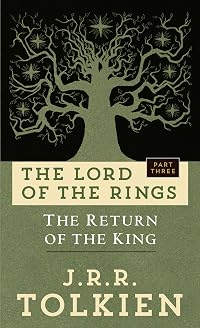
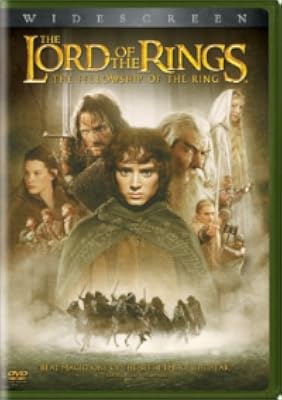
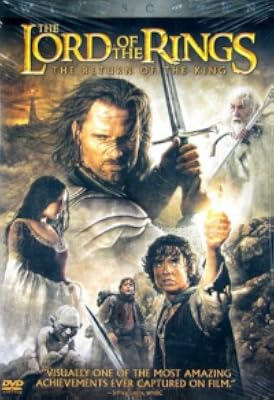
As the armies of the Dark Lord gather, Aragorn joins with the Riders of Rohan, Merry and Pippin escape into the Fangorn Forest and meet the Ents, Gandalf returns, and Sam and Frodo are separated after Frodo is captured by the Orcs.Tags
Recommendations
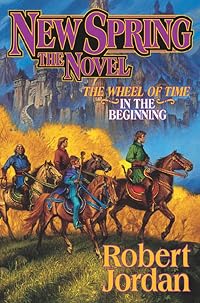
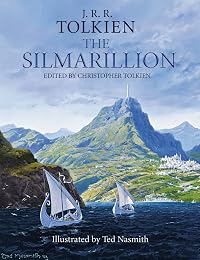
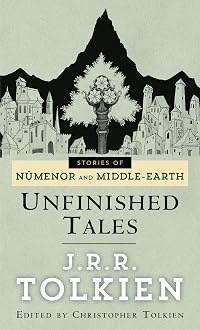


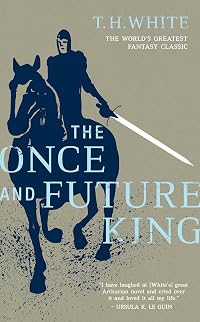



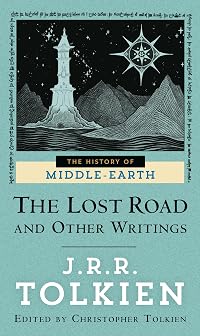
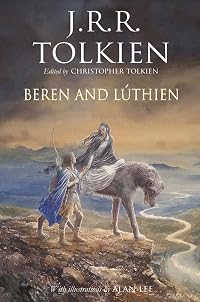
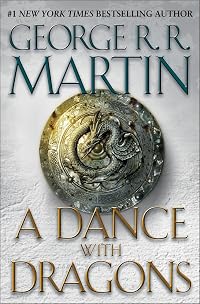
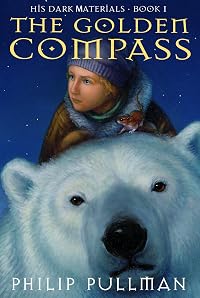
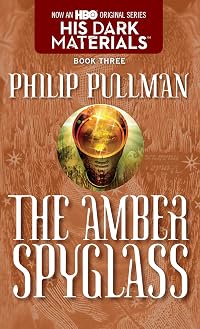
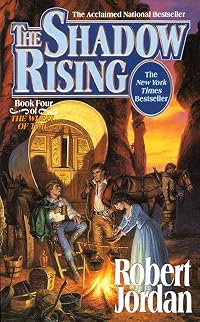

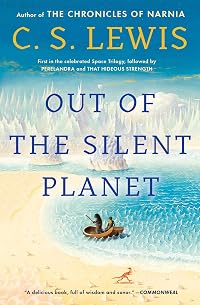
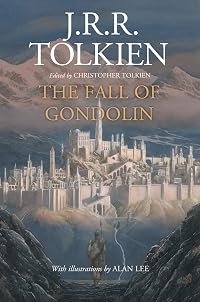
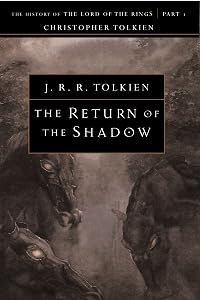
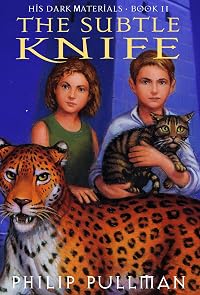
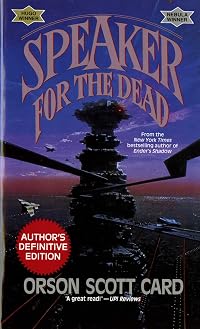
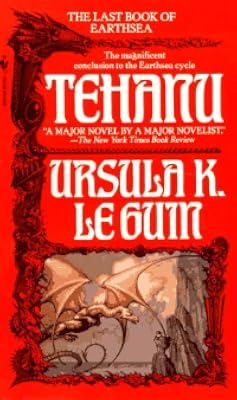
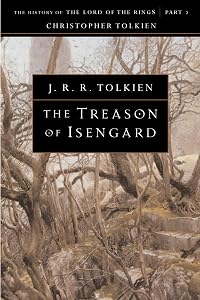
Member Recommendations
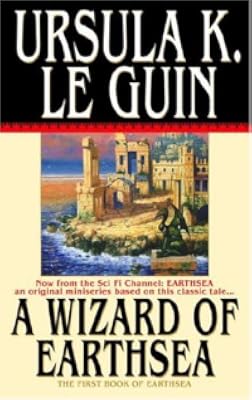
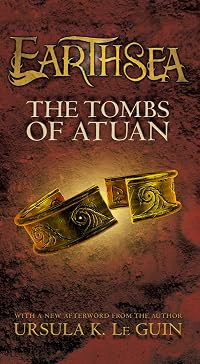
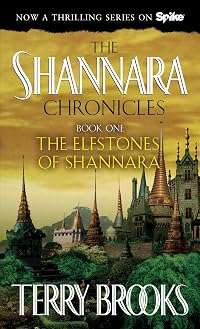
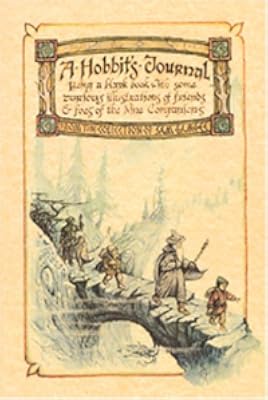
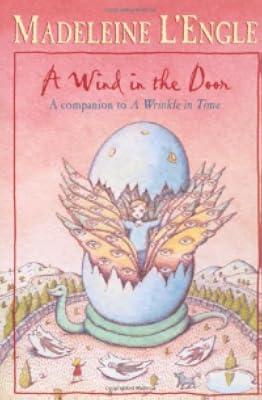
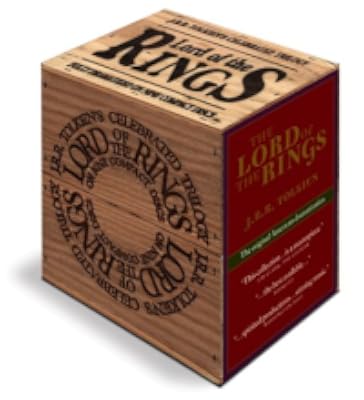
mirryi The Silmarillion recounts the history of the Elder Days; a must-read for those interested in Tolkein's imagined lore.
40
heidialice Oswald is a tribute to Tolkien and his scholarship, and while strictly historical (fiction) with no fantasy elements, is in my opinion a worthy companion read!
20
PaperbackPirate contains many Lord of the Rings references
22
Member Reviews
"And the ship went out into the High Sea and passed on into the West, until at last on a night of rain Frodo smelled a sweet fragrance on the air and heard the sound of singing that came over the water. And then it seemed to him that as in his dream in the house of Bombadil, the grey rain-curtain turned all to silver glass and was rolled back, and he beheld white shores and beyond them a far green country under a swift sunrise." (pp377-8)
I had intended to start this review with the same disclaimer that I used in my review of The Two Towers, the second book of The Lord of the Rings. There, I wrote that, because The Lord of the Rings can be considered one long book, it was hard to say anything new from what I wrote in review of show more Fellowship. Whilst that's also true of this third book, The Return of the King, which has many of the same qualities and flaws as the first two books, I decided not to blithely use the same disclaimer. Because I finished The Return of the King with a sense that it was definitely the least of the three books.
When The Fellowship of the Ring opened in Hobbiton, with its happy, homely style, it felt almost like a children's book. But nevertheless, there was a consistency of voice throughout, which evolved and was carried into The Two Towers. The prose style of Return, however, felt rather more classical and bloodless. The fulfilment of prophecies and the recitation of battles and lineages felt like an attempt to imitate the Bible ("And soon the word had gone out from the House that the king was indeed come among them" (pg. 162)) and the Iliad ("The axes hewed Forlong as he fought alone and unhorsed… Neither Hirluin the fair would return to Pinnath Gelin, nor Grimbold to Grimslade, nor Halbarad to the Northlands" (pg. 139)). As much as I like those books, the attempt was jarring here. For substantial segments, Return doesn't feel like an adventure best read in front of a fire, which is the winning vibe the first two books of the trilogy gave off.
Certainly, though the book follows the first two in being a true feat of storytelling – the Ride of the Rohirrim, the madness of Denethor, the fall of the Witch-King of Angmar, and, ultimately, his Master too – it struggles to maintain its pace. As with Two Towers, Return splits the narrative in two, with one half of the book following Aragorn, Gandalf and the like in the War of the Ring, and then the second half following Frodo and Sam on their journey through Mordor. It was certainly interesting to note that Tolkien doesn't shuffle it up to maintain a page-turning quality, as a modern novel, pandering to ADHD pop-culture, would do. But interesting does not necessarily mean better, and some of the tension of the story is bled out of the story by Tolkien's more methodical approach. The sense of our heroes being in desperate straits is not always there, and moments like the horn-blowing of the Rohirrim, or 'the eagles are coming!' (which ends Part One), don't feel as exciting or triumphant.
Once again, I found myself relying on my experience of the films as a crutch. In my review of Fellowship, I wrote that it was now impossible for the books to escape the shadow that the films, in their popularity and brilliance, have cast. But I've also come to realise – and acknowledged in my review of Two Towers – that the films often make better storytelling decisions in general than their source material. I'm not necessarily talking about the more egregious stuff, like the frequent breaking into song, or the Eagles (which can talk in the book). Nor am I talking about the Scouring of the Shire, where Treebeard has "let him [Saruman] go" (pg. 311) because *shrugs shoulders*, and Saruman, now called Sharkey, has decided to stir up some provincial shit in the Shire.
That stuff was quietly dropped for the films, and rightly so, but when I talk of better decisions, I'm instead referring to storyboarding which maintain the pace and tension, and decisions of character development. Aragorn in particular is improved on film; his love interest Arwen is almost entirely absent from the three books of The Lord of the Rings, appearing only at the end for the wedding (she speaks once, to Frodo). It's rather surprising to learn that, as far as Tolkien was concerned, their courtship is only worthy of being addressed in the appendices to the book. It's also notable how much more catharsis Aragorn's rise to the kingship provides in the film. The books had seen Aragorn accept the claim – and the reforged sword that goes with it – early on in Fellowship, with few doubts as to his righteousness. The films instead decided Aragorn should be reluctant to claim the title, and because the audience had followed his journey of doubt and eventual acceptance, by the end we really felt the relief and sense of victory at the return of the King. Which is, after all, what it's all about.
Again, as I was at pains to point out in my two previous reviews, none of these comparisons to the films are meant to discredit or demean Tolkien's source. Much of the praise for the films has to go to Tolkien, as the original creator, and the books remain excellent. This third book sees The Lord of the Rings continue to be a vividly imaginative adventure with ingeniously epic events. World-building is not a substitute for storytelling, as some of Tolkien's lesser imitators have assumed, but it's a powerful addition to something which is already a wealth of treasures. If I have struggled to convey my appreciation for Tolkien's creation here, it is only because what is great about it is a continuation of what I wrote about in my reviews of Fellowship and Two Towers. Perhaps I did need that disclaimer after all.
I wrote in my Fellowship review that, re-reading the three Lord of the Rings books for the first time since I was a teenager in 2004, I both did and did not have the same experience. Certainly, I've found it a fascinating repeat, seeing what has aged well for me and what hasn't, which is also why I draw so heavily on the films for comparison. One thing I have noticed is that, as I've gotten older, my tastes have switched. As a kid, I thought (for the films, and less so for the books) that Fellowship was great, Two Towers was better (it had that awesome Helm's Deep battle) and The Return of the King (with its stirring charge of the Rohirrim onto the fields of the Pelennor) was best.
But now, I would reverse this: Return (particularly the book) feels overlong, Two Towers is a good bridge, but Fellowship is ultimately the most rewarding. For all the great battles, stirring speeches and epic happenings of the subsequent books, Fellowship is proper fantasy adventure of the sort you become nostalgic for as you age. It has a small band of heroes travelling through forgotten lands: surprisingly, whenever I've thought of Middle-earth in the last ten years or so, it's been the image of the two great statues of the Argonath in the hinterland which comes to mind, not the more prominent epic battles. And it speaks to what both the books and films are: a triumph of both world-building and storytelling. There's a sense of serenity at the end (the quote with which I opened this review comes from Frodo's final experience of passing across the great Sea with the Elves) and, for all their differences, the books ultimately end as the films do: with a great pang from the reader at leaving it all. I rarely ever re-read the books I've read, but I'm glad that I re-read The Lord of the Rings, and that I had both the same and a completely different experience than I did as a teenager.
"'Well, one can't be everywhere at once, I suppose,' he said. 'But I missed a lot, seemingly.'" (pg. 281) show less
I had intended to start this review with the same disclaimer that I used in my review of The Two Towers, the second book of The Lord of the Rings. There, I wrote that, because The Lord of the Rings can be considered one long book, it was hard to say anything new from what I wrote in review of show more Fellowship. Whilst that's also true of this third book, The Return of the King, which has many of the same qualities and flaws as the first two books, I decided not to blithely use the same disclaimer. Because I finished The Return of the King with a sense that it was definitely the least of the three books.
When The Fellowship of the Ring opened in Hobbiton, with its happy, homely style, it felt almost like a children's book. But nevertheless, there was a consistency of voice throughout, which evolved and was carried into The Two Towers. The prose style of Return, however, felt rather more classical and bloodless. The fulfilment of prophecies and the recitation of battles and lineages felt like an attempt to imitate the Bible ("And soon the word had gone out from the House that the king was indeed come among them" (pg. 162)) and the Iliad ("The axes hewed Forlong as he fought alone and unhorsed… Neither Hirluin the fair would return to Pinnath Gelin, nor Grimbold to Grimslade, nor Halbarad to the Northlands" (pg. 139)). As much as I like those books, the attempt was jarring here. For substantial segments, Return doesn't feel like an adventure best read in front of a fire, which is the winning vibe the first two books of the trilogy gave off.
Certainly, though the book follows the first two in being a true feat of storytelling – the Ride of the Rohirrim, the madness of Denethor, the fall of the Witch-King of Angmar, and, ultimately, his Master too – it struggles to maintain its pace. As with Two Towers, Return splits the narrative in two, with one half of the book following Aragorn, Gandalf and the like in the War of the Ring, and then the second half following Frodo and Sam on their journey through Mordor. It was certainly interesting to note that Tolkien doesn't shuffle it up to maintain a page-turning quality, as a modern novel, pandering to ADHD pop-culture, would do. But interesting does not necessarily mean better, and some of the tension of the story is bled out of the story by Tolkien's more methodical approach. The sense of our heroes being in desperate straits is not always there, and moments like the horn-blowing of the Rohirrim, or 'the eagles are coming!' (which ends Part One), don't feel as exciting or triumphant.
Once again, I found myself relying on my experience of the films as a crutch. In my review of Fellowship, I wrote that it was now impossible for the books to escape the shadow that the films, in their popularity and brilliance, have cast. But I've also come to realise – and acknowledged in my review of Two Towers – that the films often make better storytelling decisions in general than their source material. I'm not necessarily talking about the more egregious stuff, like the frequent breaking into song, or the Eagles (which can talk in the book). Nor am I talking about the Scouring of the Shire, where Treebeard has "let him [Saruman] go" (pg. 311) because *shrugs shoulders*, and Saruman, now called Sharkey, has decided to stir up some provincial shit in the Shire.
That stuff was quietly dropped for the films, and rightly so, but when I talk of better decisions, I'm instead referring to storyboarding which maintain the pace and tension, and decisions of character development. Aragorn in particular is improved on film; his love interest Arwen is almost entirely absent from the three books of The Lord of the Rings, appearing only at the end for the wedding (she speaks once, to Frodo). It's rather surprising to learn that, as far as Tolkien was concerned, their courtship is only worthy of being addressed in the appendices to the book. It's also notable how much more catharsis Aragorn's rise to the kingship provides in the film. The books had seen Aragorn accept the claim – and the reforged sword that goes with it – early on in Fellowship, with few doubts as to his righteousness. The films instead decided Aragorn should be reluctant to claim the title, and because the audience had followed his journey of doubt and eventual acceptance, by the end we really felt the relief and sense of victory at the return of the King. Which is, after all, what it's all about.
Again, as I was at pains to point out in my two previous reviews, none of these comparisons to the films are meant to discredit or demean Tolkien's source. Much of the praise for the films has to go to Tolkien, as the original creator, and the books remain excellent. This third book sees The Lord of the Rings continue to be a vividly imaginative adventure with ingeniously epic events. World-building is not a substitute for storytelling, as some of Tolkien's lesser imitators have assumed, but it's a powerful addition to something which is already a wealth of treasures. If I have struggled to convey my appreciation for Tolkien's creation here, it is only because what is great about it is a continuation of what I wrote about in my reviews of Fellowship and Two Towers. Perhaps I did need that disclaimer after all.
I wrote in my Fellowship review that, re-reading the three Lord of the Rings books for the first time since I was a teenager in 2004, I both did and did not have the same experience. Certainly, I've found it a fascinating repeat, seeing what has aged well for me and what hasn't, which is also why I draw so heavily on the films for comparison. One thing I have noticed is that, as I've gotten older, my tastes have switched. As a kid, I thought (for the films, and less so for the books) that Fellowship was great, Two Towers was better (it had that awesome Helm's Deep battle) and The Return of the King (with its stirring charge of the Rohirrim onto the fields of the Pelennor) was best.
But now, I would reverse this: Return (particularly the book) feels overlong, Two Towers is a good bridge, but Fellowship is ultimately the most rewarding. For all the great battles, stirring speeches and epic happenings of the subsequent books, Fellowship is proper fantasy adventure of the sort you become nostalgic for as you age. It has a small band of heroes travelling through forgotten lands: surprisingly, whenever I've thought of Middle-earth in the last ten years or so, it's been the image of the two great statues of the Argonath in the hinterland which comes to mind, not the more prominent epic battles. And it speaks to what both the books and films are: a triumph of both world-building and storytelling. There's a sense of serenity at the end (the quote with which I opened this review comes from Frodo's final experience of passing across the great Sea with the Elves) and, for all their differences, the books ultimately end as the films do: with a great pang from the reader at leaving it all. I rarely ever re-read the books I've read, but I'm glad that I re-read The Lord of the Rings, and that I had both the same and a completely different experience than I did as a teenager.
"'Well, one can't be everywhere at once, I suppose,' he said. 'But I missed a lot, seemingly.'" (pg. 281) show less
Well, to start of: this book is all it's hyped up to be. Despite knowing the story full well, I got completely caught up in it, downright to being anxious for almost-death moments.
But wow, the hero of this story really is Sam Gamgee. He keeps his hopes up and helps Frodo through Mordor, when Frodo's thinking becomes extremely pessimistic.
In the end, I'd say that Frodo never was the hero of this story. I noticed a general trend of the hobbits being acted upon rather than acting themselves; Frodo rarely makes a choice on his own, apart from offering to take the ring to Mordor -and you can argue that the Ring might have been playing a part there too.
It's part of the reason why I was pleasantly surprised at the final part of the story; show more the Battle of Bywater was left out of the movies for obvious reasons, but it was a good end to the story to show the hobbits' strength through their trials, how leadership skills had evolved in all of them.
And holy cow do I adore Pippin. He named his son Faramir for crying out loud. show less
But wow, the hero of this story really is Sam Gamgee. He keeps his hopes up and helps Frodo through Mordor, when Frodo's thinking becomes extremely pessimistic.
In the end, I'd say that Frodo never was the hero of this story. I noticed a general trend of the hobbits being acted upon rather than acting themselves; Frodo rarely makes a choice on his own, apart from offering to take the ring to Mordor -and you can argue that the Ring might have been playing a part there too.
It's part of the reason why I was pleasantly surprised at the final part of the story; show more the Battle of Bywater was left out of the movies for obvious reasons, but it was a good end to the story to show the hobbits' strength through their trials, how leadership skills had evolved in all of them.
And holy cow do I adore Pippin. He named his son Faramir for crying out loud. show less
Warning to those out there who haven't read it - I cannot discuss this book without what may be considered as major spoilers.
Tolkien does not flag at any point in this epic story. He's also the master of the slow reveal, so that as the story goes on, and particularly in the demoument (which is pretty lengthy), we as the reader shift back and back, and slowly come to realise the immensity of the story, and the vastness of what has just been going on. The fact that an Age has come to an end, and the Elves and Gandalf just disappear from Middle Earth never to return, gives a sense of sadness and loss amid the victory. And with Sam left bereft of Frodo after all he did for him, well, I admit it: I cried.
I'm not sure what I think about the show more communist/fascist angle that suddenly emerges on returning to the Shire. I felt for a while as if I'd wandered into Animal Farm by mistake. It felt a bit like Tolkien was labouring a political point too obviously at that point. But from the story point of view, within the confines of Middle Earth, that part of the story was still absorbing, complex and heroic like the rest of the book.
I appreciated Eowyn's part in the book - woman as a hero, sensitively portrayed. I like how her character has a whole story of its own, though she is not one of the Fellowship.
Merry and Pippin really emerge as characters in this last book - it takes them a while, but once they do, they are truly awesome.
I like how once Frodo achieves his quest, he is spent, and becomes just a shadow for the rest of the book. It's sad, and more realistic than a 'happily ever after' would have been. His burden truly was too great, and the wound he took really did have a lasting effect. This works so well, and takes the story far beyond any last hint of the 'fairytale'.
The scene at Mount Doom is magnificent. I gasped out loud while reading it. The Gollum event is predictable yet inevitable. The eagles coming afterwards, despite their use earlier in the book and Gandalf's role, still feel a bit too much like deus ex machina for my liking, but that's a petty argument. I loved it. All of it. I don't really want to find any fault with it.
I feel like saying I'm sorry I took so long to discover the incredibleness of LoTR, but actually, I think this was the exact right time for me to discover it. Greater than fantasy, much more than escapism, vastly huge and yet masterfully intimate, this is indeed a work of genius. show less
Tolkien does not flag at any point in this epic story. He's also the master of the slow reveal, so that as the story goes on, and particularly in the demoument (which is pretty lengthy), we as the reader shift back and back, and slowly come to realise the immensity of the story, and the vastness of what has just been going on. The fact that an Age has come to an end, and the Elves and Gandalf just disappear from Middle Earth never to return, gives a sense of sadness and loss amid the victory. And with Sam left bereft of Frodo after all he did for him, well, I admit it: I cried.
I'm not sure what I think about the show more communist/fascist angle that suddenly emerges on returning to the Shire. I felt for a while as if I'd wandered into Animal Farm by mistake. It felt a bit like Tolkien was labouring a political point too obviously at that point. But from the story point of view, within the confines of Middle Earth, that part of the story was still absorbing, complex and heroic like the rest of the book.
I appreciated Eowyn's part in the book - woman as a hero, sensitively portrayed. I like how her character has a whole story of its own, though she is not one of the Fellowship.
Merry and Pippin really emerge as characters in this last book - it takes them a while, but once they do, they are truly awesome.
I like how once Frodo achieves his quest, he is spent, and becomes just a shadow for the rest of the book. It's sad, and more realistic than a 'happily ever after' would have been. His burden truly was too great, and the wound he took really did have a lasting effect. This works so well, and takes the story far beyond any last hint of the 'fairytale'.
The scene at Mount Doom is magnificent. I gasped out loud while reading it. The Gollum event is predictable yet inevitable. The eagles coming afterwards, despite their use earlier in the book and Gandalf's role, still feel a bit too much like deus ex machina for my liking, but that's a petty argument. I loved it. All of it. I don't really want to find any fault with it.
I feel like saying I'm sorry I took so long to discover the incredibleness of LoTR, but actually, I think this was the exact right time for me to discover it. Greater than fantasy, much more than escapism, vastly huge and yet masterfully intimate, this is indeed a work of genius. show less
Then Elrond and Galadriel rode on; for the Third Age was over and the Days of the Rings were passed and an end was come of the story and song of those times.
Finishing this series always makes me sad. I'm never quite ready for the journey to end. Even writing this review has made me a bit melancholy as it reinforces the story is done for now. Even so, Tolkien's tale of hope is just what I needed to read, to be my light during our own dark times, a reminder that darkness is but passing and it cannot endure.
This book has so many great moments. The battle for Gondor is epic. Eowyn and Merry facing down the Wraith King. Sam carrying Frodo when Frodo couldn't go on. Ghan-buri-ghan! The Paths of the Dead. Frodo and Gollum and the Ring. show more Theoden's tragic death. Denethor's madness. If I was to list them all out, I'd be here all day.
One thing I appreciated this time around is how the story comes full circle, showing the growth of the four hobbits who left the Shire and have come back changed. It's a shame the impact of this is left out of the movies.
It should be noted that the final third of this book is devoted to appendices. While I skimmed through them a little as I read the story, I did not read them word for word on this read through. The end of Appendix B contains the highlights of "what happened after" for those of the Fellowship who remained behind. It was nice to see what everyone was up to after the main story.
I really need to do a full movie re-watch soon. And not wait so long for my next series reread. show less
Finishing this series always makes me sad. I'm never quite ready for the journey to end. Even writing this review has made me a bit melancholy as it reinforces the story is done for now. Even so, Tolkien's tale of hope is just what I needed to read, to be my light during our own dark times, a reminder that darkness is but passing and it cannot endure.
This book has so many great moments. The battle for Gondor is epic. Eowyn and Merry facing down the Wraith King. Sam carrying Frodo when Frodo couldn't go on. Ghan-buri-ghan! The Paths of the Dead. Frodo and Gollum and the Ring. show more Theoden's tragic death. Denethor's madness. If I was to list them all out, I'd be here all day.
One thing I appreciated this time around is how the story comes full circle, showing the growth of the four hobbits who left the Shire and have come back changed. It's a shame the impact of this is left out of the movies.
It should be noted that the final third of this book is devoted to appendices. While I skimmed through them a little as I read the story, I did not read them word for word on this read through. The end of Appendix B contains the highlights of "what happened after" for those of the Fellowship who remained behind. It was nice to see what everyone was up to after the main story.
I really need to do a full movie re-watch soon. And not wait so long for my next series reread. show less
This third volume, in which monumental battles are fought and two hobbits pick and crawl their way toward Mount Doom in what may be a suicidal task, concludes the Lord of the Rings trilogy. Tolkien is a master storyteller and has quite a way with language. Even when the action slowed I was continuously impressed with his handle of vocabulary, turns of phrase and skill in worldbuilding. My complaints about this book echo those of the previous two: There are times when the pace is eye-stabbingly slow — this was a series I had to push myself to get through. The battle scenes, which should have felt dramatic and consequential, read rather anticlimactically. As the story progressed I also grew more irritated with dearth of female show more characters in general. The few that are mentioned at all stand around looking beautiful and they say wise and mysterious things, but they are not active participants. When Éowyn begs to ride along with Aragorn to battle he rebuffs her and states she may not go without her brother's permission. Dismissing 50% of the population as barely worthy of mention, when Tolkien had created this entire world and could do any bold or crazy thing he wanted with it, was disappointing. Though the series was groundbreaking for its time, and was undoubtedly a catalyst for the explosion of fantasy literature and games in the decades to follow, this reader finds it overrated. show less
[The Return of the King] is my least favorite of the books; it is easily the least focused. Be careful, that is a matter of the books as compared to each other. Tolkien exists outside literatures typical realms. But the last book in the series actually highlights some weaknesses that could be overlooked in the earlier books because the surrounding material was so superior. Here, at the end of the matter, Tolkien exposes himself a bit.
First –
[The Return of the King] – who needs a king? I mean, come on, these are the same countries of men who have repeatedly exposed their weakness to evil and greed. Now, a man appears with an historically important sword and some claims about his lineage, and everyone melts. And I’m not sure that show more Middle Earth is going to be safe and free of trouble under the reign of men – at least, not these men. Don’t get your mithril shirt in a bunch, Strider is an impressive man, one who I’d follow. Only Faramir rivals him in terms of judgment, leadership, and skill. But Strider is the more impressive iteration of Aragorn’s personalities. The élan and mystery is lost when he begins to prance about. And Faramir, while the more sensitive and understanding, lets that quality devolve into weakness too often. I’d just as soon see Gandalf or Galadriel unite the world and lead. For that matter, Samwise, who becomes the Shire potentate, would be a fine unified leader. I just don’t trust that the time of men has come in Middle Earth – and Tolkien has exposed himself here with his over emphasis on the men and the king story. Remember, it was the Fellowship that saved the world, and the man in the group was the one who first put the Fellowship in danger. I would have been okay with less men and more elves or wizards or dwarves.
Second –
Where are the ladies? When Eowyn finally quits listening to all of the men in her life, all trying to protect her from being who she is, well, she kicks some Ring Wraith patootie. And Eowyn is really the only strong female character who has any real place in the story, save Galadriel. You have to look into the appendices before you find much about Arwen, save a couple of conversations and some vague references in [The Fellowship]. Why wasn’t there a female in the Fellowship? Tolkien overlooked the ladies in all of the books, but exposes himself by writing such a wonderful passage with Eowyn in the Battle of the Pelennor Fields, making it clear that there should have been more strong women along the way.
Finally –
For all of Tolkien’s gearing his characters up for battle, there is a pretty significant lack of battles in the books. The Battle of the Pelennor Fields and the Battle of Helms Deep are really the only ones. There are others that he skims through, and a bunch that he recounts through a character’s eyes after the fact. Couple that with the number of times that someone blows their horn or mounts a horse or grabs a shield and sword, and you start to feel a little cheated. Tolkien spends far too much time preparing for battle and not enough time in it – a little balance is needed. The same phenomenon appears when Tolkien begins peeling everyone off and having the characters saying goodbye. They say goodbye over dinner, then over breakfast, then on their horses, and then someone comes back and does it again.
[The Lord of the Rings] consumes you, sucks you in and won’t let you go, and that’s a good thing. The few criticisms I’ve offered are in the way of wanting more, wanting the experience to be perfect. But there are a rare few set of tales that can so capture your imagination; Tolkien was a master, if a little obsessive.
Bottom Line: Perhaps it is a melancholy for the way things began in Middle Earth, but, even with a new king, that world is a lesser place without Gandalf and the Elves and Frodo – maybe that’s why it’s hard to like this final chapter as much as the beginning.
4 bones!!!!! show less
First –
[The Return of the King] – who needs a king? I mean, come on, these are the same countries of men who have repeatedly exposed their weakness to evil and greed. Now, a man appears with an historically important sword and some claims about his lineage, and everyone melts. And I’m not sure that show more Middle Earth is going to be safe and free of trouble under the reign of men – at least, not these men. Don’t get your mithril shirt in a bunch, Strider is an impressive man, one who I’d follow. Only Faramir rivals him in terms of judgment, leadership, and skill. But Strider is the more impressive iteration of Aragorn’s personalities. The élan and mystery is lost when he begins to prance about. And Faramir, while the more sensitive and understanding, lets that quality devolve into weakness too often. I’d just as soon see Gandalf or Galadriel unite the world and lead. For that matter, Samwise, who becomes the Shire potentate, would be a fine unified leader. I just don’t trust that the time of men has come in Middle Earth – and Tolkien has exposed himself here with his over emphasis on the men and the king story. Remember, it was the Fellowship that saved the world, and the man in the group was the one who first put the Fellowship in danger. I would have been okay with less men and more elves or wizards or dwarves.
Second –
Where are the ladies? When Eowyn finally quits listening to all of the men in her life, all trying to protect her from being who she is, well, she kicks some Ring Wraith patootie. And Eowyn is really the only strong female character who has any real place in the story, save Galadriel. You have to look into the appendices before you find much about Arwen, save a couple of conversations and some vague references in [The Fellowship]. Why wasn’t there a female in the Fellowship? Tolkien overlooked the ladies in all of the books, but exposes himself by writing such a wonderful passage with Eowyn in the Battle of the Pelennor Fields, making it clear that there should have been more strong women along the way.
Finally –
For all of Tolkien’s gearing his characters up for battle, there is a pretty significant lack of battles in the books. The Battle of the Pelennor Fields and the Battle of Helms Deep are really the only ones. There are others that he skims through, and a bunch that he recounts through a character’s eyes after the fact. Couple that with the number of times that someone blows their horn or mounts a horse or grabs a shield and sword, and you start to feel a little cheated. Tolkien spends far too much time preparing for battle and not enough time in it – a little balance is needed. The same phenomenon appears when Tolkien begins peeling everyone off and having the characters saying goodbye. They say goodbye over dinner, then over breakfast, then on their horses, and then someone comes back and does it again.
[The Lord of the Rings] consumes you, sucks you in and won’t let you go, and that’s a good thing. The few criticisms I’ve offered are in the way of wanting more, wanting the experience to be perfect. But there are a rare few set of tales that can so capture your imagination; Tolkien was a master, if a little obsessive.
Bottom Line: Perhaps it is a melancholy for the way things began in Middle Earth, but, even with a new king, that world is a lesser place without Gandalf and the Elves and Frodo – maybe that’s why it’s hard to like this final chapter as much as the beginning.
4 bones!!!!! show less
I have a complicated relationship with the Lord of the Rings books. There are certain things about them that I find absolutely and devastatingly impressive. The world-building is astounding and the writing, though dry and slow, is still beautiful at times. There are certain scenes, certain quotes, certain characters that I love dearly. But Tolkien is a philologist at heart, and I think that’s why parts of the story fall short. While the world is expansive and the languages he built are impressive, the actual story is a little tough, not in plot so much as pacing. It’s almost as if he created such a large world that he didn’t know how to properly contain it in the trilogy. The way he constructed the narrative and so thoroughly show more explores the events in the book is extensive to a fault — we spend so much time with each plot point that I grow bored waiting for the next. If he had only switched back and forth between the storyline of the remaining fellowship and of Frodo and Sam more often, I think it would have kept my attention more and prevented me from growing bored. The movies did what these books didn’t, and I think Peter Jackson truly perfected what Tolkien had tried to accomplish. But still, despite the sometimes tiresome writing and the issues with pacing, I can’t deny that these books are hugely influential and very good. show less
Members
- Recently Added By
Published Reviews
ThingScore 100
Nobody seems to have a moderate opinion: either, like myself, people find it a masterpiece of its genre or they cannot abide it . . . The demands made on the writer's powers in an epic as long as 'The Lord of the Rings' are enormous . . . but I can only say that Mr. Tolkien has proved equal to them.
added by Shortride — edited by private library
Lists

1001 Books You Must Read Before You Die
1,448 works; 1,134 members

Read the book and saw the movie
1,170 works; 195 members

Best Fantasy Novels
821 works; 357 members

20th Century Literature
1,161 works; 55 members
Favourite High Fantasy Books
113 works; 23 members

Banned Books Week 2014
268 works; 63 members
Favourite Books
1,819 works; 316 members

The Telegraph's 110 Best Books: The Perfect Library
101 works; 18 members

1950s
340 works; 22 members
Favorite Long Books
330 works; 41 members
Folio Society
831 works; 53 members
Time Magazine's "All-Time 100"
113 works; 15 members

Best Friendship Stories
205 works; 16 members

Books Featured on Gilmore Girls
307 works; 21 members
Banned or Challenged Books
400 works; 37 members
Ballantine Adult Fantasy Series
85 works; 8 members

Backlisted
109 works; 9 members

Here There Be Dragons
143 works; 23 members

1,001 BYMRBYD Concensus
723 works; 27 members

The 100 Best Fantasy Books of All Time
100 works; 15 members

The Seven-League Shelf
57 works; 3 members
Books tagged favorites
390 works; 30 members

Childhood Favorites
427 works; 24 members

Top Five Books of 2017
757 works; 231 members
Books with Noble Titles
179 works; 11 members

Books Read in 2023
5,547 works; 145 members
Mind Expanding Books by hackerkid
581 works; 8 members

Writers as Characters in Fiction
120 works; 19 members

Authors from England
147 works; 4 members

Rory Gilmore Book Club
193 works; 5 members

1970s
657 works; 23 members
Overdue Podcast
806 works; 9 members

Books Read in 2016
4,666 works; 199 members
Everybody Has A 'Best Books List'. Here is mine.
20 works; 1 member
Nifty Fifties
129 works; 14 members

Books Read in 2017
4,249 works; 130 members

Books Read in 2022
5,166 works; 112 members
Favorite Childhood Books
1,646 works; 514 members

'Books You Can't Live Without: The Top 100', The Guardian, 2007
156 works; 7 members

Books That Made Us Cry
278 works; 145 members
Books We Love to Reread
688 works; 296 members

Gilmore Girls Complete Reading List
30 works; 1 member

Recommended Reading : 600 Classics Reviewed, Editors of Salem Press, 2015
634 works; 6 members

Books Read in 2025
4,091 works; 97 members
Read in 1999–2000
24 works; 1 member
The Complete Rory Gilmore Reading List
506 works; 5 members

Fantasy Books Ranked
6 works; 1 member
Le Monde - Les 100 livres du siècle
121 works; 25 members

Books Finished in 2024
12 works; 1 member

Fantasy TBR
17 works; 1 member
Read For Your Life
157 works; 1 member

Top Five Books of 2024
795 works; 264 members

Book club books
22 works; 1 member

Books Read in 2018
4,360 works; 110 members

Books Read in 2024
4,623 works; 126 members

Top Five Books of 2023
767 works; 317 members

Great Films Based on Books
319 works; 140 members

Mustich's 1000 Books to Read Before You Die: A Life Changing List
1,001 works; 19 members

The Art of Manliness' 100+ Books Every Man Should Read
108 works; 2 members

Books Read in 2001
194 works; 4 members
Novels/Poems/Short Stories/Anything Storytelling Related
112 works; 2 members

Books Read in 2021
5,361 works; 113 members

Books from the Gentle Traditionalist's Bookshelf
29 works; 1 member
Honey For a Child's Heart
1,152 works; 25 members
Ambleside Books
459 works; 18 members
Best books I read in 2013
152 works; 3 members
Survey of Fantasy Classics
111 works; 23 members
Best Children's Books You've Read
197 works; 75 members

Unread books
1,063 works; 87 members
Author Information

601+ Works 516,823 Members
A writer of fantasies, Tolkien, a professor of language and literature at Oxford University, was always intrigued by early English and the imaginative use of language. In his greatest story, the trilogy The Lord of the Rings (1954--56), Tolkien invented a language with vocabulary, grammar, syntax, even poetry of its own. Though readers have show more created various possible allegorical interpretations, Tolkien has said: "It is not about anything but itself. (Certainly it has no allegorical intentions, general, particular or topical, moral, religious or political.)" In The Adventures of Tom Bombadil (1962), Tolkien tells the story of the "master of wood, water, and hill," a jolly teller of tales and singer of songs, one of the multitude of characters in his romance, saga, epic, or fairy tales about his country of the Hobbits. Tolkien was also a formidable medieval scholar, as evidenced by his work, Beowulf: The Monster and the Critics (1936) and his edition of Anciene Wisse: English Text of the Anciene Riwle. Among his works published posthumously, are The Legend of Sigurd and Gudrún and The Fall of Arthur, which was edited by his son, Christopher. In 2013, his title, TheHobbit (Movie Tie-In) made The New York Times Best Seller List. (Bowker Author Biography) show less
Some Editions
Awards and Honors
Series

Belongs to Publisher Series
Work Relationships
Is contained in
The J. R. R. Tolkien Deluxe Edition Collection: " The Children of Hurin " , " The Silmarillion " , " The Hobbit " and " The Lord of the Rings " by J. R. R. Tolkien (indirect)
Lord of the Rings Collection:The Hobbit-The Fellowship of the Ring-The Two Towers-Return of the King-The Silmarillion-Unfinished Tales (Lord of the Rings) by J. R. R. Tolkien (indirect)
Contains
Has the adaptation
Inspired
Has as a reference guide/companion
Has as a commentary on the text
Common Knowledge
- Canonical title
- The Return of the King
- Original title
- The lord of the rings - the return of the king
- Alternate titles*
- Der Herr der Ringe - Die Wiederkehr des Königs
- Original publication date
- 1955
- People/Characters
- Frodo Baggins; Samwise "Sam" Gamgee; Aragorn II; Gandalf; Peregrin "Pippin" Took; Meriadoc "Merry" Brandybuck (show all 164); Gimli; Legolas; Gollum; Faramir; Saruman the White; Éowyn; Théoden; Denethor II; Aldor; Anárion; Angbor; Rowlie Appledore; Arod; Arwen Undómiel; Bilbo Baggins; Baldor; Willie Banks; Baranor; Beregond; Beren; Bergil; Bob; Fredegar Bolger; Tom Bombadil; Brego; Barliman Butterbur; Celeborn; Celebrían; Círdan; Tolman "Tom" Cotton; Wilcome "Jolly" Cotton; Lily Cotton; Carl "Nibs" Cotton; Bowman "Nick" Cotton; Rose "Rosie" Gardner née Cotton; Tolman "Young Tom" Cotton; Daeron; Dáin II Ironfoot; Déor; Déorwine; Derufin; Dervorin; Dior; Duilin; Duinhir; Dúnhere; Durin; Eärendil; Eärnur; Ecthelion; Varda Elentári; Elendil; Elfhelm; Elladan; Elrond; Éomer; Éomund; Eorl; Erestor; Fangorn; Fastred; Fëanor; Felaróf; Fengel; Bill Ferny; Finduilas; Folca; Folcwine; Forlong the Fat; Fréa; Fréaláf Hildeson; Fréawine; Galadriel; Elanor Gardner; Hamfast Gamgee; Ghân-buri-Ghân; Gildor Inglorion; Glóin; Glorfindel; Golasgil; Goldwine; Gorbag; Gothmag; Gram; Gríma Wormtongue; Grimbold; Guthláf; Gwaihir; Halbarad; Harding; Hasufel; Hob Hayward; Mat Heathertoes; Helm Hammerhand; Herefara; Herubrand; Hirgon; Hirluin; Horn; Húrin the Tall; Imrahil; Ingold; Ioreth; Iorlas; Isildur; Witch-king of Angmar; Lagduf; Landroval; Brytta Léofa; Lightfoot [Lord Of The Rings]; Lúthien Tinúviel; Mablung; Malbeth the Seer; Mardil Voronwë; Marigold Cotton; Mayor of the Shire; Meneldor; Morgoth Bauglir; Mouth of Sauron; Muzgash; Nimrodel; Oromë; Tom Pickthorn; Radbug; Widow Rumble; Lobelia Sackville-Baggins; Lotho Sackville-Baggins; Sandyman the Miller; Ted Sandyman; Sauron; Scatha; Shadowfax; Shagrat; Shelob; Silent Watchers; Robin Smallburrow; Smaug; Snowmane; Strider (pony); Stybba; Targon; Thengel; Thorondor; Thráin II; Thrór; Gerontius Took; Paladin II Took; Treebeard; Valandil of Arnor; Vorondil the Hunter; Walda; Warden of the Houses of Healing; Will Whitfoot; Widfara; Windfola; Ar-Adûnakhôr; Amandil; Amroth
- Important places
- Middle-earth; Mordor; Minas Tirith; The Shire; Gondor; Cirith Ungol (show all 19); Orodruin; Barad-dûr; Paths of the Dead; Pelennor Fields; Morannon; Parth Galen; Bree; Buckland; Hobbiton; Bag End, Hobbiton, The Shire, Eriador, Middle-earth; Grey Havens; Anduin; The Barrow Downs
- Important events
- Battle of the Hornburg
- Related movies
- The Lord of the Rings: The Return of the King (2003 | IMDb | Peter Jackson); The Return of the King (1980 | IMDb)
- Epigraph
- Three Rings for the Elven-kings under the sky,
Seven for the Dwarf-lords in their halls of stone,
Nine for Mortal Men doomed to die,
One for the Dark Lord on his dark throne
In the Land of Mordor where the Shadows... (show all) lie.
One Ring to rule them all, One Ring to find them,
One Ring to bring them all and in the darkness bind them
In the Land of Mordor where the shadows lie. - First words
- Pippin looked out from the shelter of Gandalf's cloak. He wondered if he was awake or still sleeping, still in the swift-moving dream in which he had been wrapped so long since the great ride began.
- Last words
- (Click to show. Warning: May contain spoilers.)He drew a deep breath. 'Well, I'm back,' he said.
- Blurbers
- Eisley, Loren; Straight, Michael; Wickenden, Dan
- Original language
- English
- Canonical DDC/MDS
- 823.087661
- Canonical LCC
- PR6039.O32
- Disambiguation notice
- J.R.R. Tolkien's complete work The Lord of the Rings consists of six Books, frequently bound in three Volumes:
- Volume 1: The Fellowship of the Ring, consisting of Book I, "The Ring Sets Out" and Book II, ... (show all)"The Ring Goes South";
- Volume 2: The Two Towers, consisting of Book III, "The Treason of Isengard," and Book IV, "The Ring Goes East"; and
- Volume 3: The Return of the King, consisting of Book V, "The War of the Ring," and Book VI, "The End of the Third Age," with Appendices.
CAUTION: It appears that most copies of the title O Senhor dos Anéis: O Retorno do Rei in Portuguese translation are the complete Volume 3 of "The Lord of the Rings," published in English as The Return of the King. However, a Brazilian edition of the same title reportedly includes only the second part (of two) of Volume 3, roughly corresponding to Book VI of the larger Work, The End of the Third Age; see O Senhor dos Anéis. Please be mindful of the difference, and only combine records for Works having the same content. Thank you.
*Some information comes from Common Knowledge in other languages. Click "Edit" for more information.
Classifications
- Genres
- Fiction and Literature, Fantasy, General Fiction
- DDC/MDS
- 823.087661 — Literature & rhetoric English & Old English literatures English fiction By type Genre fiction Adventure fiction Speculative fiction Fantasy fiction High fantasy
- LCC
- PR6039 .O32 — Language and Literature English English Literature 1900-1960
- BISAC
Statistics
- Members
- 54,705
- Popularity
- 30
- Reviews
- 337
- Rating
- (4.47)
- Languages
- 45 — Afrikaans, Albanian, Arabic, Basque, Belarusian, Catalan, Chinese, Czech, Danish, Dutch, English, Esperanto, Estonian, Faroese, Finnish, French, Georgian, German, Galician, Greek, Hebrew, Hungarian, Icelandic, Indonesian, Italian, Japanese, Latvian, Lithuanian, Macedonian, Norwegian (Bokmål), Norwegian, Farsi/Persian, Polish, Romanian, Russian, Serbian, Croatian, Slovak, Slovenian, Spanish, Swedish, Thai, Turkish, Ukrainian, Portuguese (Brazil)
- Media
- Paper, Audiobook, Ebook
- ISBNs
- 398
- UPCs
- 14
- ASINs
- 254