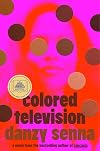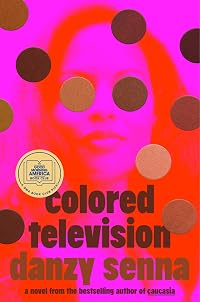
Colored Television
by Danzy Senna
On This Page
Description
A brilliant dark comedy about love and ambition, failure and reinvention, and the racial- identity-industrial complex from the bestselling author of CaucasiaJane has high hopes that her life is about to turn around. After a long, precarious stretch bouncing among sketchy rentals and sublets, she and her family are living in luxury for a year, house-sitting in the hills above Los Angeles. The gig magically coincides with Jane’s sabbatical, giving her the time and space she needs to finish show more her second novel—a centuries-spanning epic her artist husband, Lenny, dubs her “mulatto War and Peace.” Finally, some semblance of stability and success seems to be within her grasp.
But things don’t work out quite as hoped. Desperate for a plan B, like countless writers before her Jane turns her gaze to Hollywood. When she finagles a meeting with Hampton Ford, a hot producer with a major development deal at a streaming network, he seems excited to work with a “real writer,” and together they begin to develop “the Jackie Robinson of biracial comedies.” Things finally seem to be going right for Jane—until they go terribly wrong.
Funny, piercing, and compulsively listenable, Colored Television is Senna’s most on-the-pulse, ambitious, and rewarding novel yet. show less
Tags
Recommendations

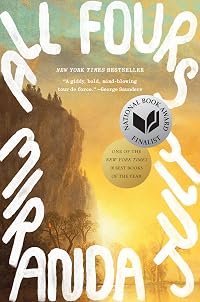
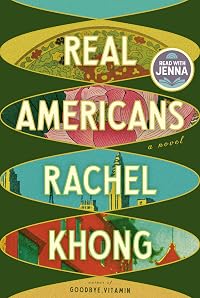
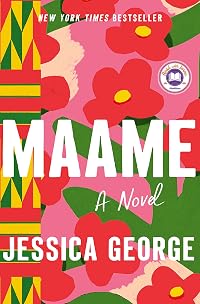
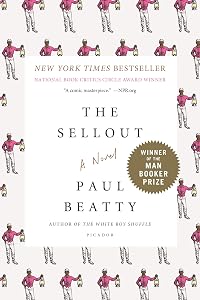
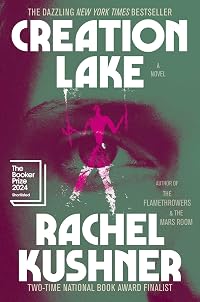
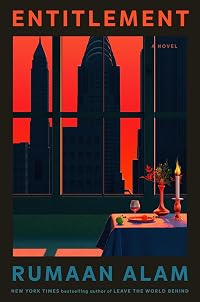
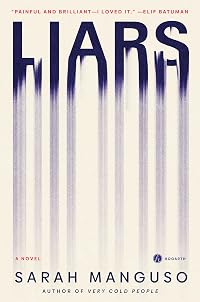
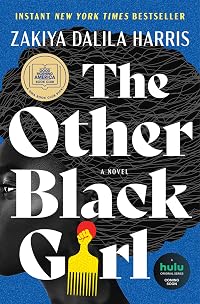




Member Recommendations
Member Reviews
She'd never understood so profoundly how much being a novelist was at odds with domestic life, with sanity. But now she saw it clearly. To be a novelist was to be a dreadful parent. To be a novelist was to be a monstrous marriage partner. That kind of writing had no beginning and no end. It just crept around the house, infecting every element of family life. You couldn't live with it, you couldn't live without it.
Jane married for love, but an assistant writing professor whose chances at tenure and security rely on her completing her second novel, a book she's been working on for close to a decade and now, on sabbatical and living in a friend's fancy house, this is her last opportunity. Her husband is supportive of her writing but as he show more is an artist, she's the one who is supporting their family. Their kids need stability and she dreams of a craftsman house in a multicultural neighborhood, while he dreams of moving the family to Japan. They still love each other, but the strain is showing. When Jane's novel, an enormous, sweeping book about mulattos throughout American history, a mix of history and fiction, is rejected, she's sent into a tailspin, which leads her to trying to get a gig writing for television, an attempt that will strain her marriage yet further, but maybe save her dreams of home-ownership and financial security.
This novel is both sharp-edged and easy to read, a combination that sometimes softens the very points Senna is making. There's a complexity behind the Hollywood show runner excitement, about belonging and identity and how to raise kids in the world as it is. Jane is a great protagonist, she's confident and sure of her talent, but also prone to worry and to feeling like she's failing. No one gets off lightly, and no one is short-changed. Senna makes even the tertiary characters feel real. There are neither easy solutions nor easy targets in this book I will be thinking about for awhile. show less
Jane married for love, but an assistant writing professor whose chances at tenure and security rely on her completing her second novel, a book she's been working on for close to a decade and now, on sabbatical and living in a friend's fancy house, this is her last opportunity. Her husband is supportive of her writing but as he show more is an artist, she's the one who is supporting their family. Their kids need stability and she dreams of a craftsman house in a multicultural neighborhood, while he dreams of moving the family to Japan. They still love each other, but the strain is showing. When Jane's novel, an enormous, sweeping book about mulattos throughout American history, a mix of history and fiction, is rejected, she's sent into a tailspin, which leads her to trying to get a gig writing for television, an attempt that will strain her marriage yet further, but maybe save her dreams of home-ownership and financial security.
This novel is both sharp-edged and easy to read, a combination that sometimes softens the very points Senna is making. There's a complexity behind the Hollywood show runner excitement, about belonging and identity and how to raise kids in the world as it is. Jane is a great protagonist, she's confident and sure of her talent, but also prone to worry and to feeling like she's failing. No one gets off lightly, and no one is short-changed. Senna makes even the tertiary characters feel real. There are neither easy solutions nor easy targets in this book I will be thinking about for awhile. show less
Author Danzy Senna said in an interview:
“I’m fascinated by how much we’re influenced by the images that are fed to us. Our dreams and identities and fantasies are so, so susceptible.”
The phenomenon of mimesis that Senna explores in this book basically means, “I want what you have.” It has been amplified by TikTok and Instagram and its plethora of “influencers.” And as essayist Amitav Ghosh writes, “Social media has given a new strength and urgency to the desires that it generates.” Furthermore, these generated desires are frequently centered on commodities and services that cost money - money that many in society cannot afford. The resulting chasm between socially-generated cravings and the ability to satisfy them show more can have profound consequences.
This provocative novel adroitly captures some of those consequences, particularly in terms of the protagonist's ability to be herself and to find satisfaction in life.
Jane, who is in her mid-40s, resides in the greater Los Angeles area along with her husband Lenny, daughter Ruby, 8, and neurodivergent son Finn, 6. Their lives are defined and limited in part by many of the common problems besetting the middle strata of Americans. These range from doing work that provides you a living wage rather than work you like, to the availability (or not) of affordable housing, to having access to special needs programs in schools. The vagaries of inheritance, luck, and chance certainly affect one’s fortunes as well. But above all for Jane and her family, there is the matter of race. In America, race is everything, still.
A person of color can’t simply be another person who walks into the room, the way whites are. You are, instead, constantly categorized, and judged. As Elijah Anderson, the Sterling Professor of Sociology and of Black Studies at Yale University, writes in his book Black in White Space: The Enduring Impact of Color in Everyday Life:
“White people typically avoid Black space, but Black people are required to navigate the white space as a condition of their existence. When an unfamiliar Black person enters the ‘white space,’ often the people there immediately try to make sense of him or her — to determine ‘who that is,’ or to figure out the nature of the person’s business and whether they need to be concerned. Stereotypes can rule perceptions, creating a situation that can estrange the Black person.”
You are simultaneously invisible and glaringly visible. As long as you have any racial ambiguity in your appearance, you will be subject to innumerable microagressions and systemic barriers to advancement as you navigate the perilous road of racial stratification. And if you get a job someone else wanted? No matter if your race is “mixed”; you will now find there is no more ambiguity from others about what race you are.
Jane was writing a novel that would highlight the legacy of mixed-race individuals in America, making clear how they had been treated in American consciousness throughout the ages. She had been working on it for over eight years. It had turned into a history of mulatto people in fictional form, with five interwoven story lines from different historical moments. Even with over 400 pages so far, she was panicked over having left anything out.
If she published, she believed they could earn enough money to move into their own home, preferably in “Multicultural Mayberry,” a trendy mixed suburban area of LA. She secretly longed to experience full-blown stereotypical upper-middle-class stability. She fixated on being able to outfit her kids in the Swedish-inspired children's clothing from the Hanna Andersson catalog, like the rich mommies in the park used.
[Analogously, her daughter Ruby wanted an expensive American Girl doll with all of its costly accoutrements, inaccessible in fact to many actual American girls of all colors because of the high cost. The dolls and their accessories were status symbols, and whether your parents could afford all that could form the basis for social ranking among peers. Ruby's yearning for acquisition and status mirrored her mother's.]
Lenny was a painter whose paintings didn’t sell, so they barely supported themselves with Jane’s income as a non-tenured writing instructor. They had a place to live only because they served as house-sitters for wealthier friends, moving from place to place as the opportunity arose.
(They especially loved their most recent house-sitting gig at the nice home of Brett, Jane’s friend from grad school. “Inside, the kitchen was so stocked with gadgets and fancy Scandinavian pans and gleaming counters, it almost made Jane want to cook.”)
Lenny desired to move to Japan, where his paintings were valued. He was even corresponding with the Japanese embassy requesting asylum from American racism.
Jane wasn’t really interested in Lenny’s priorities. She was self-absorbed, manipulative and egotistical, and a fraud. She adopted a fake persona, which meant she had to lie to everyone around her, including Lenny. Most of the characters in the book are more likable, especially Jane and Lenny’s precocious kids, who had adorable personalities that Jane mainly viewed as problematic in some way.
Jane managed to get on a project working on a sitcom script in Hollywood, where ironically, fake identities were almost de rigueur. But inevitably, Jane’s lies, insecurities, and ambitions almost destroyed even the little her family had. Acceptance and humility offered the key to survival, if only Jane was up to it.
Discussion: While I hated the main character, the novel is so full of incisive and witty observations on race, class, gender, relationships, and human frailty, it’s hard not to appreciate the book. It even manages to sneak in some excellent history on mixed races in America, although readers may have to google quite a bit to get all the references.
Senna gives readers so much to think about. Highly recommended for book clubs. show less
“I’m fascinated by how much we’re influenced by the images that are fed to us. Our dreams and identities and fantasies are so, so susceptible.”
The phenomenon of mimesis that Senna explores in this book basically means, “I want what you have.” It has been amplified by TikTok and Instagram and its plethora of “influencers.” And as essayist Amitav Ghosh writes, “Social media has given a new strength and urgency to the desires that it generates.” Furthermore, these generated desires are frequently centered on commodities and services that cost money - money that many in society cannot afford. The resulting chasm between socially-generated cravings and the ability to satisfy them show more can have profound consequences.
This provocative novel adroitly captures some of those consequences, particularly in terms of the protagonist's ability to be herself and to find satisfaction in life.
Jane, who is in her mid-40s, resides in the greater Los Angeles area along with her husband Lenny, daughter Ruby, 8, and neurodivergent son Finn, 6. Their lives are defined and limited in part by many of the common problems besetting the middle strata of Americans. These range from doing work that provides you a living wage rather than work you like, to the availability (or not) of affordable housing, to having access to special needs programs in schools. The vagaries of inheritance, luck, and chance certainly affect one’s fortunes as well. But above all for Jane and her family, there is the matter of race. In America, race is everything, still.
A person of color can’t simply be another person who walks into the room, the way whites are. You are, instead, constantly categorized, and judged. As Elijah Anderson, the Sterling Professor of Sociology and of Black Studies at Yale University, writes in his book Black in White Space: The Enduring Impact of Color in Everyday Life:
“White people typically avoid Black space, but Black people are required to navigate the white space as a condition of their existence. When an unfamiliar Black person enters the ‘white space,’ often the people there immediately try to make sense of him or her — to determine ‘who that is,’ or to figure out the nature of the person’s business and whether they need to be concerned. Stereotypes can rule perceptions, creating a situation that can estrange the Black person.”
You are simultaneously invisible and glaringly visible. As long as you have any racial ambiguity in your appearance, you will be subject to innumerable microagressions and systemic barriers to advancement as you navigate the perilous road of racial stratification. And if you get a job someone else wanted? No matter if your race is “mixed”; you will now find there is no more ambiguity from others about what race you are.
Jane was writing a novel that would highlight the legacy of mixed-race individuals in America, making clear how they had been treated in American consciousness throughout the ages. She had been working on it for over eight years. It had turned into a history of mulatto people in fictional form, with five interwoven story lines from different historical moments. Even with over 400 pages so far, she was panicked over having left anything out.
If she published, she believed they could earn enough money to move into their own home, preferably in “Multicultural Mayberry,” a trendy mixed suburban area of LA. She secretly longed to experience full-blown stereotypical upper-middle-class stability. She fixated on being able to outfit her kids in the Swedish-inspired children's clothing from the Hanna Andersson catalog, like the rich mommies in the park used.
[Analogously, her daughter Ruby wanted an expensive American Girl doll with all of its costly accoutrements, inaccessible in fact to many actual American girls of all colors because of the high cost. The dolls and their accessories were status symbols, and whether your parents could afford all that could form the basis for social ranking among peers. Ruby's yearning for acquisition and status mirrored her mother's.]
Lenny was a painter whose paintings didn’t sell, so they barely supported themselves with Jane’s income as a non-tenured writing instructor. They had a place to live only because they served as house-sitters for wealthier friends, moving from place to place as the opportunity arose.
(They especially loved their most recent house-sitting gig at the nice home of Brett, Jane’s friend from grad school. “Inside, the kitchen was so stocked with gadgets and fancy Scandinavian pans and gleaming counters, it almost made Jane want to cook.”)
Lenny desired to move to Japan, where his paintings were valued. He was even corresponding with the Japanese embassy requesting asylum from American racism.
Jane wasn’t really interested in Lenny’s priorities. She was self-absorbed, manipulative and egotistical, and a fraud. She adopted a fake persona, which meant she had to lie to everyone around her, including Lenny. Most of the characters in the book are more likable, especially Jane and Lenny’s precocious kids, who had adorable personalities that Jane mainly viewed as problematic in some way.
Jane managed to get on a project working on a sitcom script in Hollywood, where ironically, fake identities were almost de rigueur. But inevitably, Jane’s lies, insecurities, and ambitions almost destroyed even the little her family had. Acceptance and humility offered the key to survival, if only Jane was up to it.
Discussion: While I hated the main character, the novel is so full of incisive and witty observations on race, class, gender, relationships, and human frailty, it’s hard not to appreciate the book. It even manages to sneak in some excellent history on mixed races in America, although readers may have to google quite a bit to get all the references.
Senna gives readers so much to think about. Highly recommended for book clubs. show less
Like YELLOWFACE by R.F. Kuang, COLORED TELEVISION digs into the trials and tribulations of the writing life, especially those compounded by racism. Unlike the former book, however, it doesn't quite go to the same extremes, and the protagonist here, Jane Gibson, is generally more likeable than June in YELLOWFACE.
The book gets off to a slow start, where we are treated to the inner workings of Jane's mind before we care too much about her. She's living in someone else's house with her husband Lenny and their two children, Ruby and Finn. Her marriage is slightly less than functional, its success measured by frequency and quality of sex, and Lenny has his own ambitions as an artist that don't always complement Jane's sabbatical wherein she show more is trying to finish her second book in order to get tenure. Senna does excellent work layering the texture with tension. First and foremost, there is Jane's own mixed-race identity and how it does/doesn't interact with both her personal and professional life. She has dreams of luxury, and she has everything riding on this second novel, NUSU NUSU, to make her financial dreams come true. While we don't have deep dives into the novel, we understand enough to know that it is an intergenerational narrative about mulatto [term as used in the book] people.
In some sense, Jane's wishful thinking is enabled by her friend Brett, in whose house they are staying (and whose wine collection they are drinking). While Jane does find success in completing the novel, things go downhill very quickly, when Jane is confronted with the commoditization of identity in the publishing industry.
In not quite a twist--but perhaps a questionable choice--rather than address that core issue, Jane decides to come at it from a different angle, again centering her ideas of "success" rather than her ideologies. She manipulates and deceives, but in rather earthy ways, rather than hyperbolic hysteria. The deceit does drag on a bit too long, but the plot mobility increases so that we aren't drowned in an investigation into inner psyches, and Jane's naivete softens her character a bit. The book is more a tragicomedy than anything else, and the humor is sardonic. There's survival here, and that's an important element of the book. Jane's will to keep going, setting her lack of scruples aside, is a striving to which most readers can relate at some level. show less
The book gets off to a slow start, where we are treated to the inner workings of Jane's mind before we care too much about her. She's living in someone else's house with her husband Lenny and their two children, Ruby and Finn. Her marriage is slightly less than functional, its success measured by frequency and quality of sex, and Lenny has his own ambitions as an artist that don't always complement Jane's sabbatical wherein she show more is trying to finish her second book in order to get tenure. Senna does excellent work layering the texture with tension. First and foremost, there is Jane's own mixed-race identity and how it does/doesn't interact with both her personal and professional life. She has dreams of luxury, and she has everything riding on this second novel, NUSU NUSU, to make her financial dreams come true. While we don't have deep dives into the novel, we understand enough to know that it is an intergenerational narrative about mulatto [term as used in the book] people.
In some sense, Jane's wishful thinking is enabled by her friend Brett, in whose house they are staying (and whose wine collection they are drinking). While Jane does find success in completing the novel, things go downhill very quickly, when Jane is confronted with the commoditization of identity in the publishing industry.
In not quite a twist--but perhaps a questionable choice--rather than address that core issue, Jane decides to come at it from a different angle, again centering her ideas of "success" rather than her ideologies. She manipulates and deceives, but in rather earthy ways, rather than hyperbolic hysteria. The deceit does drag on a bit too long, but the plot mobility increases so that we aren't drowned in an investigation into inner psyches, and Jane's naivete softens her character a bit. The book is more a tragicomedy than anything else, and the humor is sardonic. There's survival here, and that's an important element of the book. Jane's will to keep going, setting her lack of scruples aside, is a striving to which most readers can relate at some level. show less
This is an uncomfortable review for a white person to write, because the narrative involves situations that could not be within their experience. So we are outside looking in, and what we are shown indicates how the default value of all things white make leading a pleasing life for Black people in America unlikely. Jane and her husband Lenny describe themselves as mulattos and see themselves as a separate race, with a different reality from darker skinned Black people and from whites. Jane has just spent years working on a big ass novel encompassing mulatto history in the US, starting from the melungeons (white/Black/native) in the South and following their histories to the present. She submits it to her editors, who find it unsaleable show more due to the epic scale, which almost defeats her spirit (why wouldn't they have suggested turning it into a series?). Lenny, an artist, has not had much success with his work either, and they live on borrowed time in a luxurious home where they are house-sitting for a school friend of Jane's. She is thrilled to have her children in good schools in the LA neighborhood they call "Multicultural Mayberry". She wants the nice house and the nice life in there, but Lenny wants to move to Japan, where he will be showing his art and where he thinks their lives will be easier. When her publishing house rejects her novel as too complex and too scattered, Jane arranges a meeting with Hampton, a Black TV producer who seems enthusiastic about a series focusing on the difficulties of mulatto life. He scolds her for not coming up with anything creative for him to use and dumps her, after not paying her a cent. In despair, she offers up her novel to Hampton as proof that she's talented, and he absconds with it and uses it to create, guess what, his most successful TV series, with no credit or payment to Jane. The ending seems almost tacked on to make the reader feel like all of Jane and Lenny's struggles were worthwhile, because maybe it would just be too miserable to leave them where they started. It's an achievement that the author creates a complete world, realistic in its setbacks and a bit too pat in its success, although perhaps it's racist to think that they would not be able to make it after all. show less
Jane is a novelist making a precarious living as a non-tenured writing instructor. She's married to Lenny, an artist with very strong feelings about authenticity and race, whose paintings don't sell. After ten years of living in Los Angeles, they're still without a home, staying temporarily in the house of a much more successful friend. Jane's unstable childhood as the daughter of a biracial bohemian couple has scarred her; she just wants to get tenure, publish her ambitious second novel, and settle down in a house in a nice neighborhood she refers to as Multicultural Mayberry, where her kids can finally have some stability. When her 400-page novel tracing the history of mulattos in the U.S. is rejected and she is faced with the show more prospect of homelessness and never getting tenure, she finds herself upending her life in a wild attempt to work everything out.
Colored Television is a sharp and observant book with interesting things to say about mulattos (including a long explanation of why this is the correct word), living in Los Angeles, and writing and the artistic life. It's a good thing, because it took some time for the plot to really get going. There's a lot of setup before Jane secretly goes to work for the TV mogul. Fortunately, Danzy Senna's writing is smart enough to present us with reasons for Jane's somewhat ambivalent and naive character. I particularly liked her relationship with Lenny, who could be both charming and infuriating in a very realistic way. It would have been nice to have Jane show a little more gumption when faced with the obstacles in her life, but even those of us with avoidant tendencies deserve to have our story told. show less
Colored Television is a sharp and observant book with interesting things to say about mulattos (including a long explanation of why this is the correct word), living in Los Angeles, and writing and the artistic life. It's a good thing, because it took some time for the plot to really get going. There's a lot of setup before Jane secretly goes to work for the TV mogul. Fortunately, Danzy Senna's writing is smart enough to present us with reasons for Jane's somewhat ambivalent and naive character. I particularly liked her relationship with Lenny, who could be both charming and infuriating in a very realistic way. It would have been nice to have Jane show a little more gumption when faced with the obstacles in her life, but even those of us with avoidant tendencies deserve to have our story told. show less
Jane is a novelist working on her second book while on sabbatical from her teaching position at a liberal arts university near Los Angeles. Her husband, Lenny, is an unsuccessful artist. They have two young children, the youngest with a learning disorder. The storyline follows her attempt to leverage her novel writing ability into generating ideas for a television pilot, which she hides from her husband. It also follows the history of their marital relationship and her desire to live the high life while not being in the same financial league as the hotshots in Hollywood.
The setup of this book is rather long and drawn out, but once we get to the Hollywood segments, with its celebrity culture, faux air of “importance” and show more brainstorming sessions for a potential series, it becomes very engaging. The undercurrent of the entire story is related to race (the term "mulatto" is specifically used and justified as to why it is correct). There are a few strands of the story that could have been better developed, but overall, I found it entertaining and enjoyable. show less
The setup of this book is rather long and drawn out, but once we get to the Hollywood segments, with its celebrity culture, faux air of “importance” and show more brainstorming sessions for a potential series, it becomes very engaging. The undercurrent of the entire story is related to race (the term "mulatto" is specifically used and justified as to why it is correct). There are a few strands of the story that could have been better developed, but overall, I found it entertaining and enjoyable. show less
Colored Television is an engaging novel about art, money, race and family through the eyes of a multiracial writer trying her best. The characters are well crafted, staying with the reader long after the book is finished.
Jane is a writer. She’s been working on her second novel for years in between raising a family and working as a university lecturer. The novel is huge, and ties together many multiracial figures, both real and fictional. When it’s finished while housesitting in a friend’s house in the hills of L.A., it’s a huge relief. Jane’s husband Lenny is an artist, but not overly successful. The family move from cramped rental to cramped rental, trying to eke out a living on their lecturing wages and hoping for the next show more best thing. But the response of her agent and publisher to Jane’s novel isn’t great and Jane needs to look elsewhere. Why not get into scriptwriting? She uses her friend’s agent to get an audience with Hampton Ford, a producer that is super hot right now. Their partnership could be everything – or nothing.
Colored Television has a lot of dead ends and missed opportunities for both Lenny and Jane. Lenny could be more famous if he put a motif in his work (at least that’s what Jane says). Jane could be more successful if she too responded with what the people want in her writing. Jane is both gullible (working for nothing in this economy!) and ahead of the game. The thing is that she never seems to get closer towards her goal of living in a house in what she terms ‘Multicultural Mayberry’, the neighbourhood film crews demand and a great school for her children. It’s a sacrifice neither she or Lenny are willing to make – trade their artistic ideals for less passion but more money.
The plot has a lot of threads, some more explored than others. Being biracial or multiracial is one of them, as Jane ponders her own upbringing and that multiracial people are everywhere (the wild description of a young Kardashian’s birthday is quite funny). Being different is explored not only through Jane and Lenny’s choices, but their son Finn who insists he is from another planet and is likely on the spectrum. The weirdness of Hollywood is also a main theme, as is success and who actually owns the ideas that get thrown around in a meeting room. Marriage and compromises are also compared between Jane and Lenny and the friend they are housesitting for. Identity is another big one. I would have liked more about Finn as sometimes it seemed that he was just there for comic relief. The ending seemed a bit hasty, tying up many of these threads without explanation.
Senna is a talented writer who creates a memorable world for the reader in this sharp satire of race and Hollywood. Well worth a read.
http://samstillreading.wordpress.com show less
Jane is a writer. She’s been working on her second novel for years in between raising a family and working as a university lecturer. The novel is huge, and ties together many multiracial figures, both real and fictional. When it’s finished while housesitting in a friend’s house in the hills of L.A., it’s a huge relief. Jane’s husband Lenny is an artist, but not overly successful. The family move from cramped rental to cramped rental, trying to eke out a living on their lecturing wages and hoping for the next show more best thing. But the response of her agent and publisher to Jane’s novel isn’t great and Jane needs to look elsewhere. Why not get into scriptwriting? She uses her friend’s agent to get an audience with Hampton Ford, a producer that is super hot right now. Their partnership could be everything – or nothing.
Colored Television has a lot of dead ends and missed opportunities for both Lenny and Jane. Lenny could be more famous if he put a motif in his work (at least that’s what Jane says). Jane could be more successful if she too responded with what the people want in her writing. Jane is both gullible (working for nothing in this economy!) and ahead of the game. The thing is that she never seems to get closer towards her goal of living in a house in what she terms ‘Multicultural Mayberry’, the neighbourhood film crews demand and a great school for her children. It’s a sacrifice neither she or Lenny are willing to make – trade their artistic ideals for less passion but more money.
The plot has a lot of threads, some more explored than others. Being biracial or multiracial is one of them, as Jane ponders her own upbringing and that multiracial people are everywhere (the wild description of a young Kardashian’s birthday is quite funny). Being different is explored not only through Jane and Lenny’s choices, but their son Finn who insists he is from another planet and is likely on the spectrum. The weirdness of Hollywood is also a main theme, as is success and who actually owns the ideas that get thrown around in a meeting room. Marriage and compromises are also compared between Jane and Lenny and the friend they are housesitting for. Identity is another big one. I would have liked more about Finn as sometimes it seemed that he was just there for comic relief. The ending seemed a bit hasty, tying up many of these threads without explanation.
Senna is a talented writer who creates a memorable world for the reader in this sharp satire of race and Hollywood. Well worth a read.
http://samstillreading.wordpress.com show less
Members
- Recently Added By
Lists

2025 Tournament of Books
18 works; 8 members

Books Read in 2025
4,128 works; 98 members

Books Read in 2026
2,142 works; 70 members
Author Information

6+ Works 2,245 Members
Danzy Senna hold the Jenks Chair of Contemporary American Letters at the College of the Holy Cross in Worcester, Massachusetts.
Some Editions
Awards and Honors
Awards
Distinctions
Notable Lists
Common Knowledge
- Canonical title
- Colored Television
- Original publication date
- 2024-08
- Epigraph
- We have met the enemy and he is us.
—Pogo Possum - First words
- Jane had to remind herself it was February.
- Last words
- (Click to show. Warning: May contain spoilers.)The credits roll.
- Blurbers
- July, Miranda; Hannaham, James; Alam, Rumaan; Leilani, Raven; Askaripour, Mateo
Classifications
Statistics
- Members
- 531
- Popularity
- 56,538
- Reviews
- 38
- Rating
- (3.52)
- Languages
- English
- Media
- Paper, Audiobook, Ebook
- ISBNs
- 10
- ASINs
- 5