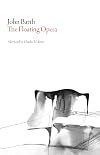
The Floating Opera
by John Barth
On This Page
Description
Written when John Barth was 24 years old, The Floating Opera is his first novel, published in 1957. It is a first-person reminiscence of the day Todd Andrews decided to commit suicide. Having picked up some sense of the French Existentialist writers from the postwar Zeitgeist, this novel questions life's value through the eyes of a 37-year-old man.Tags
Recommendations
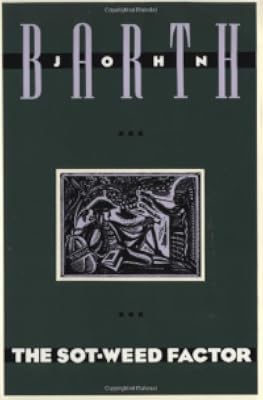

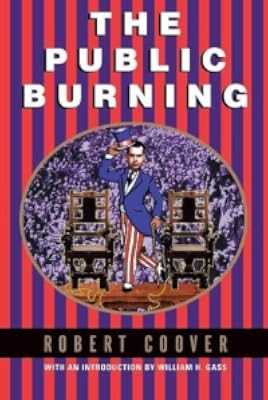
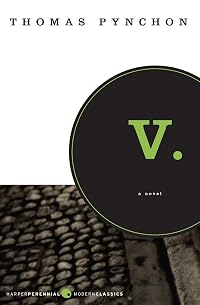


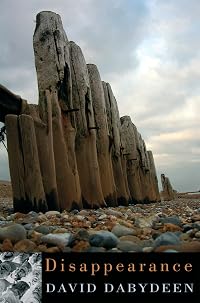
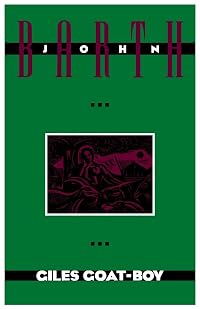
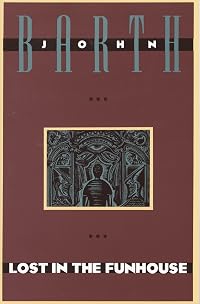
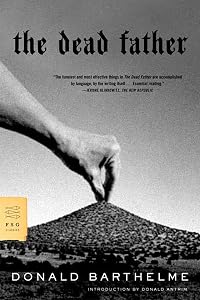
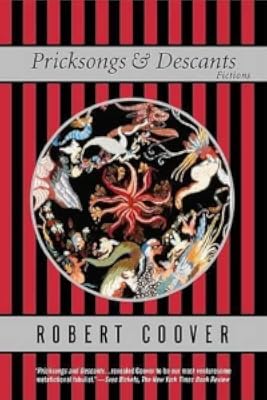
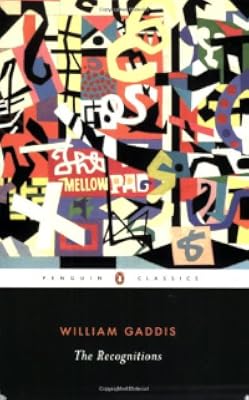

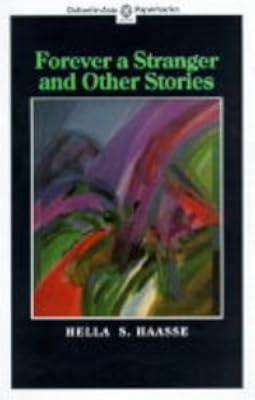
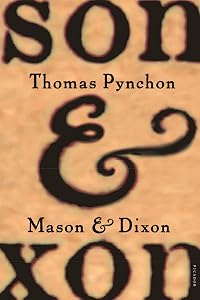


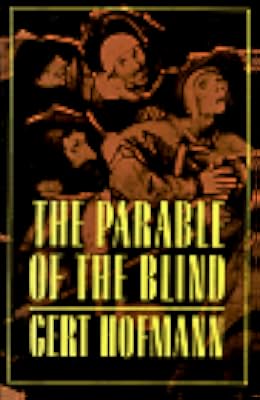
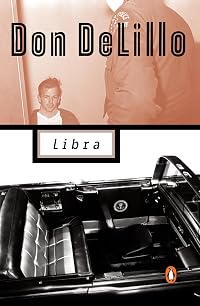


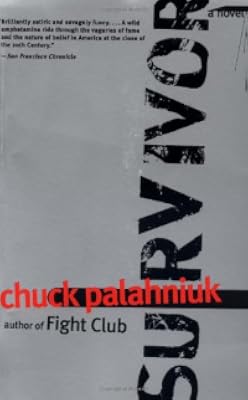

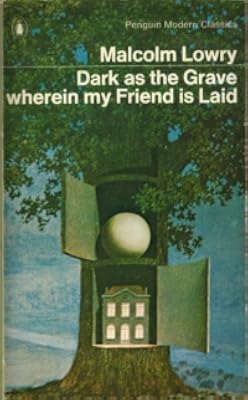

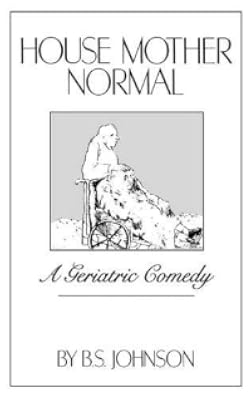

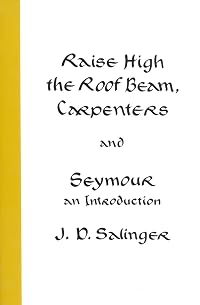
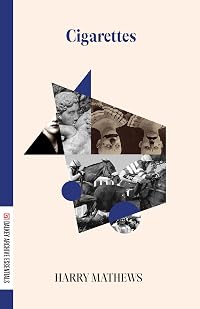
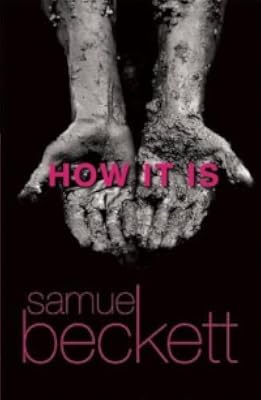
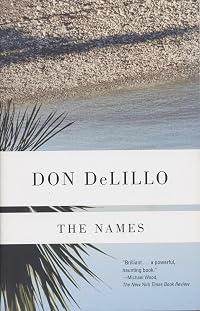
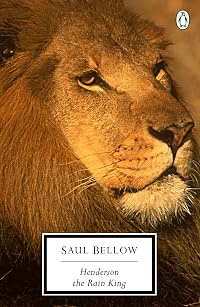
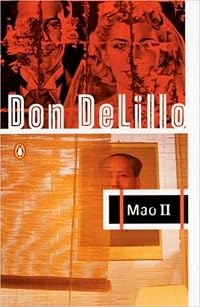
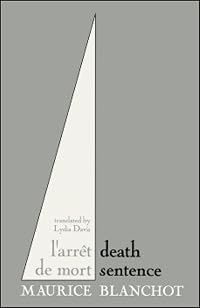


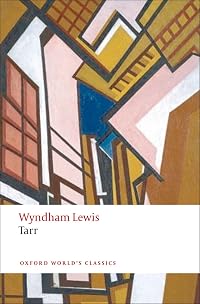
Member Recommendations
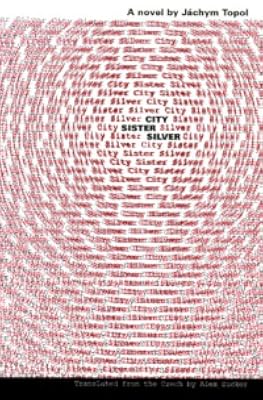
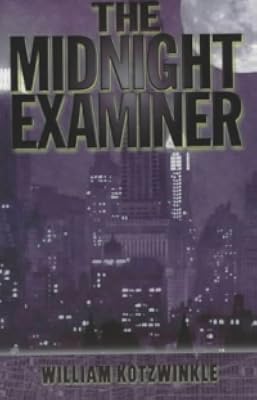
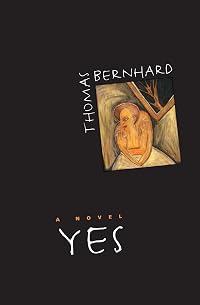
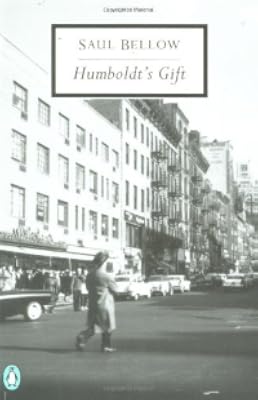
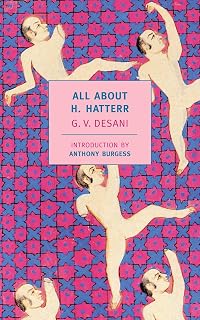
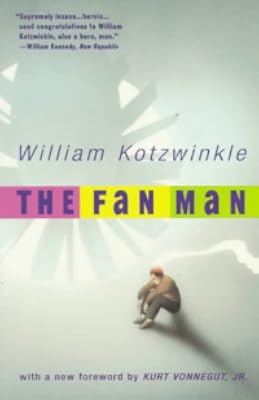
wonderlake Both live in hotels
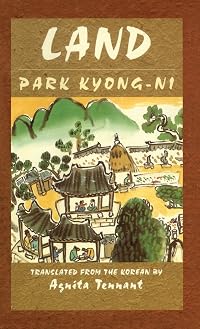
wonderlake Portraits of ordinary small-town life
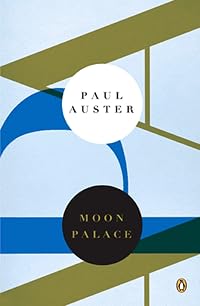
michaeljohn Both are slyly humorous novels with philosophical undercurrents.
Member Reviews
A sharp book, dealing with Barth's contention that life is an absurd declaration of faith. There's no great reason why we do anything, and we fall into actions impelled by very small considerations, while waiting for its end. Our hero runs us through the day 17 years earlier, when he decided not to commit suicide, he's still not sure why...
Life is a showboat, floating downstream, while we only catch quick snatches of the performance from the shore...
Life is a showboat, floating downstream, while we only catch quick snatches of the performance from the shore...
Post modernism literature. This is the author's first book, written in 1955 and published 1956 or 1957. I find discrepancy on publication date. Written when the author was 24. It is a first person reminiscence of the day that the protagonist Todd Andrews decides to commit suicide. It is a story of one day in Todd's life when he is 27. He tells us right away in the beginning that he doesn't really off himself. He rambles on about building boats, love triangles, lawsuits, Hamlet's indecision. There is quite a bit of humor in this book about suicide. I actually liked the commentary on suicide at the end and felt that it reflects the truth that suicide is not logical. For postmodern literature, this one was a bit more readable than some. I show more give it 3.5 stars and probably will read the next one The End of The Road sometime as both were included with this audible. Narrator did a good job. show less
החלטתי לחזור ולקרוא את ספרו הראשון של ברט 50 שנה אחרי שקראתי אותו לראשונה והתאהבתי. יש הצדקה מוחלטת לקרוא ספר שוב אחרי 50 שנה. ראשית כי מי שקורא אותו זה מישהו אחר לגמרי ושנית כי מי זוכר משהו אחרי חמישים שנה. במקרה הזה היה עוד עניין - לבחון האם הכתיבה המיוחדת של ברט שהיתה כל כך פרי המאה העשרים עדיין תקיפה היום. גזר הדין - כן אבל. נהניתי מאוד לקרוא. לפעמים חשבתי שהוא מגזים בסיבוכיות ללא צורך. חלק מהדברים אמנם התיישנו show more ובכל זאת יש גם היום לספר ערך ועניין רב. show less
A bit depressing: while the protagonist ruminates about the value of life and why he mustn't kill himself, we watch outside our windows, see the sun, the people gently living along without any need to find a superior mystical value to life except life itself, and think 'man, WTF?'.
Though, it's well written and the plot is thoroughly arranged.
Though, it's well written and the plot is thoroughly arranged.
I read The Floating Opera as part of the two-volume collection with The End of the Road, and I only discovered later that the version I read differed from the one originally published. The later version restored a darker ending that seemed more appropriate to the black humor of the story. It also made for a better pairing with existential void at the center of The End of the Road. Both books continue to resonate for me not so much for their overall effect as for the sharpness of certain ideas or imagery.
Published in 1956, The Floating Opera was John Barth's first novel and a finalist for the National Book Award.
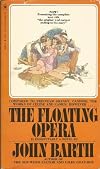
According to the back cover, The Floating Opera is, 'among many curious things':
the story of the day when Todd Andrews, hero and narrator, confirmed bachelor, convinced nihilist, practicing lawyer, rake, saint, cynic and potential suicide, decides not to commit suicide.
Like other books that supposedly take place in one day – most famously, Ulysses; more recently, Saturday – Barth’s novel really tells the story of Andrews’s entire life, including the loss of his virginity, his macabre WWI experience, the death of his father, and the long-running affair with the wife of his best friend.
In classic picaresque tradition, show more Barth uses humor and adventure to examine the most serious of subjects. And he succeeds – it is funny, primarily in Barth’s clever wordplay and in the juxtaposition of ordinary, small town life such as the old men murmuring away the day on the sunny bench outside the general store or the audience appreciation of the rinky-dink showboat vaudeville show, and the extraordinary issues Andrews faces as he plans his suicide, such as the nature of marital fidelity and the value of life.
Barth is best known for The Sot Weed Factor (which made the All Time-100 list) and Giles Goat-Boy (one of Anthony Burgess’s 99 favorites). Floating Opera is far shorter than either of the others makes for an accessible introduction to an author vaunted in post-grad lit programs but not often popularly read.
Also posted on Rose City Reader. show less
According to the back cover, The Floating Opera is, 'among many curious things':
the story of the day when Todd Andrews, hero and narrator, confirmed bachelor, convinced nihilist, practicing lawyer, rake, saint, cynic and potential suicide, decides not to commit suicide.
Like other books that supposedly take place in one day – most famously, Ulysses; more recently, Saturday – Barth’s novel really tells the story of Andrews’s entire life, including the loss of his virginity, his macabre WWI experience, the death of his father, and the long-running affair with the wife of his best friend.
In classic picaresque tradition, show more Barth uses humor and adventure to examine the most serious of subjects. And he succeeds – it is funny, primarily in Barth’s clever wordplay and in the juxtaposition of ordinary, small town life such as the old men murmuring away the day on the sunny bench outside the general store or the audience appreciation of the rinky-dink showboat vaudeville show, and the extraordinary issues Andrews faces as he plans his suicide, such as the nature of marital fidelity and the value of life.
Barth is best known for The Sot Weed Factor (which made the All Time-100 list) and Giles Goat-Boy (one of Anthony Burgess’s 99 favorites). Floating Opera is far shorter than either of the others makes for an accessible introduction to an author vaunted in post-grad lit programs but not often popularly read.
Also posted on Rose City Reader. show less
Brillante e divertente, Barth promette bene. Richiede attenzione per i frequenti cambiamenti di registro, e tenta di farti scivolare giu' da surf nel quale ti sistema. Con un poco di attenzione si arriva in fondo all'onda, divertendosi.
Come dice la curatrice, forse qui e' ancora acerbo, quindi sara' un piacere, tra qualche tempo, recuperare le opere mature.
Come dice la curatrice, forse qui e' ancora acerbo, quindi sara' un piacere, tra qualche tempo, recuperare le opere mature.
Members
- Recently Added By
Lists

1001 Books You Must Read Before You Die
1,448 works; 1,135 members

1,001 BYMRBYD Concensus
723 works; 27 members
Harold Bloom - The Western Canon: D. The Chaotic Age
833 works; 24 members

My TBR
371 works; 3 members
Canon de la narrativa universal del s. XX (cicutadry)
499 works; 3 members
Author Information

39+ Works 12,267 Members
John Barth taught for many years in the writing program at Johns Hopkins University, and he lives in Chestertown, Maryland. (Publisher Provided) John Simmons Barth was born on May 27, 1930 in Cambridge, Maryland. He is considered to be one of the American writers who introduced a U.S. audience to experimental fiction. Barth began as a conventional show more novelist, exploring existential themes of suicide in The Floating Opera (1956) and the complexity of love in The End of the Road (1958). By the end of the 1950s, however, he was exploring less realistic techniques to keep the reader from being pulled into the story, and thus to make larger points. Those techniques include parody, which Barth first used in The Sot-Weed Factor (1960), to mock the style of the eighteenth-century picaresque novel, and Giles Goat-Boy (1966), which depicts the world as a giant university. In Chimera (1972), for which he won the National Book Award, Barth applied his method to retell classical myths. His later works include Letters (1979), in which Barth himself appears as a character, and Sabbatical (1982), the story of a woman college professor and her novelist husband, both of whom address the reader and author. Barth's other novels include The Tidewater Tales (1987) and The Last Voyage of Somebody the Sailor (1991). For most of his career as a writer, he has also been a professor of English, teaching at Pennsylvania State University, the State University of New York at Buffalo, and The Johns Hopkins University. (Bowker Author Biography) show less
Some Editions
Awards and Honors
Work Relationships
Common Knowledge
- Canonical title*
- L'opera galleggiante
- Original title
- The Floating Opera
- Original publication date
- 1956
- People/Characters
- Todd Andrews; Harrison Mack; Jane Mack
- Important places
- Cambridge, Massachusetts, USA
- Original language
- English
*Some information comes from Common Knowledge in other languages. Click "Edit" for more information.
Classifications
Statistics
- Members
- 822
- Popularity
- 33,624
- Reviews
- 13
- Rating
- (3.58)
- Languages
- 15 — Czech, English, Finnish, French, German, Greek, Hungarian, Italian, Japanese, Lithuanian, Polish, Portuguese, Romanian, Russian, Spanish
- Media
- Paper
- ISBNs
- 30
- ASINs
- 23