
Seize the Day
by Saul Bellow
On This Page
Description
Fading charmer Tommy Wilhelm has reached his day of reckoning and is scared. In his forties, he still retains a boyish impetuousness that has brought him to the brink of chaos: he is separated from his wife and children; at odds with his vain, successful father; failed in his acting career (a Hollywood agent once placed him as "the type that loses the girl"); and in a financial mess. In the course of one climactic day he reviews his past mistakes and spiritual malaise, until a mysterious, show more philosophizing con man grants him a glorious, illuminating moment of truth and understanding and offers him one last hope.. show less
Tags
Recommendations


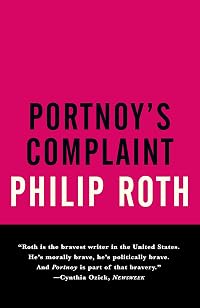
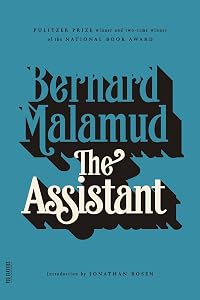
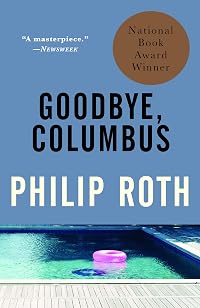
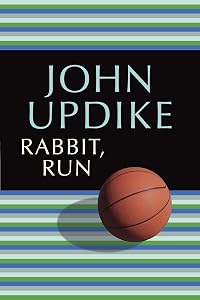

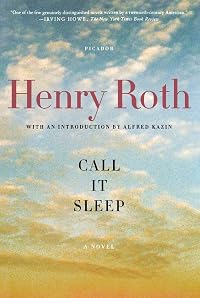


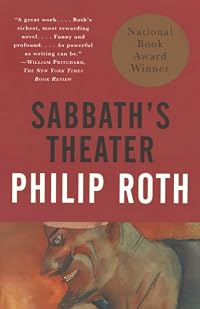
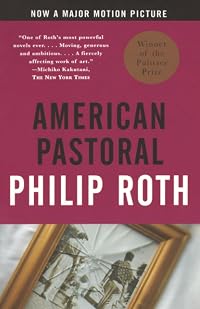


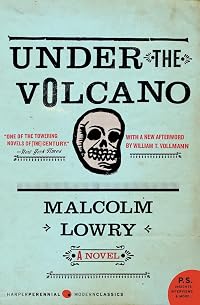

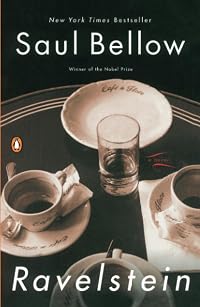
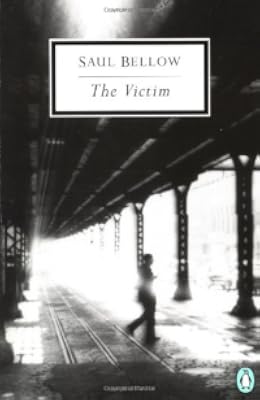
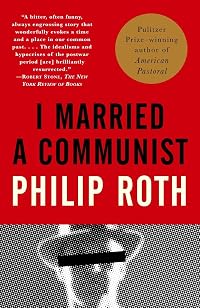
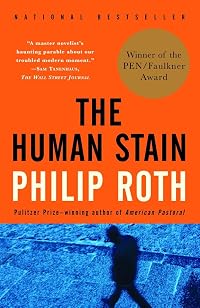
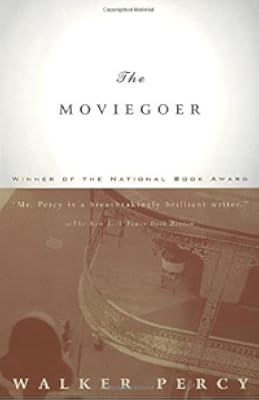
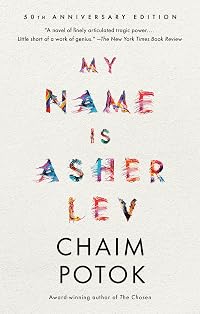
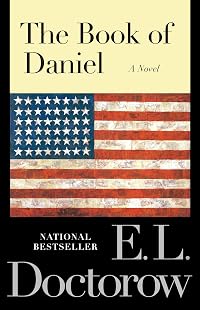



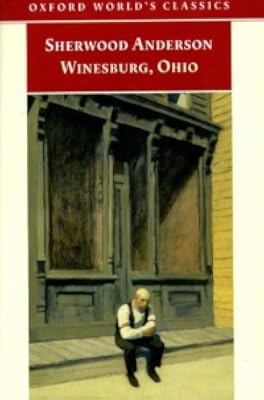



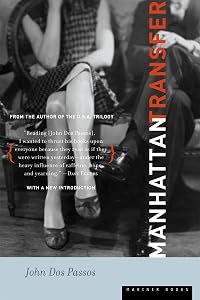


Member Recommendations

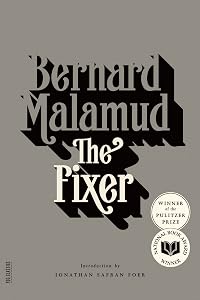
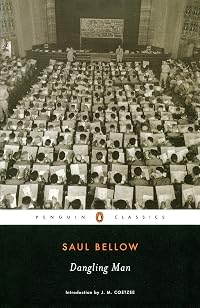
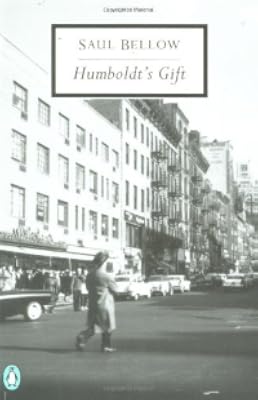
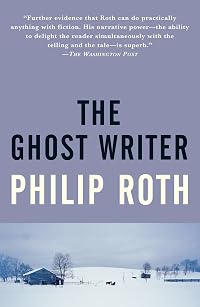
wonderlake Both live in hotels
Member Reviews
Darkly comedic, a tale of a man with a head full of dreams and a life full of failures, desperate to turn his luck around past 40. The main problem with the novella is that the central trouble of the thing is made plain by the protagonist. There are no surprises here, he spells it all out for you, even as it happens. Despite the same God's eye view of the author the protagonist is seemingly unable to predict what befalls him.
Saul Bellow's short novel is sort of an anti-Ulysses. We follow a day in the life of Tommy Wilhelm, a failed actor, failed husband, failed father and failed son. As in Ulysses, we follow the middle-aged man as he wanders the city (New York this time). He eats, he talks, he considers things to say and things he wishes he'd said. Through all these interactions we see Tommy's flaws: his shortsightedness, his willingness to be led by people he trusts, whether family or con-men, his impulsiveness. Unlike Leopold Bloom (who planned to attend Dingam's funeral), Tommy is swept up by a passing crowd of mourners, but the experience provides a catharsis for the many failures that he has brought upon himself.
The short, declarative, plucky, title of this novella, Seize the Day, is suggestive of the muscular writing style within. There's a punchiness there along with the intelligence, keen observations of time and place, and psychological and emotional truthfulness. It's as if the protagonist, Tommy Wilhelm, is fighting for his life on what is perhaps the worst day of his life. Tommy is a bit soft but his dad, Doctor Adler, is emotionally distant and tough. Fellow resident of the Hotel Gloriana "doctor" Tamkin is shady. New York City itself, with its enormity, complexity, diversity, concrete, ugliness, overwhelming humanity, heat, light, noise, and anonymity, is a character in and of itself, and not a particularly likeable one. Seize the Day show more takes place in a single day, and traces Tommy's gradual unwinding. But though the actions are limited to a single day, we see that what leads up to the climactic ending, is the overwhelming weight of a lifetime of decisions and choices. Most readers can probably identify with Tommy and sympathize with him. Like Willy Loman in Death of a Salesman, with which this has a striking similarity, Tommy is a stand in for us all. An Everyman in a country that can be very unforgiving to those who are not "winners." show less
Reason read: my TBR takedown selection for October 2023. I generally like Bellows. This was a so so book for me. A story of a man who fails at everything and gets used and abused by all; his father, his wife, and acquaintances. Phrases from my copy;“raging soul that mirrors the color, sound, and fury of Saul Bellow’s big-city fictional universe.” It is more a story of a man who fails at his dreams, wants to get rich easy, meets up with the end of all man.
Seize the day is a difficult book to read, and at first hard to grasp. The main character of the novel, Tommy Wilhelm is an anti-hero. Perhaps this is why the novel is so hard to tackle, as it offers the reader very little to sympathize with its main character. In fact, by the end of the novel, which plays out over the course of a day, the reader thoroughly despises T和main character, unable to feel any compassion or pity for him.
Tommy Wilhelm, whose real name is Wilhem Adler, is a failure. A career in the theatre exists only in him own mind, as he keeps telling himself his career to stardom is just waiting to take off. It is obvious, that his father, Dr. Adler, who appears as a towering and solid rock beside whimpish Tommy, believes show more his son is beyond help, pitying him in his judgement and inability to take his good council. Although they broke up four years earlier, Tommy's wife must be regarded as truly loyal and devoted in her relentless belief that Tommy can still be and should be the breadwinner of their family. She more or less treats him as a spoilt child, who does not want to take responsibility. As his childish name, Tommy, suggests, Wilhelm's faulty judgement is not only in ignoring his well-wishers, but also following wrong advise. Not only his judgement is impaired, he is not even sure to recognize people for who they are, least of all himself.
I had to read Seize the day three times to make any sense of it, and reading it backwards was the most helpful, as obviously, the culmination and the most telling scenes, for instance, the long telephone call with his wife, occur towards the end of the novel.
Seize the day was written in in the 1950s, but makes more sense being set in the late 1930s or early 1940s. Besides his inability to see himself in the right light, he also hangs on to a lifestyle which clearly isn't his. He lives in the same hotel as his father, in an area where many retired and old people live. Wilhelm fails to capture the spirit of the new epoch. As the American Dream started to take shape, the work ethos of Americans changed to exult "hard work" as the key to success for everyone. Tommy spent seven years in Hollywood to be ready for his career in the theatre. He still hold on to hope, speculation and expectation, much to the irritation of the people around him. However, deep inside he does seem to know what is expected of him, as he looks into the distorting and shadowy mirror and wonders: "He had put forth plent of effort, but that was not the same as working hard, was it?" (p.5). show less
Tommy Wilhelm, whose real name is Wilhem Adler, is a failure. A career in the theatre exists only in him own mind, as he keeps telling himself his career to stardom is just waiting to take off. It is obvious, that his father, Dr. Adler, who appears as a towering and solid rock beside whimpish Tommy, believes show more his son is beyond help, pitying him in his judgement and inability to take his good council. Although they broke up four years earlier, Tommy's wife must be regarded as truly loyal and devoted in her relentless belief that Tommy can still be and should be the breadwinner of their family. She more or less treats him as a spoilt child, who does not want to take responsibility. As his childish name, Tommy, suggests, Wilhelm's faulty judgement is not only in ignoring his well-wishers, but also following wrong advise. Not only his judgement is impaired, he is not even sure to recognize people for who they are, least of all himself.
I had to read Seize the day three times to make any sense of it, and reading it backwards was the most helpful, as obviously, the culmination and the most telling scenes, for instance, the long telephone call with his wife, occur towards the end of the novel.
Seize the day was written in in the 1950s, but makes more sense being set in the late 1930s or early 1940s. Besides his inability to see himself in the right light, he also hangs on to a lifestyle which clearly isn't his. He lives in the same hotel as his father, in an area where many retired and old people live. Wilhelm fails to capture the spirit of the new epoch. As the American Dream started to take shape, the work ethos of Americans changed to exult "hard work" as the key to success for everyone. Tommy spent seven years in Hollywood to be ready for his career in the theatre. He still hold on to hope, speculation and expectation, much to the irritation of the people around him. However, deep inside he does seem to know what is expected of him, as he looks into the distorting and shadowy mirror and wonders: "He had put forth plent of effort, but that was not the same as working hard, was it?" (p.5). show less
Tamkin was a charlatan, and furthermore he was desperate. And furthermore, Wilhelm had always known it about him. But he appeared to have worked it out at the back of his mind that Tamkin for thirty or forty years had gotten though many a tight place, that he would get through this crisis too and bring him, Wilhelm, to safety also. And Wilhelm realized that he was on Tamkin's back. It made him feel that he had virtually left the ground and was riding upon the other man. He was in the air. It was for Tamkin to take the steps.
The story of a day in the life of a man who sees himself as having failed at life, on the day his precarious financial situation comes to a head. Having left his wife and children and given up his job, he is living show more in the same residential hotel as his widowed father, who is entirely unsympathetic to his plight.
Tommy Wilhelm's life has been one long series of bad decisions, starting with leaving university for Hollywood even though the agent who gave him a screen test was discouraging about his chances. He never seizes the day, but passively waits and hopes for someone, whether his father or Dr. Tamkin, to save him from himself. show less
The story of a day in the life of a man who sees himself as having failed at life, on the day his precarious financial situation comes to a head. Having left his wife and children and given up his job, he is living show more in the same residential hotel as his widowed father, who is entirely unsympathetic to his plight.
Tommy Wilhelm's life has been one long series of bad decisions, starting with leaving university for Hollywood even though the agent who gave him a screen test was discouraging about his chances. He never seizes the day, but passively waits and hopes for someone, whether his father or Dr. Tamkin, to save him from himself. show less
This novella, which took me longer to read than Pride and Prejudice, was not a quick and easy read. The picture depicted on the front cover of a man looking up at the very tall RCA Building (ominous/overbearing) and my memories of the phrase "seize the day" from the movie "The Dead Poet's Society" (suicide) set a tone to this novella - maybe unjustly. I felt the despair and desperation of Tommy Wilhelm from the start. His life was miserable and he could not seem to do anything right. The "answer" was not to be found easily. His strained relationship with his father felt oddly familar. He wanted his approval desperately. Their conversations which revolved around finances were reminescent of conversations I have had with my own parents. I show more even felt embarassment for Tommy when he was driven to write a note to his father asking him to pay his hotel expenses. I felt like he should have had "his life together" by now. Tommy is a man in his early to mid forties with a wife and two children. As the novella progresses, Tommy appears to be in a downward spiral. It seems to be heading towards a tragic end - I fear Tommy will commit suicide. Tommy's last $700 has been invested in lard at the advice of a new friend. The current price of lard doesn't look good. The final chapters really captured me - Tommy is at the stock exchange watching the prices and is tangled up in the consequences of his own decisions and character flaws, the value of relationships, his own coping skills and ability to express thoughts, emotions, concern. I look forward to reading this novella again. show less
Members
- Recently Added By
Published Reviews
ThingScore 100
It is the intense world of the ordinary, the mean daily detail, the outrage of being alive, the existential sense of one's self as human creature, which is bravely at the center of Mr. Bellow's fiction. Each detail is cruel, plain, irremediable, yet one feels that it is about to burst forth into the radiance of consciousness.
added by jlelliott
Lists

1001 Books You Must Read Before You Die
1,448 works; 1,136 members

Great American Novels
158 works; 42 members

20th Century Literature
1,161 works; 55 members

1950s
340 works; 22 members

Favourite Books
1,820 works; 316 members

Harold Bloom - The Western Canon: D. The Chaotic Age
833 works; 24 members

Books Set in New York City
127 works; 22 members

100 Most Recommended Works
100 works; 11 members

Short and Sweet
246 works; 24 members

Well-Educated Mind
150 works; 3 members

Nifty Fifties
129 works; 14 members

A Novel Cure
742 works; 23 members

Books Read in 2010
631 works; 11 members

Novels set over the course of a single day (or less)
72 works; 8 members
National Book Award Finalists - Fiction
377 works; 12 members

Books Read in 2021
5,361 works; 113 members

Most Popular Penguins
70 works; 5 members
The Well-Educated Mind, Susan Wise Bauer, 2016
179 works; 3 members

Recommended Reading : 600 Classics Reviewed, Editors of Salem Press, 2015
634 works; 6 members

bound
100 works; 1 member
Author Information

143+ Works 33,904 Members
Saul Bellow was born in Lachine, Quebec, Canada on June 10, 1915. He attended the University of Chicago, received a Bachelor's degree in sociology and anthropology from Northwestern University in 1937, and did graduate work at the University of Wisconsin. He taught at several universities including the University of Minnesota, Princeton show more University, the University of Chicago, New York University, and Boston University. His first novel, Dangling Man, was published in 1944. His other works include The Victim, Seize the Day, Henderson the Rain King, Mosby's Memoirs and Other Stories, To Jerusalem and Back: A Personal Account, Him with His Foot in His Mouth and Other Stories, More Die of Heartbreak, and Something to Remember Me By. He received numerous awards including the 1975 Pulitzer Prize for Humboldt's Gift, the 1976 Nobel Prize in Literature, and three National Book Awards for fiction for The Adventures of Augie March in 1954, Herzog in 1964, and Mr. Sammler's Planet in 1970. Also a playwright, he wrote The Last Analysis and three short plays, collectively entitled Under the Weather, which were produced on Broadway in 1966. He died on April 5, 2005. (Bowker Author Biography) show less
Some Editions
Awards and Honors
Series
Belongs to Publisher Series
The Masterworks Series (T480)
Work Relationships
Is contained in
Has the adaptation
Has as a student's study guide
Common Knowledge
- Canonical title
- Seize the Day
- Original title
- Seize the Day
- Original publication date
- 1956
- People/Characters
- Tommy Wilhelm; Doctor Maurice Tamkin; Doctor Adler (Father of Wilhelm); Margaret Adler; Mr. Rappaport
- Important places
- New York, New York, USA
- Related movies
- Seize the Day (1986 | IMDb)
- First words
- When it came to concealing his troubles, Tommy Wilhelm was not less capable than the next fellow.
- Quotations
- “Oh, God,” Wilhelm prayed, “Let me out of my trouble. Let me out of my thoughts, and let me do something better with myself. For all the time I have wasted I am very sorry. Let me out of this clutch and into a different... (show all) life. For I am all balled up. Have mercy."
Bringing people into the here-and-now. The real universe. That's the present moment. The past is no good to us. The future is full of anxiety. Only the present is real--the here-and-now. Seize the day.
...in Los Angeles all the loose objects in the country were collected, as if America had been tilted and everything that wasn’t tightly screwed down had slid into Southern California.
Everyone was like the faces on a playing card, upside down either way. - Last words
- (Click to show. Warning: May contain spoilers.)He heard it and sank deeper than sorrow, through torn sobs and cries toward the consummation of his heart’s ultimate need.
- Original language
- English
Classifications
Statistics
- Members
- 2,878
- Popularity
- 6,302
- Reviews
- 48
- Rating
- (3.55)
- Languages
- 16 — Catalan, Czech, Dutch, English, Estonian, Finnish, French, German, Greek, Italian, Farsi/Persian, Portuguese, Russian, Spanish, Swedish, Turkish
- Media
- Paper, Audiobook, Ebook
- ISBNs
- 63
- UPCs
- 1
- ASINs
- 42