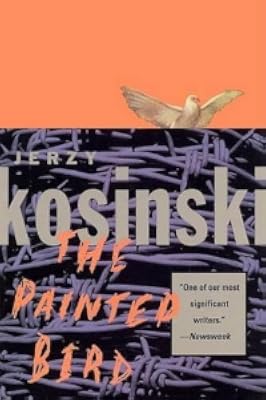
The Painted Bird
by Jerzy Kosiński
On This Page
Description
Originally published in 1965, The Painted Bird established Jerzy Kosinski as a major literary figure. Called by the Los Angeles Times one of the most imposing novels of the decade, it was eventually translated into more than thirty languages. A harrowing story that follows the wanderings of a boy abandoned by his parents during World War II, The Painted Bird is a dark masterpiece that examines the proximity of terror and savagery to innocence and love. It is the first, and the most famous, show more novel by one of the most important and original writers of this century. show lessTags
Recommendations



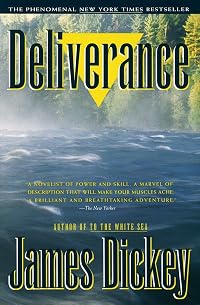
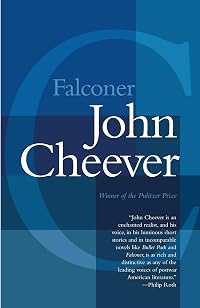
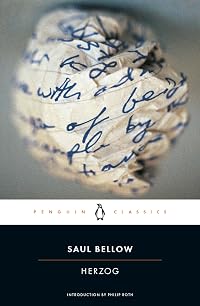
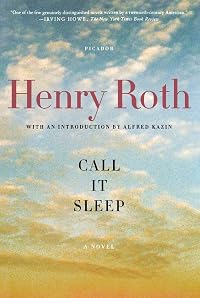
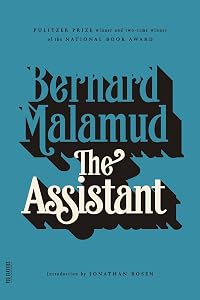
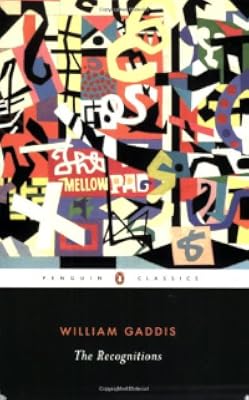


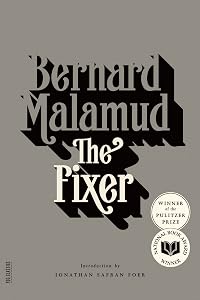
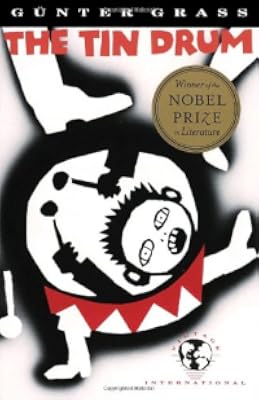


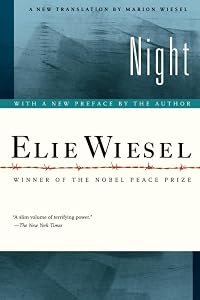
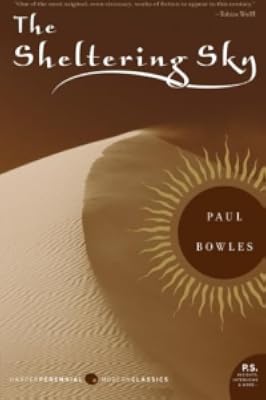
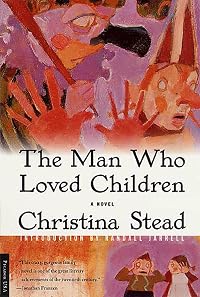
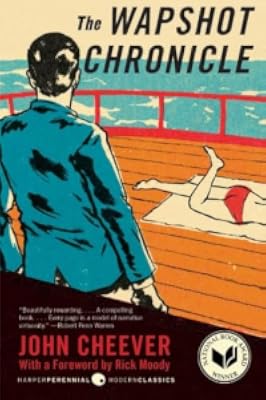
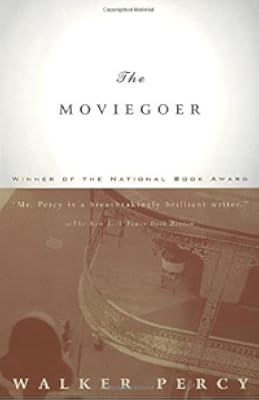
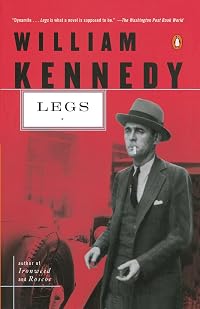
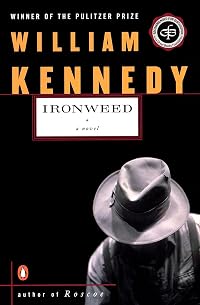
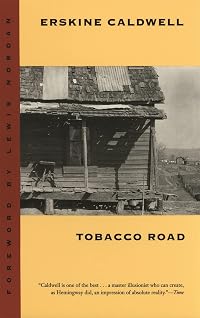
Member Recommendations
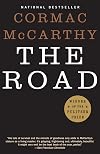
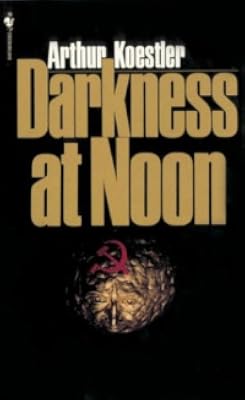
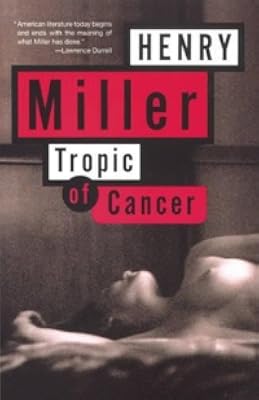
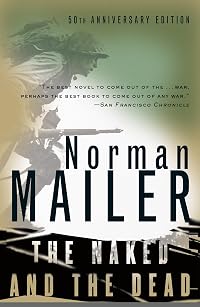
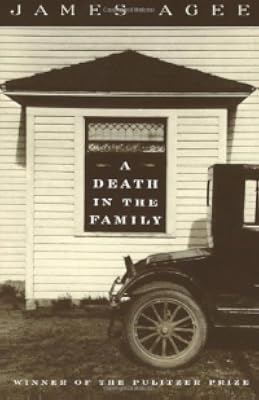
Stbalbach Kosinski & McCarthy were born 5 weeks apart in 1933 and were ages 6-12 during WWII. Both books are dark violent fables told from a child's view.
42

Member Reviews
An unnamed six-year-old Jewish boy is sent to a remote village by his parents in hopes of saving him from the oncoming Holocaust. The elderly woman with whom he initially lives passes away, and for the next six years, the boy wanders through an unnamed East European company (assumed to be Poland) going from place to place seeking refuge. Prejudiced against him by his dark hair and eyes, the peasants assume he is a Jewish or Gypsy bastard and subject him to horrible abuse and violence driven by superstition and racism. Crushed between the armies of the Germans and Russians, the populace at large is driven to ever greater depravity and violence, with the boy as a wide-eyed observer.
When the book was published in 1965, it met with initial show more acclaim, but soon became embroiled in controversy. It was accused of being anti-Polish and banned in Poland. In addition, the author was accused of initially passing the novel off as autobiographical when it is fiction, and there were numerous claims of plagiarism. Others, however, saw it as an interesting allegory for the brutality of war off the battlefield.
Although I was able to appreciate the novel as an interesting fable set during World War II, I struggled with the unrelenting brutality, both physical and sexual. I would caution potential readers to be prepared for animal abuse, child abuse, sexual abuse, and torture. Although I am glad to have read it, it's not one that I will revisit. show less
When the book was published in 1965, it met with initial show more acclaim, but soon became embroiled in controversy. It was accused of being anti-Polish and banned in Poland. In addition, the author was accused of initially passing the novel off as autobiographical when it is fiction, and there were numerous claims of plagiarism. Others, however, saw it as an interesting allegory for the brutality of war off the battlefield.
Although I was able to appreciate the novel as an interesting fable set during World War II, I struggled with the unrelenting brutality, both physical and sexual. I would caution potential readers to be prepared for animal abuse, child abuse, sexual abuse, and torture. Although I am glad to have read it, it's not one that I will revisit. show less
I wanted to start this by saying that this book had 'ruined' me for all future holocaust fiction. But that isn't true. To call Kosinski's novel 'The Painted Bird' "holocaust fiction/literature" is reductive and even trivializing to the point of insult to both the novel and the subject matter, like saying Pynchon's 'Gravity's Rainbow' was a world war II book or that kafka was simply writing german literature, broad statements that really say nothing and achieve nothing in being put to paper or label.
This novel was, still is actually (it will stay with me forever I feel and no, I don't think that's being too heavy-handed in this case) a long form narrative treatise about the ever-presence of human suffering and the basest most abhorrent show more aspects of the human soul and character. This ever-presence and overabundance of suffering and pain is matched by the complete and utter absence of not only god, but of order, reason, logic, certainly justice and anything equivalent to fairness or equality, with only the less than occasional moments of air in the form of human kindness in the dank and suffocating confined spaces of human life from the most claustrophobic and isolated villages to the post war industrial cities where though humanity tries, it still can't fully fathom itself let alone its surrounding world, and in failing, chooses to look away and cast off those who remind them of this somber realization.
Kosinski has given us a novel so dense in symbolic power that it can very easily be read as a parable. But in doing so I think half of the message is lost. The book needs to be seen as both a testament about a very real historical moment but as also a engraved reminder, a grim harbinger and death pale reflection of where humanity has gone and where it could very easily go again. The fact that the holocaust is a keystone element here speaks volumes, no more so than in the fact that the actual ethnicity of the nameless child is (though hinted at greatly, especially towards the end) never quite fully revealed, Jew or Gypsy. The horrific atrocities that the child goes through and the effects that these tortures have on his soul and psyche, his continuing revelations about human nature and what he, as a categorically sane individual lost in a sinking cauldron of madness, speaks to all people, everywhere. The holocaust, the time and the place of it, are the circles and symbols written into the sand and dirt. Kosinski conjures from this a story that speaks and reverberates to the music of agony and revelation.
After saying all that it might be surprising that I note that some of the language in the book is off. Meaning that some of Kosinski's word choices and techniques regarding metaphor and imagery come off as clunky, overly book like and even old fashioned and trying too hard. But this adds too, if you can believe it. This can so easily be read as one writers attempts to conceptualize the incomprehensible. Not just the holocaust, not just god's absence and the presence of evil and good intertwined. It's EVERYTHING. Kosinski appears to use his words to create a base, a rock solid foundation of understanding that will allow him to explore this world with safety, with a measure of hope and even faith.
But Kosinksi fails. And as he does the novel's power soars. Truly this is a book that takes something from the reader. It cuts into your mind and into your heart and rends your innocence and other things that there aren't words or terms for, those certain intangibles in all of our minds that we may or may not know or possibly, for some, take for granted. The lack that is felt afterwards though, upon finishing the book, is something sublime, something transcendent. show less
This novel was, still is actually (it will stay with me forever I feel and no, I don't think that's being too heavy-handed in this case) a long form narrative treatise about the ever-presence of human suffering and the basest most abhorrent show more aspects of the human soul and character. This ever-presence and overabundance of suffering and pain is matched by the complete and utter absence of not only god, but of order, reason, logic, certainly justice and anything equivalent to fairness or equality, with only the less than occasional moments of air in the form of human kindness in the dank and suffocating confined spaces of human life from the most claustrophobic and isolated villages to the post war industrial cities where though humanity tries, it still can't fully fathom itself let alone its surrounding world, and in failing, chooses to look away and cast off those who remind them of this somber realization.
Kosinski has given us a novel so dense in symbolic power that it can very easily be read as a parable. But in doing so I think half of the message is lost. The book needs to be seen as both a testament about a very real historical moment but as also a engraved reminder, a grim harbinger and death pale reflection of where humanity has gone and where it could very easily go again. The fact that the holocaust is a keystone element here speaks volumes, no more so than in the fact that the actual ethnicity of the nameless child is (though hinted at greatly, especially towards the end) never quite fully revealed, Jew or Gypsy. The horrific atrocities that the child goes through and the effects that these tortures have on his soul and psyche, his continuing revelations about human nature and what he, as a categorically sane individual lost in a sinking cauldron of madness, speaks to all people, everywhere. The holocaust, the time and the place of it, are the circles and symbols written into the sand and dirt. Kosinski conjures from this a story that speaks and reverberates to the music of agony and revelation.
After saying all that it might be surprising that I note that some of the language in the book is off. Meaning that some of Kosinski's word choices and techniques regarding metaphor and imagery come off as clunky, overly book like and even old fashioned and trying too hard. But this adds too, if you can believe it. This can so easily be read as one writers attempts to conceptualize the incomprehensible. Not just the holocaust, not just god's absence and the presence of evil and good intertwined. It's EVERYTHING. Kosinski appears to use his words to create a base, a rock solid foundation of understanding that will allow him to explore this world with safety, with a measure of hope and even faith.
But Kosinksi fails. And as he does the novel's power soars. Truly this is a book that takes something from the reader. It cuts into your mind and into your heart and rends your innocence and other things that there aren't words or terms for, those certain intangibles in all of our minds that we may or may not know or possibly, for some, take for granted. The lack that is felt afterwards though, upon finishing the book, is something sublime, something transcendent. show less
It feels weird to like this book. It's the type of book I generally enjoy, but taken a bit further.... Too far, even.
My favorite books are dark, strange, and unpredictable. This book was all of that, but instead of the happy ending to create some cathartic conclusion to the madness, it just sort of... Ended. You realize that this lad is completely, irrevocably, altered from the person he was before the war. There's no going back. Considering the rape, mutilation, murder, torcher, abuse, and unhappiness the central character experiences throughout the story, the end doesn't really balance much of that out.
It's kind of hard to describe this book, but for the most part, each chapter finds the character in a new hell. He's an orphaned boy show more whose parents tried to shield him from the horrors of the war by handing him off to someone at the beginning of it. He is separated from the guardian,and goes to guardian to guardian for almost every new chapter. But I really do think this is a book many people should read, despite the horrors. It's important to read about what could have happened. I'm not sure if every single one of the things he experiences is a viable thing during that period, but considering the madness and cruelty of man, I wouldn't be surprised if many of these events did occur in some shape or form to someone during the war.
It's a pretty ambitious work, full of so much darkness and sadness. If you're charmed by the title of the story, you should be warned that even that basis is not happy. It refers to a story the character sees in the book, about one of his "guardians" who "watches" after birds in a small village. It's sad, it's bleak, and it's depressing, essentially from start to finish, but I believe that it is still an important book to read to recognize what many people were capable of doing back then, and how some people in today could be capable of doing similar things.
This book is not for the faint of heart, nor for the kind of person looking for a quick, beachside novel while they bask in the sun. It takes the life force out of you, in a way. show less
My favorite books are dark, strange, and unpredictable. This book was all of that, but instead of the happy ending to create some cathartic conclusion to the madness, it just sort of... Ended. You realize that this lad is completely, irrevocably, altered from the person he was before the war. There's no going back. Considering the rape, mutilation, murder, torcher, abuse, and unhappiness the central character experiences throughout the story, the end doesn't really balance much of that out.
It's kind of hard to describe this book, but for the most part, each chapter finds the character in a new hell. He's an orphaned boy show more whose parents tried to shield him from the horrors of the war by handing him off to someone at the beginning of it. He is separated from the guardian,and goes to guardian to guardian for almost every new chapter. But I really do think this is a book many people should read, despite the horrors. It's important to read about what could have happened. I'm not sure if every single one of the things he experiences is a viable thing during that period, but considering the madness and cruelty of man, I wouldn't be surprised if many of these events did occur in some shape or form to someone during the war.
It's a pretty ambitious work, full of so much darkness and sadness. If you're charmed by the title of the story, you should be warned that even that basis is not happy. It refers to a story the character sees in the book, about one of his "guardians" who "watches" after birds in a small village. It's sad, it's bleak, and it's depressing, essentially from start to finish, but I believe that it is still an important book to read to recognize what many people were capable of doing back then, and how some people in today could be capable of doing similar things.
This book is not for the faint of heart, nor for the kind of person looking for a quick, beachside novel while they bask in the sun. It takes the life force out of you, in a way. show less
''We are here in the company of death.''
Jewish concentration camp inmate
A young boy finds himself lost, wandering in the countryside of an unnamed Eastern European country during the Second World War. The boy, mute and nameless, faces a world torn apart, a society that doesn't need any kind of war to change. It is a world stripped off all traces of kindness, compassion and humanity, a world that preys upon a child in its most vulnerable moment.
''As these brightly coloured creatures sought the safety of their fellows, the other birds, seeing them as threatening aliens, attacked and tore at the outcasts until they killed them''
According to Kosinski, this novel is a dark fable that follows the path of Aristophanes' The Birds. But ''dark'' show more doesn't even begin to describe it. I am sure most of you know have heard that The Painted Bird is cruelty personified. But it is a cruelty that needs to be read. Because it exposes every single monstrosity humans are capable of and we don't need war noises playing in the background to acknowledge this. We need to experience a boy's ordeals through birds and snakes and insects. A child who only vaguely recalls the tender moments of life with parents and whose personality is about to change by witnessing the most horrifying acts you can possibly think of.
We need to witness Evil circling above the heads of villagers who, in this world, are the lowest form of life as seen by the young boy. Even the ravens and the vultures are disgusted by the human corpses. We have to experience the enchantment of the huldra, the cruelty against the Different, the mob that cries ''witchcraft'' while praying to a vicious Satan that no Bible could ever mention.
''A rotting crucifix, once painted blue, stood at the crossroads. A holy picture hung at the top, from which a pair of barely visible but seemingly tear-stained eyes gazed into the empty fields and red glow of the rising sun. A gray bird sat on an arm of the cross. On catching sight of me, it spread its wings and vanished.''
''I saw witches hanging from the trees. They stared at me, trying to lead me astray and confuse me. I distinctly heard the shudders of wandering souls which had escaped from the bodies of penitent sinners.''
The boy's life is filled with graves in silent cemeteries and wandering skulls. The wind rages, the dead moan their sorrows, the dogs howl in desperation and madness. The prayers are hypocritical, the shadows are long and Death haunts the child's every step. The wrath of an animalistic mob knows no limits. There is no pity for the innocents who are jammed in the wagons, heading to the gas chambers according to the desires of the German viciousness of Hitler and his squad of monsters. They have no pity for those who try to escape their doom. There is no pity for a lonely child. He is a Jew. An Other. Cursed and vilified. Without a land, or a home, or a family. Without the right to exist. It doesn't matter who fights against the Nazis and the Soviets. The villagers need no pretext to unleash Hell.
Yes, this novel contains every possible trigger warning you can think of. To the absolute extreme. And so does life itself. Do I think this portrayal is accurate? Do I believe that human nature is actually capable of the absolute Evil as portrayed in this novel? Of course, I do. The answer lies in the course of History.
''The urge to survive in inherently unfettered. Can the imagination, any more than the boy, be held prisoner?''
Jerzy Kosinski
My reviews can also be found on https://theopinionatedreaderblog.wordpress.com/ show less
Jewish concentration camp inmate
A young boy finds himself lost, wandering in the countryside of an unnamed Eastern European country during the Second World War. The boy, mute and nameless, faces a world torn apart, a society that doesn't need any kind of war to change. It is a world stripped off all traces of kindness, compassion and humanity, a world that preys upon a child in its most vulnerable moment.
''As these brightly coloured creatures sought the safety of their fellows, the other birds, seeing them as threatening aliens, attacked and tore at the outcasts until they killed them''
According to Kosinski, this novel is a dark fable that follows the path of Aristophanes' The Birds. But ''dark'' show more doesn't even begin to describe it. I am sure most of you know have heard that The Painted Bird is cruelty personified. But it is a cruelty that needs to be read. Because it exposes every single monstrosity humans are capable of and we don't need war noises playing in the background to acknowledge this. We need to experience a boy's ordeals through birds and snakes and insects. A child who only vaguely recalls the tender moments of life with parents and whose personality is about to change by witnessing the most horrifying acts you can possibly think of.
We need to witness Evil circling above the heads of villagers who, in this world, are the lowest form of life as seen by the young boy. Even the ravens and the vultures are disgusted by the human corpses. We have to experience the enchantment of the huldra, the cruelty against the Different, the mob that cries ''witchcraft'' while praying to a vicious Satan that no Bible could ever mention.
''A rotting crucifix, once painted blue, stood at the crossroads. A holy picture hung at the top, from which a pair of barely visible but seemingly tear-stained eyes gazed into the empty fields and red glow of the rising sun. A gray bird sat on an arm of the cross. On catching sight of me, it spread its wings and vanished.''
''I saw witches hanging from the trees. They stared at me, trying to lead me astray and confuse me. I distinctly heard the shudders of wandering souls which had escaped from the bodies of penitent sinners.''
The boy's life is filled with graves in silent cemeteries and wandering skulls. The wind rages, the dead moan their sorrows, the dogs howl in desperation and madness. The prayers are hypocritical, the shadows are long and Death haunts the child's every step. The wrath of an animalistic mob knows no limits. There is no pity for the innocents who are jammed in the wagons, heading to the gas chambers according to the desires of the German viciousness of Hitler and his squad of monsters. They have no pity for those who try to escape their doom. There is no pity for a lonely child. He is a Jew. An Other. Cursed and vilified. Without a land, or a home, or a family. Without the right to exist. It doesn't matter who fights against the Nazis and the Soviets. The villagers need no pretext to unleash Hell.
Yes, this novel contains every possible trigger warning you can think of. To the absolute extreme. And so does life itself. Do I think this portrayal is accurate? Do I believe that human nature is actually capable of the absolute Evil as portrayed in this novel? Of course, I do. The answer lies in the course of History.
''The urge to survive in inherently unfettered. Can the imagination, any more than the boy, be held prisoner?''
Jerzy Kosinski
My reviews can also be found on https://theopinionatedreaderblog.wordpress.com/ show less
For over 50 years people have been arguing over whether this book is autobiographical or fiction, original or plagiarized, written by Kosinski or by ghost riders.
I. Do. Not. Care. I couldn't put it down.
Trigger alerts abound so look out. It's non-stop cruelty and brutality. Men, women, children and animals. Beating, torture, rape, murder, incest, bestiality...you name it, it's in here.
If you like imagery, no matter if the picture is beautiful or hideous, and can handle things like GOT, TWD, Stephan King, this book is for you.
Here is an example involving gouged out eyes. Those of you with weak stomachs should look away now.
"And with a rapid movement such as women use to gouge out the rotten spots while peeling potatoes, he plunged the show more spoon into one of the boy's eyes and twisted it.
"The eye sprang out of his face like a yolk from a broken egg and rolled down the miller's hand onto the floor. The plowboy howled and shrieked, but the miller's hold kept him pinned against the wall. Then the blood-covered spoon plunged into the other eye, which sprang out even faster. For a moment the eye rested on the boy's cheek as if uncertain what to do next; then it finally tumbled down his shirt onto the floor.
"It all had happened in a moment. I could not believe what I had seen. Something like a glimmer of hope crossed my mind that the gouged eyes could be put back where they belonged...
"...The eyeballs lay on the floor. I walked around them, catching their steady stare. The cats timidly moved out into the middle of the room and began to play with the eyes as if they were balls of thread. Their own pupils narrowed to slits from the light of the oil lamp. The cats rolled the eyes around, sniffed them, licked them, and passed them to one another gently with their padded paws. Now it seemed that the eyes were staring at me from every corner of the room, as though they had acquired new life and motion of their own.
"I watched them with fascination. If the miller had not been there I myself would have taken them. Surely they could still see. I would keep them in my pocket and take them out when needed, placing them over my own. Then I would see twice as much, maybe even more. Perhaps I could attach them to the back of my head and they would tell me, thought I was not quite certain how, what went on behind me. Better still, I could leave the eyes somewhere and they would tell me later what happened during my absence."
I mean, come on! That's great stuff from the mind of our narrator, a 6-yo little boy in a rural village in Poland in 1939. show less
I. Do. Not. Care. I couldn't put it down.
Trigger alerts abound so look out. It's non-stop cruelty and brutality. Men, women, children and animals. Beating, torture, rape, murder, incest, bestiality...you name it, it's in here.
If you like imagery, no matter if the picture is beautiful or hideous, and can handle things like GOT, TWD, Stephan King, this book is for you.
Here is an example involving gouged out eyes. Those of you with weak stomachs should look away now.
"And with a rapid movement such as women use to gouge out the rotten spots while peeling potatoes, he plunged the show more spoon into one of the boy's eyes and twisted it.
"The eye sprang out of his face like a yolk from a broken egg and rolled down the miller's hand onto the floor. The plowboy howled and shrieked, but the miller's hold kept him pinned against the wall. Then the blood-covered spoon plunged into the other eye, which sprang out even faster. For a moment the eye rested on the boy's cheek as if uncertain what to do next; then it finally tumbled down his shirt onto the floor.
"It all had happened in a moment. I could not believe what I had seen. Something like a glimmer of hope crossed my mind that the gouged eyes could be put back where they belonged...
"...The eyeballs lay on the floor. I walked around them, catching their steady stare. The cats timidly moved out into the middle of the room and began to play with the eyes as if they were balls of thread. Their own pupils narrowed to slits from the light of the oil lamp. The cats rolled the eyes around, sniffed them, licked them, and passed them to one another gently with their padded paws. Now it seemed that the eyes were staring at me from every corner of the room, as though they had acquired new life and motion of their own.
"I watched them with fascination. If the miller had not been there I myself would have taken them. Surely they could still see. I would keep them in my pocket and take them out when needed, placing them over my own. Then I would see twice as much, maybe even more. Perhaps I could attach them to the back of my head and they would tell me, thought I was not quite certain how, what went on behind me. Better still, I could leave the eyes somewhere and they would tell me later what happened during my absence."
I mean, come on! That's great stuff from the mind of our narrator, a 6-yo little boy in a rural village in Poland in 1939. show less
The Painted Bird is the fictional story of 7 year Polish child (not named) who is sent to the remote Polish countryside by his parents in an attempt to keep him safe during WW II. Unfortunately the person he is sent to live with dies and he spends the next 5 years going from one village to another trying to avoid the Germans and the violence of the Polish peasantry. At every turn this child (because of the way he looks—dark like a “gypsy”) is exposed to violence, torture, humiliation—not always at the hands of the Germans but mostly by the Polish villagers. The boy has suffered so much that it is hard to believe that he survives the war—but in reality he really has not—he may be physically alive in the end, but his soul is show more dead. There is no redemption, hope or inspiration in this novel. I can’t believe that I was able to finish this novel—it felt like violence pornography—every other page was unbelievable violence (bestiality, rape, murder, torture, incest, extreme beatings) directed at this boy! Pointless, mindless, disgusting--I would not recommend this book to anyone. 0 out of 5 stars. show less
The officer surveyed me sharply. I felt like a squashed caterpillar oozing in the dust, a creature that could not harm anyone yet aroused loathing and disgust. In the presence of such a resplendent being, armed in all the symbols of might and majesty, I was genuinely ashamed of my appearance. I had nothing against his killing me.
Much as Nietzsche detonated a shaped charge and blew away all hope of a totalizing meta-narrative, it was books like The Painted Bird which left me ashamed, almost permanently. I don't harbor much hope of a recovery. Kosiński left us a catalog of horror. Hope and Justice appear cheaply broacaded within. I still think about the phone ringing at the end of the novel.
Much as Nietzsche detonated a shaped charge and blew away all hope of a totalizing meta-narrative, it was books like The Painted Bird which left me ashamed, almost permanently. I don't harbor much hope of a recovery. Kosiński left us a catalog of horror. Hope and Justice appear cheaply broacaded within. I still think about the phone ringing at the end of the novel.
Members
- Recently Added By
Lists

The Guardian's 1000 Novels Everyone Must Read
1,005 works; 549 members

50 Tough Books for Extreme Readers
71 works; 38 members

Jewish Books
367 works; 24 members

Best of World Literature
437 works; 52 members

Global Reads: Books Set in Eastern Europe
45 works; 10 members

Best War Stories
87 works; 16 members

Most difficult novels
68 works; 27 members

Time Magazine's "All-Time 100"
113 works; 15 members
1960s, Best books published therein
254 works; 22 members

Childhood: Books for or about children in different cultures around the wor
345 works; 18 members

Books about World War II
241 works; 22 members

A Novel Cure
742 works; 23 members
Fake Top 100 Fiction
81 works; 4 members

Book Riot's 100 must-read works of Jewish Fiction
100 works; 8 members

Stephen King's 'Danse Macabre' reading list
111 works; 25 members

Best Horror Mega-List
342 works; 6 members

Holocaust
100 works; 13 members

History: Eastern Europe
97 works; 2 members
Animals in the Title
498 works; 11 members

Jones and Newman's Horror: The 100 Best Books
100 works; 4 members
Time's All-Time 100 Novels
100 works; 27 members

Canon de la narrativa universal del s. XX (cicutadry)
499 works; 3 members

Stephen King Danse Macabre Appendix Starred List
53 works; 1 member
Stephen King's Danse Macabre Full Appendix List
110 works; 2 members
Author Information

32+ Works 8,868 Members
Jerzy Kosinski was born in Lodz, Poland on June 8, 1933. In 1939, he was separated from his family when the Nazi's invaded Poland and he wandered through villages for six years, surviving by his wits. In shock, he remained mute from the age of nine to fourteen. He was finally reunited with his family. He moved to the United States in 1957. His show more first novel, The Painted Bird, was published in 1965 and received France's Prix du Meilleur Livre Etranger. His second novel, Steps, won the National Book Award in 1969. His other novels included Being There, The Devil Tree, Cockpit, and Blind Date. Blind Date tells the story of the Manson killings, which is where he would have been if he had not been stuck in JFK Airport dealing with improperly tagged luggage. He committed suicide on May 3, 1991 at the age of 57. (Bowker Author Biography) show less
Some Editions
Awards and Honors
Awards
Notable Lists
Series
Belongs to Publisher Series
Work Relationships
Is contained in
Has as a student's study guide
Common Knowledge
- Canonical title
- The Painted Bird
- Original publication date
- 1965
- Important places
- Europe (early 1940s); Eastern Europe; Poland
- Important events
- World War II
- Epigraph
- and only God, omnipotent indeed, knew they were mammals of a different breed.
(Mayakovsky) - Dedication
- To the memory of my wife Mary Hayward Weir without whom even the past would lose its meaning.
- First words
- In the first weeks of World War II, in the fall of 1939, a six-year-old boy from a large city in Eastern Europe was sent by his parents, like thousands of other children to the shelter of a distant village.
- Blurbers
- Nin, Anais
- Original language*
- Engels
- Canonical DDC/MDS
- 813.54
- Canonical LCC
- PS3561.O8 P3
- Disambiguation notice
- Per Author's note on the reverse of the half-title, the "Modern Library edition of The Painted Bird [1970] incorporates some changes which did not appear in any previous edition."
*Some information comes from Common Knowledge in other languages. Click "Edit" for more information.
Classifications
Statistics
- Members
- 3,264
- Popularity
- 5,276
- Reviews
- 83
- Rating
- (3.80)
- Languages
- 15 — Czech, Danish, Dutch, English, Estonian, French, German, Italian, Japanese, Norwegian (Bokmål), Polish, Portuguese, Spanish, Swedish, Turkish
- Media
- Paper, Audiobook, Ebook
- ISBNs
- 77
- ASINs
- 37