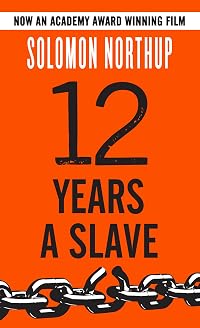
Twelve Years a Slave
by Solomon Northup
On This Page
Description
12 Years a Slave is the harrowing account of a black man, born free in New York State, who was drugged, kidnapped, and sold into slavery in 1841. Having no way to contact his family, and fearing for his life if he told the truth, Solomon Northup was sold from plantation to plantation in Louisiana, toiling under cruel masters for twelve years before meeting Samuel Bass, a Canadian who finally put him in touch with his family, and helped start the process to regain his freedom...Tags
Recommendations
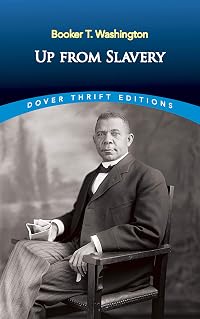
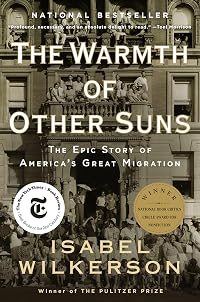
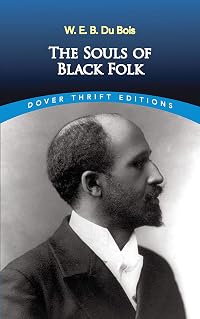


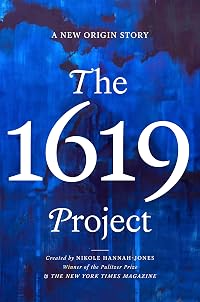

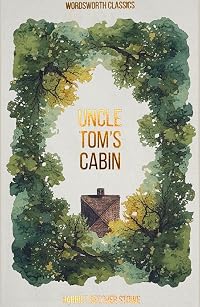
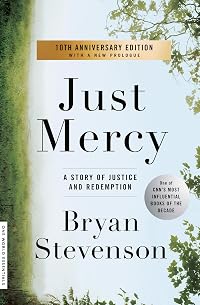

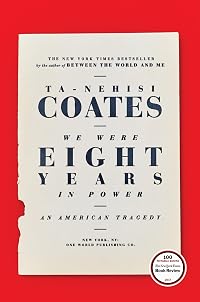
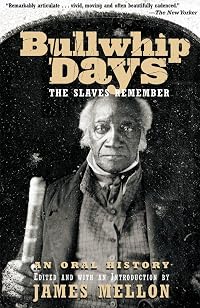
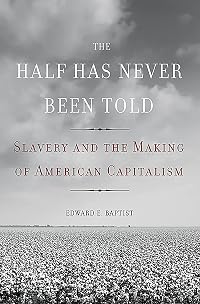
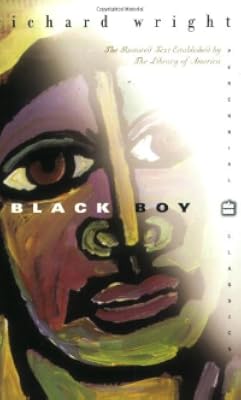
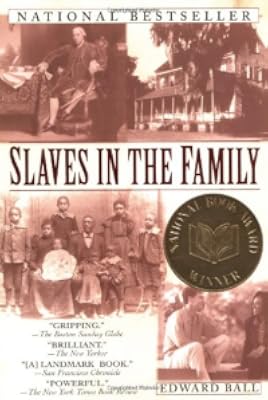
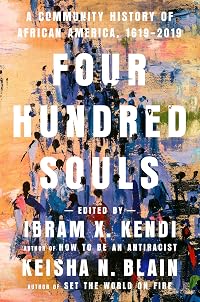
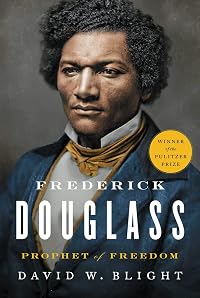
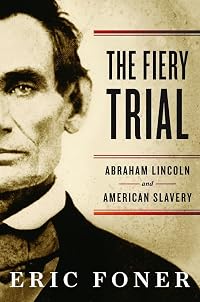
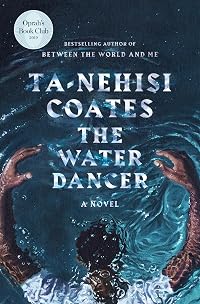
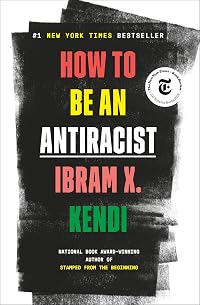
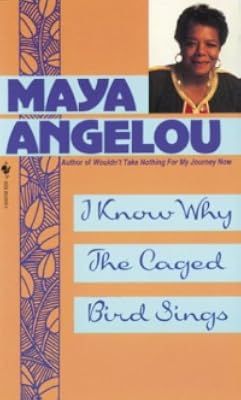
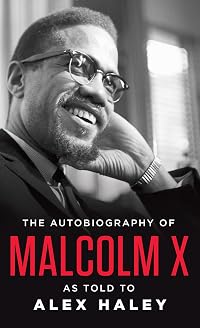
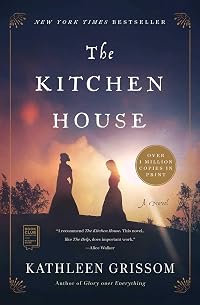
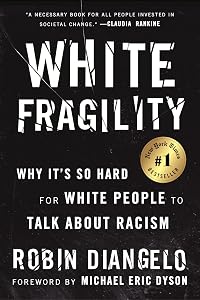
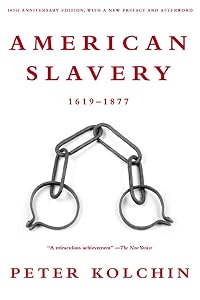
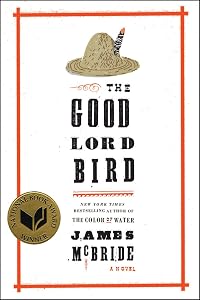
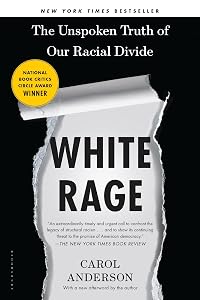
Member Recommendations
muumi Barbara Hambly's Benjamin January series, beginning with A Free Man of Color, is a fictional depiction of the life of a free man of African descent living in the deep south. Hambly's series has well researched historical detail which you'll appreciate even more after reading Northup's account.
muumi Julius Lester quotes from Solomon Northup's book at least once in almost every chapter. To Be a Slave is a Newbery winner, intended for younger readers; readers who appreciate Twelve Years a Slave will find much food for thought in To Be a Slave, and I recommend Twelve Years for adults and teens who want to read further after finishing To Be a Slave.
Member Reviews
Solomon Northup, a free black man living in New York with his wife and children, was lured away from home under false pretences and sold into slavery, ending up in Louisiana and being addressed by a completely different name. It took him 12 years to recover his true name and get back home to his family. Along the way, he witnessed and was subject to the very worst elements of human nature.
The subject matter makes this a difficult read in places, especially when Solomon is working for Epps, the much more wicked slave owner. His whipping of Patsey is unimaginably cruel, and Solomon does not mince words when describing the scene. At this and many other points, Solomon's eye for the precise detail and his rhythm as a storyteller make this a show more very vivid narrative. Especially striking are the small, fleeting moments of contentment: a Christmas feast contains such joyful singing and dancing and excellent food that it brings a tear to your eye. Christmas is lovely but the holiday period is much too short, given the horrors that the slaves endure for their masters. Solomon also talks fondly of his first master, William Ford, a minister who treats his slaves with much more respect than Epps does. And in the end it is with great relief that we see Solomon safe at home with his family, telling his story.
This is an important book to read if you are studying US history; the fact that it is a true narrative really brings home the horrors of slavery. But it is not an onerous read. Solomon tells his story in short paragraphs and the chapters move very quickly, while still imparting a lot of information. (There are even appendices containing copies of the letters that helped restore his freedom.)
I hope this book is reprinted in anticipation of Steve McQueen's film adaptation; the copy I read seemed to be a print-on-demand version of the public domain text and contained many puzzling spelling and typographical errors of the type often found in hastily digitized texts. Still, the most minor of quibbles. Read this book. show less
The subject matter makes this a difficult read in places, especially when Solomon is working for Epps, the much more wicked slave owner. His whipping of Patsey is unimaginably cruel, and Solomon does not mince words when describing the scene. At this and many other points, Solomon's eye for the precise detail and his rhythm as a storyteller make this a show more very vivid narrative. Especially striking are the small, fleeting moments of contentment: a Christmas feast contains such joyful singing and dancing and excellent food that it brings a tear to your eye. Christmas is lovely but the holiday period is much too short, given the horrors that the slaves endure for their masters. Solomon also talks fondly of his first master, William Ford, a minister who treats his slaves with much more respect than Epps does. And in the end it is with great relief that we see Solomon safe at home with his family, telling his story.
This is an important book to read if you are studying US history; the fact that it is a true narrative really brings home the horrors of slavery. But it is not an onerous read. Solomon tells his story in short paragraphs and the chapters move very quickly, while still imparting a lot of information. (There are even appendices containing copies of the letters that helped restore his freedom.)
I hope this book is reprinted in anticipation of Steve McQueen's film adaptation; the copy I read seemed to be a print-on-demand version of the public domain text and contained many puzzling spelling and typographical errors of the type often found in hastily digitized texts. Still, the most minor of quibbles. Read this book. show less
Incredible story. I read this after seeing the movie, and I'm surprised to see that nearly all of the same elements are there, with perhaps a few minor tweaks combining some of Solomon's overseers/owners into fewer personalities, more suitable for film. About the only noticeable scene that's missing from the movie is Solomon's stopover in Washington during the return trip to sue Burch -- not the most painful of Solomon's experiences, but quite possibly the most frustrating.
As for the book itself, Solomon's tale is highly readable still today. The narrative is fast paced, yet provides sufficient detail to give a good sense of the people who made up a significant part of Solomon's life for that rather long interstice of enslavement. I was show more also intrigued at Solomon's interjections and descriptions of the institution of slavery, which he described as a complex system full of masters and mistresses who are variously benevolent and baneful, pious and puerile, magnanimous and megalomaniacal. Solomon's commentary on the system is as nuanced as it is unforgiving, being critical without becoming too -- tract-y, for lack of a better word. At the end he even acknowledges that if there is any fault of his story, it is that he highlighted "too prominently the bright side of the picture," a sentiment which it would be much too understated to call unexpected at best.
While not always a happy story, this is definitely a great one. show less
As for the book itself, Solomon's tale is highly readable still today. The narrative is fast paced, yet provides sufficient detail to give a good sense of the people who made up a significant part of Solomon's life for that rather long interstice of enslavement. I was show more also intrigued at Solomon's interjections and descriptions of the institution of slavery, which he described as a complex system full of masters and mistresses who are variously benevolent and baneful, pious and puerile, magnanimous and megalomaniacal. Solomon's commentary on the system is as nuanced as it is unforgiving, being critical without becoming too -- tract-y, for lack of a better word. At the end he even acknowledges that if there is any fault of his story, it is that he highlighted "too prominently the bright side of the picture," a sentiment which it would be much too understated to call unexpected at best.
While not always a happy story, this is definitely a great one. show less
Powerful and horrific account of slavery, when the New York author- a free man, a husband and father, earning a living labouring and playing the violin, is kidnapped and sold into the sugar and cotton mills of Louisiana.
He describes a succession of "owners" - from the reasonable to the psychopathic- a host of tragic stories of those other slaves he meets; and eventually, thanks to a sympathetic white visitor, the intervention of the law to restore his freedom...though the reader is well aware that no legislation could help his former fellow slaves.
Makes the white reader stop and ponder - with shame and horror- just what was done by our ancestors;
He describes a succession of "owners" - from the reasonable to the psychopathic- a host of tragic stories of those other slaves he meets; and eventually, thanks to a sympathetic white visitor, the intervention of the law to restore his freedom...though the reader is well aware that no legislation could help his former fellow slaves.
Makes the white reader stop and ponder - with shame and horror- just what was done by our ancestors;
I'd never heard of this book until promotion for the film, which I've not seen, began and inspired me to seek it out. I got it on my Kindle.
I don't think I'd read anything on American slavery before but I'd imagined I knew pretty much what went on.
However two things came very strongly out of this book for me and which I'd not really thought about before. The first was the grinding relentless reality of slavery, the day after day, month after month, year after year existence, the unceasing toil, unceasing cruelty, the total lack of respect for age or sex or family; above all, what all of this does to someone. The book gives vivid, ofthen harrowing depictions of all of this. And there are moments of vicious brutality which are not at all show more easy to read.
The second, which Northup touched on in several places, was the utterly warped thinking which slavery engendered, as a necessity, in not just the slave owners but in a slave owning society. I think I can understand now why after abolition it took over a century and five generations to get out from under that thinking; I'd never really understood that before. show less
I don't think I'd read anything on American slavery before but I'd imagined I knew pretty much what went on.
However two things came very strongly out of this book for me and which I'd not really thought about before. The first was the grinding relentless reality of slavery, the day after day, month after month, year after year existence, the unceasing toil, unceasing cruelty, the total lack of respect for age or sex or family; above all, what all of this does to someone. The book gives vivid, ofthen harrowing depictions of all of this. And there are moments of vicious brutality which are not at all show more easy to read.
The second, which Northup touched on in several places, was the utterly warped thinking which slavery engendered, as a necessity, in not just the slave owners but in a slave owning society. I think I can understand now why after abolition it took over a century and five generations to get out from under that thinking; I'd never really understood that before. show less
Hard to rate something like this. I certainly cannot rate for enjoyment. Reading this made me burn in anger and my eyes water. Despite the cruel, dehumanizing events, this was not an easy read, but it was easy to read. It only takes a few times to get used to Northup’s manner of speaking. I almost read it all in one sitting.
In light of recent events, those who say “This is not who America is,” surely have their head in the ground. Of course, this place can be better—should be better—but it was built on mass racism, enslavement, and genocide.
Anyway, I’m glad to have seen this in book form because I certainly could not have seen it visually.
In light of recent events, those who say “This is not who America is,” surely have their head in the ground. Of course, this place can be better—should be better—but it was built on mass racism, enslavement, and genocide.
Anyway, I’m glad to have seen this in book form because I certainly could not have seen it visually.
very enjoyable read, -- if that isn't too insouciant for the narrative of a man who was deceived, drugged, abducted, and sold into human slavery. hmm. what i mean is that its language is intelligible to a modern reader and the story itself is interesting in a manner quite apart from the "dear jesus this poor man" sort of way.
Northup clearly omitted a good amount of his fury and fear and humiliations, which is totally normal for what i've read of slave narratives -- they tend to understate things, probably to ward off any accusation of exaggerating for sympathy -- and it makes the story sound very terse and clipped. I would not say that it's less effective for that.
The number of (white) people who helped Northup get free again, who show more believed him and put their own necks on the line, is heartening and gutwrenching. Each individual person could only do so much against the great grinding gears, and most of them could do very little indeed.
I didn't know that there was a tidy business in abducting free (black) men and selling them, although it seems obvious now. Like, duh. Of course there was. Of course there still is (hello, prison pipeline). Times change but people do not.
Shitty as what happened to Solomon was, he's one of the lucky ones: he got away.
I can't stop thinking about poor Patsey. show less
Northup clearly omitted a good amount of his fury and fear and humiliations, which is totally normal for what i've read of slave narratives -- they tend to understate things, probably to ward off any accusation of exaggerating for sympathy -- and it makes the story sound very terse and clipped. I would not say that it's less effective for that.
The number of (white) people who helped Northup get free again, who show more believed him and put their own necks on the line, is heartening and gutwrenching. Each individual person could only do so much against the great grinding gears, and most of them could do very little indeed.
I didn't know that there was a tidy business in abducting free (black) men and selling them, although it seems obvious now. Like, duh. Of course there was. Of course there still is (hello, prison pipeline). Times change but people do not.
Shitty as what happened to Solomon was, he's one of the lucky ones: he got away.
I can't stop thinking about poor Patsey. show less
Like most people who read this in the past 10 years, I saw the movie and only now picked up the book, something I’ve been meaning to do for years. As someone too late in the college game to properly study American folk cultures, I find a lot of interest in slave narratives, and this one was very solid, moving, but somehow challenging.
Something that really struck me while reading this was historical relativism. Solomon abhors slavery, but still finds it in himself to somewhat excuse the character of his first owner by emphasizing the good christianity of the man. Later, the avid abolitionist who helps secure his freedom by risking all laws to travel across the country to ensure that comfortably uses the n-word. This was one of those show more authentic old-timey first person pov stories that made me realize how damn different the past was, especially morally.
I’m so glad Solomon was able to be freed and then be able to write about it and publish it. It is all so powerful and sobering. The song he transcribed at the end was ❤️ show less
Something that really struck me while reading this was historical relativism. Solomon abhors slavery, but still finds it in himself to somewhat excuse the character of his first owner by emphasizing the good christianity of the man. Later, the avid abolitionist who helps secure his freedom by risking all laws to travel across the country to ensure that comfortably uses the n-word. This was one of those show more authentic old-timey first person pov stories that made me realize how damn different the past was, especially morally.
I’m so glad Solomon was able to be freed and then be able to write about it and publish it. It is all so powerful and sobering. The song he transcribed at the end was ❤️ show less
Members
- Recently Added By
Lists

Books To Get From The Library
115 works; 5 members

Read the book and saw the movie
1,170 works; 192 members

Books Read in 2015
3,299 works; 129 members

Writers at Risk
106 works; 17 members
Books Read in 2016
4,666 works; 197 members

To Read
617 works; 7 members

Silent Scream
20 works; 2 members

United States Slave Narratives
28 works; 1 member

Memoirs Heal the Soul
22 works; 1 member

Books by Black Men
49 works; 2 members
Author Information

13+ Works 5,058 Members
Solomon Northup was a free-born African American from Saratoga Springs, New York. He is noted for having been kidnapped in 1841 when enticed with a job offer. When he accompanied his supposed employers to Washington, DC, they drugged him and sold him into slavery. From Washington, DC, he was transported to New Orleans where he was sold to a show more plantation owner from Rapides Parish, Louisiana. After 12 years in bondage, he regained his freedom in January 1853. Solomon Northup's memoir was reprinted several times later in the 19th century. An annotated version was published in 1968; the memoir was adapted and produced as a 2013 film by the same name by Steve McQueen, starring Chiwetel Ejiofor as Northup. Since 1999, Saratoga Springs, New York, has celebrated an annual Solomon Northup Day on the third Saturday in July. (Bowker Author Biography) show less
All Editions
Some Editions
Awards and Honors
Awards
Series
Belongs to Publisher Series
Work Relationships
Is contained in
Twelve Years A Slave: Original Edition - With Bonus of Uncle Tom's Cabin and Original illustrations by Solomon Northup
The Souls of Black Folk / Up From Slavery / Narrative of the Life of Frederick Douglass / Incidents in the Life of a Slave Girl / Narrative of Sojourner Truth / Twelve Years a Slave by W. E. B. Du Bois
Has the adaptation
Is abridged in
Common Knowledge
- Canonical title
- Twelve Years a Slave
- Original title
- 12 Years a Slave
- Alternate titles*
- Twaalf jaar slaaf
- Original publication date
- 1853
- People/Characters
- Solomon Northup
- Important places
- Louisiana, USA; New York, USA; Washington, D.C., USA
- Important events
- 19th century
- Related movies
- Solomon Northup's Odyssey (1984 | IMDb); Twelve Years a Slave (2013 | IMDb)
- Dedication
- To
Harriet Beecher Stowe:
whose name,
throughout the world, is identified
with the
Great Reform:
this narrative, affording another
Key to Uncle Tom's Cabin,
is respectfully dedicated - First words
- When the editor commenced the preparation of the following narrative, he did not suppose it would reach the size of this volume. - Editor's Preface
Having been born a freeman, and for more than thirty years enjoyed the blessings of liberty in a free State—and having at the end of that time been kidnapped and sold into Slavery, where I remained, until happily rescued in... (show all) the month of January, 1853, after a bondage of twelve years—it has been suggested that an account of my life and fortunes would not be uninteresting to the public. - Last words
- (Click to show. Warning: May contain spoilers.)Chastened and subdued in spirit by the sufferings I have borne, and thankful to that good Being through whose mercy I have been restored to happiness and liberty, I hope henceforward to lead an upright though lowly life, and rest at last in the church yard where my father sleeps.
- Original language
- English
*Some information comes from Common Knowledge in other languages. Click "Edit" for more information.
Classifications
- Genres
- Biography & Memoir, History, Nonfiction, General Nonfiction
- DDC/MDS
- 306.3 — Society, government, & culture Social sciences, sociology & anthropology Social Behavior - Dating, Marriage, Divorce Economic institutions
- LCC
- E444 .N87 — History of the United States United States Revolution to the Civil War, 1775/1783-1861 Slavery in the United States. Antislavery
- BISAC
Statistics
- Members
- 4,884
- Popularity
- 2,883
- Reviews
- 136
- Rating
- (4.23)
- Languages
- 13 — Chinese, Danish, Dutch, English, Estonian, Finnish, French, German, Italian, Polish, Spanish, Turkish, Portuguese (Portugal)
- Media
- Paper, Audiobook, Ebook
- ISBNs
- 403
- UPCs
- 3
- ASINs
- 134