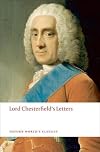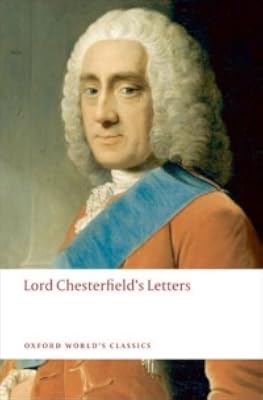
Lord Chesterfield's Letters
by Lord Chesterfield
On This Page
Description
`My object is to have you fit to live; which, if you are not, I do not desire that you should live at all.'So wrote Lord Chesterfield in one of the most celebrated and controversial correspondences between a father and son. Chesterfield wrote almost daily to his natural son, Philip, from 1737 onwards, providing him with instruction in etiquette and the worldly arts.Praised in their day as a complete manual of education, and despised by Samuel Johnson for teaching `the morals of a whore and show more the manners of a dancing-master', these letters reflect the political craft of a leading statesman and th show lessTags
Recommendations


















Member Reviews
I have been thinking abour writing a series of advice letters to grandchildren,great grandchildren.....daughters will not pay any attention, but might read them after I am dead.....and Chseterfirld is RIGHT ON...and the topics ever timeley...chosing asouse, debt (do not gamble....thiis he will no subsidize, suggestings on reading the classices...looking for mentors both men and women, accepting advice....a very modern. Terrific book, even for today.
Ratings
Members
- Recently Added By
Lists

Trinity College Booklist (1951): Class Six, Biography
119 works; 4 members

Ryan Holiday's Books To Base Your Life On
97 works; 2 members
Author Information

96+ Works 830 Members
An English statesman and celebrated wit and conversationalist, Lord Chesterfield achieved lasting fame through his letters to his natural son and to his adopted godson. The brilliant Letters to His Son, first published by his widow in 1774, was written to acquaint the boy with and encourage him to acquire the manners and standards of a man of the show more world. The letters are considered shrewd, witty, and elegant. Letters to His Godson, of which 236 are extant, was not published until 1890. Chesterfield was a friend of Pope and Swift and corresponded with Voltaire. As the patron of Samuel Johnson, Chesterfield provoked Johnson's famous February 1755 letter of rebuke after Lord Chesterfield's belated praise of Johnson's Dictionary, which he had ignored in prospectus since 1747. In the letter, Johnson wrote that "the notice which you have been pleased to take of my labors, had it been early, had been kind; but it has been delayed till I am indifferent, and cannot enjoy it; till I am solitary, and cannot impart it; till I am known, and do not want it." (Bowker Author Biography) show less
All Editions
Awards and Honors
Notable Lists
Series
Belongs to Publisher Series
Work Relationships
Common Knowledge
- Canonical title
- Lord Chesterfield's Letters
- Original publication date
- 1774
- People/Characters
- Philip Stanhope, 4th Earl of Chesterfield
- Disambiguation notice
- Do not combine with Everyman edition of Chesterfield's Letters to His Son and Others.
Classifications
- Genres
- Nonfiction, History, General Nonfiction, Biography & Memoir
- DDC/MDS
- 941.07 — History & geography History of Europe British Isles Historical periods of British Isles 1714-1837 Period of House of Hanover
- LCC
- BJ1671 — Philosophy, Psychology and Religion Ethics Ethics Individual ethics. Character. Virtue
- BISAC
Statistics
- Members
- 460
- Popularity
- 66,316
- Reviews
- 1
- Rating
- (3.69)
- Languages
- 7 — English, French, German, Japanese, Korean, Russian, Spanish
- Media
- Paper, Ebook
- ISBNs
- 22
- ASINs
- 34