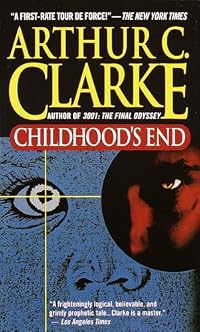
Childhood's End
by Arthur C. Clarke
On This Page
Description
In the Retro Hugo Award-nominated novel that inspired the Syfy miniseries, alien invaders bring peace to Earth-at a grave price. In the near future, enormous silver spaceships appear without warning over mankind's largest cities. They belong to the Overlords, an alien race far superior to humanity in technological development. Their purpose is to dominate Earth. Their demands, however, are surprisingly benevolent: end war, poverty, and cruelty. Their presence, rather than signaling the end show more of humanity, ushers in a golden age . . . or so it seems. Without conflict, human culture and progress stagnate. As the years pass, it becomes clear that the Overlords have a hidden agenda for the evolution of the human race that may not be as benevolent as it seems. show lessTags
Recommendations
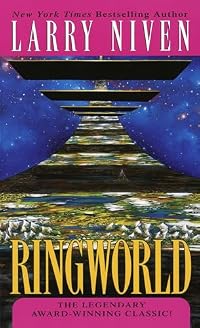
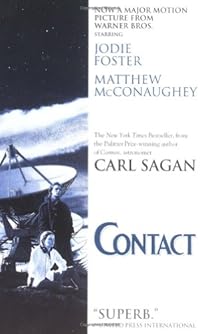
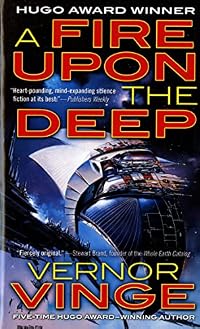
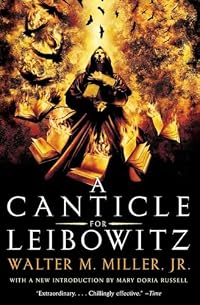

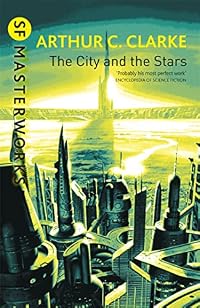
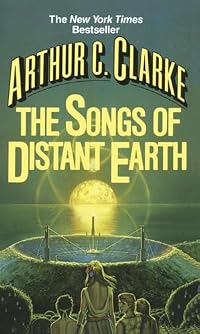
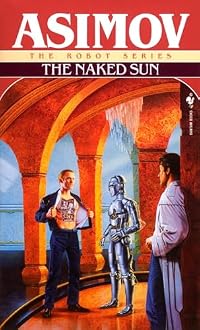
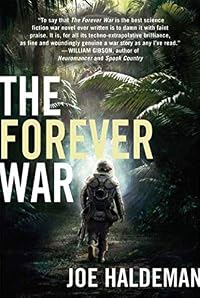

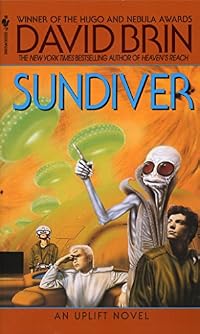
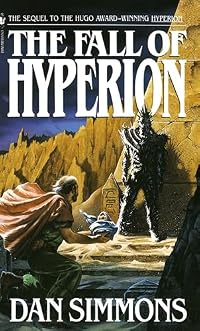
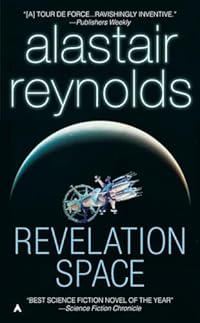

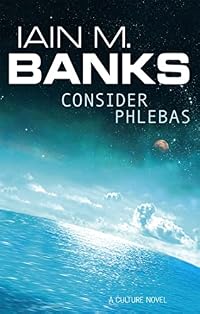
Member Recommendations
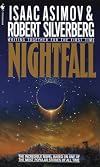
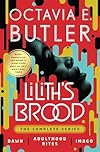


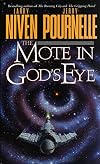
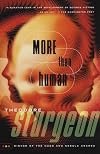

Member Reviews
O ser humano, deixado aos seus próprios desígnios, muito provavelmente perecerá. O desejo de acumulação inútil e demonstração de poder dispendioso e violenta, de um grupo ao outro, deve nos levar a derrocada final. Mas e se uma autarquia benigna alienígena intervir? Que tipo de tentativas de sabotagem faríamos, e sentimentos irracionais levantaríamos para tentar escapar da paz e da boa vida? Que honra mesquinha manteremos para com nossos deuses já ultrapassados? Ou abraçaremos os problemas do futuro - os problemas do comum, da boa vida, da possibilidade de ter sustentabilidade? Há uma espécie de grande tarefa comum, mas como a união nunca viria internamente, ela é forçada, fomentada, para que deixamos nossa infância. show more E nesse caminho a educação é a base para enfrentar as benesses da renda básica universal e perceber que sustentar aqueles corajosos o suficiente para não trabalhar é bastante melhor do que lutar contra classes desnecessárias de burocratas e outros trabalhadores inúteis sugadores de tempo. Faltam guerras, grandes intrigas e mesquinharia, mas há muito o que pensar e pesquisar. Só que a figura imponente dos overlords parece dizer: "para que? Nós já resolvemos isso há tempo". E todo esse mistério, que escondem? As coisas ficarão então chatas, os mistérios eternos? Ou seguiremos a jornada, deixando para trás o que for necessário? E então, o final extremamente emocionante do livro de Clarke... show less
Old SF sometimes has a kick to it that nothing modern can quite manage. There's a speed and economy of words, of action progressing so quickly that I feel like I'm on a roller-coaster ride and it's all downhill.
This is what Childhood's End feels like.
It's hard not to write about this book without giving away spoilers, so I'll just warn you now and get right down to business.
It starts out with damn old tropes and bit of spunky adventure, but it quickly becomes obvious that all that was a lark. The real story wasn't glamorous in the traditional sense. It was certainly glamorous in a few instances, but it did manage to do was pull off both tragedy and glory. Or the old definition of Romance, if you so prefer.
Who are the overlords who have show more disrupted and forced humanity to behave? They hid their faces for good reasons. Our race has had an old premonition of its end, and these tragic figures figure heavily.
But wait, is this a novel about them, or humanity?
Humanity has had its last hurrah. Our childhood is done. It is time to move on and discard everything we might recognize as *our* lives.
There's no sense of the life we known continuing. It's certainly the end of the novel. There's no hint of anything resembling future conflict, no hook to give readers further meaning or interest beyond a "Hey, look at those pretty lights!" moment.
Of course, the point is that when we're ready to put down our toys and pick up the mantle of adulthood, we'll not understand a damn thing from this side of the veil, and that's just fine from a story standpoint, and it definitely has a lot of impact. It doesn't pull any punches with me. I like that.
But then, I'm handed a full-stop.
There's no where else for this novel to continue, even in my head. There's no further wondering or amazement. When it's done, it's completely done.
Even our tragic overlords sit and pity themselves, never having changed as a people from page one. They're stuck in the same cycle forever, living out the same story, guarding and watching other's children grow up and leave home, without ever once having a taste of something truly grand.
Of course, that's the point.
The fall from heaven, always being cast out, learning that the greatest hell is the one in your own mind, always separate from the state of grace. Yes, they are a tragic race.
Fortunately for us, the readers, Clarke doesn't expound. He weaves a simple tale from start to finish and ends it on a full-stop.
Am I the only one that wishes that such a story might have been teased into something much greater, and have avoided that dreaded full-stop? If SF is in a constantly shifting conversation with itself, including the other writers of the craft and the public that reads it, then this book is an utter conversation-stopper. There's no where else to go unless we change the nature of what is written.
It's a great story. Don't get me wrong. But it's about as subtle as an SS boot on my neck.
Still, this is a classic for a very good reason, and it will always be memorable, even if there are a lot of imitators. I think this one is going to remain superior, even if I think some of the old cultural quirks (such as referring to blacks as negros) really needs to be edited out, and damn "literary integrity." Leaving that stuff in at this late date serves absolutely no purpose to either the story or the character. It only serves to date the novel and pull it out of an argument that it should be considered one of the "Great SF Masterpieces".
But even so, it still deserves to be on that list, even with its faults. :) Truly a great re-read. show less
This is what Childhood's End feels like.
It's hard not to write about this book without giving away spoilers, so I'll just warn you now and get right down to business.
It starts out with damn old tropes and bit of spunky adventure, but it quickly becomes obvious that all that was a lark. The real story wasn't glamorous in the traditional sense. It was certainly glamorous in a few instances, but it did manage to do was pull off both tragedy and glory. Or the old definition of Romance, if you so prefer.
Who are the overlords who have show more disrupted and forced humanity to behave? They hid their faces for good reasons. Our race has had an old premonition of its end, and these tragic figures figure heavily.
But wait, is this a novel about them, or humanity?
Humanity has had its last hurrah. Our childhood is done. It is time to move on and discard everything we might recognize as *our* lives.
There's no sense of the life we known continuing. It's certainly the end of the novel. There's no hint of anything resembling future conflict, no hook to give readers further meaning or interest beyond a "Hey, look at those pretty lights!" moment.
Of course, the point is that when we're ready to put down our toys and pick up the mantle of adulthood, we'll not understand a damn thing from this side of the veil, and that's just fine from a story standpoint, and it definitely has a lot of impact. It doesn't pull any punches with me. I like that.
But then, I'm handed a full-stop.
There's no where else for this novel to continue, even in my head. There's no further wondering or amazement. When it's done, it's completely done.
Even our tragic overlords sit and pity themselves, never having changed as a people from page one. They're stuck in the same cycle forever, living out the same story, guarding and watching other's children grow up and leave home, without ever once having a taste of something truly grand.
Of course, that's the point.
The fall from heaven, always being cast out, learning that the greatest hell is the one in your own mind, always separate from the state of grace. Yes, they are a tragic race.
Fortunately for us, the readers, Clarke doesn't expound. He weaves a simple tale from start to finish and ends it on a full-stop.
Am I the only one that wishes that such a story might have been teased into something much greater, and have avoided that dreaded full-stop? If SF is in a constantly shifting conversation with itself, including the other writers of the craft and the public that reads it, then this book is an utter conversation-stopper. There's no where else to go unless we change the nature of what is written.
It's a great story. Don't get me wrong. But it's about as subtle as an SS boot on my neck.
Still, this is a classic for a very good reason, and it will always be memorable, even if there are a lot of imitators. I think this one is going to remain superior, even if I think some of the old cultural quirks (such as referring to blacks as negros) really needs to be edited out, and damn "literary integrity." Leaving that stuff in at this late date serves absolutely no purpose to either the story or the character. It only serves to date the novel and pull it out of an argument that it should be considered one of the "Great SF Masterpieces".
But even so, it still deserves to be on that list, even with its faults. :) Truly a great re-read. show less
Man's quest to reach the stars is interrupted when an alien race makes contact with Earth first. The benevolent Overlords eradicate all suffering on humankind's planet, but at what cost?
When humanity is robbed of its choices and its mistakes, what happens to our culture, our desire to make great works of art, our motivation for great scientific discoveries? These questions are raised and in turn answered by Clarke, though I'm not sure I find the answers plausible.
More importantly, this is again one of those works that ask what, if anything, is the role of the human race, universally speaking. Is there a reason for our existence and what is our ultimate fate. I'm not sure we're going to like those answers either, if we ever find out.
When humanity is robbed of its choices and its mistakes, what happens to our culture, our desire to make great works of art, our motivation for great scientific discoveries? These questions are raised and in turn answered by Clarke, though I'm not sure I find the answers plausible.
More importantly, this is again one of those works that ask what, if anything, is the role of the human race, universally speaking. Is there a reason for our existence and what is our ultimate fate. I'm not sure we're going to like those answers either, if we ever find out.
I loved this tale of the earth being taken over, albeit benignly, by a group of aliens called The Overlords. A nice twist about a third of the way through, lots of thoughtful speculation about what motivates men to create and explore. I didn’t find it preachy or too much a product of its time. Highly recommended, even if you’re not an SF fan.
If you watched the mini-series and expected the book to be similar, you'd be disappointed. That said, the book was quite intriguing. Throwing a wrench into some of our culturally and religiously pre-conceived notions, we're given Overlords (okay, Overseers) whose motives are questionable -- until they're not. Without giving the ending away, there's something that smacks of what if Children of Men had been left to another conclusion (yes, I know this predates Children). I'm not sure if I found the ending sad, unsettling, or piquing my curiosity. There is some uneveness to the writing, no doubt fueled by a 1952/3 autboring. Things projected then are both near to and far away from our current world. And yet the entire thing works. show more Definitely worth the read, if only to get a peek into past mindsets on how science may have evved, and, of course, to see how far the genre has come since then. show less
I've never read Arthur C. Clarke before, but loved 2001 so it seems silly it took me this long to give one of his books a try. I'm really glad I did.
This is a lean story but it feels so big and ominous. I loved the Overlord characters, it was such a neat take on an old, biblical trope and a neat twist on the "alien invasion" angle. I never knew where the story was going and I'm still digesting a lot of the details. It's one of the few books I sort of wish was longer. Hard to believe this was written in 1953, but I guess classic science fiction endures for a reason.
This is a lean story but it feels so big and ominous. I loved the Overlord characters, it was such a neat take on an old, biblical trope and a neat twist on the "alien invasion" angle. I never knew where the story was going and I'm still digesting a lot of the details. It's one of the few books I sort of wish was longer. Hard to believe this was written in 1953, but I guess classic science fiction endures for a reason.
Update: a day later.
I'm still thinking about this novel today. I don't know the history of sci fi, but if Clarke was the original of these recurring themes, then he definitely deserves props for that, much like he and Kubrik do for 2001: A Space Odyssey. I could edit my review below to be less disappointed, less persnickety. But then I'd have to do the same for other works (eg. Frankenstein by Mary Wollstonecraft Shelley). Yes, I've run into this dilemma before and probably will again: how to read older classic works that were The First but in whatever way don't meet today's scientific knowledge or societal advancements, or even taste? (Many old novels drive me up the wall with their strange, disjointed endings, like Frankenstein or show more even Robinson Crusoe and Mill on the Floss.)
If you have ideas on this conundrum, I would be most receptive--and not persnickety--to hear them.
CONTAINS SPOILERS
For all his trail-blazing imagination, Clarke's imagination went only so far. With his Grandpappy Sci Fi reputation, I thought he fell surprisingly short of being visionary. Not even outstandingly prophetic.
For me the prime example was that, in spite of being an atheist himself, he couldn't get away from a cosmic superpower entity, the Overmind. But not only that, it is an entity in communication with the novel's last interstellar beings standing, the Overlords who admired, obeyed, and lamented not being deemed worthy of being consummated into it. Clarke dismisses all the world's religions and gods only to envision another unfathomable, inexplicable One.
And apparently for all his powers of imagination, Clarke was unable to imagine a future without 1950s misogyny. Women are still "girls" and have no function outside the home in the plot.
Additionally, but more forgivably, the technology, compared to the world we live in now, was clunky and only vaguely and only sometimes on the mark with the real advancements made a mere 20, 30 years later. Not as prophetic as, say, cartoon Dick Tracy's watch in the 1930s.
He had a nice take on Time not being an arrow in one direction, and used it well in plotting his story. Truth be known, I don't read much science fiction so that could be quite old hat even when he wrote this work.
I noticed that many of the ideas here are foreshadows for the 1968 film (and perhaps his novelization of it as well), 2001: A Space Odyssey. Which, I might add, also includes misogyny and white-male-centricity.
"NOW A SYFY MINISERIES EVENT" is emblazoned on the cover of the copy I read. There's a pictorial snapshot that looks like they did something different with the original work, reflecting no scene I found while reading. I hope the 2015 miniseries included some contemporary sensibility updates.
In the end, we have to ask, what was Clarke saying about humanity. That there is some force greater than science, what we consider the paranormal? That we should pity the Overlords who have mastered science but can't procreate and thus don't have the capacity for a special mutation that would make them worthy of God, I mean Overmind, to want to absorb, instead relegating them to only being worthy of doing its bidding? Isn't all that straight from the pages of the Old Testament, and its seeming direction for the End of Man as well, or what?
Hmph. I expected more. Or different.
I gave it 2 stars because the premise was at least good enough that it kept me thinking ahead, even as it disappointed me. I give it another star for some cleverness, like the moment the Overloads appear for the first time to humanity in shocking recognizability. I got a big kick out of that, although he turned it into a less interesting premise I thought it hinted at. Also it was cool that humans were not allowed to be cruel to animals. Amen to that, although that didn't seem to be integral to the Overmind's grand plan but rather something that the Overlords uniquely endorsed. They were the epitome of peacefulness, and that is in contradiction to the Overmind's juggernaut--from a mere human perspective, that is--which they must ultimately obey. (Is that Purgatory?)
For now, I won't be reaching out to read more Clarke. For me, it includes the same endless, unanswerable issues that religious suppositions do.
Sadly, I'm also trying not to let this book change my previous high esteem of the abstract end of the Kubrick film that seemed to say something more, something less confused, than this earlier Clarke work did. show less
I'm still thinking about this novel today. I don't know the history of sci fi, but if Clarke was the original of these recurring themes, then he definitely deserves props for that, much like he and Kubrik do for 2001: A Space Odyssey. I could edit my review below to be less disappointed, less persnickety. But then I'd have to do the same for other works (eg. Frankenstein by Mary Wollstonecraft Shelley). Yes, I've run into this dilemma before and probably will again: how to read older classic works that were The First but in whatever way don't meet today's scientific knowledge or societal advancements, or even taste? (Many old novels drive me up the wall with their strange, disjointed endings, like Frankenstein or show more even Robinson Crusoe and Mill on the Floss.)
If you have ideas on this conundrum, I would be most receptive--and not persnickety--to hear them.
CONTAINS SPOILERS
For all his trail-blazing imagination, Clarke's imagination went only so far. With his Grandpappy Sci Fi reputation, I thought he fell surprisingly short of being visionary. Not even outstandingly prophetic.
For me the prime example was that, in spite of being an atheist himself, he couldn't get away from a cosmic superpower entity, the Overmind. But not only that, it is an entity in communication with the novel's last interstellar beings standing, the Overlords who admired, obeyed, and lamented not being deemed worthy of being consummated into it. Clarke dismisses all the world's religions and gods only to envision another unfathomable, inexplicable One.
And apparently for all his powers of imagination, Clarke was unable to imagine a future without 1950s misogyny. Women are still "girls" and have no function outside the home in the plot.
Additionally, but more forgivably, the technology, compared to the world we live in now, was clunky and only vaguely and only sometimes on the mark with the real advancements made a mere 20, 30 years later. Not as prophetic as, say, cartoon Dick Tracy's watch in the 1930s.
He had a nice take on Time not being an arrow in one direction, and used it well in plotting his story. Truth be known, I don't read much science fiction so that could be quite old hat even when he wrote this work.
I noticed that many of the ideas here are foreshadows for the 1968 film (and perhaps his novelization of it as well), 2001: A Space Odyssey. Which, I might add, also includes misogyny and white-male-centricity.
"NOW A SYFY MINISERIES EVENT" is emblazoned on the cover of the copy I read. There's a pictorial snapshot that looks like they did something different with the original work, reflecting no scene I found while reading. I hope the 2015 miniseries included some contemporary sensibility updates.
In the end, we have to ask, what was Clarke saying about humanity. That there is some force greater than science, what we consider the paranormal? That we should pity the Overlords who have mastered science but can't procreate and thus don't have the capacity for a special mutation that would make them worthy of God, I mean Overmind, to want to absorb, instead relegating them to only being worthy of doing its bidding? Isn't all that straight from the pages of the Old Testament, and its seeming direction for the End of Man as well, or what?
Hmph. I expected more. Or different.
I gave it 2 stars because the premise was at least good enough that it kept me thinking ahead, even as it disappointed me. I give it another star for some cleverness, like the moment the Overloads appear for the first time to humanity in shocking recognizability. I got a big kick out of that, although he turned it into a less interesting premise I thought it hinted at. Also it was cool that humans were not allowed to be cruel to animals. Amen to that, although that didn't seem to be integral to the Overmind's grand plan but rather something that the Overlords uniquely endorsed. They were the epitome of peacefulness, and that is in contradiction to the Overmind's juggernaut--from a mere human perspective, that is--which they must ultimately obey. (Is that Purgatory?)
For now, I won't be reaching out to read more Clarke. For me, it includes the same endless, unanswerable issues that religious suppositions do.
Sadly, I'm also trying not to let this book change my previous high esteem of the abstract end of the Kubrick film that seemed to say something more, something less confused, than this earlier Clarke work did. show less
Members
- Recently Added By
Published Reviews
ThingScore 100
I'm not sure Childhood's End is the first book my dad gave me, but it was one of the first, and it's certainly the one I remember most vividly. And it's probably a book that changed my life.
added by paradoxosalpha — edited by RBeffa
Lists

Best Science Fiction Novels
816 works; 430 members

The Guardian's 1000 Novels Everyone Must Read
1,005 works; 549 members
Survey of Classic Science Fiction
171 works; 47 members

NPRs your picks: top 100 Sci-Fi/Fantasy books
297 works; 78 members

Classics you know you should have read but probably haven't
421 works; 405 members

Newsweek's Top 100 Books: The Meta-List
100 works; 18 members

Recommended Apocalyptic Novels
53 works; 24 members

Best First Contact Stories
33 works; 16 members

Bibliography for Among Others
159 works; 15 members

S.F. Masterworks (Complete)
229 works; 15 members
Survey of Science Fiction and Fantasy
101 works; 13 members

Dystopian and Apocalyptic Literature
350 works; 74 members

SF Masterworks
193 works; 8 members
David Pringle's Science Fiction: The 100 Best Novels
101 works; 9 members
SF Masterworks
22 works; 3 members

Easton Press Masterpieces of Science Fiction
30 works; 2 members

The Novels of Arthur C. Clarke
21 works; 2 members

The 5 Parsec Shelf
50 works; 7 members

It's the end of the world as we know it!
90 works; 23 members

Science Fiction
42 works; 7 members

Jean's Sci Fi/Fantasy Reading list
189 works; 12 members
Top 100 to Read before you Die
109 works; 7 members

Top Five Books of 2020
982 works; 348 members
Science Fiction: Top 10
10 works; 1 member

Speculative Fiction to Read
706 works; 31 members

Isaac Arthur’s Book Recommendations
98 works; 3 members
Best Books With Aliens
67 works; 10 members

Speculative Fiction: The Classics
36 works; 5 members
Best Books of the 20th Century
193 works; 5 members
Want to Read — open list
55 works; 2 members

Favorite Books from the 1950s
33 works; 2 members

Recommended Science-Fiction Books
40 works; 3 members
infjsarah's wishlist
408 works; 2 members

Mustich's 1000 Books to Read Before You Die: A Life Changing List
1,001 works; 18 members

um actually
76 works; 3 members

Books Read in 2023
5,547 works; 145 members

Books Read in 2011
684 works; 20 members

Recommended Reading : 600 Classics Reviewed, Editors of Salem Press, 2015
634 works; 6 members

Wishlist
99 works; 1 member

Books We Want To Read Again For The First Time
384 works; 160 members
Favorite Science Fiction
452 works; 215 members
An evolving science fiction novel canon
50 works; 2 members

Books Read in 2004
196 works; 7 members
Overdue Podcast
803 works; 9 members
SF - To Read
17 works; 2 members

Books Read in 2020
4,379 works; 124 members

Unread books
1,063 works; 83 members

Books Read in 2013
1,629 works; 51 members

Books Read in 2009
464 works; 11 members
1950s
340 works; 22 members

Works with inappropriate subject headings on LibraryThing
35 works; 5 members

Elevenses
316 works; 88 members
Five star books
1,755 works; 108 members

Blue Pyramid 1,276 Best Books of All Time
1,248 works; 32 members
Favourite Books
1,817 works; 308 members

Read
293 works; 4 members

Books Read in 2014
2,341 works; 86 members
Favorite Childhood Books
1,602 works; 516 members
Human Evolution in Science Fiction
2 works; 2 members

Books Read in 2026
1,688 works; 62 members
Author Information

Arthur C. Clarke was born in Minehead, Somerset, England, on December 16, 1917. During World War II, he served as a radar specialist in the RAF. His first published piece of fiction was Rescue Party and appeared in Astounding Science, May 1946. He graduated from King's College in London with honors in physics and mathematics, and worked in show more scientific research before turning his attention to writing fiction. His first book, Prelude to Space, was published in 1951. He is best known for his book 2001: A Space Odyssey, which was later turned into a highly successful and controversial film under the direction of Stanley Kubrick. His other works include Childhood's End, Rendezvous with Rama, The Garden of Rama, The Snows of Olympus, 2010: A Space Odyssey II, 2062: Odyssey III, and 3001: The Final Odyssey. During his lifetime, he received at least three Hugo Awards and two Nebula Awards. He died of heart failure on March 19, 2008 at the age of 90. (Bowker Author Biography) show less
All Editions
Some Editions
Awards and Honors
Awards
Distinctions
Notable Lists
Series
Belongs to Publisher Series
Tempus fugit (3)
Work Relationships
Is contained in
Has the adaptation
Is abridged in
Inspired
Common Knowledge
- Canonical title*
- Skygger fra fremtiden
- Original title
- Childhood's End
- Original publication date
- 1954
- People/Characters
- Rikki Stormgren; Karellen; Jan Rodricks; Rashaverak; Reinhold Hoffmann; Konrad Scheider (show all 31); Pieter Van Ryberg; Alexander Wainright; Pierre Duval; Rupert Boyce; Jean Morrel; George Greggson; Maia Boyce; Rosita Tsien; Norman Dodsworth; Jeffrey Angus Greggson; Charles Yan Sen; Thanthalteresco; Jennifer Anne Greggson; Vindarten; Helena Lyakhov; Dr. Mohan Kaleer; The Blind Welshman; Benny Shoenberger; Ruth Shoenberger; Mrs. Rodricks; Professor Sullivan; Mr. Golde; Mrs. Sen; Professor Chance; Professor Sperling
- Important places
- New Athens; NGS 549672; New York, New York, USA; New York, USA; USA; London, England, UK (show all 8); England, UK; Africa
- Related movies
- Childhood's End (2015 | IMDb)
- Epigraph
- The opinions expressed in this book are not those of the author.
- First words
- The volcano that had reared Taratua up from the Pacific depths had been sleeping now for half a million years. (Original)
Before she flew to the launch site, Helena Lyakhov always went through the same ritual. (1989 Updated Version) - Quotations
- This was the moment when history held its breath, and the present sheared asunder from the past as an iceberg splits from its parent cliffs, and goes sailing out to sea in lonely pride. All that the past ages had achieved was... (show all) as nothing now; only one thought echoed and re-echoed through Mohan's brain: The human race was no longer alone.
- Last words
- (Click to show. Warning: May contain spoilers.)No one dared disturb him or interrupt his thoughts: and presently he turned his back upon the dwindling Sun.
- Blurbers
- Lewis, C.S.; Highet, Gilbert
- Original language
- English
*Some information comes from Common Knowledge in other languages. Click "Edit" for more information.
Classifications
Statistics
- Members
- 11,420
- Popularity
- 782
- Reviews
- 272
- Rating
- (3.92)
- Languages
- 24 — Catalan, Chinese, Czech, Danish, Dutch, English, Estonian, Finnish, French, German, Hungarian, Italian, Japanese, Korean, Lithuanian, Norwegian (Bokmål), Norwegian, Polish, Romanian, Russian, Spanish, Swedish, Turkish, Portuguese (Portugal)
- Media
- Paper, Audiobook, Ebook
- ISBNs
- 126
- UPCs
- 2
- ASINs
- 86