On This Page
Description
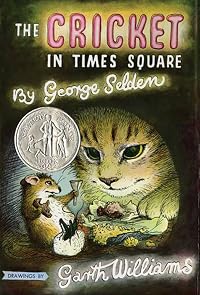
The adventures of a country cricket who unintentionally arrives in New York and is befriended by Tucker Mouse and Harry Cat.Tags
Recommendations



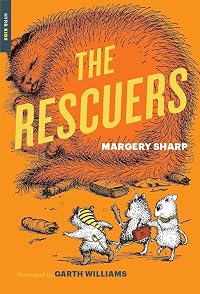

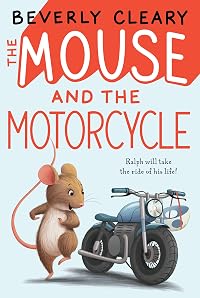
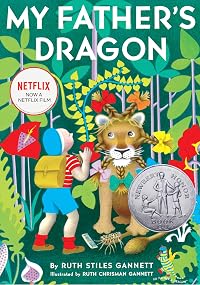

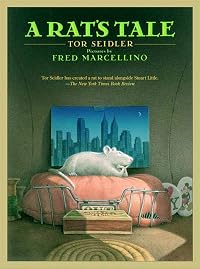
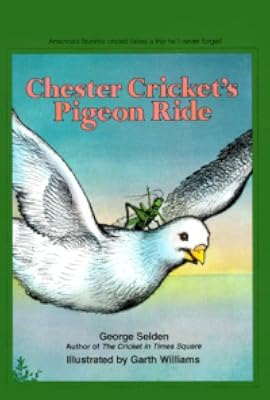

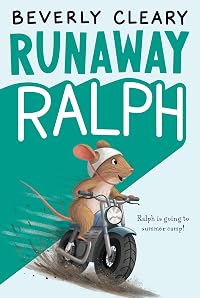
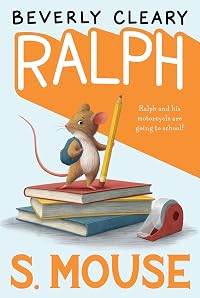
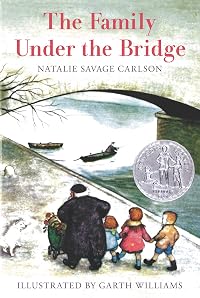



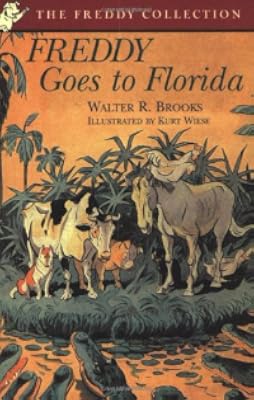
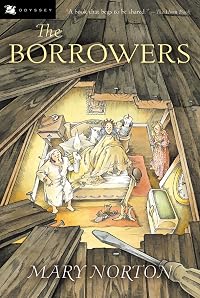

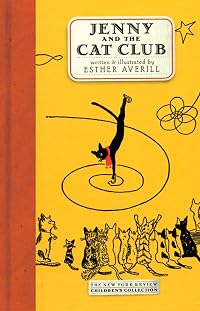
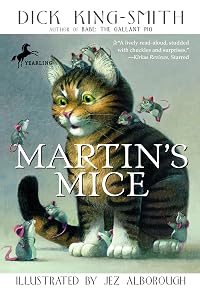
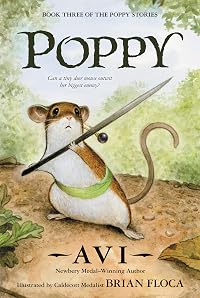

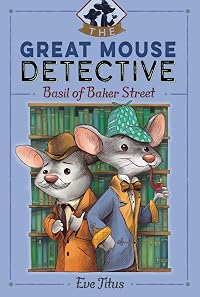
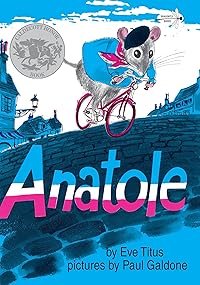

Member Recommendations
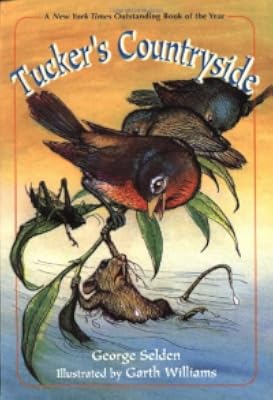
editfish This book is a sequel to 'A Cricket in Times Square'. Don't read any of the other 'Chester' or 'Harry' books until you've first read that one!
editfish This book is a sequel to 'A Cricket in Times Square'. Don't read any of the other 'Chester' or 'Harry' books until you've first read that one!
Member Reviews
Chester Cricket has always lived in a Connecticut meadow, but his curiosity about a picnic basket results in his winding up in the Times Square subway station. This is where Mario Bellini, son of the owners of a struggling newsstand, finds Chester and takes him in. Tucker the mouse and Harry the cat also befriend Chester. Their adventures, disasters, and triumphs form the basis of a wonderful friendship.
This book is utterly delightful. It demonstrates the value of true friendship, loyalty, and compassion, and teaches us about responsibility and obligation to do the right thing. Chester’s story makes my heart sing, just as his playing affected the passersby in the subway. Garth Williams’s illustrations are perfectly detailed and a show more wonderful addition to the story. show less
This book is utterly delightful. It demonstrates the value of true friendship, loyalty, and compassion, and teaches us about responsibility and obligation to do the right thing. Chester’s story makes my heart sing, just as his playing affected the passersby in the subway. Garth Williams’s illustrations are perfectly detailed and a show more wonderful addition to the story. show less
Chester Cricket jumps into a picnic basket in his meadow in Connecticut and finds himself on a train to New York City - specifically, the Times Square subway station, where he meets Tucker Mouse and Harry Cat, and is adopted by Mario Bellini, whose family runs a newsstand. Mario ventures to Chinatown to find a cricket cage and learn what Chester likes to eat (mulberry leaves), and Chester wows the Bellinis and the subway crowds by giving concerts of songs he's heard on the radio. But Chester's concert schedule becomes exhausting, and he misses Connecticut, so Tucker and Harry help him come up with a plan to go home - and maybe to visit in the future.
Utterly charming. I was drawn back to this one by the news of a new edition that will update some of the more, well, racist aspects of the book. Despite doing a whole unit on this book in early elementary school, I didn't remember the Chinese characters at all. But I'm getting ahead of myself.
Tucker the mouse lives in the Times Square subway station, right across from a struggling newsstand near the Times Square-Union Station shuttle. Late one evening he hears a beautiful, strange sound...and so does Mario, the son of the Italian immigrants who own the newsstand. It's a cricket, whose love of liverwurst got him caught up in the basket of some New Yorkers picnicking in his meadow in Connecticut, and who is, like many out-of-towners, show more overwhelmed by the hustle and bustle of the city. Mario takes him in as a pet on his mother's condition that the dirty bug lives in the newsstand, not their home. That night, Tucker and his friend Harry the cat quickly befriend Chester Cricket.
The book contains a series of adventures before settling into something like a plot: Chester and his friends feast, venture topside to Times Square, and earn a little money to make up for some that they lose; meanwhile, Mario ventures down to Chinatown with Chester to buy him a little cage, and they end up befriending a pair of Chinese immigrants who share cricket lore, care tips, and a delicious meal. After a night when the animals' antics go a bit too far and cause big trouble for Mario's family, they discover that Chester has a talent for music that even humans can love. With the support of an enthusiastic, music-loving customer, word spreads, attracting appreciative audiences who give the newsstand a boost. But fame is a tricky thing, and Chester misses his meadow. In the end, he must make a difficult decision, and is friends and owner must learn to respect his choice and say goodbye.
Selden published The Cricket in Times Square in 1960, so the book is full of glimpses of a bygone city: Italian immigrants abandoning their culture, Chinese immigrants maintaining traditions, a young child allowed to work a late-night newsstand and take the subway downtown on his own in order to learn about and appreciate the new and different; a Times Square full of neon lights instead of digital displays, a subway still divided between companies, and lunch counters in the station instead of cheap souvenir shops and chain stores.
As for the Chinese men, I get the sense (the unfounded hope?) that this was a case where the intention may have been good but the handling and knowledge weren't. Writing out dialect really shouldn't be done by someone who doesn't speak it (though another reviewer points out some unexpected linguistic accuracies); emotions shouldn't be associated with physical characteristics ("The old Chinese man...looked slyly out of the corner of his eyes" [p 45]); cultural signs of respect shouldn't be turned into a joke; and, um, kimonos are Japanese clothing, not Chinese. Still, Mario's overall appreciation of what he learns from the Chinese men--how to care for a cricket, how to use chopsticks instead of asking for a fork, that real Chinese food is delicious rather than strange, that clothes and plates and cricket cages are different but beautiful--struck me as much more inclusive than I would expect from a book written in the '50s, rather than completely othering.
I saw complaints about Sao Feng's sudden switch from suspicion to childlike delight when he learns that Mario has a cricket, but that does seem to jibe with the heightened and childlike emotions displayed by other adult characters, such as Mario's mother's disgust and distrust of an insect, and the music professor's snobby skepticism turning into worshipful awe of Chester's musical talent. This exaggeration is something that I see in many children's books, and I don't think it's necessarily a bad thing, especially when characters who seem like caricatures at first develop more nuance later: Mario's mother gets teary when she hears an old Italian song and the professor shows up for all of Chester's performances. Look no further than Pixar's Inside Out for an illustration of how children feel big, simple emotions while developing more complex feelings, demonstrated by Mario's understanding and acceptance of Chester's ultimate decision. (If anything, Mario's mother's histrionics compared to her young son's level-headedness could be seen as sexist without other high-emotion (male) characters to keep her company.)
This review focuses on the humans because that's what gets the most attention in criticism these days, but the stars of the story are clearly Chester Cricket, Tucker Mouse, and Harry the Cat, three unlikely friends who support each other even when baffled by their preferences, who discuss difficult decisions and mistakes and then help each other follow through on resolutions and amends-making. Their oddball but genuine friendship is what truly gives this book its staying power.
The Cricket in Times Square is endearing, and there is an undercurrent of good feeling and themes of learning about and respecting strangers and people who are different from yourself. I'm hopeful that the forthcoming revised and updated edition will preserve these elements and enhance the charm by revising the parts that we now recognize as less than charming. Hopefully this will allow a new generation of children to love Chester, Tucker, Harry, and Mario, and enjoy their adventures without feeling belittled by or internalizing harmful stereotypes.
Quotes
p. 6) Now Tucker Mouse had heard almost all the sounds that can be heard in New York City. He had heard the rumble of the subway trains and the shriek their iron wheels make when they go around a corner. From above, through the iron grills that open onto the streets, he had heard the thrumming of the rubber tires of automobiles, and the hooting of their horns, and the howling of their brakes. And he had heard the babble of voices when the station was full of human beings, and the barking of the dogs that some of them had on leashes. Birds, the pigeons of New York, and cats, and even the high purring of airplanes above the city Tucker had heard. But in all his days, and on all his journeys through the greatest city in the world, Tucker had never heard a sound quite like this one.
p. 8) Mario heard the sound too. . . . If a leaf in a green forest far from New York had fallen at midnight through the darkness into a thicket, it might have sounded like that.
p. 102) Just as I wondered about whether the Chinese was accurate, I wondered whether the Italian was as well. Still, this scene where Chester softens Mama Bellini's hard heart by playing, at Tucker's encouragement, a song that turns out to be her favorite, with an accompanying description of her memories of young love in Italy, was heartwarming.
Disclaimer: While I work for the parent company of the imprint that publishes this book (now--I read an edition published by Dell/Yearling), my opinions are entirely my own and do not reflect those of the publisher. show less
Tucker the mouse lives in the Times Square subway station, right across from a struggling newsstand near the Times Square-Union Station shuttle. Late one evening he hears a beautiful, strange sound...and so does Mario, the son of the Italian immigrants who own the newsstand. It's a cricket, whose love of liverwurst got him caught up in the basket of some New Yorkers picnicking in his meadow in Connecticut, and who is, like many out-of-towners, show more overwhelmed by the hustle and bustle of the city. Mario takes him in as a pet on his mother's condition that the dirty bug lives in the newsstand, not their home. That night, Tucker and his friend Harry the cat quickly befriend Chester Cricket.
The book contains a series of adventures before settling into something like a plot:
Selden published The Cricket in Times Square in 1960, so the book is full of glimpses of a bygone city: Italian immigrants abandoning their culture, Chinese immigrants maintaining traditions, a young child allowed to work a late-night newsstand and take the subway downtown on his own in order to learn about and appreciate the new and different; a Times Square full of neon lights instead of digital displays, a subway still divided between companies, and lunch counters in the station instead of cheap souvenir shops and chain stores.
As for the Chinese men, I get the sense (the unfounded hope?) that this was a case where the intention may have been good but the handling and knowledge weren't. Writing out dialect really shouldn't be done by someone who doesn't speak it (though another reviewer points out some unexpected linguistic accuracies); emotions shouldn't be associated with physical characteristics ("The old Chinese man...looked slyly out of the corner of his eyes" [p 45]); cultural signs of respect shouldn't be turned into a joke; and, um, kimonos are Japanese clothing, not Chinese. Still, Mario's overall appreciation of what he learns from the Chinese men--how to care for a cricket, how to use chopsticks instead of asking for a fork, that real Chinese food is delicious rather than strange, that clothes and plates and cricket cages are different but beautiful--struck me as much more inclusive than I would expect from a book written in the '50s, rather than completely othering.
I saw complaints about Sao Feng's sudden switch from suspicion to childlike delight when he learns that Mario has a cricket, but that does seem to jibe with the heightened and childlike emotions displayed by other adult characters, such as Mario's mother's disgust and distrust of an insect, and the music professor's snobby skepticism turning into worshipful awe of Chester's musical talent. This exaggeration is something that I see in many children's books, and I don't think it's necessarily a bad thing, especially when characters who seem like caricatures at first develop more nuance later: Mario's mother gets teary when she hears an old Italian song and the professor shows up for all of Chester's performances. Look no further than Pixar's Inside Out for an illustration of how children feel big, simple emotions while developing more complex feelings, demonstrated by Mario's understanding and acceptance of Chester's ultimate decision. (If anything, Mario's mother's histrionics compared to her young son's level-headedness could be seen as sexist without other high-emotion (male) characters to keep her company.)
This review focuses on the humans because that's what gets the most attention in criticism these days, but the stars of the story are clearly Chester Cricket, Tucker Mouse, and Harry the Cat, three unlikely friends who support each other even when baffled by their preferences, who discuss difficult decisions and mistakes and then help each other follow through on resolutions and amends-making. Their oddball but genuine friendship is what truly gives this book its staying power.
The Cricket in Times Square is endearing, and there is an undercurrent of good feeling and themes of learning about and respecting strangers and people who are different from yourself. I'm hopeful that the forthcoming revised and updated edition will preserve these elements and enhance the charm by revising the parts that we now recognize as less than charming. Hopefully this will allow a new generation of children to love Chester, Tucker, Harry, and Mario, and enjoy their adventures without feeling belittled by or internalizing harmful stereotypes.
Quotes
p. 6) Now Tucker Mouse had heard almost all the sounds that can be heard in New York City. He had heard the rumble of the subway trains and the shriek their iron wheels make when they go around a corner. From above, through the iron grills that open onto the streets, he had heard the thrumming of the rubber tires of automobiles, and the hooting of their horns, and the howling of their brakes. And he had heard the babble of voices when the station was full of human beings, and the barking of the dogs that some of them had on leashes. Birds, the pigeons of New York, and cats, and even the high purring of airplanes above the city Tucker had heard. But in all his days, and on all his journeys through the greatest city in the world, Tucker had never heard a sound quite like this one.
p. 8) Mario heard the sound too. . . . If a leaf in a green forest far from New York had fallen at midnight through the darkness into a thicket, it might have sounded like that.
p. 102) Just as I wondered about whether the Chinese was accurate, I wondered whether the Italian was as well. Still, this scene where Chester softens Mama Bellini's hard heart by playing, at Tucker's encouragement, a song that turns out to be her favorite, with an accompanying description of her memories of young love in Italy, was heartwarming.
Disclaimer: While I work for the parent company of the imprint that publishes this book (now--I read an edition published by Dell/Yearling), my opinions are entirely my own and do not reflect those of the publisher. show less
Chester Cricket, a native of Connecticut, gets stuck in a picnic basket and is eventually found and taken in by a young boy, Mario, whose parents own a newstand in the subway. Chester is befriended by two other denizens of the subway station, Tucker Mouse and Harry Cat.
Lots of depth can be found in this small book about Chester Cricket and his summer spent in the Times Square subway station. I particularly like that Tucker Mouse is left to be a less than perfect character. He never learns a "lesson" that changes him into a paragon; he remains a real, fully-fleshed out character with plenty of faults. I also found the exploration of the effects fame can have on a performer to be quite interesting, particularly in light of the current show more fishbowl climate celebrities live in.
Listened to the Recorded Books Playaway narrated by Barbara Caruso. The depiction of the Chinese man Mario goes to see for cricket advice made me uncomfortable, but I wonder if the accent was an audio production decision or written into the book. If it was written into the book, I think it would make me less uncomfortable because the book was written in the early 1960s before political awareness was as common. If it was an audio production decision or Barbara Caruso's choice, I'd find that less acceptable since the audio was produced in 1994. Maybe it shouldn't bother me at all, but it just seemed to be in slightly poor taste. I also would love to hear an audio production that incorporated some of the classical music mentioned within the story. What a great way that would be to introduce that music to children and to deepen the impact of the story. I believe my parents read this aloud to us as children, but I didn't remember it at all so maybe I'm wrong. show less
Lots of depth can be found in this small book about Chester Cricket and his summer spent in the Times Square subway station. I particularly like that Tucker Mouse is left to be a less than perfect character. He never learns a "lesson" that changes him into a paragon; he remains a real, fully-fleshed out character with plenty of faults. I also found the exploration of the effects fame can have on a performer to be quite interesting, particularly in light of the current show more fishbowl climate celebrities live in.
Listened to the Recorded Books Playaway narrated by Barbara Caruso. The depiction of the Chinese man Mario goes to see for cricket advice made me uncomfortable, but I wonder if the accent was an audio production decision or written into the book. If it was written into the book, I think it would make me less uncomfortable because the book was written in the early 1960s before political awareness was as common. If it was an audio production decision or Barbara Caruso's choice, I'd find that less acceptable since the audio was produced in 1994. Maybe it shouldn't bother me at all, but it just seemed to be in slightly poor taste. I also would love to hear an audio production that incorporated some of the classical music mentioned within the story. What a great way that would be to introduce that music to children and to deepen the impact of the story. I believe my parents read this aloud to us as children, but I didn't remember it at all so maybe I'm wrong. show less
Second Childhoods
I'm discovering that reading can give you the gift of a childhood again. And it's a hoot!
I don't mean I'm nostalgically re-reading books that I once read as child, but that I'm reading books new to me, some I've never even heard of.
Ostensibly I'm pre-reading them before I make the selections that me and my granddaughters (the two Littles) will read together in our weekly after school time together. Tonight, though, I realized that I often pick books that on the outset I know we three will never read together. Yet, I read them anyway, knowing that.
Well, why not? A few hours spent in a world--cheerful, imaginative, kind, often funny, and almost always has a happy ending--is uplifting in between the "serious adult" books show more I read.
So, tonight I listened to this book, a book that will not fit the limited time the girls I have once a week. I listened via a Hoopla recording read by Vikas Adam. I don't know if it was his recording or the book's text, but I laughed out loud many times at Tucker, a New Yorker kind of mouse with that New Yorker sense of humor.
Now I have lined up several more kid's books on audio.....for little old me! show less
I'm discovering that reading can give you the gift of a childhood again. And it's a hoot!
I don't mean I'm nostalgically re-reading books that I once read as child, but that I'm reading books new to me, some I've never even heard of.
Ostensibly I'm pre-reading them before I make the selections that me and my granddaughters (the two Littles) will read together in our weekly after school time together. Tonight, though, I realized that I often pick books that on the outset I know we three will never read together. Yet, I read them anyway, knowing that.
Well, why not? A few hours spent in a world--cheerful, imaginative, kind, often funny, and almost always has a happy ending--is uplifting in between the "serious adult" books show more I read.
So, tonight I listened to this book, a book that will not fit the limited time the girls I have once a week. I listened via a Hoopla recording read by Vikas Adam. I don't know if it was his recording or the book's text, but I laughed out loud many times at Tucker, a New Yorker kind of mouse with that New Yorker sense of humor.
Now I have lined up several more kid's books on audio.....for little old me! show less
Tucker is a streetwise city mouse. He thought he'd seen it all. But he's never met a cricket before, which really isn't surprising, because, along with his friend Harry Cat, Tucker lives in the very heart of New York City--the Times Square subway station. Chester Cricket never intended to leave his Connecticut meadow. He'd be there still if he hadn't followed the entrancing aroma of liverwurst right into someone's picnic basket. Now, like any tourist in the city, he wants to look around. And he could not have found two better guides--and friends--than Tucker and Harry. The trio have many adventures--from taking in the sights and sounds of Broadway to escaping a smoky fire.
Chester makes a third friend, too. It is a boy, Mario, who show more rescues Chester from a dusty corner of the subway station and brings him to live in the safety of his parents' newsstand. He hopes at first to keep Chester as a pet, but Mario soon understands that the cricket is more than that. Because Chester has a hidden talent and no one--not even Chester himself--realizes that the little country cricket may just be able to teach even the toughest New Yorkers a thing or two. show less
Chester makes a third friend, too. It is a boy, Mario, who show more rescues Chester from a dusty corner of the subway station and brings him to live in the safety of his parents' newsstand. He hopes at first to keep Chester as a pet, but Mario soon understands that the cricket is more than that. Because Chester has a hidden talent and no one--not even Chester himself--realizes that the little country cricket may just be able to teach even the toughest New Yorkers a thing or two. show less
Chester Cricket hops into a family's picnic basket in his home state of Connecticut and inadvertently gets taken to New York City, where he hops off at Grand Central Station. Luckily for him, his sad chirps are heard by Mario, a youngster who takes Chester to live in his family's newsstand in the station. Chester quickly makes friends with a cat and a mouse who also live in the station and has quite a few adventures - and misadventures - with his new pals.
I recall reading and enjoying this book as a child, and remember it feeling old-fashioned and quaint back then. Surprisingly, the book was written in the 1960s and seems to be set around the same time, yet it feels as if you are hearkening back to a much older time period when you read show more it. For instance, the young child working all kinds of late nights and alone seems particularly outdated! The book also shows its age with its lack of diversity issues -- there are no female characters outside of the histrionic-prone Mama and the depiction of Sai Fong is rather stereotypical.
On the flip side, it is nice to have a light read like this where death and destruction don't play a part, as seems to be a common theme in many children's books these days. Instead the book concerns itself with relatively minor mishaps, albeit rather unusual ones. There are several positive themes and lessons that can be gleaned from this novel, including friendship, personal responsibility, and so forth. The black-and-white sketches make for a nice touch, accenting the book's content nicely with a visual here and there to help younger readers along.
All in all, this a solid book that engages the reader and mostly makes up for its outdated bits by being a quick and fun read. Still, I'm not sure that I would be quick to recommend it and I have no interest in reading the further tales of Chester Cricket. show less
I recall reading and enjoying this book as a child, and remember it feeling old-fashioned and quaint back then. Surprisingly, the book was written in the 1960s and seems to be set around the same time, yet it feels as if you are hearkening back to a much older time period when you read show more it. For instance, the young child working all kinds of late nights and alone seems particularly outdated! The book also shows its age with its lack of diversity issues -- there are no female characters outside of the histrionic-prone Mama and the depiction of Sai Fong is rather stereotypical.
On the flip side, it is nice to have a light read like this where death and destruction don't play a part, as seems to be a common theme in many children's books these days. Instead the book concerns itself with relatively minor mishaps, albeit rather unusual ones. There are several positive themes and lessons that can be gleaned from this novel, including friendship, personal responsibility, and so forth. The black-and-white sketches make for a nice touch, accenting the book's content nicely with a visual here and there to help younger readers along.
All in all, this a solid book that engages the reader and mostly makes up for its outdated bits by being a quick and fun read. Still, I'm not sure that I would be quick to recommend it and I have no interest in reading the further tales of Chester Cricket. show less
Members
- Recently Added By
Lists

Favorite Childhood Books
1,651 works; 519 members

Best Newbery Honor Books
258 works; 33 members
1001 Children's Books You Must Read Before You Grow Up
774 works; 101 members

EEK! A Mouse ::: Best Children's Books
95 works; 13 members

Favorite Animal Fiction
359 works; 156 members

Best Children's Books You've Read
197 works; 75 members

School Library Journal - 2012 Top 100 Children's Novels
68 works; 8 members
NPRs Ultimate Backseat Bookshelf: 100 Must-Reads for kids 9-14
222 works; 30 members

Mensa for Kids Excellence in Reading Award Program (Grades K-3)
64 works; 6 members

Five in a Row
144 works; 8 members

Best Friendship Stories
205 works; 16 members
my children books reading list-from 100 great books
101 works; 7 members

Cats in Fiction
209 works; 9 members

Elevenses
316 works; 87 members

Read the book and saw the movie
1,170 works; 195 members
Childhood Favorites
427 works; 24 members
Honey For a Child's Heart
1,152 works; 25 members
Nonhuman Protagonists
245 works; 35 members

Sonlight Books
1,487 works; 25 members

Satori Smiles Children's Book List
262 works; 7 members

Brightly Beaming Curriculum Books
281 works; 8 members
Ambleside Books
459 works; 18 members

Children's Classics Worth Reading
68 works; 9 members

CCE 1000 Good Books List
1,033 works; 12 members
Newbery Honor Books By Year - I - 1922-1980
199 works; 3 members

Best Read Alouds for Kids who Love Animals
6 works; 1 member

4th Grade Books
312 works; 5 members

6th Grade
68 works; 4 members

Books Read in 2011
684 works; 19 members

Overdue Podcast
808 works; 9 members

thinking of reading in 2016
99 works; 1 member

Best Fantasy Novels
821 works; 357 members

Five star books
1,767 works; 110 members
1960s
281 works; 16 members
1960s, Best books published therein
254 works; 22 members
Before Austen Comes Aesop
318 works; 9 members
1970s
657 works; 23 members

Five in a Row
174 works; 2 members

Recommended Reading List
219 works; 1 member

Books We Loved As Children
610 works; 254 members

Read Aloud Revival
108 works; 4 members
The Five Books That Represent Us
391 works; 150 members
Author Information

28+ Works 13,197 Members
George Selden Thompson was born in Hartford, Connecticut on May 14, 1929. He graduated from Yale University in 1951 and studied in Rome for a year on a Fulbright Scholarship. During his lifetime, he wrote more than 15 children's books and 2 plays under the name George Selden. His first book, The Cricket in Times Square, was published in 1960. It show more won a John Newbery Medal in 1961 and was made into an animated film in 1973. His other works include Tucker's Countryside, The Old Meadow, and Harry Kitten and Tucker Mouse. He died from complications from a gastrointestinal hemorrhage on December 5, 1989 at the age of 60. (Bowker Author Biography) show less
All Editions
Some Editions
Awards and Honors
Awards
Distinctions
Series

Belongs to Publisher Series
Puffin Story Books (183)
Work Relationships
Has the adaptation
Has as a student's study guide
Has as a teacher's guide
Common Knowledge
- Canonical title
- The Cricket in Times Square
- Original publication date
- 1960
- People/Characters
- Mama Bellini; Mario Bellini; Papa Bellini; Harry Cat; Chester Cricket; Tucker Mouse (show all 7); Horatio Smedley
- Important places
- New York, New York, USA
- Related movies
- The Cricket in Times Square (1973 | IMDb)
- First words
- A mouse was looking at Mario.
- Quotations
- What good is it to be famous if it only makes you unhappy?
- Last words
- (Click to show. Warning: May contain spoilers.)"I know what you mean," said Harry Cat.
- Original language
- English
Classifications
- Genres
- Children's Books, Fiction and Literature, Kids
- DDC/MDS
- 813.54 — Literature & rhetoric American literature in English American fiction in English 1900-1999 1945-1999
- LCC
- PZ10.3 .T3734 .C — Language and Literature Fiction and juvenile belles lettres Fiction and juvenile belles lettres Juvenile belles lettres
- BISAC
Statistics
- Members
- 9,868
- Popularity
- 1,030
- Reviews
- 81
- Rating
- (4.00)
- Languages
- 8 — Chinese, English, French, German, Italian, Japanese, Korean, Spanish
- Media
- Paper, Audiobook, Ebook
- ISBNs
- 91
- UPCs
- 1
- ASINs
- 45