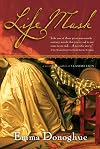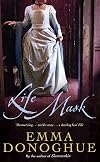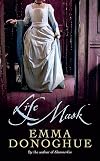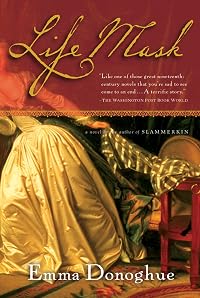
Life Mask
by Emma Donoghue
On This Page
Description
In eighteenth-century England, the eccentric widow Mrs. Damer works as the period's only woman sculptor, the horse race innovator Lord Derby endures public mockery, and a Drury Lane actress endeavors to gain entry into aristocratic circles.Tags
Recommendations


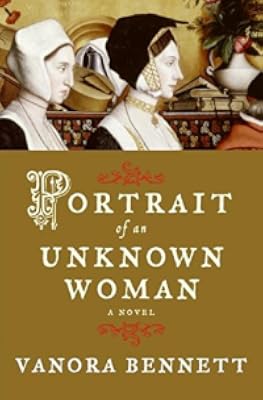
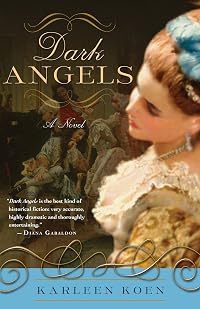
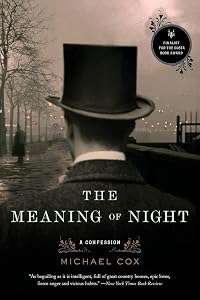
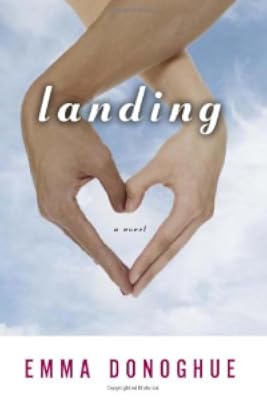



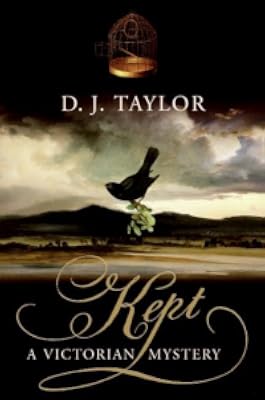
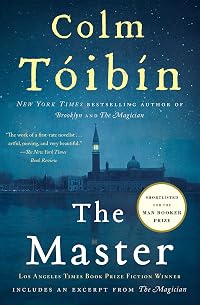
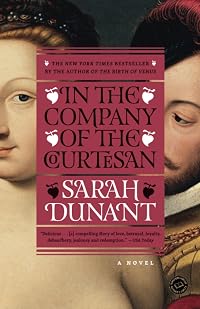
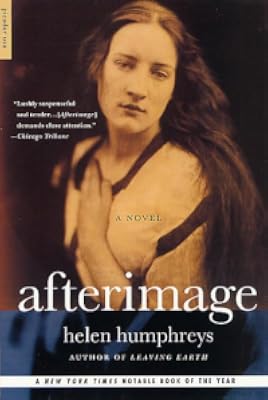
Member Recommendations
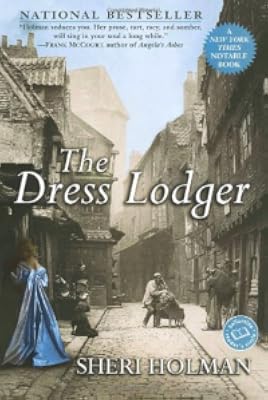
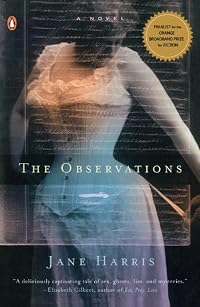
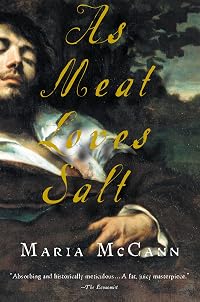
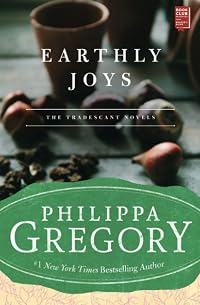
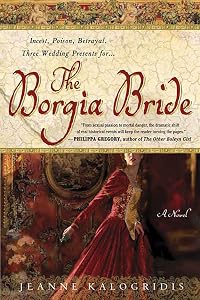
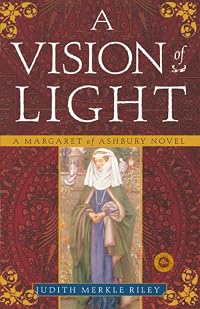
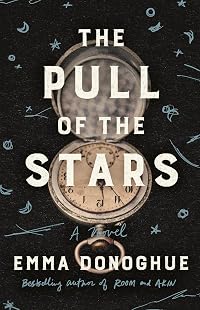
mambo_taxi While one book is a double biography and the other is historical fiction, both deal with the precarious lives of female artists. Some characters you meet in their youth in Life Mask you meet again in their old age in Fanny and Adelaide. Both books are highly enjoyable.
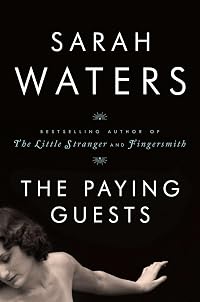
BookshelfMonstrosity Intimate friendships between women give rise to scandalous rumors and interpersonal drama in these character-driven historical novels. Although both London-set stories are atmospheric and richly detailed, The Paying Guests opens in the 1920s, Life Mask in the late eighteenth century.
Member Reviews
Enjoyable and often fascinating novel by an lesbian Irish author about art, theater, and romantic entanglements in upper-class Britain at the turn of the 19th century. Thoroughly researched and full of great bits of social history, although honestly, I would have preferred slightly less detail on the politics of the period. (Not that the politics didn't make for an interesting comparison with current US politics, concerns about terrorism and homeland security and all!)
All of the main characters are real historical figures (yes, this is historical RPF), and Donoghue fleshes out the details from the historical record with fluid and imaginative details. These are nuanced and complex characters -- she does a great job of getting into the show more mindset of the era, letting even her most sympathetic characters express views that are appalling from a contemporary context. She does this with considerable subtlety -- never overtly passing judgment or providing an intrusive authorial presence.
Recommended for anyone who likes historical fiction or is interested in British theater or politics of the era, and for fans of Georgette Heyer. (Don't expect one of Heyer's neatly-resolved endings here, but do expect considerably more attention to queer themes.) show less
All of the main characters are real historical figures (yes, this is historical RPF), and Donoghue fleshes out the details from the historical record with fluid and imaginative details. These are nuanced and complex characters -- she does a great job of getting into the show more mindset of the era, letting even her most sympathetic characters express views that are appalling from a contemporary context. She does this with considerable subtlety -- never overtly passing judgment or providing an intrusive authorial presence.
Recommended for anyone who likes historical fiction or is interested in British theater or politics of the era, and for fans of Georgette Heyer. (Don't expect one of Heyer's neatly-resolved endings here, but do expect considerably more attention to queer themes.) show less
In Life Mask, Ms. Donoghue takes a crack at historical fiction with a story that wanders across ten years and follows the intersecting paths of a maturing aristocrat, an upright actress, and a widowed artist. Not a lot happens apart from how varying relationships develop and/or drift, but this is definitely more of a social period piece than a bodice-ripping thriller.
As historical fiction, Life Mask plays much stronger and more sincerely as fiction than it does as history. Set against the backdrop of King George III's England and the political upheaval caused by the French revolution, Ms. Donoghue's effort stumbles clumsily across some archly expressed political views. She vilifies Pitt's conservative government in order to make a show more thinly veiled attack upon the Bush administration. This is silly almost beyond belief. I laughed out loud as the *cough cough* more enlightened liberal Whigs speechify against Pitt's unwarranted obsession with "weapons of mass destruction" and "terrorists." (No joke, these expressions get bandied about quite handily. Just wait till you get to the part where Pitt attempts to curtail individual liberty by creating a department of "homeland security.") The references are so dumb as to be offensive, as is the intellectual and historical revisionism inherent in these political transmogrifications.
Fortunately for Ms. Donoghue, I don't read her for her boneheaded political interpretations, and as a work of fiction, Life Mask is a completely engrossing melodrama from start to finish. I was genuinely sad when the book ended and I had to leave her three lead characters in the past whence they came. show less
As historical fiction, Life Mask plays much stronger and more sincerely as fiction than it does as history. Set against the backdrop of King George III's England and the political upheaval caused by the French revolution, Ms. Donoghue's effort stumbles clumsily across some archly expressed political views. She vilifies Pitt's conservative government in order to make a show more thinly veiled attack upon the Bush administration. This is silly almost beyond belief. I laughed out loud as the *cough cough* more enlightened liberal Whigs speechify against Pitt's unwarranted obsession with "weapons of mass destruction" and "terrorists." (No joke, these expressions get bandied about quite handily. Just wait till you get to the part where Pitt attempts to curtail individual liberty by creating a department of "homeland security.") The references are so dumb as to be offensive, as is the intellectual and historical revisionism inherent in these political transmogrifications.
Fortunately for Ms. Donoghue, I don't read her for her boneheaded political interpretations, and as a work of fiction, Life Mask is a completely engrossing melodrama from start to finish. I was genuinely sad when the book ended and I had to leave her three lead characters in the past whence they came. show less
Emma Donoghue has an amazing talent for portraying the lives of women. From lesbians to 18th- century murderers and actresses, Donoghue captures the imagination of her readers with her vivid prose and insightful, intelligent comments about society. The women she puts on paper are enchanting; their lives (fact or fiction) become real when Donoghue puts them to paper. Her sense of history is dead-on accurate, leading the reader to feel as if he or she has been catapulted unexpectedly into the world of 18th- century England.
Life Mask is the story of three famous Londoners in 1787: Anne Damer, the most famous female sculptor of the time; the Earl of Derby; and Eliza Farren, actress. The three, along with friends, meet together often to put show more on plays at the Earl of Rochester's mansion, Strawberry Hill. The tale follows these three protagonists as they move through London Bon Ton, or High Society.
As in Slammerkin, Donoghue is intensely conscious of the fashion of the time; but here, as well, she becomes more and more involved with the politics of the day. England had just lost its major colony in a crippling, economy-damaging war, and the political situation was rife with unrest. Everyone, it seems, wears a mask, and not just onstage: Eliza Farren and Derby, as they struggle with their six-year love affair are only just a part of this magnificent novel. This is a powerful political and romantic intrigue, fraught with tension and excitement. show less
Life Mask is the story of three famous Londoners in 1787: Anne Damer, the most famous female sculptor of the time; the Earl of Derby; and Eliza Farren, actress. The three, along with friends, meet together often to put show more on plays at the Earl of Rochester's mansion, Strawberry Hill. The tale follows these three protagonists as they move through London Bon Ton, or High Society.
As in Slammerkin, Donoghue is intensely conscious of the fashion of the time; but here, as well, she becomes more and more involved with the politics of the day. England had just lost its major colony in a crippling, economy-damaging war, and the political situation was rife with unrest. Everyone, it seems, wears a mask, and not just onstage: Eliza Farren and Derby, as they struggle with their six-year love affair are only just a part of this magnificent novel. This is a powerful political and romantic intrigue, fraught with tension and excitement. show less
It surprised me how much I had forgotten about this book—I remembered Anne Damer and her art, and the background noise about the French revolution, but I had forgotten all about Eliza and Lord Derby, and the British politics. Goes on to show what interested me most, perhaps. Nasty gossip and innuendo plays a big part in the book in how Anne and Eliza carry out their lives, but I'd forgotten about what looks like gay panic, and how long it takes for Anne in the book to actually find fulfilment. On the whole, I still found this book enjoyable.
Oh, I love Emma Donoghue! This is historical fiction of the best kind -- actually based very closely on fact, using an impressive treasure trove of journals, letters, and biographies to flesh out historical figures with imagined details. The tale of two female friends in England in the late 1700s, rumored to have participated in a relationship barely imaginable at the time. There is a bit of drag towards the end, but overall the writing is fascinating. I have been recommending this book freely.
A long novel set in the 18th century, centering around three people who share a character trait of being indecisive and boring. Anne Damer is a an aristocrat and a sculptor; she's friends with Lord Derby who has for literally years had a chaste relationship with actress Eliza Farren who has risen from the lower classes to stardom on Drury Lane. Eliza is unwilling to make an arrangement with him while his ailing wife still lives. Anne and Eliza become friends but scurrilous rumors suggesting they are Sapphists threaten both their reputations.
The problem with the book isn't so much that it's long and boring, but that the characters aren't brought to life. Anne's thoughts and feelings are described more than the others. It's hard to see show more why Derby is so besotted with Eliza that he's willing to wait for her and why Anne is so drawn to her - we're told of her beauty and grace and Derby and Anne's delight in that, but beyond that she doesn't have any particular appeal. She's a comedy actress but doesn't come across as clever or funny, and her personality is vague - she says she's never felt love for anyone. She just goes through year after year of performances with a few thoughts about her fellow thespians, but there's no insight into how she prepares for a role or her feelings about acting. A character who's the center of admiration needs to sparkle. The backstage scenes are lifeless, and if Eliza is so appealing, why doesn't she have other stage door Johnnies?
Part of the plot is one of the character's lack of self knowledge, which accounts for some of the vagueness. This was mildly interesting to me in the sense of wondering, in times when sodomy and Sapphism were judged harshly, how would would a person who realized they were drawn in that direction come to terms with it. But as a story, it was unsatisfying. There's much much more intrigue about various characters as the book winds along, but after a while I just didn't care.
Oh yeah they're based on real people, and the politics were interesting enough to make me go to Wikipedia for more background - so was Hugh Walpole - but that wasn't enough. I should have believed the Goodreads reviewers who said this was boring. show less
The problem with the book isn't so much that it's long and boring, but that the characters aren't brought to life. Anne's thoughts and feelings are described more than the others. It's hard to see show more why Derby is so besotted with Eliza that he's willing to wait for her and why Anne is so drawn to her - we're told of her beauty and grace and Derby and Anne's delight in that, but beyond that she doesn't have any particular appeal. She's a comedy actress but doesn't come across as clever or funny, and her personality is vague - she says she's never felt love for anyone. She just goes through year after year of performances with a few thoughts about her fellow thespians, but there's no insight into how she prepares for a role or her feelings about acting. A character who's the center of admiration needs to sparkle. The backstage scenes are lifeless, and if Eliza is so appealing, why doesn't she have other stage door Johnnies?
Part of the plot is one of the character's lack of self knowledge, which accounts for some of the vagueness. This was mildly interesting to me in the sense of wondering, in times when sodomy and Sapphism were judged harshly, how would would a person who realized they were drawn in that direction come to terms with it. But as a story, it was unsatisfying. There's much much more intrigue about various characters as the book winds along, but after a while I just didn't care.
Oh yeah they're based on real people, and the politics were interesting enough to make me go to Wikipedia for more background - so was Hugh Walpole - but that wasn't enough. I should have believed the Goodreads reviewers who said this was boring. show less
Emma Donoghue brings to life three historical figures - sculptress and Sapphist Anne Damer, actress Eliza Farren and her devoted suitor the Earl of Derby, not to mention a list of cameos straight from a Burke's Peerage of the late eighteenth century - but does so with a far from subtle and occasionally clumsy combination of historical biography and fiction. Is this book fiction wrapped around a kernel of fact, or the author's research shoehorned into a story? I enjoy reading about life and lives during the eighteenth century, but I didn't appreciate the interruption in dialogue and characterisation to tell me what I could easily look up for myself. And then when Donoghue either adapts history to suit herself or makes chronological and show more etymological errors - Thomas Paine was English not American, and words such as 'Terrorism' and 'graffiti' did not exist in the modern sense in the 1790s - the bones of her research really show through the flesh of her imagination. That said, Donoghue is a stylish writer, and Derby, Eliza and Anne are all believable as living, loving beings on the page, especially towards the close of the book when the characters grow and their relationships change (and the author begins to tone down the infodumps). I would recommend this book to those who haven't read much background about the era, but who would like a potted and atmospheric, if not accurate, history of the time - there's very little plot, merely ten years in the lives of three people, and the political and social changes that happen to and around them - but it is still engrossing from beginning to end. show less
Members
- Recently Added By
Lists

Best Contemporary Literary Fiction (Around the Last 30 Years)
388 works; 124 members

Historical Fiction
889 works; 91 members

Sense of place
156 works; 13 members
Author Information

42+ Works 34,648 Members
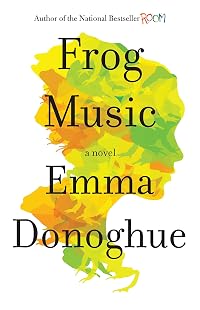
Emma Donoghue was born on October 24, 1969 in Dublin, Ireland. She received her BA degree from the University College Dublin and PhD in English from University of Cambridge. Her first novel was Stir. Her next novel was Hood which won the 1997 American Library Association's Gay, Lesbian and Bisexual Book Award for Literature. Her novel Slammerkin show more was a finalist in the 2001 Irish Times Irish Literature Prize for Fiction. The Sealed Letter, published in 2008, is a work of historical fiction. This work was the joint winner of the 2009 Lambda Literary Award for Lesbian Fiction. She continued writing several award winning novels including Room which was shortlisted for the Man Booker Prize in September 2010. Some of her other works include Astray, Three and a Half Deaths, and Frog Music. (Bowker Author Biography) show less
Awards and Honors
Common Knowledge
- Original publication date
- 2004
- People/Characters
- Anne Damer; Eliza Farren; George III, King of the United Kingdom; William Pitt the Younger; Charles James Fox; George IV, King of the United Kingdom (show all 8); Richard Brinsley Sheridan; Horace Walpole
- Important places
- London, England, UK
- Important events
- French Revolution
Classifications
Statistics
- Members
- 851
- Popularity
- 32,144
- Reviews
- 19
- Rating
- (3.60)
- Languages
- English
- Media
- Paper, Audiobook, Ebook
- ISBNs
- 19
- ASINs
- 7