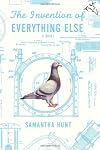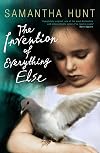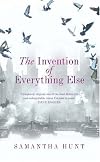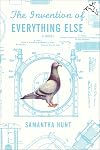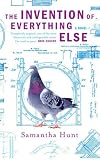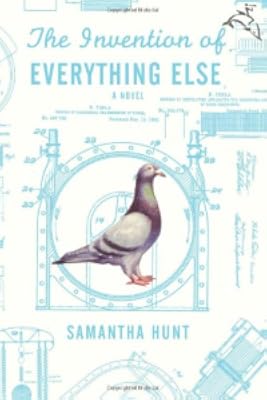
The Invention of Everything Else
by Samantha Hunt
On This Page
Description
New York City thrums with energy, wonder, and possibility in this magical novel about the life of Nikola Tesla.It is 1943, and the renowned inventor Nikola Tesla occupies a forbidden room on the 33rd floor of the Hotel New Yorker, stealing electricity. Louisa, a young maid at the hotel determined to befriend him, wins his attention through a shared love of pigeons; with her we hear his tragic and tremendous life story unfold. Meanwhile, Louisa discovers that her father—and her handsome, show more enigmatic love interest, Arthur Vaughan—are on an unlikely mission to travel back in time and find his beloved late wife. A masterful hybrid of history, biography, and science fiction, The Invention of Everything Else is an absorbing story about love and death and a wonderfully imagined homage to one of history's most visionary scientists.
. show less
Tags
Recommendations



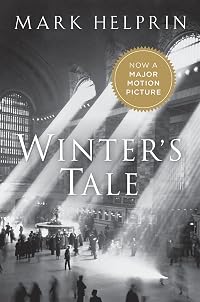

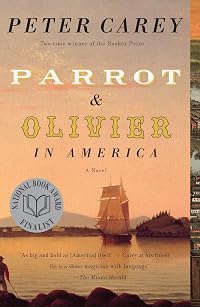
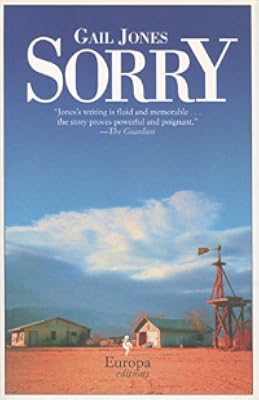

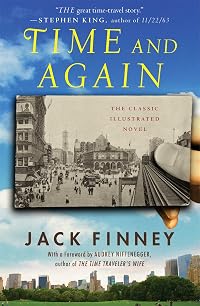













Member Recommendations
Member Reviews
Every retelling of Tesla's story will capture my attention and heart, even if he's become trendy or passed from the trend again. And to have Hunt tell the story? Wonderful. Compelling, so many insights and thoughts on capitalism and dreams and humanity.
This novel is a love letter... Several, in fact. It is an ode to the genius Nikola Tesla; an affair with early 1900s New York City; tales of tenderness between a husband and a wife, a father and a a daughter, best friends, a man and a woman, an unrequited love, and true love between a man and his bird; a flirtation with possibility.
Samantha Hunt has a way with words and emotions. She transports you to a place where you can believe in magic... More than that, though, where you actively seek it out for yourself.
She manages to weave several stories, meandering through the years and lives of separate characters, tying up no loose ends neatly, picking up and dropping off at a whim, mixing fact and fantasy, and still creates a beautiful, show more solid, gratifying whole.
Immersed in her story, I felt that absolutely anything was possible. Much like Tesla, I imagine. show less
Samantha Hunt has a way with words and emotions. She transports you to a place where you can believe in magic... More than that, though, where you actively seek it out for yourself.
She manages to weave several stories, meandering through the years and lives of separate characters, tying up no loose ends neatly, picking up and dropping off at a whim, mixing fact and fantasy, and still creates a beautiful, show more solid, gratifying whole.
Immersed in her story, I felt that absolutely anything was possible. Much like Tesla, I imagine. show less
This Orange prize short-listed novel has had some mixed reviews. To be honest, it's a bit of a mixture itself, refusing to be easily genrified being: part fictionalised biography of mad physicist Nikola Tesla, part love story, part time-travel SF/fantasy, and part mainstream novel.
Although it's not perfect, I loved all of it. When I was a teenager and at university, I read virtually nothing but science fiction and fantasy. I don't read many mainstream SF novels these days, but my love of the genre has matured into a particular liking for speculative fiction set in the recent past through to near future, (I'm thinking Ishiguru's Never let me go and The Time Traveller's Wife here - both books I adored reading). Although I'm a show more physics-based scientist by training, I find I am able to escape into these sorts of novels - ignoring the impossibilities and improbabilities and enjoying the ride without quibbling over the science.
This escapism is only possible though when backed up by good research and quality writing, which luckily is in evidence here. Samantha Hunt has chosen well, for Nikola Tesla is the very epitomy of the mad scientist - a craftsman as a trained engineer, and a true innovator living mainly in his head, and full of quirks.
The novel is set in 1943 during the last weeks of Tesla's life, when he was living in a hotel room in New York; broke and a recluse with pigeons as his only friends left. His mind is still full of plans for fantastic wireless electrical devices including a controversial death ray which just reinforced people's view of him as a mad scientist. Earlier, he was never able to really capitalise on his development of AC systems which overtook Edison's lesser DC ones. He let go of his ideas for radio too and Marconi leapt in to steal the limelight.
As a counterpart to his story, we meet Louisa, a chambermaid at the hotel. Louisa's mother died in childbirth, but she is very close to her father, also an engineer and pigeon fancier. Her first encounter with Tesla is when he causes a power-cut in the hotel:
"The door opens.
To see God would have surprised Louisa less. From inside the room just down the hallway, power, electricity, whirling motion, and glowing bright as the sun spill out into the dark. The porter and manager each raise a hand to cover their eyes. And there in the aura of this wonder is man most unlike other men. A slender frame, terrific height, silver hair that reaches down his forehead in a peak. Louisa notices the dark hollows of his cheeks and even the fine length of his fingers on the doorjamb. He is lovely. Louisa catches her breath. Her mouth hangs open at the hinge. He is stunning, like Dracula grown old, like cold black branches covered with snow in the winter. "
So we compare and contrast the two men through Louisa - her father and his friend Azor who thinks he's built a time-machine; and the scientist most likely get there first if only he wasn't 86. I got swept up in the romance of the whole thing and would heartily recommend it. But if you like your science more cut and dried - you'll miss out on the magic of this book. show less
Although it's not perfect, I loved all of it. When I was a teenager and at university, I read virtually nothing but science fiction and fantasy. I don't read many mainstream SF novels these days, but my love of the genre has matured into a particular liking for speculative fiction set in the recent past through to near future, (I'm thinking Ishiguru's Never let me go and The Time Traveller's Wife here - both books I adored reading). Although I'm a show more physics-based scientist by training, I find I am able to escape into these sorts of novels - ignoring the impossibilities and improbabilities and enjoying the ride without quibbling over the science.
This escapism is only possible though when backed up by good research and quality writing, which luckily is in evidence here. Samantha Hunt has chosen well, for Nikola Tesla is the very epitomy of the mad scientist - a craftsman as a trained engineer, and a true innovator living mainly in his head, and full of quirks.
The novel is set in 1943 during the last weeks of Tesla's life, when he was living in a hotel room in New York; broke and a recluse with pigeons as his only friends left. His mind is still full of plans for fantastic wireless electrical devices including a controversial death ray which just reinforced people's view of him as a mad scientist. Earlier, he was never able to really capitalise on his development of AC systems which overtook Edison's lesser DC ones. He let go of his ideas for radio too and Marconi leapt in to steal the limelight.
As a counterpart to his story, we meet Louisa, a chambermaid at the hotel. Louisa's mother died in childbirth, but she is very close to her father, also an engineer and pigeon fancier. Her first encounter with Tesla is when he causes a power-cut in the hotel:
"The door opens.
To see God would have surprised Louisa less. From inside the room just down the hallway, power, electricity, whirling motion, and glowing bright as the sun spill out into the dark. The porter and manager each raise a hand to cover their eyes. And there in the aura of this wonder is man most unlike other men. A slender frame, terrific height, silver hair that reaches down his forehead in a peak. Louisa notices the dark hollows of his cheeks and even the fine length of his fingers on the doorjamb. He is lovely. Louisa catches her breath. Her mouth hangs open at the hinge. He is stunning, like Dracula grown old, like cold black branches covered with snow in the winter. "
So we compare and contrast the two men through Louisa - her father and his friend Azor who thinks he's built a time-machine; and the scientist most likely get there first if only he wasn't 86. I got swept up in the romance of the whole thing and would heartily recommend it. But if you like your science more cut and dried - you'll miss out on the magic of this book. show less
My expectations for this book limited my enjoyment of it. I was really hoping for something more about Tesla and I understood that the book would really revolve around the relationship between Louisa, a housekeeper in the hotel that Tesla was living in at the end of his life, and Tesla, who had become something of a joke by that time. Hunt tries to do too much with this book; to accomplish what she wanted, the book would have had to be much longer. The writing is good and I learned a great deal about the age of discovery when the great inventors of the late 19th century were changing the way we live.
Wow.
When I first heard about this book, I knew I had to get it. I mean, it’s Tesla, okay? That meets my requirements right there. But the reviews were so promising, and indeed I was so excited about it, that when it arrived in the mail, I daren’t read it, because my expectations were so high.
So it sat on my bookshelf from April 2009 until now. And yet I think that I could have opened it immediately and it would have fulfilled even the ridiculous obligations I had laid out for it then.
Nikola Tesla, Samuel Clemens, John Muir- together at a dinner party? Need there be more to keep my interest? How about a realistic sense of history, even in a fictionalized account? How about a style of writing that is at once straightforward, simple, show more elegant, and lyrical? Characters (besides the famous ones) that are well-developed and enchanting. A plot that continues to unfold, inevitably, even as you wish it stopped or transformed. Imaginative explorations that gave me chills.
And then THIS gem on page 240:
"I didn’t care what they had said. I didn’t believe them. Who are government men to tell the truth? I held on to the file. I had sat very straight during the interview as though I was Bess the landlord’s daughter, the landlord’s black-eyed daughter with a shotgun tucked just below my rib cage, primed to go off if I exhaled too vigorously. I answered their questions, but there was very little to tell."
It made me think that, yes, this book reminded me of that poem (Alfred Noyes's The Highwayman), and that song (sung by Loreena McKennitt)- indeed, the feeling one gets from reading this book is not unlike that of listening to a ghost story.
And yet, as magical and otherworldly as it might seem at times, it is still grounded- any good story about Tesla would have to be both. He may be a ghost, but he’s just as real in death as he was fantastical in life.
“[T]here is only one world. This one. The dream is real. The ordinary is the wonderful. The wonderful is the ordinary.” (p. 84)
And, indeed, if you don't understand this, you will not understand the book. It will go right over your head.
I've found the right word, and the reason why I kept thinking about Marilynne Robinson's work in comparison (in addition to Kafka's [Amerika], which could almost *be* the story of Tesla, poor soul):
Ethereal
"What was it to suddenly come awake? To suddenly fall asleep? Particularly while Freddie was standing there just beside him? What would she think of him if he were to stretch out underneath one of the pine massifs that are not really pine massifs but street lamps? To take off his shoes and dip his feet into a brook that might have trickled across the island of Manhattan two hundred years before but had since been staunched and subverted by culverts, bubbling up as a filthy puddle, a sparrow's oily bathtub? What was it to suddenly come awake? It was terrifying. Yes, he thought. I am terrified, but I don't want it to end. If time is so porous that a full-grown man can slip inside it while holding fast to the hand of his wife, what then can he rely on at all? The solidity of a hand? He doubted it. " (pp. 102-3)
Oh, yes. Ethereal is the perfect word for this book. show less
When I first heard about this book, I knew I had to get it. I mean, it’s Tesla, okay? That meets my requirements right there. But the reviews were so promising, and indeed I was so excited about it, that when it arrived in the mail, I daren’t read it, because my expectations were so high.
So it sat on my bookshelf from April 2009 until now. And yet I think that I could have opened it immediately and it would have fulfilled even the ridiculous obligations I had laid out for it then.
Nikola Tesla, Samuel Clemens, John Muir- together at a dinner party? Need there be more to keep my interest? How about a realistic sense of history, even in a fictionalized account? How about a style of writing that is at once straightforward, simple, show more elegant, and lyrical? Characters (besides the famous ones) that are well-developed and enchanting. A plot that continues to unfold, inevitably, even as you wish it stopped or transformed. Imaginative explorations that gave me chills.
And then THIS gem on page 240:
"I didn’t care what they had said. I didn’t believe them. Who are government men to tell the truth? I held on to the file. I had sat very straight during the interview as though I was Bess the landlord’s daughter, the landlord’s black-eyed daughter with a shotgun tucked just below my rib cage, primed to go off if I exhaled too vigorously. I answered their questions, but there was very little to tell."
It made me think that, yes, this book reminded me of that poem (Alfred Noyes's The Highwayman), and that song (sung by Loreena McKennitt)- indeed, the feeling one gets from reading this book is not unlike that of listening to a ghost story.
And yet, as magical and otherworldly as it might seem at times, it is still grounded- any good story about Tesla would have to be both. He may be a ghost, but he’s just as real in death as he was fantastical in life.
“[T]here is only one world. This one. The dream is real. The ordinary is the wonderful. The wonderful is the ordinary.” (p. 84)
And, indeed, if you don't understand this, you will not understand the book. It will go right over your head.
I've found the right word, and the reason why I kept thinking about Marilynne Robinson's work in comparison (in addition to Kafka's [Amerika], which could almost *be* the story of Tesla, poor soul):
Ethereal
"What was it to suddenly come awake? To suddenly fall asleep? Particularly while Freddie was standing there just beside him? What would she think of him if he were to stretch out underneath one of the pine massifs that are not really pine massifs but street lamps? To take off his shoes and dip his feet into a brook that might have trickled across the island of Manhattan two hundred years before but had since been staunched and subverted by culverts, bubbling up as a filthy puddle, a sparrow's oily bathtub? What was it to suddenly come awake? It was terrifying. Yes, he thought. I am terrified, but I don't want it to end. If time is so porous that a full-grown man can slip inside it while holding fast to the hand of his wife, what then can he rely on at all? The solidity of a hand? He doubted it. " (pp. 102-3)
Oh, yes. Ethereal is the perfect word for this book. show less
Louisa is a dreamy young woman who works as a chambermaid at The Hotel New Yorker during World War II. She frequently goes through her guests' personal belongings, to learn more about them and to create fantasies of their lives for her own entertainment. One day one of her colleagues calls out sick, and she is reassigned to the 33rd and 34th floors of the hotel. She soon discovers that the occupant of Room 3327 is the famous but aged inventor Nicola Tesla, who has lived in the hotel for years despite being destitute and in arrears on his rent for several months. While cleaning his room the next day, she is caught by him as she is reading a manuscript of his life. The two strike up a friendship, due to their shared love of pigeons and to show more Louisa's interest in his life and his inventions.
She has a chance encounter on the subway with a high school classmate, and their mutual love of homing pigeons and science fantasy lead to a love affair. Her father, whose wife died many years in the past, re-encounters his best friend, who invites him to a radio science program where he will discuss his new invention, which will change all of their lives. At the same time, Louisa learns that Tesla is also working on a grand project, which he hopes will win him the acclaim that he did not receive in the past.
Many of the events in this extensively researched and well told novel are based on real details of Tesla's life. It is also on the shortlist for the 2009 Orange Prize for Fiction. It was a very enjoyable and worthwhile read overall, although I found it to be overly detailed in some sections. show less
She has a chance encounter on the subway with a high school classmate, and their mutual love of homing pigeons and science fantasy lead to a love affair. Her father, whose wife died many years in the past, re-encounters his best friend, who invites him to a radio science program where he will discuss his new invention, which will change all of their lives. At the same time, Louisa learns that Tesla is also working on a grand project, which he hopes will win him the acclaim that he did not receive in the past.
Many of the events in this extensively researched and well told novel are based on real details of Tesla's life. It is also on the shortlist for the 2009 Orange Prize for Fiction. It was a very enjoyable and worthwhile read overall, although I found it to be overly detailed in some sections. show less
The writing is evocative, haunting and just overall amazing. This is my second book by this author and I have learned that you can't expect a plot. She writes stories for the sake of telling a story. If you expect a conclusion or a purpose to the story, you won't find one. If that's what you are looking for, you should still read this author. You won't get that, but you will get to read writing that is mesmerizing.
Members
- Recently Added By
Published Reviews
ThingScore 100
Hunt’s prose is spirited, witty, and—dare I say it—inventive, but it’s also pricked with doubt and the bare, cold fact of loss. Again and again, this novel reminds us that even our best creative energies fail more often than they succeed.
added by paradoxosalpha
Lists

BingoDOG - Scientists in Fiction
111 works; 17 members
Talk Discussions
Past Discussions
The Invention of EVERYTHING ELSE by Samantha Hunt in Orange January/July (July 2011)
Author Information

13+ Works 2,481 Members
Awards and Honors
Common Knowledge
- Original publication date
- 2008-02
- People/Characters
- Nikola Tesla; Thomas Edison; John Muir, naturalist; Louisa Dewell; Arthur Vaughn; Samuel Langhorne Clemens (Mark Twain) (show all 11); George Westinghouse; Robert Underwood Johnson; Katharine Johnson; Walter Dewell; Azor Carter
- Important places
- New York, New York, USA; Manhattan, New York, New York, USA; Smiljan, Croatia; Hotel New Yorker
- Epigraph
- Everything that can be invented has been invented
-Charles H. Duell, Commissioner,
U.S. Patent Office, 1899 - Dedication
- For Joe
- First words
- Lightning first, then the thunder.
Classifications
Statistics
- Members
- 698
- Popularity
- 40,830
- Reviews
- 44
- Rating
- (3.57)
- Languages
- Dutch, English, Italian, Turkish
- Media
- Paper, Audiobook, Ebook
- ISBNs
- 20
- UPCs
- 2
- ASINs
- 7